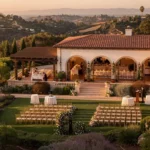

An outdoor reception in Santa Barbara often begins with a setting that already has a strong sense of place. Gardens, estates, vineyards, coastal properties, and open-air venues can provide the backdrop, but the reception itself still has to be built around the way guests will dine, gather, celebrate, and move through the evening. The finished environment comes from much more than placing tables and chairs within the available space.
A complete reception brings several layers together. Dining furniture establishes where guests gather for the meal, linens and tabletop pieces shape the table presentation, bars and lounge furniture support more informal moments, and entertainment, lighting, and service rentals help the event continue beyond dinner. When these decisions are coordinated rather than made separately, the reception feels intentional from one area to the next.
For planners working with Santa Barbara fall event rentals, the goal should therefore be less about assembling a long list of individual products and more about understanding what each part of the reception needs to accomplish.
Start With What the Reception Actually Needs to Support
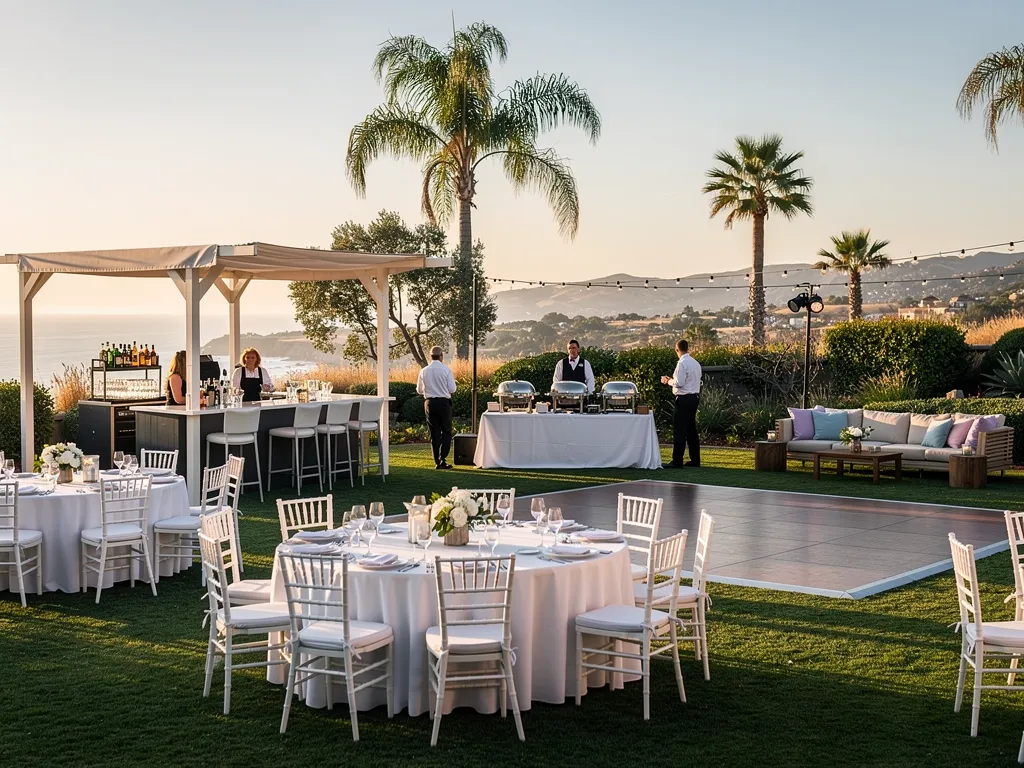
Before focusing on finishes or individual rental styles, consider everything guests and event teams will need the reception space to support. A seated dinner, cocktail hour, bar service, dancing, conversation, catering, and entertainment all place different demands on the setup.
Thinking in terms of these activities creates a stronger foundation than selecting attractive pieces first and trying to determine their purpose later. It also makes it easier to recognize categories that are easy to overlook when attention is concentrated on the main dining area.
Create a Dining Environment, Not Just a Seating Plan
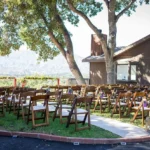
Tables and chairs may occupy the largest portion of the reception, but their role extends beyond providing enough seats for the guest count. Together, they establish the scale and character of the dining environment.
A formal seated dinner may call for a more defined arrangement of guest tables, while another reception may combine dining tables with cocktail-height options or more relaxed seating. A sweetheart table, head table, family table, or other focal dining arrangement may also become part of the setup depending on the event format.
The important distinction is that these pieces should be considered as part of one dining experience. Table shape, chair style, linens, tabletop selections, and surrounding furnishings should support the same overall direction rather than feeling like separate decisions made at different stages of planning.
Make Room for Conversation Beyond the Dining Table
Guests do not remain seated at their dinner tables for an entire reception. Cocktail hour, trips to the bar, conversations between courses, and the period after dinner all create opportunities for other types of gathering.
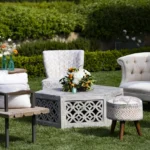
Bars, cocktail tables, lounge furniture, coffee tables, and side tables can help support those moments. They give guests places to stop, set down a drink, or continue conversations away from the main dining area without requiring every social interaction to happen around a formal table.
These spaces do not need to compete with the dining area. Their role is to extend the reception beyond it, giving the event another layer of comfort and flexibility.
Build the Dining Experience Beyond Tables and Chairs
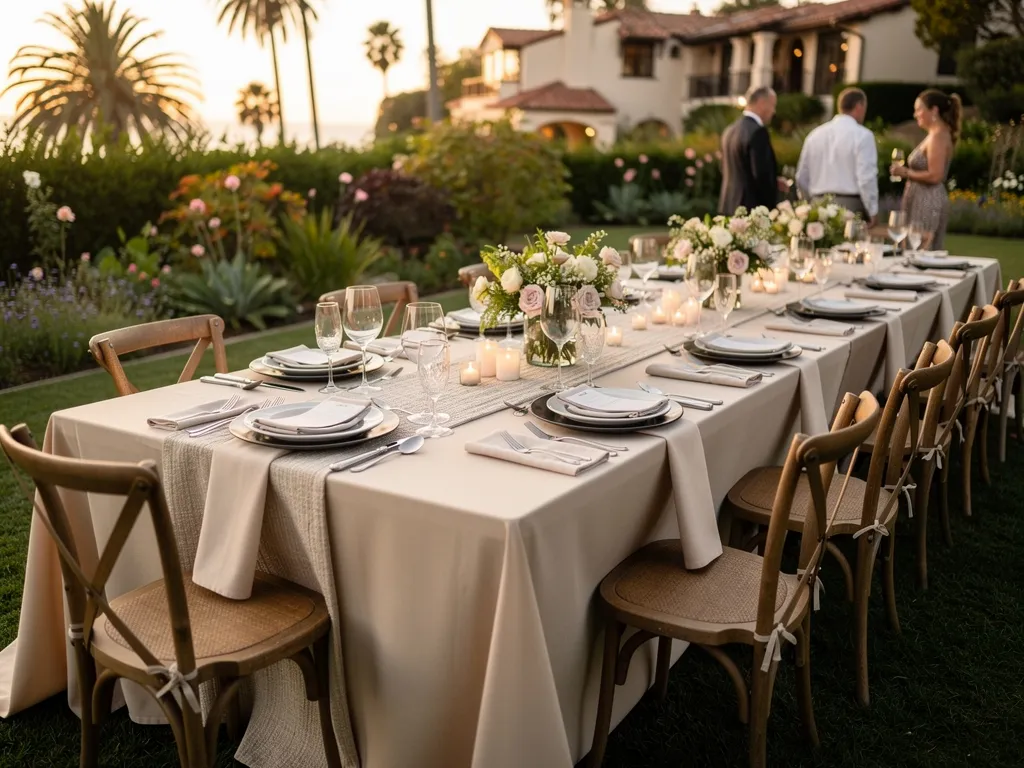
The dining area is often one of the most visually prominent parts of a reception, which makes it easy to focus almost entirely on table and chair styles. The details placed on and around those tables, however, have a significant influence on whether the setting feels complete.
Rather than treating linens, dinnerware, glassware, and flatware as finishing touches added at the end, planners can consider them as parts of the same dining composition.
Use Linens to Establish the Table’s Foundation
Linens create the visual base for the place setting. Depending on the table style and event direction, that may mean a full tablecloth, napkins, runners, overlays, or a more restrained combination.
The best linen choice does not need to announce a particular season or compete with the venue. It should support the overall character of the reception and work comfortably with the furniture, floral design, tabletop pieces, and surrounding setting.
For example, a reception with visually distinctive furniture may call for simpler linen treatments, while a more understated table can support additional texture or detail. The goal is balance rather than adding decorative elements simply because they are available.
Complete the Place Setting With Tabletop Rentals
China, flatware, chargers, and glassware turn an otherwise finished table into a setting that is actually ready for dining.
These selections should reflect how the meal and beverage service will work. A formal plated dinner may require a different combination than a buffet, family-style meal, or reception with a more abbreviated dining service. Glassware should similarly reflect what will actually be served rather than being chosen solely for appearance.
Considering the service format first helps keep the tabletop functional while still allowing design choices to contribute to the overall look.
Coordinate the Table as One Composition
A table does not need every component to match exactly. In many cases, a more layered result comes from combining complementary materials, finishes, shapes, and textures.
What matters is that the major elements are reviewed together. A linen that works beautifully by itself may compete with highly detailed china. Distinctive glassware may have more impact when the surrounding pieces are restrained. A charger may frame a place setting effectively without requiring another decorative layer.
Viewing the linen, dinnerware, flatware, glassware, chair, and table as one composition makes it easier to identify when the setting needs another element and when it already has enough.
Include the Working Side of the Reception
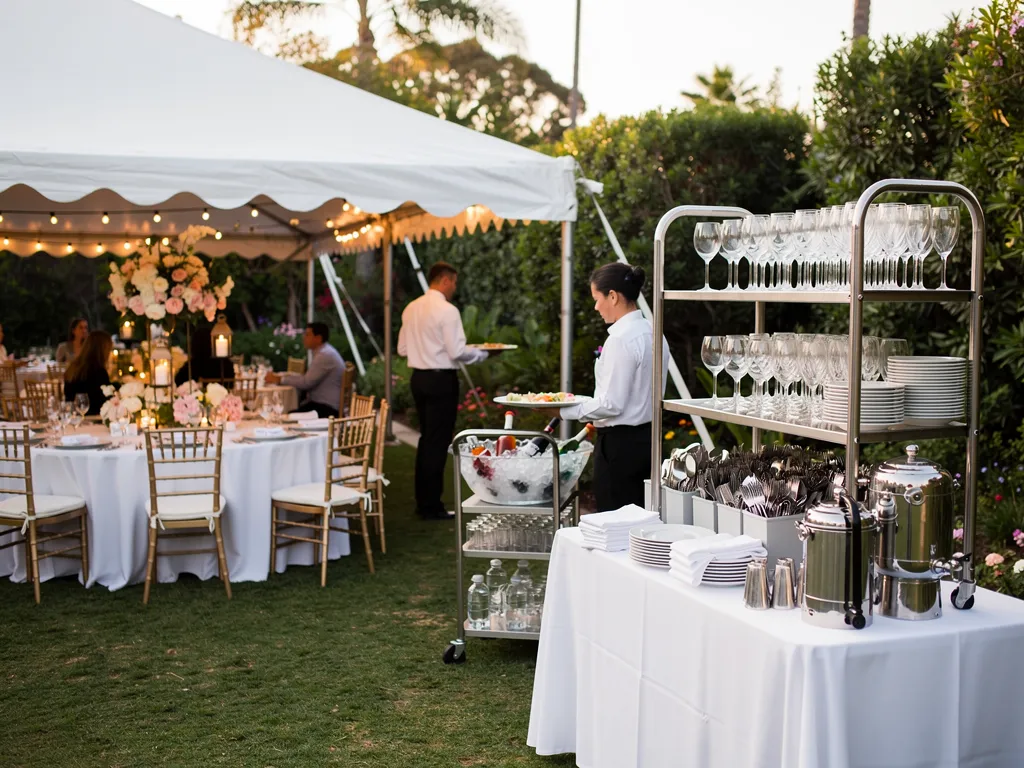
Guests experience the finished event, but a reception also has an operational side. Food has to reach the dining area, beverages have to be served, replacement glassware may be needed, and event teams require the appropriate equipment to support the service plan.
This part of the reception does not need to dominate the visual design, but it should not be left until the final stage either.
Connect Catering Needs to the Broader Rental Plan
The catering format can affect which supporting rentals are needed beyond the guest tables. Depending on the event, these may include service tables, buffet components, food-service equipment, or other catering-related pieces.
The detailed equipment requirements should ultimately reflect the caterer’s service plan, but the larger rental order should acknowledge those needs from the beginning. Doing so prevents a reception from appearing complete from a guest perspective while still missing equipment required for the event to function behind the scenes.
For planners who need a more detailed breakdown of catering infrastructure, that conversation is better handled as its own part of the event plan rather than turning the overall reception design into a catering-equipment checklist.
Treat Beverage Service as Part of the Reception Environment
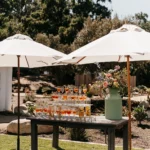
A rental bar can become a visible part of the reception design, particularly when it occupies a prominent gathering area. Glassware, cocktail tables, and surrounding furniture can then support how guests use that space.
The beverage plan should be coordinated with the rest of the reception rather than treated as an independent station. A bar that feels visually unrelated to the dining and lounge areas can make an otherwise cohesive event feel fragmented.
The objective is not to make every element identical, but to make sure the bar feels deliberately included within the broader design.
Remember the Rentals Guests May Never Notice
Some of the most important pieces at an event are not intended to attract attention. Service tables, staging furniture, catering equipment, and other operational rentals may stay largely outside the guest experience.
Their presence still matters.
A useful final review therefore asks two separate questions: what do guests need to see and use, and what do vendors need in order to support the reception properly? Considering both sides produces a more complete plan than evaluating the event only from the photographs or primary guest areas.
Give the Reception a Defined Social Center
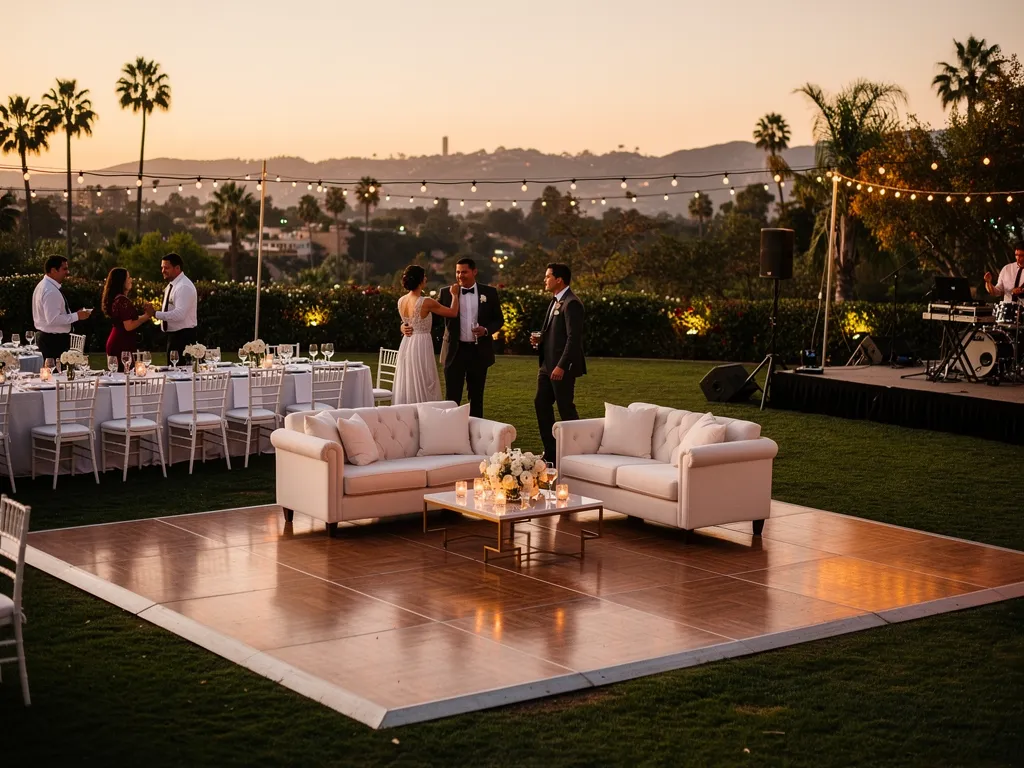
Once dinner begins to wind down, the energy of a reception often shifts. Guests leave their tables, music becomes more prominent, and the evening begins to organize itself around dancing, entertainment, conversation, or another central gathering point.
A complete reception anticipates that transition without requiring the dining environment and entertainment area to perform exactly the same function.
Decide What Anchors the Reception After Dinner
For many weddings and social events, the dance floor becomes the most recognizable center of the evening. At other receptions, a stage, band, lounge area, or prominent bar may share that role.
The specific choice depends on the event format, but the broader principle remains the same: guests should have a clear sense of where the reception continues once the meal is finished.
Dance flooring, staging, lounge pieces, cocktail tables, and supporting furniture can all contribute to that area. Because Ventura Rental already provides more detailed guidance around entertainment-area planning, the important point here is simply to ensure that this part of the reception is considered as deliberately as the dining area.
Support the Area Without Overfilling It
It is tempting to keep adding furniture and decorative elements around a major gathering space. More rentals, however, do not automatically create a more finished reception.
The surrounding pieces should have a purpose. Cocktail tables can provide convenient surfaces for guests standing near the entertainment area. Lounge furniture can create an alternative place to gather. A stage can support live entertainment or formal programming where needed.
Anything beyond those practical and visual functions should earn its place within the design. Leaving appropriate open space can be just as important as filling it.
Use Lighting and Finishing Elements to Connect the Reception
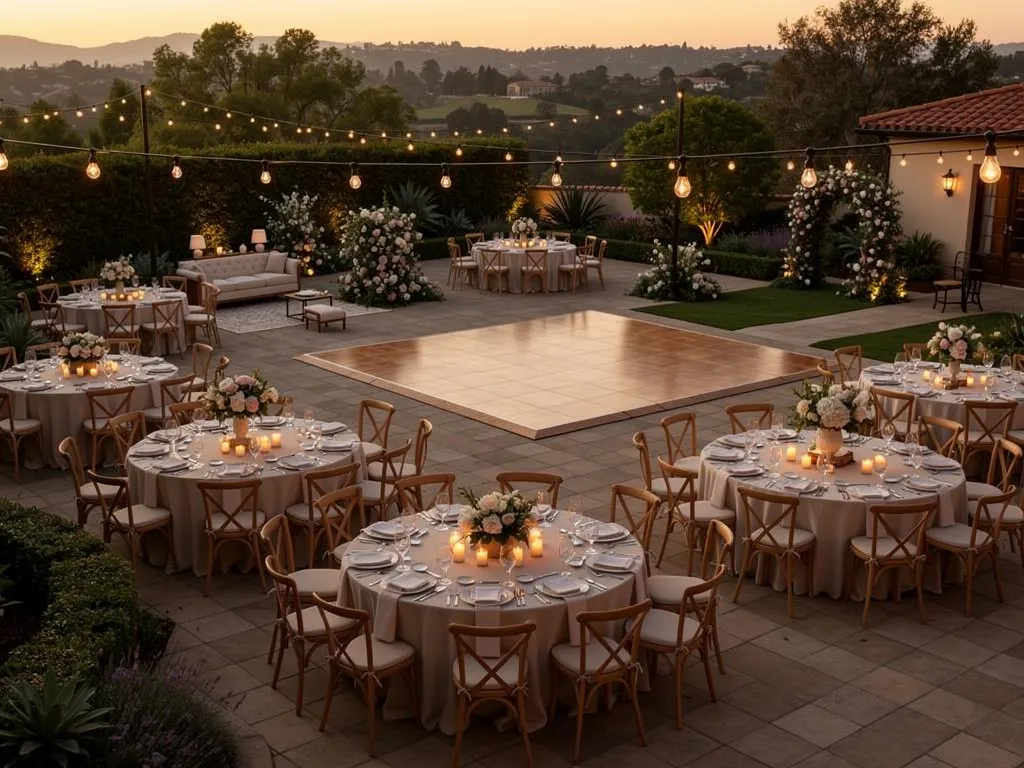
Once the principal areas are established, lighting and decorative rentals can help them feel like parts of the same event rather than separate installations.
This is particularly important at outdoor receptions, where dining, social, and entertainment areas may occupy different parts of the property. The objective is not to introduce another design concept in each location, but to carry a recognizable visual language across the space.
Light the Spaces Guests Continue to Use
Reception lighting should follow the event itself. Dining tables, bars, gathering areas, entertainment spaces, and necessary transitions may all remain active as the evening progresses.
The precise lighting plan deserves its own detailed consideration, but within the broader reception design, lighting functions as a connecting layer. It keeps important areas visually present and helps the setup retain its character as natural light changes.
Instead of treating lighting as an isolated effect, planners can consider how it works alongside the furniture, linens, tabletop pieces, bars, lounge areas, and entertainment elements already selected.
Repeat Details Without Making Every Area Match
Cohesion does not require identical furniture in every part of a reception. A lounge can have its own personality, the bar can act as a statement piece, and the dining area can remain more formal.
Connections can instead come from smaller repetitions. Similar furniture finishes, related linen tones, recurring materials, consistent tabletop details, or selected decorative accents can create continuity without making the event feel overly coordinated.
That approach is especially useful at outdoor Santa Barbara events, where the setting itself often provides enough visual character. Rentals can support that environment rather than trying to overpower it.
Add Infrastructure Only Where the Reception Requires It

Not every outdoor reception requires the same level of temporary infrastructure. Some venues provide extensive built-in amenities, while others require more support from the rental plan.
Rather than making tents, flooring, power, or structural considerations the central subject of this article, they should be evaluated according to what the particular reception requires.
Use Flooring Where a More Defined Surface Is Needed
Flooring can serve several purposes within an outdoor setup. It may establish a more finished surface beneath a particular event area, support a tented environment, or help define a space that would otherwise feel visually disconnected.
A dance floor is a separate consideration because it has a specific entertainment function. General event flooring should therefore be reviewed according to the site and the areas that genuinely need it rather than added automatically throughout the reception.
Treat Tenting and Coverage as Part of the Larger Plan
Tents and other covered structures can play an important role at some Santa Barbara outdoor events, but tent selection involves considerations that extend well beyond reception styling.
When coverage is required, its relationship with dining furniture, lighting, flooring, bars, entertainment, and surrounding event areas should be addressed as part of the broader setup. Detailed tent style, sizing, installation, and weather decisions can then be handled within the dedicated tent-planning process rather than repeated within every rental discussion.
Account for Supporting Power Requirements
Lighting, catering equipment, entertainment, and other event components can introduce power requirements that are easy to overlook when attention is concentrated on what guests will see.
The specific needs should be confirmed with the relevant event professionals, but power belongs on the final coordination list whenever temporary equipment depends on it. It is another example of a supporting element that may remain visually quiet while still being essential to the way the reception operates.
How Santa Barbara Fall Event Rentals Work Together as One Plan
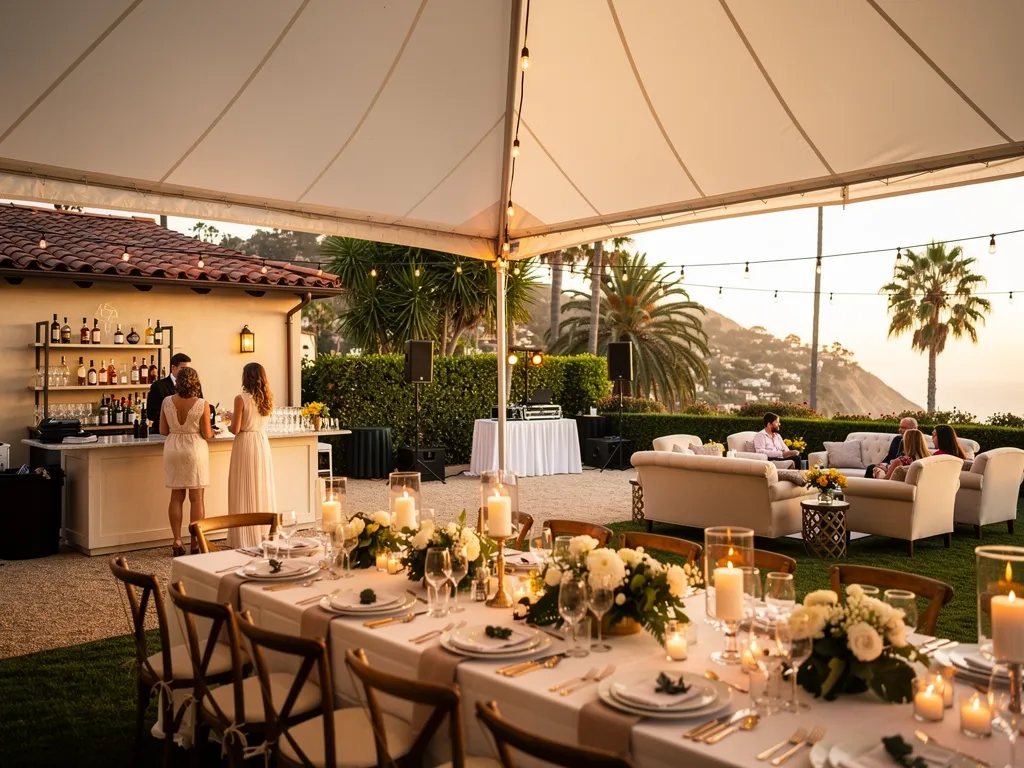
By the time the major pieces have been selected, the most useful final step is not to review each rental category independently. It is to look at the reception as one connected environment and identify anything that still feels incomplete.
This is where a coordinated rental plan becomes more valuable than a product-by-product checklist. The question changes from “Have the chairs been ordered?” to “Is every part of the reception ready for the way it will actually be used?”
Review Every Major Reception Function
A complete review can move through the event according to function:
-
Dining: Are the tables, chairs, linens, and tabletop elements complete for the meal being served?
-
Beverage service: Are the bar, glassware, and supporting furniture appropriate for the beverage plan?
-
Social gathering: Are there places for conversation away from the dining table where the event format calls for them?
-
Catering support: Have the necessary service and operational rentals been accounted for?
-
Entertainment: Does the reception have the flooring, staging, or supporting furniture needed for what happens after dinner?
-
Lighting: Are the primary areas of the reception supported as the event continues into the evening?
-
Infrastructure: Have any necessary tents, flooring, power, or other supporting elements been integrated into the overall plan?
This review is less about adding more rentals and more about confirming that each existing decision serves the reception as a whole.
Look for Gaps Between Categories
Many planning gaps occur between individual rental categories rather than within them.
A bar may be selected before the final glassware needs are understood. A lounge grouping may look complete but lack a practical surface for drinks. Dining tables may be finalized before the full tabletop plan has been considered. An entertainment area may feel visually separate because its furniture or finishes have no connection to the rest of the reception.
These details are easier to identify when the rental order is reviewed as a complete environment rather than as several separate lists.
The solution is not necessarily another product. Sometimes a small adjustment to an existing selection creates the missing connection.
Coordinate the Final Picture With Ventura Rental
Ventura Rental Party & Events can support Santa Barbara receptions across interconnected rental categories, including furniture, linens, tabletop pieces, bars, lounge furniture, catering equipment, lighting, flooring, dance floors, staging, tenting, and other event essentials.
Bringing the relevant categories together within one coordinated rental discussion allows planners to review how the pieces relate to one another before the reception setup is finalized. This is particularly valuable when the event includes several distinct guest areas that still need to feel like parts of the same celebration.
Frequently Asked Questions
What rentals are needed for a complete outdoor reception in Santa Barbara?
The exact rental list depends on the venue and event format, but a reception may require dining tables and chairs, linens, tabletop rentals, bars, lounge furniture, lighting, dance flooring, staging, catering-related equipment, and supporting infrastructure. The most useful approach is to organize rentals around dining, beverage service, gathering, entertainment, and event operations rather than treating every product as an independent selection.
What reception rentals are easy to overlook?
Smaller supporting pieces are often easier to miss than major furniture. Depending on the event, these may include cocktail tables, lounge side tables, complete glassware, chargers, service tables, catering equipment, or other operational rentals. Reviewing the event according to how each area will actually function can help identify these gaps before the final order is confirmed.
Should all reception rentals follow the same design style?
No. A cohesive reception does not require every rental to match. Dining furniture, lounge pieces, bars, tabletop items, and entertainment areas can each have their own character while sharing selected materials, finishes, tones, or design details. Coordination generally creates a more layered result than literal matching.
Can one rental plan include dining, lounge, bar, and entertainment areas?
Yes. Considering these areas together can make it easier to create a reception that feels connected from dinner through the later parts of the evening. The plan can account for the major guest-facing areas while also including supporting rentals needed for catering, beverage service, lighting, and other event operations.
Build the Reception as a Complete Environment
A polished outdoor reception is not created by one statement rental or by filling every open area with furniture. It develops through the relationship between the dining environment, tabletop selections, beverage service, gathering spaces, entertainment, lighting, and the quieter infrastructure working behind them.
For planners selecting Santa Barbara fall event rentals, reviewing those elements as one complete environment can help prevent gaps and keep the event visually connected without overcomplicating the design. Ventura Rental Party & Events can help coordinate the rental categories needed to support that finished reception, from the first seated dinner through the final gathering of the evening.