
Using Uplighting and Spotlighting to Highlight Historic Architecture
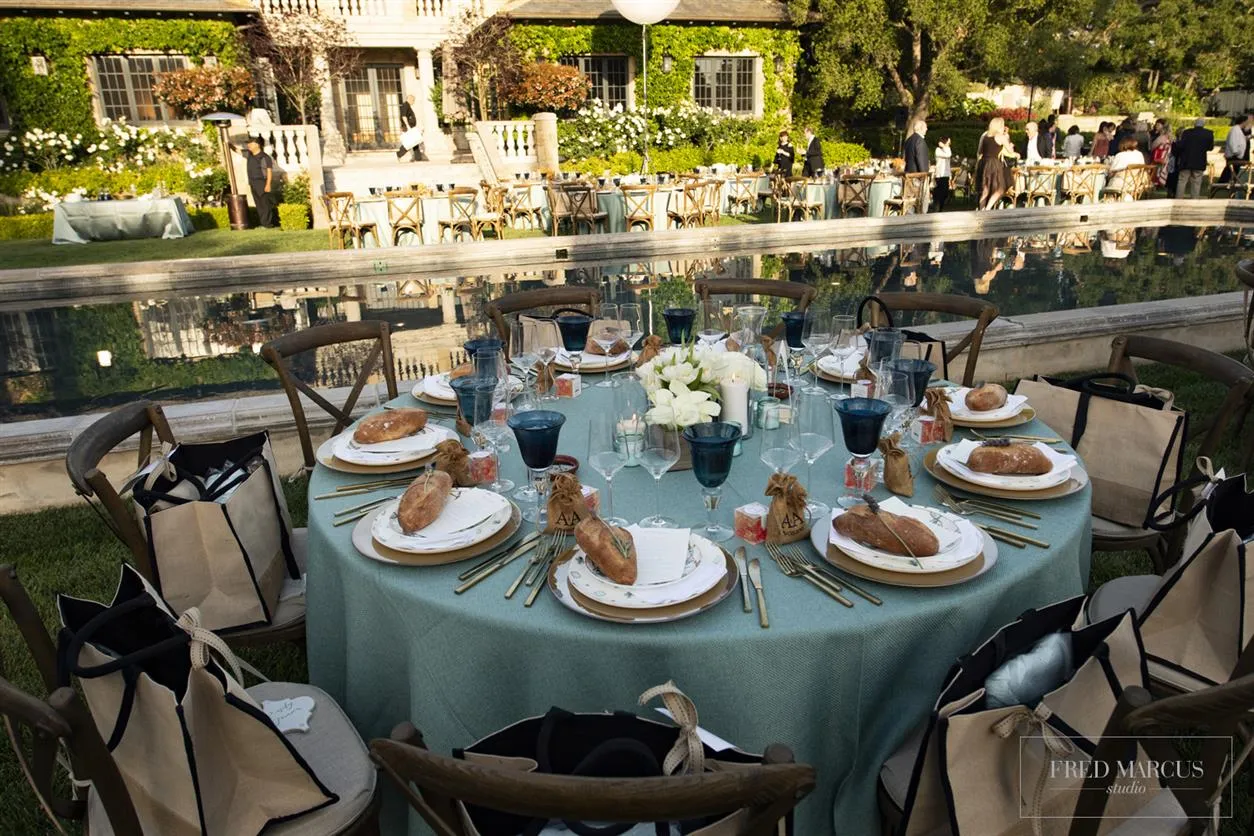
Historic venues often contain details that become less visible after sunset. Strategic lighting can bring those features back into focus while changing the way guests experience the property at night.
The original content identifies uplighting and spotlighting as two primary techniques for emphasizing architecture, with each producing a different visual effect.
Creating Depth with Architectural Uplighting
Uplighting generally involves positioning fixtures near the base of a wall, building, column, tree, or another suitable feature and directing the light upward.
This technique can emphasize texture and create greater visual depth. Historic façades, moldings, columns, and other architectural details can become more noticeable once illuminated against the evening sky.
Placement is especially important. Fixtures should support the architecture rather than wash every surface with the same amount of light. Carefully selected locations can create contrast between illuminated surfaces and natural shadows, helping the venue retain its character.
Lighting can also be coordinated with the event’s overall visual direction. Warm illumination may complement traditional architecture, while other carefully chosen tones can reinforce an event design without overwhelming the building.
Before positioning uplights, planners should identify the features that naturally define the venue. Not every wall or architectural detail needs equal emphasis. Potential focal points may include:
-
Historic façades and textured walls
-
Columns and archways
-
Courtyard architecture
-
Entrances and doorways
-
Trees and landscaping
-
Decorative architectural details
-
Ceremony backdrops
-
Reception focal points
Drawing Attention with Spotlighting
Spotlighting takes a more targeted approach.
Instead of illuminating a broad section of architecture from below, a spotlight can direct attention toward one specific feature. This may include a column, decorative façade, garden feature, entrance, stage, or another focal point within the event environment.
The source emphasizes the flexibility of spotlighting because the angle and focus can be adjusted according to the feature being highlighted.
This technique can also establish a visual hierarchy. A particularly important architectural element can receive more attention, while surrounding areas remain softly illuminated. The result can feel more intentional than applying equal brightness throughout the venue.
Planning Lighting Around a Santa Barbara Historic Venue
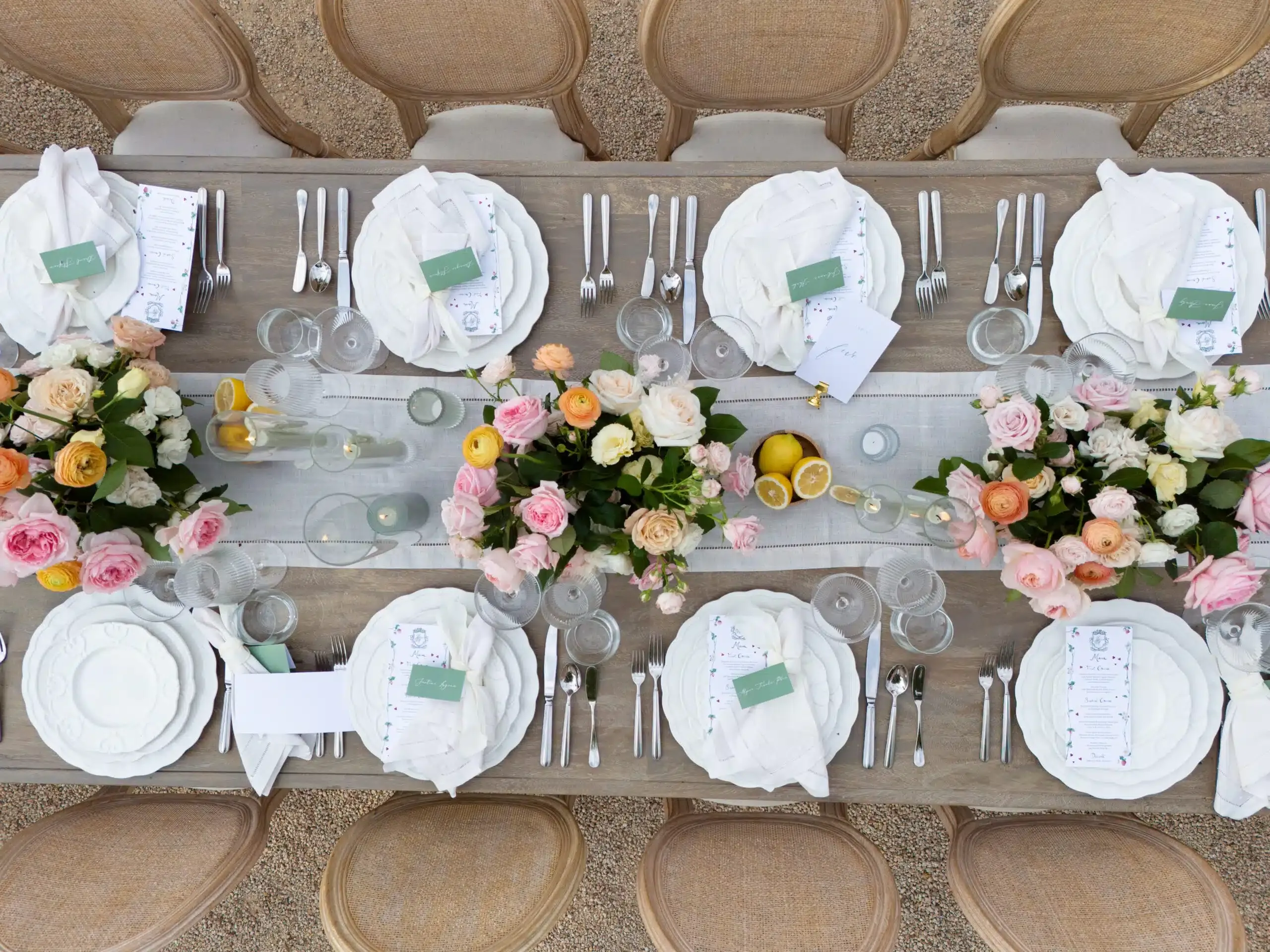
Every historic property has its own architecture, layout, landscape, and installation considerations. Lighting should therefore begin with an understanding of the venue rather than a predetermined design.
The original content recommends identifying important architectural elements, balancing brightness, considering guest flow, and coordinating lighting with the broader event design.
Identifying the Venue’s Most Important Features
The first step is determining what makes the property visually distinctive.
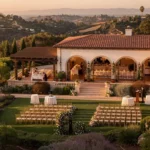
A historic venue may feature textured exterior walls, arches, columns, courtyards, decorative details, mature trees, or other elements that contribute to its character. Lighting can then be directed toward the features that have the strongest visual relationship with the event.
The goal is not necessarily to illuminate everything.
Selective lighting creates contrast and allows architectural features to stand apart from the surrounding environment. This can be particularly effective for outdoor receptions, where the illuminated architecture may become the backdrop for dining, dancing, or lounge areas.
The source also emphasizes maintaining the integrity of historic properties when making lighting decisions. Any venue-specific installation requirements or restrictions should therefore be confirmed before the final setup is planned.
Balancing Brightness and Atmosphere
More light does not automatically produce a better event environment.
Excessive brightness can flatten architectural texture and reduce the contrast that makes uplighting visually effective. It can also change the intimate atmosphere that many planners want for evening weddings and receptions.
A balanced design combines functional illumination with decorative emphasis.
Architectural lighting can highlight the property, while lighting around dining, lounge, and entertainment areas can support guest comfort. Bistro-style lighting may also complement an outdoor setting where a softer overhead glow is appropriate. The original source includes bistro lighting alongside uplighting and spotlighting as one of the techniques available for outdoor event environments.
Coordinating Lighting with the Complete Event Design

Architectural lighting works best when it feels connected to the rest of the event rather than added as an isolated feature.
Tables, chairs, lounge furniture, tents, flooring, staging, linens, tabletop pieces, and décor all influence what guests see once they enter the space.
Connecting Lighting with Furniture and Décor
Lighting can help visually connect architectural surroundings with the rentals placed throughout the venue.
For example, an illuminated historic wall can form the backdrop for a lounge area. Dining tables can be arranged where guests can appreciate the surrounding architecture, while lighting near reception areas can establish a comfortable atmosphere without competing with centerpieces and other decorative details.
The original source specifically recommends coordinating lighting with tents, furniture, and décor to create a cohesive visual environment.
This coordination is particularly valuable for events that transition from afternoon into evening. Furniture and décor establish the design during daylight, while lighting can maintain that visual direction after sunset.
Several rental and design elements should therefore be considered alongside the lighting plan. Looking at them together makes it easier to determine where illumination will have the greatest effect. These may include:
-
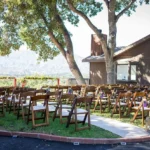
Dining tables and chairs
-
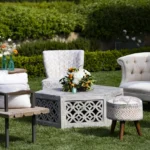
Lounge furniture
-
Tents and covered spaces
-
Event flooring
-
Staging
-
Linens and tabletop rentals
-
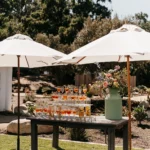
Bars and catering areas
-
Decorative focal points
Defining Different Event Zones
Lighting can also distinguish separate areas within a large property.
A wedding may include a ceremony location, cocktail area, reception dining space, lounge, bar, and dance floor. Rather than separating these areas with physical barriers, variations in lighting can help give each one its own identity.
Uplighting may establish an architectural backdrop around the reception. Focused lighting can emphasize a selected feature, while softer illumination can create a more relaxed atmosphere around lounge furniture.
This approach can make a large venue feel more organized while still maintaining visual continuity between the different parts of the celebration.
Designing Lighting for Weddings and Evening Events
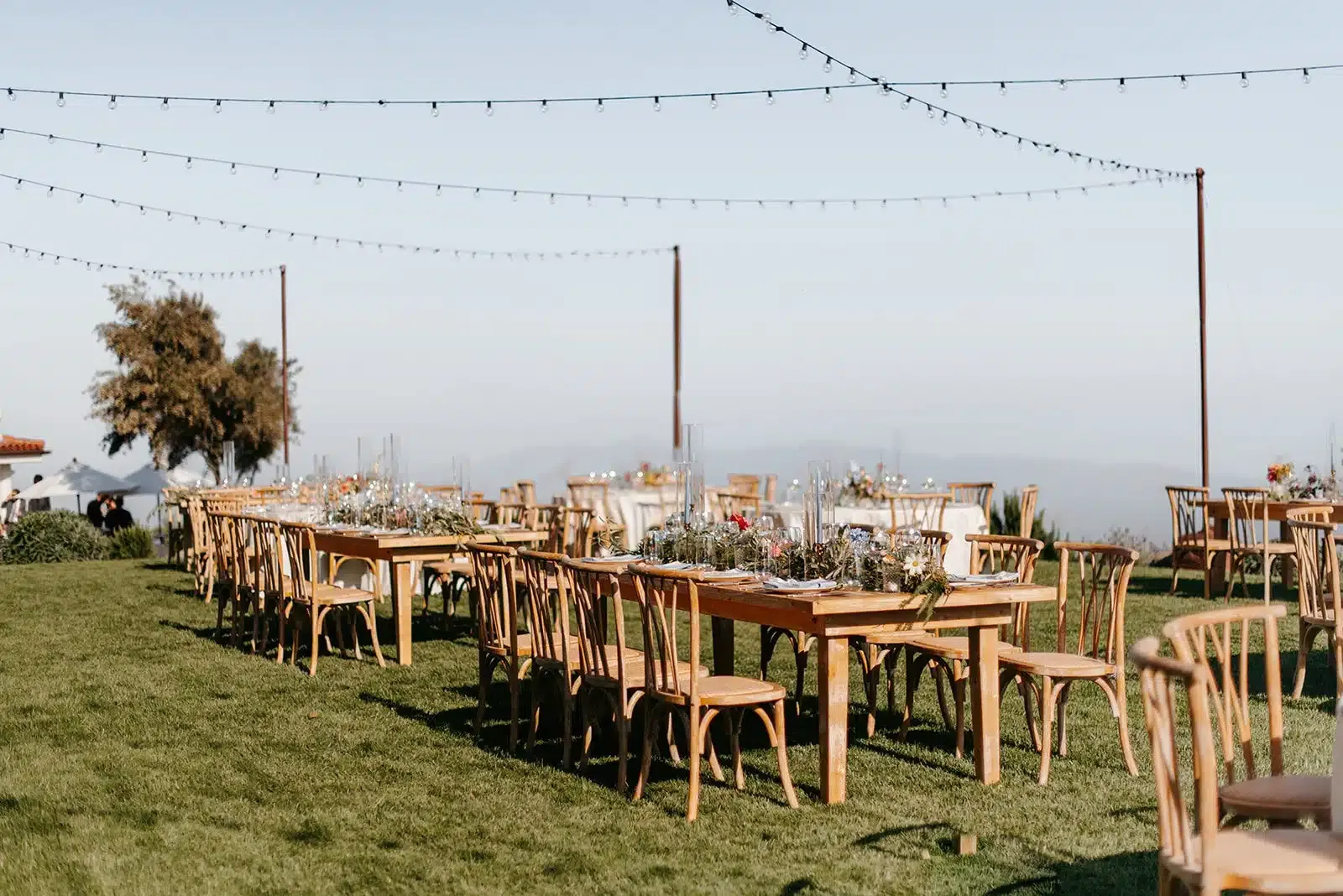
Santa Barbara’s historic settings can accommodate many event formats, and lighting should respond to the way each event uses the property.
The source identifies weddings, corporate gatherings, and cultural or heritage celebrations as examples where architectural lighting can contribute to the overall atmosphere.
Creating an Evening Wedding Atmosphere
Wedding lighting often needs to support several phases of the celebration.
A ceremony may take place while natural daylight is still present, followed by cocktails around sunset and a reception that continues after dark. The lighting design should anticipate this transition.
As daylight decreases, uplighting can make architectural features increasingly visible. Trees, columns, textured walls, and selected event areas can gradually become visual focal points.
The source also notes that uplighting can help define seating and dining areas while drawing attention to features such as trees, columns, and stages.
A successful plan considers how the entire property will look at different stages of the evening rather than focusing only on the final nighttime appearance.
Supporting Corporate and Cultural Events
Architectural lighting can also provide an effective backdrop for corporate gatherings and cultural celebrations.
For corporate events, spotlighting may help emphasize a stage, presentation area, entrance, or another focal point. Architectural uplighting can give the venue a more finished evening appearance while maintaining attention on the property’s character.
Cultural and heritage celebrations may use lighting to reinforce the significance of the setting. In these situations, the original architecture should remain an important part of the experience rather than being visually overshadowed by the event setup.
The source highlights lighting’s role in atmosphere, storytelling, and drawing attention to meaningful features during cultural celebrations.
Building a Cohesive Santa Barbara Event Lighting Plan
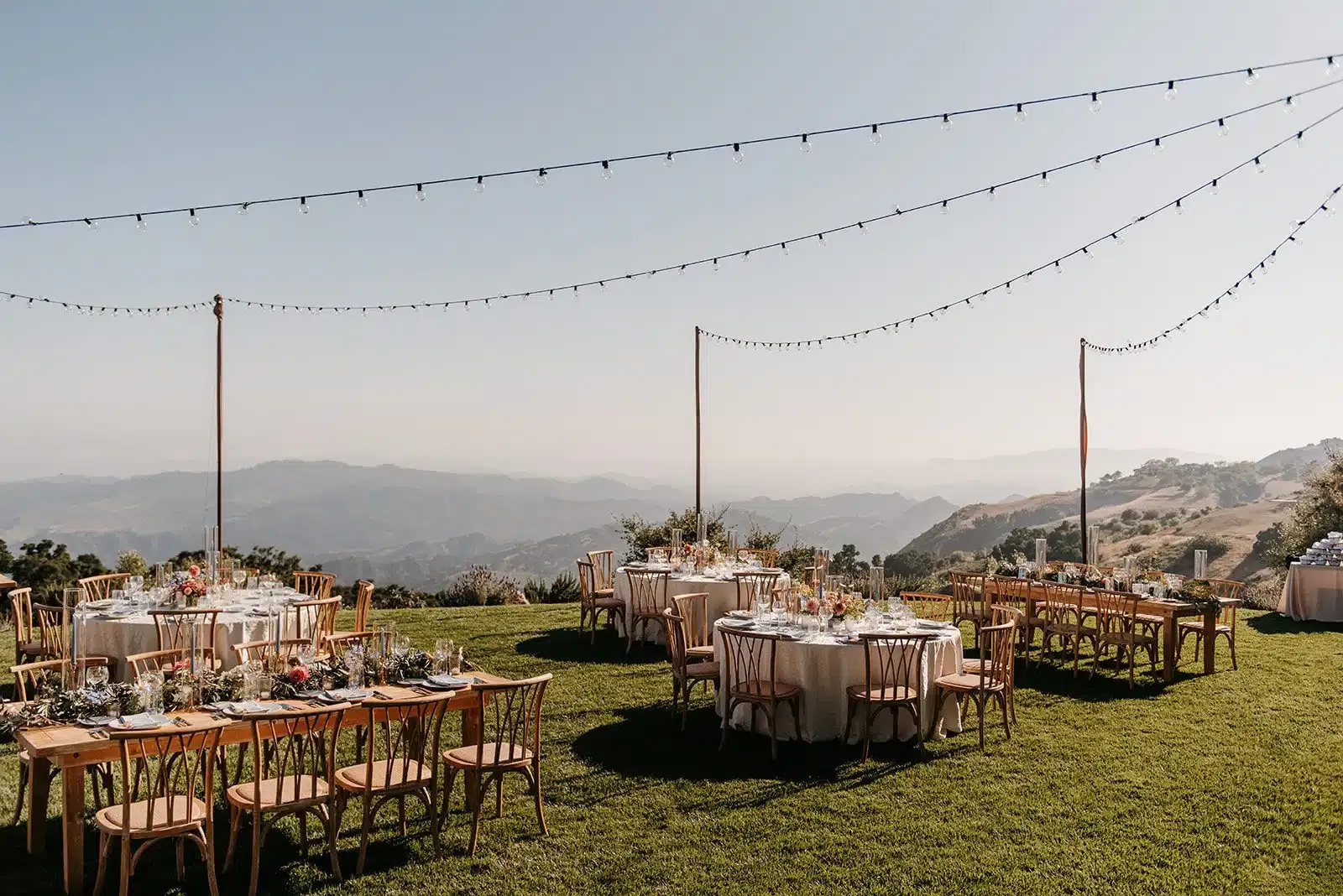
The final lighting design should combine aesthetics, venue considerations, guest movement, and the overall event layout.
This requires deciding not only what should be illuminated but also what should remain understated.
Planning Placement and Guest Flow
Lighting should be considered from the guest’s perspective.
Think about what guests see when they arrive, where they move next, and which architectural or event features naturally become focal points throughout the evening.
Entrances can create the first impression, while courtyards, dining areas, lounge settings, and entertainment spaces become increasingly important as guests move through the event.
The source recommends planning lighting around guest flow and positioning fixtures so that illumination supports movement without detracting from the historic environment.
A complete layout review should take place before final placement decisions are made. This allows lighting to work around tables, furniture, staging, tents, pathways, and other rental elements.
Key planning priorities include:
-
Identifying architectural focal points
-
Reviewing venue installation requirements
-
Maintaining comfortable brightness levels
-
Keeping guest pathways functional
-
Coordinating fixtures with furniture placement
-
Considering ceremony-to-reception transitions
-
Integrating lighting with staging and entertainment areas
-
Preserving the visual character of the venue
Keeping Historic Character at the Center
Historic architecture already provides visual interest, so lighting should reveal that character rather than attempt to replace it.
Selective uplighting can emphasize texture and depth, while spotlighting can draw attention to details that might otherwise disappear after sunset. Other event elements should support this approach.
The original source stresses the importance of considering historic integrity and venue-specific installation restrictions when developing a lighting plan.
For planners, that means understanding the property before choosing fixture locations. Venue rules and installation limitations should always guide what can be attached, positioned, or installed around historic features.
When lighting, furniture, décor, and the surrounding architecture work together, the result feels intentional while allowing the property itself to remain one of the event’s strongest visual elements.
Frequently Asked Questions
What is architectural uplighting?
Architectural uplighting involves directing light upward from near the base of a building, wall, column, tree, or another feature. It can emphasize texture, shape, and architectural depth after dark.
What is the difference between uplighting and spotlighting?
Uplighting generally illuminates a broader vertical surface or feature from below. Spotlighting uses a more concentrated beam to direct attention toward a specific architectural detail or event focal point.
Can uplighting be used for Santa Barbara weddings?
Yes. Uplighting can help establish an evening atmosphere for wedding ceremonies and receptions while highlighting architectural features around the venue.
Can lighting help define different reception areas?
Yes. Different lighting techniques can help distinguish dining, lounge, entertainment, ceremony, and cocktail areas without requiring physical barriers between each space.
Should lighting be coordinated with event furniture?
Yes. Tables, chairs, lounge furniture, staging, tents, flooring, and décor influence the overall layout, so coordinating them with lighting can create a more cohesive event environment.
Illuminate Your Santa Barbara Event with Ventura Rental
Architectural uplighting and spotlighting can reveal a different side of Santa Barbara’s historic venues after sunset. By emphasizing selected façades, columns, textured surfaces, landscaping, and other focal points, lighting can add depth and atmosphere while allowing the architecture to remain central to the event. The strongest results come from considering lighting alongside guest flow, furniture, staging, tents, flooring, and the other elements that shape the celebration.
Planning a wedding, corporate gathering, or special event in Santa Barbara? Contact Ventura Rental Party & Events to explore event lighting along with tents, furniture, tables, chairs, linens, tabletop rentals, flooring, staging, décor, and other event essentials. Coordinate your rental selections with the Ventura Rental team to create a polished event environment that complements your venue from daylight through the evening.