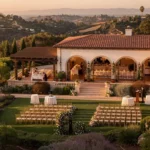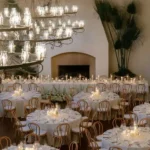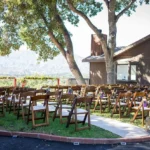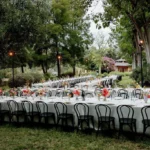
For weddings, corporate events, private celebrations, and other outdoor gatherings, patio heaters can be incorporated into the rental plan when certain guest areas are expected to remain in use later in the day. The goal is not to heat every part of the venue. Instead, heating should be concentrated around the spaces where guests are most likely to sit, dine, socialize, or wait.
Ventura Rental offers outdoor heating equipment alongside tents, furniture, lighting, and other event rentals for Santa Barbara events. Planning heaters alongside the floor plan can help create an outdoor setup that remains functional as a fall event moves from daytime into evening.
Decide Whether Your Fall Event Needs Patio Heaters

Not every fall event requires outdoor heating. The need depends on the event schedule, venue exposure, and how much of the gathering will take place outside.
Rather than adding heaters automatically because an event takes place in fall, planners should review how guests will use the property from arrival through the end of the evening.
Consider the Time of Day
The event schedule is one of the first details to review. An afternoon event that ends before evening may have different requirements from a wedding reception that continues outdoors for several hours after sunset. The same applies to corporate dinners, networking receptions, and private celebrations.
Consider:
-
When guests arrive
-
When outdoor dining begins
-
When cocktail hour takes place
-
How long outdoor lounges will remain open
-
When the event is expected to end
-
Whether guests can move indoors later in the evening
This makes it easier to identify when supplemental heating may actually become useful.
Review How Exposed the Venue Is
The layout of the property also affects the heating plan. Guests gathering on an open lawn may experience the outdoor environment differently from guests using a covered patio or courtyard. Gardens, estate grounds, tented areas, and other event spaces can each require a different approach.
Review where guests will spend time and whether those spaces are open, partially covered, or connected to indoor areas.
Existing buildings and venue features may already provide some protection in certain locations, allowing patio heaters to be concentrated elsewhere.
Prioritize the Outdoor Areas Where Guests Spend the Most Time
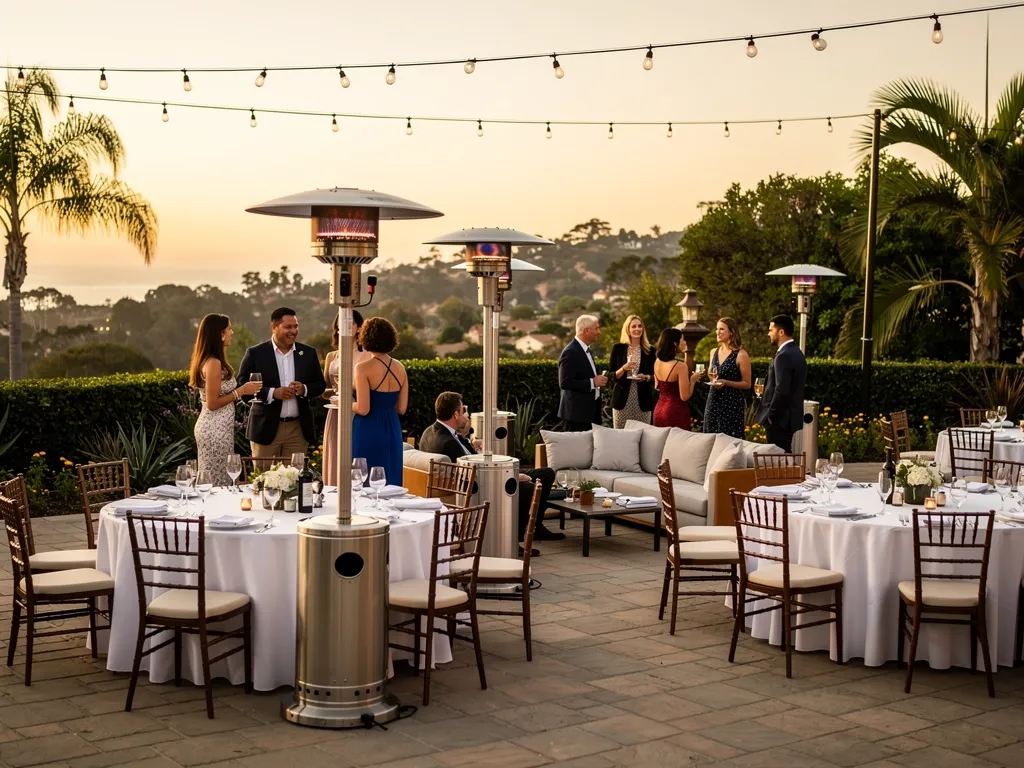
A practical heating plan starts with the areas guests actually use. Instead of distributing patio heaters evenly across the property, focus first on spaces where guests will remain for longer portions of the event.
Outdoor Dining Areas
Outdoor dining deserves particular attention because guests may remain seated through several courses, speeches, or other reception activities. When reviewing heater placement around dining areas, consider:
-
Table positions
-
Chair spacing
-
Main dining aisles
-
Catering routes
-
Guest entrances
-
Connections to nearby event spaces
Heaters should support the seating plan without interfering with catering access or making movement between tables difficult.
Planning them at the same stage as the dining furniture is much easier than trying to find available space after the tables and chairs have already been positioned.
Cocktail and Lounge Areas
Cocktail and lounge areas are also common gathering points during fall events. Guests may spend extended periods around lounge furniture, cocktail tables, or bars while waiting for another portion of the event to begin. If these areas remain outdoors into the evening, heater placement should be considered as part of the layout.
Review how heating equipment works alongside:
-
Lounge furniture
-
Cocktail tables
-
Bars
-
High-traffic gathering areas
-
Nearby pathways
The objective is to support comfort without allowing the equipment to dominate the furniture arrangement.
Transition and Waiting Areas
Some event layouts include outdoor spaces where guests may wait or gather temporarily. These can include registration areas, valet waiting points, reception entrances, or transition spaces between the ceremony and cocktail hour.
Not every transition area needs heating. The priority should be spaces where guests are expected to remain for a meaningful amount of time. This keeps the rental plan focused rather than placing equipment in parts of the property that receive little use.
Plan Patio Heater Placement Around the Event Layout
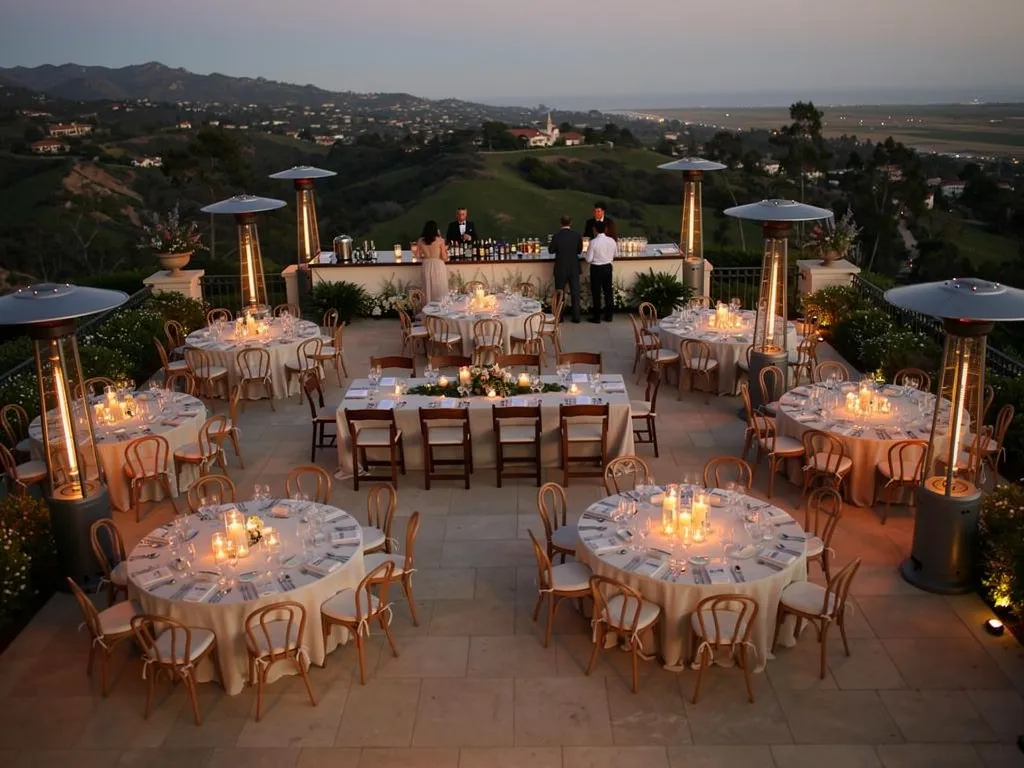
Outdoor heaters should be treated as part of the event floor plan rather than added as an afterthought. Tables, seating, bars, circulation routes, and service access all affect where heating equipment can be incorporated appropriately.
Coordinate Heaters With Tables and Seating
Review patio heater placement while the furniture plan is still being developed.
The layout may include:
-
Dining tables
-
Lounge seating
-
Cocktail tables
-
Bars
-
Reception furniture
-
Guest gathering areas
Consider where guests will actually sit or stand and whether the proposed heater locations support those areas.
A heating plan based only on available empty space may leave the equipment too far from the places where it is needed. Starting with guest activity creates a more useful arrangement.
Keep Main Pathways Clear
Guest and vendor circulation should remain a priority. Heating equipment should not create unnecessary obstacles around:
-
Venue entrances and exits
-
Main guest walkways
-
Catering routes
-
Restroom access
-
Paths between indoor and outdoor spaces
-
Routes to bars or entertainment areas
The exact placement requirements depend on the equipment being used, so the final arrangement should be coordinated with the rental provider and venue. This is particularly important at Santa Barbara properties where the event may move between multiple indoor and outdoor spaces.
Avoid Concentrating Heat in One Small Area
Placing all available heaters together does not necessarily create the most useful setup. Instead, look at how guests are distributed across the event. If dining, lounge seating, and the bar are located in different parts of the property, the heating plan may need to reflect those separate activity zones.
Heating should follow the floor plan and event schedule. This helps avoid one overly concentrated area while other heavily used spaces receive little consideration.
Plan for the Change From Daytime to Evening
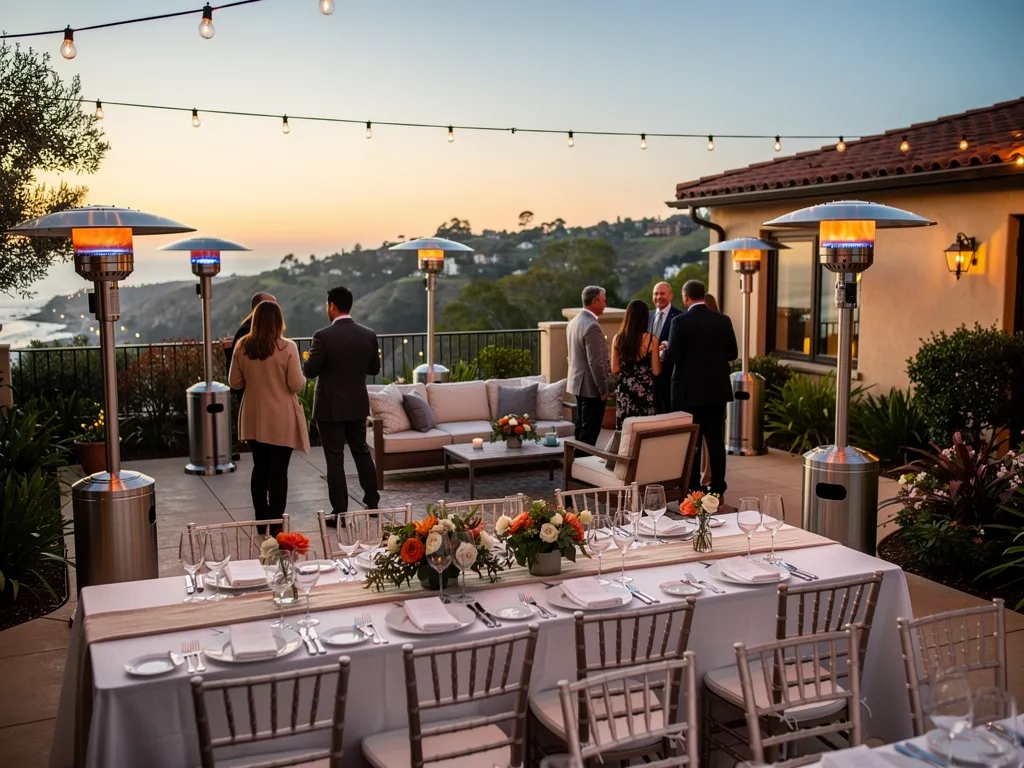
Fall event planning should account for how an outdoor space is used as daylight fades and the evening portion begins. The heating plan may not need to remain the same throughout the entire event.
Determine When Heating May Be Needed
Patio heaters may not be necessary at guest arrival. For an event that begins during the afternoon, the need for heating may become more relevant later as guests move into dinner, dancing, or evening lounge areas.
Review the schedule to determine when outdoor gathering areas are expected to remain active.
That information can be coordinated with the event team so heating equipment is considered in the right locations from the beginning, even if it becomes more useful later in the event.
Review Which Areas Remain Active After Sunset
Some outdoor areas may be used heavily during the day but become inactive in the evening. For example, a ceremony lawn may no longer need to factor heavily into the heating plan once guests have moved to the reception.
Instead, evening priorities may include:
-
Outdoor dining areas
-
Lounge seating
-
Bars
-
Cocktail spaces
-
Reception patios
-
Other social areas
Matching the heating plan to the later event schedule keeps the focus on where guests will actually be.
Coordinate Patio Heaters With Tented Areas When Needed

Patio heaters may also be considered as part of a tented fall event, but heating equipment should not be planned independently from the tent configuration. Entrances, sidewalls, furniture, service areas, and guest circulation all need to be reviewed together.
Consider the Tent Configuration
If heating equipment is being used around a tented reception, confirm how it relates to:
-
Tent entrances
-
Sidewalls
-
Dining furniture
-
Lounge areas
-
Guest walkways
-
Catering access
-
Bars and service areas
The specific equipment requirements should determine where heaters can appropriately be positioned. Rather than relying on general clearance or ventilation rules, planners should follow the requirements provided for the equipment being rented and any restrictions established by the venue.
Treat Heating as Part of the Complete Tent Plan
Heating should be considered while the tent floor plan is being developed. Waiting until tables, chairs, lounges, bars, and entrances have all been finalized may leave limited options for incorporating climate-control equipment.
The rental team should know how the tent will be used, which areas will remain active in the evening, and what other rentals will occupy the space.
For more detailed tent planning, Ventura Rental’s existing fall weather-planning guidance can be used alongside the heating plan rather than duplicating the entire tent-selection process here.
Confirm Venue Requirements for Outdoor Heaters
Santa Barbara venues can have their own rules for heating equipment. Before finalizing rentals, planners should confirm what the property permits and whether certain areas have restrictions.
Ask Where Heaters May Be Used
Discuss outdoor heating with the venue while the layout is still being planned.
Questions may include:
-
Are patio heaters permitted?
-
Which outdoor areas are approved?
-
Are there placement restrictions?
-
Are certain surfaces unsuitable?
-
Are there restrictions near buildings or covered structures?
-
Does the venue have specific operating requirements?
These answers may affect both the number of areas that can be heated and the overall floor plan. Confirming the requirements early is more practical than discovering a restriction during event setup.
Clarify Who Handles the Equipment
The event team should also know who is responsible for the equipment once it reaches the property.
Responsibilities to confirm may include:
-
Final placement
-
Fuel
-
Activation
-
Monitoring
-
Shutdown
These responsibilities should not be assumed. They should be clarified with Ventura Rental, the venue, and any other event professionals involved so everyone understands what is expected before guests arrive.
Coordinate Patio Heaters With Other Fall Event Rentals
Heating equipment is only one part of the outdoor environment. Patio heaters work best when considered alongside the furniture, tenting, and other rentals already required for the event.
Review Heater Placement With Furniture Selections
When the floor plan is being finalized, review heater locations alongside:
-
Dining arrangements
-
Cocktail tables
-
Lounge groupings
-
Bars
-
Guest seating
-
Other outdoor gathering areas
Doing this early can reduce the need to move furniture during event setup.
It can also help prevent a lounge or table grouping from being placed in a location where there is no practical way to incorporate heating equipment later.
Keep the Setup Functional
Patio heaters serve a practical purpose, so they do not need to become a visual focal point.
Furniture, lighting, tenting, venue architecture, and the overall event design can define the atmosphere while heaters remain integrated into the layout.
A functional arrangement gives guests access to the spaces they need while keeping major pathways, sightlines, and service routes clear.
Frequently Asked Questions
Do All Santa Barbara Fall Events Need Patio Heaters?
No. Heating needs depend on the time of day, venue exposure, event format, and how long guests are expected to remain outdoors.
Where Should Patio Heaters Be Placed at an Outdoor Event?
Start with outdoor areas where guests spend the most time, such as dining spaces, lounges, cocktail areas, and bars. Final placement should also maintain clear guest and service routes.
Can Patio Heaters Be Used Near a Wedding Tent?
They may be incorporated into a tented event plan when appropriate. Placement and operating requirements should be confirmed with the rental provider and venue based on the specific equipment and tent configuration.
Should Patio Heaters Be Planned Before the Event Layout Is Finalized?
Yes. Including heating equipment during floor-plan development makes it easier to coordinate heaters with tables, lounge furniture, bars, entrances, and guest circulation.
Are Fire Pits the Same as Patio Heaters?
No. Fire pits and fire tables generally create a more localized gathering point, while patio heaters can be considered when heating is needed around broader guest areas. The appropriate option depends on the venue and intended use.
Can Ventura Rental Provide Patio Heaters for Santa Barbara Events?
Yes. Ventura Rental offers outdoor heating equipment alongside tents, furniture, lighting, and other rentals for events in Santa Barbara and surrounding communities.
Prepare Your Santa Barbara Fall Event for Cooler Evenings
Outdoor heating for a Santa Barbara fall event should be based on how the event will actually unfold. The schedule, venue exposure, active evening spaces, furniture layout, and property requirements can all help determine where patio heaters may be useful.
Planning heaters alongside dining areas, lounges, bars, tents, and guest circulation also makes them easier to incorporate without disrupting the rest of the setup.
Ventura Rental provides patio heaters and other event rentals for Santa Barbara weddings, corporate gatherings, private celebrations, and outdoor events. Coordinating the layout and heating needs early can help create a fall event space that remains comfortable and functional as the celebration continues into the evening.