
Wedding rentals affect far more than how a celebration looks. They shape the guest experience, event flow, vendor setup, comfort, safety, weather readiness, and the overall timeline. In Santa Barbara, where many weddings take place outdoors at coastal venues, estates, gardens, vineyards, ranches, private homes, and open-air event spaces, rental mistakes can quickly create practical problems.
A beautiful setting does not automatically mean the event will function smoothly. Guests still need comfortable seating, clear pathways, proper lighting, reliable service areas, and a layout that supports the full wedding day. Vendors need access, staging space, delivery windows, and the right equipment in place before guests arrive.
Many rental mistakes happen because couples focus on the visible details first. Linens, chairs, tabletop pieces, and décor matter, but the strongest wedding rental plans begin with the foundation: venue layout, guest count, weather exposure, timeline, vendor needs, and final counts. Avoiding the most common mistakes can help create a wedding that feels polished, comfortable, and easier to manage from setup to breakdown.
Mistake 1: Waiting Too Long to Reserve Core Rentals
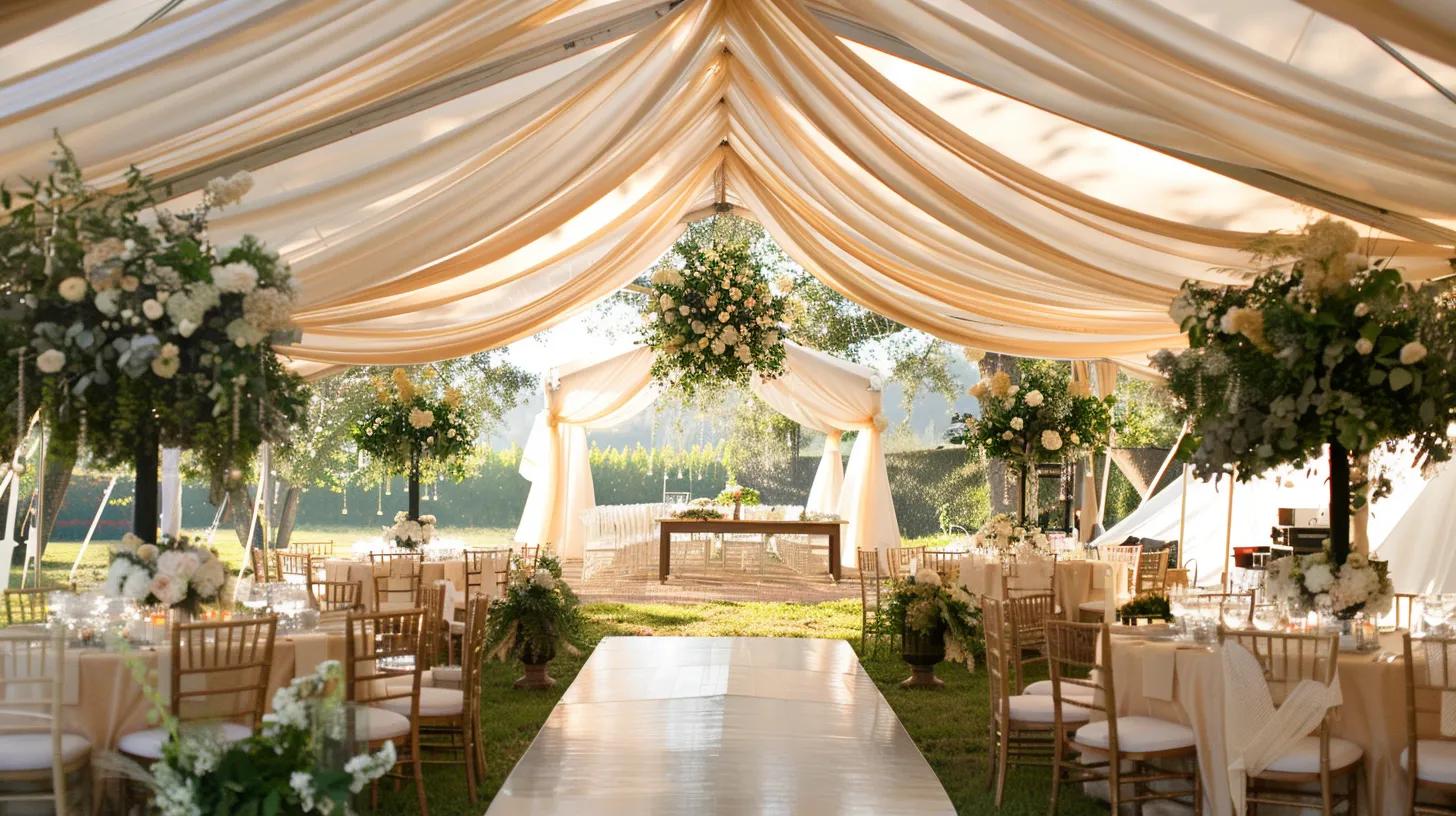
Some wedding rentals should be booked early because they affect the full event layout and may have limited availability during busy wedding seasons. Couples who wait too long may have fewer choices for tents, tables, chairs, lighting, flooring, bars, and specialty pieces.
Why Early Rental Booking Matters
Foundational rentals determine how the wedding site will function. Tents define covered areas. Tables and chairs determine the seating layout. Flooring affects stability and dancing. Lighting supports visibility, safety, and atmosphere. Bars and major furniture pieces influence guest flow.
If these rentals are unavailable, couples may need to change the layout, adjust the design, reduce certain features, or accept substitutions that do not match the original plan. Early booking gives the rental team more room to recommend the right items and coordinate the event setup properly.
Which Rentals Should Be Prioritized First
The first rentals to prioritize are the pieces that shape the event footprint. These may include tents, tables, chairs, flooring, dance floors, bars, lighting, staging, ceremony seating, lounge furniture, and major service pieces.
These items should be discussed before smaller decorative details because they determine how much space is available and how the event will flow. Once the major rentals are confirmed, it becomes easier to finalize linens, tabletop details, signage, florals, and accents.
How Late Booking Can Affect Style and Cost
Late booking can reduce inventory options and create rushed decisions. The couple may not get the tent size, chair style, table shape, linen color, or lighting setup they originally wanted. Delivery schedules may also be harder to coordinate if the rental company already has several events booked for the same weekend.
In some cases, waiting too long can also create added costs. Rush adjustments, substitutions, additional deliveries, or difficult setup windows can make the rental process less efficient. Booking early helps protect both the design plan and the budget.
Mistake 2: Choosing Rentals Before Confirming the Venue Layout
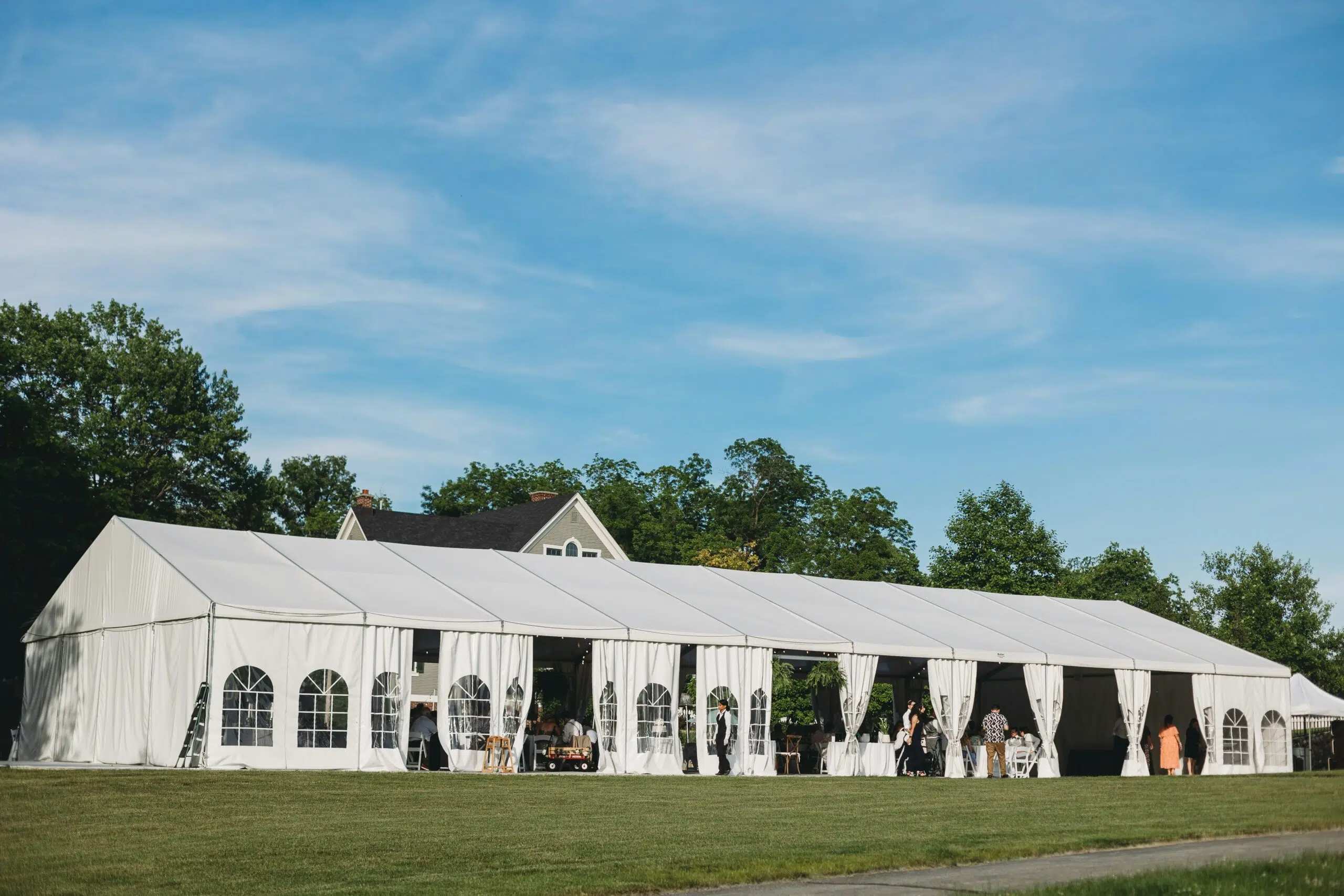
Rental decisions should be based on the actual venue layout, not only inspiration photos or design preferences. Santa Barbara venues can include lawns, patios, gardens, ocean views, uneven ground, narrow access points, and strict setup rules.
Why the Venue Should Guide Rental Choices
The venue affects nearly every rental decision. Tent placement depends on the usable footprint and surface conditions. Table layouts depend on the reception area. Chair counts depend on ceremony and dinner plans. Lighting depends on pathways, service zones, and evening visibility. Flooring may be needed if the surface is uneven or soft.
A rental plan that works at one Santa Barbara venue may not work at another. A coastal venue may need a different approach than a garden estate, ranch property, vineyard, hotel lawn, or private backyard. The venue should always shape the rental plan before the final order is placed.
What to Review Before Finalizing Rentals
Before confirming rentals, review the ceremony location, reception area, cocktail hour space, bar placement, guest entrances, catering access, parking, restroom routes, walkways, slopes, fixed landscaping, and any structures that cannot be moved.
Also consider where guests will move throughout the event. A rental layout should support the full journey from arrival to ceremony, cocktail hour, dinner, dancing, and departure. When these details are reviewed early, the final setup is more likely to feel natural and organized.
Why Site Photos and Measurements Help
Photos, measurements, venue maps, and walkthrough notes help the rental team understand the actual site conditions. This is especially useful for private homes, outdoor venues, and properties with unusual layouts.
A general estimate of the space is not always enough. Trees, pools, gates, stairs, patios, narrow paths, and landscaping can reduce the usable footprint. Accurate information helps prevent ordering rentals that do not fit or placing items where they interfere with guest flow.
Mistake 3: Building the Rental List Around Guest Count Alone
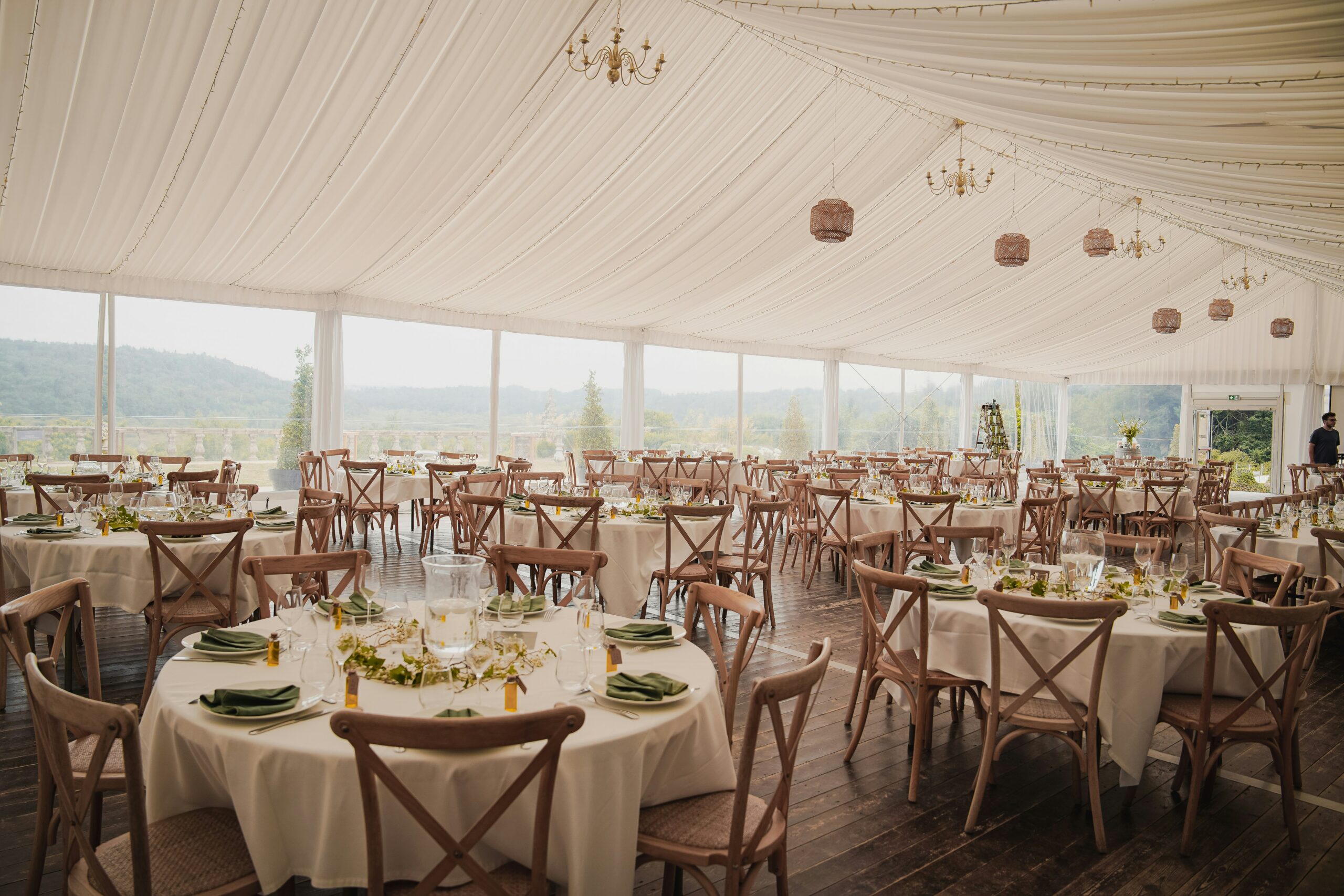
Guest count matters, but it should not be the only factor in planning rentals. A wedding layout also needs space for service, movement, entertainment, bars, catering, lounge areas, and vendor equipment.
Why Guest Count Does Not Equal Event Footprint
Two weddings with the same guest count can require very different rental plans. A seated dinner needs more structured table and chair placement than a cocktail-style reception. A wedding with a dance floor, live band, lounge seating, multiple bars, and buffet stations will require more space than a simple dinner with fewer event zones.
Guest count gives the rental team a starting point, but it does not tell the full story. The event format, venue shape, timeline, and service style all affect the final rental plan.
What Else Needs Space
Beyond guest seating, couples may need space for dance floors, buffet tables, bars, cake tables, ceremony aisles, lounge furniture, gift tables, welcome displays, signage, staging, AV equipment, vendor prep areas, and catering service.
These elements can take up a significant amount of room. If they are not included in the layout from the beginning, the final setup may feel crowded or incomplete.
How to Avoid Overcrowding
The best way to avoid overcrowding is to build a layout that accounts for movement. Guests need space to pull out chairs, walk between tables, access the bar, move toward the dance floor, and reach restrooms. Servers need service paths, and vendors need access to equipment and prep areas. We cover this further in Mistakes To Avoid When Renting Wedding Equipment Santa Barbara CA.
A comfortable wedding layout should feel easy to move through. It should not force guests or vendors to squeeze through narrow spaces.
Mistake 4: Forgetting Vendor and Service Areas
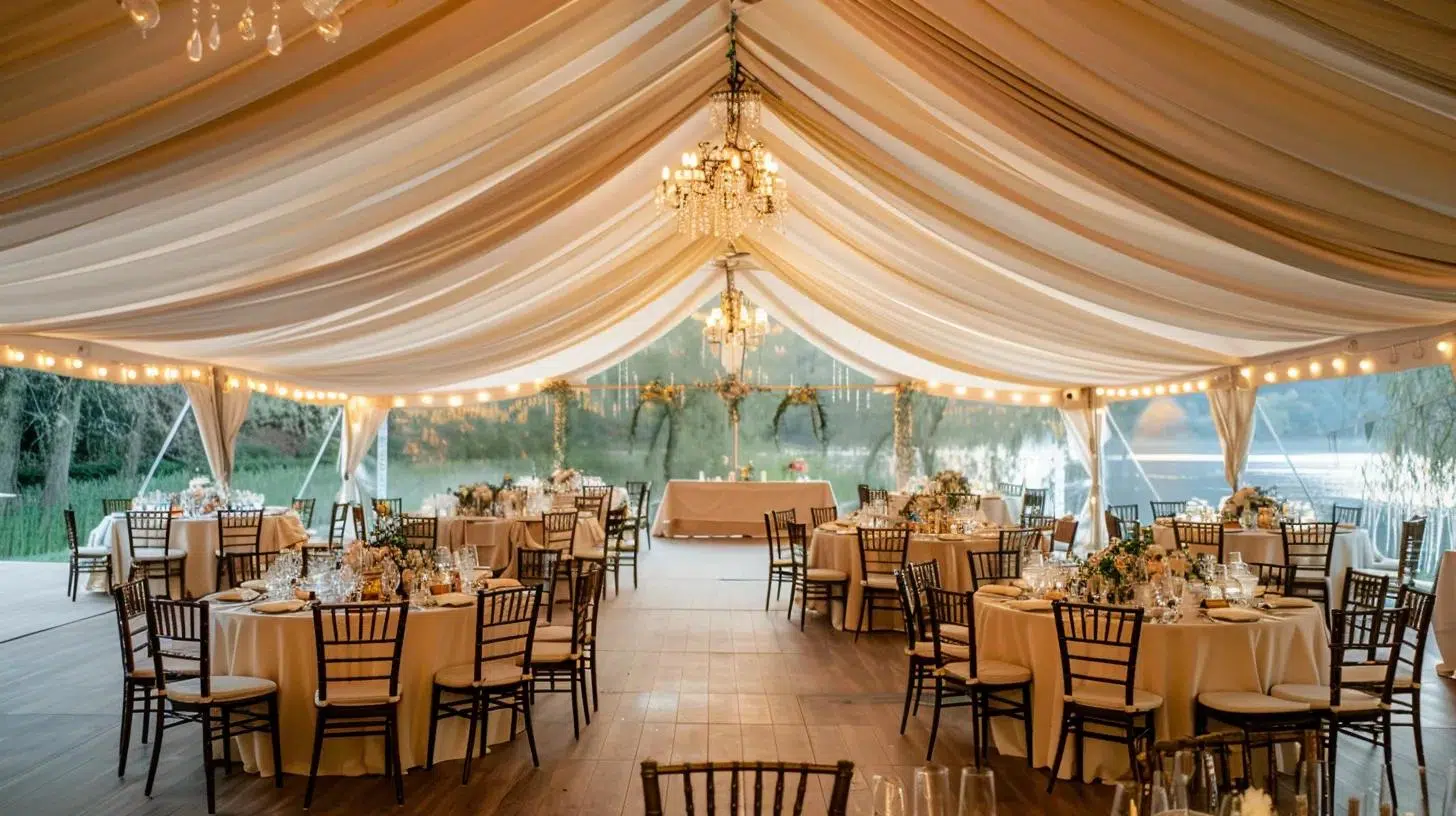
Couples often focus on guest-facing rentals and forget the spaces needed by caterers, planners, florists, musicians, photographers, and rental crews. Without service areas, vendors may have to work through guest spaces or improvise on the wedding day. We cover this further in Wedding Rental Inspiration for Couples In SoCal.
Catering and Prep Areas
Caterers often need covered prep areas, plating space, buffet support, beverage service areas, trash stations, and staff movement routes. These spaces may not be part of the visible event design, but they are essential to smooth service.
If the catering area is too far from the reception, dinner service may be slower. If it is too visible, it can distract from the guest experience. The goal is to place catering support close enough to function well while keeping it discreet.
Storage and Staging Areas
Weddings require storage for extra chairs, floral boxes, AV cases, personal items, signage, linens, vendor supplies, and backup rental pieces. If there is no planned storage area, these items may end up behind bars, near guest tables, or along pathways.
A designated staging or storage area helps keep the event clean and organized. It also gives vendors a place to access supplies without disrupting the celebration.
Vendor Access Routes
Vendors need clear routes for setup, service, and breakdown. Rental crews may need to deliver tables, chairs, tents, flooring, lighting, and bars. Caterers need to move food and equipment. Florists need access to ceremony and reception areas. Musicians or DJs may need space for sound equipment.
If vendor routes are not considered, setup can become slower and more complicated. Clear access helps the entire wedding day run more efficiently.
Mistake 5: Underestimating Lighting Needs
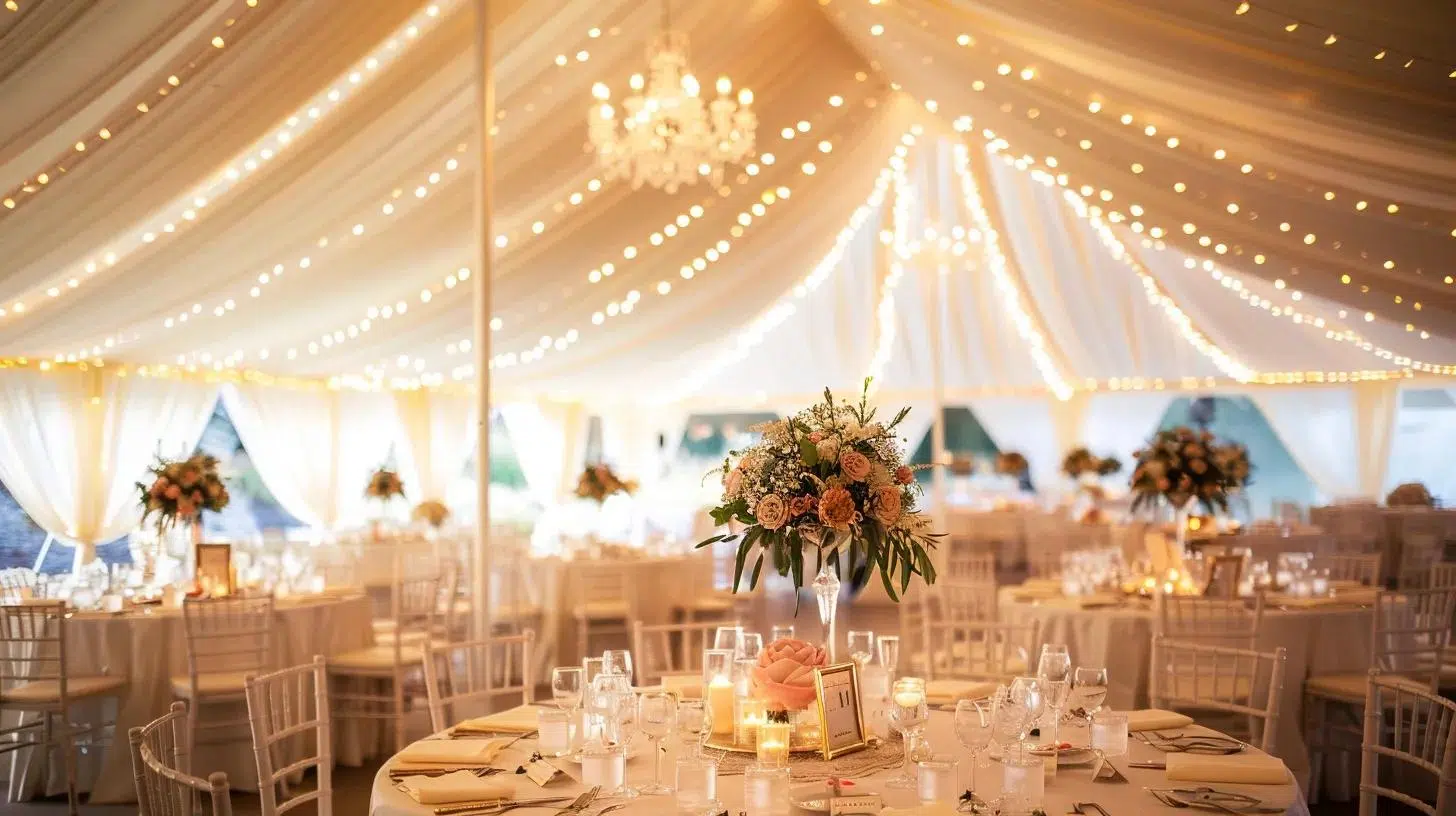
Lighting is one of the most commonly underestimated wedding rentals. It affects safety, atmosphere, photography, guest movement, food service, and the transition from daytime ceremony to evening reception.
Lighting for Pathways and Guest Movement
Outdoor Santa Barbara weddings often involve movement between multiple areas. Guests may need to walk from the parking or shuttle drop-off to the ceremony, then to the cocktail hour, dinner, restrooms, the bar, and transportation pickup.
Pathway lighting helps guests move safely after sunset. It is especially important for venues with gardens, lawns, gravel paths, steps, uneven ground, or separated event zones. Without proper lighting, a beautiful outdoor venue can become difficult to navigate at night.
Lighting for Dining and Service
Dining areas, bars, buffet stations, catering areas, and service zones need practical visibility. Guests should be able to see their food, read menus, find drinks, and move comfortably. Vendors should be able to work without relying on temporary or improvised lighting.
Lighting should be planned around both guest-facing and service-facing needs. A reception may look beautiful with soft ambient lighting, but the bar, buffet, and catering areas still need enough light to function properly.
Lighting for Mood and Photography
Lighting also shapes the atmosphere of the wedding. String lights, chandeliers, lanterns, uplighting, accent lighting, and dance-floor lighting can help define the evening’s mood. We cover this further in The Complete Guide to Wedding Rentals in Santa Barbara CA.
Photography should also be considered. Poor lighting can make key moments harder to capture, while thoughtful lighting helps highlight the couple, tables, dance floor, cake area, lounge spaces, and scenic details.
Mistake 6: Treating Weather Planning as a Last-Minute Detail
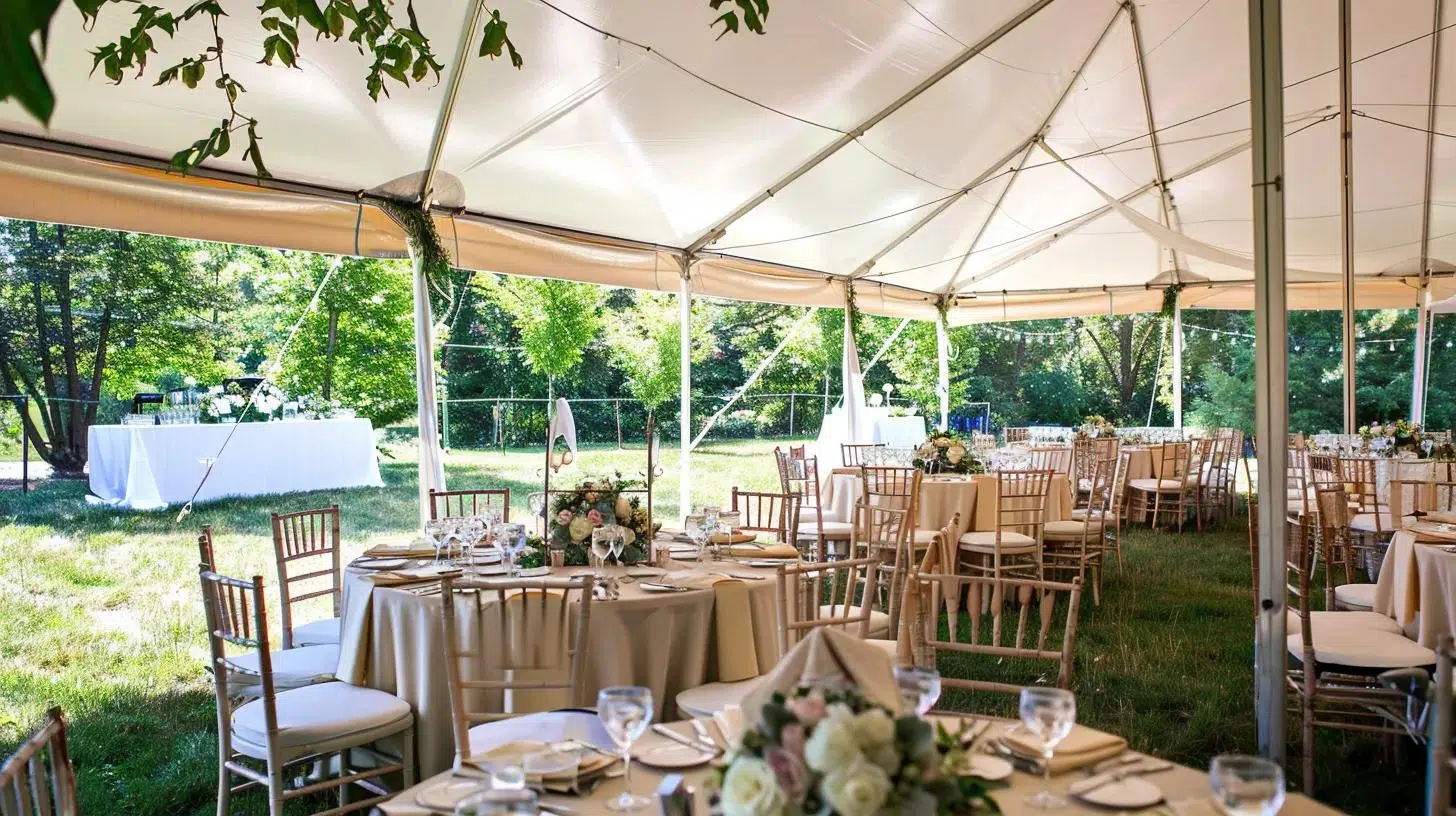
Outdoor Santa Barbara weddings benefit from beautiful settings, but weather planning should be addressed early. Sun exposure, coastal breezes, cooler evenings, and unexpected conditions can all affect rentals.
Sun and Shade Planning
Sun exposure affects ceremony seating, cocktail hour, bars, dining areas, lounge spaces, and guest comfort. A ceremony in direct sun may feel uncomfortable, even if it is visually beautiful. A bar placed in full sun may create long waits in an uncomfortable area.
Shade should be considered when placing tents, umbrellas, lounge areas, and guest seating. The sun’s position can change throughout the day, so the rental plan should support the full timeline.
Wind and Coastal Conditions
Santa Barbara venues can be affected by coastal breezes, open lawns, hilltop exposure, and changing conditions. Wind can affect tents, signage, linens, menus, tabletop pieces, florals, candles, and lightweight décor.
Rental choices should be practical for the setting. Lightweight items may need reinforcement or alternative placement. Sidewalls, secure tenting, sturdy signage, and careful table design may be needed depending on the site.
Evening Temperature Changes
Outdoor weddings may feel warm during the day and cooler after sunset. For evening receptions, couples may need to consider sidewalls, heaters, lounge placement, lighting, and guest comfort after dark. Read more in Top 10 Event Rental Mistakes in Coastal California Weddings (And How to Avoid Them).
The rental plan should support the entire event, not only the ceremony or early reception. Evening comfort can make a major difference in how long guests stay and how much they enjoy the celebration.
Mistake 7: Skipping Flooring or Surface Planning

Surface conditions can affect guest comfort, table stability, chair placement, dancing, accessibility, and the overall look of the event. Santa Barbara venues may include grass, gravel, patios, sand, slopes, or uneven outdoor surfaces.
When Flooring Becomes Important
Flooring may be needed for dining areas, dance floors, bars, ceremony aisles, lounge areas, or high-traffic walkways. It can create a more stable surface for guests and help define the event space.
For formal receptions, flooring can also make an outdoor setting feel more polished. For dance areas, it is often essential. Guests should not be expected to dance on uneven grass, gravel, or soft ground.
How Uneven Ground Affects Rentals
Uneven ground can create wobbly tables, unstable chairs, difficult service conditions, and uncomfortable guest movement. It can also affect bars, stages, lounge furniture, and dance floors.
Before finalizing rentals, couples should review the surface where each major item will be placed. A table layout that looks good on paper may need adjustments if the ground is sloped or uneven.
Accessibility and Guest Comfort
Accessibility should be considered early. Guests should be able to move comfortably between the ceremony, the cocktail hour, the reception, the restrooms, and the transportation areas. Stable walkways, ramps, clear paths, and level surfaces can make the event easier for everyone.
A wedding should feel welcoming to all guests, including older guests, children, and guests with mobility needs. Surface planning is an important part of that experience.
Mistake 8: Choosing Décor Before the Functional Rentals Are Set
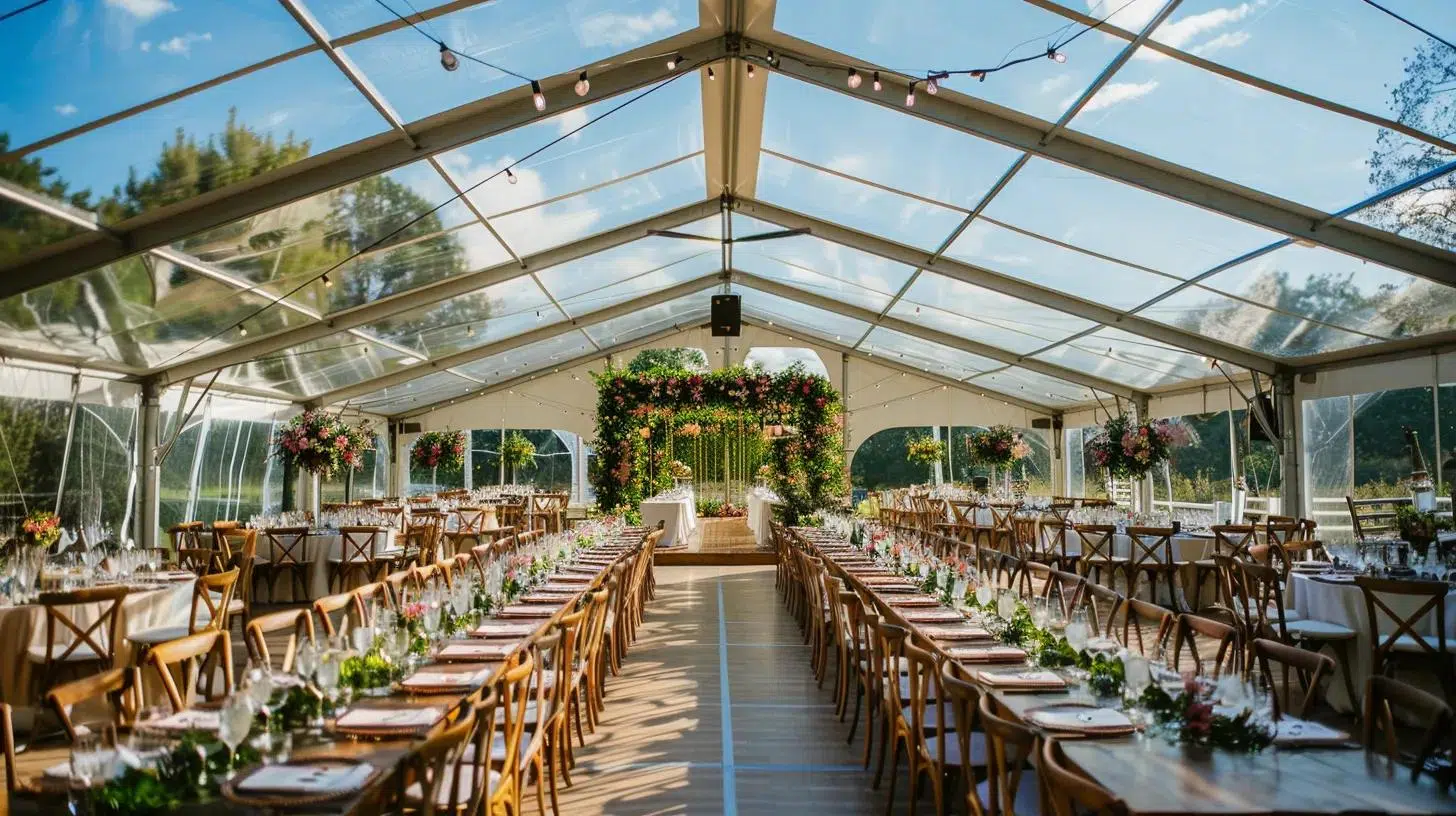
Design details matter, but they should not be finalized before the layout, tables, chairs, lighting, flooring, and service needs are confirmed. Décor works best when it supports the event structure rather than competing with it.
Why Layout Should Come Before Décor
The layout determines what décor will actually work. Table shape affects linen size and centerpiece scale. Tent placement affects lighting and draping. Chair style affects the overall look of the ceremony and reception. Bar placement affects signage, florals, and guest flow.
If decorative decisions are made too early, they may need to be changed once the functional rental plan is finalized. Starting with layout prevents wasted time and unnecessary adjustments.
How Premature Décor Choices Create Problems
Décor chosen too early can create practical issues. Centerpieces may be too tall for guest conversation. Linens may not fit the final table sizes. Signs may block walkways. Lounge pieces may crowd the bar area. Decorative displays may interfere with vendor movement.
Beautiful details can become obstacles when they are not planned around the actual event layout. The design should enhance the event, not complicate it.
How to Layer Design After the Foundation Is Set
Once the core rentals are confirmed, couples can layer in linens, tabletop accents, signage, florals, lounge details, and decorative pieces. This sequence helps ensure that each design choice fits the space and supports the guest experience.
A strong rental plan starts with function, then adds style. That approach usually creates a more polished final result.
Mistake 9: Overlooking Delivery, Setup, and Breakdown Timing
Wedding rentals require careful timing. If delivery, setup, and breakdown are not coordinated, vendors may overlap, setup may be delayed, or the venue’s rules may be violated.
Why Setup Sequencing Matters
Many rentals need to be installed in a specific order. Tents may need to go up before flooring. Flooring may need to go in before tables and chairs. Lighting may need to be installed before florals or décor. Linens and tabletop items usually come after furniture placement.
If the sequence is not planned, vendors may arrive before the space is ready. This can create delays, confusion, or added labor.
Venue Access Windows and Restrictions
Santa Barbara wedding venues may have delivery hours, parking rules, gates, load-in routes, noise restrictions, pickup deadlines, or limits on where vehicles can go. Private homes and outdoor venues can have their own access challenges.
Before the wedding week, confirm when rentals can be delivered, where trucks can park, and when items must be removed. These details should be shared with the planner, venue, and vendor team.
Breakdown Planning After the Event
Breakdown is often overlooked because couples are focused on setup and the celebration itself. However, rental removal still needs a clear plan. Some venues require same-night pickup, while others allow next-day removal. After-hours labor, limited lighting, noise restrictions, and access issues can all affect breakdown.
A clear pickup plan helps protect the venue, the rentals, and the couple’s peace of mind after the wedding ends.
Mistake 10: Not Reviewing the Final Rental Count
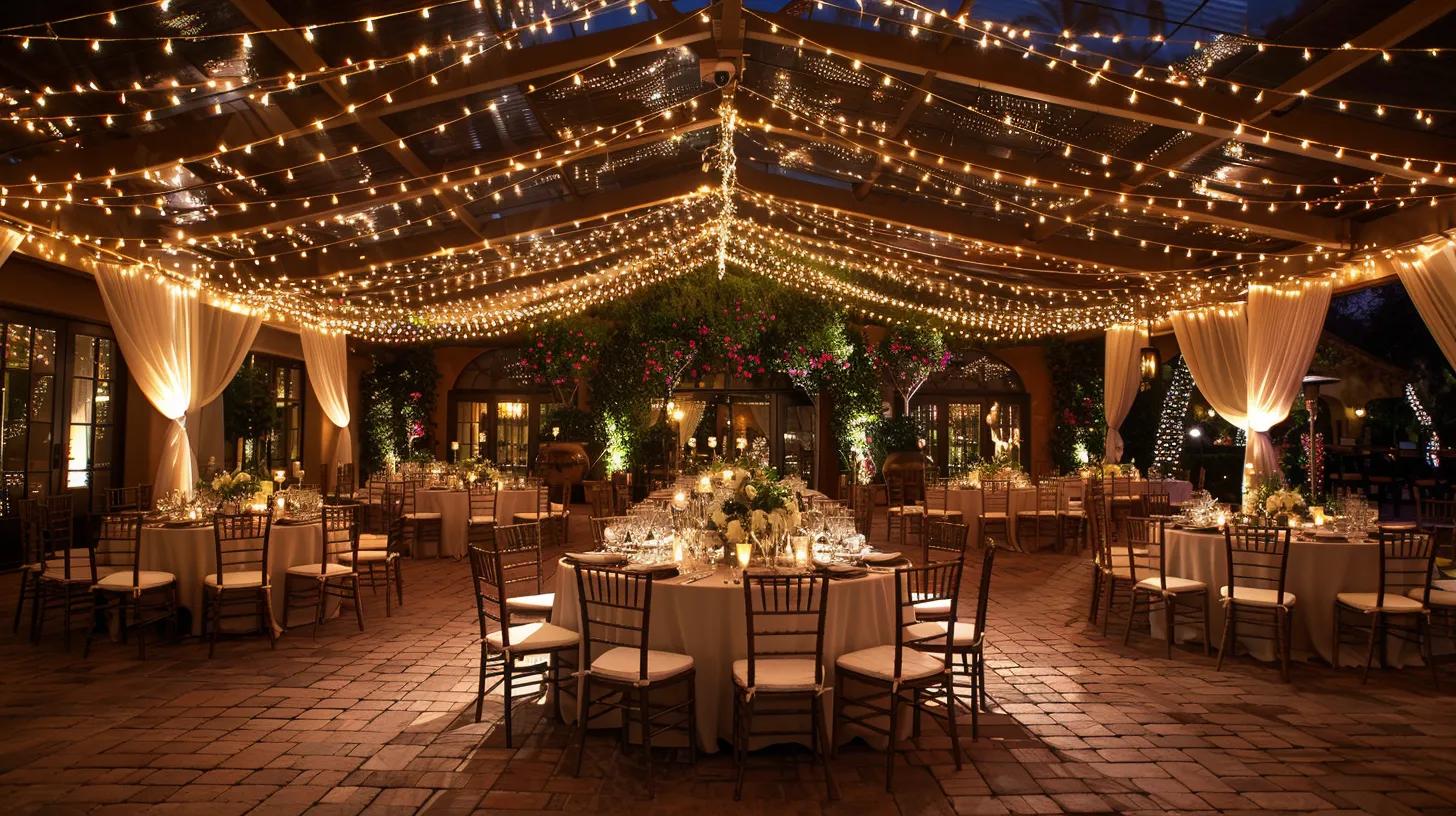
Final counts can change as RSVPs, seating charts, vendor meals, and layout details are updated. Couples should review the full rental order before the wedding to avoid shortages or over-ordering. We cover this further in Wedding Planning Checklist: Avoid 10 Event Rental Mistakes.
What Counts Should Be Checked
Couples should review guest chairs, ceremony chairs, reception chairs, dining tables, cocktail tables, linens, napkins, chargers, plates, glassware, flatware, bars, lounge pieces, service tables, and backup items.
It is also important to check whether any items are being reused between the ceremony and reception. Reusing rentals can reduce costs, but it requires enough time and labor to move the items.
Why Vendor Meals and Extras Matter
Vendor meals, children’s seating, family tables, sweetheart tables, buffet stations, dessert tables, welcome tables, and display areas may all require additional rentals. These items are easy to miss if the rental order only follows the guest count.
Extra rentals may also be needed for weather backup, accessibility, or last-minute seating changes. A small buffer can prevent avoidable day-of issues.
How Final Confirmation Prevents Day-Of Issues
An itemized rental order should be reviewed with the planner, caterer, venue, and rental team before the wedding. This review helps confirm quantities, placement, delivery details, and any special requirements.
Final confirmation reduces the risk of missing chairs, incorrect linen sizes, insufficient glassware, or forgotten service tables.
Frequently Asked Questions
What wedding rentals should I book first?
Book foundational rentals first. These usually include tents, tables, chairs, flooring, lighting, dance floors, bars, staging, and major furniture pieces. These items shape the event layout and may have limited availability during busy wedding periods.
How do I avoid ordering too few rentals?
Review the guest count, seating chart, vendor meals, ceremony setup, reception layout, cocktail hour needs, service tables, and backup quantities. Do not count only guests. Include vendors, children, display tables, buffet stations, bars, and any areas that need extra furniture or tabletop items.
What is the most overlooked wedding rental?
Lighting is one of the most overlooked rentals, especially for outdoor weddings. Couples often plan ceremony and reception décor but forget pathway lighting, restroom routes, bar lighting, catering visibility, and parking or shuttle pickup areas. Service tables and vendor areas are also commonly missed.
How do I know if my venue needs flooring?
Flooring depends on the venue surface, event layout, dancing, dining, weather, accessibility, and guest comfort. Grass, gravel, sand, slopes, and uneven patios may require flooring or ground support in key areas. Dance floors, bars, dining areas, and high-traffic walkways should be evaluated carefully.
Why should I plan rentals with my venue layout?
The venue affects tent placement, table layout, delivery access, vendor movement, lighting, service areas, guest pathways, and weather planning. A rental order that is not based on the venue layout may not fit the space or support the event flow. When your date and guest count are set, request a rental quote from our team.
Conclusion
Avoiding common wedding rental mistakes can significantly enhance the smoothness and enjoyment of your special day. By prioritizing essential rentals and considering the unique aspects of your venue, couples can create a seamless guest experience while ensuring every detail is thoughtfully planned. Don’t leave your wedding rentals to chance—take proactive steps to secure the best options for your budget and style. Contact us today to explore how our rental solutions can elevate your wedding in Santa Barbara. See everything we rent for ceremonies and receptions on our wedding rentals page.