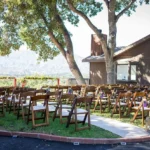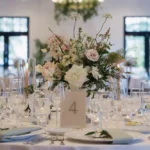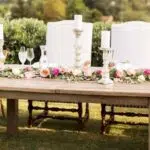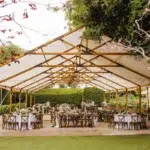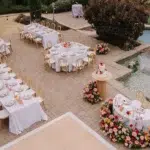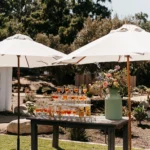

For Santa Barbara weddings, this coordination is especially important. Many receptions take place in naturally beautiful settings, including coastal venues, private estates, gardens, vineyards, ranches, and outdoor event spaces. The rentals should support that setting rather than compete with it. A cohesive design makes the venue feel polished, the guest experience feel intentional, and the overall celebration feel complete.
Instead of choosing each rental category separately, couples and planners should build the reception around one clear design direction. When the layout, furniture, linens, tabletop rentals, lighting, and décor are selected together, the reception feels more refined from the first guest entrance to the final dance.
Why Wedding Reception Rentals Should Be Planned as One Complete Design

A cohesive reception starts with a unified rental plan. Rather than selecting chairs, linens, tableware, lighting, and lounge pieces one at a time, think about how each item contributes to the full reception atmosphere. Every rental should support the same style, guest flow, and event experience.
Start With the Reception Mood
Before choosing rentals, define how the reception should feel. The desired mood will guide everything from table shape and chair style to linen texture, lighting, and lounge furniture.
A formal estate reception may call for elegant chairs, refined linens, polished tabletop pieces, and layered lighting. A coastal wedding may feel better with lighter textures, relaxed lounge seating, soft neutral linens, and open layouts. A garden reception may lean into romantic florals, natural textures, and warm lighting, while a vineyard or ranch wedding may use long tables, wood tones, earth-inspired colors, and ambient lighting.
Starting with the mood helps prevent the reception from feeling mismatched. It also gives couples and planners a clear reference point when deciding between rental options.
Match Rentals to the Venue Setting
Santa Barbara wedding venues often have strong visual identities. Ocean views, garden paths, stone courtyards, estate lawns, vineyard rows, and ranch landscapes all influence how rentals should be selected. Couples planning warm-weather celebrations can learn more about summer event rentals in Santa Barbara to coordinate tents, seating, lighting, and tabletop details with the venue and season.
A reception near the coast may benefit from clean tabletop pieces, soft linens, and a layout that keeps views open. A garden or estate setting may support more formal dining arrangements, floral-forward tablescapes, and elegant seating. A vineyard or ranch reception may feel cohesive with warm lighting, long tables, textured linens, and natural materials.
The goal is not to force a design onto the venue. The goal is to choose rentals that feel appropriate for the setting while still reflecting the couple’s style.
Balance Style With Guest Comfort
A cohesive reception should look beautiful, but it also needs to work well for guests. Chairs should be comfortable, tables should have enough room, lighting should make the space easy to navigate, and lounge areas should give guests places to gather outside the dining layout.
Comfort also depends on spacing. A reception can look impressive in a photo but feel crowded in person if there is not enough room for servers, chairs, bar lines, walkways, and the dance floor. The best rental plans balance visual impact with practical movement, service flow, and guest comfort.
Build the Foundation With Tables, Chairs, and Layout
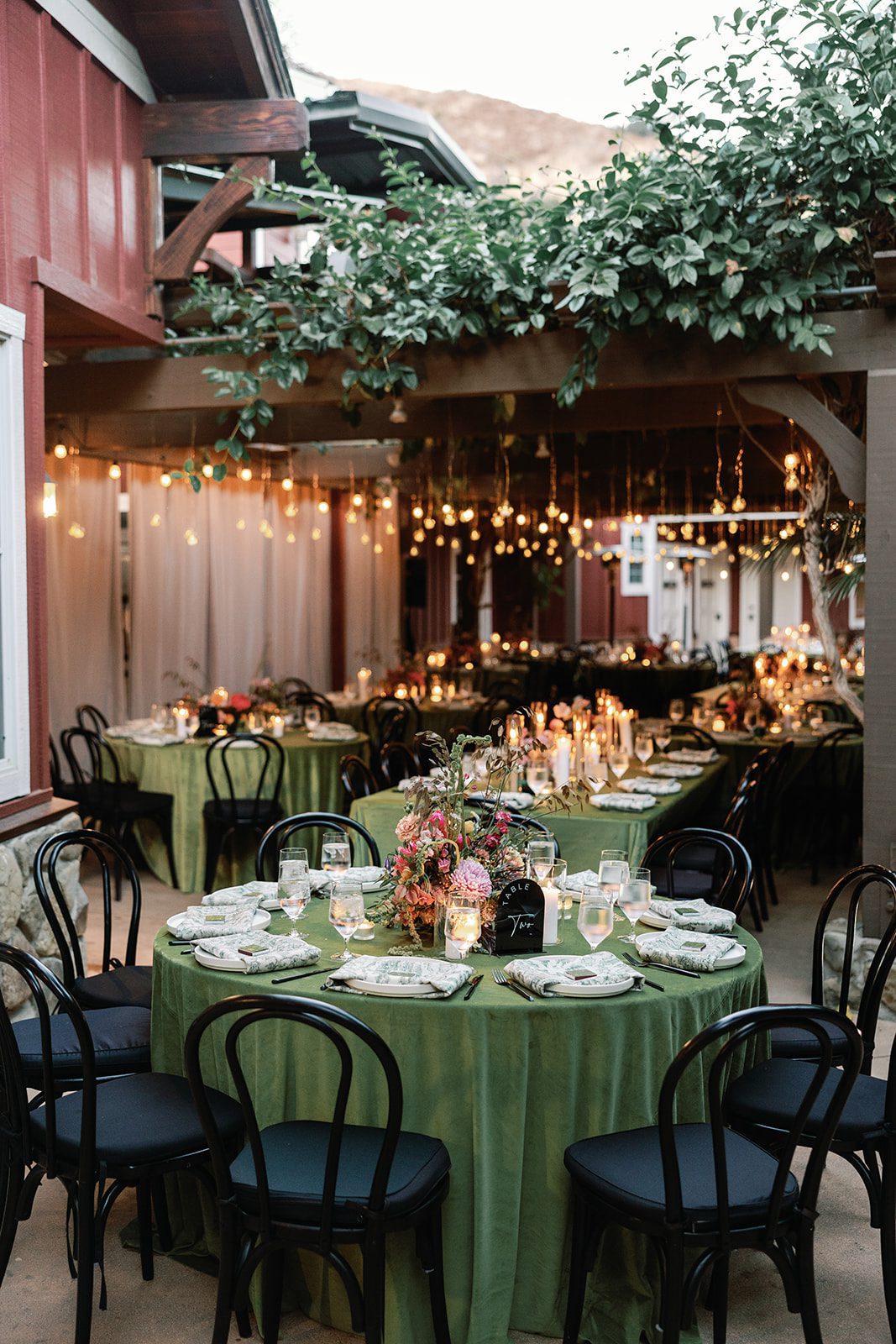
The reception layout is the structure that every other design decision depends on. Before finalizing linens, tabletop rentals, or decorative accents, couples should plan table placement, seating style, walkways, service access, bar placement, lounge areas, and dance floor positioning.
Choose Table Shapes That Support the Meal Style
Table shape has a major effect on both the look and function of a wedding reception. Round tables are classic and encourage conversation among guests. Long tables create a dramatic, estate-style look and can work well for family-style meals or vineyard-inspired receptions. Cocktail tables support mingling and are useful for cocktail hour, bar areas, or standing receptions.
Sweetheart tables and head tables also affect the visual focus of the room. A sweetheart table can create a more intimate focal point for the couple, while a long head table can anchor the reception design and create a strong visual line.
The right table plan should support the meal style, guest count, venue shape, and desired atmosphere.
Select Chairs That Match the Formality of the Event
Chairs are one of the most visible rental choices at a reception. They appear throughout the dining area and can influence whether the space feels formal, relaxed, modern, rustic, or romantic.
Classic chair styles can work well for elegant receptions. Wood or cross-back chairs may suit garden, vineyard, ranch, or rustic-refined events. Clean-lined chairs can support a modern design, while padded or upholstered chairs may be useful for longer dinners or more formal settings.
Chair selection should also consider the venue surface. Outdoor receptions may require chairs that sit securely on grass, gravel, stone, or temporary flooring. A chair that looks good but feels unstable can affect guest comfort.
Leave Room for Service, Dancing, and Guest Flow
A reception layout should not be planned around table count alone. It also needs to account for how guests, servers, vendors, and the couple will move through the space.
Leave enough room between tables for chairs to pull out comfortably. Keep service lanes clear so catering staff can move efficiently. Avoid placing bars where lines will block walkways. Make sure guests can find the dance floor, restrooms, exits, and lounge areas without confusion.
The layout should also support the natural energy of the reception. Dining, dancing, lounging, and bar service should feel connected but not crowded. When the layout works, guests can move easily from one part of the celebration to another.
Use Linens to Set the Visual Tone

Linens are one of the most visible layers in a wedding reception design. They introduce color, texture, softness, and contrast while helping connect the tablescape to the overall wedding palette. Even a simple table layout can feel elevated with the right linen choices.
Choose Linen Colors Based on the Venue Backdrop
The venue should influence linen color. Outdoor light, greenery, ocean views, stone patios, wood floors, and tented spaces can all change how colors appear.
For coastal Santa Barbara receptions, soft neutrals, ivory, sand, pale blue, or muted gray can support a relaxed and refined look. Garden receptions may work well with soft green, blush, champagne, or floral-inspired tones. Vineyard and ranch settings can support warm earth tones, taupe, rust, olive, or textured neutrals. Estate weddings may call for crisp whites, ivory, champagne, or deeper accent tones for a more formal look.
Use Texture to Add Depth to the Tablescape
Texture can make a tablescape feel more finished without requiring a bold color palette. Matte linens can create understated elegance, while gauze, woven fabrics, or soft textured linens can suit relaxed outdoor settings. Satin, velvet, patterned linens, or specialty fabrics may work well for more formal or dramatic receptions.
Texture is especially useful when the palette is neutral. A reception using ivory, beige, taupe, or soft gray can still feel layered and intentional when the linens have depth and movement.
The goal is to add visual interest without overwhelming the table or competing with florals, candles, and tabletop pieces.
Coordinate Tabletop Rentals for a Finished Dining Experience
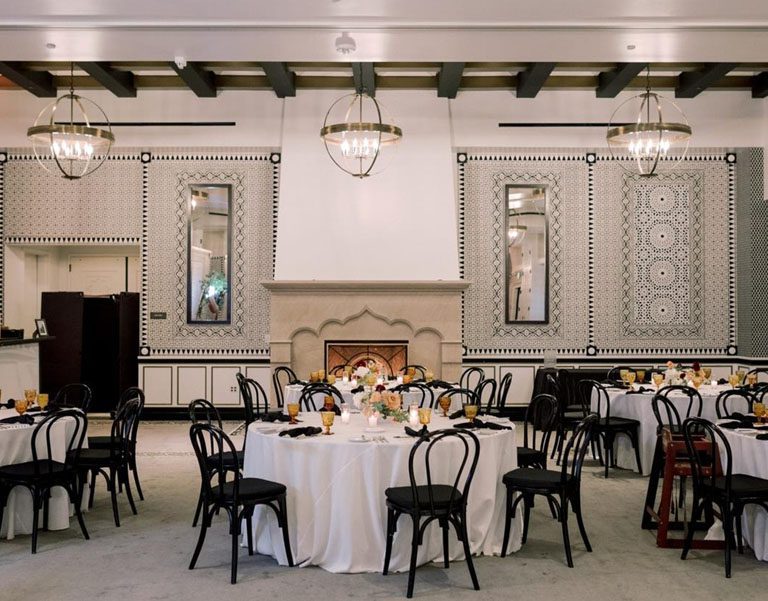
Tabletop rentals are some of the details guests interact with most closely. Plates, chargers, flatware, glassware, and serving pieces should support the meal service while also contributing to the overall reception design.
Match Plates, Chargers, Flatware, and Glassware
A coordinated tabletop design helps the reception feel refined. Dinner plates, salad plates, chargers, flatware, water glasses, wine glasses, champagne flutes, and serving pieces should feel like part of the same design language.
This does not mean every piece must match exactly. Mixing materials and finishes can work beautifully when done intentionally. For example, a classic white plate may pair well with gold flatware and delicate glassware. A more relaxed table may use simple dinnerware, textured linens, and understated glassware.
The key is consistency. The tabletop should complement the linens, chairs, florals, and lighting rather than introducing a disconnected style.
Plan Tabletop Rentals Around the Service Style
The service style affects which tabletop rentals are needed. A plated dinner may require a more formal place setting with multiple glasses, flatware pieces, and courses. A buffet may need fewer items at the table but more serving pieces and station rentals. Family-style service may require larger platters, serving utensils, and enough open table space for shared dishes. Cocktail receptions may need smaller plates, glassware, cocktail napkins, and passed appetizer support.
Planning tabletop rentals around the service style helps avoid missing items or overcrowded tables. It also supports the catering team, which can make dinner service smoother for guests.
Avoid Crowding the Table With Too Many Elements
A beautiful table should still be usable. Centerpieces, candles, menus, place cards, glassware, bread plates, chargers, flatware, favors, and shared dishes all require space.
Too many elements can make the table feel crowded and uncomfortable. Guests need room to dine, servers need room to place and clear dishes, and the tabletop should not feel visually cluttered.
A cohesive tablescape is edited. It includes enough detail to feel styled, but not so much that function is compromised.
Add Lighting That Connects the Whole Reception
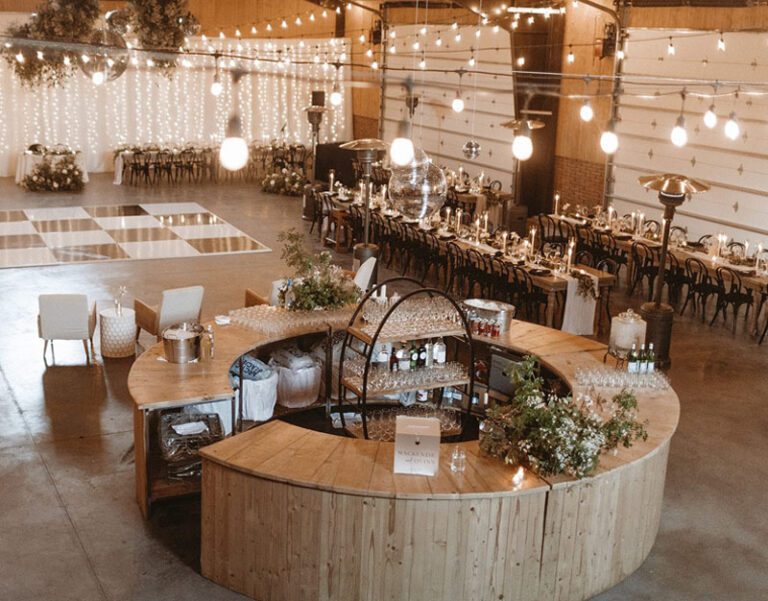
Lighting is both practical and atmospheric. It helps guests move safely through the reception while giving the event warmth, depth, and visual focus. A strong lighting plan can make separate rental areas feel connected as one complete reception environment. We cover this further in The Complete Guide to Wedding Rentals in Santa Barbara CA.
Use Ambient Lighting for the Overall Atmosphere
Ambient lighting creates the main mood of the reception. This may include string lights, chandeliers, lanterns, overhead tent lighting, or soft lighting placed throughout the reception area.
For outdoor Santa Barbara weddings, ambient lighting is especially important as daylight fades. It helps the reception transition from dinner to evening celebration while keeping the space warm and inviting.
The lighting should match the tone of the event. A formal reception may benefit from chandeliers or elegant overhead lighting, while a garden or vineyard reception may feel more natural with string lights, lanterns, or soft warm lighting.
Add Accent Lighting for Bars, Lounges, and Décor
Accent lighting helps special areas feel intentional. Bars, lounges, cake tables, floral installations, signage, sweetheart tables, head tables, and photo areas can all benefit from focused lighting.
This type of lighting adds depth to the reception and helps guide guest attention. A softly lit lounge feels more inviting. A highlighted bar feels like part of the design. A well-lit cake table or floral installation becomes a stronger focal point.
Accent lighting also helps connect different zones visually, especially when the reception is spread across a large outdoor area.
Plan Functional Lighting for Pathways and Service Areas
Functional lighting is essential for safety and service. Pathways, restroom routes, steps, parking areas, catering zones, guest exits, and transportation pickup areas should be lit clearly enough for guests and vendors to move safely.
This lighting should be practical but still consistent with the event atmosphere. Pathway lights, lanterns, low-level fixtures, or warm directional lighting can improve visibility without making the reception feel harsh.
A cohesive lighting plan includes both mood and function. Guests should feel the atmosphere, but they should also know where to go.
Create Lounge and Bar Areas That Feel Integrated
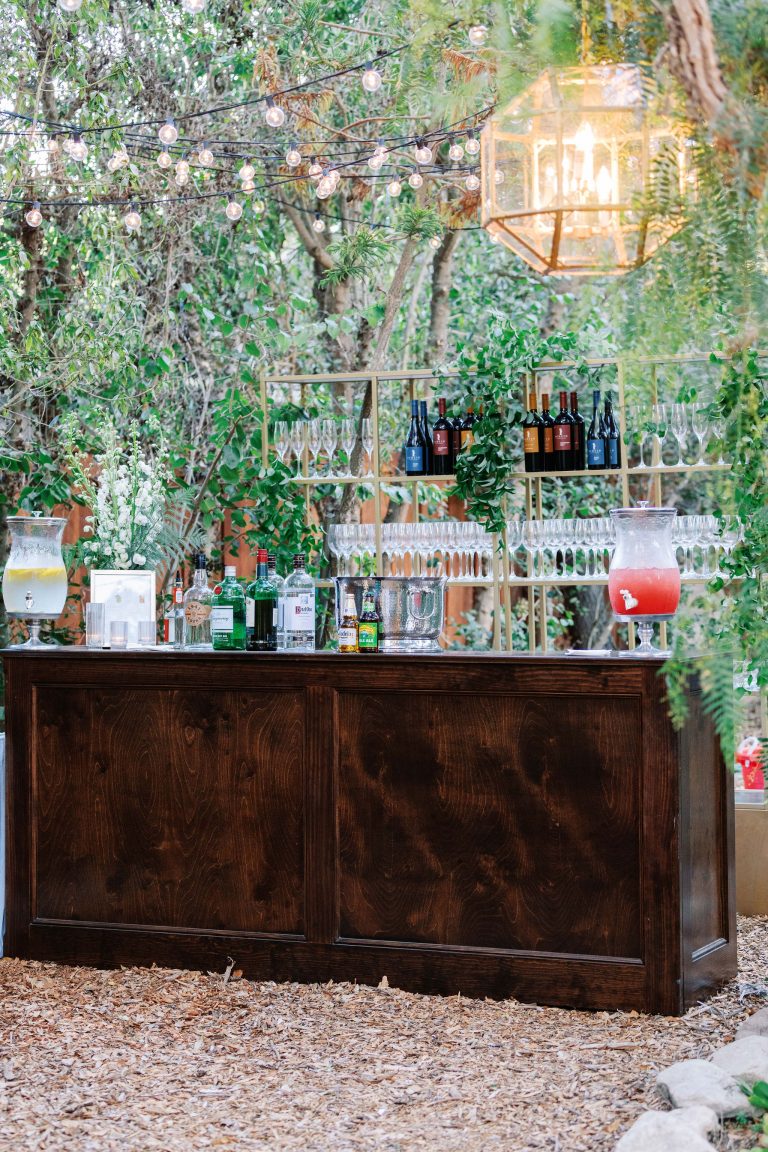
A cohesive reception includes more than dining tables. Lounge furniture, bars, cocktail tables, side tables, rugs, lighting, and decorative accents help guests move naturally between dining, conversation, drinks, and dancing. Read more in Layer Wedding Rentals for a Cohesive Santa Barbara Reception.
Match Lounge Furniture to the Reception Style
Lounge furniture should reflect the same design direction as the rest of the reception. Sofas, accent chairs, coffee tables, rugs, ottomans, and side tables can create comfortable gathering spaces while reinforcing the event style.
For a formal reception, lounge furniture may be elegant and tailored. For a coastal celebration, it may feel relaxed and light. For a garden wedding, soft textures and romantic pieces may work well. For a vineyard or ranch setting, warm tones, wood accents, and natural textures can help the lounge feel connected to the venue.
The lounge should not look like a separate rental area. It should feel like an extension of the reception.
Place the Bar Where It Supports Guest Flow
The bar is one of the busiest areas at a wedding reception, so placement matters. It should be visible and convenient, but it should not block dining tables, walkways, service lanes, or the dance floor.
A well-placed bar encourages guests to circulate naturally. It may sit near the edge of the reception, close to cocktail tables, or near a lounge area where guests can gather without creating congestion.
Bar design should also match the reception style. The bar, back bar, glassware, signage, florals, and lighting can all be coordinated so the area feels polished rather than purely functional.
Use Rugs, Side Tables, and Lighting to Finish the Space
Finishing pieces make lounge and bar areas feel designed. Rugs can define a lounge area. Side tables give guests a place to set drinks. Lamps, lanterns, candles, or accent lighting can make the area feel warm and inviting.
These details may seem small, but they help rental areas feel complete. Without them, a lounge can feel like furniture placed on a lawn. With them, it becomes a comfortable and intentional part of the reception design.
Make the Dance Floor and Entertainment Area Feel Intentional
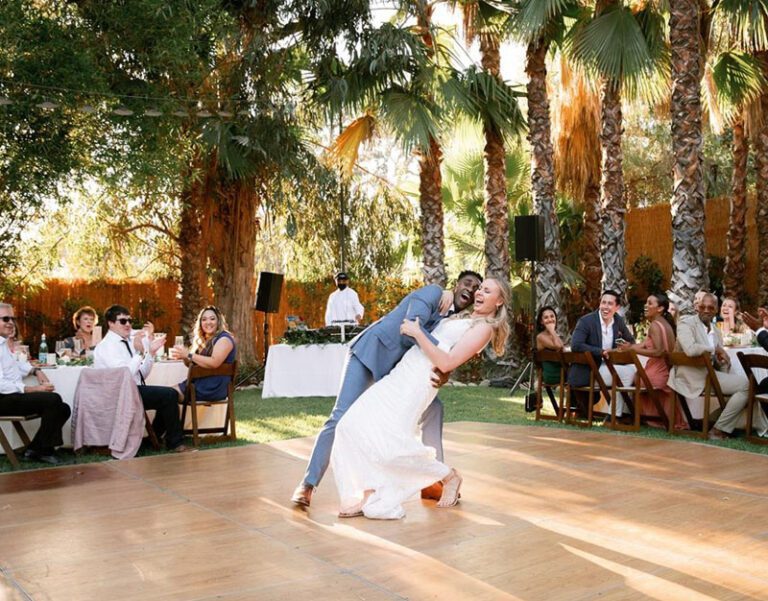
The dance floor and entertainment area should feel like part of the reception design, not an empty space added after dinner. This area often becomes the center of the celebration, so placement, lighting, and surrounding seating all matter.
Position the Dance Floor Within the Reception Layout
The dance floor should connect naturally to the dining area, bar, lounge seating, and entertainment. If it is too far away, the reception can feel divided. If it is placed too tightly between tables, guests may feel crowded.
The best placement depends on the venue and event format. Some receptions place the dance floor in the center, with tables around it. Others place it near the band or DJ, with lounge furniture and cocktail tables nearby. In a tented reception, the dance floor may become the visual center of the space.
Placement should make it easy for guests to move from dinner to dancing without breaking the energy of the event.
Use Lighting to Shift the Mood After Dinner
Lighting can help signal the transition from dinner to dancing. During dinner, lighting may be softer and warmer. After speeches or formalities, the lighting can become more dynamic around the dance floor.
This shift helps guests understand that the reception is moving into a new phase. Dance floor lighting, dimmed dining lights, accent lighting near the bar, and illuminated lounge areas can all help create the right evening energy.
A cohesive lighting plan supports the timeline as well as the design.
Work With Ventura Rental to Bring the Reception Design Together
A cohesive reception is easier to create when major rental categories are planned together. Coordinating furniture, linens, tabletop pieces, lighting, flooring, lounge rentals, bars, décor, and layout details helps prevent mismatched decisions and makes the reception feel more complete. For more detail, see our article How to Build a Cohesive Ceremony-to-Reception Plan.
Coordinate Furniture, Linens, Tabletop, Lighting, and Décor
When rental categories are chosen together, the final design feels more intentional. Chair style can be matched with table shape. Linen color can be selected alongside tabletop pieces. Lighting can be planned around bars, lounges, dining tables, and the dance floor. Décor can be layered in without overwhelming the layout.
This kind of coordination helps avoid design gaps. It also makes it easier for couples and planners to see how the reception will feel as a complete environment rather than a list of separate rental items.
Use Layout Guidance to Avoid Design Gaps
Layout guidance can help prevent common reception issues, such as crowded tables, disconnected lounge areas, poor bar placement, insufficient lighting, or awkward dance floor positioning.
A strong layout considers guest count, venue shape, service access, reception timeline, surface type, lighting needs, and vendor movement. It also accounts for the guest experience from arrival through dinner, dancing, and departure.
When the layout is planned carefully, the reception feels easier to navigate and more polished overall.
Browse the Catalog or Visit the Showroom
Browsing a rental catalog or visiting a showroom can help couples understand how different pieces work together. Seeing chairs, linens, tabletop rentals, lounge furniture, bars, lighting, and décor options can make design decisions more practical and less abstract.
It also allows couples to compare styles, textures, colors, and finishes before finalizing the reception plan. This can be especially helpful when trying to create a cohesive look across multiple rental categories.
Frequently Asked Questions
What rentals do I need for a wedding reception?
Most wedding receptions need tables, chairs, linens, tabletop rentals, lighting, bar rentals, lounge furniture, dance floor rentals, staging, catering equipment, and décor. The exact list depends on the venue, guest count, meal style, reception timeline, and overall design.
How do I make my wedding reception rentals look cohesive?
Start with a clear design direction and color palette. Choose rentals that match the venue setting and desired mood. Coordinate chairs, linens, tabletop pieces, lighting, lounge furniture, bars, and décor together rather than selecting each category separately.
Should I choose tables or linens first?
The layout and meal style usually come first. Once the table shape and seating plan are defined, it becomes easier to choose chairs, linens, napkins, runners, tabletop pieces, and centerpieces. This sequence helps ensure the design works both visually and practically.
How can lighting improve a wedding reception?
Lighting improves the reception by creating atmosphere, highlighting focal points, supporting guest safety, and helping the event transition from dinner to dancing. It can define bars, lounges, pathways, dining areas, and entertainment spaces.
How do I avoid overcrowding the reception space?
Avoid overcrowding by planning for more than table count. Consider guest movement, chair clearance, service access, bar lines, dance floor size, lounge placement, vendor pathways, and restroom routes. A reception should feel comfortable when guests are seated, standing, dining, dancing, and moving through the venue. To check availability for your date, reach out to our rental team.
Conclusion
Creating a beautiful wedding reception hinges on the seamless interplay of every rental element. By thoughtfully coordinating tables, chairs, linens, and lighting, couples are sure to foster an inviting atmosphere that enhances the guest experience. We encourage you to collaborate with local rental professionals to bring your vision to life effectively. Start your journey towards a perfectly planned reception by exploring our extensive rental catalog today. Couples planning a full setup can start with our wedding rental services.