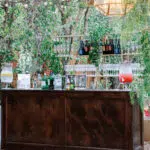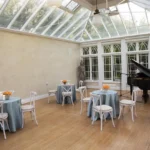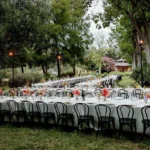

Renting a tent for a Santa Barbara summer event can make an outdoor space more comfortable, organized, and guest-ready. But choosing the right tent is not only about picking a size or selecting a style. The best rental plan depends on the event format, guest count, site conditions, weather exposure, access points, layout needs, and the supporting rentals required to make the space function well.
Santa Barbara summer events often take place in beautiful outdoor settings, from private homes and garden venues to coastal properties, estates, parks, and open-air event spaces. These locations can create memorable celebrations, but they also require careful planning. A tent has to fit the site, support the event flow, protect key areas, and work with the rest of the rental setup.
Before reserving a tent, hosts and planners should understand what details affect the rental plan. The earlier those decisions are made, the easier it is to choose the right tent, coordinate setup, and avoid last-minute adjustments.
Start With the Type of Summer Event You Are Hosting

The best tent rental plan starts with the event format. A backyard birthday party, corporate gathering, fundraiser, graduation celebration, community event, and formal outdoor dinner may all require different layouts, furniture, lighting, and service areas.
Private Parties and Family Celebrations
Private events often need flexible tenting that supports casual gathering, dining, shade, and food service. A backyard birthday, anniversary, shower, graduation party, or family celebration may use a tent as the central gathering space or as a shaded area for dining and refreshments.
For these events, the tent plan should account for how guests will move between the house, yard, food area, seating, restrooms, and entertainment. A smaller event may not need a complex layout, but it still needs enough room for tables, chairs, buffet stations, coolers, bars, or lounge seating.
Corporate Events and Client Gatherings
Corporate events usually require a more structured setup. The tent may need to support registration, presentations, product displays, cocktail tables, branded areas, AV equipment, catering, or client seating.
For a business event, appearance and flow both matter. Guests should understand where to check in, where to gather, where to sit, and where presentations or announcements will happen. The tent should support the company’s event goals while keeping the setup professional and easy to navigate.
Fundraisers and Community Events
Fundraisers and community events often involve more moving parts. A tent may need to support check-in, auction tables, sponsor areas, food service, entertainment, guest seating, or a stage. These events can also involve larger crowds and multiple vendors.
For this type of event, the tent should be planned as part of the full site layout. Entry points, guest flow, service areas, and vendor access should be discussed early so the setup works smoothly once guests arrive.
Know Your Guest Count Before Choosing a Tent
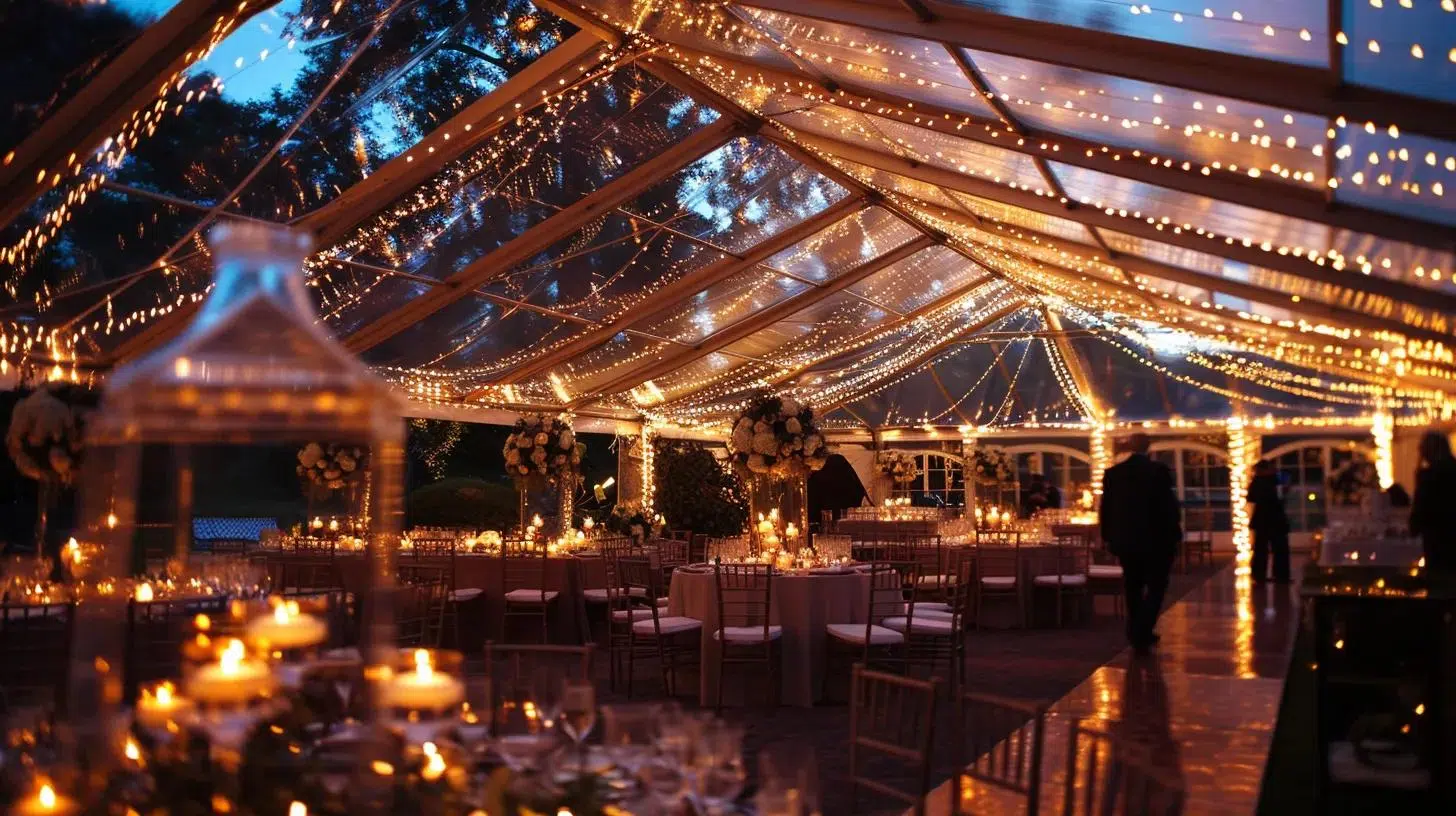
Guest count is one of the first details a rental team will need. The number of guests affects tent size, table layout, chair count, service space, circulation, and whether additional areas are needed for bars, buffets, lounges, or entertainment.
Separate Seated Events From Standing Events
A seated dinner requires more tent space than a casual standing reception. Seated events need room for tables, chairs, walkways, and service lanes. Guests need space to pull out chairs comfortably, and catering staff need access to each table.
Standing events can sometimes use the tent differently. A cocktail-style gathering may rely on high-top tables, bar areas, lounge seating, and open circulation rather than full dining tables. Because the guest experience is different, the tent layout and rental needs will also be different.
Before requesting a quote, decide whether guests will be seated for a full meal, standing and mingling, moving between stations, or using the tent for only part of the event.
Account for More Than Guests
A common planning mistake is choosing a tent based only on the number of people attending. The tent may also need to hold buffet tables, bars, beverage stations, gift tables, check-in tables, entertainment, staging, AV equipment, lounge furniture, catering supplies, or décor.
These elements take up space and affect the layout. A tent that fits the guest count on paper may feel crowded if there is no room for service, movement, or event features. Make a list of everything that needs to go under the tent before finalizing the size.
Leave Room for Movement
The most comfortable tent layouts include clear movement paths. Guests should be able to enter, exit, find seating, access the bar, move to food stations, and reach restrooms without squeezing through tight spaces.
Movement is especially important for events with children, older guests, servers, entertainers, or high guest turnover. Leaving room for circulation helps the event feel organized instead of crowded.
Evaluate the Event Site Before Finalizing the Tent
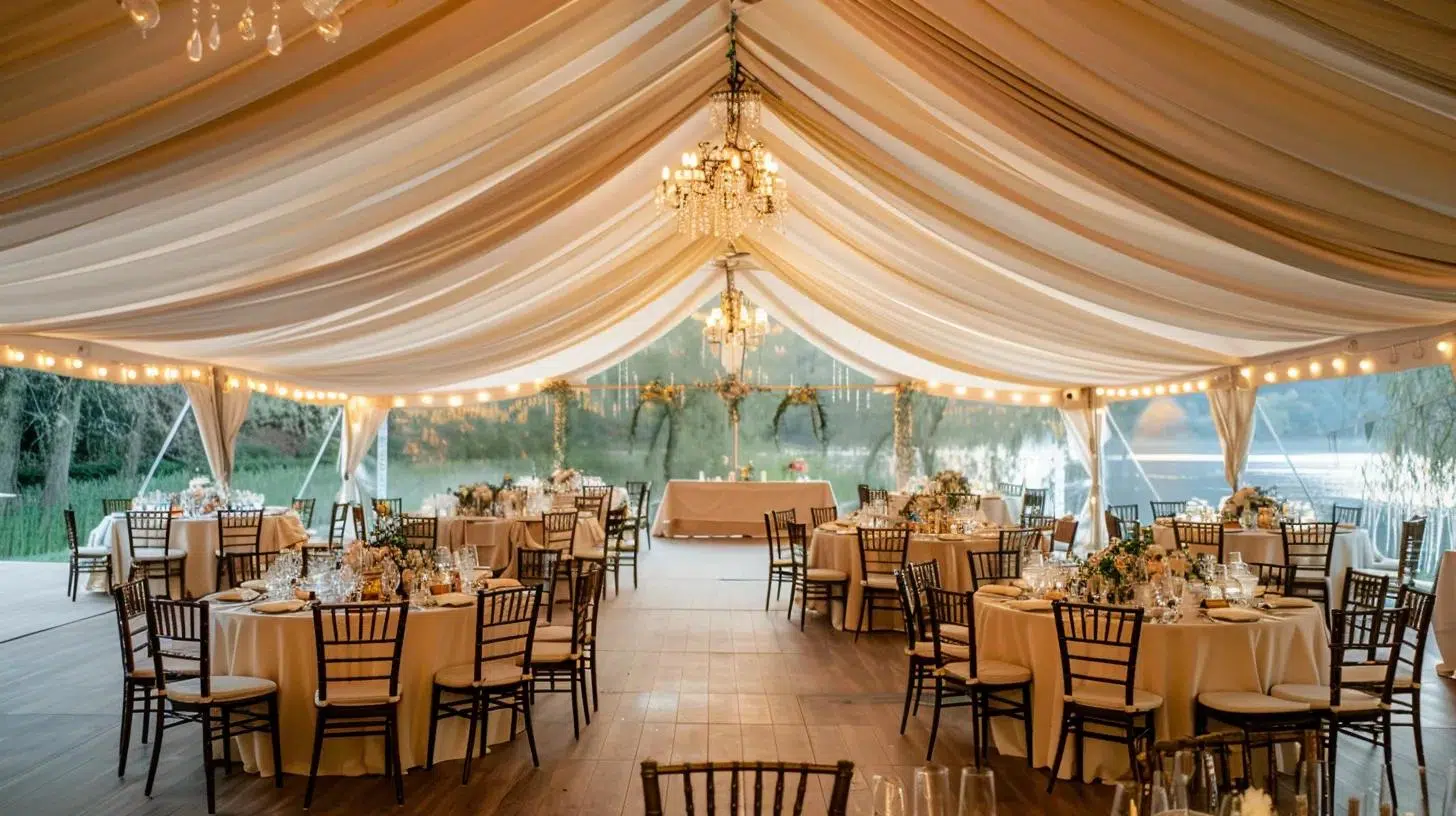
The event site has a major impact on tent selection. Before reserving a tent, review the surface type, slope, access points, available space, nearby structures, landscaping, and overhead obstacles. This early site review is one of the most useful parts of planning outdoor events in Santa Barbara because the property itself often determines the tent placement, guest flow, shade needs, service access, and supporting rentals required for a comfortable setup.
Check the Surface Type
Different surfaces require different setup considerations. Grass, gravel, concrete, patios, sand, and uneven ground can all affect how a tent is installed and what supporting rentals may be needed.
Grass may allow certain anchoring methods, while concrete or paved surfaces may require different solutions. Sandy or uneven areas may need additional planning for furniture stability, flooring, or guest comfort. If the ground is soft, sloped, or irregular, flooring may help create a more stable event space.
Measure the Available Footprint
The usable space is not always the same as the total yard or venue size. Trees, fences, pools, patios, pathways, landscaping, buildings, fire pits, and outdoor furniture can reduce the area available for a tent.
Before selecting a tent size, measure the actual footprint where the tent could go. It is also helpful to take photos of the space and note any fixed features that cannot be moved. This gives the rental team a clearer understanding of what will work on the property.
Look for Overhead and Nearby Obstacles
Tent installation can be affected by overhead or nearby obstacles. Trees, branches, rooflines, power lines, string lights, irrigation systems, slopes, walls, and nearby structures should all be considered.
Even if the ground space looks large enough, overhead clearance may limit the type or size of tent that can be installed. Reviewing these details early helps prevent problems on setup day.
Think About Santa Barbara Summer Weather Conditions

Santa Barbara summer events often benefit from pleasant outdoor settings, but weather still plays an important role in tent planning. Sun exposure, coastal breezes, warm afternoons, and cooler evenings can all affect the final rental plan.
Plan for Sun Exposure
Sun exposure can change throughout the day. A tent that provides shade in the morning may need additional planning for late afternoon or early evening. Consider where the sun will hit during guest arrival, dining, speeches, food service, and cocktail hour.
Sun exposure can also affect bars, buffet tables, desserts, lounge areas, and guest seating. The tent should be placed and oriented to keep key event areas comfortable whenever possible.
Consider Wind and Coastal Breezes
Some Santa Barbara properties experience stronger breezes because of open spaces, coastal exposure, hilltop locations, or wide lawns. Wind can affect tent placement, sidewall decisions, table settings, signage, and lightweight décor.
Before renting a tent, discuss whether the event site is protected, partially exposed, or fully open. This can help the rental team recommend appropriate setup details and supporting rentals.
Prepare for Evening Temperature Changes
Summer events may feel warm during the day and cooler after sunset. If the event continues into the evening, the rental plan may need to include lighting, sidewalls, heaters, or lounge placement that keeps guests comfortable after dark.
A tent should support the full event timeline, not just the warmest part of the day. Thinking through temperature changes early makes the event feel smoother from arrival to departure.
Decide What Will Happen Under the Tent
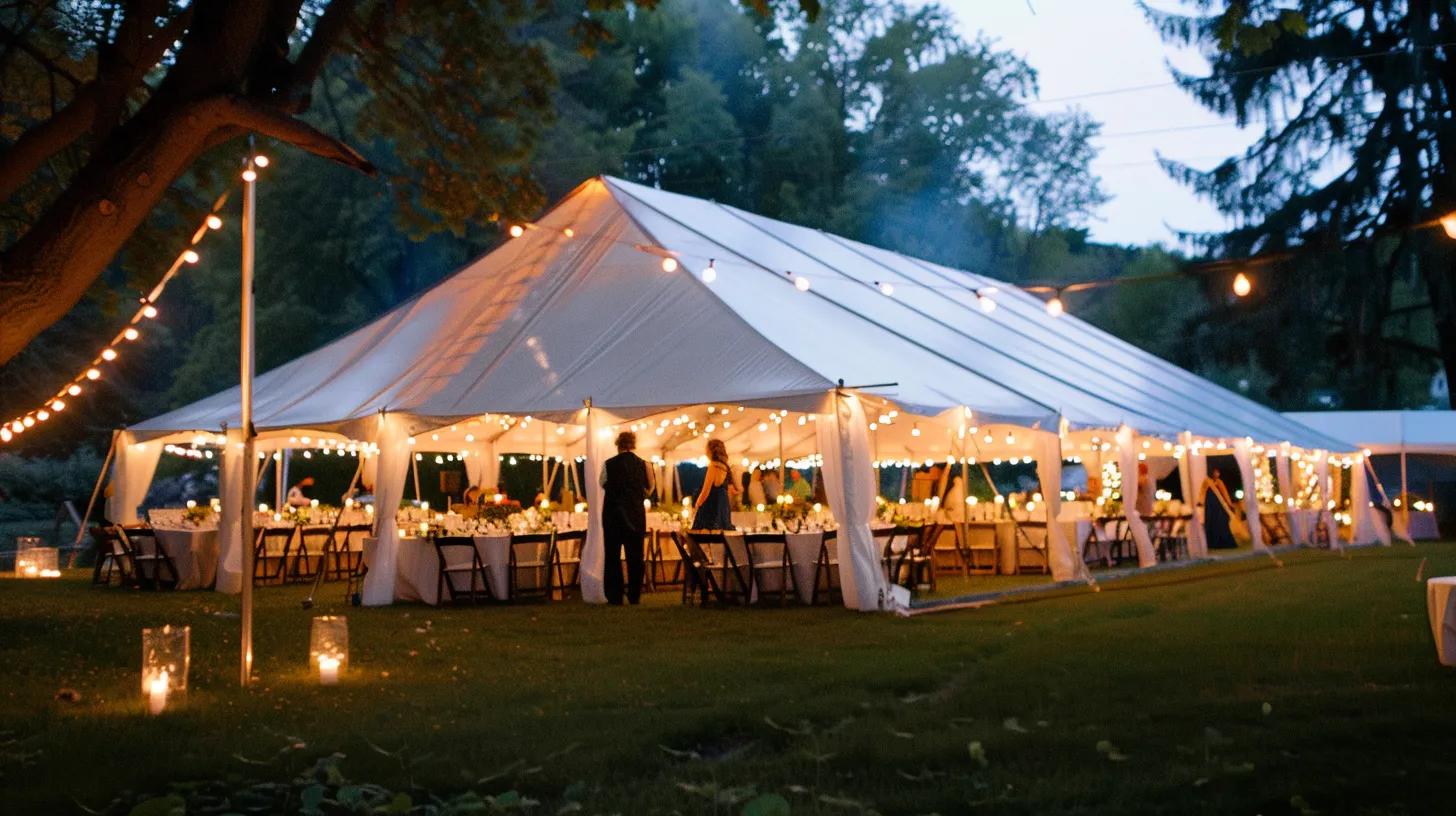
A tent should be chosen based on what it needs to support. Before renting, identify whether the tent will be used for dining, dancing, cocktail hour, shade, food service, presentations, vendor stations, or a combination of activities.
Dining and Seating
If the tent will be used for dining, the layout should include tables, chairs, service lanes, guest walkways, and any focal tables such as a head table, dessert table, or buffet. The type of meal also matters. A seated dinner, buffet, family-style meal, and casual backyard gathering each require a different setup.
Dining tents should feel comfortable and organized. Guests need enough space to sit, eat, talk, and move without crowding nearby tables.
Dancing and Entertainment
If dancing, live music, a DJ, or presentations are part of the event, the tent plan should include space for entertainment and guest movement. Dance floors, stages, sound equipment, speakers, and lighting can all affect the tent size and layout.
Entertainment areas should be placed where guests can see and participate without blocking dining or service flow. For evening events, lighting should also be considered early so the space remains usable after sunset.
Food, Beverage, and Service Areas
Food and beverage service can take up more space than expected. Buffet tables, bars, beverage stations, catering prep, service equipment, and staff pathways should be planned before choosing the tent size.
If the event includes a bar, consider where lines will form and whether guests can access drinks without blocking walkways. If there is a buffet, make sure guests can move through the line without interfering with seated guests or catering staff.
Choose Supporting Rentals Early
A tent becomes more functional when it is paired with the right supporting rentals. Tables, chairs, linens, flooring, lighting, bars, lounge furniture, and catering equipment should be considered during the tent planning process rather than added at the last minute.
Tables and Chairs
The type of event will determine which tables and chairs are needed. A seated dinner may require round or rectangular tables with full chair counts. A cocktail-style event may use high-top tables, lounge seating, and fewer dining chairs. A backyard celebration may need a flexible mix of seating and service tables.
Choosing tables and chairs early also helps determine the tent size. The layout will be more accurate when the rental team knows what furniture needs to fit inside the space.
Flooring and Dance Floors
Flooring may be useful when the surface is uneven, soft, sloped, or high-traffic. It can create a more stable area for dining, dancing, or walking. Dance floors are especially important if guests will be dancing on grass, gravel, or an outdoor surface that is not suitable for movement.
Flooring can also make the tent feel more finished. For formal events, it may help transform an outdoor site into a more polished venue environment.
Lighting, Bars, and Lounge Pieces
Lighting extends the use of the tent into the evening and helps define the atmosphere. Bars and lounge furniture shape guest flow, encourage gathering, and give the event more structure.
These supporting rentals should be planned with the tent rather than added separately. A bar needs space, a lounge area needs placement, and lighting may require installation planning. Coordinating these details early helps the entire setup feel intentional.
Ask About Delivery, Setup, and Access Requirements
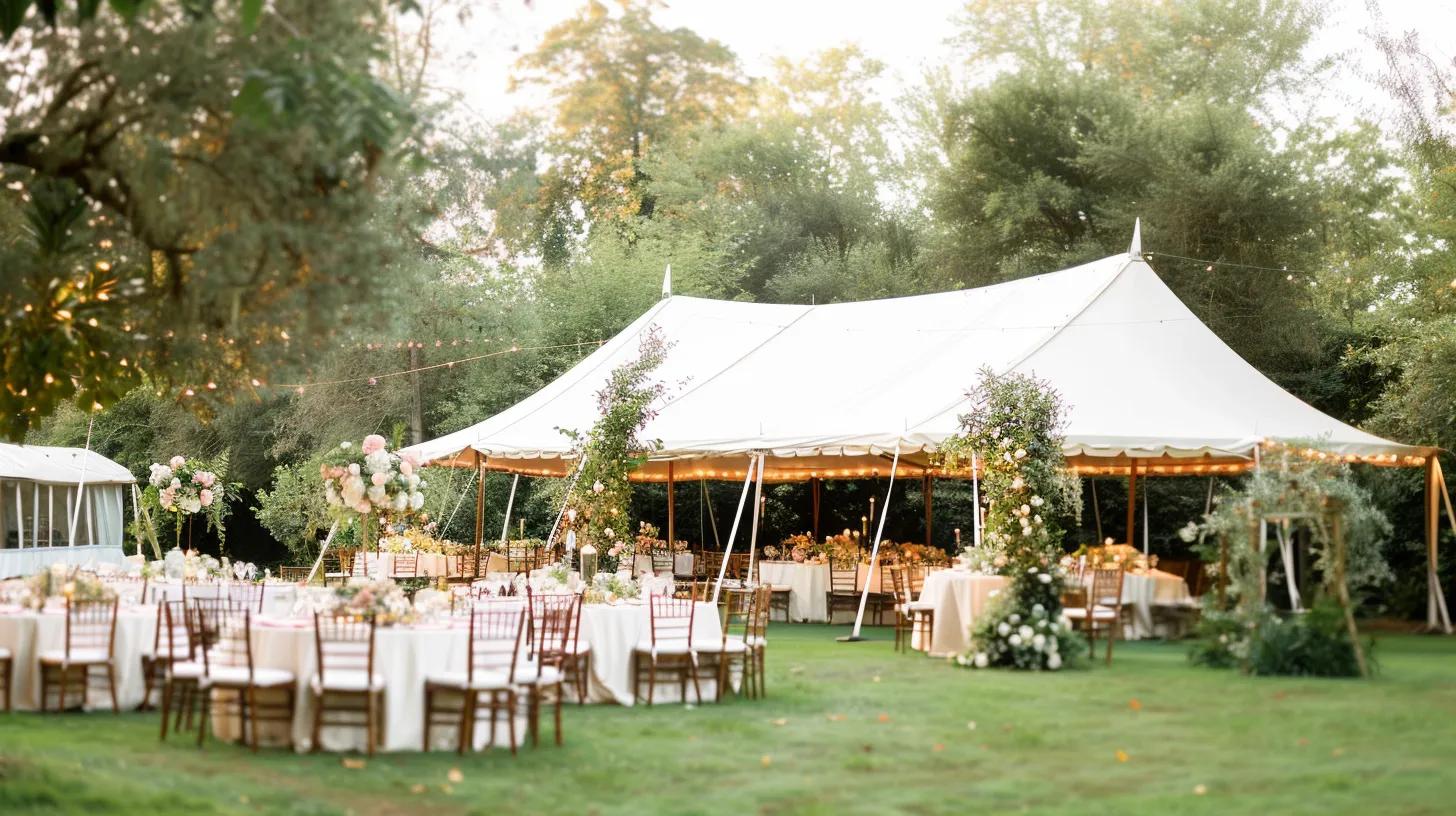
Tent rentals require more coordination than smaller rental items. Delivery access, setup windows, crew needs, vehicle routes, parking, and breakdown timing should be discussed before the rental is finalized.
Confirm Truck and Crew Access
The rental team needs to know whether trucks and crew can access the setup area. Narrow driveways, gates, stairs, steep paths, limited parking, landscaping, or long carries from the truck to the event space can affect setup.
If access is difficult, it may require extra time or planning. Sharing this information early helps the rental team prepare for the site properly.
Coordinate Setup Timing With Other Vendors
Tents are often installed before other rentals and vendors arrive. Furniture, lighting, florals, catering, décor, and AV setup may all depend on the tent being in place first.
A clear setup schedule helps avoid vendor conflicts. Confirm when the tent will be installed, when other vendors can begin their work, and when the final walkthrough should happen before guests arrive.
Plan for Breakdown and Pickup
Breakdown is just as important as setup. Some venues have specific pickup windows, noise restrictions, parking rules, or access limits after the event. Private properties may also need careful coordination to avoid disruption.
Before booking, confirm when the tent and rentals will be removed and whether any special access is needed after the event ends.
Check Venue Rules, Permits, and Safety Requirements
Some Santa Barbara venues, parks, private properties, and public event spaces may have rules about tent size, placement, anchoring, setup timing, fire access, and permits. These details should be reviewed before the event date.
Ask the Venue About Tent Restrictions
Venues may have approved tent locations, preferred setup areas, delivery rules, time limits, surface restrictions, or access requirements. Some venues may also limit the size or type of tent that can be installed.
Before reserving a tent, ask the venue what is allowed. This helps prevent ordering a tent that cannot be installed in the desired location.
Confirm Anchoring and Safety Needs
Tent anchoring depends on the surface type, site conditions, event location, and venue requirements. A tent installed on grass may require a different anchoring approach than one placed on concrete or another hard surface.
Safety needs should be discussed with the rental team before setup. The goal is to ensure the tent is appropriate for the site and installed according to the required conditions.
Discuss Permit Responsibilities
Some events may require permits or approvals for temporary structures. Responsibility for permits can vary depending on the venue, property, event type, and local requirements.
Clarify whether the host, planner, venue, or rental company is responsible for permit-related steps. This should be addressed early so paperwork does not create a delay close to the event date.
Build a Tent Layout Before Event Day
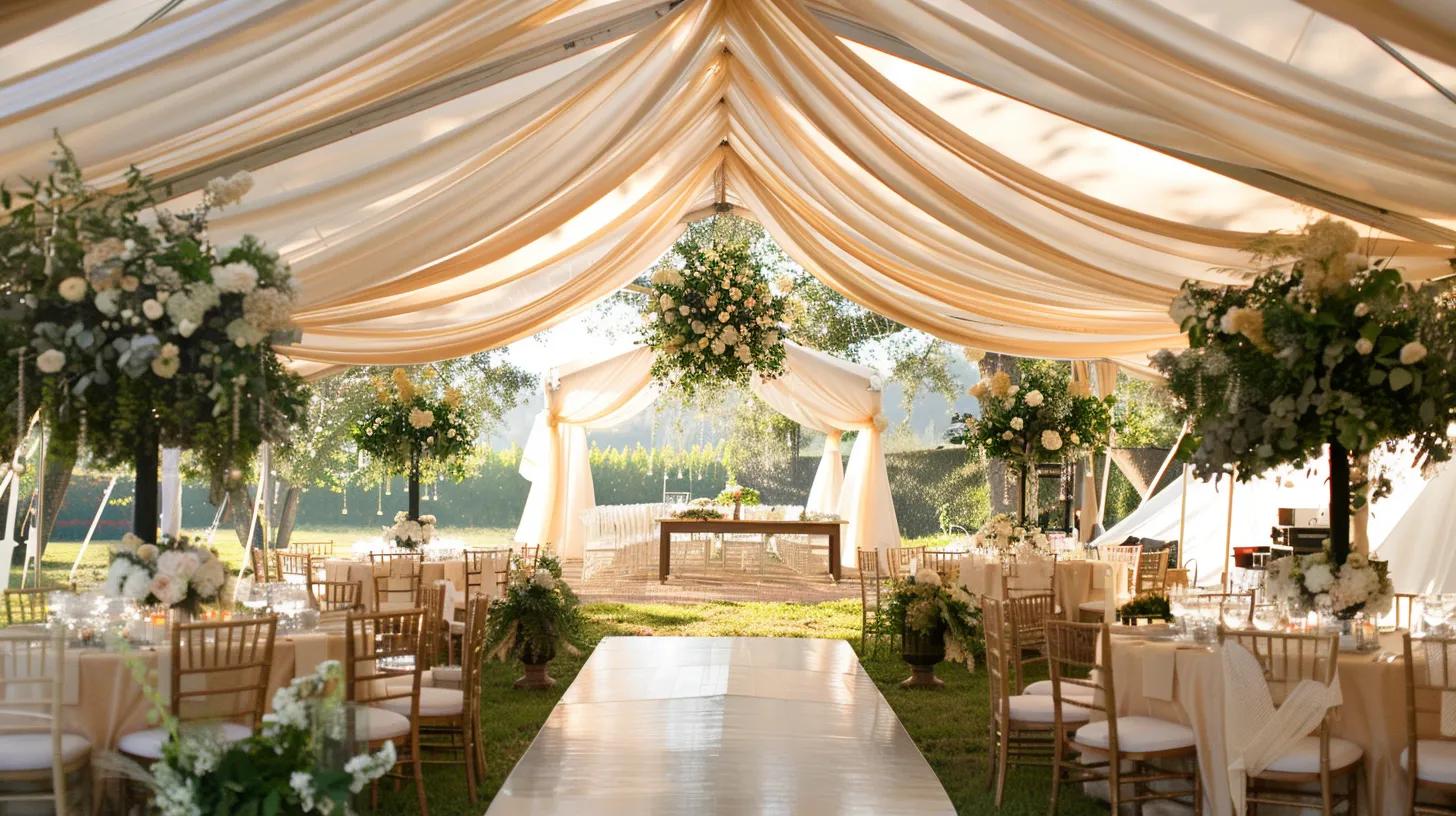
A tent layout helps prevent overcrowding, poor flow, and last-minute setup changes. Before the event, map where tables, chairs, bars, catering, entertainment, lounge areas, walkways, and service routes will go.
Place the Main Guest Areas First
Start with the most important guest areas, such as dining, dancing, cocktail areas, food service, or shade. These elements determine how the tent will be used and how much open space is needed.
Once the main areas are placed, it is easier to add smaller details such as gift tables, dessert displays, beverage stations, or décor.
Add Service and Vendor Areas
Service areas should be included in the layout from the beginning. Catering paths, bar access, equipment placement, storage, and staff movement all affect how the event functions.
If these areas are not planned early, vendors may have to work through guest spaces or block important walkways. A strong layout keeps service efficient while preserving the guest experience.
Keep Entrances and Walkways Clear
Guests should be able to enter, exit, and move between areas easily. Tent entrances, walkways, restrooms, bars, food stations, and seating areas should be clear and intuitive.
A good layout should make the event feel easy to navigate. Guests should not have to guess where to go, and vendors should not have to work around avoidable obstacles.
Work With Ventura Rental Before Finalizing the Tent
A tent rental is easier to plan when the rental team understands the event goals, venue conditions, guest count, and full rental needs. Early communication can help identify the right tent size, supporting rentals, and setup plan.
Share the Event Details Early
Before requesting a quote, gather the key event details. These may include the event date, location, guest count, event type, venue surface, preferred setup area, event timeline, and main activities.
Photos, measurements, venue notes, and layout ideas can also help the rental team understand the space. The more complete the information is, the easier it is to provide useful recommendations.
Ask for Rental Recommendations Based on the Site
A rental team can help match the tent and supporting rentals to the event site. Site conditions such as surface type, slope, access, shade, wind exposure, and available space can all influence the recommendation.
This guidance is especially useful for outdoor Santa Barbara events where properties and venues can vary widely.
Coordinate the Tent With Other Rentals
The tent should be planned alongside furniture, lighting, flooring, bars, linens, lounge pieces, and catering rentals. These items affect the layout and can change the amount of space needed.
Coordinating everything together helps create a setup that feels complete and functions well throughout the event.
Frequently Asked Questions
How early should I rent a tent for a summer event?
It is best to reserve a tent as early as possible, especially for summer events when demand may be higher. Early booking helps secure the right tent size, setup date, and supporting rentals such as tables, chairs, lighting, flooring, bars, and lounge furniture.
What information do I need before requesting a tent rental quote?
Helpful details include the event date, location, guest count, event type, venue surface, available footprint, event timeline, and planned activities. It is also useful to know whether the tent will be used for dining, dancing, food service, shade, presentations, or a combination of uses.
Do I need flooring under my event tent?
Flooring depends on the event site and format. It may be useful on uneven ground, soft lawns, gravel, or surfaces where guests will dine, dance, or walk frequently. Flooring can also make the tent feel more polished and stable.
Can a tent be installed on concrete, grass, or uneven ground?
Tent installation depends on the surface, available space, access, anchoring method, and site conditions. Grass, concrete, patios, gravel, sand, and uneven ground may each require different setup recommendations. A rental team can help determine what is appropriate for the specific location.
What other rentals should I plan with the tent?
Depending on the event, you may need tables, chairs, linens, lighting, flooring, bars, lounge furniture, catering equipment, fans, heaters, staging, dance floors, or décor. Planning these items with the tent helps create a more accurate layout and a smoother setup.