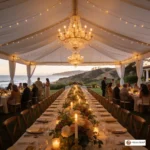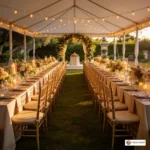

Santa Barbara wine country events are often planned around the setting itself. Vineyard rows, rolling hills, garden paths, tasting patios, oak trees, estate lawns, and sunset views all help create the atmosphere guests remember. The rental plan should support those views, not hide them.
Choosing event rentals for a wine country venue is not only about selecting tents, tables, chairs, bars, lighting, flooring, and lounge furniture. It is also about deciding where those rentals should go, how tall they should be, how they affect guest sightlines, and whether they help the event feel connected to the landscape. A beautiful rental piece can still create a problem if it blocks a vineyard backdrop, crowds a scenic patio, or interrupts a photo location.
The best Santa Barbara wine country event rentals feel intentional and restrained. They make the venue more comfortable and functional while allowing the natural setting to remain the focus. Whether the event is a wedding, private dinner, winery celebration, fundraiser, or corporate gathering, the goal is the same: create a polished event layout that protects the view and improves the guest experience.
Start With the View Before Choosing Rentals
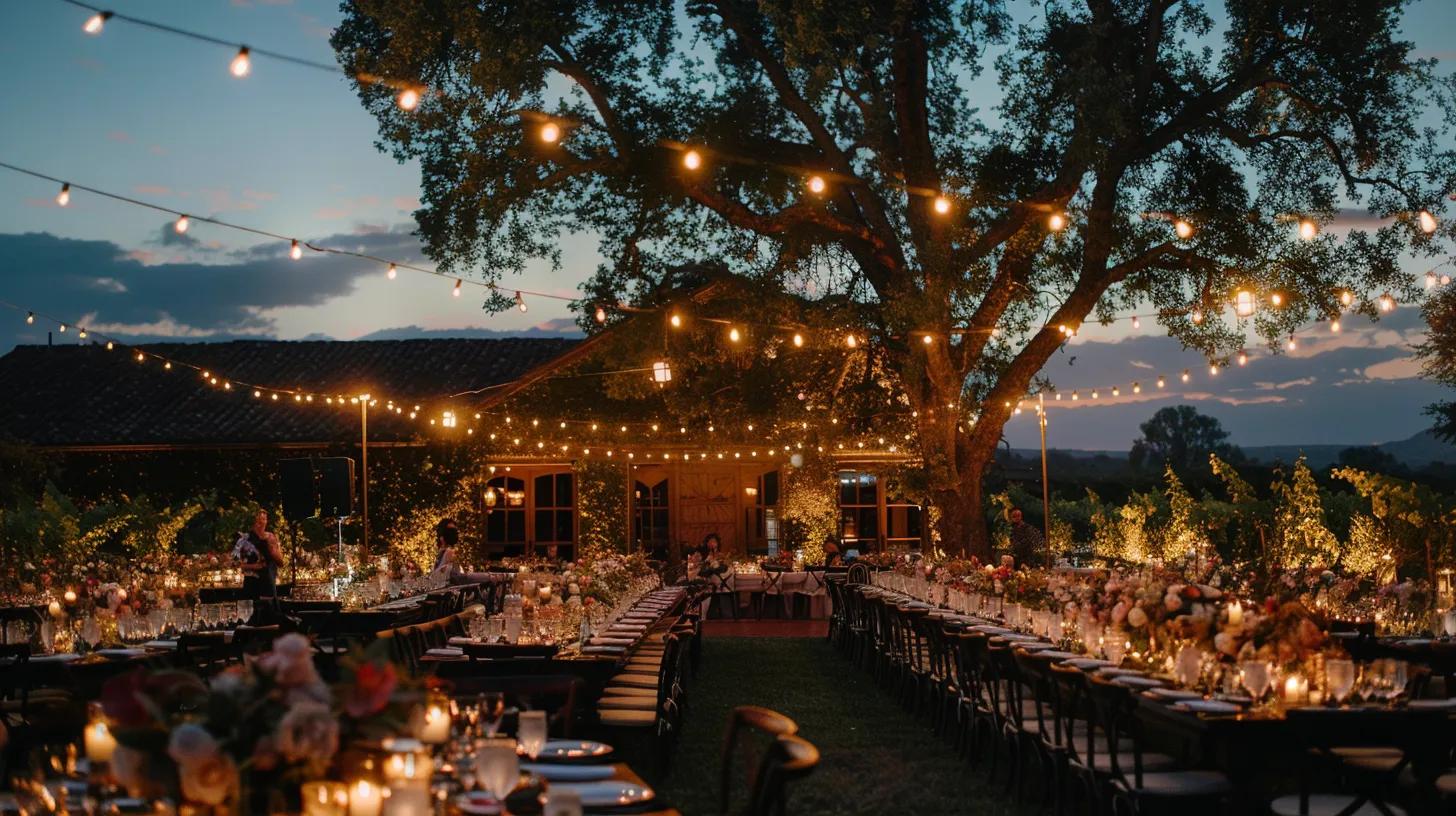
The best rental plan begins by identifying what guests should see. Before choosing tents, tables, chairs, lounge furniture, bars, or lighting, planners should decide which vineyard views, mountain backdrops, garden areas, architectural details, or sunset-facing spaces should remain visible throughout the event.
This view-first approach is one of the most useful tips for planning outdoor events in Santa Barbara because the strongest layouts respond to the setting before adding tents, seating, bars, lighting, or lounge areas.
Identify the Main Scenic Backdrop
Every wine country venue has a visual anchor. It may be a stretch of vineyard rows, a hillside, a tasting room patio, a garden entrance, a large oak tree, or a sunset-facing lawn. This main backdrop should guide the event layout from the beginning.
Before placing rentals, walk the venue and look at it from the guest’s perspective. Stand where guests will enter, sit for the ceremony, dine, and gather during cocktail hour. Notice which views feel most important and which areas are better suited for service, storage, or vendor access.
Once the primary view is identified, rentals can be placed to frame it rather than compete with it. This helps the event feel more connected to the Santa Barbara wine country setting.
Decide Which Moments Need the Best View
Not every part of the event needs the same view. The ceremony may need the most dramatic backdrop, while dinner may need softer vineyard views and better access to service areas. Cocktail hour may be planned around sunset, while the reception may need a layout that works well after dark.
For weddings, the ceremony backdrop is often the highest priority. For corporate events or private dinners, the best view may belong to the dining area or welcome reception. For winery celebrations, the tasting patio, vineyard edge, or estate architecture may become the main visual feature.
Deciding which moments deserve the strongest sightlines helps prevent rental placement mistakes. It also makes it easier to choose where tents, bars, lounges, and dining areas should go.
Avoid Treating the Venue Like a Blank Room
A wine country venue should not be treated like an empty ballroom. The landscape already provides structure, atmosphere, and visual interest. Rentals should respond to that setting instead of covering it with oversized pieces, heavy décor, or unnecessary structures.
This does not mean the event should feel unfinished. It means the rental plan should add function without erasing the character of the site. A tent can provide coverage, but it should not block the best vineyard view. A bar can become a guest gathering point, but it should not sit directly in front of a sunset backdrop. Lounge furniture can make a patio more comfortable, but it should not crowd the natural flow of the space.
The strongest wine country event layouts feel like they belong to the venue.
Choose Tent Placement That Protects Sightlines

Tents can make an outdoor wine country event more functional, but poor placement can block the very scenery that makes the venue special. Tent placement should be planned around views, guest orientation, sun direction, event flow, and the practical needs of the site.
Place Tents Beside the View, Not Directly in Front of It
A common mistake is placing the largest tent in the most scenic location. While that may seem logical at first, it can cause the tent to block the view guests came to enjoy. In many cases, the better choice is to position the tent beside the view, slightly behind the main gathering area, or in a location that supports the event without dominating the site.
For example, a reception tent can be placed on a lawn that still allows guests to look toward the vineyard rows from the open side. A cocktail tent can sit near a patio without covering the view from the main guest area. A smaller service tent can be placed away from guest-facing sightlines.
The tent should support the event layout while keeping the scenic backdrop visible.
Keep Tent Openings Facing the Best Scenery
When a tent is needed near a scenic area, orientation matters. Open sides, entry points, and guest-facing areas should be positioned to preserve the strongest sightlines. If the best view is toward the vineyard, the tent should allow guests to look in that direction rather than turning its back to the landscape.
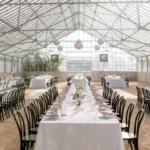
Open-sided tents can help maintain the outdoor feeling of a wine country event. They allow the structure to provide shade or coverage while keeping guests visually connected to the setting. Clear sidewalls may also be useful in certain conditions because they provide protection without completely closing off the view.
The goal is to make the tent feel like part of the setting, not a barrier between guests and the landscape.
Use Smaller Tented Areas When One Large Tent Blocks Too Much
One large tent is not always the best solution for a Santa Barbara wine country event. In some venues, several smaller tented areas can preserve more of the open-air feeling while still providing the coverage needed for specific activities.
A smaller tent may work well for a bar, check-in table, lounge area, catering station, or shaded cocktail space. This allows the main event area to remain open and visually connected to the vineyards or surrounding hills.
Multiple smaller tents can also help avoid overbuilding the site. Instead of covering the entire event footprint, planners can protect only the areas that need coverage while keeping the rest of the venue open to the view.
Select Seating Layouts That Face the Landscape
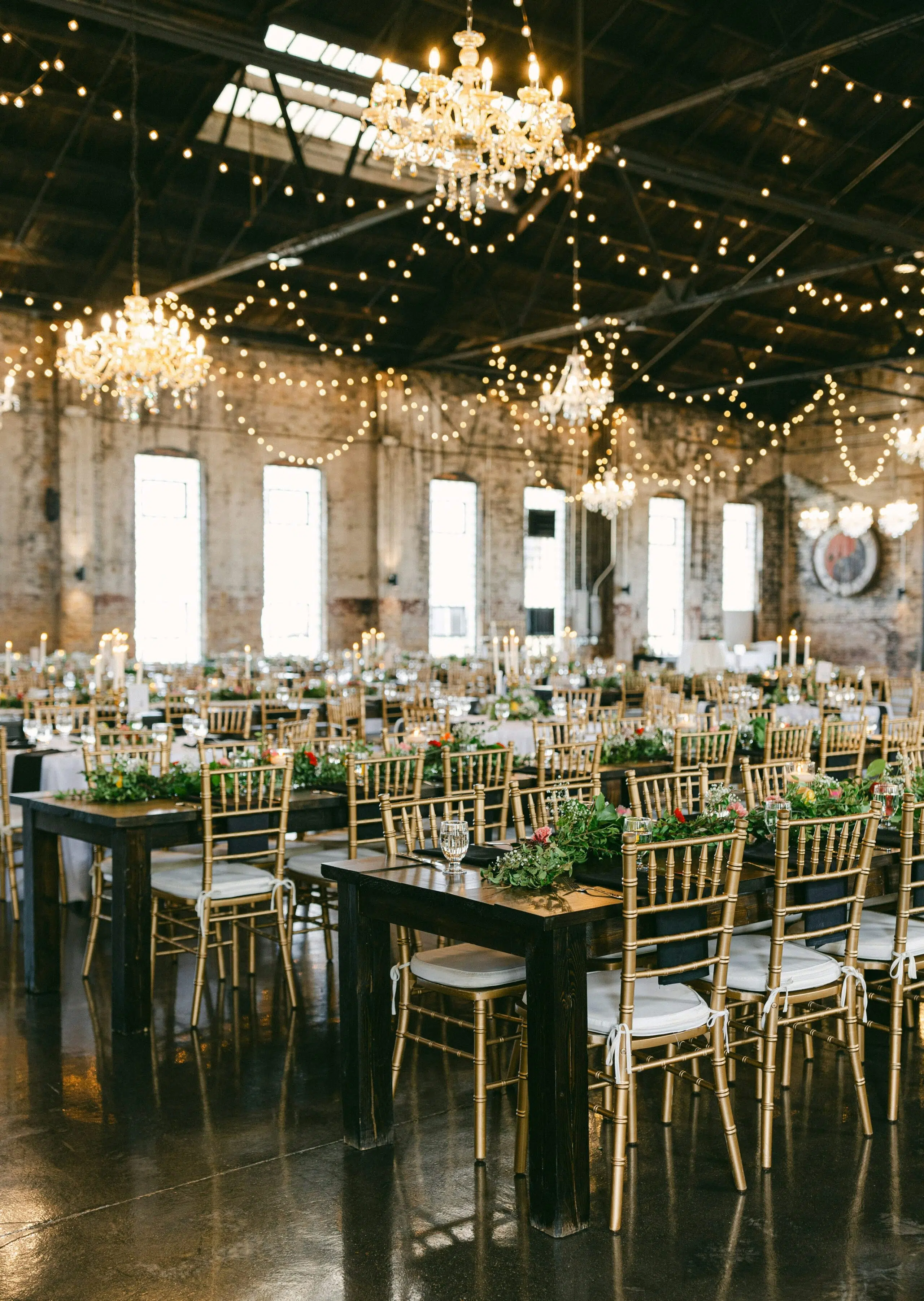
Seating affects what guests see throughout the event. Ceremony chairs, dining tables, lounge furniture, and cocktail areas should be arranged to make the most of Santa Barbara wine country views without creating crowding or blocking movement.
Angle Ceremony Seating Toward the Backdrop
For weddings, ceremony seating should be planned around both the couple and the natural setting. Guests should have a clear view of the ceremony while also experiencing the vineyard, hillside, garden, or estate backdrop.
This may require angling the chairs instead of placing them in a standard straight formation. A slight adjustment in orientation can make a major difference in how the ceremony feels. The aisle, altar, chairs, floral pieces, and any overhead structures should all work together to frame the view.
Ceremony rentals should enhance the moment without overpowering it. In wine country settings, the backdrop often carries much of the visual impact on its own.
Arrange Dining Tables to Preserve Long Views
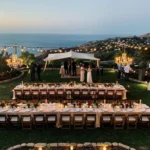
Dining layouts should also consider sightlines. Long tables can create a beautiful visual effect, but they should not be placed in a way that blocks the view for most guests. Round tables can support conversation, but their placement should still allow guests to look toward the landscape.
When possible, orient dining tables so guests can enjoy the vineyard rows, hills, gardens, or sunset during the meal. Leave enough space between tables so the view does not feel cluttered. Avoid placing tall service stations, oversized centerpieces, or large structures directly in the line of sight.
A well-planned dining area should feel open, comfortable, and connected to the setting.
Use Lounge Seating to Frame the View
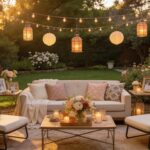
Lounge furniture can help guests enjoy scenic areas without making the space feel crowded. A small lounge grouping near a vineyard edge, patio, or garden corner can create a natural place for guests to pause, talk, and enjoy the view.
The key is placement. Lounge seating should frame the view rather than sit in the middle of it. Sofas, chairs, coffee tables, rugs, and side tables can define the area without blocking major sightlines. Lower-profile lounge pieces often work especially well because they provide comfort without visually cutting off the landscape.
A view-friendly lounge area feels relaxed, purposeful, and connected to the venue.
Keep Bars, Buffets, and Service Areas Away From Key Views
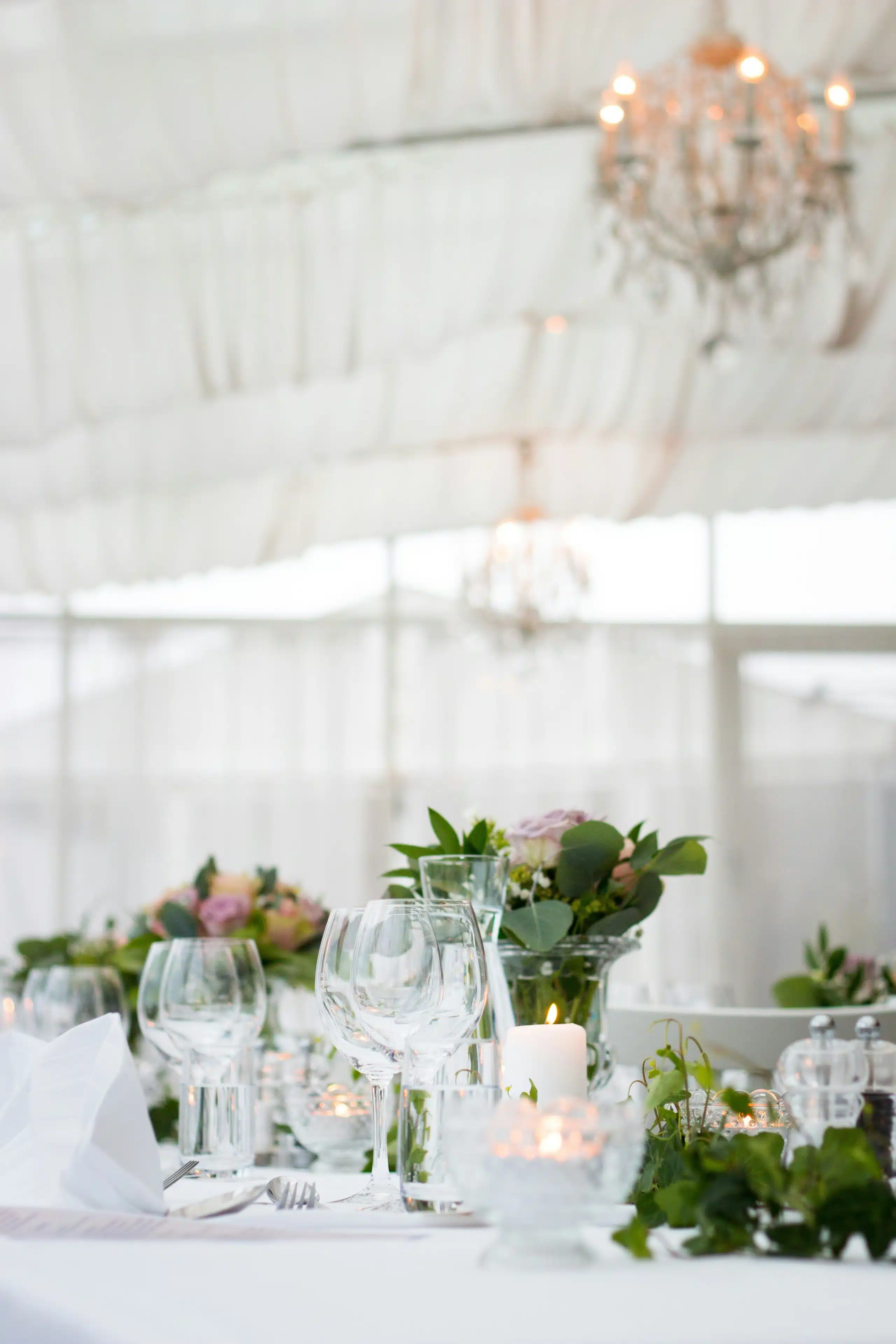
Functional rentals are essential, but they should not dominate the most scenic parts of the venue. Bars, buffets, catering stations, registration tables, and storage areas should support the event without taking over the best sightlines.
Place Bars Where Guests Can Gather Without Blocking Scenery
Bars naturally draw guests, so placement matters. A bar should be visible and easy to access, but it should not sit directly in front of the ceremony backdrop, sunset view, vineyard rows, or main photo area.
Instead, place the bar slightly to the side of a scenic zone or near a natural gathering point that does not block the primary view. This keeps guest flow active while preserving the visual value of the venue.
Bar placement should also account for lines. Even if the bar itself is not blocking the view, a long line of guests can create visual congestion in an otherwise scenic area.
Keep Buffet and Catering Stations Practical but Discreet
Buffet tables, food stations, and catering areas should be close enough to serve guests efficiently, but they do not need to occupy the most beautiful part of the venue. These rentals are functional and should be placed where they support service without interrupting the visual layout.
For seated events, food service areas should be accessible to staff and easy for guests to find. For more casual events, stations should be distributed in a way that prevents crowding. In both cases, scenic views should remain open.
The best service areas are convenient without becoming the focal point of the event.
Hide Storage and Equipment From Guest-Facing Areas
Extra chairs, storage bins, vendor cases, catering supplies, AV equipment, floral boxes, and backup rentals can quickly distract from a wine country setting if they are left in guest-facing areas.
A designated storage or vendor area should be planned before event day. This area should be accessible to the team but hidden from main guest views, photo locations, and ceremony or reception sightlines.
Keeping operational items out of view allows the landscape and finished rental design to remain the focus.
Plan Lighting Without Competing With the Natural Setting
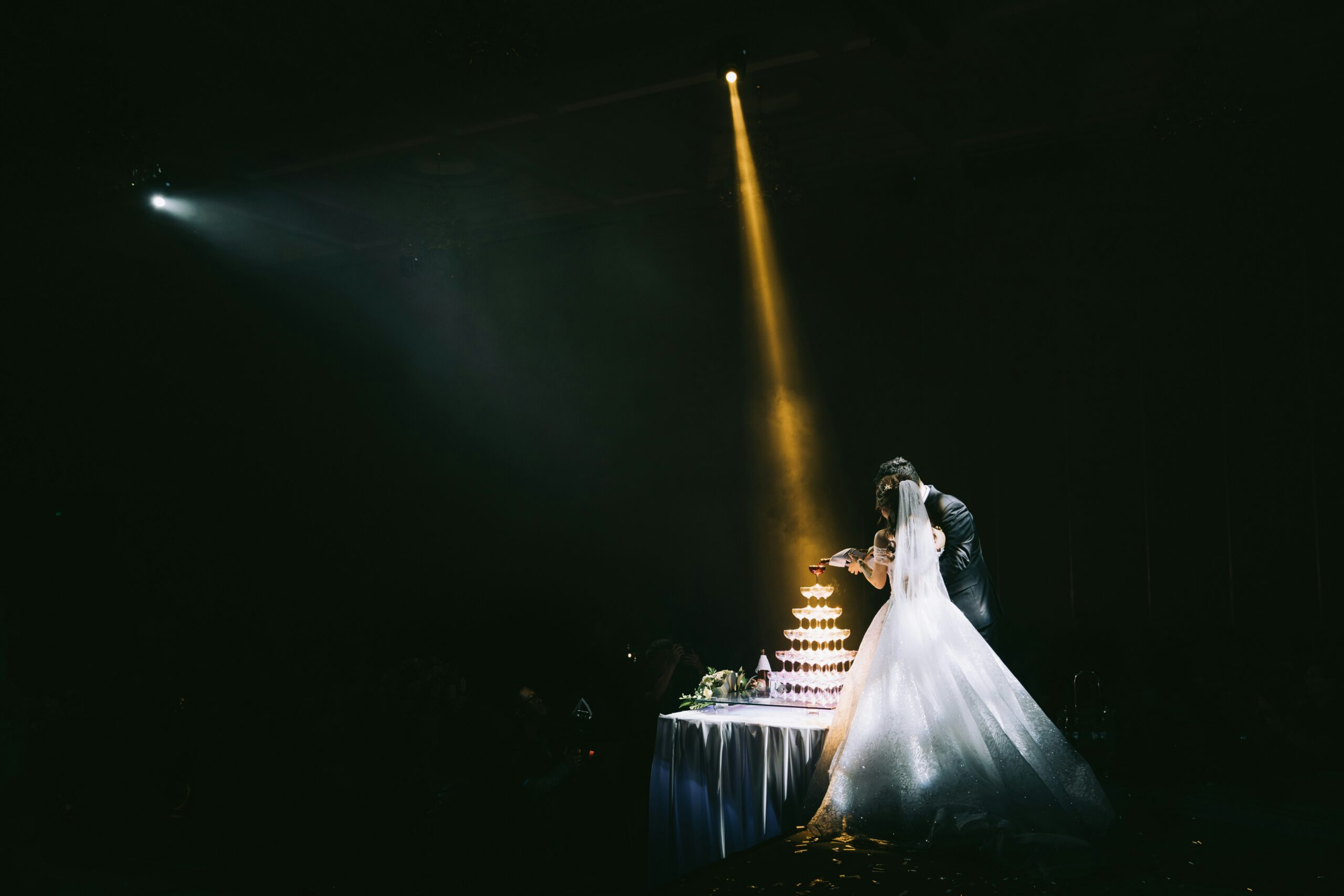
Lighting is important for evening events, but it should preserve the mood of the wine country venue. The goal is to keep pathways, dining areas, bars, and lounges visible while maintaining the atmosphere of the landscape.
Use Lighting to Highlight, Not Hide, the View
Lighting can help extend the visual impact of a wine country venue after sunset. Soft lighting can highlight trees, vineyard edges, patios, stone walls, or architectural details without overwhelming the setting.
Instead of flooding the entire venue with bright light, use lighting to create layers. Dining areas need enough visibility for guests to eat comfortably. Pathways need enough light for safety. Scenic features can be gently accented to preserve the sense of place.
Good lighting should make the venue feel warm and dimensional, not flat or overlit.
Keep Pathway Lighting Subtle and Functional
Pathway lighting is essential for outdoor events, especially when guests are moving between ceremony areas, cocktail spaces, dining tents, restrooms, parking, and transportation areas after dark.
The lighting should be clear enough for safety, but subtle enough to preserve the evening atmosphere. Lanterns, low-level lighting, string lights, or carefully placed fixtures can guide guests without making the venue feel too commercial or harsh.
Pathway lighting also helps connect separate event areas. It keeps the flow clear once natural views begin to fade.
Avoid Harsh Lighting in Scenic Guest Areas
Overly bright lighting can reduce the natural charm of a wine country venue. Harsh fixtures may wash out the landscape, create glare, or make the event feel less intimate.
Scenic guest areas should use softer lighting whenever possible. This is especially true for lounges, cocktail spaces, dinner areas, and photo-friendly locations. The lighting should support visibility while preserving the character of the setting.
For evening events, lighting should be planned as part of the view strategy, not added as an afterthought.
Choose Flooring and Pathways That Blend Into the Venue
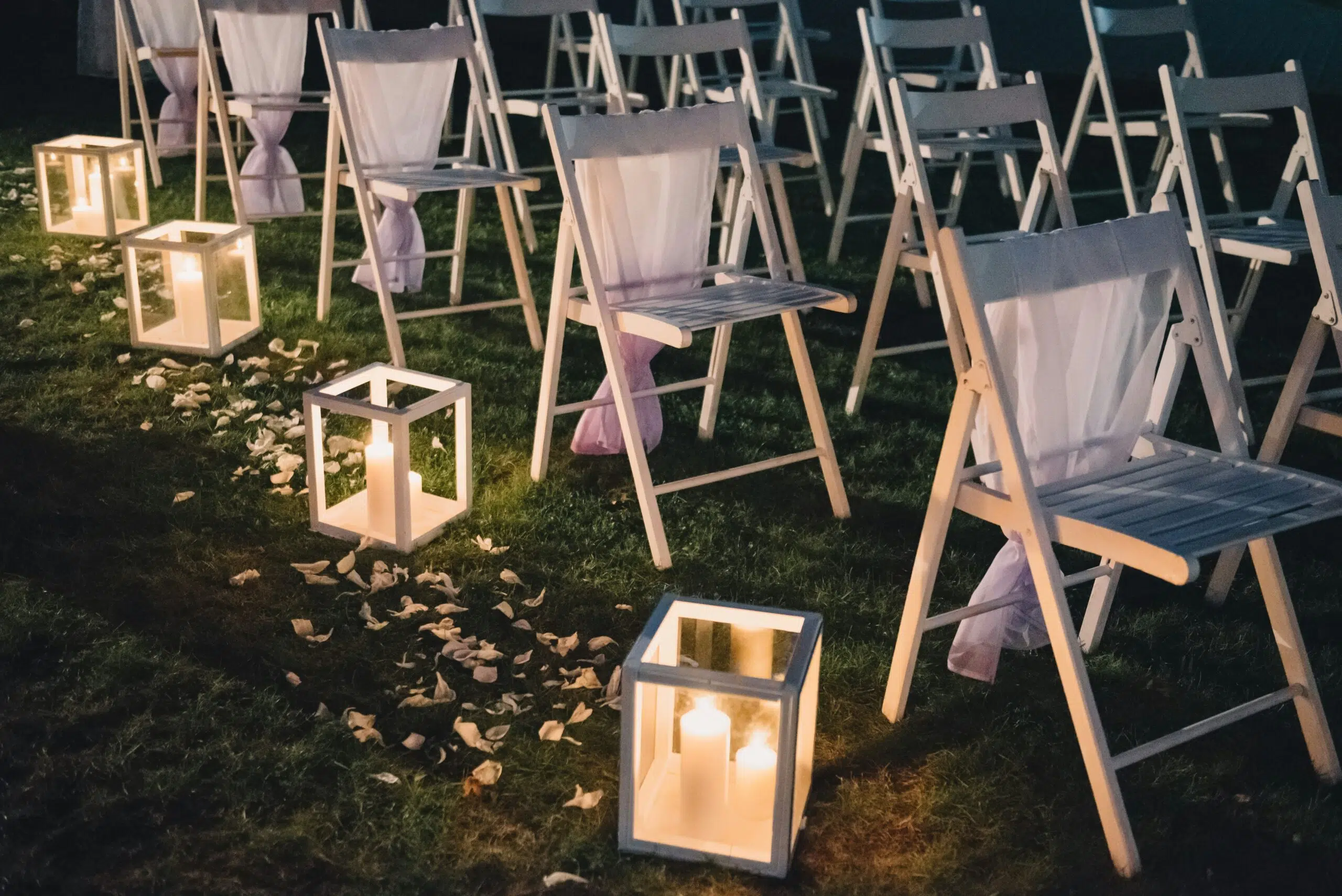
Flooring, walkways, and ground protection should support comfort and safety without making the event feel disconnected from the natural surroundings. In Santa Barbara wine country settings, these choices should feel practical but understated.
Use Flooring Where Stability Matters Most
Flooring may be useful in areas where guests will dine, dance, walk frequently, or gather for long periods. It can help create stability on uneven ground, protect soft surfaces, and make outdoor areas easier to use.
However, flooring does not need to cover every part of the venue. Use it where it improves function, such as under dining areas, dance floors, bars, or high-traffic service zones. Leaving some areas open can help preserve the natural wine country feeling.
Flooring should support the event without making the outdoor site feel overly built.
Keep Walkways Clear Without Overbuilding the Site
Walkways help guests move comfortably through the venue, but they should not feel like heavy construction. A clear path can be created through layout, lighting, signage, and selective flooring rather than covering every route with hard surfaces.
The best pathways feel natural. Guests should understand where to go without feeling like they are being directed through a rigid event maze.
In wine country settings, pathways should also preserve sightlines. They should guide movement while keeping vineyard views, garden features, and scenic areas open.
Protect Grass, Gravel, and Vineyard-Adjacent Areas
Wine country venues often include grass, gravel, patios, gardens, and vineyard-adjacent surfaces. Rentals should be placed in a way that supports the event while respecting the property.
Ground protection may be useful in high-traffic areas, near bars, around catering stations, or where furniture needs extra stability. It may also help prevent damage to lawns or sensitive surfaces.
A thoughtful rental plan protects both the guest experience and the venue.
Match Rental Choices to the Type of Santa Barbara Wine Country Venue
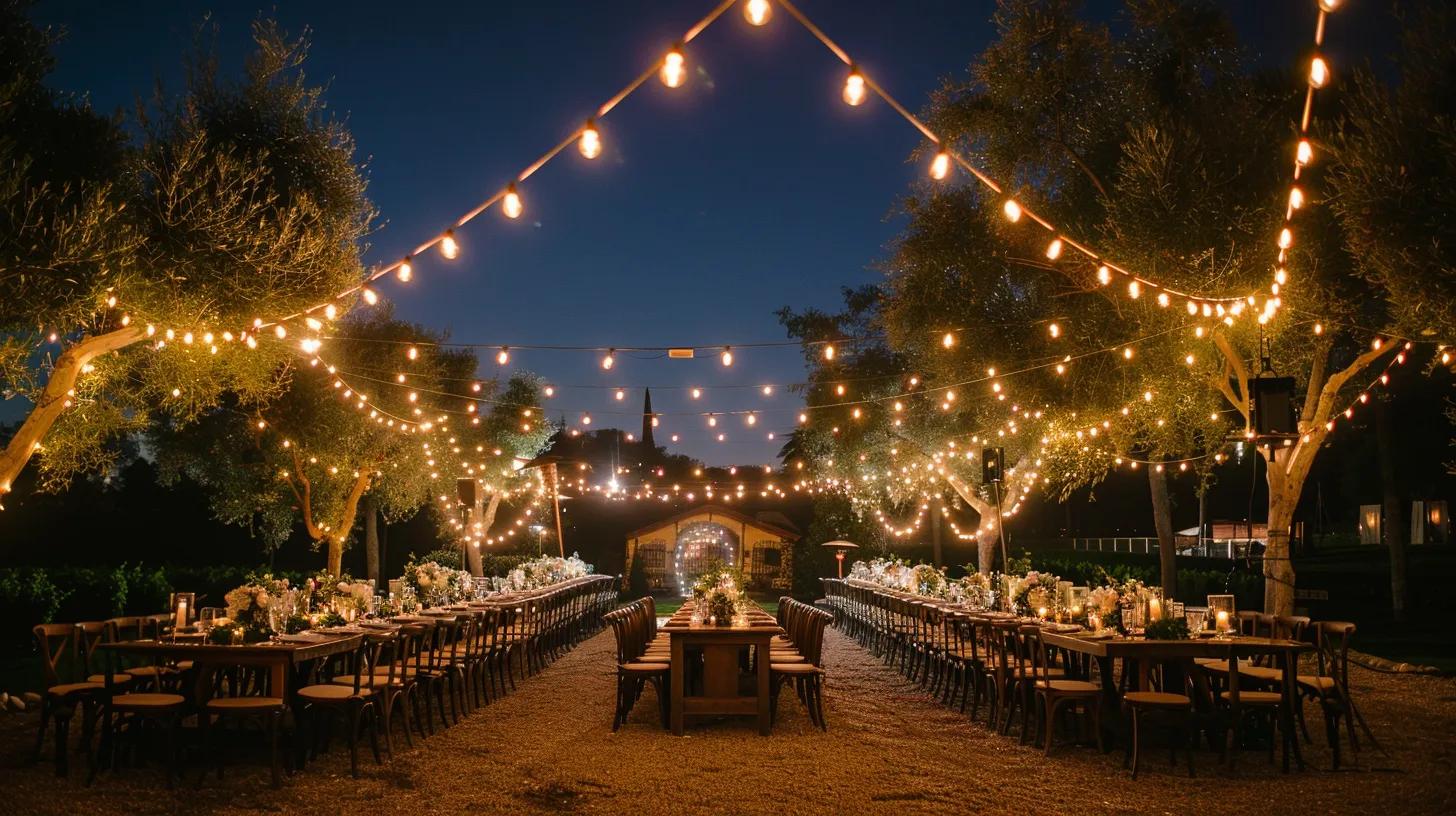
Not all wine country venues have the same layout. Rental decisions should respond to whether the event is hosted at a vineyard, winery patio, estate lawn, ranch property, private home, or garden setting.
Vineyard and Winery Venues
Vineyard and winery venues often include rows of vines, tasting rooms, patios, production areas, gardens, and long-distance views. Rentals should be placed to preserve the vineyard rows and maintain clear movement between guest areas and service zones.
At these venues, the view is often the reason guests remember the event. Tent placement, seating direction, bar locations, and lighting should all protect that experience.
Estate and Garden Venues
Estate and garden venues may include lawns, fountains, patios, trees, pathways, hedges, and architectural details. Rentals should frame these features rather than crowd them.
A dining area may sit on a lawn with the estate as the backdrop. A lounge area may work near a garden edge. A ceremony may be oriented toward a tree, fountain, or mountain view. In each case, rental placement should highlight what already exists.
Ranch and Private Property Events
Ranch and private property events often have more open space, longer views, and more flexible layouts. They may also require more structure because the property may not have built-in event areas.
Rentals can help define the ceremony, dinner, bar, lounge, and dance areas while preserving the wider landscape. Tents, seating, flooring, and lighting should create organization without closing off the open-air feeling.
Frequently Asked Questions
How do I keep a tent from blocking vineyard views?
Start by identifying the main view before placing the tent. Position the tent beside or behind the scenic area when possible, keep openings facing the best sightlines, and consider open-sided or smaller tented areas if one large tent would block too much of the setting.
Where should the bar go at a wine country event?
Place the bar where it supports guest flow without blocking ceremony views, sunset areas, photo backdrops, or dining sightlines. A bar can work well near a patio edge, cocktail area, or side of the reception space, as long as guest lines do not crowd scenic zones.
Can I use a tent and still keep an open-air feeling?
Yes. Open-sided tents, strategic placement, clear sidewalls, smaller tented zones, and minimal visual barriers can help maintain an open-air feeling. The key is to use the tent for comfort and function without closing off the venue’s strongest views.
What rentals are most likely to block views?
Large tents, tall signage, oversized bars, bulky lounge furniture, high centerpieces, staging, service stations, and poorly placed storage areas can all block views. These rentals can still be useful, but they should be placed carefully.
How do I plan rentals around sunset photos?
Identify sunset-facing areas and photo backdrops before finalizing the rental layout. Keep those spaces clear of bars, buffets, equipment, large structures, and guest congestion. Plan lighting and pathways so the event transitions smoothly after sunset.
Conclusion
Planning an event in the Santa Barbara wine country is an endeavor that highlights the beauty of the location while ensuring guest comfort. Thoughtful rental choices, such as tent placement and seating arrangements, enhance the overall experience by preserving scenic views and atmosphere. By working with professionals who understand both the setting and event logistics, organizers can create memorable gatherings that resonate with guests long after the celebrations end. Connect with us to discover how we can assist in crafting your perfect wine country event today.