
A tent can do much more than provide shade or weather protection. For a Santa Barbara wedding, private party, corporate event, fundraiser, or outdoor celebration, the tent often becomes the main event environment. It is where guests dine, gather, toast, dance, relax, and experience the design of the day.
That means tent planning should not start and end with square footage. A complete guest experience depends on the full rental plan: tenting, flooring, furniture, lighting, tabletop rentals, linens, bars, lounge areas, catering access, and the overall flow of the event. When these details work together, the tent feels less like a temporary structure and more like a polished outdoor venue.
For Santa Barbara events, this is especially important. The area’s coastal views, garden settings, estates, vineyards, and open-air venues create beautiful backdrops, but they also require thoughtful planning. A tented space should protect guests, support service needs, and still feel connected to the setting around it.
Why the Guest Experience Should Guide Your Tent Rental Plan
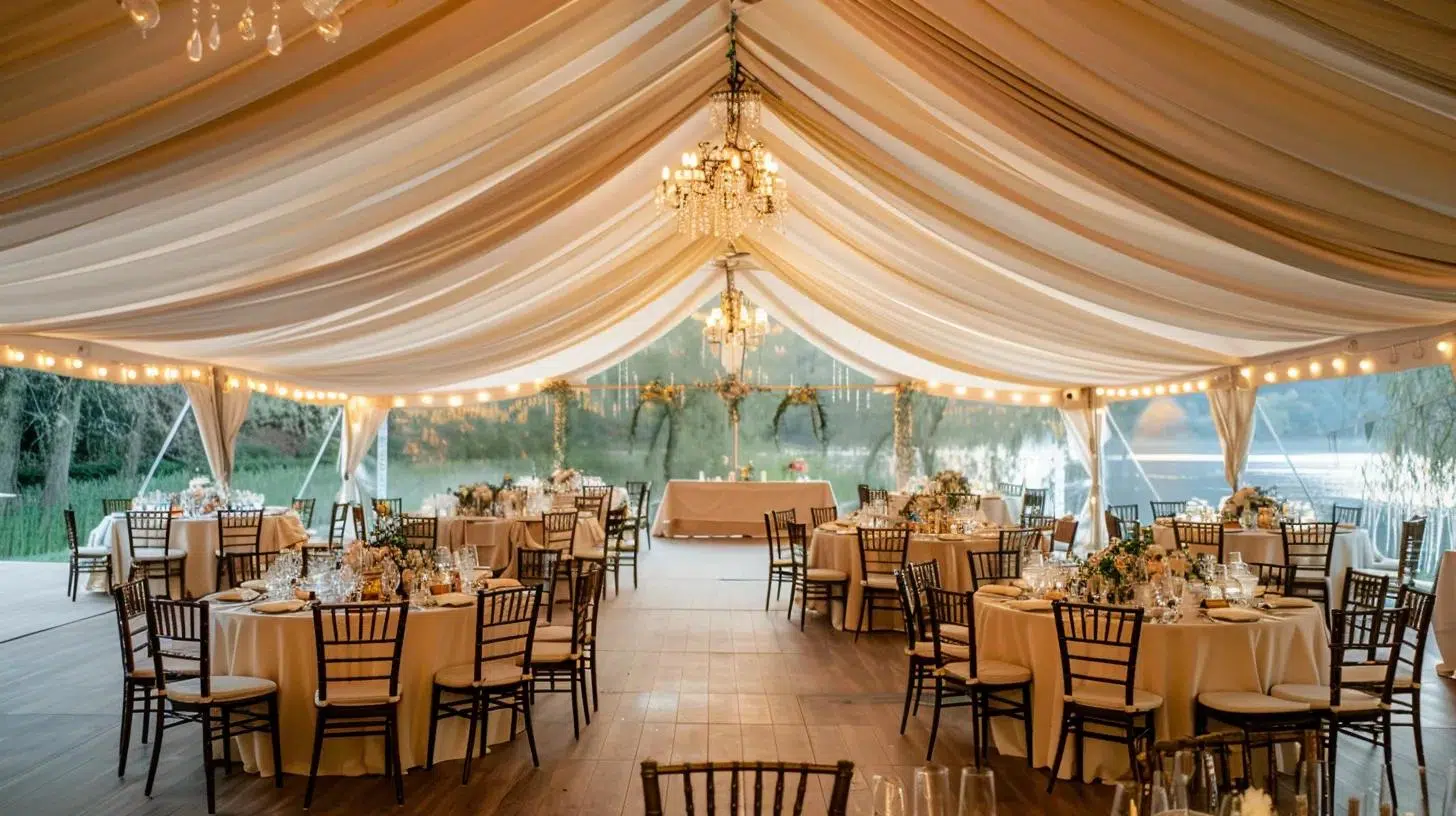
A successful tented event begins with the people who will move through the space. Before selecting tables, chairs, lighting, or décor, hosts and planners should think about how guests will arrive, where they will gather, how they will dine, and what will make the event feel comfortable from beginning to end. This guest-centered approach is one of the most important tips for outdoor event planning in Santa Barbara because the setting, layout, weather exposure, and service needs all affect how comfortable and polished the event feels once guests arrive.
A Tent Should Feel Like a Finished Event Space
The best tented events feel intentional from the moment guests walk in. The tent should not look like a last-minute cover placed over tables. It should feel like a complete environment designed around comfort, movement, dining, and atmosphere.
That starts with the basics: enough room for guests to enter comfortably, clear pathways through the event space, stable flooring where needed, seating that fits the occasion, and lighting that supports the mood. From there, details such as linens, tabletop rentals, lounge furniture, bars, décor, and staging help complete the experience.
When every piece is considered together, the tent becomes a central part of the event design rather than a separate rental item.
Santa Barbara Outdoor Events Need Both Beauty and Function
Santa Barbara is known for outdoor celebrations, from coastal weddings and estate receptions to garden parties, vineyard dinners, nonprofit events, festivals, and corporate gatherings. These settings are naturally beautiful, but an outdoor event still needs structure.
A well-planned tent helps define the event area while preserving the open-air feeling guests expect from a Santa Barbara celebration. It can frame the dining space, create shade, support lighting, protect key areas, and give the event a clear sense of place.
The goal is not to cover the venue completely. The goal is to make the outdoor setting more comfortable, usable, and polished.
Guest Comfort Starts Before the First Table Is Placed
Comfort is one of the biggest differences between a basic tent setup and a complete guest experience. Before tables, chairs, and décor are selected, the layout should account for how people will actually use the space.
Consider where guests will enter, how they will move to the bar, where servers will pass, how chairs will pull out from tables, and where guests can step away from the dining area to relax. Also think about sun exposure, evening temperatures, surface conditions, and how the space will feel once the event is full.
A beautiful tent can still feel uncomfortable if the layout is too tight, the lighting is insufficient, or the rental plan does not support the full event timeline.
Start With the Event Flow Inside and Around the Tent
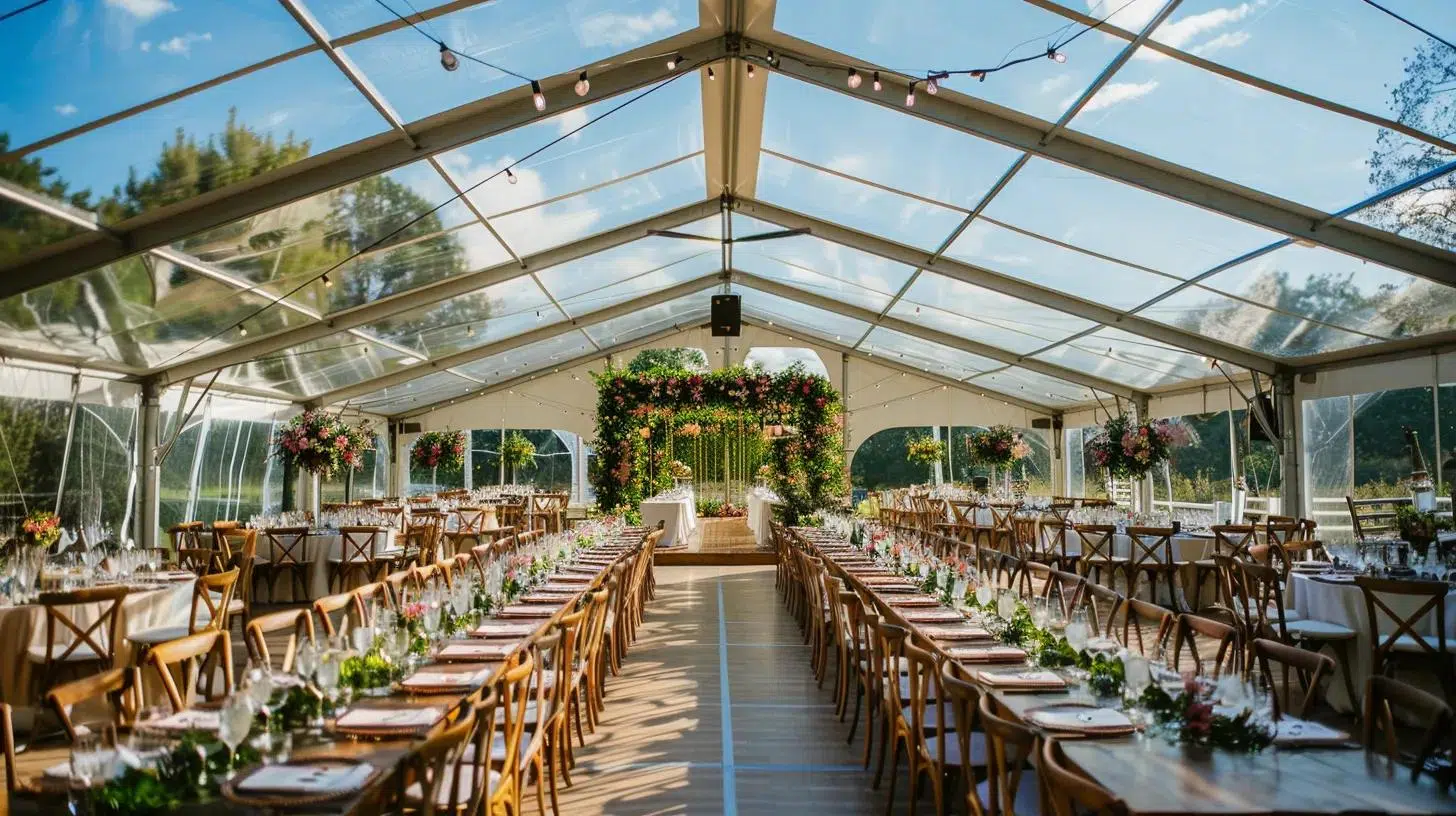
The event flow determines whether the tent feels natural or crowded. A thoughtful layout helps guests move from one part of the celebration to the next without confusion, bottlenecks, or awkward transitions between dining, dancing, lounging, and service areas.
Map the Guest Journey From Arrival to Exit
A strong tent layout begins with the guest journey. Instead of planning the tent as a static dining area, think through the full event from beginning to end.
Where will guests arrive? Will there be a welcome table, check-in area, gift table, or champagne station? Will the tent be used for dinner only, or will it also support cocktail hour, dancing, speeches, entertainment, or late-night lounging?
For weddings, the guest journey may move from ceremony to cocktail hour, then dinner, toasts, dancing, and departure. For corporate events, the flow may include registration, networking, presentations, dining, and branded lounge areas. For private parties, the event may center around cocktails, dinner, music, and social seating.
Each phase affects what should go inside the tent and what should be placed nearby.
Create Clear Zones for Dining, Bars, Lounges, and Dancing
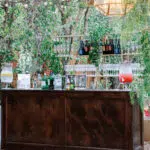
A tented event works best when each area has a clear purpose. Dining tables may anchor the center of the tent, while the bar can sit near an edge or entrance to prevent crowding. Lounge furniture can create a softer social area away from heavy service traffic, and a dance floor can be placed near entertainment, staging, or lighting.
For larger Santa Barbara events, it may make sense to create multiple zones: one for dining, one for cocktails, one for dancing, one for lounging, and one for catering or back-of-house support. These areas do not need to feel separate, but they should be arranged so guests can move naturally between them.
The right rental plan helps the entire event feel organized without making the space feel rigid.
Leave Enough Room for Guests, Staff, and Service Movement
One of the most common mistakes in tent planning is choosing a size based only on the number of tables. A tent may technically fit the guest count but still feel crowded once chairs are pulled out, servers begin moving, buffet lines form, and guests gather near the bar.
Walkways, service routes, dance floor access, lounge areas, catering entrances, and vendor needs all require space. A comfortable layout should give guests room to move without blocking service staff or interrupting the event flow.
For a polished guest experience, the layout should support both what guests see and what vendors need to do behind the scenes.
Choose Tent Rentals That Match the Event Style and Venue
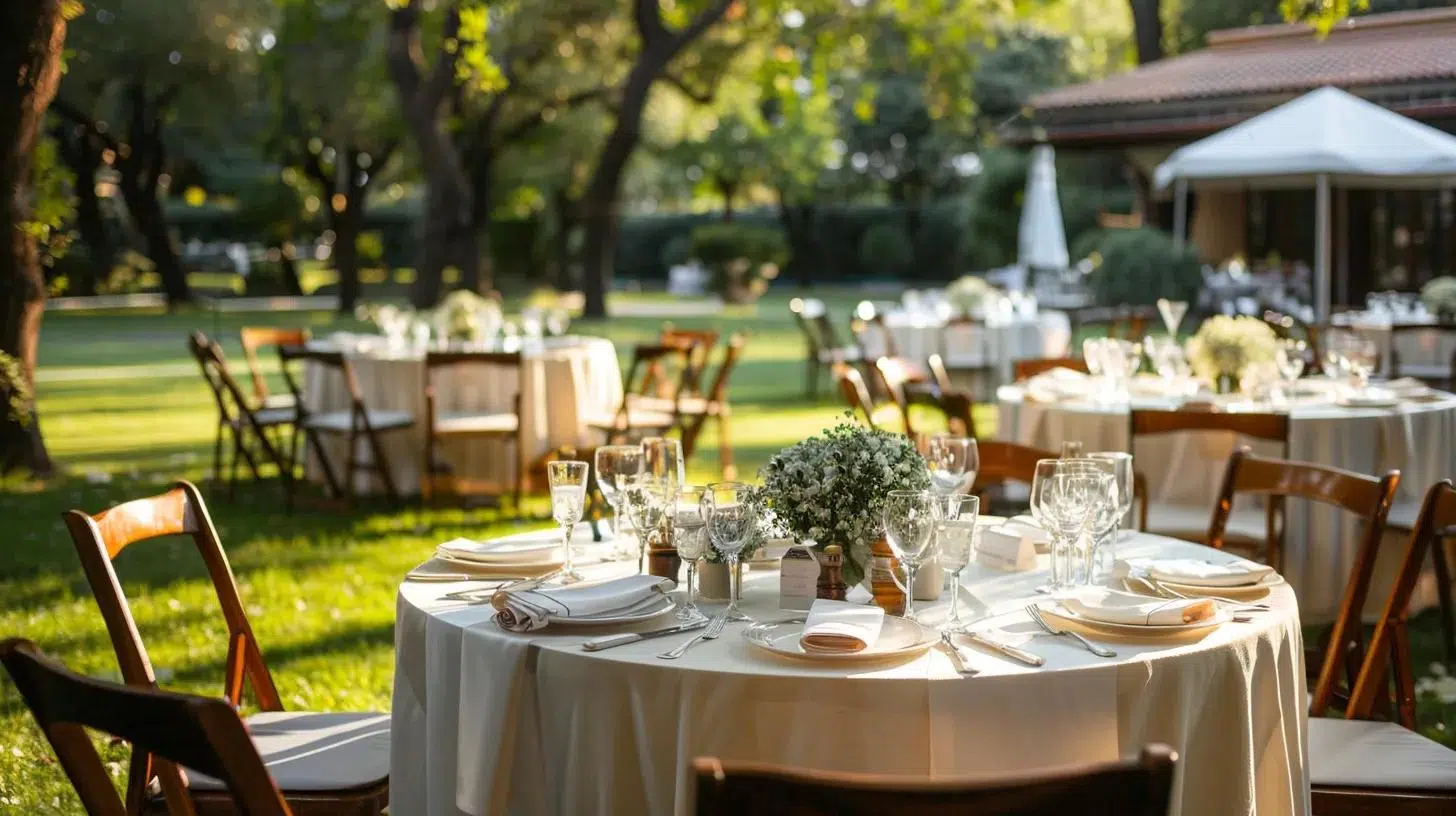
The tent should support the venue, the event type, and the overall design direction. A Santa Barbara estate, coastal venue, garden, vineyard, or private backyard may each require a different rental plan, so the tent should be chosen as part of the complete event environment rather than as a standalone structure.
Match the Tent to the Setting
Every Santa Barbara venue has a different personality. A private estate may call for an elegant, reception-style layout with formal dining and lounge groupings. A garden venue may need softer seating, open sides, and a layout that works around landscaping. A coastal event may require shade, airflow, and a design that keeps sightlines open. A vineyard or ranch setting may benefit from warm lighting, long tables, and natural textures.
The tent should complement the site rather than compete with it. Before selecting rentals, consider the venue’s surface, access points, views, scale, and existing features. This will help determine not only the tent placement but also the best mix of flooring, tables, chairs, linens, lighting, bars, and décor.
Consider the Time of Day
The timing of the event has a major impact on guest comfort. Afternoon events often need shade, airflow, and nearby hydration stations. Sunset events need a lighting plan that transitions smoothly from daylight to evening. Evening events may require more lighting, flooring, heaters, sidewalls, or lounge areas that keep guests comfortable as temperatures shift.
A Santa Barbara outdoor event may feel warm during the day and cooler after sunset, so the rental plan should support the full timeline. Planning for these changes early helps the event feel seamless instead of reactive.
Use the Tent to Frame the Event Design
A tent can serve as the visual anchor for the event. Once the structure is in place, the furniture, linens, tabletop rentals, lighting, flooring, and décor should all support the same design direction.
For a refined wedding, that may mean elegant chairs, layered table settings, soft lighting, and a defined dance floor. For a corporate event, it may mean clean furniture lines, branded areas, cocktail tables, staging, and functional lighting. For a private party, it may mean lounge seating, bars, casual dining, and decorative accents that reflect the host’s style.
Build Comfort Into the Tent Layout
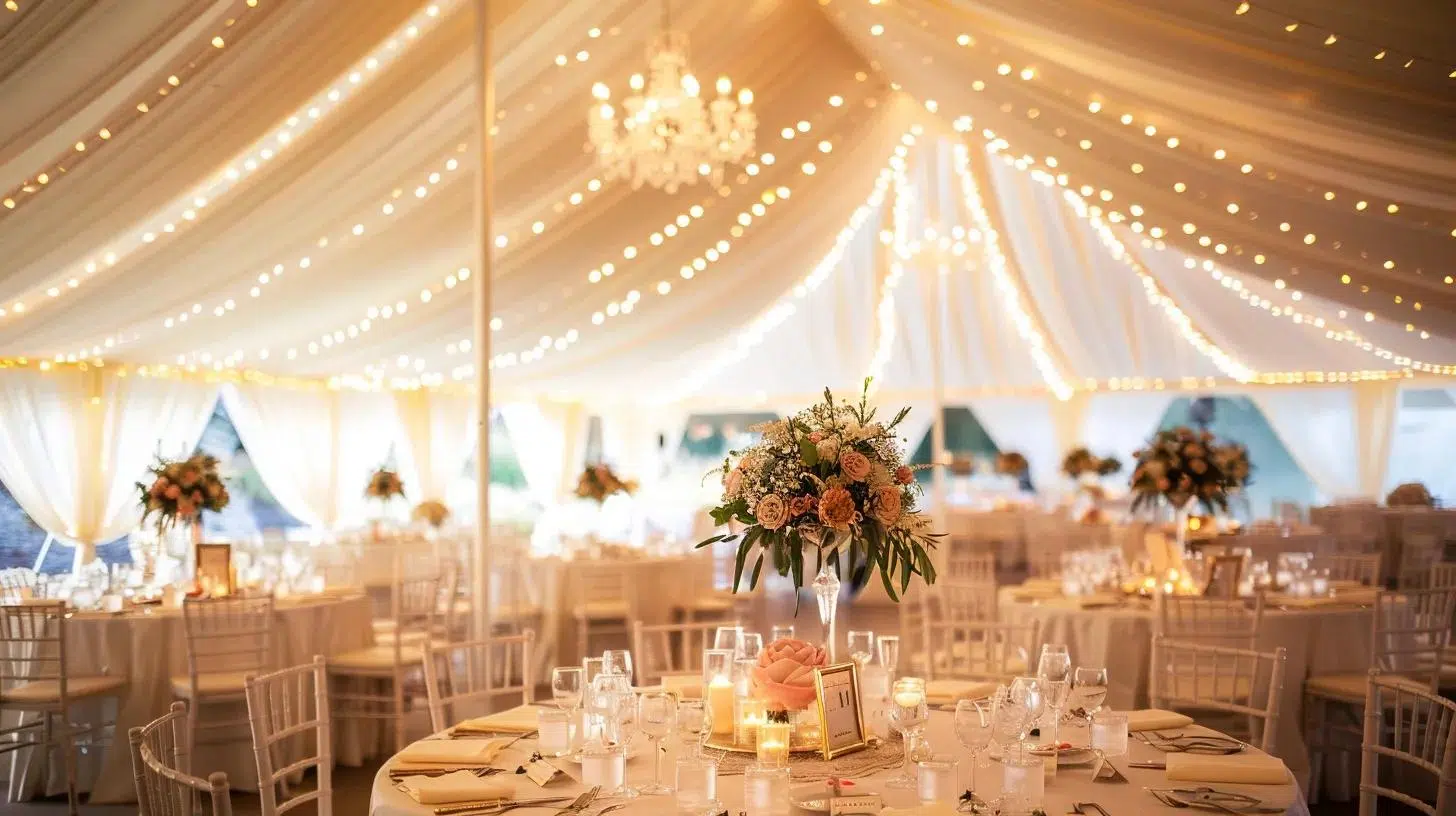
Comfort is one of the most important parts of the guest experience, especially for outdoor events. A strong tent layout should account for shade, airflow, flooring, seating, temperature changes, and places where guests can relax throughout the celebration.
Plan for Shade, Airflow, and Temperature Changes
Guest comfort should be built into the plan from the beginning. Tents, canopies, umbrellas, heaters, and sidewalls can all help manage comfort depending on the event location, season, and time of day.
For afternoon events, shade is often the priority. For evening events, lighting and temperature may matter more. For longer celebrations, guests may need a mix of covered dining, open-air lounge areas, and comfortable pathways between event zones.
The key is to plan for how the space will feel throughout the event, not just how it will look during setup.
Add Flooring Where the Surface Needs Support
Flooring can make a major difference in both comfort and appearance. Outdoor Santa Barbara venues may include lawns, garden areas, gravel, courtyards, terraces, or uneven ground. Without the right surface plan, chairs can sink, tables can feel unstable, and guests may have difficulty walking through the space.
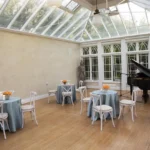
Flooring can help define the dining area, support a dance floor, improve accessibility, and give the tent a more finished look. It can also protect high-traffic areas and make the event feel more like a true venue.
Use Lounge Furniture to Give Guests Places to Pause
A complete guest experience includes more than dining chairs. Lounge furniture gives guests a place to relax, talk, and enjoy the event away from the main table layout.
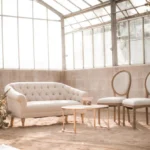
A lounge area can work well during cocktail hour, near the dance floor, beside the bar, or as a quieter space for guests who want a break from music and activity. Sofas, accent chairs, coffee tables, side tables, rugs, and decorative pieces can help soften the tented environment and create a more inviting atmosphere.
For weddings and private events, lounge groupings can also become natural photo areas and conversation spaces.
Design the Dining Experience Under the Tent
Dining is often the centerpiece of a tented event, so the table plan should be both practical and visually cohesive. The right mix of tables, chairs, linens, tabletop rentals, and service space helps guests enjoy the meal comfortably while enhancing the event’s overall atmosphere.
Select Tables Based on the Type of Meal
The dining layout is one of the most visible parts of a tented event. Table selection should support the style of meal, guest count, service format, and overall design.
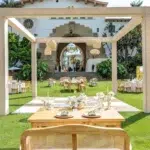
Round tables work well for conversation and traditional seated dinners. Long tables can create a dramatic estate-style or family-style dining experience. Cocktail tables are useful for standing receptions, networking events, and bar areas. Buffet or service tables may be needed for more casual dining formats.
The right table plan helps guide the tone of the event and affects how guests interact throughout the meal.
Choose Chairs That Fit the Venue and Event Style
Chairs are both practical and visual. They need to be comfortable enough for the event timeline, appropriate for the venue surface, and consistent with the event style.
A formal wedding may call for a more elegant chair profile, while a casual outdoor party may benefit from a simpler, flexible seating plan. Corporate events may require chairs that work for dining, presentations, and networking. Whatever the event type, the chairs should support the layout instead of crowding it.
Use Linens and Tabletop Rentals to Complete the Look
Linens, napkins, china, flatware, glassware, chargers, and serving pieces all shape the dining experience. These details are some of the closest design elements guests interact with during the event.
A tent may define the room, but the tabletop defines the meal. The texture of the linen, the shape of the glassware, the style of the plate, and the placement of each setting all contribute to how polished the event feels.
For Santa Barbara events, tabletop choices can also help connect the design to the setting. Coastal events may lean light and refined, garden events may use softer details, and estate events may call for a more elevated tablescape.
Leave Room for Service, Toasts, and Guest Interaction
A dining layout should look good, but it also needs to work once the event begins. Servers need access to each table, guests need enough space to sit and move, and the layout should support toasts, announcements, and transitions to dancing or entertainment.
If a dance floor, stage, bar, or buffet is part of the event, the dining layout should account for those features from the beginning. This helps avoid a crowded or awkward flow later in the evening.
Use Lighting to Shape the Mood Under the Tent

Lighting changes how guests experience the tent, especially once the sun begins to set. A layered lighting plan makes the space easier to navigate, highlights important design details, and helps the event transition from daytime gathering to evening celebration.
Plan Lighting for Each Phase of the Event
Lighting should support every stage of the event. During arrival, guests need to understand where to go. During dinner, the lighting should feel warm and flattering while still being functional. During toasts or presentations, the focal area should be visible. During dancing, the lighting can become more energetic. Later in the evening, lounge areas may need a softer atmosphere.
A tented event changes as the day moves into night, so lighting should be planned as part of the full guest experience.
Layer Functional and Decorative Lighting
Good lighting is both practical and atmospheric. Functional lighting helps guests see pathways, tables, bars, catering areas, and restrooms. Decorative lighting adds mood, highlights design features, and helps the tent feel finished.
Depending on the event, lighting may include ambient, accent, table, bar, pathway, dance floor, and near-lounge lighting. The right mix helps the space feel warm, comfortable, and intentional.
Make Evening Events Feel Warm and Intentional
For evening events in Santa Barbara, lighting is one of the most important rental details. Once natural light fades, the tent depends on lighting to create atmosphere.
Soft lighting can make a dinner feel intimate. Accent lighting can highlight floral arrangements, bars, lounge areas, or architectural details. Pathway lighting can make the event easier to navigate. When lighting is planned well, the tent feels inviting rather than temporary.
Make the Tent Feel Connected to the Santa Barbara Setting
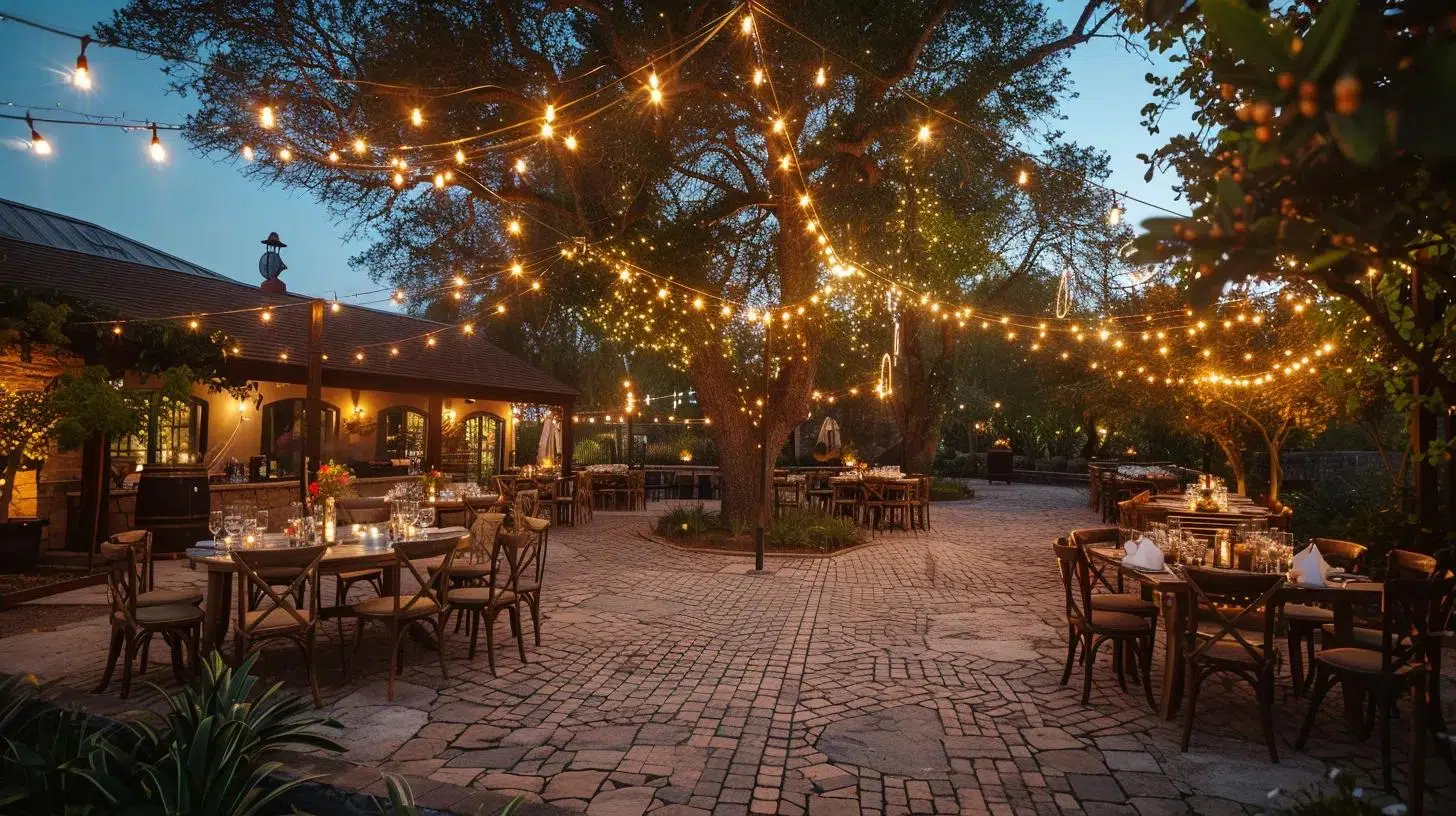
A tent should enhance the location, not hide it. Whether the event is held near the coast, at a private estate, in a garden, or on a vineyard property, the rental plan should preserve the atmosphere that made the venue appealing in the first place.
Preserve Views and Outdoor Atmosphere
One of the main reasons people choose Santa Barbara for outdoor events is the setting. A tent should improve the experience without blocking the natural beauty that makes the venue special.
Tent placement, open sides, furniture orientation, lighting, and lounge placement can all help preserve views and maintain an outdoor atmosphere. Guests should feel comfortable under the tent while still feeling connected to the garden, coastline, estate, vineyard, or outdoor space around them.
Use Décor That Complements the Location
The event design should feel appropriate for the setting. A coastal celebration may benefit from lighter textures, relaxed lounge pieces, and clean tabletop choices. A garden event may call for soft seating, floral-forward tables, and natural decorative details. An estate reception may feel best with refined linens, elegant chairs, layered lighting, and a more formal table design. A vineyard event may work well with warm lighting, long tables, and organic textures.
The right décor does not need to overwhelm the tent. It should support the venue and create a cohesive atmosphere.
Create a Cohesive Look From Entrance to Reception
A strong guest experience feels consistent from the first moment to the last. The entrance, welcome area, ceremony space, cocktail hour, dinner tent, bar, lounge, dance floor, and exit path should all feel connected.
This does not mean every area needs to look identical. Instead, the rental plan should use consistent materials, colors, furniture styles, lighting, and tabletop details to guide guests through the event naturally.
Work With One Rental Team to Keep the Experience Cohesive
Coordinating a tented event requires many rental categories to work together. When tenting, furniture, flooring, lighting, tabletop rentals, linens, bars, staging, and décor are planned as one cohesive package, the final event is easier to manage and more consistent for guests.
Coordinate Tenting, Furniture, Flooring, Lighting, and Tabletop Together
A tented event involves many moving parts. Tenting, tables, chairs, linens, tabletop rentals, flooring, bars, lounge furniture, lighting, staging, and catering equipment all need to work together.
Coordinating these categories through one experienced rental team can make the planning process easier and help the final event feel more cohesive. Instead of choosing each item in isolation, the rental plan can be built around the full guest experience.
Use Event Consultation to Refine the Layout
Event consultation can help turn a rough idea into a workable plan. A rental team can help review guest count, venue conditions, event timeline, surface type, access points, dining format, and design goals.
This is especially helpful for Santa Barbara outdoor events, where the site itself plays such an important role. A layout that works beautifully at one venue may need adjustments for another. Professional guidance can help identify those details before event day.
Browse the Catalog or Visit the Showroom for Inspiration
When planning a tented event, it helps to see how different rentals work together. Browsing a rental catalog or visiting a showroom can make it easier to compare furniture, linens, tabletop pieces, lounge options, bars, flooring, and décor.
Seeing the pieces together can also help hosts and planners make more confident decisions about style, scale, and guest comfort.
Frequently Asked Questions
What rentals do I need besides the tent?
Most tented events need more than the tent itself. Depending on the event, you may need tables, chairs, linens, tabletop rentals, lighting, flooring, lounge furniture, bars, heaters, umbrellas, staging, catering equipment, and décor. The right mix depends on the guest count, venue, surface type, service style, time of day, and overall design.
How do I make a tented event feel elegant instead of temporary?
A tented event feels elegant when the full space is planned intentionally. Flooring, lighting, furniture, linens, table settings, lounge areas, bars, and décor all help transform the tent into a finished event environment. The layout should also feel spacious, comfortable, and easy for guests to navigate.
How much space should I leave inside the tent for guest movement?
The tent layout should allow room for tables, chairs, walkways, servers, bars, buffet stations, lounge areas, dance floor space, staging, and vendor access. A tent that only fits the guest tables may feel crowded once the event begins. Planning for movement is just as important as planning for seating.
Can a tent work for both dinner and dancing?
Yes, a tent can support both dinner and dancing when the layout is planned around transitions. The dance floor, entertainment, lighting, bar access, and dining tables should be arranged so the space can shift naturally from meal service to reception activity. Some events may also use separate zones for dinner, dancing, and lounging.
What makes Santa Barbara tented events different from other outdoor events?
Santa Barbara events often take advantage of coastal views, garden settings, private estates, vineyards, and open-air venues. These settings are beautiful, but they also require planning for shade, airflow, evening temperatures, surface conditions, and guest movement. The best tented events balance the outdoor setting with the comfort and structure guests need.
Conclusion
Creating a memorable tented event in Santa Barbara goes beyond selecting a tent; it involves thoughtful planning that prioritizes guest comfort and experience. Carefully chosen elements like layout, furniture, and lighting harmonize to transform a simple structure into an inviting venue that enhances the natural beauty of the surroundings. By considering the entire event flow and utilizing the right rentals, hosts can ensure every guest feels welcomed and engaged. Connect with us to explore your options and make your outdoor celebration truly unforgettable.