
Choosing a wedding tent can be one of the most important rental decisions for an outdoor wedding. It affects the guest experience, the event layout, the weather plan, the overall look, and the final rental budget. Many couples start with the same question: how much tent do we really need?
The answer depends on more than guest count. Tent size, tent style, venue surface, delivery access, setup labor, weather protection, lighting, flooring, and the event format all influence the final cost. A tent that is too small can create crowding and last-minute add-ons, while a tent that is too large can increase costs for lighting, flooring, labor, climate control, and permits.
The best wedding tent is not always the largest or most decorative option. It is the tent that fits the venue, supports the guest experience, protects the event from weather, and stays aligned with the budget. This guide explains how to choose the right tent size, style, accessories, and rental package for a Santa Barbara wedding without overspending.
First, Decide What the Tent Needs to Do
Before comparing tent prices, decide what role the tent will play in the wedding. A tent used only for a ceremony has different requirements than a tent used for dinner, dancing, bar service, and guest seating.
This is one of the most important steps in outdoor event planning in Santa Barbara because the tent should be chosen around the event format, guest flow, weather exposure, vendor needs, and the way the space will function throughout the day.
Is the Tent for the Ceremony, Reception, or Both?
A ceremony tent typically needs space for guest seating, an aisle, the couple, the officiant, musicians, and photographer movement. It may not need tables, a dance floor, bar space, or catering access.
A reception tent usually requires more planning. It may need dining tables, chairs, bars, buffet stations, a dance floor, lounge areas, lighting, tabletop rentals, and service paths. If the tent will be used for the full event, including ceremony, cocktail hour, dinner, and dancing, the layout needs to support each phase without feeling crowded.
Using one tent for multiple parts of the wedding can save money, but only if the timeline and layout work. If chairs, florals, or tables need to move between phases, make sure the planner, rental team, caterer, and venue all understand the transition plan.
Is the Tent the Main Event Space or a Backup Plan?
A main event tent should be treated as the central venue. It needs stronger design planning, lighting, flooring, guest flow, comfort, power, and weather protection. Since guests will spend significant time inside it, the tent should feel complete and intentional.
A backup tent may be simpler, but it still needs to be functional and safe. If rain, wind, or strong sun forces guests into the tent, the space should still support seating, visibility, sound, and movement.
This distinction affects budget. A main tent usually requires more accessories and design elements. A backup tent may require fewer upgrades, but it should not be so minimal that it cannot support the event if needed.
Will Guests Be Seated, Standing, Dining, or Dancing?
The event format affects square footage. A seated ceremony requires rows of chairs, an aisle, and a ceremony focal point. A seated dinner requires tables, chairs, guest circulation, and catering access. A buffet dinner needs more space for food stations and guest lines. A cocktail-style reception can fit more guests into a smaller footprint, but still needs bars, cocktail tables, lounge areas, and service space.
If dancing is part of the event, add room for a dance floor, DJ or band setup, speakers, lighting, and guest movement around the floor. If the couple wants a lounge area, photo moment, or large bar, that space needs to be included before the tent size is finalized.
Does the Tent Need to Support Vendors?
A tented wedding is not only for guests. Vendors may also need space under or near the tent. Catering, bar service, musicians, DJs, AV teams, florists, guest check-in, and service staff all need working space.
If these needs are not included early, the tent can become crowded. Service paths are especially important because catering and bar teams need to move safely without interrupting guest flow.
Match Tent Size to Guest Count and Event Format
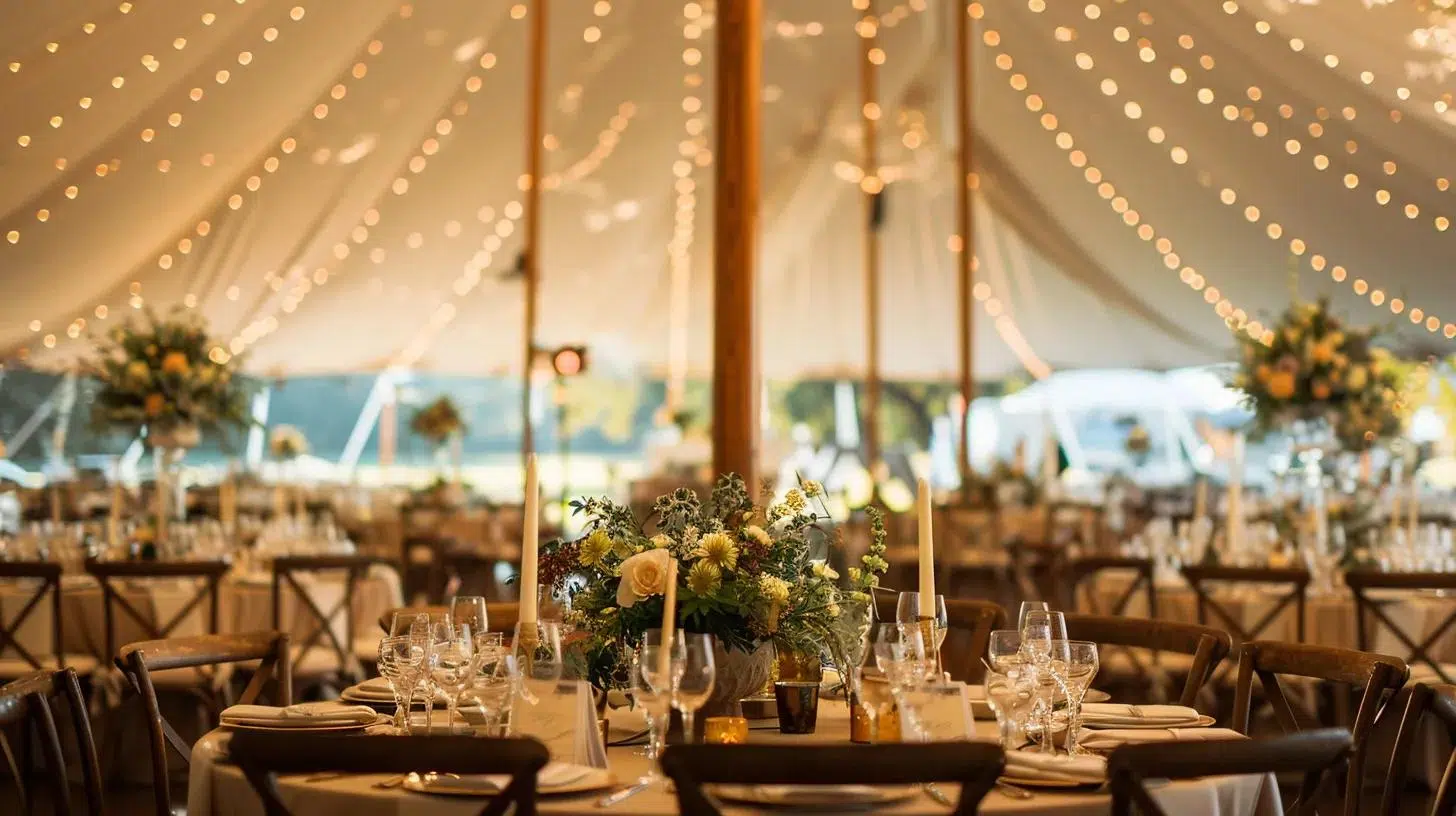
Tent sizing should start with guest count, but it should not stop there. The right size depends on how guests will use the space.
Small Wedding Tents for Up to 50 Guests
Small tents work well for micro weddings, ceremony coverage, backyard weddings, small garden receptions, welcome drinks, and intimate dining setups. They usually cost less, require less lighting, and are easier to install than larger structures.
However, small does not mean simple in every situation. A small tent may still need sidewalls, heaters, fans, lighting, or flooring depending on the weather and surface. If the event includes dining and dancing, even a small guest count may require more square footage than expected.
Medium Wedding Tents for 50–120 Guests
Medium tents are one of the most flexible categories. They work well for mid-size receptions, outdoor dinners, cocktail hour plus dining, estate weddings, garden weddings, and smaller full-event setups.
At this size, layout planning becomes more important. Couples should decide where tables, bars, dance floor, catering access, and service paths will go before choosing the final tent dimensions. Lighting and flooring can also meaningfully affect the total price, so they should be included in the early budget.
Large Wedding Tents for 150+ Guests
Large wedding tents are best for full receptions, large seated dinners, weddings with dancing, and multi-zone layouts. They offer more flexibility but also come with higher rental and labor costs.
Larger tents may require permits, more complex power planning, longer setup windows, more crew, stronger lighting plans, and additional flooring or climate control. They also require careful review of truck access, installation space, anchoring, and venue restrictions.
For large weddings, the cheapest tent is not always the best option. A poorly planned large tent can create guest-flow issues, unsafe exits, or high last-minute adjustment costs.
Square Footage Rules of Thumb
As a starting point, seated dining often requires about 10 square feet per guest. Cocktail-style receptions may require about 5 to 6 square feet per guest. A seated ceremony needs room for chairs, an aisle, altar space, and photographer movement.
Additional space should be added for dance floors, bars, buffets, stages, lounges, service paths, and vendor needs. These estimates are useful, but they should be confirmed with a rental provider once the venue and layout are known
Compare Tent Styles by Value, Not Just Appearance
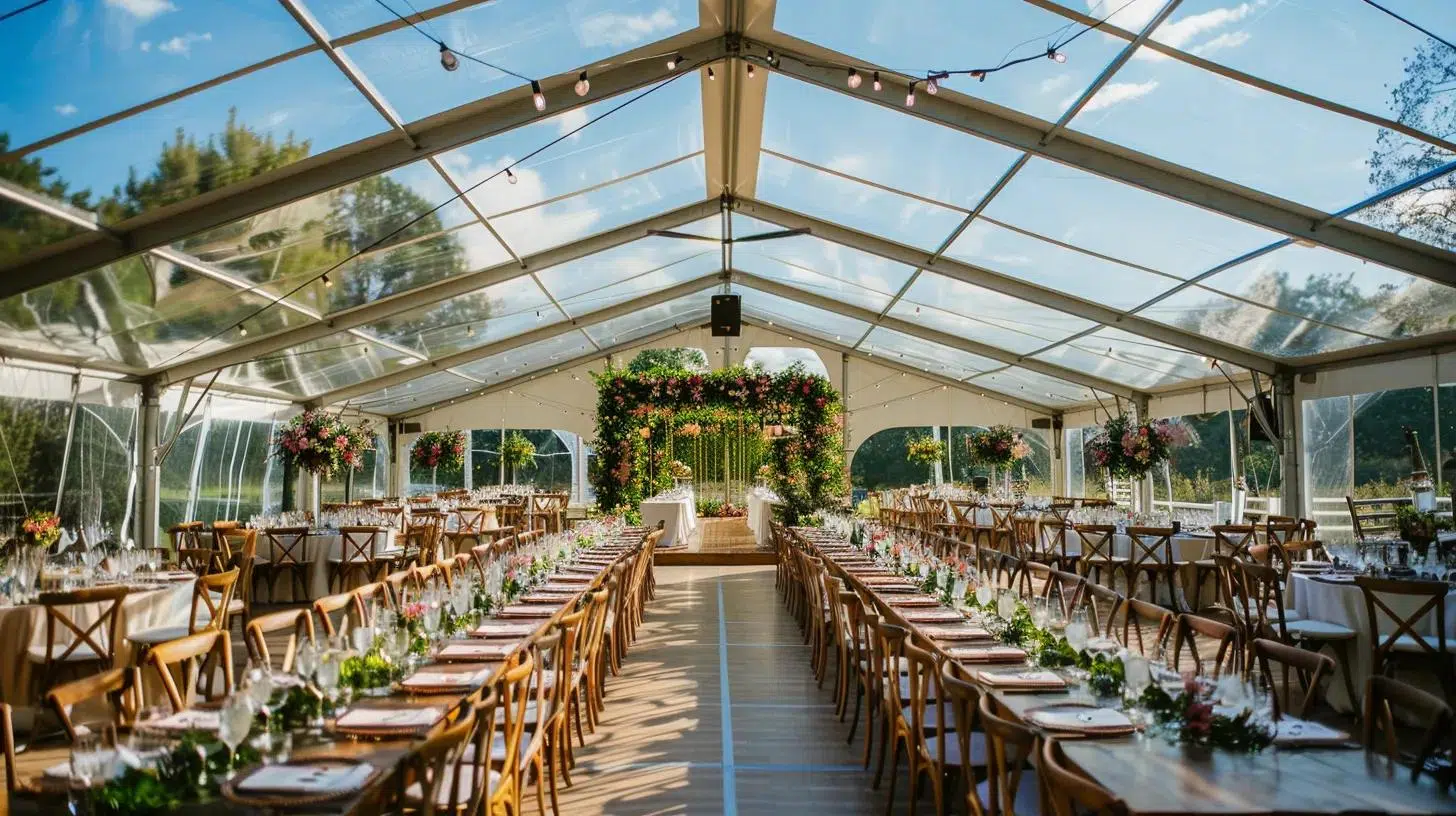
Tent style affects appearance, installation, cost, and suitability for the venue. The best value comes from matching the tent style to the site and event needs.
Frame Tents: Best for Practical Flexibility
Frame tents are a practical choice for hard surfaces, courtyards, patios, smaller venues, and layouts that need open interiors. They do not have center poles, so they provide more usable space and cleaner sightlines.
From a budget perspective, frame tents often offer strong value because they work in many venues and can be placed where staking is limited. They are especially useful when the venue surface or layout creates restrictions.
Pole Tents: Best for Classic Outdoor Style
Pole tents offer a traditional outdoor wedding look with graceful peaks and a softer visual profile. They are well suited for open lawns, estate weddings, traditional outdoor receptions, and romantic tented events.
Their visual impact can reduce the need for heavy décor. However, pole tents require staking and enough perimeter space for installation. Center poles can also affect layout, so table placement and sightlines should be reviewed carefully.
Clear-Top Tents: Best for Scenic and Evening Events
Clear-top tents work well for garden weddings, vineyard settings, evening receptions, and events where couples want a starry-sky effect. They add visual drama and can reduce the need for ceiling décor.
The main consideration is heat. Clear-top tents can become warm in direct sun, so they are often better for evening events or shaded settings. Couples may need to budget for ventilation, fans, or climate-control planning depending on the time of day.
Sailcloth Tents: Best for Elevated Outdoor Design
Sailcloth tents create a refined outdoor look with soft curves and natural light. They are well suited for romantic receptions, coastal-inspired weddings, estate lawns, and high-end outdoor designs.
Because sailcloth tents have strong aesthetic impact, they may reduce the need for extensive draping or decorative ceiling treatments. They are usually a premium option, so couples should choose them when the tent itself is a major design feature.
Canopy Tents: Best for Limited Coverage Needs
Canopy tents are useful for targeted coverage, such as shade, welcome stations, small ceremonies, vendor coverage, or backup weather areas. They are typically lower-cost than more substantial tent structures.
However, they may not be suitable as the main reception tent. Use them when coverage needs are limited, not when the event requires a fully structured dining or dancing space.
Build the Tent Budget Around the Venue Surface
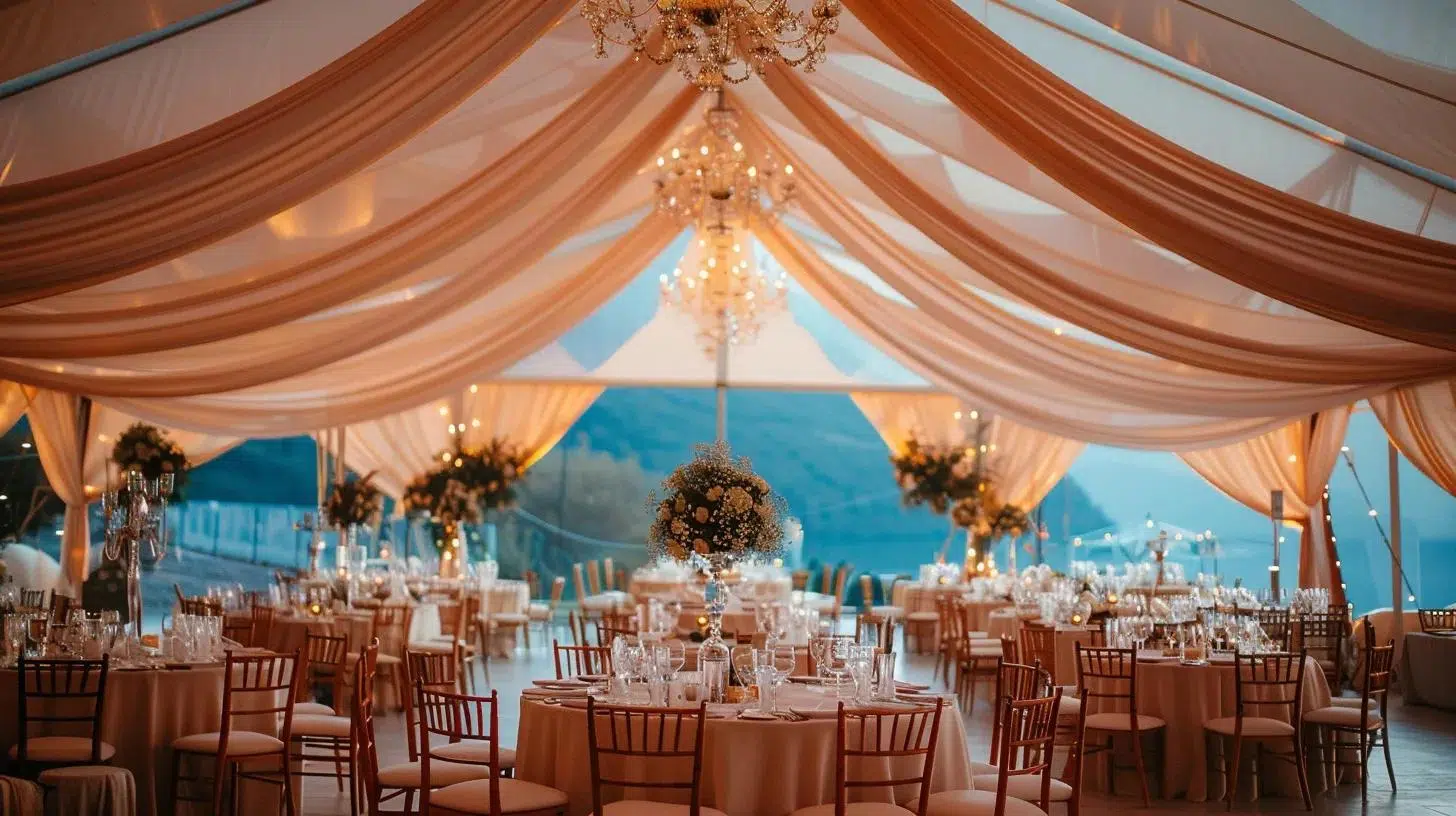
The venue surface can change the tent type, installation method, labor cost, and accessory needs. Couples should review the surface before comparing tent quotes.
Lawn and Grass Installations
Lawns and grass areas are often suitable for staking, which can make some tent installations more straightforward. However, soft ground may require ground protection, flooring, drainage review, and irrigation shutoff coordination.
If the lawn is uneven or damp, walkways and flooring may be needed for guest comfort and safety. These costs should be considered before assuming that grass is the easiest option.
Paved Surfaces and Courtyards
Paved surfaces and courtyards may require frame tents or ballast because staking may not be allowed. Couples should check surface protection rules, weight limits, access points, drainage, and heat from pavement.
Ballast and extra labor may increase costs, so it is important to confirm installation requirements early.
Sand, Gravel, or Uneven Terrain
Sand, gravel, and uneven terrain require careful planning. These surfaces may need flooring, anchoring review, walkways, ramps, or extra labor.
Uneven surfaces often create hidden costs because they affect guest movement, chair stability, tent installation, and accessibility. A site visit with the rental provider is especially important for these venues.
Private Estates and Backyards
Private estates and backyards can feel budget-friendly because they may not have a traditional venue fee. However, they often require more infrastructure.
Review gate width, truck access, underground utilities, tree clearance, slope, power, restrooms, and drainage. A backyard wedding may require a tent, tables, chairs, lighting, flooring, generators, restrooms, and catering support. The total setup cost should be compared against traditional venue options.
Know Which Tent Accessories Are Essential vs. Optional
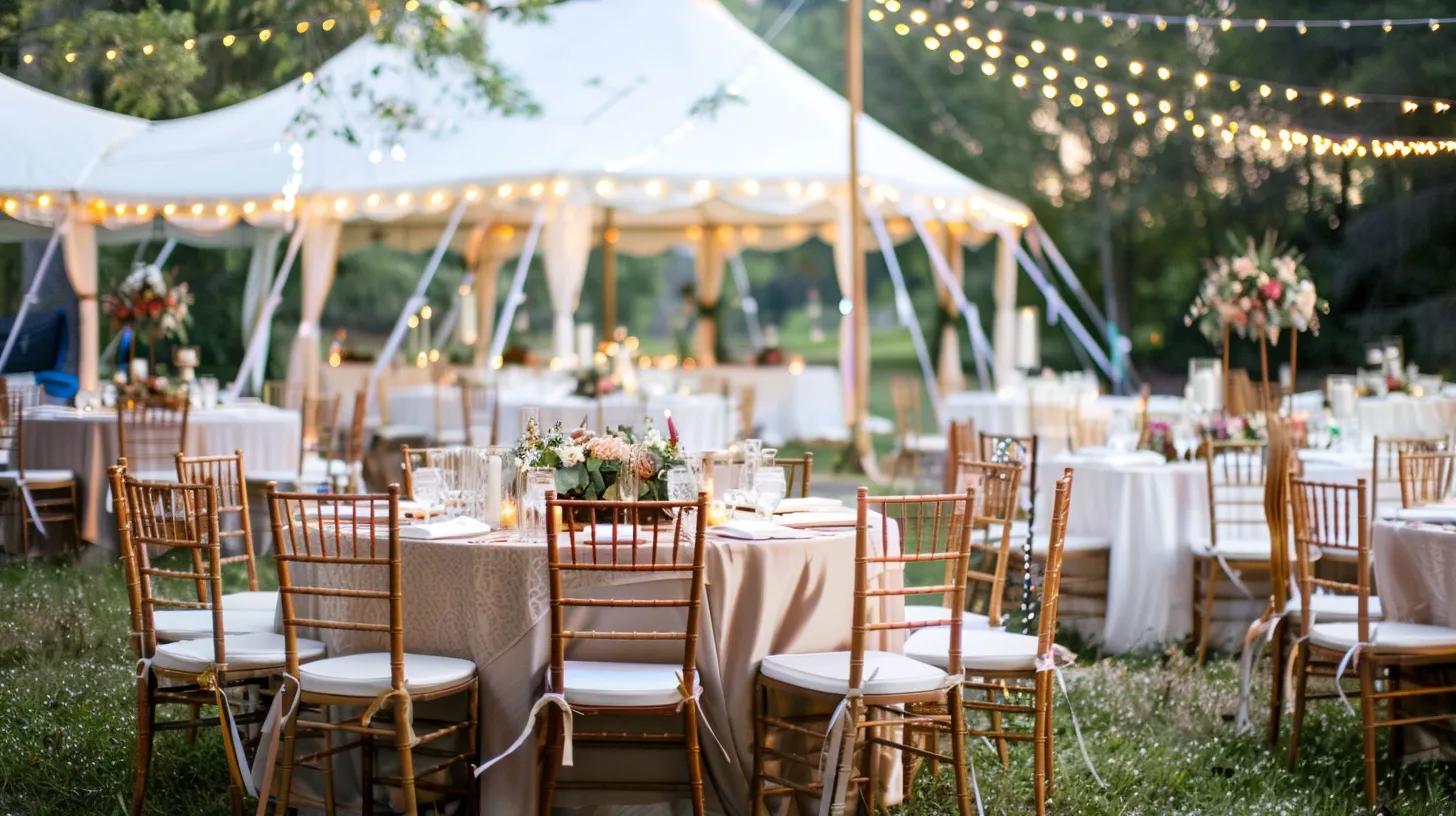
Accessories can make a tent safer, more comfortable, and more beautiful. The key is knowing which ones are essential and which are optional upgrades.
Essential Accessories for Weather Protection
Weather-related accessories may include sidewalls, proper anchoring, ballast, gutters between connected tents, weighted entries, a rain plan, and wind-safe installation.
These items are not purely decorative. They protect the event and help keep guests comfortable if conditions change.
Essential Accessories for Guest Comfort
Guest comfort accessories may include lighting, fans, heaters, open-air ventilation, flooring where needed, clear entry and exit points, and accessible pathways.
Comfort items should be prioritized before visual upgrades because they directly affect the guest experience.
Optional Accessories That Improve the Look
Optional aesthetic upgrades can include draping, ceiling liners, chandeliers, clear side panels, decorative entrances, specialty lighting, lounge rugs, and floral installations.
These details can elevate the tent, but they should be added after the functional plan is secure.
Accessories That Often Surprise Couples
Couples are often surprised by the need for cable covers, generators, flooring under bars, vendor tenting, catering prep tents, portable restrooms, service lighting, fire extinguishers if required, and permit-related items.
These may not appear in the first inspiration photo, but they can be necessary for a safe and functional event.
How to Prioritize Accessories on a Budget
Prioritize safety and comfort first. Add weather protection, lighting, ventilation, entry points, exits, and flooring where needed. Upgrade visual elements second. If the venue already has strong scenery, skip décor that duplicates what the setting already provides.
When the budget is limited, lighting usually delivers more impact than heavy ceiling décor.
Understand the Real Cost of a Wedding Tent Package
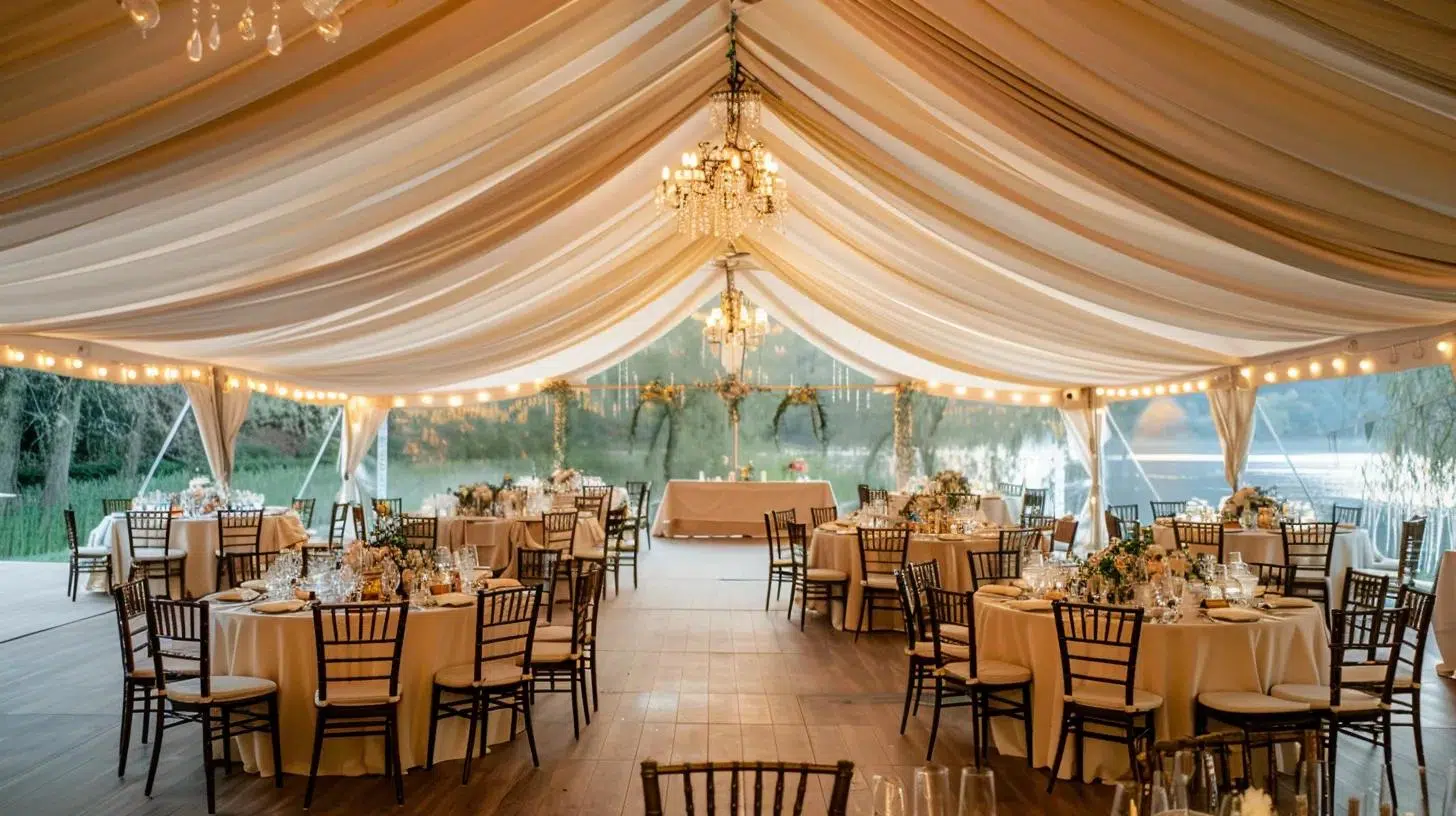
Tent pricing can be difficult to compare unless each quote is itemized. Couples should look beyond the tent structure itself and review the full package.
What Should Be Included in a Tent Quote?
A clear tent quote should show the tent structure, delivery, setup, breakdown, labor, anchoring or ballast, sidewalls if requested, lighting if included, flooring if included, taxes, damage waiver, and permit support if applicable.
Without this detail, it is difficult to know whether one quote is truly more affordable than another.
Costs That May Not Be Included Automatically
Some costs may not be included in the base quote. These can include overtime, same-night pickup, long carries, difficult access, extra crew, generators, climate control, flooring, draping, décor, additional insurance, and permit fees.
Ask directly what is excluded so there are no surprises later.
How Tent Size Affects Total Cost
A larger tent usually means more material, more crew, longer setup, more lighting, more flooring, more climate control, and greater permit exposure.
This is why accurate sizing matters. Renting more tent than needed can increase several related costs at once.
How Tent Style Affects Total Cost
Specialty tents often cost more because of materials, installation requirements, aesthetic demand, inventory availability, and accessory needs.
A clear-top or sailcloth tent may be worth the investment for the right event, but the upgrade should be tied to a real design or functional benefit.
How Venue Access Affects Total Cost
Venue access can affect labor and delivery charges. Factors include the distance from truck to site, stairs, narrow gates, hills, parking restrictions, setup windows, and surface complexity.
A venue with difficult access may require additional crew or more setup time, which can increase the final cost.
Save Money Without Choosing the Wrong Tent
Saving money on a tent does not mean choosing the smallest or cheapest option. It means choosing the right structure and avoiding unnecessary costs.
Book the Main Tent Early
Booking early helps with availability, preferred style selection, better planning, fewer substitutions, and clearer quotes. Peak wedding dates can limit inventory, especially for large tents and specialty styles. Early booking also gives the rental team more time to review the venue, plan installation, and identify potential cost issues.
Bundle the Tent with Other Rentals
Bundling the tent with tables, chairs, linens, lighting, bars, dance floors, and flooring can reduce coordination and may improve value.
Working with one rental provider can also make setup smoother because the team understands how all the pieces fit together.
Choose a Simpler Tent and Upgrade Lighting
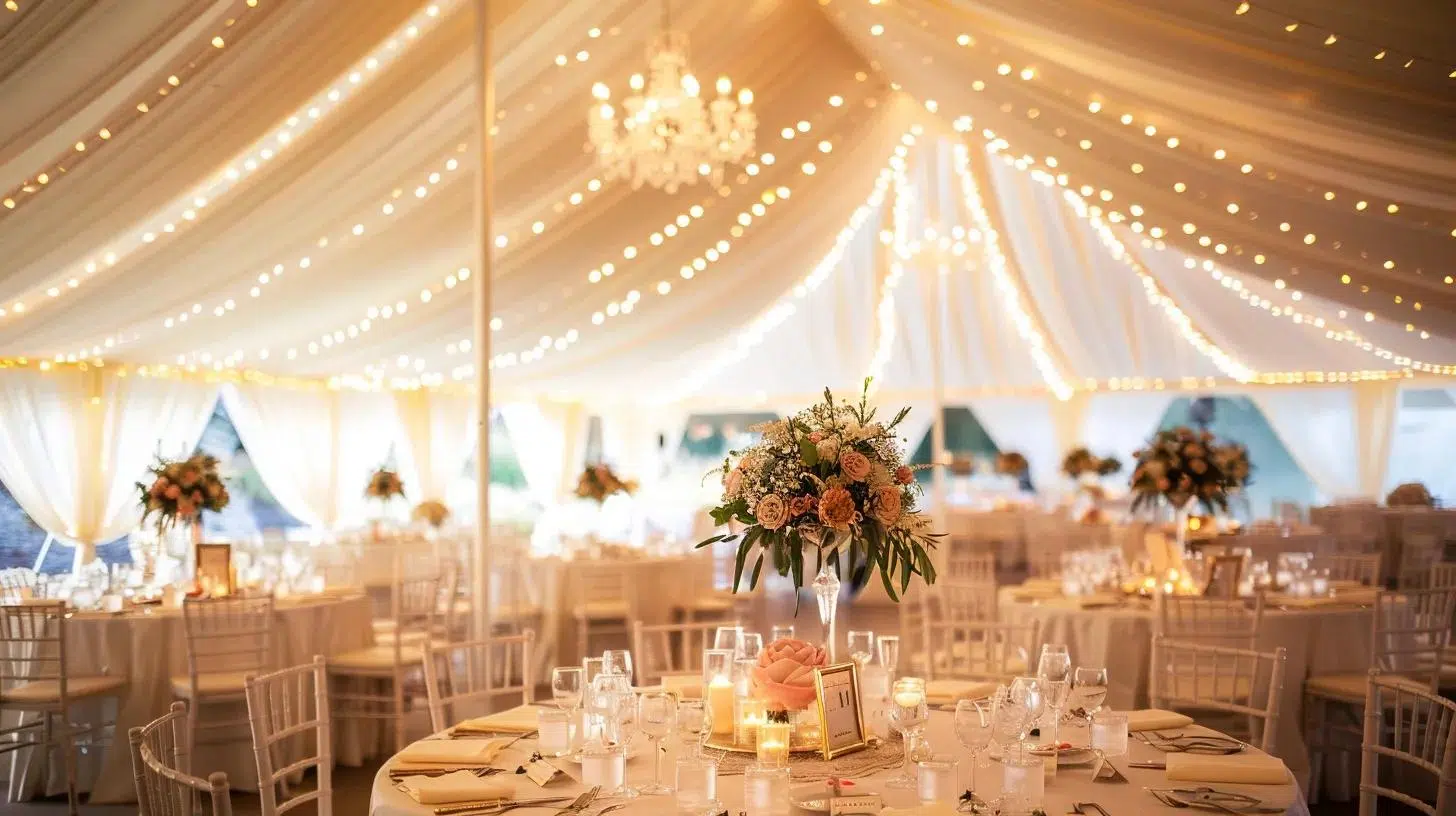
A standard frame or pole tent can look elevated with good lighting. String lights, chandeliers, warm perimeter lighting, bar lighting, and dance floor lighting can transform a simple tent into a polished event space.
This strategy is often more budget-friendly than choosing a premium tent and then having little left for lighting or guest comfort.
Use One Tent for Multiple Event Phases
One tent can sometimes support the ceremony, cocktail hour, dinner, and dancing. This can save money by reducing the number of structures needed.
However, the transition plan must be clear. Tables, chairs, florals, bars, and entertainment setups may need to move or be staged carefully.
Reduce the Number of Separate Structures
Multiple tents can increase delivery, labor, lighting, power needs, and permit complexity. Where possible, one well-planned tent may be more cost-effective than several smaller structures.
Separate tents should be used when they solve a real layout, weather, or guest-flow issue.
Avoid Last-Minute Tent Changes
Last-minute changes can lead to rush fees, inventory substitutions, labor increases, weather add-ons, and layout problems. Confirm the main tent plan early and reserve critical backup items before peak demand limits availability.
Know When It Is Worth Upgrading the Tent

Not every upgrade is necessary. The best upgrades solve a specific comfort, design, venue, or timing issue.
Upgrade for Guest Comfort
An upgrade may be worth it when weather is unpredictable, guest count is high, the ceremony or reception is long, older guests are attending, or the venue has limited indoor backup.
Guest comfort should come before trend-driven design.
Upgrade for Better Photography
Some tent upgrades show strongly in photos. A clear-top tent, sailcloth tent, better lighting, clean entry design, draping, or ceiling treatment can improve the overall visual experience.
If photography is a major priority, choose upgrades that will be visible in key images.
Upgrade for Venue Limitations
Some venues require more advanced tenting because of practical limitations. If staking is not allowed, the surface is uneven, power is limited, wind exposure is high, or the layout needs open interiors, an upgraded tent or installation method may be necessary.
In these cases, the upgrade is not cosmetic. It is part of making the event work.
Upgrade for Long Event Durations
Longer events may justify flooring, climate control, sidewalls, lounge integration, better lighting, and more durable layout planning.
If guests will spend several hours under the tent, comfort and structure become more important.
Wedding Tent Budget Examples by Event Type
Different event formats require different tent priorities. These examples can help couples think through what they may need.
Micro Wedding Tent Budget
A micro wedding may need a small frame tent or canopy, ceremony chairs, simple lighting, minimal sidewalls, and a small welcome or dining area.
The best strategy is to keep the structure simple and invest in guest-facing details such as chairs, linens, florals, or lighting.
Backyard Wedding Tent Budget
A backyard wedding may require a frame or pole tent, tables and chairs, lighting, flooring or a dance floor, generator support, and restroom planning.
The best strategy is to review access, power, and surface conditions before assuming the backyard is cheaper than a traditional venue.
Vineyard or Garden Wedding Tent Budget
A vineyard or garden wedding may use a clear-top, sailcloth, pole, or frame tent depending on the style and venue conditions. Lighting, flooring, sidewalls, heaters, and guest pathways may also be needed.
The best strategy is to use the scenery as the design foundation and prioritize comfort.
Full Reception Tent Budget
A full reception tent may need a larger structure, dining layout, dance floor, bar coverage, catering access, lighting, climate control, and flooring.
The best strategy is to plan zones carefully so the couple does not oversize the tent or add unnecessary extra structures.
Rain Backup Tent Budget
A rain backup tent may include a tent hold, sidewalls, alternate layout, quick vendor communication plan, and covered guest entry.
The best strategy is to budget early for weather protection instead of paying rush premiums later.
Conclusion
The best wedding tent is not always the most expensive option. It is the tent that fits the guest count, venue surface, weather plan, event format, and budget. A well-sized, properly installed tent can protect guests, define the event space, support lighting and décor, and create a polished outdoor wedding experience.
The smartest budget moves are to choose the correct size, match the tent to the venue surface, prioritize essential accessories, compare itemized quotes, book critical items early, use local rental expertise, and upgrade only when the upgrade solves a real problem.
For wedding tent rentals in Santa Barbara, Ventura Rental can assist with frame tents, pole tents, clear-top tents, sailcloth tents, canopies, sidewalls, lighting, flooring, tables, chairs, linens, and bundled rental packages tailored to the venue and budget.