
Summer weddings are known for bright outdoor settings, warm weather, golden-hour photos, and open-air celebrations. They can also come with direct sun, long walks across a venue, rising afternoon temperatures, and cooler evening conditions once the reception continues after sunset. For couples planning an outdoor wedding, guest comfort should be treated as part of the event design, not as a last-minute detail.
Comfort stations help make that possible. These dedicated areas give guests places to cool down, hydrate, rest, gather, and move safely throughout the day. Instead of placing water, shade, seating, and lighting randomly around the venue, couples can create intentional guest-focused stations that feel polished and practical at the same time.
With the right rentals, a comfort station can be more than a utility area. A shaded welcome table can make arrival feel easier, a hydration station can become a styled hospitality moment, and a lounge setup can give guests a comfortable place to relax between ceremony, cocktail hour, dinner, and dancing. For summer weddings, these small planning choices can have a major impact on how guests experience the celebration.
Why Comfort Stations Matter at Summer Weddings

Comfort stations help guests enjoy an outdoor wedding without feeling exposed to heat, sun, long waits, or uncomfortable transitions. They are especially useful for summer celebrations where the ceremony, cocktail hour, reception, and dancing may happen in different areas of the venue.
They Help Guests Stay Comfortable in Warm Weather
Summer weather can make an outdoor wedding feel beautiful, but it can also affect how long guests feel comfortable standing, walking, or sitting in one place. Direct sun, limited shade, and warm ceremony seating can make guests feel tired before the reception even begins.
Shade stations, hydration tables, fans, parasols, and comfortable seating help reduce that discomfort. These elements give guests simple ways to cool down and stay refreshed without interrupting the flow of the event. When they are planned well, they blend into the wedding design and feel like part of the overall hospitality experience.
They Improve the Guest Experience Between Event Moments
Guests do not only need comfort during the ceremony or dinner. They also need support during transitions. Arrival, cocktail hour, bar service, restroom trips, photo sessions, and transportation pickup can all involve waiting, walking, or standing outdoors.
Comfort stations help fill those gaps. A shaded seating area near cocktail hour, a water station between the ceremony and reception, or a softly lit lounge near the dance floor can make the entire event feel smoother. Guests know where to pause, where to refresh, and where to gather without feeling disconnected from the celebration.
They Can Be Designed to Match the Wedding Style
Comfort-focused rentals do not need to look purely functional. With the right tables, linens, glassware, signage, umbrellas, lounge furniture, lighting, and décor, comfort stations can feel completely aligned with the wedding aesthetic.
A hydration station can be styled with a linen-covered table, beverage dispensers, glassware, floral accents, and custom signage. A shaded lounge can include sofas, accent chairs, coffee tables, rugs, and side tables. A lighting station can use lanterns, string lights, or pathway lighting to guide guests while adding atmosphere.
When comfort details are designed intentionally, they support both the look and the function of the wedding.
Start With the Guest Journey Before Choosing Rentals
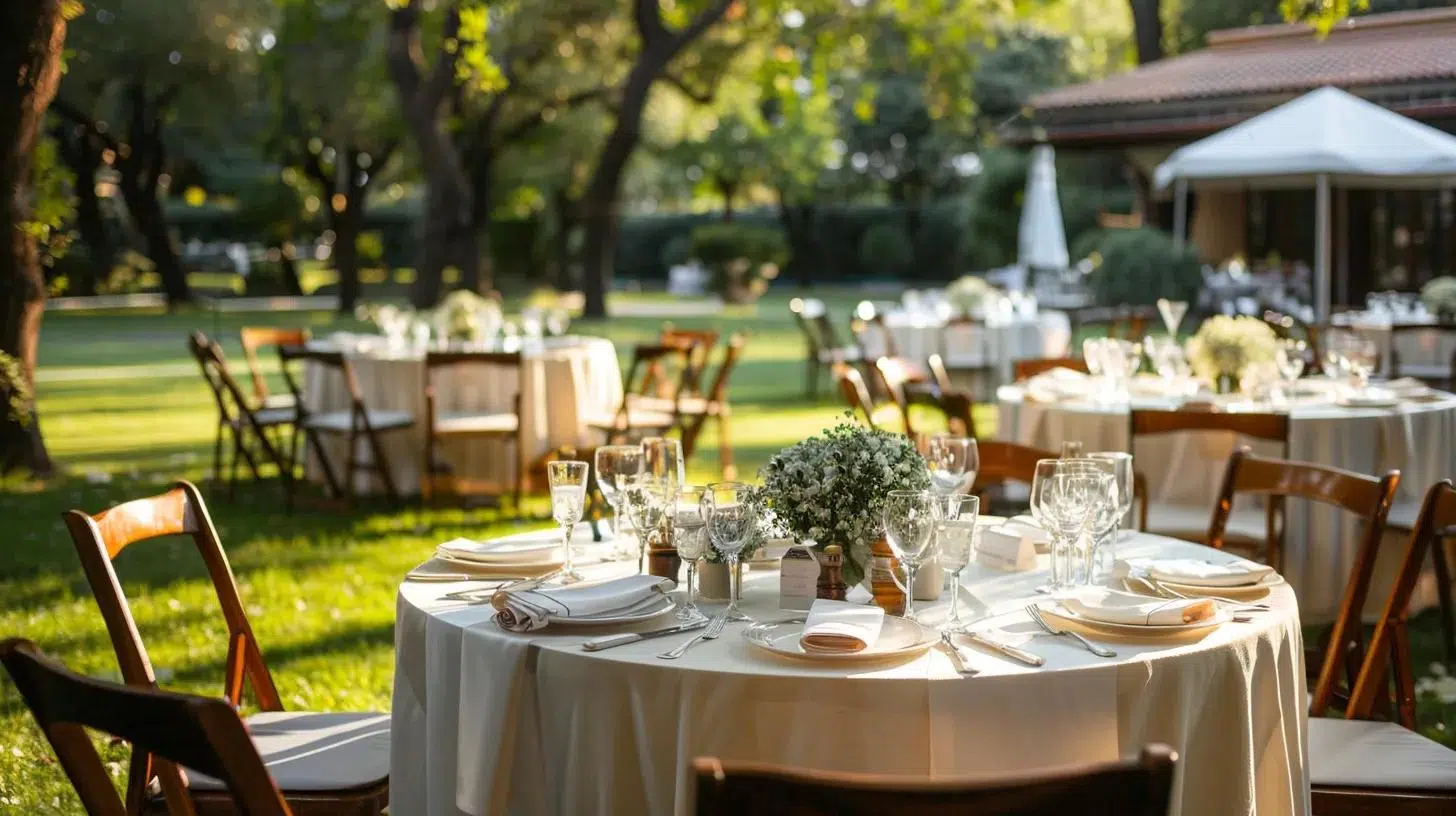
The best comfort stations are planned around how guests will move through the wedding day. Before selecting umbrellas, lounge furniture, water dispensers, lighting, or fans, couples should map the event from arrival to send-off. This guest-first approach is one of the most practical parts of planning outdoor events in Santa Barbara because comfort details only work when they are placed where guests naturally arrive, wait, gather, cool down, and move between each part of the celebration.
Identify High-Traffic Areas
Start by identifying the places where guests will naturally gather. These may include the ceremony entrance, welcome table, bar, cocktail hour area, reception tent, lounge space, restroom path, photo booth, dessert table, and transportation pickup location. You may also find Tent Rentals in Ventura County: Local Guide to Sizes, Styles & Pricing helpful.
These high-traffic zones are strong candidates for comfort stations because they already attract guest movement. Adding shade, hydration, seating, or lighting in these areas can make the event feel more thoughtful and easier to navigate.
Plan for Waiting Points
Every wedding has moments when guests wait. They may wait before the ceremony begins, stand in line at the bar, pause near the escort card display, gather outside the reception area, or wait for rides at the end of the night.
These waiting points should be planned carefully. A few cocktail tables, a nearby water station, a shaded umbrella, or a small lounge setup can make these pauses feel natural instead of inconvenient. Guests may not notice every rental detail, but they will notice when the event feels easy and comfortable.
Think About Time of Day
A summer wedding changes as the day progresses. Afternoon ceremonies may need shade, fans, and hydration. Cocktail hour may need lounge seating, umbrellas, and beverage stations. Dinner may need lighting, tabletop details, and comfortable spacing. Later in the evening, guests may need pathway lighting, lounge areas, heaters, or wraps if temperatures cool down.
Planning comfort stations by time of day helps couples choose rentals that support each phase of the event. This approach also prevents the setup from feeling overloaded in one area while other parts of the venue are left without support.
Create Shade Stations for Ceremony and Cocktail Hour
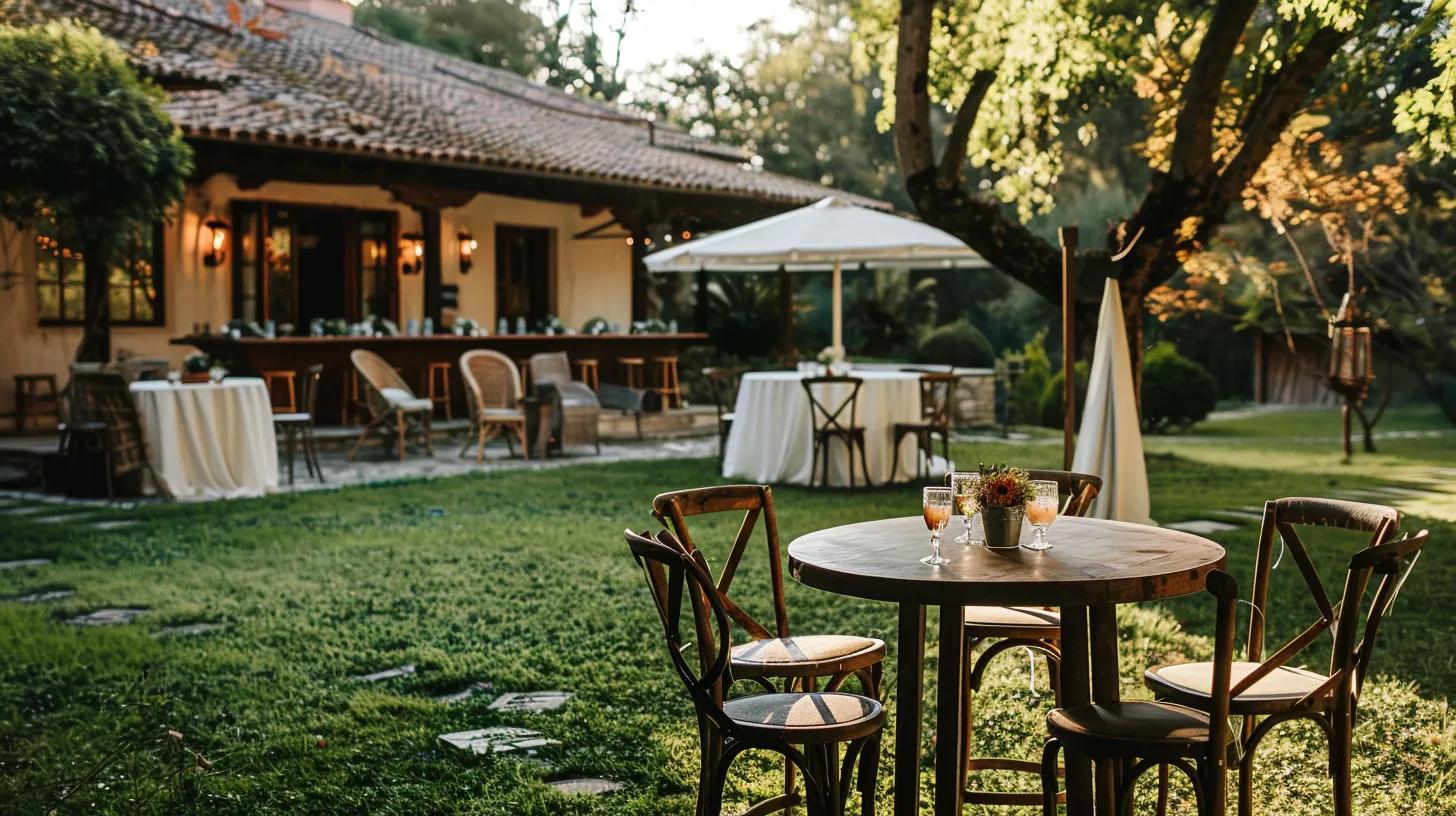
Shade stations are one of the most important comfort features for summer weddings. They help protect guests from direct sun and create relief areas where people can pause, gather, and enjoy the event more comfortably.
Use Umbrellas, Canopies, or Tented Areas
Umbrellas, canopies, and tented areas can all help create shade, but each works best in a different situation. Umbrellas are useful for cocktail tables, lounge groupings, welcome areas, and smaller guest zones. Canopies can cover beverage stations, vendor areas, or ceremony-adjacent seating. Larger tents can provide shade for dining, receptions, or primary gathering spaces.
The right choice depends on the venue layout, guest count, time of day, and event style. For a garden wedding, umbrellas may feel relaxed and natural. For a more formal outdoor reception, a tented dining area may create a more complete event environment. We cover this further in Outdoor Corporate Event Rentals in Ventura County: Shade, Tents & Layout Tips.
Place Shade Where Guests Naturally Pause
Shade is most valuable where guests are likely to remain for more than a few minutes. Consider adding shade near the welcome area, ceremony entrance, cocktail hour space, bar line, lounge seating, and guest book table.
Shade can also be useful along transition paths, especially if guests need to walk from one part of the venue to another. Even small shaded areas can improve the experience during warm weather, particularly for older guests, children, or anyone sensitive to heat.
Match Shade Rentals to the Wedding Design
Shade structures should feel connected to the overall wedding style. Neutral umbrellas, clean canopies, draped tenting, or shaded lounge areas can be coordinated with the event palette, florals, furniture, and signage.
For a coastal wedding, light-toned umbrellas and relaxed seating may work well. For an estate wedding, a tented lounge or formal shaded dining area may feel more appropriate. For a garden setting, natural textures and soft linens can help shade stations blend into the venue.
Design Hydration Stations That Feel Intentional
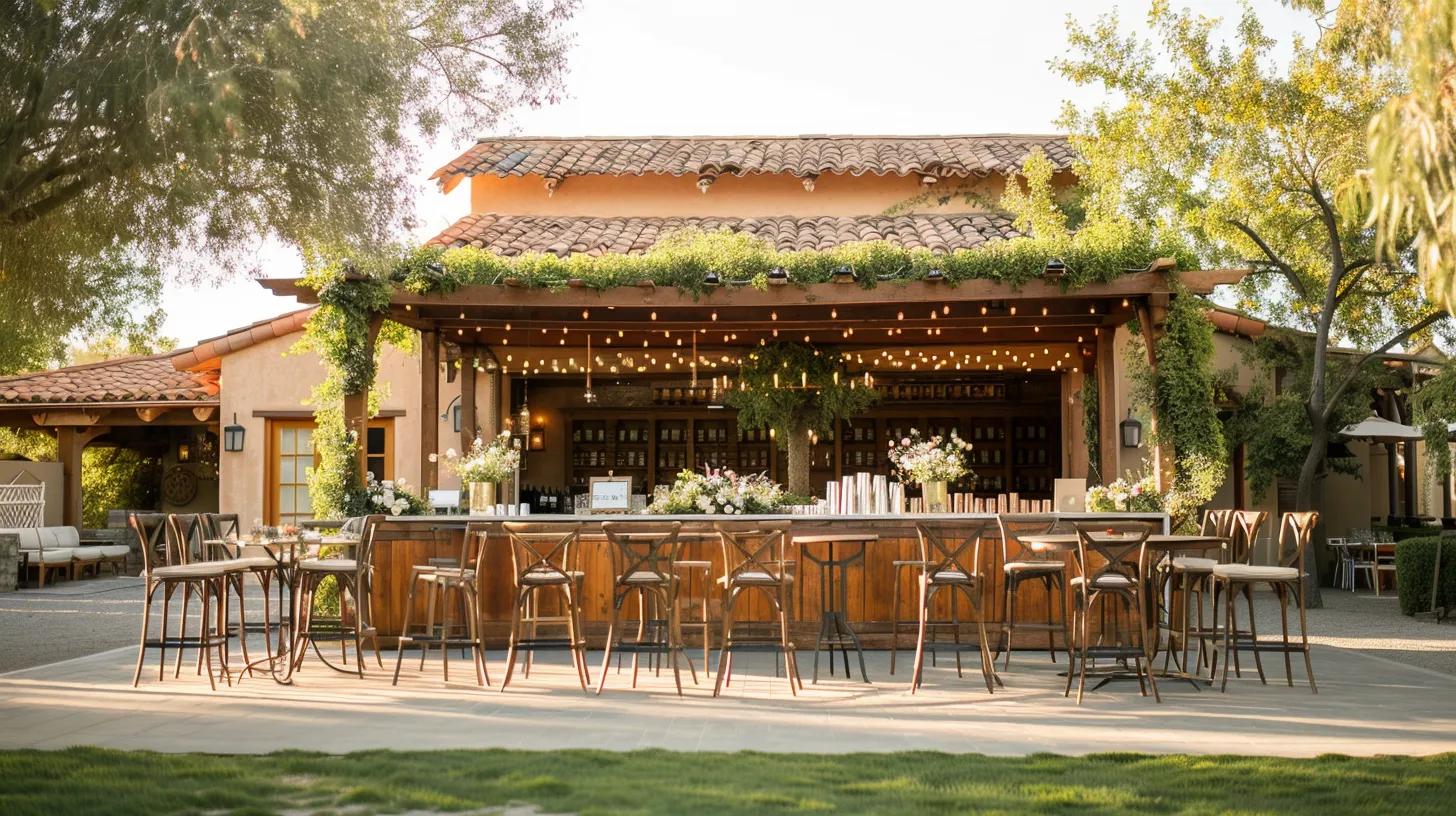
Hydration is essential for a summer wedding, but it should not feel like an afterthought. A well-designed hydration station can become a welcoming hospitality detail that helps guests stay refreshed throughout the day.
Place Water Stations at Arrival and Transition Points
Guests should be able to find water easily. Good hydration station locations include the arrival area, ceremony entrance, cocktail hour space, bar area, restroom path, and reception entrance.
Water is especially important before the ceremony and during cocktail hour, when guests may be standing outdoors or moving between spaces. Placing stations near natural traffic points helps guests stay hydrated without having to ask staff or search the venue.
Offer More Than Basic Water
A hydration station can be simple, but it can also feel elevated. Depending on the wedding style, couples may offer infused water, sparkling water, lemonade, iced tea, agua fresca, electrolyte drinks, or non-alcoholic signature beverages.
Infused water with citrus, cucumber, berries, or herbs can look beautiful while feeling refreshing. A lemonade or iced tea station can suit a garden or backyard wedding. Sparkling water with garnishes can feel more polished for a formal reception.
The goal is to make hydration accessible while keeping it aligned with the tone of the event.
Use Tables, Linens, Dispensers, Glassware, and Signage
The presentation of a hydration station matters. A rental table, fitted linen, beverage dispensers, pitchers, trays, glassware or cups, signage, and small floral accents can make the station feel designed rather than purely functional.
Signage should be clear and easy to read. If multiple drinks are available, label each option so guests can serve themselves quickly. Place the station where staff can refill it easily without interrupting the guest flow.
Add Lounge Stations for Rest and Conversation

Lounge stations give guests a place to sit, relax, and connect outside the formal dining layout. They are especially helpful during cocktail hour, after dinner, and near the dance floor.
Create Lounge Areas Near Cocktail Hour
Cocktail hour often involves standing, mingling, taking photos, and waiting for the reception to begin. Lounge furniture gives guests a comfortable place to gather while still feeling involved in the celebration.
A lounge station can include sofas, accent chairs, coffee tables, side tables, rugs, and small decorative pieces. Placing it near the bar or cocktail tables can encourage conversation and give the area a more complete feel.
Add Seating Near the Dance Floor or Bar
As the evening continues, guests may want to stay near the music without dancing the entire time. Lounge seating near the dance floor gives them a place to rest while remaining close to the energy of the reception.
A lounge near the bar can also work well, provided it does not block service. Guests can sit with drinks, talk between dances, or take a break from the main dining area. This type of station helps the reception feel more flexible and guest-friendly.
Use Furniture to Define Each Comfort Station
Furniture helps turn an open outdoor area into a clear destination. Sofas, armchairs, benches, ottomans, cocktail tables, coffee tables, rugs, and accent pieces can define a comfort station without requiring walls or permanent structures.
These furniture groupings also help guide guest movement. A well-placed lounge tells guests where they are welcome to sit, gather, and relax. When paired with lighting, florals, and signage, it can become one of the most memorable spaces at the wedding.
Use Cooling Stations to Make Warm Weather More Manageable
Cooling stations help guests stay comfortable during the hottest parts of the day. These areas can be simple or more detailed depending on the venue, forecast, guest count, and available power.
Add Fans Where Airflow Is Needed
Fans can improve comfort in tents, covered patios, lounge areas, and other spaces where air may feel still. They are especially helpful during dinner or cocktail hour when guests spend more time in one area.
Placement matters. Fans should support airflow without blowing directly onto food stations, florals, paper goods, or lightweight décor. They should also be positioned so cords and equipment do not interfere with guest movement or vendor access.
Include Handheld Fans or Parasols
Handheld fans and parasols can be useful guest amenities for outdoor ceremonies or venues with limited natural shade. They can be displayed in baskets, on a welcome table, or at the ceremony entrance. We cover this further in How to Add Shade to an Outdoor Event in Santa Barbara.
These items can also be styled to match the wedding palette. A simple fan, parasol, or cooling towel can become both a practical comfort detail and a thoughtful guest gesture.
Coordinate Cooling With Power and Layout Needs
Some cooling rentals require power access, extension planning, safe cord placement, and coordination with other vendors. These details should be reviewed before the wedding day so equipment can be placed safely and effectively.
Cooling stations should also be integrated with the layout. They should not block catering paths, guest walkways, photography areas, or ceremony sightlines. A rental team can help determine where cooling equipment will be most useful without disrupting the design.
Create a Welcome Comfort Station for Guest Arrival
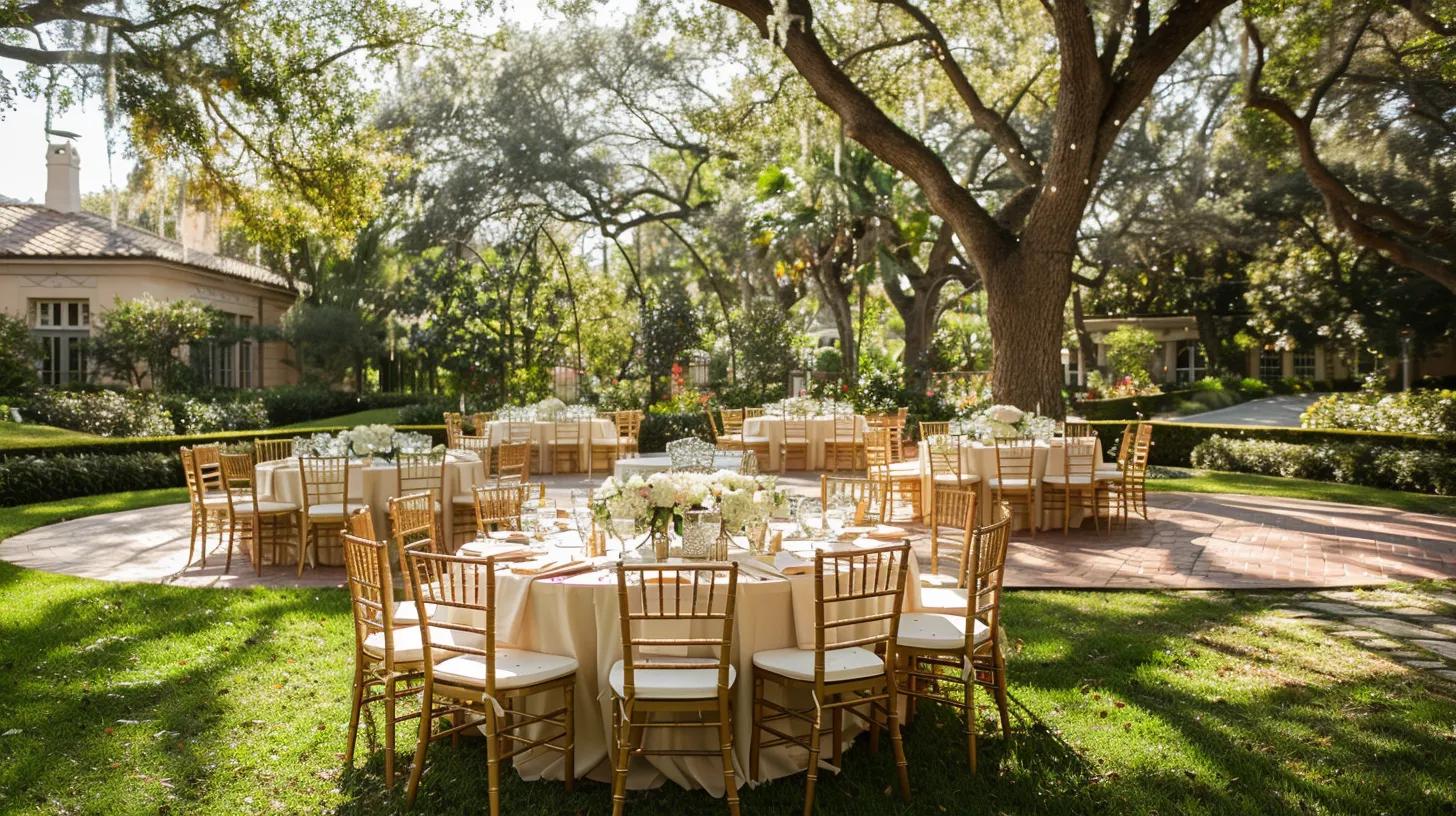
The welcome area is the first comfort station guests experience, so it should be clear, useful, and visually polished. This space sets the tone for the event while helping guests orient themselves as they arrive.
Include Water, Shade, and Clear Signage
A welcome station should help guests quickly understand where to go and how to get comfortable. Water, shade, and directional signage are some of the most useful details for a summer wedding arrival area.
If guests are arriving by shuttle, valet, or across a large property, place the welcome station near the first natural stopping point. A small table with water, programs, fans, or parasols can make arrival feel more organized and hospitable.
Add a Program, Fan, or Small Guest Amenity
Programs, handheld fans, parasols, or cooling towels can be displayed as part of the welcome station. These items help guests prepare for the ceremony and can be styled in a way that complements the wedding design.
A basket of fans, a tray of rolled towels, or a neatly arranged program table can look intentional while serving a practical purpose. These small amenities show guests that their comfort has been considered.
Keep the Area Open and Easy to Navigate
The welcome station should not create a bottleneck. Leave enough room for guests to approach, take what they need, ask a question, and continue toward the ceremony or cocktail area.
Avoid overcrowding the table with too many decorative items. Keep signage visible, refreshments easy to reach, and pathways clear. The best welcome comfort stations feel useful, attractive, and simple to navigate.
Plan Comfort Stations Around the Reception Layout
Reception comfort stations should support dining, dancing, socializing, and service flow. They should give guests convenient places to gather and refresh without interrupting the main reception experience.
Keep Hydration Near the Bar Without Blocking Service
A hydration station near the bar can be helpful, especially later in the evening, but it should not interfere with bartenders or create unnecessary crowding. Consider placing water and non-alcoholic drinks near the bar but slightly outside the main service line.
This gives guests quick access to refreshments while keeping the bar efficient. It also encourages hydration throughout the night, especially during dancing or warm-weather receptions.
Place Lounge Seating Away From Heavy Traffic
Lounge seating should feel connected to the reception without sitting directly in the path of servers, guests, or vendors. Avoid placing lounges too close to catering access, restroom lines, or narrow walkways.
A strong lounge location may be near the dance floor, beside the bar, along the edge of the reception space, or under a shaded or softly lit area. The goal is to create a comfortable place to pause without blocking the event flow.
Use Lighting to Connect Each Station
Lighting can visually connect comfort stations across the reception area. Matching lanterns, string lights, tabletop candles, or pathway lights can make hydration areas, lounges, bars, and walkways feel cohesive.
This is especially helpful for outdoor venues with multiple zones. Lighting helps guests understand where to go while making the entire wedding feel more unified.
Make Comfort Stations Work With the Wedding Design
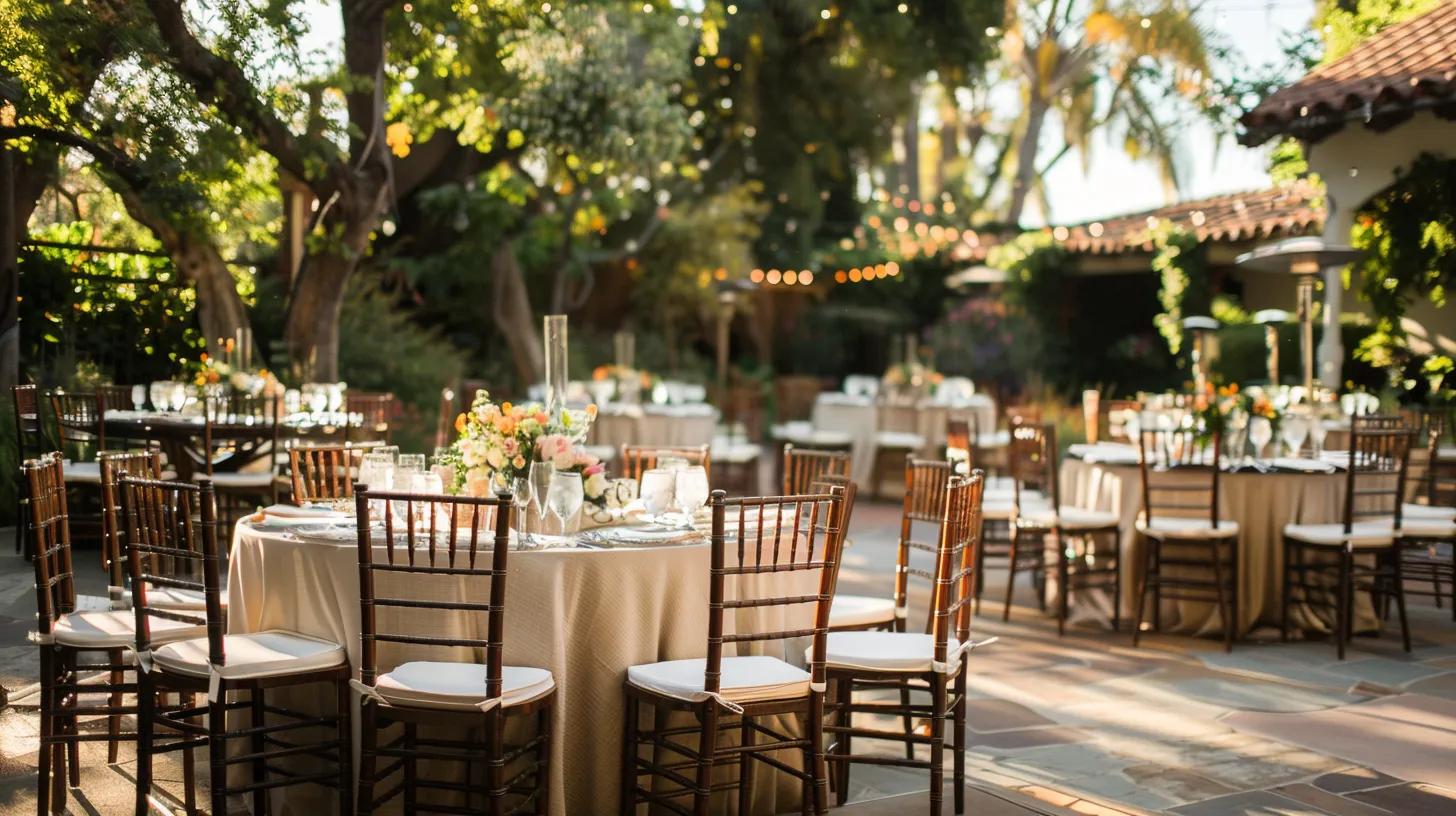
Comfort stations should not feel like separate utility zones. When they are planned with the same attention as the ceremony, dining tables, and reception décor, they become part of the event’s overall design.
Coordinate Colors, Linens, and Furniture
Use the wedding palette to guide comfort station choices. Linens, umbrellas, pillows, lounge furniture, glassware, signage, and florals can all be selected to match the event style.
For example, a coastal wedding may use light neutrals, soft blues, and relaxed furniture. A garden wedding may use floral linens, natural textures, and soft lounge pieces. A formal estate wedding may use tailored linens, elegant seating, and refined tabletop details.
Add Florals, Signage, or Decorative Details
Small decorative details can elevate comfort stations without making them difficult to use. A floral arrangement, framed sign, tray, candle, or styled table display can make a hydration station or lounge setup feel intentional.
The key is balance. Comfort stations should look polished, but they should still be easy for guests to understand and use.
Keep the Setup Practical
A comfort station only works if guests can access it easily. Avoid overdecorating drink stations, crowding lounge areas, or placing signage where it is difficult to see. Keep refreshments within reach, leave space around seating, and make sure lighting does not create glare or obstacles.
Practicality should guide every design choice. The station should be attractive, but its main purpose is to improve the guest experience.
Work With a Rental Team to Coordinate Comfort Details
A strong comfort station plan requires the right mix of rentals, layout planning, delivery coordination, and design choices. Working with an experienced rental team can help couples bring the practical and visual pieces together.
Coordinate Shade, Seating, Tables, Lighting, and Décor
Comfort stations may require umbrellas, canopies, tenting, lounge furniture, cocktail tables, linens, beverage service pieces, fans, lighting, rugs, signage, and decorative items. Coordinating these rentals together helps the wedding feel consistent.
Instead of selecting each item separately, couples can think about how each station should function and feel. This makes it easier to choose rentals that support the full guest experience.
Review the Venue Layout Before Finalizing Rentals
Venue layout affects where comfort stations should go. Sun exposure, guest flow, surface type, power availability, restroom locations, catering access, and transportation routes all matter.
Reviewing the layout before finalizing rentals helps identify where guests will need the most support. It also helps prevent problems such as blocked walkways, poorly placed hydration stations, or lounge areas that feel disconnected from the event.
Use the Catalog or Showroom for Inspiration
Seeing rental pieces together can make comfort station planning easier. Couples can compare tables, linens, lounge furniture, umbrellas, lighting, tabletop pieces, and décor to understand what combinations feel right for the wedding style.
A showroom or catalog can also help couples visualize how comfort-focused rentals can look polished instead of purely functional.
Frequently Asked Questions
What should be included in a summer wedding comfort station?
A summer wedding comfort station may include water, iced beverages, fans, parasols, shade, lounge seating, signage, lighting, cooling towels, or wraps for the evening. The exact items depend on the venue, weather, guest count, and event timeline.
Where should comfort stations be placed?
Comfort stations should be placed where guests naturally gather or transition. Useful locations include arrival areas, ceremony entrances, cocktail hour spaces, bar areas, lounge zones, restroom paths, reception entrances, and transportation pickup areas.
How do you make a hydration station look elegant?
Use a styled table, linen, beverage dispensers, glassware, trays, florals, signage, and shade. Keep the area clean, coordinated, and easy to use. A hydration station looks more elegant when it matches the wedding palette and feels like part of the overall design. See everything we rent for ceremonies and receptions on our wedding rentals page.
Are lounge stations necessary for outdoor weddings?
Lounge stations are not required, but they can significantly improve guest comfort. They give guests a place to rest, talk, cool down, or step away from the main reception activity. They are especially useful during cocktail hour, after dinner, and near the dance floor.
How can lighting improve guest comfort?
Lighting helps guests move safely after sunset and makes important areas easier to find. It can also add warmth and atmosphere to lounges, bars, pathways, dining areas, and late-night gathering spaces.
Conclusion
Integrating well-planned comfort stations at summer weddings enhances guest experience by ensuring they stay cool, hydrated, and comfortable throughout the festivities. By focusing on aesthetics and function, couples can elevate their celebration while seamlessly maintaining the event’s design cohesion. Embrace these solutions to enrich your wedding and make every moment enjoyable for your guests. Discover our specialized rental options to create perfectly curated comfort stations for your special day. See sizes and styles in our tent rentals catalog.