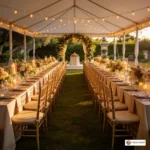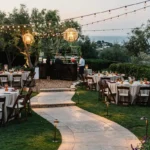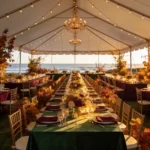

Choosing between a wedding tent rental and a traditional venue is one of the biggest decisions couples make during wedding planning. Both options can create a beautiful celebration, but they offer very different experiences.
A wedding tent rental gives you more flexibility, especially if you want an outdoor setting, a custom layout, or a scenic backdrop. A traditional venue offers built-in amenities, structure, and convenience, which can make planning simpler.
The better choice depends on your budget, guest count, style, location, and how much planning support you want. This guide compares wedding tent rentals and traditional venues so you can decide which option fits your wedding best.
What Is a Wedding Tent Rental?

A wedding tent rental gives couples the ability to build an event space around the setting they already love. Instead of choosing a finished room with fixed walls, lighting, and layouts, a tented wedding starts with the location and adds the structure needed to make it functional for guests. This makes tent rentals especially useful for outdoor weddings where the view, property, garden, or natural backdrop is part of the experience. It also means the rental plan needs to account for more than the tent itself, including seating, flooring, lighting, weather protection, and guest flow.
How Wedding Tent Rentals Work
With a tent rental, the event space is built around your wedding needs. The tent is delivered, installed, and removed by the rental company. Depending on the setup, you may also need tables, chairs, lighting, flooring, sidewalls, and climate-control equipment. The tent becomes the foundation for your ceremony, reception, dining area, dance floor, or cocktail space.
Common Tent Rental Setups for Weddings
Wedding tent setups can vary based on the event style. Some couples use a tent for the reception only, while others use tents for the ceremony, cocktail hour, and dining area.
Common setups include:
- Tented outdoor reception
- Backyard wedding tent
- Garden ceremony tent
- Cocktail hour tent
- Clear-top or sailcloth tent for scenic events
What Items May Be Needed With a Wedding Tent
A tent usually requires additional rentals to make the space complete. These may include:
- Tables and chairs
- Linens and tableware
- Lighting
- Flooring or dance floor
- Sidewalls
- Fans or heaters
- Bar and buffet tables
- Décor and lounge furniture
This flexibility is one of the main benefits of tent rentals, but it also means more planning is involved.
Best Wedding Types for Tent Rentals
Wedding tent rentals are a strong fit for outdoor weddings, private property weddings, scenic venues, casual receptions, garden celebrations, and couples who want a highly personalized layout. They work especially well when the setting itself is part of the wedding experience.
What Is a Traditional Wedding Venue?
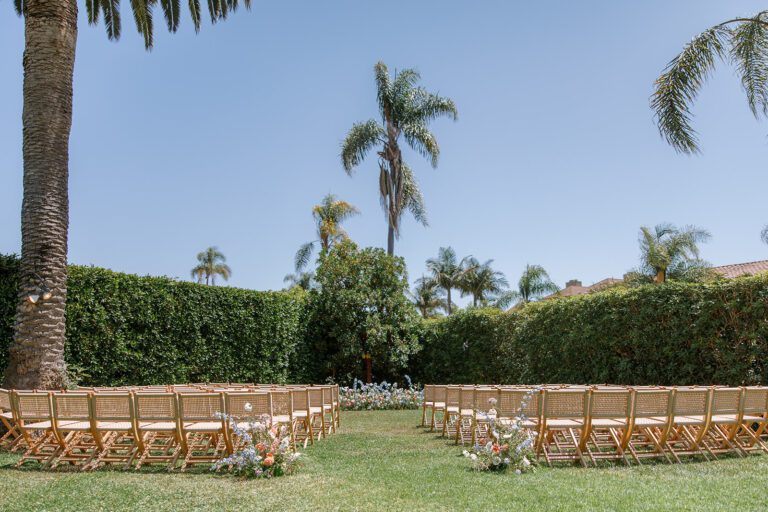
A traditional wedding venue is a more established event environment with many of the core logistics already in place. Because these spaces are designed to host weddings and celebrations, couples often benefit from built-in amenities, defined layouts, and existing vendor processes. This can make planning feel more predictable, especially for couples who want fewer setup decisions or who prefer a space that already has a polished atmosphere. The tradeoff is that venues may come with rules, preferred vendors, layout limitations, or less flexibility than a custom tented setup.
What Traditional Venues Usually Include
Many traditional venues include restrooms, lighting, kitchen access, parking, staff support, tables, chairs, or basic event equipment. Some venues also provide catering, bar service, coordination, and cleanup. Because many essentials are already in place, traditional venues can reduce the number of separate rentals needed.
Common Types of Traditional Wedding Venues
Traditional wedding venues may include:
- Hotels
- Banquet halls
- Country clubs
- Ballrooms
- Historic buildings
- Restaurants
- Event centers
- Wineries with indoor spaces
Each venue type offers a different style, level of service, and pricing structure.
Best Wedding Types for Traditional Venues
Traditional venues are often best for formal weddings, large guest counts, indoor receptions, events with complex catering needs, and couples who want a more predictable planning process. They are also useful for weddings during seasons when weather may be a concern.
Why Some Couples Prefer a Turnkey Venue
A turnkey venue can make planning easier because many services are already built into the package. Couples who want fewer rental decisions, less setup coordination, and more built-in support may prefer a traditional venue.
Wedding Tent Rental vs. Traditional Venue: Main Differences
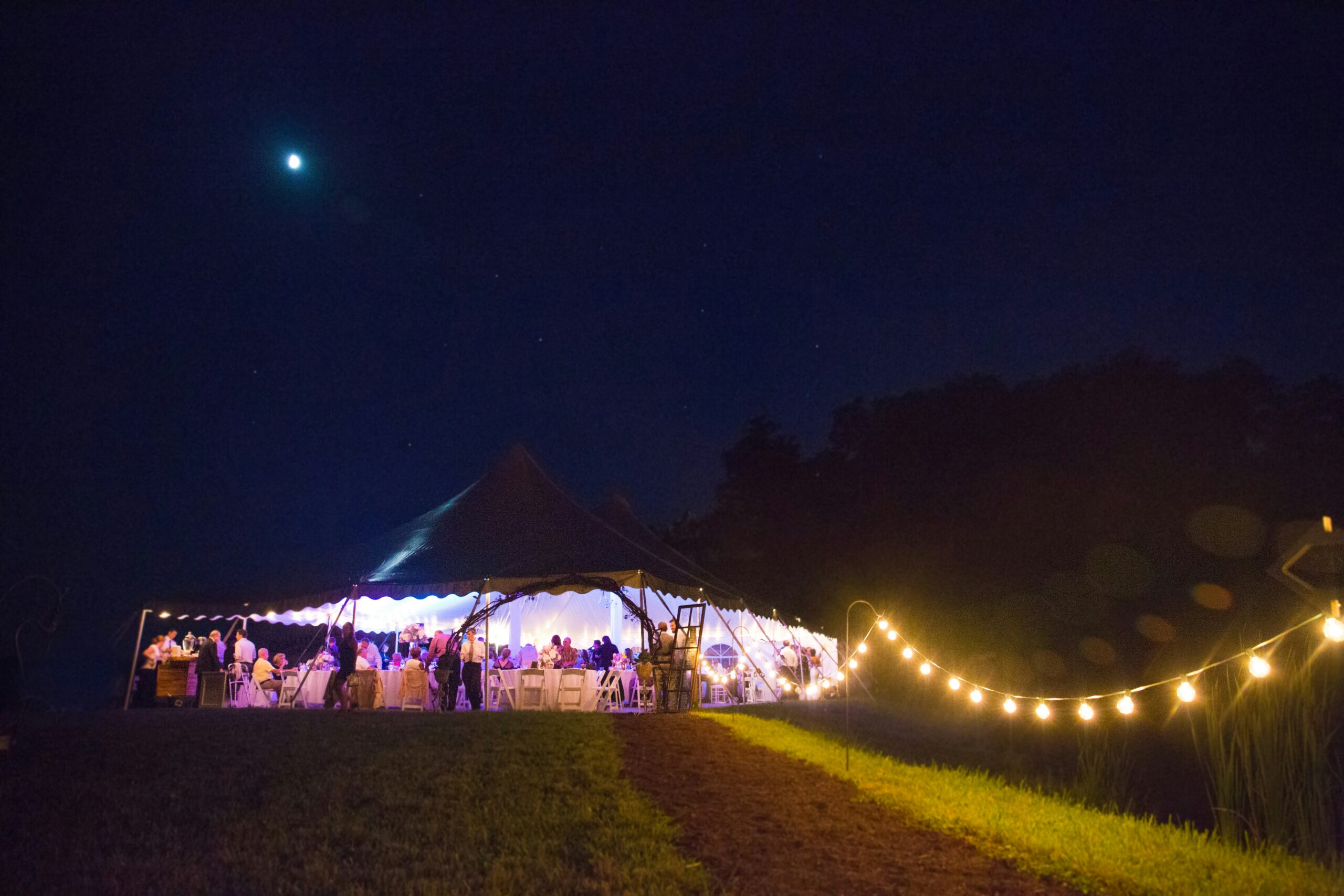
The choice between a wedding tent rental and a traditional venue often comes down to flexibility versus convenience. A tented wedding gives couples more control over where the event happens and how the space is designed, but it also requires more planning around infrastructure and setup. A traditional venue provides more built-in support and protection, but couples usually need to work within the venue’s existing layout, policies, and available spaces. Understanding these differences early can help you compare both options more clearly instead of focusing only on the upfront rental or venue fee.
Location Flexibility
Tent rentals offer more location flexibility. You can host the wedding in a backyard, vineyard, garden, estate, or other outdoor setting if the site can support the setup. Traditional venues are fixed locations. You choose the venue, but you work within its existing structure and layout.
Customization Options
Tent rentals usually offer more customization. You can choose the layout, décor, lighting, furniture, flooring, and event flow. Traditional venues may have décor rules, preferred vendors, or layout restrictions. However, they often have an existing style that reduces the need for heavy decoration.
Included Amenities
Traditional venues often include restrooms, power, kitchen space, staff, parking, and built-in lighting.
Tent rentals may require additional planning for those amenities, depending on the outdoor site.
Setup Requirements
Tent weddings require delivery, installation, setup, breakdown, and sometimes permits or site preparation. Traditional venues already have most infrastructure in place, which can simplify the planning process.
Weather Considerations
A wedding tent can protect guests from sun, light rain, and wind when properly planned with sidewalls, flooring, and climate control. A traditional venue offers stronger built-in weather protection because the event takes place inside a permanent structure.
Guest Experience
Tent weddings can feel unique, scenic, and personal. Traditional venues can feel polished, convenient, and comfortable. The best option depends on the atmosphere you want to create.
Cost Comparison: Tent Rental vs. Traditional Venue

Cost can vary widely with both tent rentals and traditional venues, so it is important to compare the full event setup rather than only the base price. A tent rental may look more affordable at first, but the final total can change once flooring, lighting, climate control, power, restrooms, and furniture are added. A traditional venue may have a higher initial fee, but it may already include several essentials that would otherwise need to be rented separately. The most accurate comparison comes from looking at itemized quotes and identifying what is included, what is optional, and what is required for the event to run smoothly.
What Affects Wedding Tent Rental Cost
Tent rental cost may depend on:
- Tent size
- Tent style
- Guest count
- Flooring
- Lighting
- Sidewalls
- Delivery and setup
- Location access
- Additional rentals
A simple tented wedding may be budget-friendly, but costs can increase if you need flooring, climate control, restrooms, generators, and multiple rental items.
What Affects Traditional Venue Cost
Traditional venue pricing may depend on:
- Date and season
- Guest count
- Venue rental fee
- Catering minimums
- Bar packages
- Staffing
- Cleaning fees
- Service charges
A venue may appear more expensive upfront, but it may include amenities that would cost extra for a tented wedding.
Hidden Costs to Watch For
For tent rentals, watch for delivery, setup, permits, flooring, power, restrooms, and weather accessories. For traditional venues, watch for service fees, corkage fees, overtime fees, required vendors, security, cleaning charges, and minimum spending requirements.
Which Option May Be More Budget-Friendly?
A tent rental may be more budget-friendly if you already have access to a suitable outdoor space and only need essential rentals. A traditional venue may offer better value if it includes tables, chairs, staffing, restrooms, power, and catering infrastructure. The best way to compare is to request itemized quotes for both options.
Customization: Which Option Gives You More Creative Control?
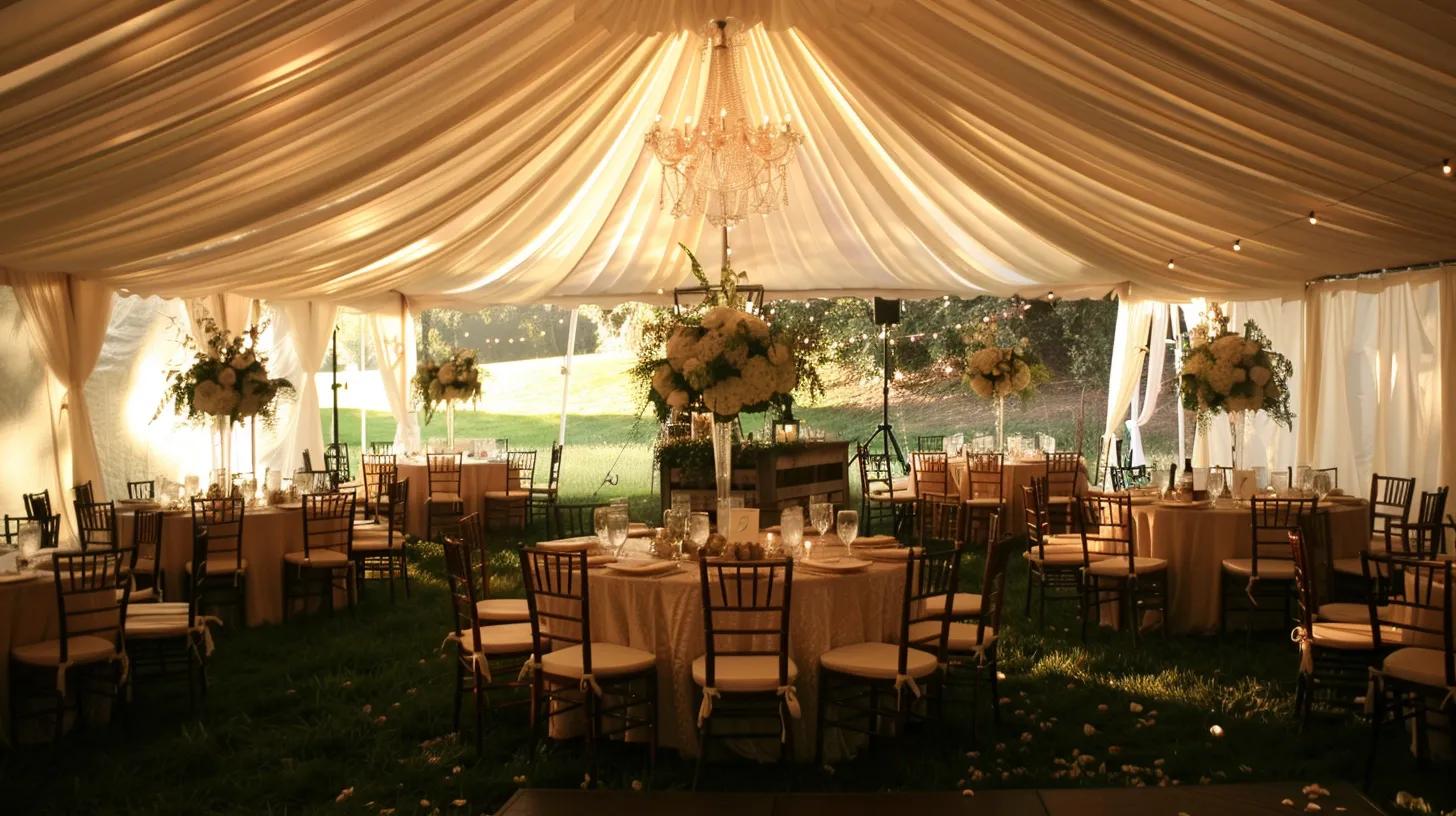
Customization is one of the biggest reasons couples consider a wedding tent rental. A tented space can be shaped around the couple’s preferred layout, color palette, rental style, guest experience, and overall design vision. Traditional venues can still be beautiful and personalized, but the existing architecture, finishes, lighting, and rules often influence what can be changed. Couples who want a highly specific look may prefer the flexibility of a tent, while couples who already love a venue’s design may appreciate having a finished setting that requires less transformation.
Decorating a Wedding Tent
A tent is a blank canvas. You can use draping, string lights, chandeliers, floral installations, lounge furniture, linens, and custom layouts to create the exact look you want. This makes tent rentals ideal for couples with a specific design vision.
Working Within Venue Design Rules
Traditional venues may limit what you can hang, move, or install. Some venues have rules about candles, confetti, outside furniture, or wall décor. These rules can simplify planning, but they may also limit personalization.
Layout Flexibility With Tent Rentals
With a tent, you can design the event flow from scratch. You can position the ceremony, dining area, dance floor, bar, and lounge spaces based on the site. This flexibility is especially useful for outdoor weddings with scenic views.
Built-In Style at Traditional Venues
Traditional venues often have their own architecture, décor, lighting, and finishes. This can reduce the amount of decorating needed. If you like the venue’s existing style, it can save time and simplify the design process.
Logistics: Which Option Requires More Planning?
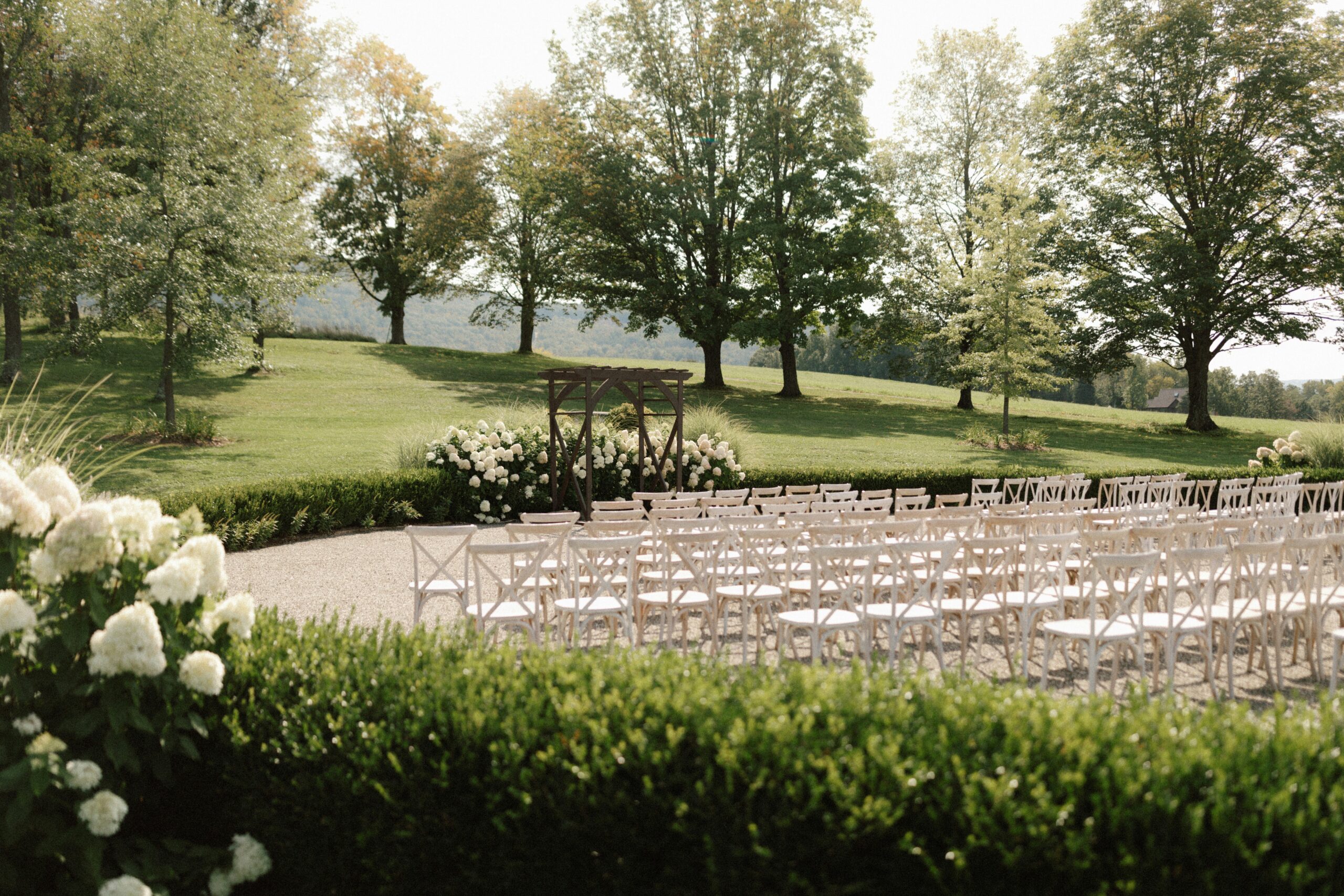
A tented wedding usually requires more logistical coordination because the event space is being created temporarily. The couple, planner, rental team, caterer, and venue or property owner may need to coordinate delivery windows, installation needs, access points, power, restrooms, flooring, and weather plans. A traditional venue may still involve detailed planning, but many of the operational pieces are already established. This does not make one option better than the other, but it does affect how much support and preparation may be needed before the wedding day.
Tent Setup, Delivery, and Breakdown
A tented wedding requires scheduled delivery, installation, inspection, setup, breakdown, and pickup. Larger tents may need more time to install, especially if flooring, lighting, or sidewalls are included.
Venue Rules and Vendor Coordination
Traditional venues still require coordination, but many have established systems for vendors, catering, setup, and guest flow.
Tent weddings may require more coordination between the rental company, caterer, florist, planner, entertainment team, and property owner.
Power, Restrooms, Flooring, and Parking
Outdoor tent weddings may need temporary power, restroom trailers, flooring, lighting, and parking plans. These details should be confirmed before booking the tent.
Traditional venues typically have these essentials already available.
Permits and Site Requirements for Tent Weddings
Some tented weddings may require permits, insurance certificates, or venue approvals. Requirements can vary by location, tent size, and property type.
Ask the rental company and property owner about requirements early in the planning process.
Weather Protection and Guest Comfort
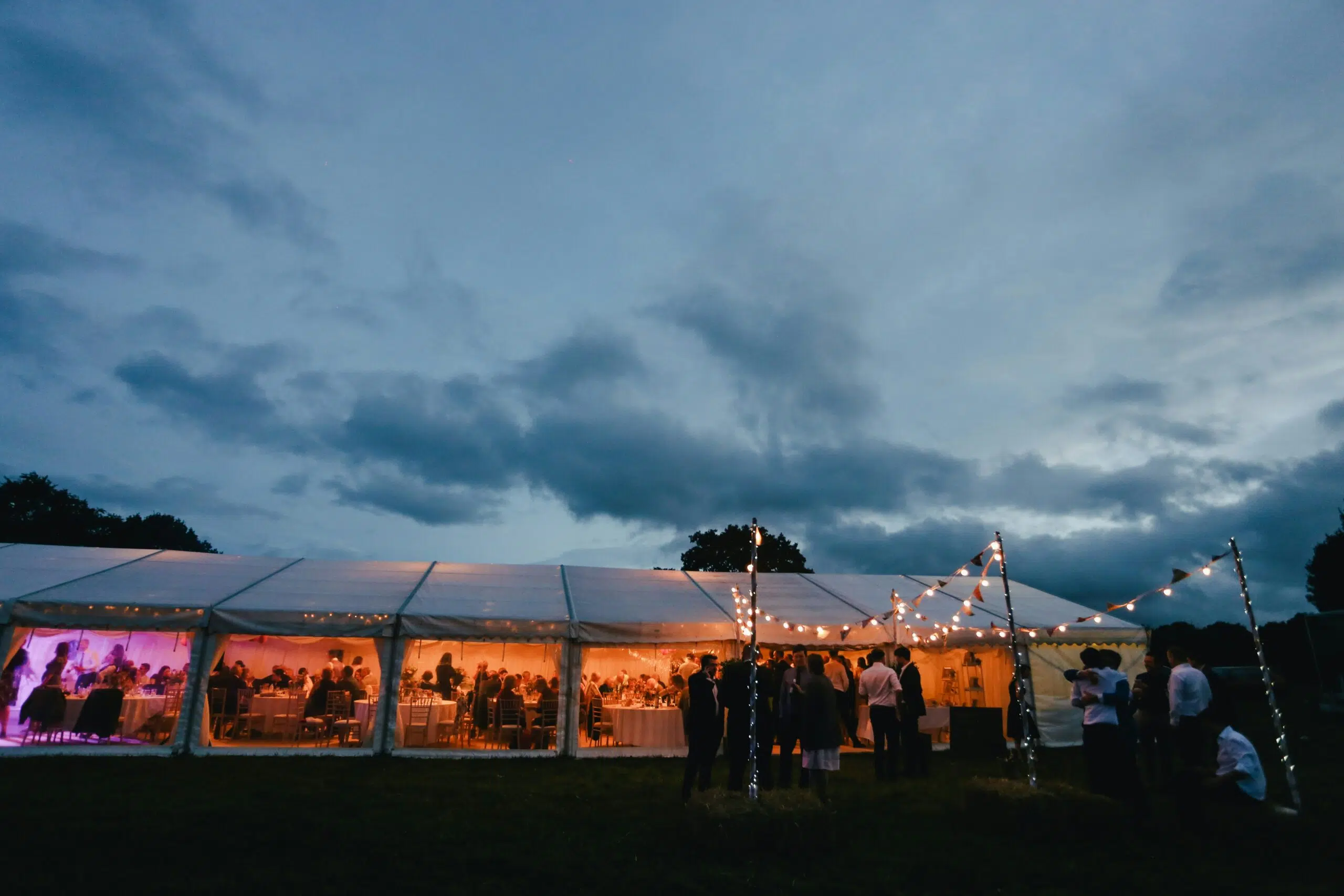
Guest comfort should be considered from the beginning, especially when comparing outdoor tented weddings with traditional venues. A tent can provide shade, coverage, and structure, but comfort depends on the full setup, including sidewalls, flooring, fans, heaters, lighting, and access to restrooms. Traditional venues usually offer more predictable protection because they include permanent walls, roofing, and climate-controlled interiors. For either option, the goal is to create a space that feels beautiful while still being practical, accessible, and comfortable for the full guest list.
How Wedding Tents Handle Outdoor Conditions
Wedding tents can provide shade and coverage, making outdoor events more comfortable. With the right setup, they can protect against sun, light rain, and wind.
Why Traditional Venues Offer More Built-In Protection
Traditional venues offer permanent walls, roofing, climate control, restrooms, and indoor gathering areas. This makes them more predictable during uncertain weather.
When Sidewalls, Flooring, Heating, or Cooling Are Needed
For tent weddings, sidewalls may be needed for wind or rain. Flooring may be needed on grass, sand, or uneven ground. Heaters or fans may be useful depending on the season and time of day. These additions improve comfort but should be included in the budget.
How to Plan for Guest Comfort in Either Option
For both options, think about seating, temperature, restrooms, accessibility, lighting, walkways, and guest flow. A beautiful wedding space still needs to be practical and comfortable.
When Is a Wedding Tent Rental the Better Choice?

A wedding tent rental may be the better choice when flexibility, personalization, and outdoor atmosphere are priorities. Tents work well for couples who want to create a custom event space instead of working within the limits of a fixed venue.
This is where outdoor event planning in Santa Barbara becomes especially important, because a tented wedding needs to account for the setting, guest flow, weather protection, rental layout, vendor access, and the comfort details that make an open-air celebration feel complete.
You Want an Outdoor or Scenic Location
If you want to get married in a garden, backyard, vineyard, estate, or open-air location, a tent can make the space functional while preserving the outdoor setting. It gives guests shelter and structure without taking away from the natural surroundings. This is especially helpful when the location has a meaningful view or personal value, such as a family property or favorite outdoor space.
You Want More Control Over the Layout
A tent allows you to decide where guests sit, where the dance floor goes, where the bar is placed, and how the event flows. You can create separate areas for the ceremony, dining, dancing, cocktail hour, and lounge seating. This level of control is useful when you want the layout to match your guest count, timeline, and wedding style.
You Want a Personalized Wedding Design
Tent rentals are ideal for couples who want to create a custom look from the ground up. The space can be styled to match almost any wedding theme, from rustic and garden-inspired to elegant and formal. Lighting, linens, furniture, florals, flooring, and décor can all be selected to fit the couple’s vision rather than adapting to an existing venue design.
You Have Access to a Suitable Outdoor Space
If you already have access to a private property or outdoor venue, a tent rental can help transform it into a complete wedding location. This can be a practical option when the space has enough room for the tent, guest seating, catering access, restrooms, and parking. Before choosing this route, confirm that the site can support delivery, setup, power needs, and guest movement.
When Is a Traditional Venue the Better Choice?
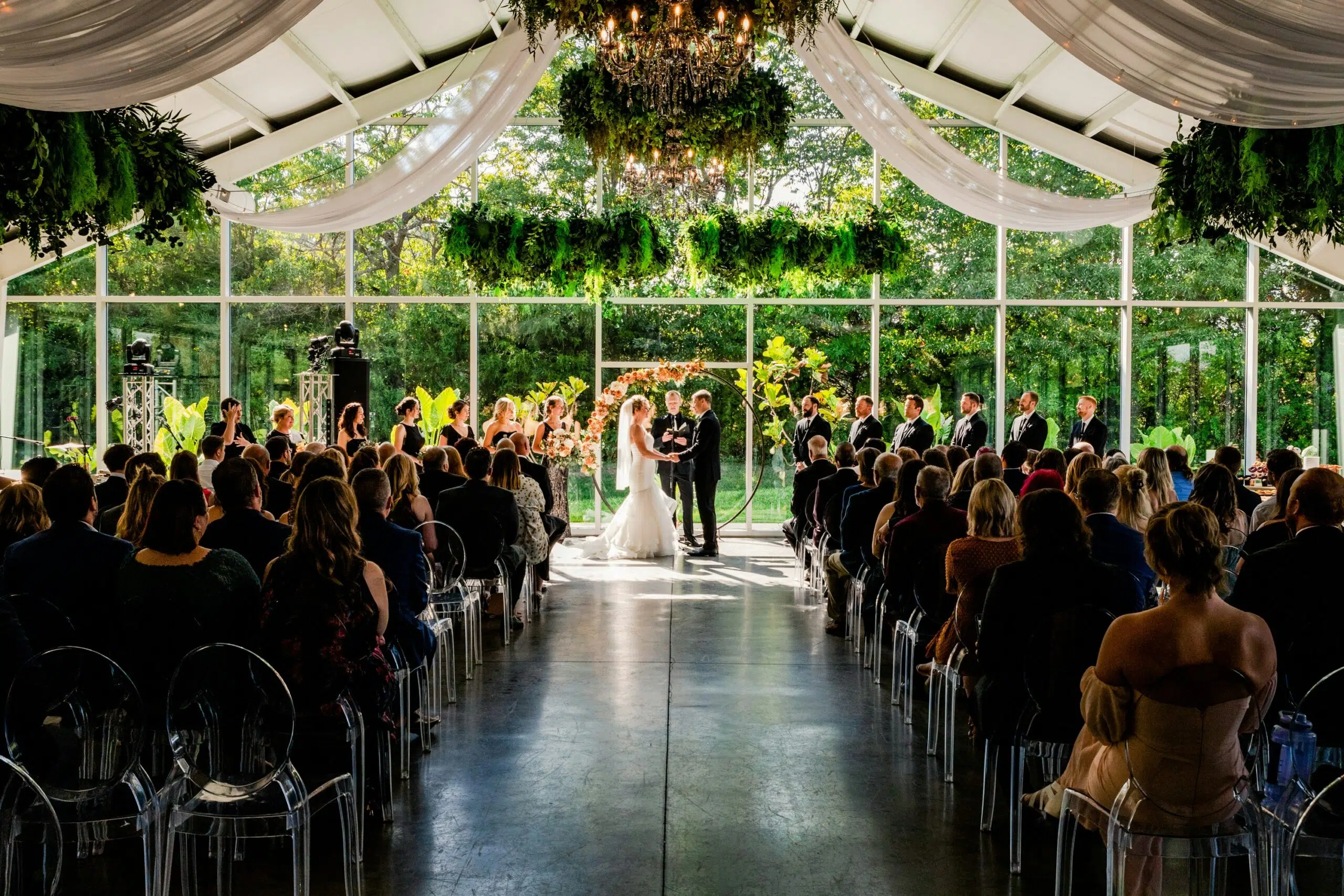
A traditional venue may be the better fit for couples who want a more streamlined planning experience. Since many venues already include important amenities such as restrooms, power, parking, staff support, and indoor gathering areas, there may be fewer separate rental decisions to manage. This can be especially helpful for larger weddings, formal receptions, events with complex catering needs, or weddings taking place during seasons when weather may be less predictable. For couples who value convenience and built-in structure, a venue can offer a more straightforward path from planning to execution.
You Want a Simpler Planning Process
Traditional venues often reduce the number of rental and setup decisions. Many include tables, chairs, staff, restrooms, lighting, and catering access. This can be helpful for couples who want fewer moving parts and a more structured planning experience.
You Need Built-In Amenities
If your wedding requires reliable power, permanent restrooms, kitchen facilities, parking, or climate control, a traditional venue may be easier to manage. These amenities are often already included or available on-site. This can reduce the need for separate rentals such as generators, restroom trailers, flooring, or extensive lighting.
You Prefer Weather-Protected Spaces
Indoor venues provide stronger protection from rain, wind, heat, or cold. This can be important for weddings during less predictable seasons or for couples who do not want to worry about outdoor conditions. A traditional venue can also provide a more comfortable option for guests who may need easier access, stable flooring, or climate-controlled spaces.
You Want Fewer Rental and Setup Decisions
If you do not want to coordinate a full outdoor setup, a traditional venue may offer a more straightforward path. Many venues already have a standard layout, vendor process, and event schedule. This does not eliminate planning, but it can reduce the number of separate rental items and setup details you need to manage.
Can You Combine a Tent Rental With a Traditional Venue?

Couples do not always have to choose one option over the other. In many cases, a tent rental can be added to a traditional venue to create more flexibility, extend usable space, or bring an outdoor element into the celebration. This approach can work well for ceremonies, cocktail hours, lounge areas, reception overflow, or weather backup plans. Combining both options allows couples to enjoy the atmosphere of an outdoor setting while still benefiting from the venue’s existing amenities and support.
Outdoor Ceremony With Indoor Reception
You can hold the ceremony outdoors, then move guests inside for dinner and dancing. This gives you scenery for the ceremony and convenience for the reception. It is a popular option for couples who want outdoor photos and a romantic ceremony setting without relying on an outdoor space for the full event.
Tented Reception at a Venue Property
Some venues allow tents on lawns, courtyards, patios, or garden areas. This can expand usable space while still giving access to venue amenities such as restrooms, kitchens, parking, and staff support.
A tented reception can also make the wedding feel more custom while keeping the practical benefits of a venue.
Cocktail Hour Under a Tent
A smaller tent can be used for cocktail hour, bar service, lounge seating, or shaded guest areas. This works well when the main reception is indoors but guests need a comfortable outdoor transition space. It can also help define a separate area for drinks, appetizers, and conversation before dinner begins.
Backup Tent for Weather Protection
A tent can also serve as a backup option for outdoor portions of the wedding. This gives couples more flexibility if the weather changes. For example, a tent can protect an outdoor ceremony area, cover a cocktail space, or provide extra shelter near the reception entrance.
Frequently Asked Questions
Is a wedding tent rental cheaper than a traditional venue?
It can be, especially if you already have access to an outdoor space. However, total cost depends on the tent size, rentals, setup, power, restrooms, flooring, and weather protection needed.
Do wedding tents work for formal weddings?
Yes. Wedding tents can be styled for formal events with flooring, lighting, draping, elegant furniture, and refined table settings.
What does a traditional wedding venue usually include?
Many traditional venues include restrooms, power, basic lighting, staff, catering access, tables, chairs, parking, and indoor event space. Inclusions vary by venue.
What extra rentals are needed for a tent wedding?
Common rentals include tables, chairs, linens, lighting, flooring, sidewalls, dance floor, bar tables, lounge furniture, heaters, fans, and sometimes restroom trailers or generators.
Which option is better for outdoor weddings?
A tent rental is usually better if you want an outdoor setting with custom design flexibility. A traditional venue may be better if you want outdoor elements but need strong indoor backup.
Can Ventura Rental help with wedding tent rentals?
Yes. Ventura Rental can help with wedding tent rentals, tables, chairs, lighting, flooring, linens, and other event rental needs for outdoor wedding setups.
Conclusion
Choosing between a wedding tent rental and a traditional venue depends on how you want the wedding to feel, how much flexibility you need, and how much logistical support you want built into the space. A tented wedding gives couples more creative control and a stronger connection to the outdoor setting, while a traditional venue offers convenience, structure, and built-in protection. By comparing total costs, required rentals, guest comfort, setup needs, and weather plans, couples can choose the option that best supports both their vision and the practical needs of the day.