
Choosing the right tent is one of the most important decisions when planning an outdoor wedding. A wedding tent does more than provide cover. It shapes the layout, protects guests from weather, supports your décor, and helps create a comfortable space for the ceremony, reception, dining, and dancing.
The best wedding tent rental advice is to start with practical details before choosing the style. Your guest count, venue surface, wedding layout, weather needs, and budget all affect which tent will work best. A tent that looks beautiful but does not fit the venue or guest flow can create problems on the wedding day.
This guide explains how to choose the right wedding tent size, type, layout, accessories, and rental company so you can plan with more confidence.
Start With Your Wedding Guest Count
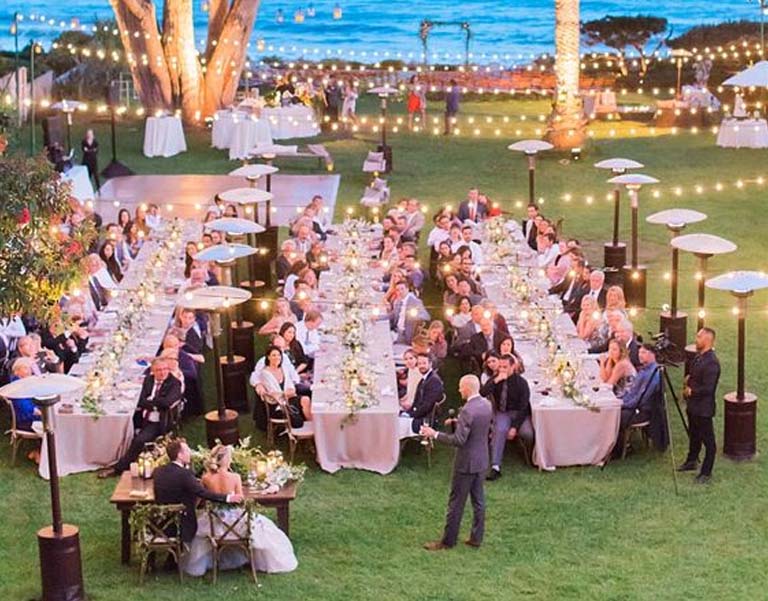
Your guest count is the first detail to confirm before renting a wedding tent. The number of guests determines the minimum tent size, but it should not be the only factor. You also need to consider how guests will be seated, where vendors will work, and how people will move through the space.
Why Guest Count Determines Tent Size
A small wedding may only need a compact tent for dining or ceremony seating, while a larger wedding may require a full reception tent with space for tables, a dance floor, a bar, catering stations, and entertainment.
As a general rule, seated receptions require more space than standing cocktail-style events. If your wedding includes a plated dinner, buffet, or family-style meal, you will need enough room for tables, chairs, service aisles, and guest movement.
How Seating Style Affects Space Requirements
Different seating layouts change how much tent space you need. Round tables usually require more room because guests need space to pull out chairs and servers need space to move between tables. Long banquet tables can sometimes fit more guests in a structured layout, but they still require clear walkways.
Ceremony seating may need less space than reception seating, especially if guests are seated in rows. However, if the same tent will be used for both the ceremony and reception, your rental plan should account for the transition between setups.
Why You Should Include Space for More Than Tables and Chairs
A common planning mistake is sizing the tent based only on the number of tables and chairs. A wedding tent should also allow room for:
- Dance floor
- DJ or band
- Head table or sweetheart table
- Bar area
- Buffet or catering stations
- Gift table
- Cake table
- Lounge seating
- Guest walkways
Adding these details early helps prevent overcrowding and makes the event feel more organized.
Choose the Right Wedding Tent Size
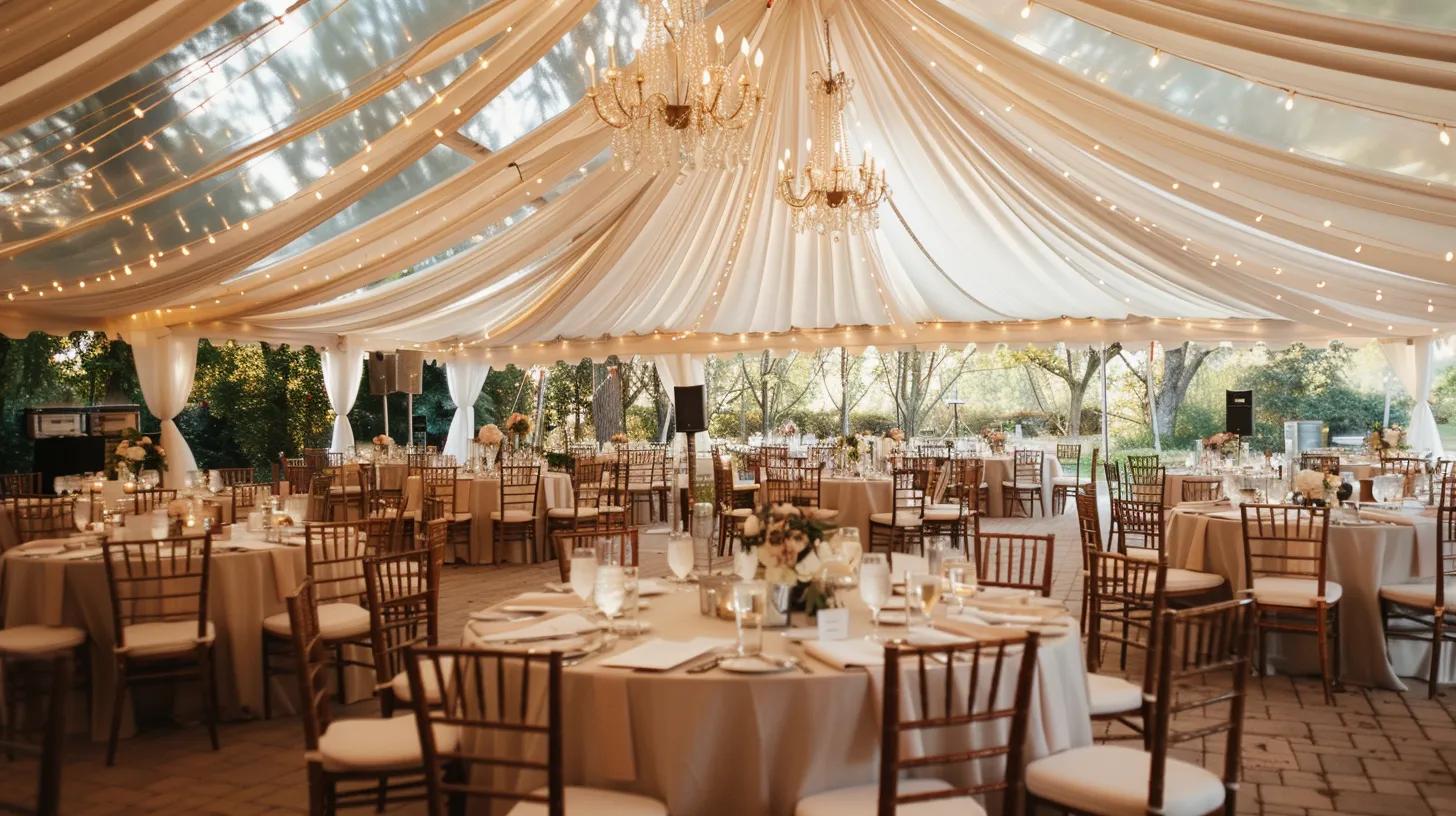
Choosing the right tent size depends on your guest count, event format, and the number of features you want inside the tent. A tent should feel comfortable, not cramped.
Small Wedding Tent Sizes
Small wedding tents are ideal for intimate ceremonies, backyard weddings, micro-weddings, and small receptions. A smaller tent may be used for ceremony seating, dinner service, or a covered lounge area.
These tents work well when the event has a limited guest count and fewer add-ons. However, even a small wedding may need extra space if you plan to include a dance floor, buffet, bar, or live music.
Medium Wedding Tent Sizes
Medium tents are commonly used for weddings with moderate guest counts. They usually provide enough space for seated dining, basic décor, and limited entertainment areas.
This size range works well for garden weddings, private estate weddings, and outdoor receptions where the couple wants a balanced layout without creating an oversized space.
Large Wedding Tent Sizes
Large wedding tents are best for bigger guest lists, formal receptions, and events with multiple activity zones. These tents can support dining areas, dance floors, bars, staging, lounge furniture, and vendor space.
Large tents also allow more flexibility with layout and design. They are a strong choice when you want the tent to feel like a complete outdoor venue rather than a simple covered area.
Extra Space Needed for Dance Floors, Bars, Catering, and Lounge Areas
Before finalizing the tent size, make a list of everything that must fit under the tent. A dance floor, catering station, or bar can significantly change the space requirement.
For example, if you want a seated dinner followed by dancing, the tent must allow enough room for guests to move from tables to the dance floor without blocking service areas. If you plan to include lounge furniture, make sure it does not interrupt the flow between dining, entertainment, and exits.
Compare Common Wedding Tent Types
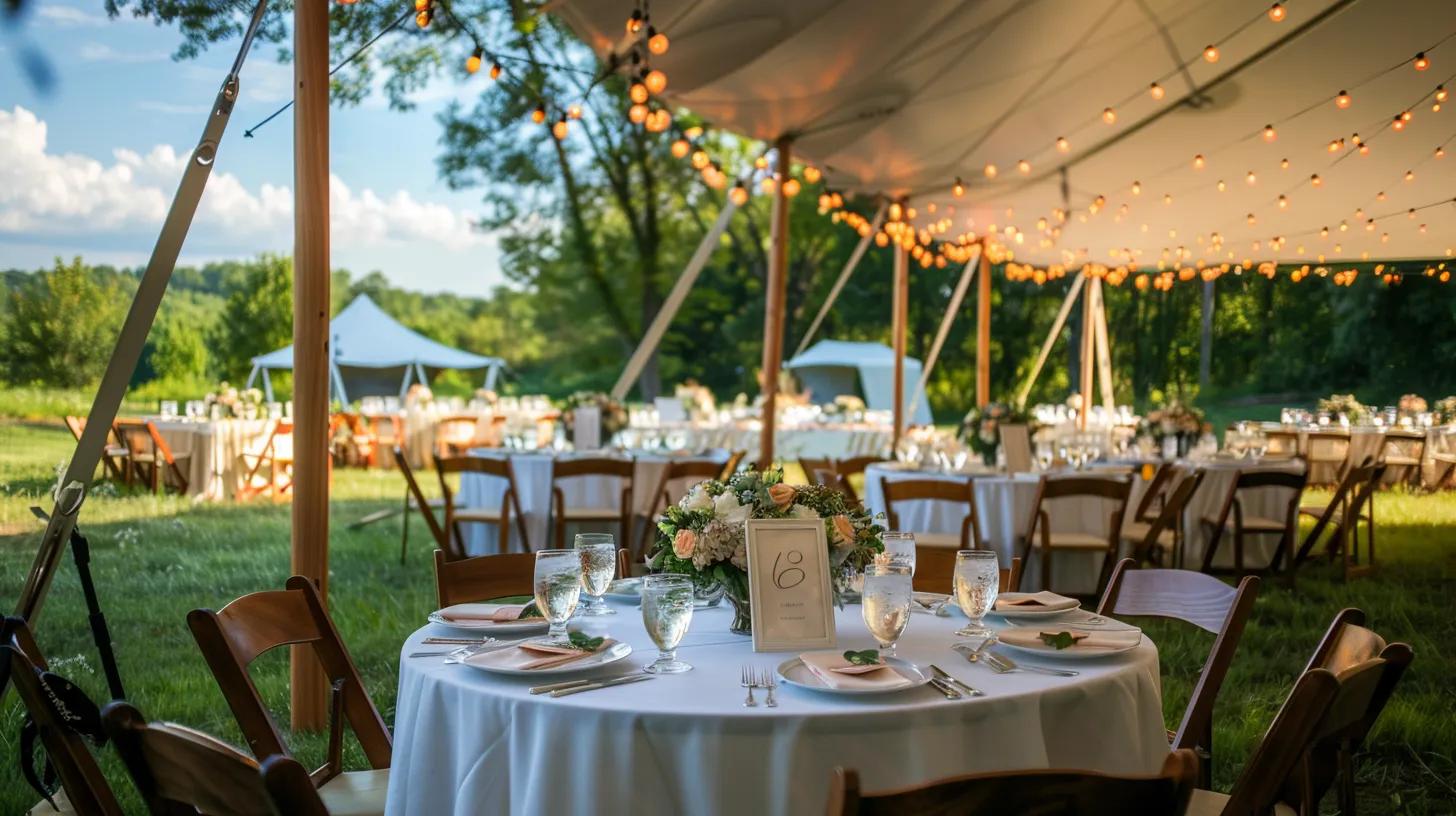
Not all wedding tents are the same. Each tent type has different benefits depending on the venue, surface, layout, and wedding style.
Pole Tents
Pole tents are known for their high peaks and classic wedding appearance. They create an elegant look and work especially well for traditional outdoor receptions. These tents usually require staking, so they are best suited for grass or soft ground. They also need extra space around the tent for ropes and anchors. If your venue has enough open lawn space and you want a romantic, formal look, a pole tent can be a strong option.
Frame Tents
Frame tents are popular because they do not require center poles inside the tent. This creates an open interior that is easier to arrange for tables, dance floors, bars, and décor. Frame tents can often be installed on grass, concrete, asphalt, or other hard surfaces, depending on the anchoring method. They are a practical choice for venues where layout flexibility is important.
Clear-Span Tents
Clear-span tents provide wide, open interiors without interior support poles. They are often used for larger weddings or more complex layouts. These tents are useful when you need a clean, uninterrupted floor plan for formal dining, staging, lighting, or large guest counts. They can also support a more polished, venue-like appearance for outdoor weddings.
Sailcloth Tents
Sailcloth tents are often chosen for their soft, romantic appearance. Their curved lines and light fabric create a warm atmosphere that works well for coastal, garden, rustic, and estate weddings. They are especially appealing for couples who want the tent itself to contribute to the overall wedding design. Sailcloth tents pair well with string lighting, floral décor, and natural surroundings.
Enclosed Tents
Enclosed tents include sidewalls or panels that help protect guests from wind, rain, cooler temperatures, or strong sun. They can make an outdoor wedding feel more controlled and comfortable. If your wedding date falls during a season when weather may change, or if your venue is exposed to coastal wind, an enclosed tent may be worth considering.
Match the Tent Style to Your Wedding Venue
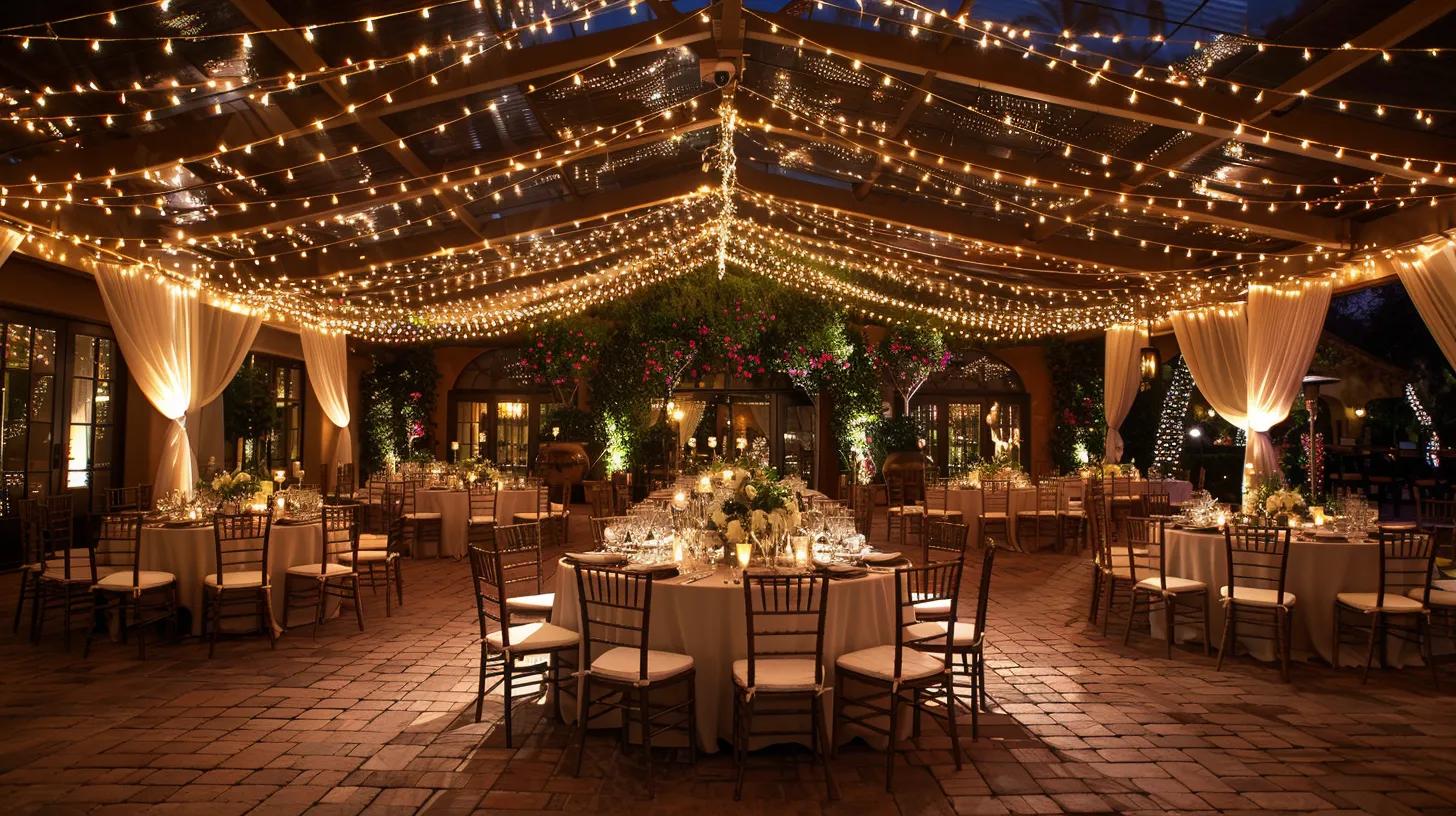
The best tent should fit both the practical needs of the venue and the visual style of the wedding. A tent that works beautifully for a vineyard may not be the best choice for a beach or backyard wedding.
Backyard Weddings
Backyard weddings often require careful planning because space may be limited. A frame tent can be useful for backyard settings because it provides an open interior and can adapt to different surfaces.
Before booking a tent for a backyard wedding, measure the available space and check for trees, fences, slopes, patios, power lines, and access points. Your rental company should confirm that the tent can be safely installed.
Garden and Estate Weddings
Garden and estate weddings often pair well with elegant tent styles such as pole tents, sailcloth tents, or clear-span tents. These settings usually benefit from tents that enhance the natural surroundings without overwhelming the venue. For these weddings, consider how the tent will look with floral arrangements, pathways, lighting, and outdoor furniture. The tent should feel integrated into the venue design.
Beach or Coastal Weddings
Beach and coastal weddings require extra attention to wind, surface conditions, and weather protection. A tent for a coastal wedding should be selected with stability and guest comfort in mind.
Sidewalls, weighted anchoring, and proper flooring may be needed depending on the location. Because coastal settings can become cooler in the evening, heaters or enclosed sections may also be useful.
Vineyard and Outdoor Reception Spaces
Vineyards and open outdoor reception areas often provide beautiful views and generous space for tented weddings. These locations work well for larger tents, lounge areas, dance floors, and open-air layouts. When planning a vineyard wedding, consider the distance between the tent, restrooms, catering area, parking, and ceremony space. A strong layout helps guests move comfortably throughout the event.
Plan for Weather Before You Book
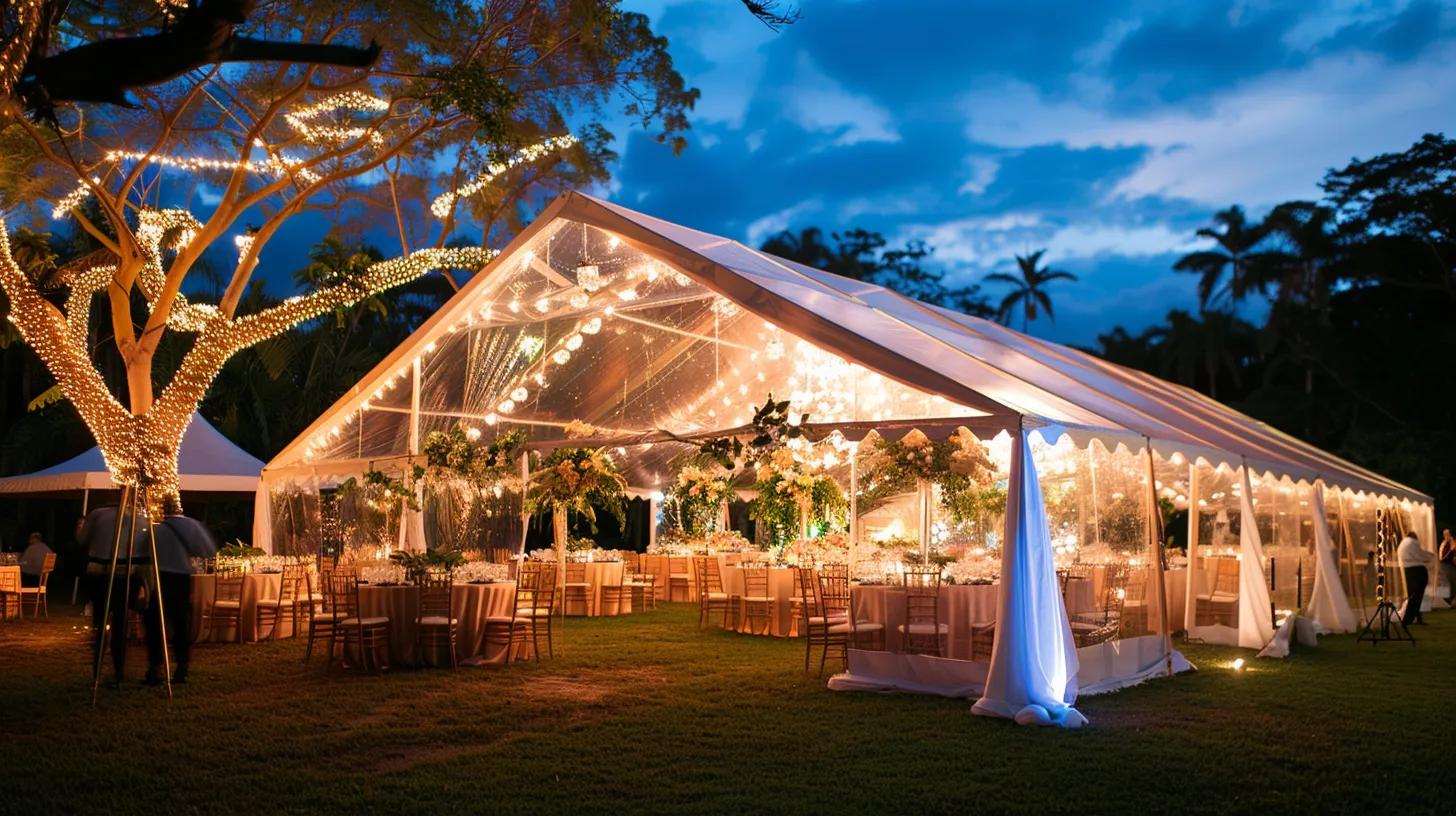
Weather planning should happen before you finalize the tent rental. Even in mild climates, outdoor weddings can be affected by sun, wind, rain, or cooler evening temperatures. This is also one of the most practical parts of planning outdoor events in Santa Barbara, where coastal breezes, afternoon sun, evening temperature changes, and open-air venues can all influence the right tent style, sidewall plan, flooring needs, and guest comfort details.
Why Sidewalls Are Important
Sidewalls help protect guests from wind, rain, and temperature changes. They can be added to all sides of the tent or used only where protection is needed. Clear sidewalls can preserve views while still adding protection. Solid sidewalls may be better when privacy, wind protection, or stronger coverage is needed.
When to Add Flooring
Flooring is helpful when the wedding is on grass, dirt, sand, uneven ground, or any surface that may become soft or muddy. It also creates a more finished look inside the tent. Flooring is especially important if you plan to have a dance floor, formal dining setup, or guests wearing dress shoes and heels. It improves comfort, accessibility, and appearance.
Heating, Cooling, and Ventilation Considerations
Guest comfort depends on temperature and airflow. For warm-weather weddings, ventilation, fans, or open sidewalls may be needed. For cooler evenings, heaters can help keep the tent comfortable.
The right climate-control setup depends on the season, time of day, location, and tent style. Ask your rental company what options are appropriate for your venue.
Backup Plans for Rain, Wind, or Cooler Temperatures
A tent is part of your weather plan, but it should not be the only plan. Discuss backup options with your rental company and venue before the wedding day. Confirm when sidewalls would be installed, where guests would go during sudden weather changes, and whether sensitive items such as sound equipment, décor, or catering stations need extra protection.
Think Through the Wedding Layout
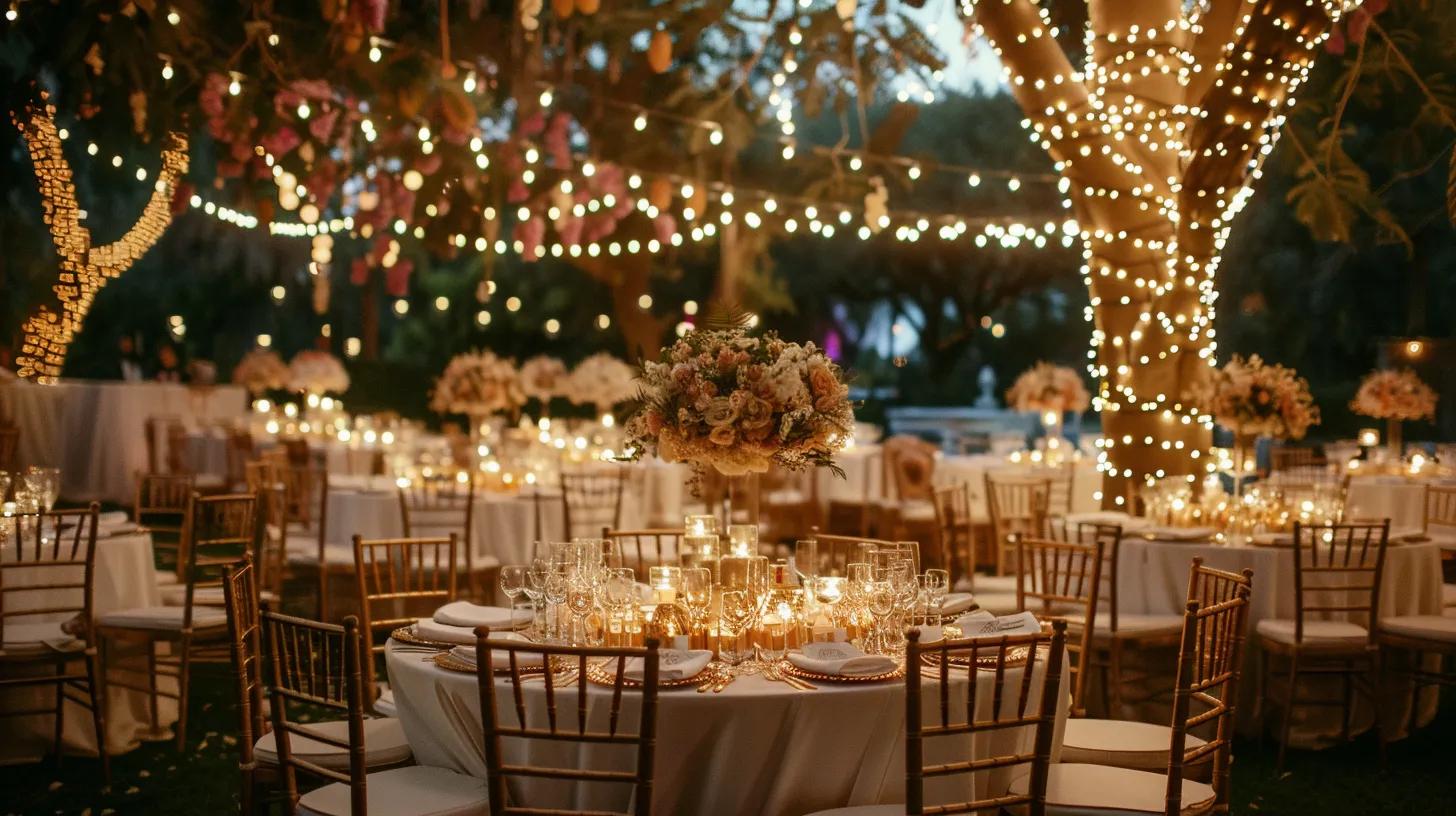
A tent should support the full flow of the wedding. The layout affects guest comfort, vendor efficiency, photography, and the overall event experience.
Ceremony vs. Reception Tent Needs
Some couples use one tent for the ceremony and another for the reception. Others use the same tent for both, with a layout change between the two parts of the event.
If the same tent will be flipped from ceremony to reception, make sure there is enough time, staff, and equipment to complete the transition smoothly.
Table Placement and Guest Flow
Tables should be arranged so guests can move easily between seating, food, drinks, restrooms, and the dance floor. Avoid placing tables too close together or blocking main walkways.
A clear layout also helps servers, photographers, planners, and entertainment teams move through the tent without disrupting guests.
Space for Catering and Vendor Access
Catering teams need room to work. This may include buffet tables, prep areas, service paths, beverage stations, and access to kitchen or staging areas.
Vendor access should be planned before the tent is installed. Delivery vehicles, catering staff, musicians, and rental teams all need clear routes to reach the event area.
Dance Floor, Stage, and Entertainment Areas
If your wedding includes dancing, a DJ, a band, or speeches, reserve space for entertainment early in the layout process. The dance floor should be easy to access but not placed where it blocks dining or service areas.
Stages, speakers, and lighting may also affect tent size and power needs, so they should be included in the rental plan.
Budget for the Full Tent Rental Setup
Wedding tent rental costs depend on more than the tent itself. The final price may include installation, delivery, accessories, labor, permits, and add-on rentals.
What Affects Wedding Tent Rental Cost
Several factors can affect the cost of a wedding tent rental, including:
- Tent size
- Tent style
- Rental duration
- Venue location
- Surface type
- Installation complexity
- Weather accessories
- Flooring and lighting needs
Larger tents and specialty tent styles usually cost more than basic structures. Venues with difficult access may also require additional labor.
Delivery, Setup, and Breakdown Fees
Professional setup and takedown are essential for wedding tents. These services may be included in the quote or listed separately.
Ask whether delivery, installation, breakdown, and pickup are included. This helps you compare quotes accurately and avoid unexpected charges.
Add-On Rentals That May Increase the Budget
Common add-ons include:
- Sidewalls
- Flooring
- Lighting
- Tables
- Chairs
- Linens
- Dance floors
- Staging
- Heaters or fans
- Power equipment
These items can improve the guest experience, but they should be included in your budget from the beginning.
Why a Detailed Quote Matters
A detailed quote helps you understand exactly what is included in the rental package. It should clearly list the tent type, size, rental period, delivery, setup, breakdown, accessories, and any additional fees.
This makes it easier to compare rental companies and choose the option that fits your wedding needs.
Ask the Right Questions Before Renting a Wedding Tent
Before signing a rental agreement, ask clear questions about the tent, installation, costs, and weather options. The answers will help prevent planning issues later.
Is the Tent Suitable for the Venue Surface?
Different tents require different installation methods. Some work best on grass, while others can be installed on concrete, asphalt, patios, or other hard surfaces.
Ask whether the tent can be safely installed at your venue and what anchoring method will be used.
What Is Included in the Rental Quote?
Confirm whether the quote includes delivery, setup, breakdown, sidewalls, flooring, lighting, or other accessories. If something is not included, ask for pricing before making a final decision.
Who Handles Setup and Takedown?
Wedding tents should be installed by experienced professionals. Ask who will handle setup and takedown, when installation will happen, and how long the process will take.
This is especially important if other vendors need access to the space after the tent is installed.
Are Permits or Venue Approvals Required?
Some venues or local areas may require approval for tent installation. Requirements may depend on tent size, location, guest count, or event type.
Ask your rental company and venue whether permits, inspections, or site approvals are needed before the wedding.
What Happens if the Weather Changes?
Ask what options are available if the forecast changes before the wedding. This may include adding sidewalls, heaters, fans, flooring, or other protective features.
It is better to discuss these options early than to make rushed decisions close to the event date.
Frequently Asked Questions
How far in advance should I rent a wedding tent?
It is best to rent your wedding tent as early as possible, especially if your wedding is during a busy season. Booking early gives you better access to tent sizes, styles, and accessories.
What size tent do I need for my wedding?
The right tent size depends on your guest count, seating style, dance floor, catering setup, bar area, and entertainment needs. A rental company can help calculate the correct size based on your full event layout.
Do wedding tents need flooring?
Not always, but flooring is recommended for uneven ground, grass, sand, soft surfaces, formal receptions, and weddings with dancing. Flooring improves comfort, safety, and appearance.
Can wedding tents be decorated?
Yes. Wedding tents can be decorated with lighting, draping, flowers, linens, furniture, and other design elements. The right décor can make a tent feel like a custom wedding venue.
Are sidewalls necessary for a wedding tent?
Sidewalls are useful when you need protection from wind, rain, cooler temperatures, or strong sun. They are especially helpful for evening weddings, coastal venues, and unpredictable weather conditions.
How much does a wedding tent rental cost?
Wedding tent rental cost depends on the tent size, tent type, rental duration, venue location, installation needs, and accessories. The best way to understand pricing is to request a detailed quote that includes all required rental items and services.
Conclusion
The best wedding tent rental advice is to plan the tent around your guest count, venue, layout, weather needs, and overall wedding style. A well-chosen tent provides more than shelter. It creates structure, comfort, and atmosphere for one of the most important parts of your wedding day.
Before booking, compare tent types, confirm the right size, think through the layout, and ask detailed questions about setup, accessories, and weather protection. These steps can help you avoid common planning issues and create a smoother event experience.
If you are planning an outdoor wedding, Ventura Rental can help you choose the right tent and event rentals for your celebration. Contact Ventura Rental to discuss wedding tent rental options, layout support, and professional installation services.