
A strong wedding rental plan considers how guests move through the day. Where do they arrive? What do they see first? Where do they sit during the ceremony? How do they transition to cocktail hour? Where do they gather for drinks? How does the reception reveal feel? Where will guests dance, lounge, and move after dinner?
For Santa Barbara weddings, rentals also need to work with the setting. Historic venues, Spanish-style courtyards, garden estates, coastal views, private homes, and indoor reception spaces each require a different approach. The goal is to choose rentals that complement the venue, support guest comfort, and create a cohesive design from ceremony to reception.
Build the Rental Plan Around the Wedding Timeline
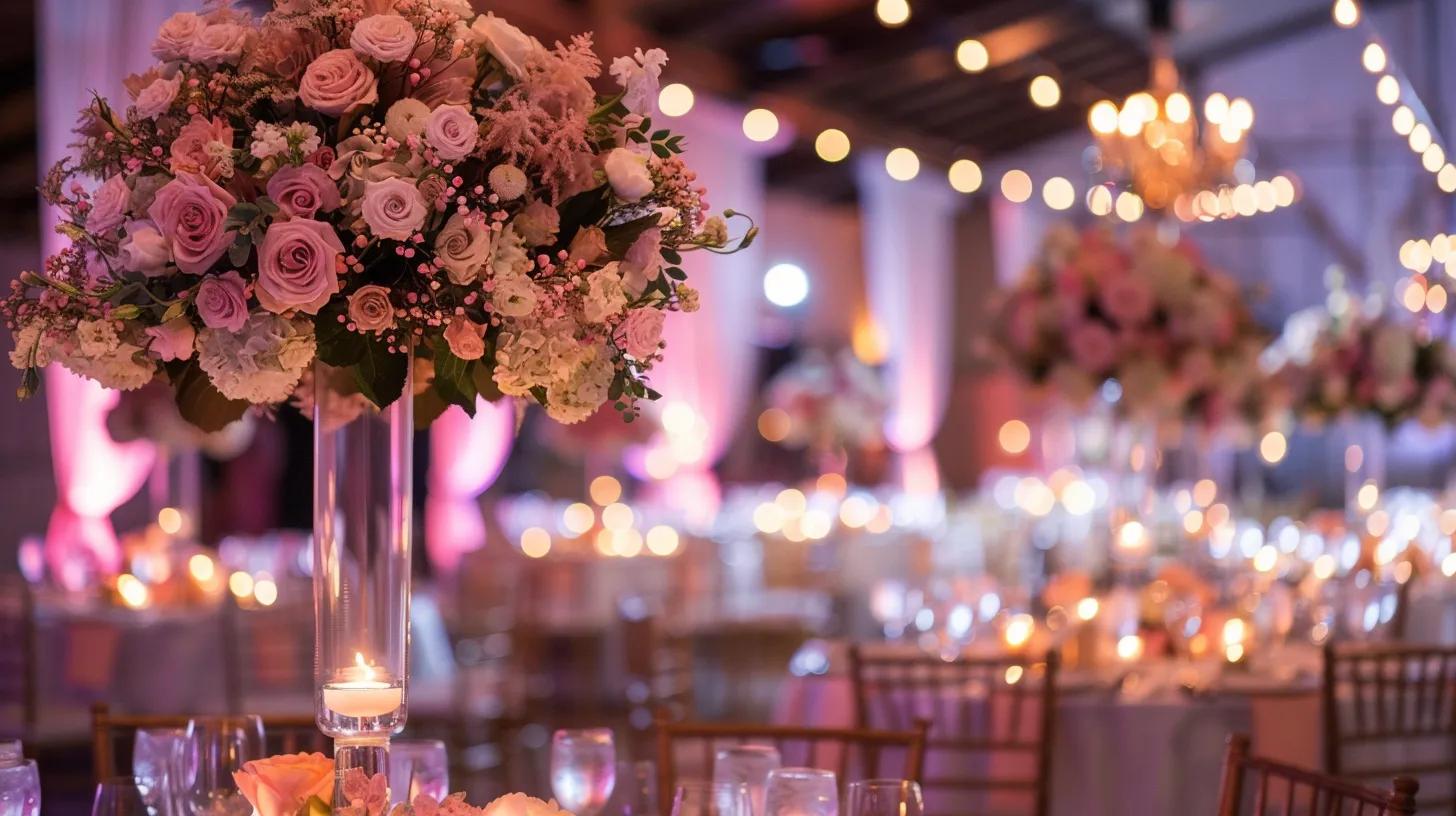
A wedding rental plan should follow the actual flow of the wedding day. Each stage needs its own rental support, but the full event should still feel cohesive.
Guest Arrival
Guest arrival creates the first impression. This area may include a welcome table, signage, gift table, guestbook table, welcome drinks, entry lighting, or a small decorative moment that introduces the wedding style.
The arrival area should be easy to find and easy to move through. Guests should immediately understand where to go next. For outdoor venues or private homes, lighting and pathways may also need to be considered if guests will arrive close to evening.
A well-planned arrival area helps the wedding feel organized from the beginning.
Ceremony
The ceremony is one of the most photographed and emotionally important parts of the wedding day. Rentals should support both comfort and visual clarity.
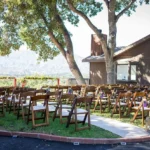
Key ceremony rentals may include chairs, reserved seating signs, an aisle layout, ceremony backdrop or arch, welcome table, guestbook table, and shade if needed. The seating arrangement should frame the ceremony focal point and allow guests to see comfortably.
For outdoor ceremonies, consider the surface, sun exposure, aisle width, and access for photographers, planners, and family members. The ceremony should look beautiful, but it should also feel comfortable and easy for guests to navigate.
Cocktail Hour
Cocktail hour is the transition between ceremony and reception. It should feel relaxed, social, and easy to move through.
Rental needs may include cocktail tables, bar setup, glassware, lounge furniture, appetizer service tables, small accent tables, and lighting if the event is later in the day. The bar should be easy to find, but it should not create a line that blocks guest movement.
This part of the wedding often sets the tone for the rest of the evening. A well-planned cocktail hour gives guests places to gather, drink, talk, and enjoy the venue while the reception space is prepared or revealed.
Dinner
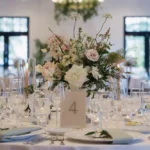
Dinner rentals should be planned as a complete system. Dining tables, chairs, linens, tabletop rentals, chargers, glassware, flatware, serving pieces, table numbers, and lighting all work together to create the reception experience.
The dining layout should support conversation and service flow. Guests need enough space to sit comfortably, and catering teams need clear routes between tables. The table design should also match the formality of the wedding and the character of the venue.
For plated dinners, the place setting and service routes are especially important. For family-style meals, table width and serving space become a priority. For outdoor receptions, lighting and surface stability should also be considered.
Reception and Dancing
After dinner, the event usually shifts into speeches, dancing, music, and more relaxed movement. Rentals should support this transition.
The dance floor should be placed where guests can see and access it easily. The DJ or band setup should have enough space and power. Lounge seating should be near enough to the action for guests to stay connected, but not so close that it interferes with dancing.
Lighting is especially important during this part of the evening. Dance floor lighting, bar lighting, lounge lighting, and pathway lighting help create atmosphere while keeping the event functional.
Send-Off or Late-Evening Transition
The end of the night should be planned just as carefully as the beginning. Guests may need clear pathways, lighting, lounge comfort, late-night snack tables, or a defined send-off area.
Vendor breakdown should also be considered. Rental placement, access routes, and pickup timing can affect how smoothly the event ends. A clear late-evening plan helps avoid confusion and keeps the guest experience polished through the final moment.
Coordinate Rentals So the Wedding Feels Cohesive
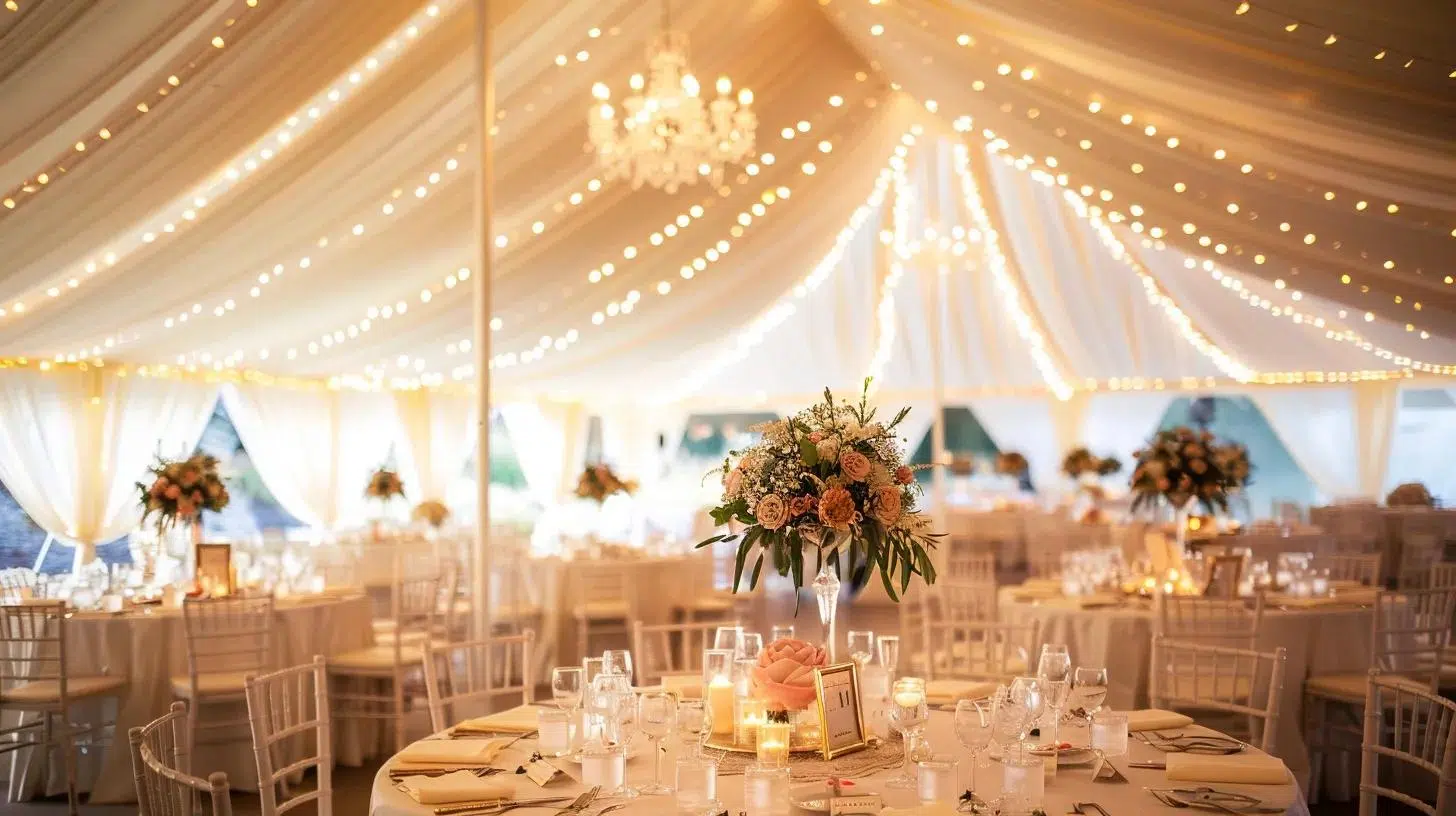
A cohesive wedding does not happen by choosing beautiful rentals one category at a time. It happens when the rental plan is coordinated across the full event.
Tables, Chairs, and Linens Should Work Together
Tables, chairs, and linens create the foundation of the reception. They should feel consistent with the venue, color palette, formality level, and meal style.
A formal ballroom reception may call for more refined seating and full linens. A garden reception may pair natural table textures with softer linens and romantic chairs. A coastal wedding may benefit from lighter tones and less visual weight.
The goal is not necessarily to match everything exactly. The goal is to make each rental choice feel intentional.
Tabletop Rentals Should Complete the Guest Experience
Tabletop rentals are some of the most personal guest-facing details. China, glassware, flatware, chargers, napkins, menus, serving pieces, and table numbers all shape how the dinner feels.
A simple tabletop can feel elegant when the pieces are coordinated. A more layered tabletop can create a formal or highly styled look. The tabletop should support the meal, the design, and the comfort of the guests.
Lounge Furniture Should Match the Wedding Tone
Lounge furniture should match the overall tone of the wedding. A romantic garden wedding may call for soft seating, warm textures, and gentle lighting. A modern wedding may need cleaner silhouettes and more structured pieces. A coastal wedding may benefit from relaxed, neutral lounge arrangements.
The lounge should not feel like an afterthought. It should feel like part of the full event design.
Bars and Display Pieces Should Feel Intentional
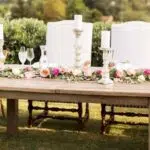
Bars, back bars, shelving, escort-card displays, cake tables, welcome tables, and dessert tables can become styled focal points. These pieces should coordinate with the wedding design instead of feeling purely functional.
A bar can be a major visual anchor. An escort-card display can introduce the reception style. A cake table can create a photo-worthy moment. These rental pieces help shape the guest experience beyond the dining table.
Lighting Should Tie the Event Together
Lighting connects the ceremony, cocktail hour, dinner, bar, lounge, and dance areas once the event moves into evening. It helps guests understand where to go and gives the event atmosphere after sunset.
Lighting should be layered. Pathway lighting supports safety and movement. Bar lighting supports service. Dining lighting creates warmth. Dance floor lighting builds energy. Accent lighting highlights architecture, trees, lounges, or focal points.
Match Wedding Rentals to the Santa Barbara Venue

Santa Barbara wedding venues vary widely, so the rental plan should reflect the specific setting.
Historic and Spanish-Style Venues
Historic and Spanish-style venues often include arches, tile, stone, courtyards, warm architecture, and classic Santa Barbara character. Rentals should complement those features with pieces that feel refined and integrated.
Warm-toned furniture, elegant tabletop rentals, thoughtful lighting, and structured layouts can work well in these spaces. The goal is to enhance the architecture rather than cover it.
Garden and Estate Venues
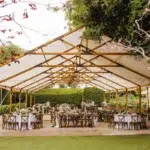
Garden and estate venues often include lawns, greenery, florals, outdoor dining spaces, and romantic reception layouts. Rentals should support the natural setting while creating clear event zones. We cover this further in How to Build a Complete Outdoor Reception in Santa Barbara.
Ceremony seating, lounge furniture, dining tables, lighting, and pathway planning all matter in these venues. Surface stability and guest movement should also be reviewed, especially for outdoor areas.
Coastal and Beach-Adjacent Venues
Coastal and beach-adjacent weddings should preserve the view and account for open-air conditions. Layouts should feel spacious, clean, and balanced.
Wind-aware placement is important for signage, tabletop pieces, florals, linens, and lightweight décor. Seating, bars, and display tables should be placed where they support the guest experience without blocking the setting.
Private Homes and Backyard Weddings
Private homes can become beautiful wedding venues with the right rental plan. They may require more planning around delivery access, restrooms, power, surface conditions, lighting, and layout.
A backyard wedding may need to create every event zone from scratch: arrival, ceremony, cocktail hour, dining, bar, lounge, dance area, restrooms, and service areas. Because of this, a clear floor plan is essential.
Indoor Reception Spaces
Indoor reception spaces may provide more structure, but they still require thoughtful rental planning. Table layouts, lighting, dance floor placement, cocktail-hour transitions, and guest circulation should be reviewed carefully.
Indoor venues may also have restrictions on setup timing, power, décor installation, and vendor access. Confirming these details early helps the rental plan stay realistic.
Design the Wedding Around Key Guest Moments
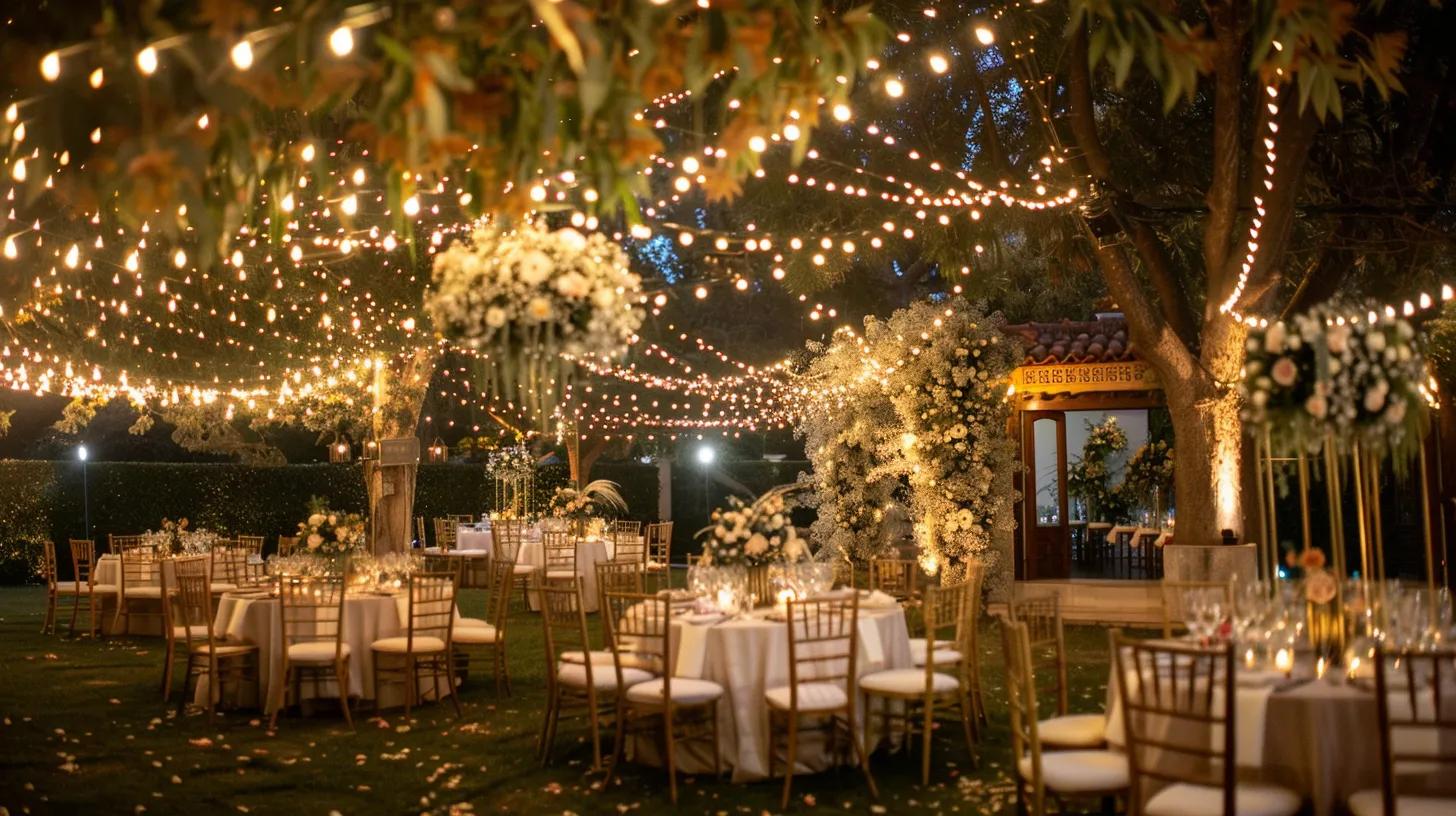
A wedding is remembered through moments. Rentals should support those moments visually and practically. For more detail, see our article The Complete Guide to Wedding Rentals in Santa Barbara CA.
The First Look Guests Have of the Ceremony
The ceremony is often the first major visual moment guests experience. Chair rows, aisle design, backdrop placement, reserved seating, and floral accents all contribute to the impression.
Symmetry, spacing, and clear sightlines help the ceremony feel polished. The ceremony design should also photograph well from multiple angles.
The First Drink at Cocktail Hour
Cocktail hour is a key transition. The first drink sets the tone for the celebration after the ceremony. Bar presentation, cocktail tables, glassware, lounge placement, and appetizer service all affect how guests experience this part of the wedding.
A well-designed cocktail area feels relaxed but organized.
The First Impression of the Reception
The reception reveal is one of the most important design moments of the day. Tablescapes, lighting, chair style, linen selection, centerpieces, and tabletop rentals all come together here.
Guests should walk into a space that feels complete. The dining area should reflect the couple’s style while still supporting comfort and service.
The First Dance and Open Dancing
The dance floor should be placed where guests can gather naturally. It should be visible, accessible, and connected to the energy of the reception.
Lighting, DJ or band placement, nearby lounge seating, and bar access all affect how the dance portion of the evening feels. If the dance floor is too isolated, guests may be less likely to use it. If it is well placed, it becomes the center of the celebration.
The Final Guest Experience
The final part of the wedding should feel smooth and comfortable. Pathway lighting, lounge seating, late-night snack tables, heaters or fire pits, restroom access, and send-off areas can all support the end-of-night experience.
Guests should not feel lost or rushed. A clear late-evening layout keeps the wedding polished until the end.
Practical Wedding Rental Logistics Couples Should Plan Early
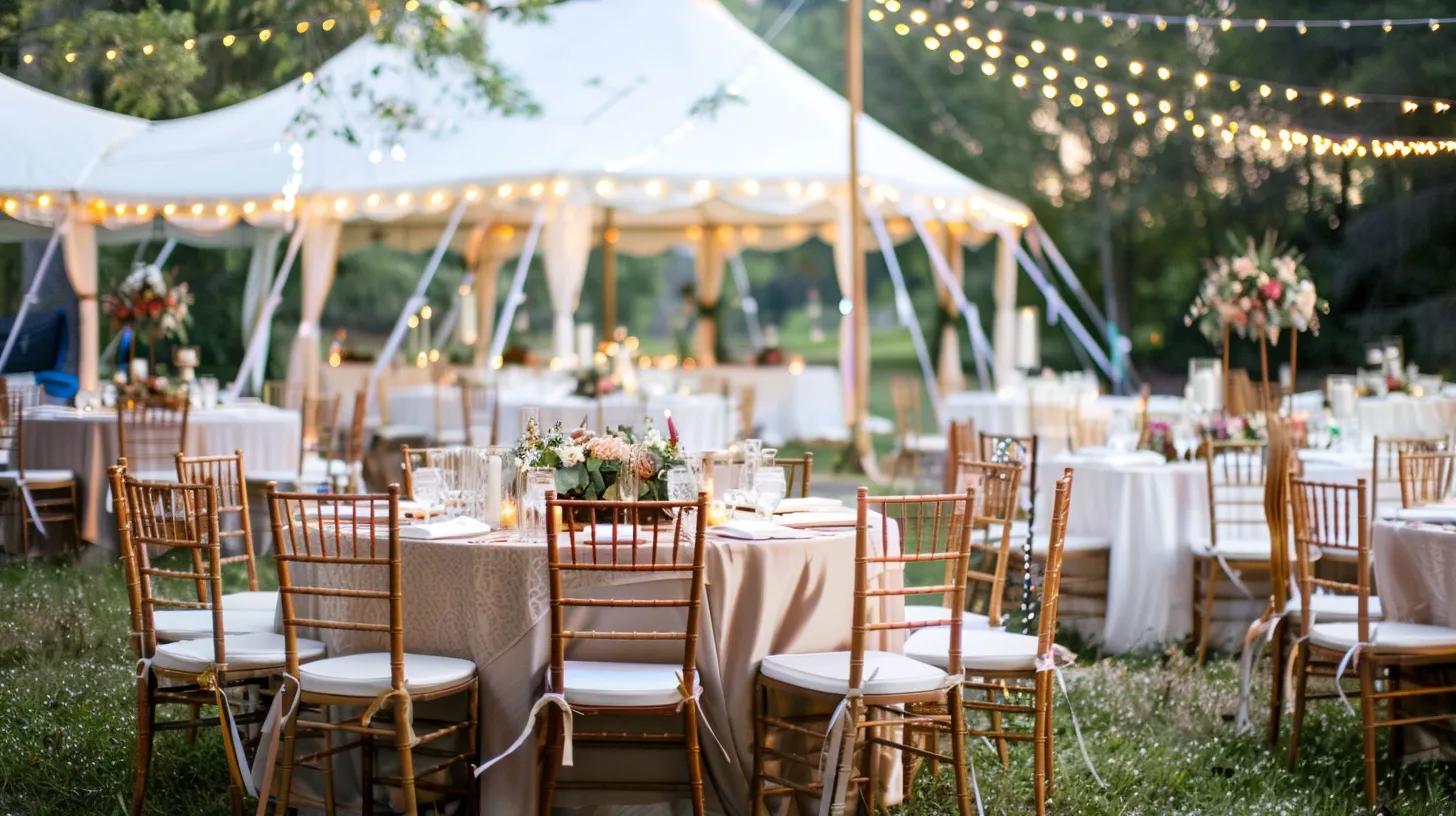
Behind every beautiful wedding is a practical rental plan. Logistics should be considered early, especially for outdoor venues, private homes, and complex layouts.
Delivery and Setup Windows
Delivery and setup timing affects the entire vendor team. Rental installation may need to happen before florals, tabletop setup, lighting, catering, or entertainment equipment can be completed.
Venues and private homes may have strict delivery windows, parking limitations, or access rules. Confirm these details early so the rental schedule supports the full production timeline.
Floor Plan and Layout Approval
The rental layout should be reviewed before finalizing quantities. A floor plan helps confirm where ceremony chairs, dining tables, bars, lounges, dance floors, service tables, and restrooms will go.
This step prevents overcrowding and helps identify missing rentals before the wedding day.
Power and Lighting Needs
Power may be needed for lighting, music, catering support, bars, heaters, fans, and other event elements. Outdoor weddings and private-home weddings often require additional attention to power access and cable routing.
Lighting should also be planned early so pathways, dining areas, bars, lounges, and entertainment zones are covered.
Restrooms and Guest Comfort
Guest comfort should be planned from ceremony through reception. For warm-weather celebrations, planning summer event rentals in Santa Barbara early helps couples coordinate shade, seating, lighting, and evening comfort from the ceremony through the reception.
For outdoor or private-property weddings, restroom access and guest movement should be reviewed carefully. Restrooms should be easy to find without becoming visually distracting.
Vendor and Back-of-House Space
Vendors need space to work. Catering teams may need prep tables, service tables, storage areas, waste stations, power, and access routes. Musicians, DJs, planners, and photographers may also need designated areas.
Back-of-house rentals may not be the most visible part of the wedding, but they help the event run properly.
What to Prepare Before Requesting a Wedding Rental Quote
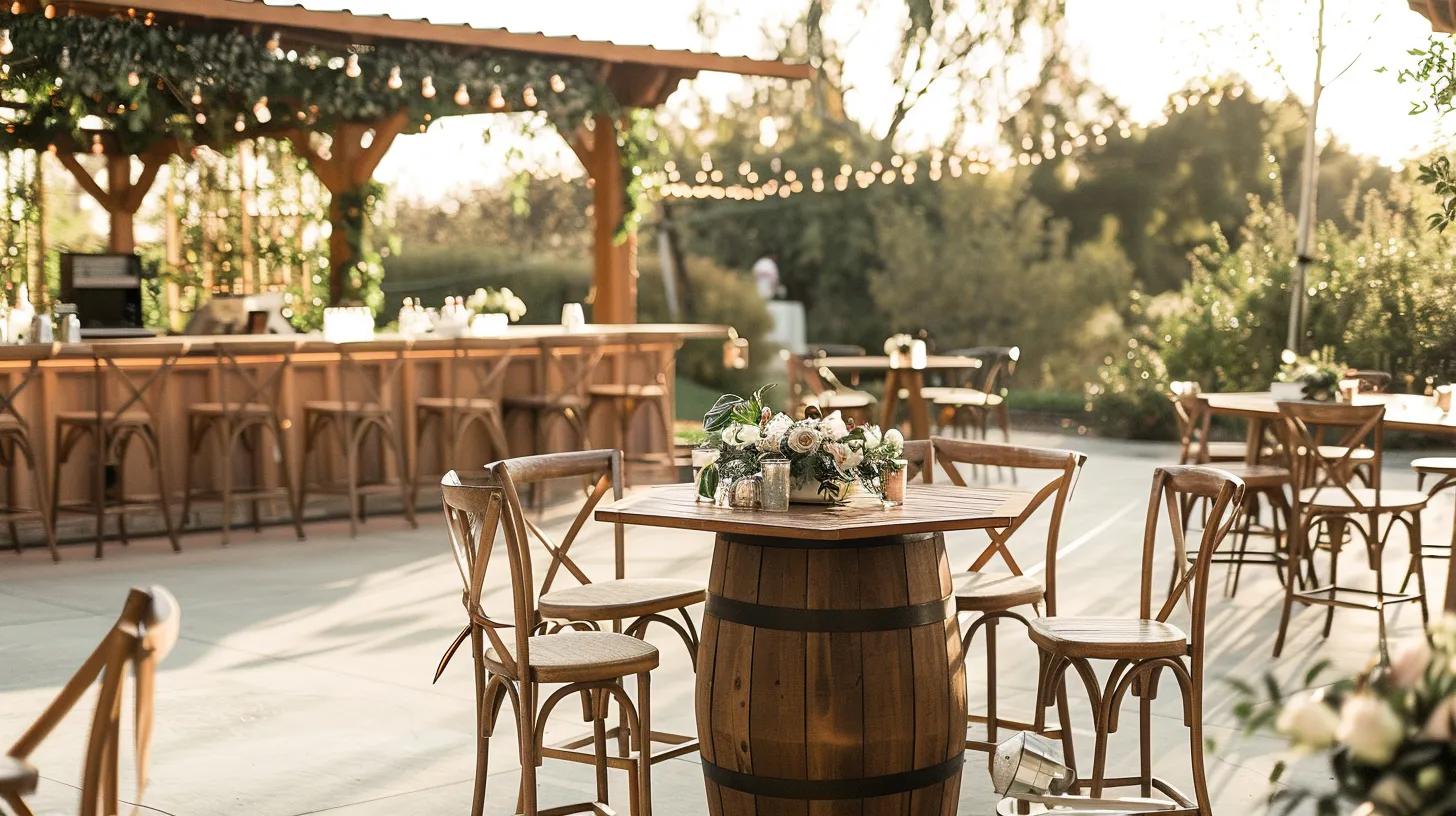
The more information you can provide, the more accurate and useful your rental quote will be. For a quote built around your venue and guest count, contact our event rental team.
Wedding Basics
Prepare the wedding date, venue, guest count, ceremony location, reception location, indoor or outdoor setting, start time, and end time. For more detail, see our article Layer Wedding Rentals for a Cohesive Santa Barbara Reception.
These basics help determine inventory availability, delivery needs, and initial rental quantities.
Wedding Flow
Share the flow of the day, including ceremony, cocktail hour, dinner, dancing, cake or dessert service, and send-off or late-night transition.
The rental team can then recommend items based on how guests will move through the event.
Rental Priorities
List the rental categories you already know you need. These may include ceremony seating, dining setup, lounge areas, bar setup, tabletop rentals, lighting, dance floor, and display tables.
If you are not sure what you need, identify the areas of the wedding that matter most to you. The rental plan can be built around those priorities.
Design Direction
Share your color palette, venue style, formality level, inspiration images, floral direction, and any must-have rental pieces.
These details help ensure the rental recommendations support the wedding design rather than simply meeting functional needs.
Site and Access Details
Provide information about surface types, loading access, parking limitations, existing restrooms, existing power, venue restrictions, and setup or breakdown rules.
For private homes, photos and measurements can be especially helpful. Include notes about driveways, stairs, lawns, patios, gates, and any areas where vendors may have limited access.
Common Wedding Rental Mistakes to Avoid
Many rental issues can be avoided by planning around the full wedding day rather than selecting items in isolation.
Choosing Rentals Before Mapping the Wedding Day Flow
Rentals should be selected around the ceremony-to-reception timeline. If the flow is not mapped first, important transitions may be overlooked. Read more in How to Plan Ceremony-to-Reception Rentals in Santa Barbara.
For example, ceremony chairs may need to move to dinner, cocktail tables may be needed while the reception is being set, or a bar may need to serve multiple parts of the event. These decisions should be made before the rental order is finalized.
Treating Each Rental Category Separately
Tables, chairs, linens, tabletop, lighting, bars, and lounge furniture should be planned as one cohesive system. If each category is selected separately, the final design may feel disconnected.
A cohesive plan considers how each item relates to the venue, layout, color palette, and guest experience.
Forgetting the Transition Between Ceremony and Reception
The transition between ceremony and reception is one of the most important parts of the wedding flow. Guests need a clear place to go, vendors may need time to reset, and rentals may need to shift between spaces.
Cocktail-hour layout, chair movement, guest direction, bar placement, and vendor timing should all be planned early.
Underestimating Guest Comfort
Guest comfort affects the success of the entire wedding. Seating, shade, lounge areas, restrooms, pathways, lighting, and evening temperature shifts should all be considered.
If guests feel comfortable, they are more likely to stay engaged throughout the celebration.
Leaving Specialty Tables and Displays Until the End
Specialty tables are easy to forget but important to the wedding experience. Welcome tables, escort card tables, gift tables, cake tables, dessert tables, bar-back tables, and vendor tables should be included in the rental plan.
These tables often support key moments and should be styled with the rest of the event.
Conclusion
A Santa Barbara wedding rental plan should do more than cover a basic checklist. It should support the full wedding experience, from guest arrival and ceremony seating to cocktail hour, dinner, dancing, and the final send-off.
By planning rentals around the wedding timeline, event zones, venue style, guest comfort, and design direction, couples can create a celebration that feels cohesive, polished, and easy to enjoy. Read more in Design a Cohesive Santa Barbara Wedding Reception With Rentals.
Contact Ventura Rental to request a consultation for Santa Barbara wedding rentals designed around your ceremony, cocktail hour, reception, guest comfort, venue layout, and overall wedding style. Couples planning a full setup can start with our wedding rental services.