
Planning a wedding involves many moving parts. Between the venue, guest list, vendors, rentals, décor, timeline, and day-of logistics, it is easy for important details to get missed. That is why having a clear event planning checklist for weddings is one of the best ways to stay organized from the beginning.
A wedding checklist helps couples track decisions, deadlines, rental needs, vendor communication, and final setup details. It also makes the planning process feel more manageable because every task has a place.
Whether you are planning an indoor reception, an outdoor ceremony, or a full tented wedding, this checklist will help you organize the essentials before the big day.
Wedding Vision and Budget Checklist

Before booking vendors or choosing rentals, start with the overall vision and budget. These early decisions guide the rest of the planning process.
Define Your Wedding Style
Decide what kind of wedding you want before selecting specific details. Your style may be romantic, modern, rustic, coastal, classic, elegant, or casual. This will influence your venue, rentals, décor, lighting, linens, and overall guest experience. Ask yourself:
- Do you want an indoor or outdoor wedding?
- Will the event be formal or relaxed?
- What colors and materials fit your style?
- What kind of atmosphere do you want guests to feel?
A clear style makes it easier to choose vendors and rental items that work together.
Set a Realistic Budget
Create a budget early and divide it into major categories such as venue, catering, rentals, photography, entertainment, florals, and décor. Leave room for unexpected costs, especially if you are planning an outdoor wedding that may require tents, lighting, flooring, or weather-related accessories.
A realistic budget helps you prioritize what matters most and avoid overspending on items that are less important to the overall event.
Decide What Matters Most
Every couple has different priorities. Some care most about food and photography, while others focus on the venue, guest comfort, décor, or entertainment. Choose your top priorities early. This helps you decide where to spend more and where to simplify.
Track Deposits, Balances, and Payment Deadlines
Keep a record of every deposit, balance due, contract deadline, and cancellation policy. Missing payment deadlines can create unnecessary stress close to the wedding. Use a spreadsheet, planning document, or shared checklist to track:
- Vendor names
- Deposit amounts
- Final payment dates
- Contract terms
- Contact information
- Notes about services included
Venue and Guest List Checklist
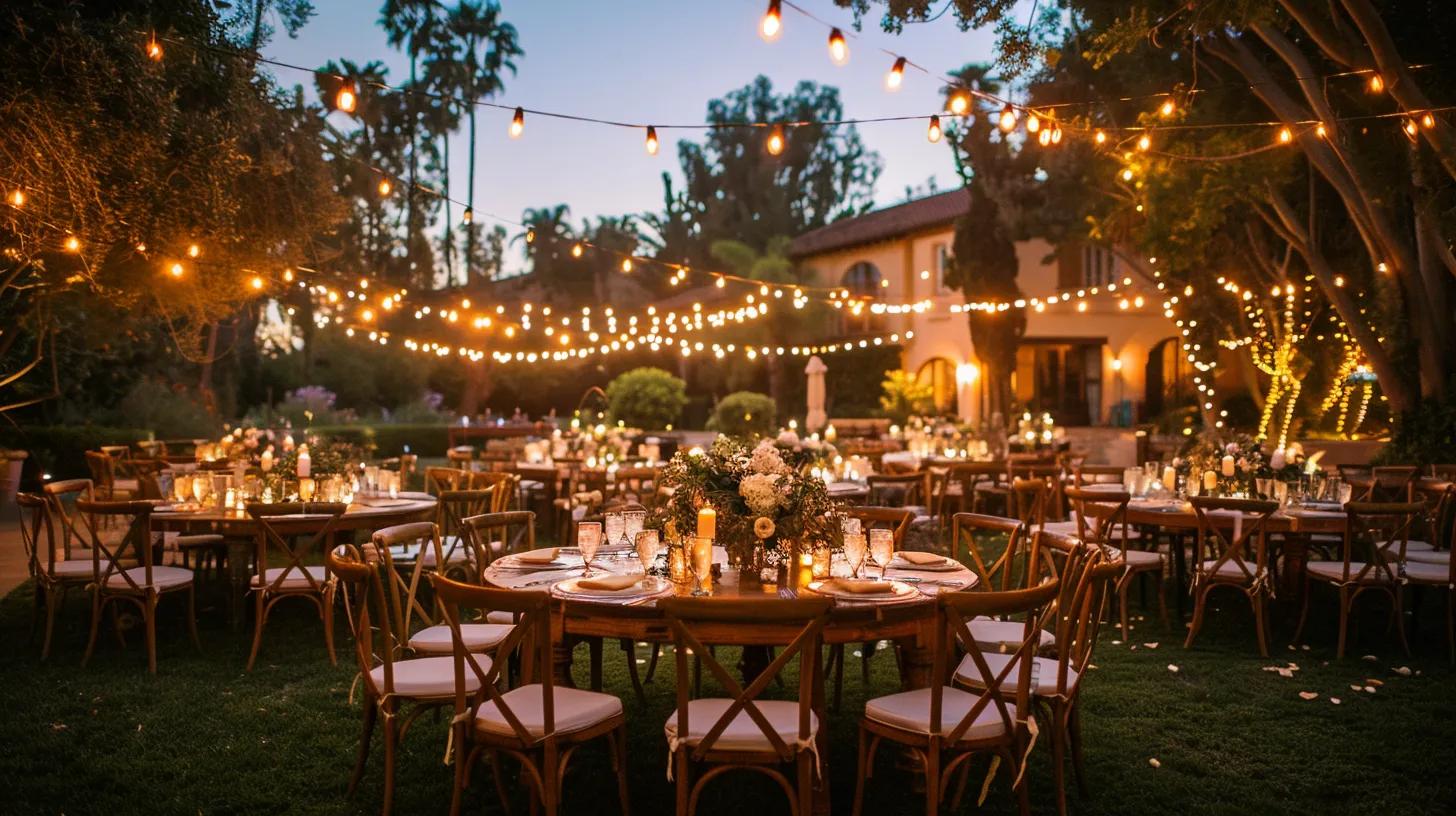
Your venue and guest count affect almost every other wedding decision. They determine the size of the event, rental quantities, layout, catering needs, and overall logistics.
Choose the Ceremony and Reception Location
Decide whether the ceremony and reception will happen at the same location or separate venues. If they are in different places, consider transportation, travel time, parking, and guest convenience.
For outdoor weddings, confirm whether the venue allows tents, rental furniture, lighting, and outside vendors.
Confirm Venue Capacity and Layout Options
Ask the venue about maximum capacity, available floor plans, indoor and outdoor spaces, power access, restrooms, loading areas, and setup restrictions. For outdoor venues, check:
- Tent placement areas
- Ground surface
- Access for rental delivery
- Wind or weather exposure
- Power availability
- Backup indoor options
These details will help you plan your rentals more accurately.
Build Your Guest List
Create your guest list early so you can estimate seating, catering, and rental needs. Your guest count affects the number of tables, chairs, linens, place settings, favors, programs, and transportation arrangements. Keep your guest list updated as RSVPs come in and share final numbers with your vendors before their deadlines.
Plan for Accessibility, Parking, and Guest Flow
Guest comfort depends on more than décor. Think about how people will arrive, move through the venue, find seating, access restrooms, and transition between the ceremony, cocktail hour, dinner, and dancing. Make sure your checklist includes:
- Parking instructions
- Accessible routes
- Signage
- Walkways
- Guest seating flow
- Vendor access paths
Vendor Booking Checklist
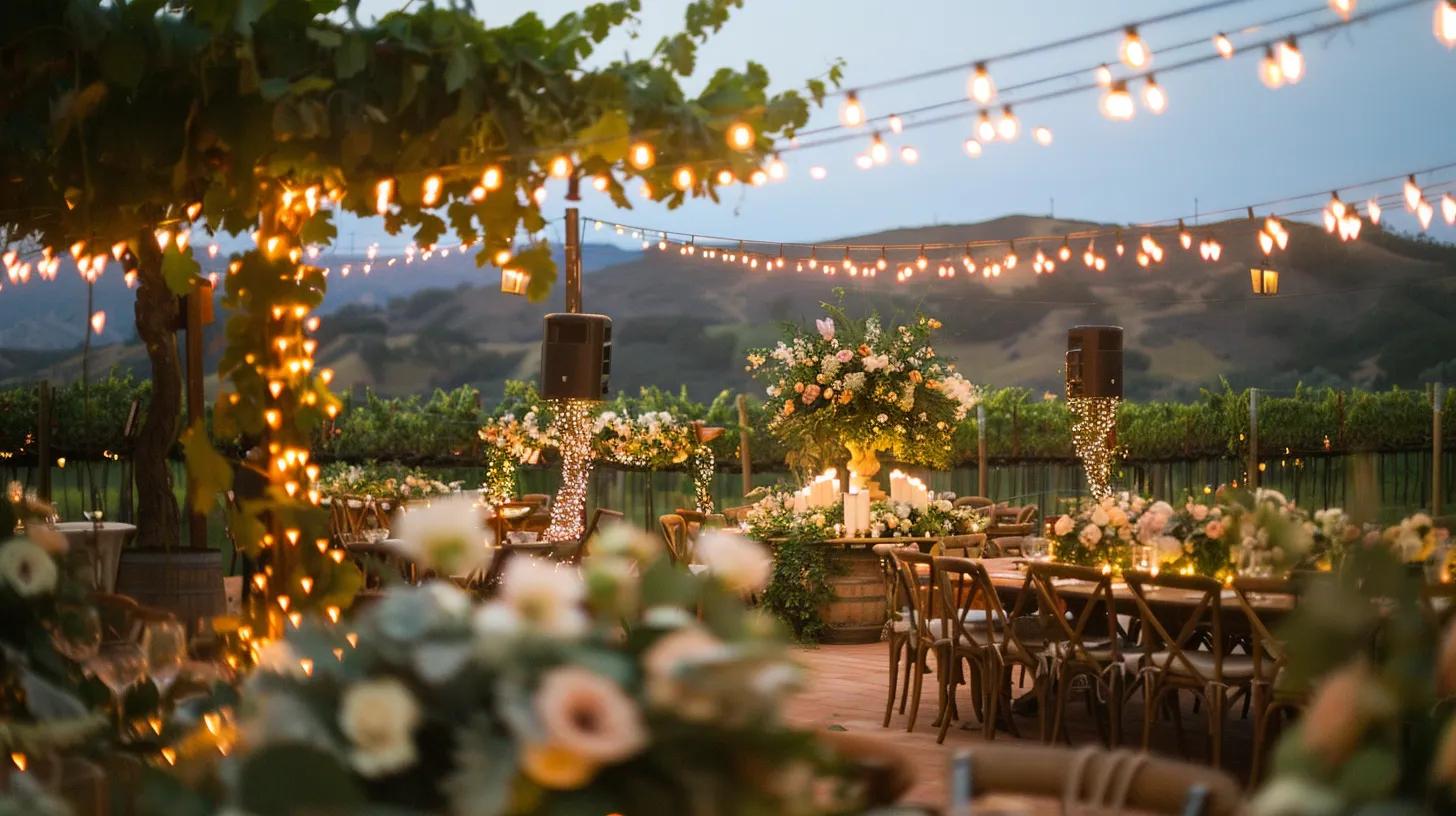
Vendors help bring the wedding plan to life, but they need clear communication and enough notice to deliver their best work.
Wedding Planner or Day-Of Coordinator
If your budget allows, consider hiring a wedding planner or day-of coordinator. A coordinator can manage vendor arrivals, timeline changes, setup questions, and last-minute issues so you can stay focused on the celebration.
For larger weddings, outdoor weddings, or events with multiple rental deliveries, professional coordination is especially helpful.
Caterer and Bar Service
Book your caterer early and confirm whether they provide tables, linens, serving equipment, staff, and bar service. If not, these items may need to be added to your rental checklist. Ask your caterer about:
- Kitchen or prep space needs
- Buffet or plated service requirements
- Bar setup
- Power need
- Service table requirements
- Cleanup responsibilities
Photographer and Videographer
Reserve photography and videography as early as possible. Share the wedding timeline, venue layout, and key photo locations with them before the event. For outdoor weddings, ask whether lighting or timing will affect photo quality, especially around sunset.
Florist and Décor Team
Your florist and décor team should understand the venue, color palette, table layout, and rental selections. Centerpieces, arches, aisle décor, and installations should be planned with guest movement and vendor setup in mind. Make sure floral arrangements do not block guest views or interfere with food service.
DJ, Band, or Ceremony Musicians
Entertainment vendors may need staging, power, lighting, tables, chairs, or covered areas. Add these requirements to your rental checklist early. For outdoor events, confirm whether the entertainment setup needs weather protection, flooring, or special power arrangements.
Wedding Rental Checklist
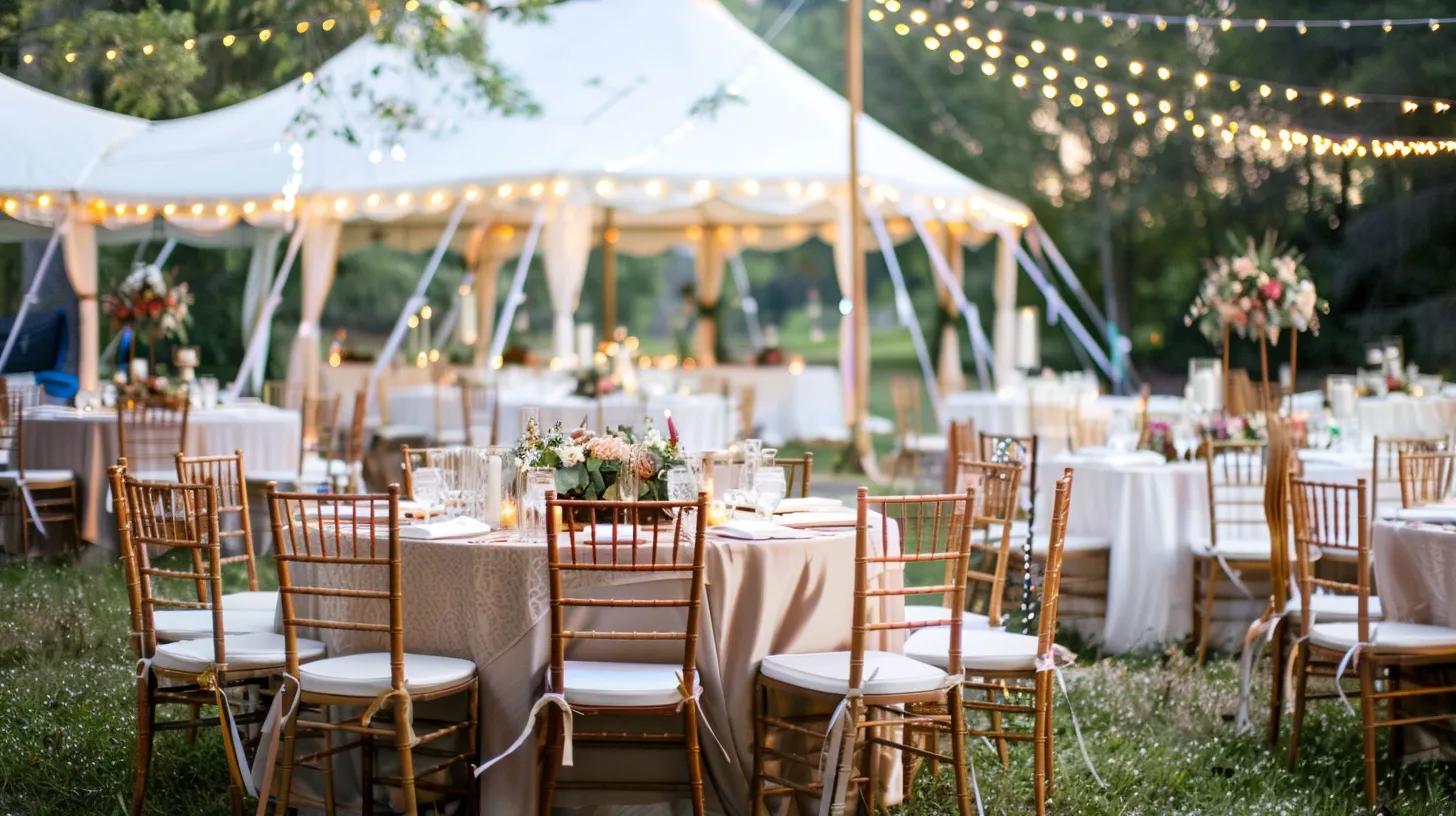
Wedding rentals are essential for creating a functional and comfortable event space. They are especially important for outdoor venues, blank spaces, private properties, and tented receptions.
Tables and Chairs
Confirm how many tables and chairs are needed for the ceremony, reception, cocktail hour, vendors, gifts, cake, guest book, and lounge areas. Common rental needs include:
- Ceremony chairs
- Reception chairs
- Dining tables
- Cocktail tables
- Head table or sweetheart table
- Cake table
- Gift table
- Vendor tables
Linens and Tableware
Linens and tableware help complete the reception design. Choose linens that match your wedding colors and work well with the venue lighting. Include:
- Tablecloths
- Napkins
- Runners
- Chargers
- Plates
- Glassware
- Flatware
- Serving pieces
Confirm whether the caterer provides any of these items before renting them separately.
Tents for Outdoor Weddings
If your wedding is outdoors, a tent may be one of the most important rentals. A tent provides shade, weather protection, and a defined event space. When planning a wedding tent, consider:
- Guest count
- Seating layout
- Dance floor
- Bar area
- Catering stations
- Sidewalls
- Flooring
- Lighting
- Heating or cooling needs
Lighting and Power Needs
Lighting affects both the atmosphere and safety of the event. Outdoor and evening weddings often need layered lighting for dining, pathways, dance floors, bars, and exits. Power should also be planned early, especially for catering, entertainment, lighting, heaters, fans, and photo booths.
Dance Floor, Flooring, and Staging
Dance floors, staging, and temporary flooring help define event areas and improve guest comfort. Flooring is especially useful for grass, sand, dirt, uneven ground, or tented receptions. If you have a band, speeches, or formal entertainment, confirm whether staging is needed.
Ceremony Planning Checklist
The ceremony is often the most meaningful part of the wedding day, so its setup should be planned carefully.
Seating Arrangement
Determine how many chairs are needed and how they should be arranged. Consider aisle width, reserved seating, accessibility, and photographer movement. For outdoor ceremonies, make sure chairs are placed on stable ground and positioned for guest comfort.
Aisle and Altar Setup
Plan the aisle, altar, arch, floral arrangements, and any ceremony décor. These elements should match the overall wedding style while allowing enough space for the couple, officiant, wedding party, and photographers.
Sound System or Microphones
Guests should be able to hear the ceremony clearly. If the ceremony is outdoors or the guest count is large, microphones and speakers may be needed. Confirm whether power is available near the ceremony location.
Décor and Floral Placement
Ceremony décor should be beautiful but practical. Avoid placing arrangements where they block walkways, guest views, or photography angles.
Backup Plan for Outdoor Ceremonies
If your ceremony is outdoors, create a backup plan for rain, wind, heat, or cooler temperatures. This may include a tent, indoor backup space, umbrellas, shade structures, or a revised layout.
Reception Planning Checklist
The reception requires careful planning because it includes dining, entertainment, speeches, dancing, and guest movement.
Dinner Layout and Table Plan
Create a table layout that allows guests and servers to move comfortably. Avoid crowding tables too closely together, especially around buffet lines, bars, and the dance floor.
Bar, Buffet, or Food Station Placement
Place food and beverage stations where they are easy to access but do not block major walkways. Bars and buffets should have enough space for lines without disrupting seated guests.
Dance Floor and Entertainment Area
The dance floor should be easy to see and access. Place the DJ or band nearby and confirm any power, staging, or lighting needs.
Cake, Gift, and Guest Book Tables
Add dedicated tables for the cake, gifts, guest book, escort cards, favors, and any special displays. These areas should be visible but not in the way of main traffic.
Lounge or Cocktail Areas
Lounge seating and cocktail areas give guests additional places to gather. These spaces are especially useful during cocktail hour, after dinner, or in large venues where guests need comfortable gathering zones.
Outdoor Wedding Checklist
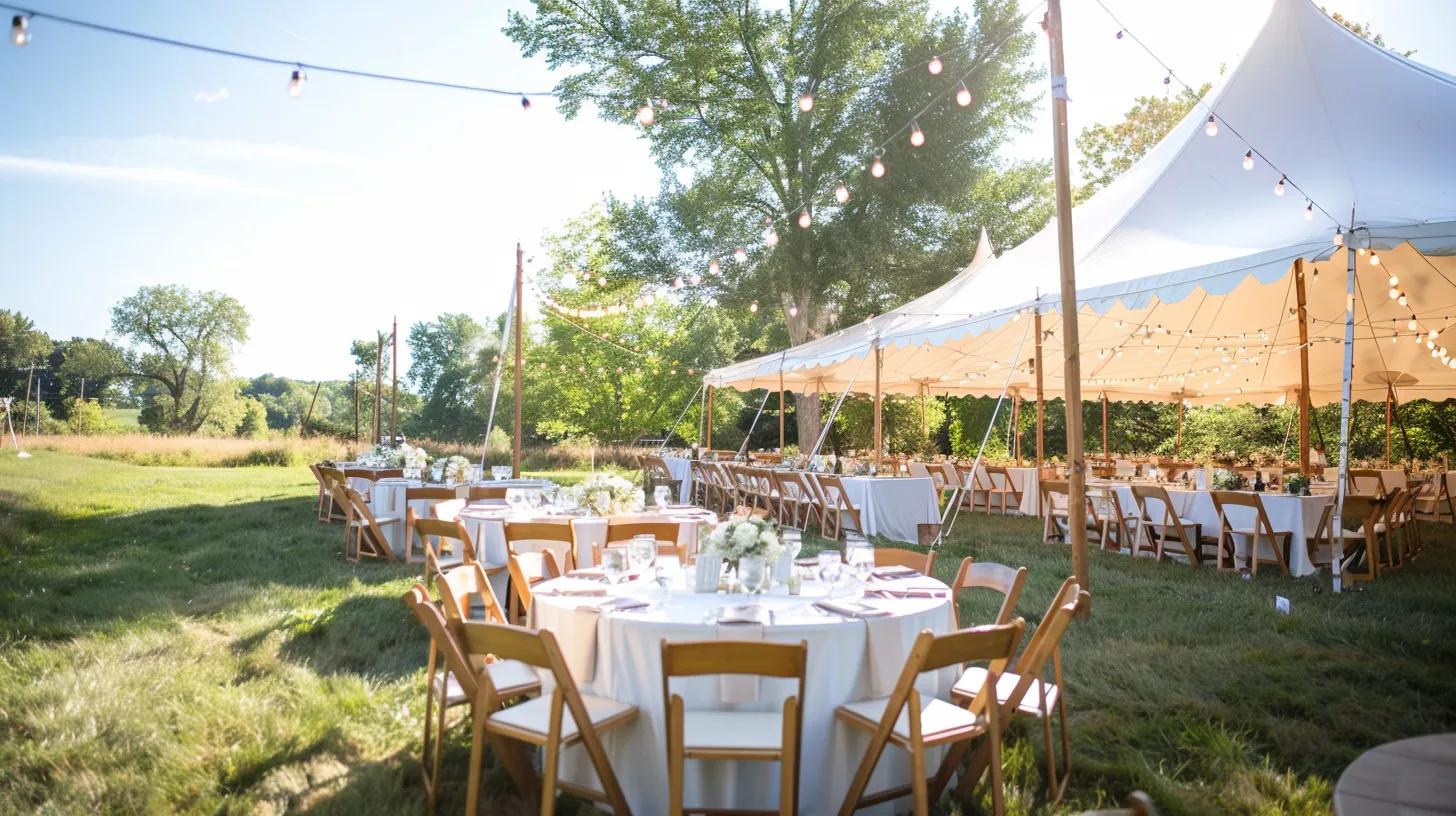
Outdoor weddings require extra planning because the event space must often be built from the ground up. That extra planning is why outdoor event planning in Santa Barbara should account for the venue surface, weather exposure, tent placement, lighting, guest comfort, power access, and backup options before the final rental order is confirmed.
Tent Size and Placement
Choose a tent size based on guest count, layout, dining style, dance floor, catering needs, and weather protection. The tent should be placed on a suitable surface with enough space for anchoring and guest access.
Weather Protection
Plan for sun, rain, wind, and temperature changes. Depending on the season and venue, you may need sidewalls, heaters, fans, shade, umbrellas, or flooring.
Heating, Cooling, or Ventilation
Guest comfort matters throughout the event. Outdoor weddings may feel warm during the day and cool in the evening. Work with your rental provider to choose climate-control options that fit the location.
Flooring for Grass, Sand, or Uneven Ground
Temporary flooring can make outdoor weddings safer and more comfortable. It helps stabilize seating areas, dance floors, walkways, and tent interiors.
Lighting for Evening Events
Outdoor lighting should cover dining areas, walkways, restrooms, parking areas, bars, and exits. Use a combination of decorative and functional lighting to create an atmosphere while keeping guests safe.
Wedding Décor and Styling Checklist
Décor and styling bring the wedding vision together. The goal is to create a cohesive look without interfering with comfort or function.
Color Palette and Theme
Choose a color palette that fits your venue, season, and personal style. Keep the palette consistent across linens, florals, signage, lighting, and tabletop details.
Centerpieces and Tabletop Design
Centerpieces should enhance the table without blocking conversation or service. Consider height, width, candle use, and how each arrangement will look with tableware and linens.
Linens, Place Settings, and Signage
Linens and place settings create much of the reception’s visual impact. Signage helps guests find the ceremony, reception, bar, restrooms, seating chart, and gift area.
Lighting and Mood Elements
Lighting can completely change the feel of a wedding. String lights, uplighting, candles, lanterns, and chandeliers can all help create a warmer and more finished atmosphere.
Décor Setup and Breakdown Plan
Confirm who is responsible for setting up and removing décor. This includes florals, candles, signage, arches, centerpieces, favors, and personal items.
Wedding Day Logistics Checklist
Strong logistics keep the wedding day running smoothly. Every vendor should know when to arrive, where to go, and who to contact.
Vendor Arrival Times
Create a schedule that lists each vendor’s arrival time, setup duration, and contact person. Share this timeline with the venue, planner, rental company, caterer, florist, photographer, and entertainment team.
Delivery and Setup Schedule
Rental deliveries should be scheduled early enough to allow time for setup, inspection, and adjustments. For tents, flooring, lighting, and staging, setup may need to happen before other vendors arrive.
Transportation and Parking
Plan transportation for the couple, wedding party, family members, and guests if needed. Make sure vendors have access to loading areas and parking.
Timeline for Ceremony and Reception
Build a detailed timeline for the full day, including getting ready, vendor setup, photos, ceremony, cocktail hour, dinner, speeches, dancing, and breakdown.
Emergency Contact List
Create a contact list with names and phone numbers for all vendors, venue representatives, wedding party members, and the designated day-of contact person.
Final Week Wedding Checklist
The final week should be about confirming details, not making major decisions.
Confirm Final Guest Count
Share the final guest count with the venue, caterer, rental company, and planner. This number affects seating, table counts, linens, food, drinks, and favors.
Review Rental Orders
Review every rental item one final time, including quantities, delivery times, setup locations, and pickup details. Confirm whether any last-minute changes are possible.
Share the Final Timeline
Send the final timeline to vendors, wedding party members, family contacts, and anyone involved in setup or coordination.
Prepare Final Payments and Tips
Organize final vendor payments, tips, and envelopes before the wedding day. Assign someone responsible for distributing them if needed.
Pack Wedding Day Essentials
Prepare a wedding day kit with items such as:
- Emergency sewing kit
- Pain reliever
- Tissues
- Stain remover
- Phone chargers
- Snacks and water
- Copies of the timeline
- Vendor contact list
Frequently Asked Questions
What should be included in an event planning checklist for weddings?
A wedding event planning checklist should include the budget, guest list, venue, vendors, rentals, décor, ceremony setup, reception layout, timeline, transportation, weather plan, and final week confirmations.
How early should couples start using a wedding checklist?
Couples should start using a checklist as soon as they begin planning. Early organization helps track major decisions, vendor deadlines, payment dates, and rental needs.
What rentals are most important for a wedding?
Important wedding rentals often include tables, chairs, linens, tents, lighting, tableware, dance floors, flooring, staging, and décor items. The exact list depends on the venue and event style.
Do outdoor weddings need a separate checklist?
Yes. Outdoor weddings often need additional planning for tents, weather protection, power, lighting, flooring, restrooms, guest comfort, and backup plans.
How can couples reduce last-minute wedding stress?
Couples can reduce stress by confirming details early, keeping a clear checklist, assigning a day-of contact person, reviewing rental orders, and sharing the final timeline with all vendors.
Conclusion
A detailed event planning checklist for weddings makes the planning process easier, more organized, and less stressful. It helps couples track every major detail, from the budget and guest list to rentals, décor, logistics, and final confirmations.
The key is to plan early, communicate clearly with vendors, and review each checklist category before the wedding day. When every item has been confirmed, the event can run more smoothly and guests can enjoy a well-planned celebration.