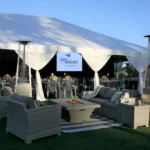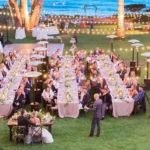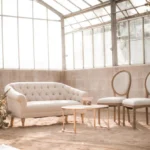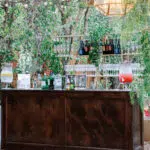

Choosing the right tent for a Santa Barbara wedding, corporate gathering, or outdoor celebration can make a major difference when weather conditions are uncertain. Frame and pole tents both create attractive covered spaces, but they differ in structure, anchoring requirements, interior layout, and suitability for different event sites. The original content emphasizes frame tents for Santa Barbara events where rain, changing ground conditions, hardscape, or limited space may influence tent placement, while pole tents remain an appealing choice for open lawns and other suitable stake-friendly locations. For planners searching for waterproof tent rentals in Santa Barbara, the decision should consider more than the appearance of the canopy. Ground conditions, guest count, tables, dance floors, lounge areas, catering needs, venue restrictions, and the overall event layout all matter. Ventura Rental Party & Events can help coordinate tenting with furniture, flooring, staging, linens, tabletop rentals, and other event essentials to create a covered space that works with both the venue and the celebration.
Comparing Frame and Pole Tents for Santa Barbara Events
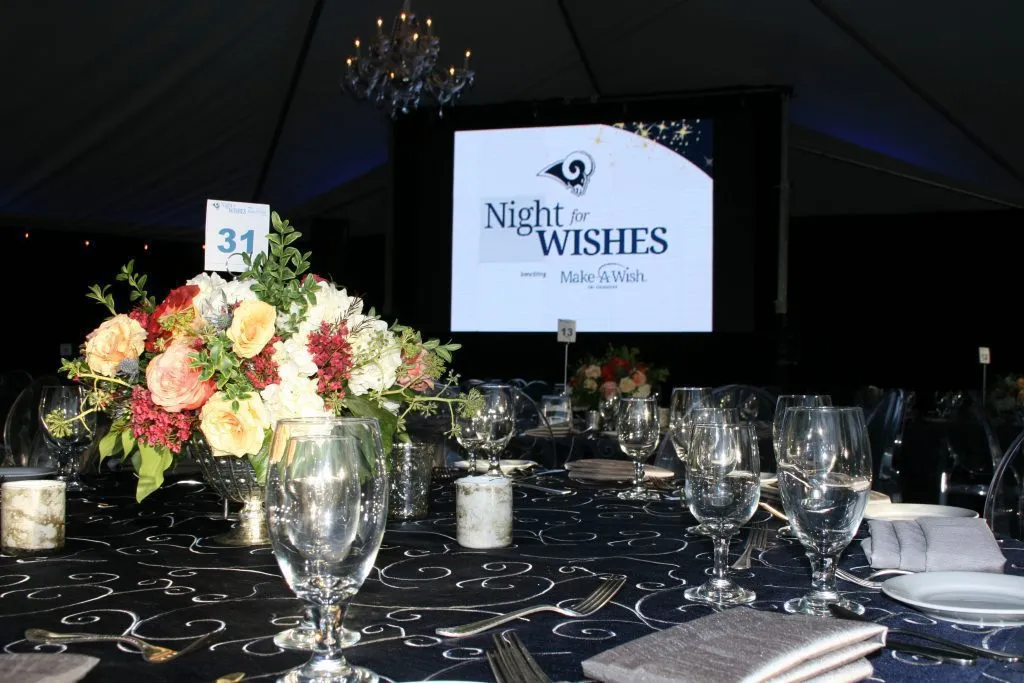
Frame and pole tents can both provide functional event coverage, but their structures are fundamentally different. Frame tents use a rigid framework, while pole tents rely on center poles, stakes, and tension to support the canopy.
Understanding that difference is the first step toward choosing the right structure for a Santa Barbara event.
Understanding the Open Design of Frame Tents
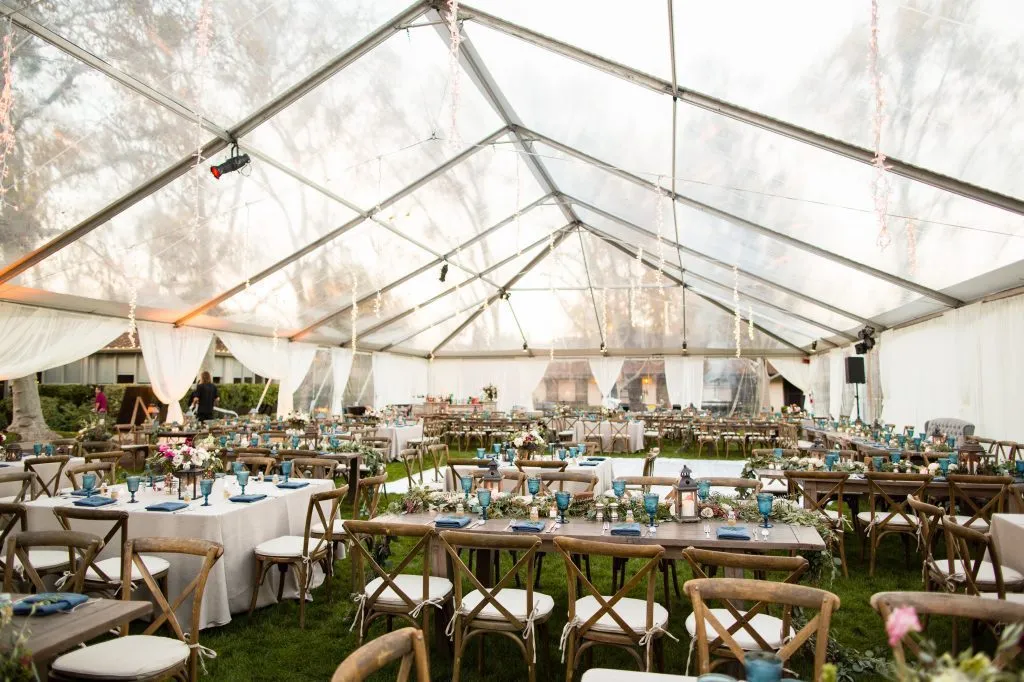
A frame tent uses an interconnected framework to support the canopy, eliminating the need for center poles inside the event space. This creates an open interior where planners have greater flexibility to arrange tables, chairs, dance floors, staging, bars, and lounge furniture.
The source specifically highlights this column-free interior as a major advantage for weddings and corporate gatherings where every square foot of usable space matters.
Frame tents can also accommodate venues where a traditional pole configuration may be difficult. Patios, hardscape areas, uneven terrain, and tighter event footprints may all influence the choice of structure. Frame tents still require appropriate anchoring, however, and the exact method should be determined according to site conditions.
Before choosing a frame tent, planners should look at the complete event footprint rather than the canopy alone. An open structure provides flexibility, but that space still needs to support the entire guest experience. Consider:
-
Guest count and seating arrangement
-
Dining table configuration
-
Dance floor dimensions and location
-
Stage or entertainment requirements
-
Bars and catering stations
-
Lounge furniture and cocktail areas
-
Venue surface and available footprint
-
Guest pathways throughout the tent
Understanding the Classic Structure of Pole Tents
Pole tents rely on tension created by stakes, guy lines, and supporting poles. Center poles lift the canopy and create the distinctive peaked roofline associated with traditional tented events.
The original content describes this silhouette as particularly appealing for coastal weddings and vineyard receptions, where the elevated peaks can contribute to a classic outdoor-event aesthetic.
Site conditions are especially important with this tent style. Pole tents generally require suitable soft ground where stakes can be properly secured. Grass, open fields, gardens, and similar areas may provide appropriate conditions, while paved courtyards and hardscape can limit traditional pole-tent placement.
The space required for perimeter staking and guy lines should also be included when evaluating the venue footprint.
Planning Tent Rentals Around Santa Barbara Weather
Outdoor events naturally require planners to account for changing weather conditions. For Santa Barbara celebrations, tent selection should be considered alongside the event date, venue surface, drainage, and the surrounding environment.
The source places particular emphasis on fall rain and changing coastal conditions when comparing frame and pole tents.
Preparing the Event Space for Rain
Rain affects more than the canopy overhead. It can influence the ground beneath the tent, guest pathways, furniture placement, flooring, and the way different event zones are connected.
Pole tents depend heavily on suitable ground for their staking system. If the event is being held on grass or soil, planners need to consider drainage and whether the surface remains appropriate for the intended installation.
Frame tents provide greater flexibility because their structural design does not depend on center poles. The original source notes that they can be considered for hardscape, decking, grass, and other venue conditions, although proper anchoring remains necessary.
A weather plan should therefore consider the entire tented environment, not simply whether the canopy provides overhead coverage.
Coordinating Sidewalls, Flooring, and Guest Comfort
A tent can become the central protected environment for a reception when weather changes.
Sidewalls, where appropriate for the selected structure and site, can help define the covered area. Event flooring can create a more finished surface beneath tables, lounge areas, catering stations, and dance floors.
Furniture placement should also account for how guests will use the tent if outdoor portions of the event become less practical.
When rain is a possibility, planners may need enough flexibility to bring activities under the tent that were originally intended for another part of the property.
Three areas deserve particular attention when developing this contingency layout. Each one affects how successfully the tent can adapt if conditions change:
-
Interior flexibility: Allow enough room to adjust tables, seating, or lounge furniture when necessary.
-
Guest circulation: Maintain practical pathways between dining, dancing, catering, and entrances.
-
Floor planning: Consider how flooring and dance floor rentals will function if surrounding ground becomes wet.
-
Event zones: Identify where entertainment, bars, catering, and lounge areas will move if needed.
-
Tent access: Keep entrances and exits functional within the overall weather plan.
Matching the Tent Structure to the Venue
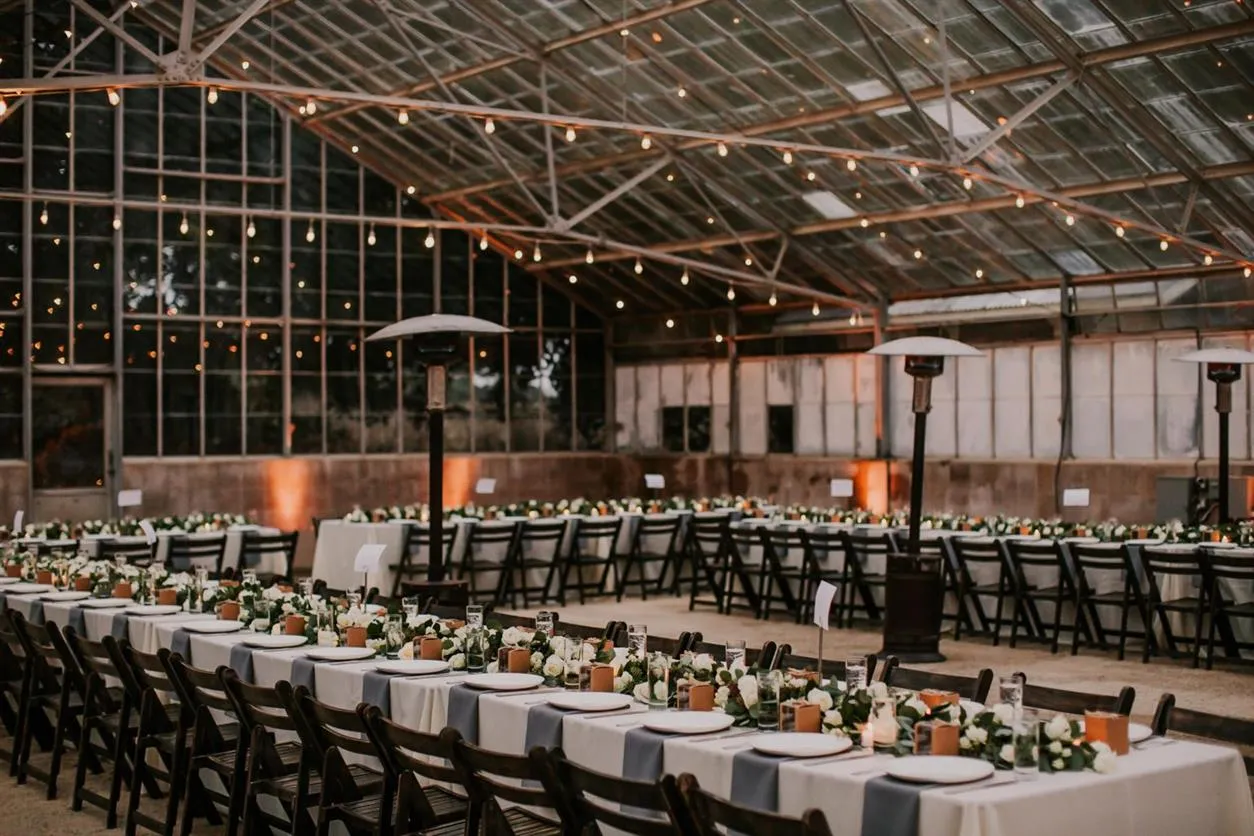
Ground conditions are one of the most important differences between frame and pole tent installations.
The source explains that pole tents generally depend on stake-friendly surfaces, while frame structures offer more flexibility for hardscape and other challenging locations.
Evaluating Grass, Soil, Patios, and Hardscape
For pole tents, planners should confirm that the venue provides enough suitable ground for both the tent and its anchoring system.
The original content recommends considering irrigation lines, tree roots, underground utilities, and perimeter space when evaluating a pole tent site. These factors can influence where stakes and guy lines can be positioned.
Frame tents can offer more placement flexibility on properties where the event footprint includes patios, terraces, or other hard surfaces. They still need appropriate anchoring or ballast based on the specific installation.
For either style, a site evaluation should occur before the final layout is established. Tent dimensions alone do not reveal whether the surrounding property provides enough usable space.
Making the Most of Limited Event Space
Frame tents are particularly useful when the interior layout needs to remain open.
Without center poles, planners can position a dance floor in the center of the tent, create uninterrupted ceremony aisles, or arrange dining tables without designing around structural columns. The original source identifies this flexibility as useful when a single tent needs to transition between different stages of an event.
Pole tents have a different spatial character. Their center poles become part of the interior, so furniture and entertainment areas need to be arranged around them.
Neither approach needs to compromise the event when the floor plan is designed appropriately. The important step is selecting the structure before finalizing furniture, dance floor, staging, and catering placement.
Designing the Interior of a Tented Event
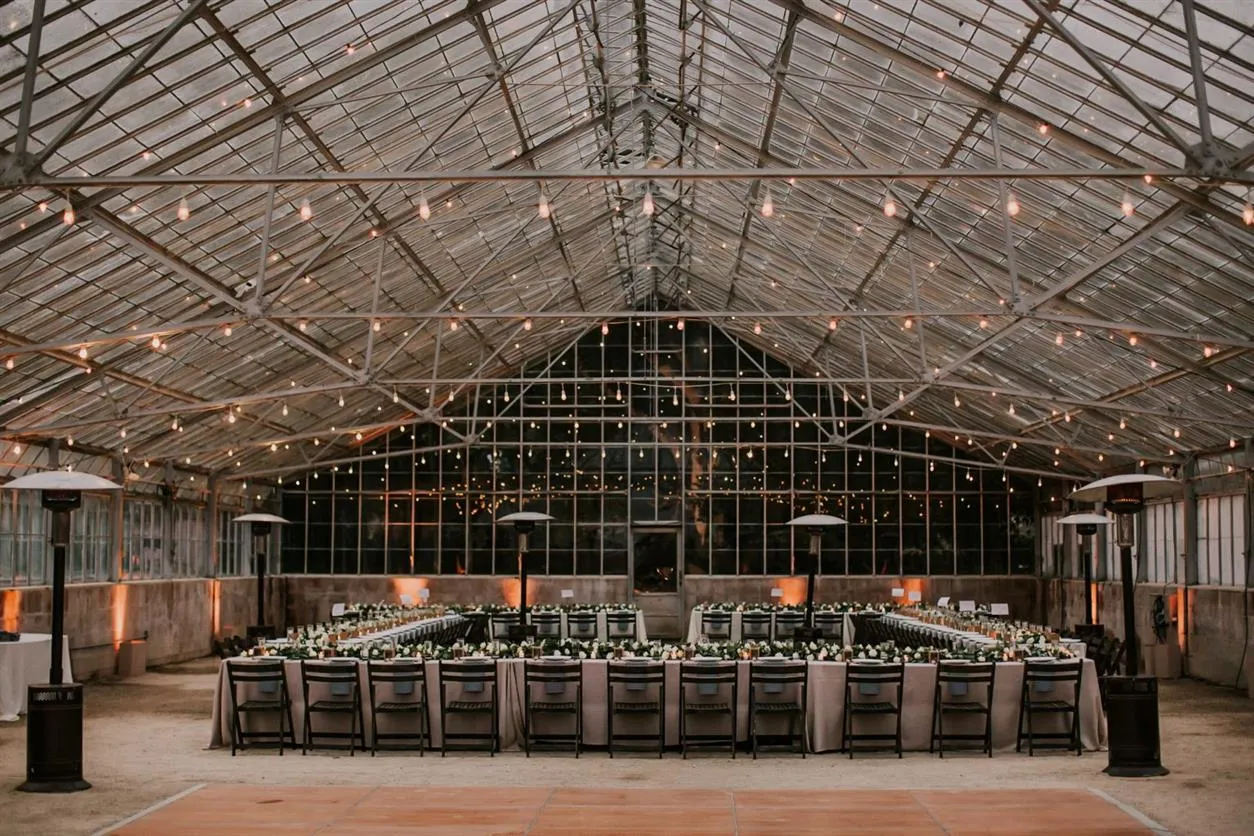
The tent establishes the event’s boundaries, but the rentals inside determine how guests actually experience the space.
The original content specifically mentions tables, chairs, dance floors, bar glassware, and lounge furniture as elements that can transform an open tent into a finished event environment.
Planning Tables, Seating, and Dance Floors
The interior should be divided according to how guests will use the event.
Dining tables require enough surrounding space for chairs and service. A dance floor should connect naturally to guest seating and entertainment. Bars and catering areas need accessible positions that do not interrupt major pathways.
Frame tents offer considerable freedom because there are no center poles determining these positions. This can be useful for receptions with larger dance floors or layouts that may need to change during the event.
A coordinated interior may incorporate several rental categories. Planning them at the same time helps ensure that one element does not take space needed by another. These can include:
-
Reception and dining tables
-
Ceremony and reception chairs
-
Dance floor rentals
-
Lounge furniture
-
Bar and beverage service areas
-
Catering equipment
-
Staging for entertainment or presentations
-
Linens and tabletop rentals
Creating a Cohesive Tent Design
A functional floor plan should also look intentional.
Tables, chairs, linens, tabletop pieces, lounge furniture, flooring, and décor can all help establish the visual direction of a tented event. A frame tent’s open interior can accommodate a variety of configurations, while the peaks and center poles of a pole tent can become part of a more traditional tent aesthetic.
High-peak configurations provide another visual option. The source explains that high-peak and standard frame tents can share a rigid frame structure while differing primarily in their roof profile.
A higher peaked silhouette can add vertical interest, while a standard frame profile can keep the emphasis on the interior design below.
Choosing the Right Tent for Your Santa Barbara Event

There is no single tent style that fits every property, guest list, or event design.
Frame tents provide open interiors and flexible placement, while pole tents deliver a recognizable peaked appearance when suitable ground and perimeter space are available.
When a Frame Tent Makes Sense
A frame tent can be a strong choice when layout flexibility is a priority.
It may also suit events where the venue includes hardscape or where center poles would interfere with dining arrangements, sightlines, staging, or the dance floor. The open interior makes it easier to adapt the space as the event progresses.
This flexibility can be particularly useful for weddings that use the same covered area for multiple purposes. Ceremony seating can give way to dining or dancing without the tent’s internal structure determining every furniture position.
When a Pole Tent Makes Sense
A pole tent can work well when the venue provides an open, stake-friendly lawn with sufficient perimeter space.
Its peaked canopy provides a classic tented-event appearance that can complement gardens, vineyards, estates, and other outdoor settings.
The final choice should reflect both practical and aesthetic requirements. Before reserving either structure, planners should consider the surface, available footprint, guest count, expected layout, weather contingency needs, and other rentals required for the celebration.
This makes the tent part of the complete event plan rather than an isolated rental decision.
Frequently Asked Questions
What is the main difference between frame and pole tents?
A frame tent uses a rigid framework and has no center poles, while a pole tent relies on center poles, stakes, guy lines, and tension to support its canopy.
Which tent provides more interior layout flexibility?
Frame tents generally provide greater flexibility because their interiors are free of center poles, leaving more options for tables, dance floors, staging, and seating.
Can a pole tent be installed on a paved surface?
Traditional pole tents generally require suitable stakeable ground. The source identifies grass and soft ground as the preferred site conditions for pole-tent installations.
Do frame tents require anchoring?
Yes. Although frame tents do not rely on center poles, they still require appropriate anchoring, weighting, or ballast based on the site and installation conditions.
Can a tent accommodate a dance floor?
Yes. Dance floors can be incorporated into tented reception layouts. A frame tent’s column-free interior can be particularly useful when creating a large central dancing area.
What other rentals can be coordinated with a tent?
Depending on the event, tents can be coordinated with flooring, staging, tables, chairs, lounge furniture, linens, tabletop rentals, barware, catering equipment, and other event essentials.
Should ground conditions be checked before choosing a tent?
Yes. Surface type, drainage, available staking areas, surrounding structures, and the usable event footprint can all affect which tent configuration is appropriate.
Create a Weather-Ready Santa Barbara Event with Ventura Rental
The right tent can transform an outdoor Santa Barbara property into a functional event environment while supporting dining, entertainment, lounge areas, and guest comfort. Frame tents offer an open interior and greater placement flexibility, while pole tents provide a classic peaked silhouette for venues with appropriate ground conditions. By considering weather, site conditions, guest count, flooring, furniture, and the complete reception layout together, planners can select a structure that supports the event from start to finish.
Planning a wedding, corporate gathering, or outdoor celebration in Santa Barbara? Contact Ventura Rental Party & Events to explore tent rentals along with flooring, staging, tables, chairs, lounge furniture, linens, tabletop rentals, catering equipment, dance floors, and other event essentials. The Ventura Rental team can help coordinate the rental elements needed to create a polished, comfortable, and well-planned outdoor event.