
Selecting the right tent is key to turning your outdoor celebration into a truly memorable occasion. In this comparison of frame and pole tents, we’ll break down each style, explore their unique structures, weigh the pros and cons, and help you match them to your specific needs, whether it’s a wedding, corporate function, festival, or private party. Let Ventura Rental’s local expertise guide you to the ideal tent solution for your Southern California event.
What Sets Frame Tents and Pole Tents Apart?
Frame tents stand tall thanks to a sturdy perimeter framework, offering wide-open, column-free interiors. Pole tents, on the other hand, rely on a system of central and side poles anchored by stakes, creating elegant, peaked roofs but requiring soft ground. Understanding these fundamental design differences is crucial for maximizing layout flexibility, choosing the right venue, and achieving the desired aesthetic.
Frame tents provide expansive, unobstructed interiors perfect for sophisticated setups, while pole tents offer timeless charm and a more budget-friendly option.
How Are Frame Tents Constructed, and What Are Their Key Features?
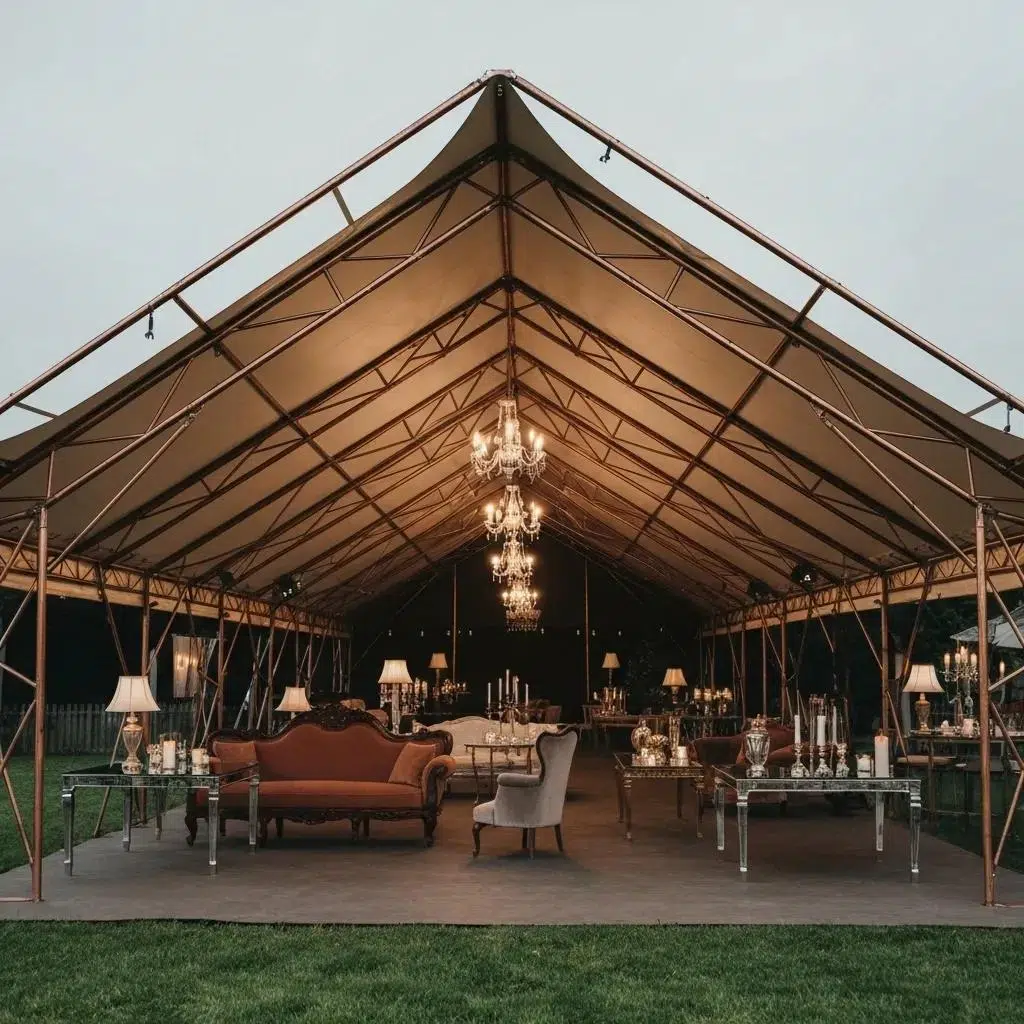
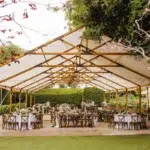
A frame tent is built using a welded metal framework that supports the canopy from its edges, completely eliminating the need for interior poles.
- Unobstructed interior space, allowing for complete layout freedom
- Adaptable to hard surfaces like patios, decks, and parking lots
- Available in a wide range of sizes, from intimate gatherings to grand galas
- Enhanced stability and wind resistance due to its robust frame design
This self-supporting structure maximizes usable space and can be tailored to fit a variety of locations and event designs.
How Does a Pole Tent Differ in Design and Support?
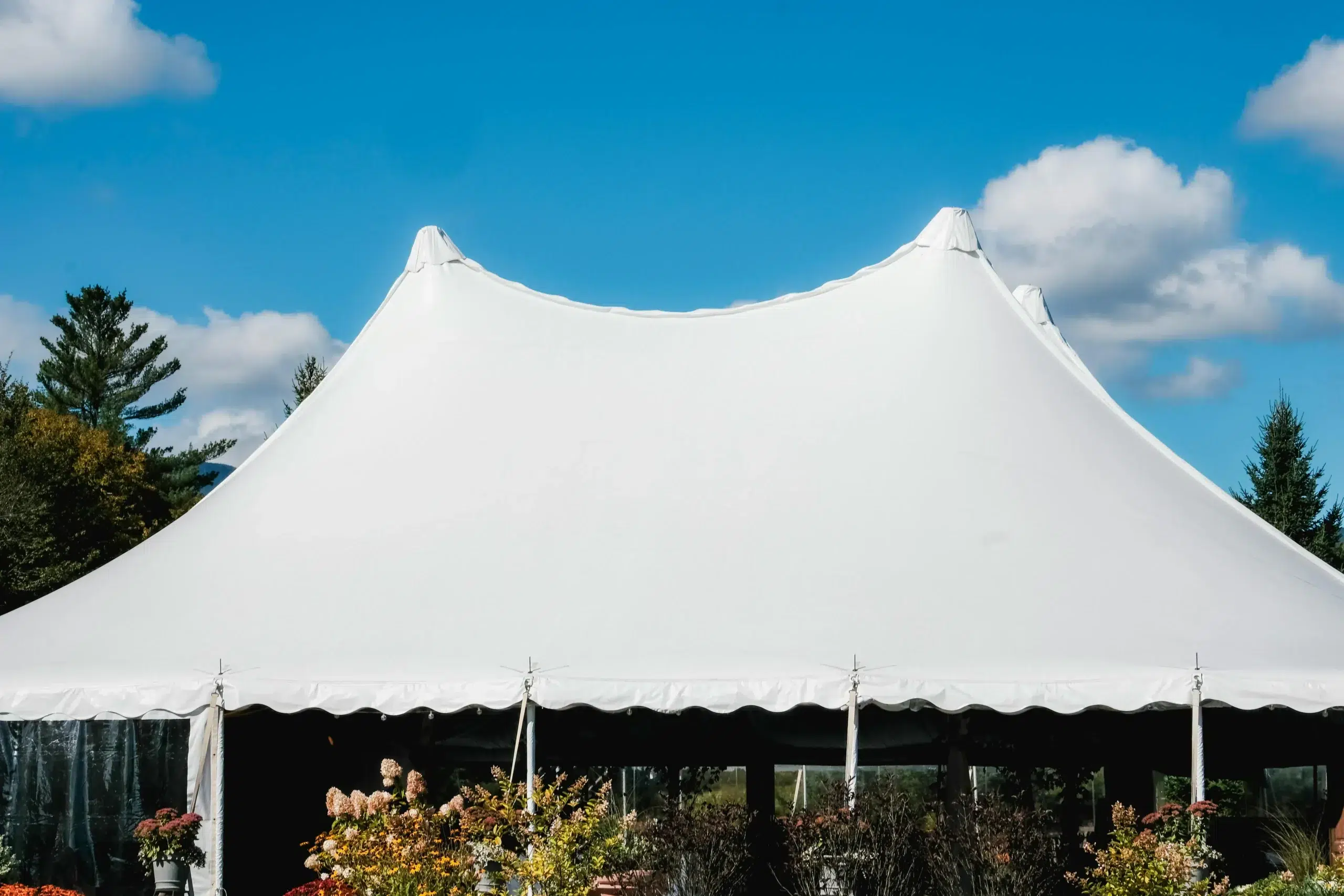
A pole tent utilizes one or more central poles, along with perimeter poles, all secured firmly to the ground with stakes.
- Distinctive central peak creates a classic, dramatic silhouette
- Requires staking into the ground for stability, ideal for grassy areas
- Graceful, swooping sidewalls add a romantic touch, perfect for garden events
- Often more budget-friendly and quicker to set up than frame tents
The iconic peaked design lends a romantic feel but requires careful planning around the interior poles to ensure smooth guest flow and optimal décor placement.
What Are the Practical Implications of These Structural Differences?
Both tent styles significantly influence venue selection, décor possibilities, and the overall guest experience. Read more in Tent Rentals in Ventura County: Local Guide to Sizes, Styles & Pricing.
- Layout Flexibility: Frame tents allow for open-concept designs, while pole tents necessitate planning around the central poles.
- Surface Requirements: Frame tents can be installed on hard surfaces; pole tents need soft ground for staking.
- Aesthetic: Pole tent peaks offer a traditional, romantic look; frame tent lines lend themselves to modern, sleek designs.
- Setup Complexity: Frame tents typically require more labor and time to erect; pole tents can be staked quickly on suitable ground.
Aligning these practical considerations with your venue and event style will ensure a seamless setup and a comfortable experience for your guests.
Exploring the Pros and Cons of Frame Tents
Frame tents offer modern versatility, though they represent a higher investment.
What Are the Main Advantages of Choosing a Frame Tent for Your Event?
Frame tents shine with their adaptability and robust construction:
- Unobstructed interior space allows for maximum layout flexibility
- Can be installed on hard surfaces, expanding your venue choices
- Excellent wind resistance provides added security, especially in coastal areas
- Sleek, contemporary lines are ideal for corporate branding and elegant receptions
What Are the Potential Downsides of Frame Tents?
While advantageous, frame tents do come with certain considerations: We cover this further in Corporate Tents Balancing Professionalism and Practicality.
- Higher rental and delivery costs compared to pole tents
- Longer setup and dismantling times can increase labor expenses
- The visible framework may require decorative draping for a softer aesthetic
- Limited peak height compared to pole tents, offering less dramatic rooflines
Understanding these limitations helps you balance your budget with your design aspirations.
Discovering the Advantages and Disadvantages of Pole Tents
Pole tents offer classic style and straightforward installation, with a few unique factors to keep in mind. You may also find Ventura Holiday Event Rentals Guide: From Tents to Tableware helpful.
Why Are Pole Tents a Popular Choice for Many Events?
Pole tents are favored for their striking peaks and efficient setup: You may also find Best Practices for Choosing Tents and Canopies for Events helpful.
- Their iconic peaked silhouette enhances romantic and festive atmospheres
- Generally lower rental fees make them ideal for large festivals and casual gatherings
- Quicker staking process means faster setup on grassy sites
- The natural curves of the sidewalls beautifully frame outdoor scenery
What Limitations Should You Consider with Pole Tents?
Pole tents have specific characteristics that can impact event logistics:
- Center poles can obstruct sightlines and affect aisle or seating arrangements
- Requires staking into the ground, meaning it’s best suited for undisturbed turf or soil
- May have reduced wind performance if not expertly staked and tensioned
- Varying peak heights can limit clearance for elaborate lighting or truss systems
Carefully considering these limitations is essential for ensuring guest safety and comfort.
How to Select the Ideal Tent Type for Your Specific Event
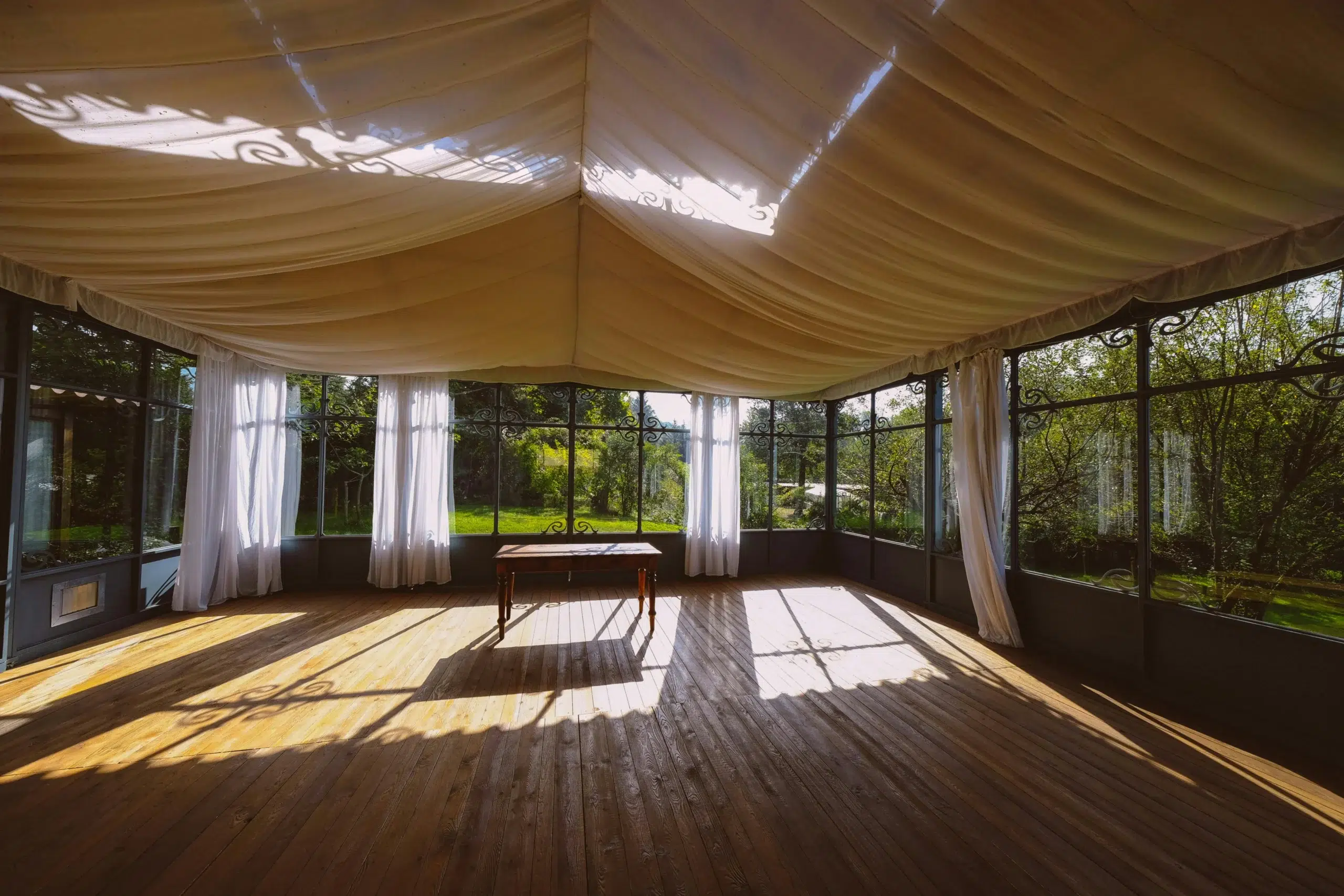
Which Tent Is Best for Outdoor Weddings and Romantic Settings?
Pole tents create a timeless romance with their iconic peaked roofs and flowing sidewalls, perfectly complementing lush lawns and garden backdrops. For ceremonies by the water or elegant receptions on paved areas, a frame tent offers unobstructed views and a sleek canvas for sophisticated décor. You may also find Waterproof Tent Rentals Santa Barbara: Frame vs Pole helpful.
What Tent Works Best for Corporate Events and Trade Shows?
Frame tents provide expansive, clear-span interiors that are perfect for exhibitor booths, keynote stages, and breakout sessions. Their ability to be securely anchored on asphalt allows for durable flooring, high-traffic areas, and prominent signage without any interior obstructions.
Which Tent Is Ideal for Festivals and Large Gatherings?
Pole tents offer excellent value per square foot and create impressive volume for food courts, performance stages, and craft markets on grassy fields. Frame tents are a great choice for VIP lounges or essential back-of-house operations where stability on varied surfaces is a priority.
How Do Private Parties Influence Tent Selection?
For intimate birthday celebrations or anniversary parties, frame tents on patios or driveways offer flexibility for custom flooring and lighting. Casual backyard barbecues and garden picnics feel perfectly at home under pole tents, with their open sidewalls and natural ventilation.
Key Factors to Consider When Choosing Between Frame and Pole Tents
How Does Installation Surface Affect Tent Choice?
The ground beneath you is a deciding factor: frame tents can be secured with bolts or ballasts on hard surfaces, while pole tents require staking into soil. Matching the tent’s anchoring method to your venue’s conditions is crucial to avoid last-minute complications. See sizes and styles in our tent rentals catalog.
How Do Budget and Cost Impact Your Tent Selection?
Generally, pole tents cost about 15–25% less per square foot than frame tents. Always factor in the total cost, including delivery, labor, and any necessary site preparation, to ensure it aligns with your overall event budget.
What Role Do Weather Conditions and Wind Resistance Play?
Frame tents, with their rigid framework, are engineered to withstand higher wind gusts, making them an excellent choice for breezy coastal locations. Pole tents require meticulous staking and tensioning to maintain stability in varying weather conditions.
How Important Are Aesthetics and Interior Space for Your Event?
Frame tents provide a minimalist, modern canvas for contemporary décor, while pole tents offer iconic peaks that enhance traditional themes. Evaluate your guest count and desired ambiance to select a layout that maximizes both usable space and your event’s unique style. For a quote built around your venue and guest count, contact our event rental team.
The Ventura Rental team, with decades of experience serving Southern California, is here to help. We offer expert advice on ground conditions, guest flow, and design integration to ensure you secure the perfect tent for your event. Reach out to our specialists to explore your options, get a personalized quote, and book the tent that perfectly matches your vision.