
Outdoor dining is a natural fit for many Santa Barbara celebrations, but a successful catered event depends on what happens behind the scenes as much as what guests see. The catering team needs enough space to receive food and supplies, prepare or finish dishes, maintain safe temperatures, plate meals, replenish service stations, clear used tableware, and move through the property without conflicting with guests or other vendors.
For hosts and planners comparing Catering rental Santa Barbara options, the strongest approach is to design the catering setup around the menu, service style, property, and event schedule before selecting individual equipment. Ventura Rental Party & Events serves event planners, caterers, and private clients with catering equipment, tenting, tables, furniture, linens, tabletop rentals, flooring, lighting, power, and other event infrastructure. The company also provides Santa Barbara event rentals for weddings, corporate gatherings, private celebrations, and outdoor events throughout the area.
Start With the Menu and Service Format
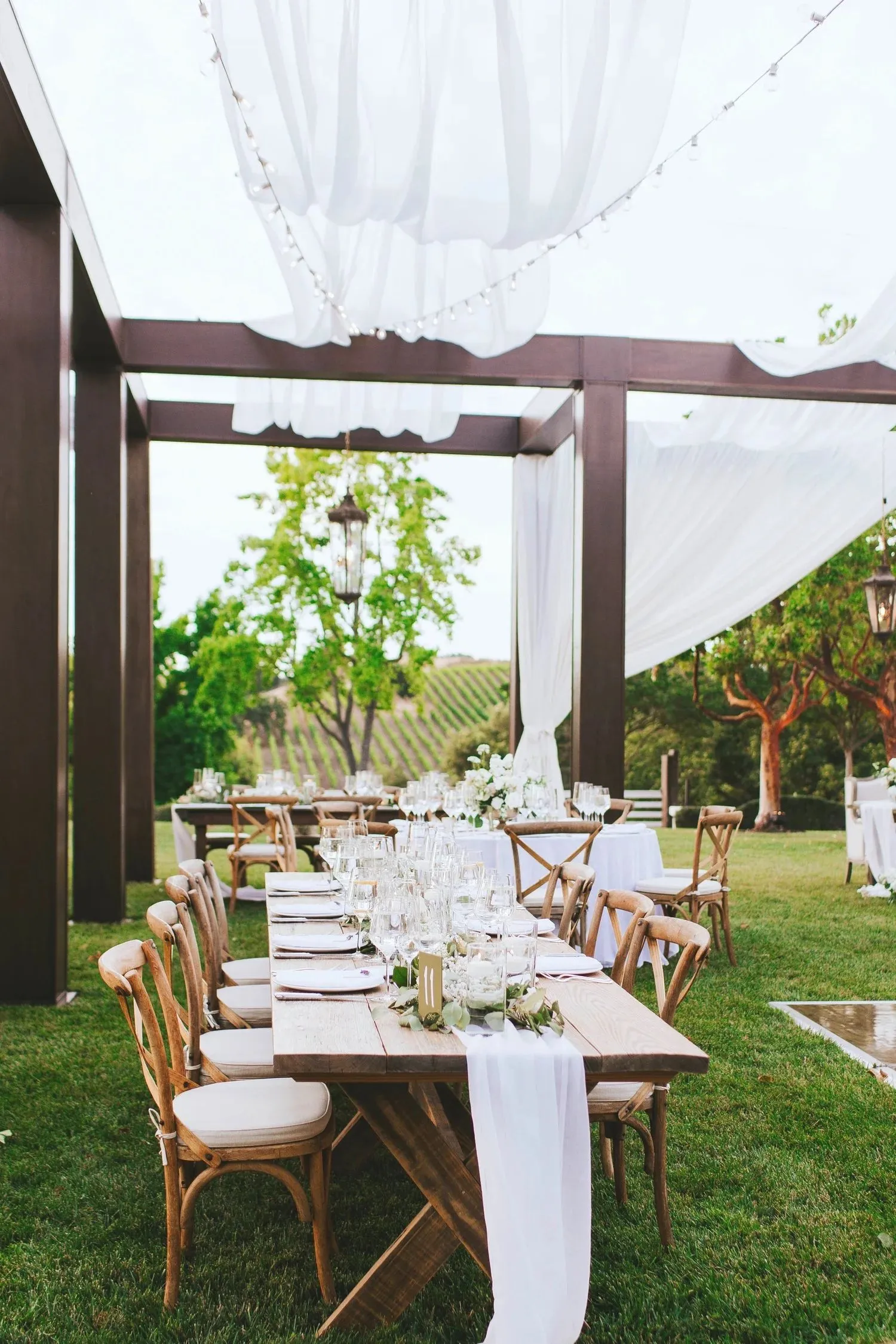
The catering setup should follow the way food will be prepared and served. A plated dinner, buffet, chef station, cocktail reception, and family-style meal place different demands on the catering team, even when the guest count is the same.
Decide How Food Will Reach Guests
For plated service, caterers generally need an organized area for finishing dishes, plating multiple servings, and sending them to the dining area in sequence. That makes adequate work surfaces, hot or cold holding, clear service paths, and space for staff especially important.
A buffet shifts some of that activity toward the guest area. The back-of-house zone still needs preparation and replenishment space, while the buffet itself requires serving pieces, appropriate food-holding equipment, utensils, plates, and enough room for guests to move through the line without blocking dining tables.
Stations or interactive food service may require equipment closer to guests. If cooking or finishing takes place at a station, determine how fuel, electricity, ventilation, lighting, food storage, and safe separation from guest traffic will be handled. The caterer should approve the final arrangement because the menu determines what equipment and working conditions are necessary.
Ask the Caterer for an Equipment List Early
Do not build the rental order from a generic catering checklist. Ask the catering team what they are bringing and what they expect the venue or rental provider to supply.
Useful questions include whether the caterer needs refrigeration, ovens, burners, grills, hot boxes, prep tables, sinks, handwashing equipment, food carriers, sheet pans, serving trays, trash receptacles, or additional storage. Ventura Rental’s current kitchen and food prep rentals include categories for food prep and service, food presentation, and kitchen equipment. Its catalog lists items such as refrigerators, convection ovens, grills, burners, griddles, hot boxes, a three-compartment sink, handwashing sink, food carriers, bus tubs, prep tools, and service pieces.
Confirm quantities and specifications with the caterer rather than assuming every menu requires the same equipment.
Create a Functional Back-of-House Catering Zone
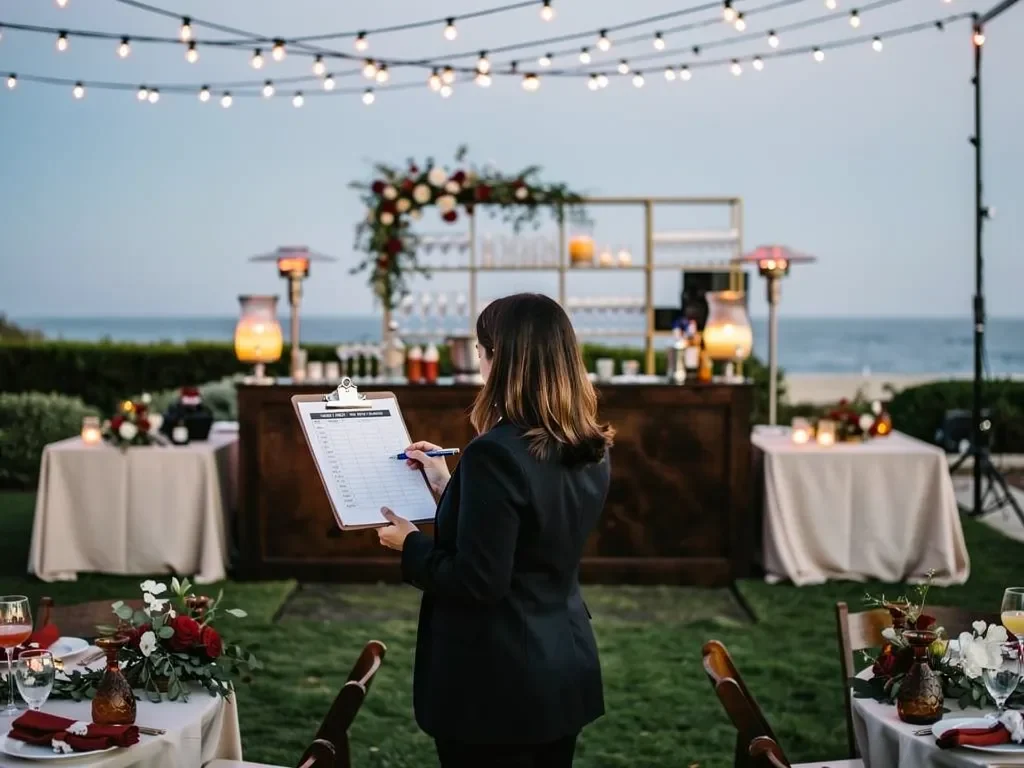
An outdoor venue may provide plenty of open space without providing an actual service area. A backyard, garden, estate, courtyard, or coastal property often needs a temporary back-of-house zone that functions like a small working kitchen without interfering with the atmosphere of the event.
Separate Prep, Cooking, Plating, and Bussing
Start by dividing the catering area according to workflow. Depending on the menu, the setup may need space for receiving and storage, cold holding, food preparation, cooking or reheating, plating, service pickup, used-dish collection, waste, and sanitation.
The goal is to reduce unnecessary crossing between clean food preparation and used tableware. A catering team should be able to move from storage and preparation toward service while cleared plates and waste move toward a separate collection area.
This does not require an oversized footprint. It requires intentional placement. A few properly positioned work tables, storage points, food-holding units, and bussing areas can support a much smoother operation than equipment scattered wherever space happens to be available.
Protect the Service Route
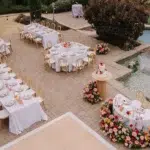
Map the path between the catering area and dining tables before placing tents, lounge furniture, bars, décor, or entertainment equipment. Servers carrying trays should have a practical route that avoids stairs, crowded cocktail zones, narrow gates, décor installations, and unnecessary crossings through guest seating.
Ventura Rental notes that Santa Barbara properties can range from established venues to gardens, coastal sites, and private estates, each with different layout and access considerations. The company’s outdoor-event guidance recommends planning guest and vendor zones together so service areas remain functional without disrupting the event.
If the catering area is intentionally screened from view, make sure the screening does not create a bottleneck. Staff still need adequate entrances, exits, lighting, and room to transport equipment and trays.
Choose Catering Equipment Around Food Flow
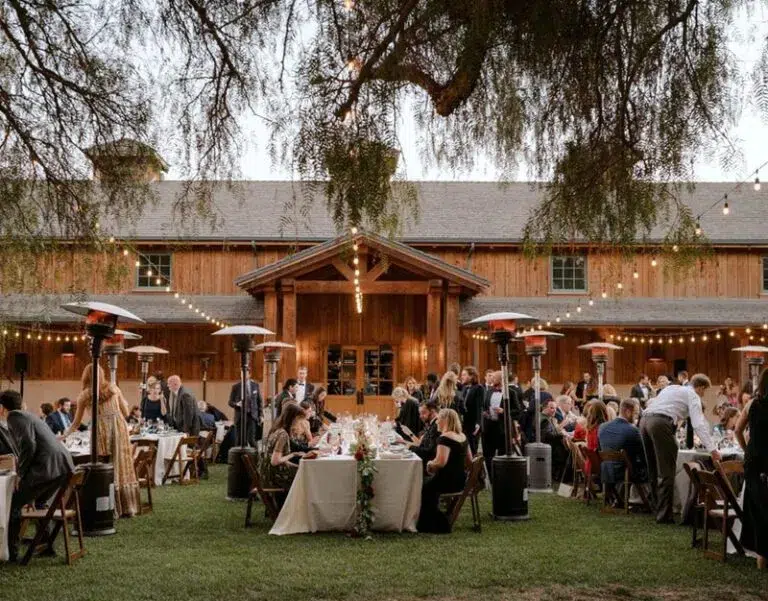
Rental equipment should solve a specific operational need. Selecting pieces according to the actual menu and service sequence can reduce clutter while giving the catering staff the workspace they require.
Plan for Preparation and Temperature Control
Outdoor events without a permanent kitchen may need additional refrigeration, hot holding, cooking equipment, or insulated food carriers. Ventura Rental’s current kitchen inventory includes commercial and smaller refrigeration options, freezers, ovens, burners, grills, griddles, hot boxes, fryers, and other food-preparation equipment.
Which items are appropriate depends on whether food arrives fully prepared, is finished on-site, or is cooked at the event. A caterer bringing finished meals may primarily need holding and plating support, while a chef preparing food on location may require a substantially more developed kitchen area.
California Department of Public Health guidance emphasizes keeping hot food hot and cold food cold and identifies 41°F to 135°F as the temperature range in which bacteria can grow when food remains there for an extended period. Temperature control, monitoring, and food-handling procedures should be managed by the catering professionals in accordance with applicable California Retail Food Code and local requirements.
Complete the Service Side of the Setup
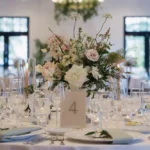
Once production needs are covered, review the equipment guests and servers will use. Depending on the format, that can include chafing equipment, serving utensils, platters, trays, beverage dispensers, glassware, china, flatware, linens, and service tables.
Ventura Rental maintains separate food prep, beverage service, tabletop, linen, and other rental categories, allowing the catering and dining portions of the event to be coordinated through the broader rental plan. For more detail, see our article Who Sets Up Fall Wedding Tabletop Rentals in Santa Barbara.
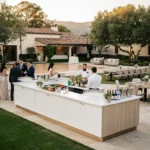
For buffets and stations, look at the complete guest experience. Make sure there is room to approach the station, select food, step away, and reach dining areas without creating a line across another event zone. If servers will replenish food from behind the station, preserve a separate staff-side pathway where possible.
Plan Power, Water, and Sanitation Before Layout Approval
Utilities can determine where an outdoor catering area can realistically operate. Confirm these requirements before approving the final floor plan because moving a kitchen setup late in the process can affect tents, bars, lighting, dining tables, and service routes.
Calculate Catering Power With the Other Vendors
Refrigerators, ovens, warmers, lighting, beverage equipment, entertainment, and production equipment can all draw power. Do not assume that a nearby household outlet or venue circuit can support the combined event load. We cover this further in Designing the Ultimate Wedding Tablescape from Base to Bloom.
Ask each vendor to provide its electrical requirements, then coordinate those needs as one power plan. Ventura Rental offers outdoor event power rentals, including generators and power-distribution equipment, and specifically recommends considering catering requirements alongside lighting, entertainment, bars, and other event systems.
Generator or electrical equipment should be selected and positioned by qualified parties according to manufacturer instructions, venue requirements, and applicable safety rules. The caterer should also identify any equipment that uses propane or another fuel so the venue and event team can address placement and operating restrictions before setup.
Provide Water and Sanitation Where Needed
A catering area may need dedicated handwashing, utensil washing, potable water, and wastewater arrangements depending on the type of food operation. Ventura Rental’s current food-prep catalog lists a handwashing sink, while its kitchen-equipment catalog includes a three-compartment sink.
Requirements vary according to the event and food-service operation. Santa Barbara County Environmental Health oversees caterers, temporary food facilities, retail food operations, and related health permits. The county describes caterers as businesses providing food or beverages at functions away from the location where the food was prepared. It also maintains separate requirements for temporary food facilities and community events.
For events subject to temporary food facility rules, organizers and food vendors may need Environmental Health permits. Hosts and planners should confirm the requirements that apply to their specific event with the caterer, venue, and Santa Barbara County Environmental Health rather than assuming that rules for one event format apply to another.
Prepare the Catering Area for Santa Barbara Fall Conditions
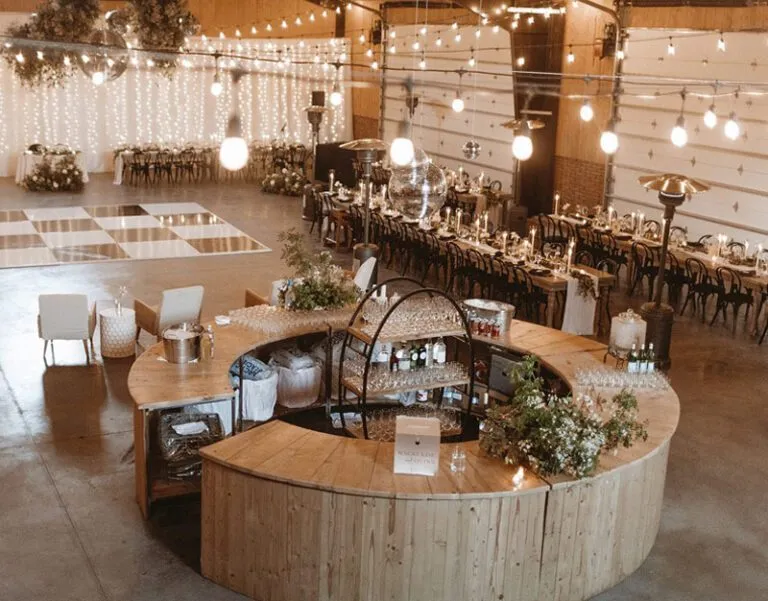
Fall weather can make outdoor entertaining appealing in Santa Barbara, but an event that starts in daylight may operate under very different conditions during dinner and breakdown. The catering area needs its own weather plan rather than relying only on guest-comfort arrangements. For more detail, see our article Cater Fall Gatherings Easily with Santa Barbara Rentals.
Consider Shelter for Food and Staff
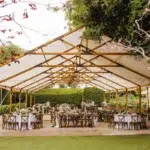
A catering tent or other approved covered work area can help define the back-of-house space and protect equipment and work surfaces from changing outdoor conditions. Ventura Rental offers tents and canopies alongside catering, flooring, lighting, and power rentals.
Discuss tent size and placement with the caterer before ordering it. The structure needs enough room for the actual equipment configuration and staff movement, not simply enough square footage to store supplies.
Wind exposure also deserves attention at coastal and hillside properties. Lightweight table coverings, signs, disposable service items, and temporary screening can behave differently outdoors, so the setup should be selected and secured according to venue conditions and professional installation guidance.
Light the Work Area for Evening Service
Guest lighting and catering lighting serve different purposes. Decorative lighting may establish atmosphere around the dining area, but catering teams need practical visibility for preparation, plating, cleaning, equipment controls, and service paths.
Include back-of-house fixtures and the route between the kitchen and dining area in the lighting plan. Lighting cables, generators, kitchen equipment, and service traffic should be coordinated together rather than installed independently.
If heaters are planned for guest spaces as temperatures cool, keep their locations separate from catering traffic and verify placement requirements with the rental provider and venue. Ventura Rental’s catalog includes lighting and heaters alongside the equipment categories commonly used for outdoor Santa Barbara events.
Coordinate Delivery and Setup With Every Vendor
The final catering plan involves several teams: the venue, caterer, rental provider, planner, lighting company, florist, entertainment vendors, and sometimes additional production crews. A shared setup sequence helps prevent one installation from blocking another.
Confirm Property Access Before Delivery
Provide accurate information about gates, stairs, elevators, driveways, loading areas, parking restrictions, surface conditions, and the distance from unloading points to the catering location. Large refrigeration or cooking equipment creates different access requirements from linens or tabletop pieces.
Ventura Rental states that its Santa Barbara service includes delivery, professional setup, and post-event pickup, and that its team works with local planners, caterers, venues, and clients on event logistics.
At private properties, also identify landscaping, irrigation, slopes, and any areas that cannot support vehicles or equipment. Confirm these details before delivery rather than trying to redesign the catering zone while vendors are arriving.
Conduct a Final Catering Walk-Through
Before the event, compare the rental order with the caterer’s final menu and staffing plan. Verify equipment quantities, power needs, water arrangements, work surfaces, refrigeration or hot holding, service pieces, trash handling, lighting, shelter, and the path from the kitchen to guests.
This final review is also the time to confirm arrival windows and determine which equipment must be operational before the catering team begins loading in food. A clear sequence helps the back-of-house area become a functioning workspace before service begins.
Frequently Asked Questions
What Catering Rentals Are Useful for an Outdoor Santa Barbara Event?
The exact list depends on the menu and service format. Common needs can include prep tables, refrigeration, hot holding, cooking equipment, food carriers, sinks, serving pieces, beverage equipment, trash receptacles, tabletop rentals, power, lighting, and shelter. Ventura Rental offers these needs across several event-rental categories.
Does an Outdoor Caterer Need a Separate Prep Area?
Many outdoor events benefit from a dedicated catering zone because it keeps food preparation, storage, plating, bussing, and service operations organized and away from guest traffic. The caterer should determine the workspace required for the specific menu.
Do I Need a Catering Tent for a Fall Event?
Not every event requires one, but covered workspace may be useful when the venue lacks a permanent kitchen or protected service area. The decision should account for the equipment, weather exposure, property layout, and caterer’s operating requirements.
How Should I Plan Power for Outdoor Catering Equipment?
Ask the caterer for the electrical requirements of every powered item, then combine those needs with lighting and other event systems. A qualified rental or production professional can help determine the appropriate distribution and generator setup.
Do Santa Barbara Outdoor Events Require Food Permits?
Requirements depend on the event format and type of food operation. Santa Barbara County Environmental Health regulates caterers and temporary food facilities, and certain community or temporary food events require permits. Confirm the rules for the specific event with the caterer, venue, and county before finalizing the setup. Questions about delivery, setup or pricing? Talk to our team about your event.
Build the Catering Setup Into the Event From the Start
A strong outdoor catering plan begins with the menu and then works outward. Determine how food will be prepared and served, map the back-of-house area, identify kitchen and service equipment, confirm sanitation and utility needs, protect staff from changing outdoor conditions, and coordinate delivery access before the floor plan is finalized. Browse plates and place-setting pieces in our china and tableware rentals.
Ventura Rental Party & Events supplies catering equipment along with tents, power, tables, linens, tabletop pieces, lighting, furniture, and other rentals for Santa Barbara events. Browse the catering and event inventory, then contact Ventura Rental with your event date, location, guest count, service format, and equipment needs to begin coordinating the rental setup.