
A successful station depends on more than choosing beverages. The amount being served, the equipment needed to keep drinks ready, the timing of service, and the responsibilities of the caterer or bartender all influence how well the station functions. Planning these details early also makes it easier to select beverage-service rentals that fit the event without adding unnecessary equipment.
Decide What the Beverage Station Needs to Serve

Start with the beverage menu before choosing dispensers, coffee urns, carafes, or other rental pieces. Different drinks require different preparation and service methods, so a clear menu helps determine what the station actually needs.
Keeping the selection focused can also make service easier for both guests and the event team.
Choose One Primary Warm Beverage
A signature fall drink gives the station a clear purpose. Hot apple cider is a natural option for seasonal gatherings, while some events may center the station around coffee, tea, or another warm nonalcoholic beverage.
Choosing one primary drink helps simplify the equipment plan. Instead of preparing several beverages in large quantities, the event team can concentrate on maintaining one main option and add smaller secondary choices where appropriate.
For an evening celebration, the primary beverage can also change with the timeline. Cider may work well during guest arrival, while coffee and tea become more relevant after dinner.
Decide Whether Coffee and Tea Need Separate Service
Coffee and tea often require their own equipment rather than sharing the same service setup as cider or another specialty beverage.
A larger coffee service may require coffee makers or urns, while insulated carafes and air pots can support smaller quantities or table-side service. Tea service also requires reliable access to hot water, along with suitable serving pieces for tea bags, sweeteners, lemon, milk, or other accompaniments.
Ventura Rental offers beverage-service equipment that can support these needs, including coffee makers, coffee urns, insulated carafes, air pots, and hot-water equipment.
Keep Alcoholic Service With the Event’s Bar Team
A hot toddy or similar seasonal cocktail can be incorporated into a fall event, but alcoholic beverage service should remain coordinated with the event’s bartender, caterer, or licensed bar provider.
The rental plan can support the physical setup with appropriate beverage-service pieces and other event rentals, while the bar team handles alcohol, ingredients, preparation, recipes, and responsible service.
Separating these responsibilities early helps avoid confusion when the event team begins finalizing rentals.
Size the Station for the Number of Drinks It Must Serve
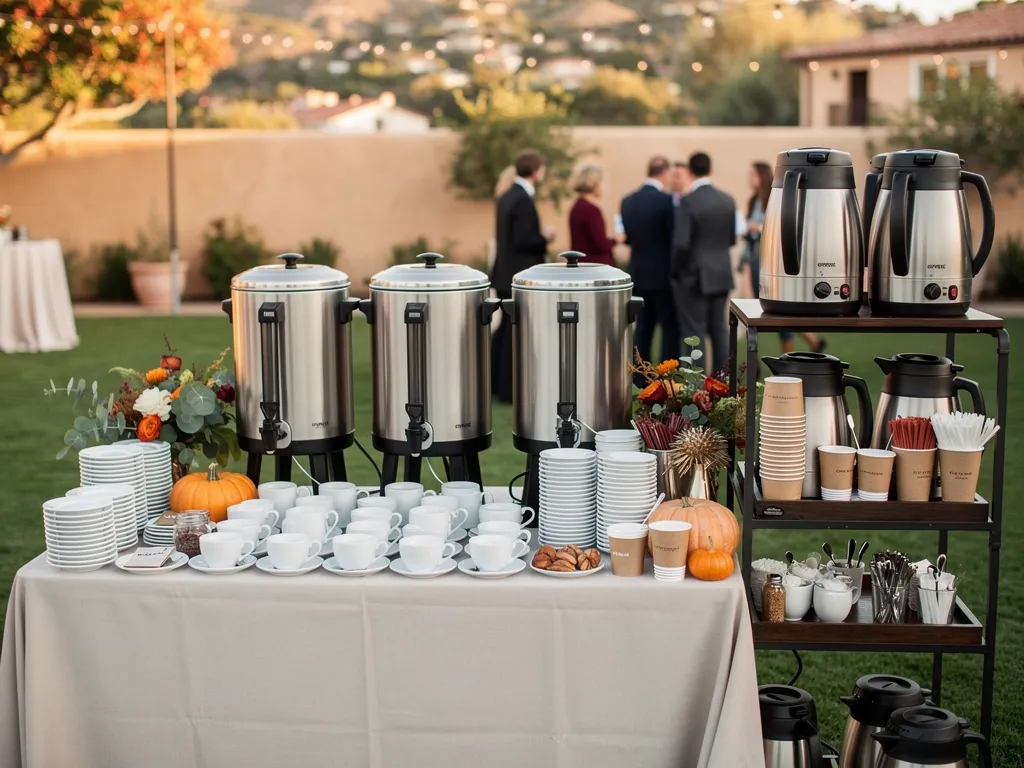
Capacity is one of the most important considerations when planning a hot beverage station. A beautiful setup will quickly become inconvenient if the equipment cannot keep pace with demand.
Consider how many guests are attending, which beverages are being offered, and when guests are most likely to use the station. These factors are often more useful than simply choosing equipment based on appearance.
Estimate Demand Around the Service Window
A beverage station operating for thirty minutes during guest arrival has different requirements from one serving drinks throughout a four-hour reception.
For welcome service, a large portion of guests may approach the station within a short period. After-dinner coffee usually develops more gradually, while an evening cider or tea station may experience steady use over several hours.
Mapping the expected service window helps determine how much beverage needs to be available at once and whether additional capacity should remain nearby for replenishment.
Match Equipment Capacity to Expected Usage
Once the event team understands expected demand, equipment can be chosen according to actual capacity.
Ventura Rental’s beverage-service inventory includes coffee equipment in different sizes as well as larger hot-water service options. For a small dinner, an oversized urn may be unnecessary. A large wedding or corporate gathering, however, may require equipment capable of supporting significantly more servings.
Guest count should therefore be considered alongside the type of beverage and the speed at which it will be served.
Plan Backup Volume Before Service Begins
A station should be able to continue operating while additional beverage is being prepared or brought forward.
Reserve coffee, tea, cider, cups, napkins, sweeteners, and other supplies can be staged away from the guest-facing portion of the station. This gives the catering team quick access to replacements without crowding the display.
For events with a concentrated service period, having backup volume ready before guests arrive can also prevent delays at the busiest point.
Choose Equipment for Heating, Holding, and Pouring
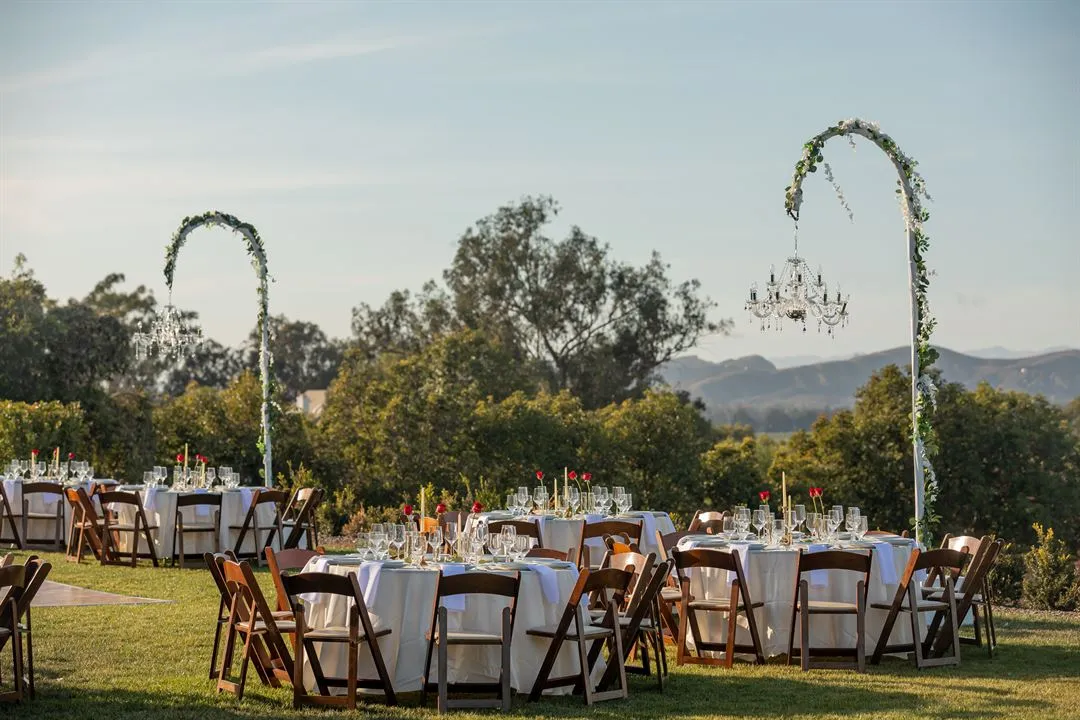
A practical hot beverage station performs several functions. Drinks may need to be prepared, kept at the appropriate serving temperature, transferred to the service area, poured efficiently, and replenished as the event continues.
Thinking in terms of these functions produces a stronger rental plan than selecting individual pieces without considering how they will work together.
Equipment for Coffee and Hot Water
Coffee service may involve a coffee maker, coffee urn, insulated carafe, or air pot depending on the scale and style of the event.
Tea requires dependable hot-water service, particularly when many guests may request it within the same period. A dedicated hot-water unit can help keep tea service separate from coffee preparation and make replenishment easier.
When planning a Santa Barbara fall event, confirm the expected guest count and beverage quantities before selecting equipment so that the setup supports the actual volume required.
Insulated Equipment for Holding and Replenishment
Insulated beverage equipment can be useful when beverages are prepared in one location and served in another.
This is particularly relevant for outdoor events where the catering work area may be separated from the guest-facing station. Reserve beverages can remain staged with the catering team and be brought forward as needed.
Because different beverages may have specific equipment requirements, confirm the intended use of each dispenser or container with the rental provider and caterer before the event.
Serving Pieces That Complete the Station
The smaller service pieces deserve attention as well. Carafes, pitchers, cream-and-sugar sets, and other beverage accessories can make coffee and tea service easier while keeping the station organized.
Choose these pieces according to what guests actually need to prepare their drink. A coffee station may need cream, sugar, and sweeteners, while tea may require lemon and several tea selections.
Keeping the assortment intentional makes the station easier to use and restock.
Separate Pouring, Add-Ons, and Refills Into Three Functions

A beverage station works more efficiently when every item does not compete for space around the main dispenser.
Separating the pouring area from condiments and backup supplies gives each part of the station a clear function and reduces unnecessary handling during service.
Keep the Pouring Area Simple
The primary serving point should focus on the beverage itself.
Position cups and the main serving equipment where guests can reach them comfortably. Avoid surrounding the dispenser with excessive décor, garnishes, or supplies that interfere with pouring.
A cleaner setup also gives catering staff better access when the beverage needs to be replenished.
Move Condiments Beyond the Pour Point
Sweeteners, cream, milk, lemon, cinnamon, or other appropriate additions can be placed immediately after the main beverage area.
This creates a natural progression. Guests receive their drink first and customize it afterward rather than remaining directly in front of the serving equipment.
The specific accompaniments should be selected by the caterer or beverage provider according to the drinks being served.
Keep Refill Supplies Out of the Guest-Facing Display
Reserve cups, napkins, beverages, ingredients, and replacement serving pieces do not need to occupy the main display.
A nearby service area allows staff to replenish the station quickly while preserving a polished guest-facing presentation.
This approach is particularly useful at estate and outdoor events where storage and preparation areas may be located away from the main gathering space.
Give the Hot Beverage Station a Specific Moment in the Event
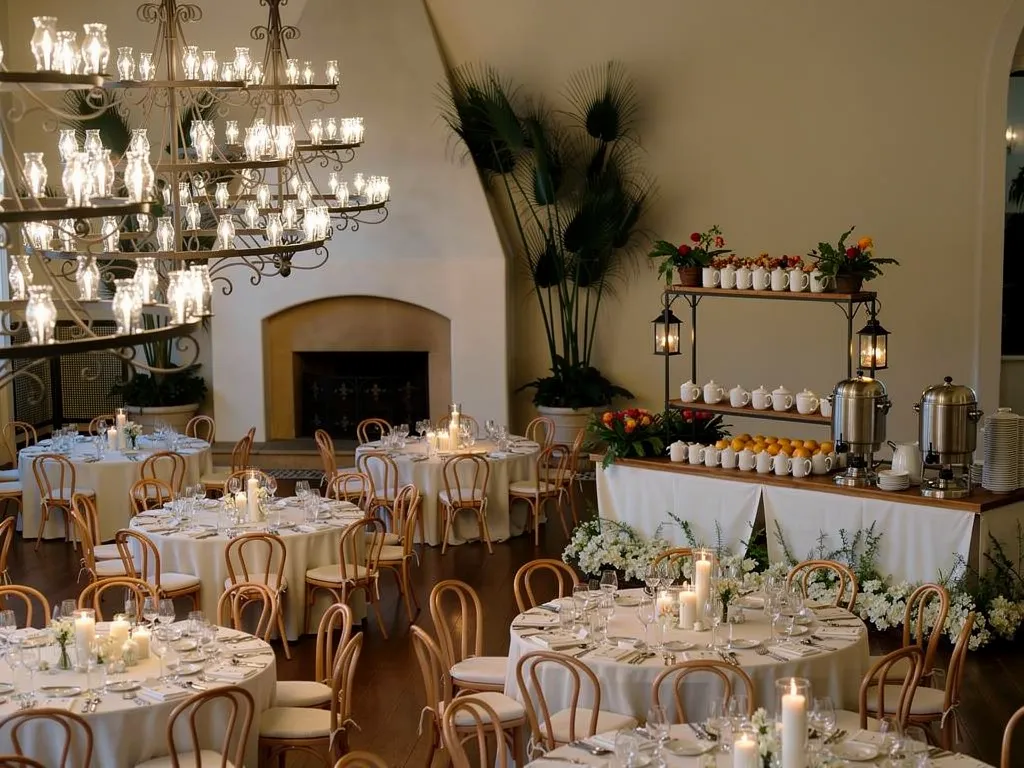
The station does not necessarily need to remain open from the first guest arrival until the event ends. Choosing a specific service period can make the experience feel more purposeful while reducing unnecessary equipment and beverage quantities.
Think about where warm drinks naturally fit into the schedule.
Welcome Guests With a Seasonal Pour
For an outdoor fall event, warm cider or another seasonal nonalcoholic drink can create an inviting arrival experience.
A welcome station works best when service is simple and quick because several guests may arrive at approximately the same time. Keeping the initial menu limited can make this period easier to manage.
Transition From Dinner Into Coffee and Warm Drinks
After-dinner service is another natural opportunity for a hot beverage station.
Coffee, tea, and cider can provide a smooth transition from the meal into dessert, conversation, or the evening portion of the event. This timing can also help planners avoid operating the station during periods when guest attention is focused elsewhere.
For more formal dinners, the event team can coordinate the station opening with dessert service so both elements feel connected.
Extend Warm Beverage Service Into the Evening
Outdoor Santa Barbara events may continue well after sunset. Keeping coffee, tea, or another warm beverage available later in the evening gives guests an additional refreshment option as the celebration continues.
The amount needed will depend on the event schedule and guest preferences, so late-evening service may require less capacity than the primary beverage period.
Confirm Rental and Service Responsibilities Before the Event
Several vendors may contribute to a hot beverage station, particularly at weddings and larger private events. Confirming responsibilities before the rental order is finalized prevents duplicated equipment and missing supplies.
The planner, caterer, bartender, venue, and rental provider should each understand what they are responsible for bringing or managing.
Confirm What the Caterer or Bartender Is Bringing
Ask the caterer or beverage team whether they are supplying the drinks, ingredients, garnishes, alcohol, preparation equipment, serving staff, and bar tools.
These services should never be assumed based solely on the rental equipment being ordered.
If alcoholic beverages are included, confirm who will prepare and serve them and whether any venue-specific requirements apply.
Identify What Needs to Come From the Rental Order
Once vendor responsibilities are clear, the planner can identify the remaining equipment.
Ventura Rental offers beverage-service rentals along with other event essentials, allowing planners to coordinate coffee equipment, beverage accessories, glassware, bars, and related rental needs according to the event plan.
Review the available equipment alongside the caterer’s service requirements rather than ordering beverage pieces independently.
Finalize Quantities With the Event Team
Before confirming the order, review the guest count, beverage menu, service duration, venue layout, and expected demand.
This final review gives the caterer an opportunity to confirm production needs while the rental team can help identify suitable equipment quantities. It also allows the planner to catch overlooked details before event day.
Frequently Asked Questions
What rental equipment do I need for a hot beverage station?
The exact equipment depends on what you are serving. Coffee may require coffee makers, urns, air pots, or carafes, while tea may require dedicated hot-water equipment. You may also need serving accessories, cups or glassware, and equipment for holding backup beverages.
What size coffee urn should I rent for my guest count?
Choose the size based on guest count, expected coffee consumption, and when coffee will be served. A short after-dinner service period may create more concentrated demand than an all-evening coffee station. Discuss expected volume with your caterer and rental provider before selecting equipment.
Can I serve cider from rented beverage equipment?
Potentially, but confirm that the specific rental equipment is suitable for the beverage you plan to serve. Different dispensers and insulated containers may have different intended uses.
Can the same station serve coffee, tea, and cider?
Yes, provided the station has enough space and separate equipment for beverages with different preparation and serving requirements. For larger events, dividing coffee, tea, and cider into distinct service points may make replenishment easier.
What equipment is needed for tea service at a large event?
Large tea service generally requires a reliable source of hot water, serving vessels, cups, tea selections, and space for accompaniments such as lemon, milk, and sweeteners.
Plan a Beverage Station Around the Way Guests Will Actually Use It
A successful hot beverage station begins with a clear beverage plan and follows a practical sequence: estimate demand, choose equipment with the right capacity, organize service, and confirm who is responsible for each component.
For Santa Barbara fall events, that preparation can help coffee, tea, cider, and other warm drinks become an easy part of the guest experience rather than another complicated event detail.
Ventura Rental offers beverage-service equipment and event rentals for celebrations throughout the Santa Barbara area. Explore the available rental collection or work with the Ventura Rental team to determine which pieces best support your event plans.