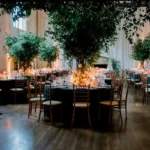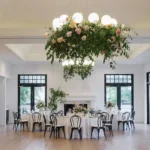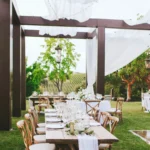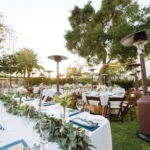

Tables are one of the most important rental decisions for any event. They shape how guests dine, gather, move through the space, and experience the overall atmosphere. Whether you are planning a wedding reception, private dinner, corporate event, cocktail party, nonprofit gala, or outdoor celebration in Santa Barbara, the right table rentals help create a layout that feels comfortable, organized, and visually aligned with the event style.
Choosing tables is not only about selecting a size or shape. It also involves thinking through the meal format, guest count, venue layout, service flow, tabletop design, and the different areas of the event that need a table. A seated dinner requires a different table plan than a cocktail reception. A private backyard party has different needs than a formal ballroom event. A garden wedding may call for a softer, more romantic table layout, while a corporate reception may need a clean and efficient setup for networking and service.
This guide explains how to choose table rentals in Santa Barbara based on event format, table type, venue style, guest flow, and dining needs.
Start With the Event Format Before Choosing Tables
Before selecting table shapes, sizes, or finishes, start with the format of the event. The way guests will eat, gather, and move through the space should guide the table plan.
Seated Dinner Events
Seated dinner events require the most structured table planning. Weddings, galas, private dinners, corporate dinners, and formal receptions usually need a designated seat for every guest. This means the table count, chair count, linen sizes, place settings, and service routes all need to be planned together.
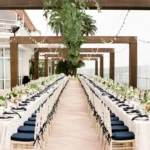
For a seated dinner, table shape affects the overall mood of the event. Round tables encourage conversation and feel classic for weddings and galas. Rectangular tables can create a more formal, family-style, or estate-dinner look. Farm tables can add warmth and texture, especially in garden, courtyard, or outdoor reception settings.
Cocktail-Style Events
Cocktail-style events are less formal and usually do not require a seat for every guest. These events are designed for movement, conversation, drinks, and light bites. Networking events, cocktail hours, open-house parties, launch events, and casual receptions often work well with high-top tables, low cocktail tables, and small gathering tables.
Cocktail tables help anchor the layout without making the event feel too seated or rigid. They give guests a place to set down drinks, gather in small groups, or pause between conversations. High-top tables are especially useful near bars, appetizer stations, patios, and open mingling areas.
Buffet or Food-Station Events
Buffet and food-station events require planning for both guest dining tables and service tables. The table rentals should support the way food will be displayed, served, and accessed.
A buffet setup may need long rectangular tables for food, separate beverage tables, dessert tables, plate and flatware stations, and guest dining tables nearby. Food stations may need multiple smaller service tables placed throughout the event space to reduce lines and improve flow.
The placement of buffet tables matters. Guests should be able to move through the food area easily without blocking walkways, bars, restrooms, or dining tables. Catering teams should also have access to refill food, remove empty trays, and work efficiently during the event.
Mixed-Format Events
Many Santa Barbara events combine multiple formats. A wedding may include a ceremony, cocktail hour, seated dinner, dessert display, bar service, and lounge-style gathering areas. A corporate event may include check-in, networking, a presentation, food stations, and a reception. A private party may include dining tables, cocktail tables, a bar, dessert station, and outdoor lounge areas.
For mixed-format events, table planning should happen by zone. Each part of the event needs its own table list. This prevents common gaps, such as forgetting cocktail tables, welcome tables, vendor tables, dessert tables, or bar-adjacent tables.
Popular Table Rental Types for Santa Barbara Events

The right table type depends on the event format, venue, guest count, and desired atmosphere. Each table style has a different purpose and creates a different guest experience.
Round Tables
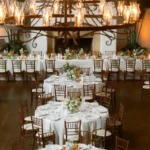
Round tables are a classic choice for weddings, seated dinners, galas, and conversation-focused layouts. They allow guests to face one another easily, which makes them effective for formal meals and social events.
Round tables work well when the goal is balanced seating and a traditional reception layout. They can be arranged evenly across a ballroom, tent, lawn, patio, or garden setting. They are also flexible because they can be used for both intimate and larger events.
When using round tables, consider the centerpiece size and table diameter. Guests should be able to see and speak across the table. Large centerpieces can be beautiful, but they should not block conversation or make the table feel crowded.
Banquet Tables
Banquet tables are rectangular tables that work well for family-style dining, corporate events, buffet service, and efficient seating layouts. They can be arranged individually, placed end to end, or used in long rows for a more communal dining experience.
Banquet tables are practical and versatile. They are useful for guest dining, vendor stations, registration areas, buffet lines, dessert displays, and presentation materials. Their rectangular shape also makes them efficient when working with narrow spaces or structured floor plans.
For formal dining, banquet tables can create a polished look when paired with appropriate linens, place settings, and centerpieces. For casual gatherings, they can support a simple and functional meal setup.
Farm Tables
Farm tables are popular for garden events, estate dinners, rustic-elegant weddings, and outdoor receptions. They bring warmth, texture, and a more natural look to the event design.
Because farm tables are often used without full tablecloths, they can become part of the visual design. They pair well with runners, napkins, candles, greenery, floral arrangements, and simple tabletop details. They can also create a more intimate and communal dining feel.
Farm tables are especially effective in outdoor settings, courtyards, private estates, vineyards, gardens, and spaces where the event design leans natural, romantic, or relaxed.
Cocktail Tables
Cocktail tables are designed for mingling. They are commonly used during cocktail hours, networking events, bar areas, casual receptions, and standing gatherings.
High-top cocktail tables are useful when guests will be standing with drinks and small plates. Low cocktail tables may be used near lounge areas or casual seating groups. A mix of cocktail table heights can create a more dynamic and comfortable layout.
Cocktail tables should be placed strategically. They work well near bars, appetizer stations, patios, and gathering areas, but they should not block pathways or create bottlenecks.
Specialty and Display Tables
Specialty and display tables are easy to overlook, but they are essential for a complete event setup. These may include sweetheart tables, head tables, cake tables, gift tables, welcome tables, escort card tables, vendor tables, product display tables, auction tables, favor tables, and guestbook tables.
Each specialty table should be planned based on its function. A cake table needs enough space for the cake, florals, signage, and serving items. An escort card table needs to be placed where guests can access it easily. A welcome table should be visible near the entrance. A head table should fit the wedding party or key guests without overwhelming the dining layout.
Specialty tables help organize the event and support important guest touchpoints.
How to Choose the Right Table Size and Shape
Choosing the right table size and shape requires more than estimating how many guests need seats. Meal style, tabletop design, centerpiece scale, and spacing all affect the final decision.
Match Table Shape to the Meal Style
Different meal styles work better with different table setups. A plated dinner often works well with round tables or banquet tables because each guest has a clear place setting and servers can move around the table. A family-style meal may need wider tables to allow room for shared platters, bread baskets, wine bottles, and centerpieces.
Buffets may require fewer guest dining tables if the event is casual, but they need strong service-table planning. Cocktail receptions rely more on high-top tables and smaller gathering surfaces than full dining tables.
Before choosing table shape, confirm the meal style. The table should support how food is served, how guests interact, and how the overall event should feel.
Plan for Guest Count and Seating Capacity
Guest count is the starting point for table quantity, but it is not the only factor. The final table plan should include guest dining tables, cocktail tables, service tables, and specialty tables.
For seated meals, determine how many guests can sit comfortably at each table type. For cocktail-style events, estimate how many cocktail tables are needed to support mingling without overcrowding the layout. For buffet or food-station events, plan enough service tables to prevent long lines and maintain food presentation.
It is also useful to account for last-minute guest-count changes, vendor needs, and display areas before finalizing the order.
Consider Table Width for Place Settings and Centerpieces
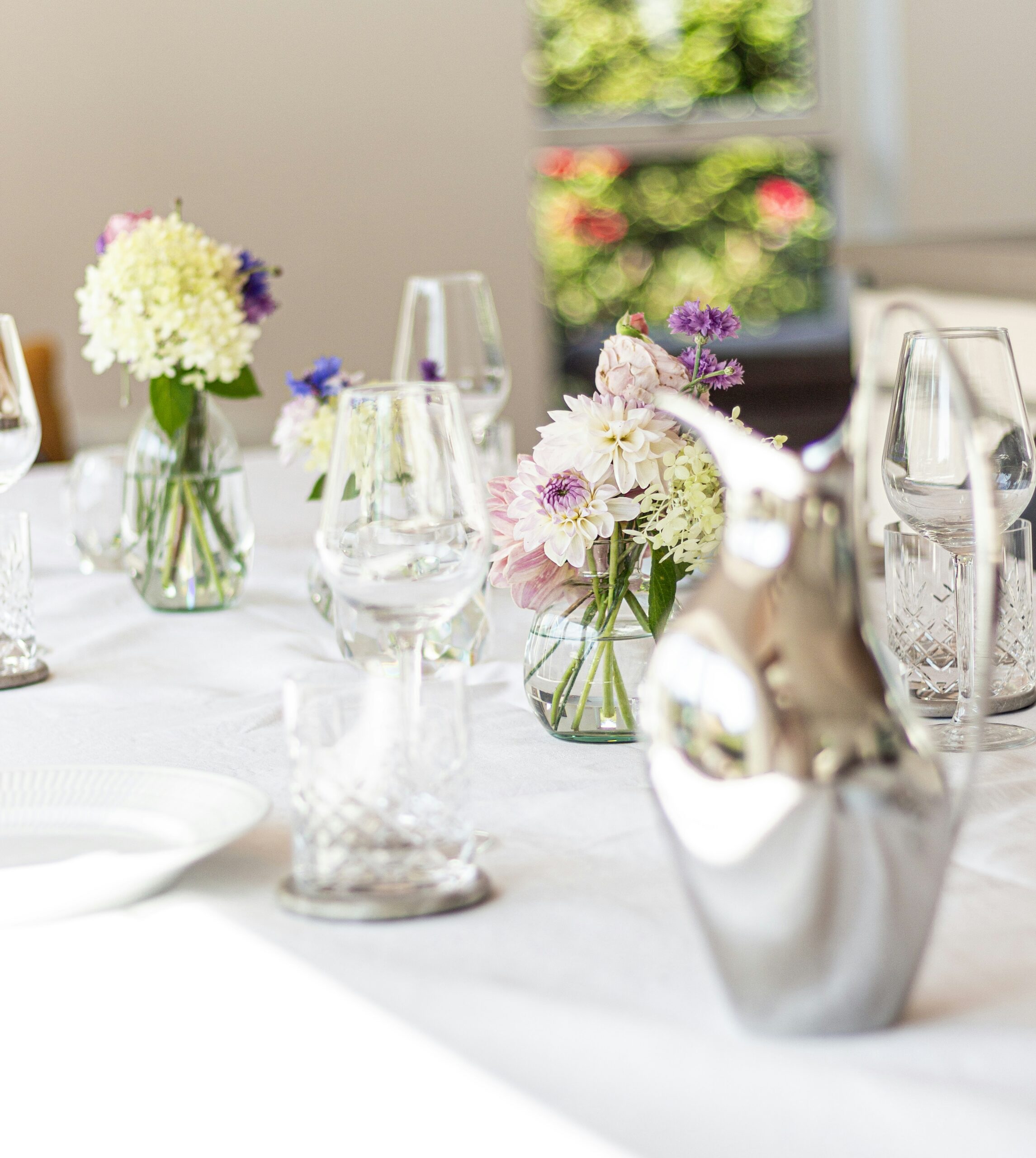
Table width matters because every place setting requires space. Chargers, dinner plates, salad plates, flatware, water glasses, wine glasses, menus, napkins, bread plates, and favors can quickly fill the surface.
Centerpieces also require space. Florals, candles, vessels, table numbers, and shared dishes should fit without making the table feel cluttered. If the meal is family-style, table width becomes even more important because platters and serving utensils must fit alongside the place settings.
A narrow table may look elegant, but it may not work well for a detailed tabletop design. Always choose table size with the full dining setup in mind.
Leave Enough Space Between Tables
Table spacing affects comfort, service, and accessibility. Guests need room to pull out chairs, stand, move between tables, and access walkways. Servers need enough space to deliver plates, clear dishes, refill glasses, and move efficiently.
A layout that looks efficient on paper may feel crowded once chairs, linens, centerpieces, lighting, and guests are added. For outdoor events, it is also important to leave space around tent poles, trees, patio edges, pathways, bars, buffet lines, and lounge areas.
Good spacing makes the event feel more refined and allows guests to move naturally.
Table Rentals by Event Type

Different events require different table plans. A wedding reception, private party, corporate event, and gala may all need tables, but the priorities and layout details vary.
Wedding Table Rentals
Wedding table rentals often include more than guest dining tables. A complete wedding table order may include guest tables, a sweetheart table, a head table, family tables, a cake table, an escort card table, cocktail tables, a gift table, a welcome table, bar-adjacent tables, and vendor tables.
The dining tables should support the reception style, whether the event uses round, banquet, or farm tables, or a mix. The sweetheart or head table should be placed where it feels visually important without blocking guest flow. The cake table and escort card table should be easy to find and styled to fit the overall design.
Private Party Table Rentals
Private parties can range from casual backyard dinners to polished milestone celebrations. Birthdays, anniversaries, showers, graduation parties, and family gatherings all need tables that fit the style and scale of the event.
A small dinner party may only need dining tables and a dessert table. A larger backyard celebration may need cocktail tables, buffet tables, bar tables, gift tables, and lounge-adjacent tables. If the event is outdoors, table placement should also account for shade, surface stability, and guest flow.
Private parties are often more flexible than formal events, so table rentals can be used creatively to create gathering zones and make the space feel more complete.
Corporate Event Table Rentals
Corporate events need tables that support organization, professionalism, and function. Depending on the event, rentals may include registration tables, presentation tables, dining tables, cocktail tables, sponsor tables, product display tables, and networking tables.
For a corporate dinner, table spacing and service flow are important. For a networking event, cocktail tables can encourage conversation without making the layout feel too formal. For a conference or presentation, registration and display tables should be placed where guests can access them easily.
Corporate table layouts should feel clean, efficient, and easy to navigate.
Nonprofit and Gala Table Rentals
Nonprofit events and galas often require formal dining tables plus several display and program-related tables. These may include auction display tables, check-in tables, donor tables, sponsor displays, program tables, dessert tables, and guest dining tables.
The table plan should support both guest experience and event goals. Auction tables need to be visible and easy to browse. Sponsor tables should be placed in high-traffic areas. Donor or VIP tables may require thoughtful placement. Program tables should support smooth event flow.
Because these events often include dining, speeches, auctions, and presentations, the table layout should balance elegance with function.
How to Match Tables to Your Venue Style
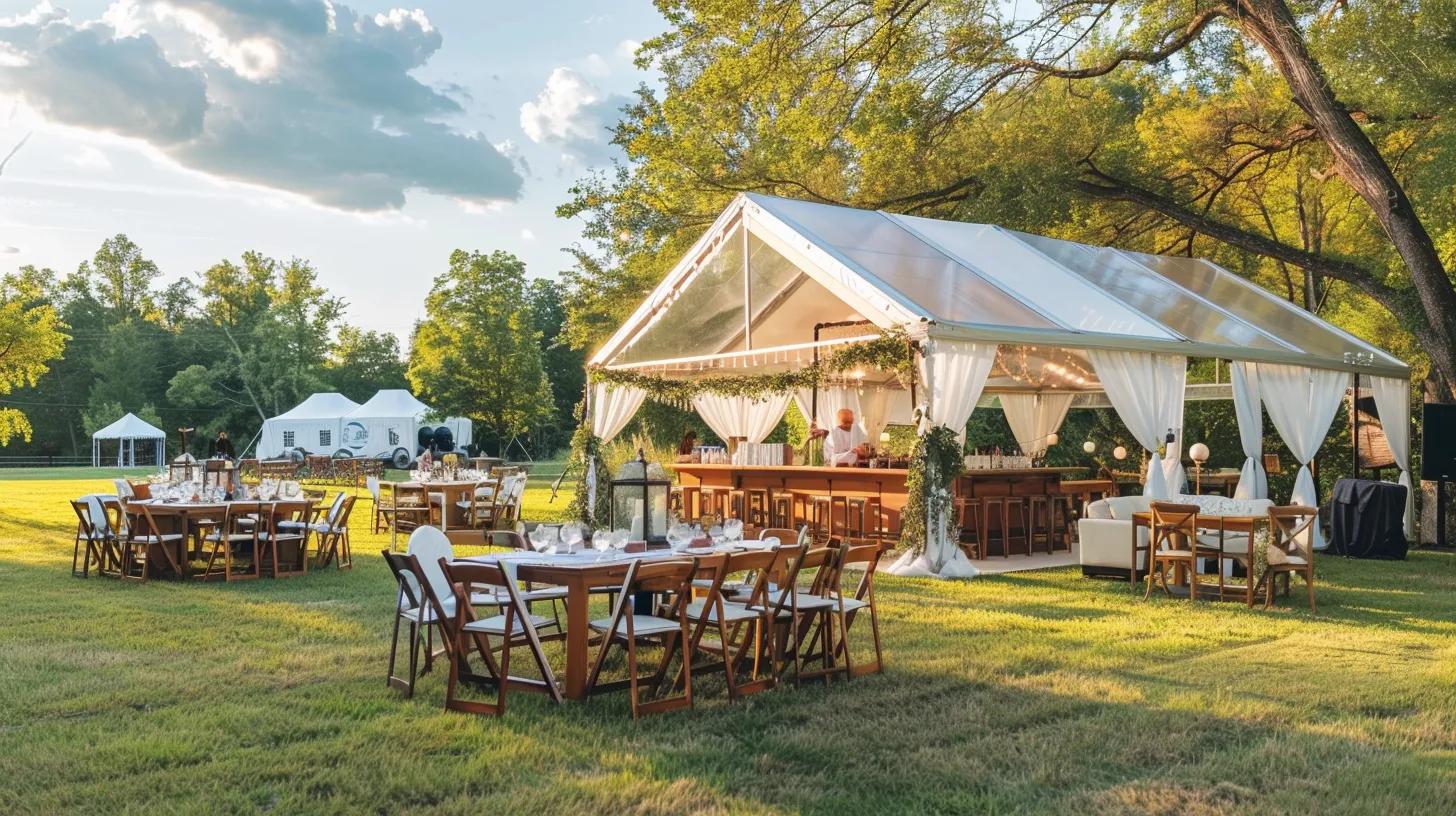
The venue should guide the table plan. The best table rentals will complement the setting while supporting the practical needs of the event.
Garden and Estate Venues
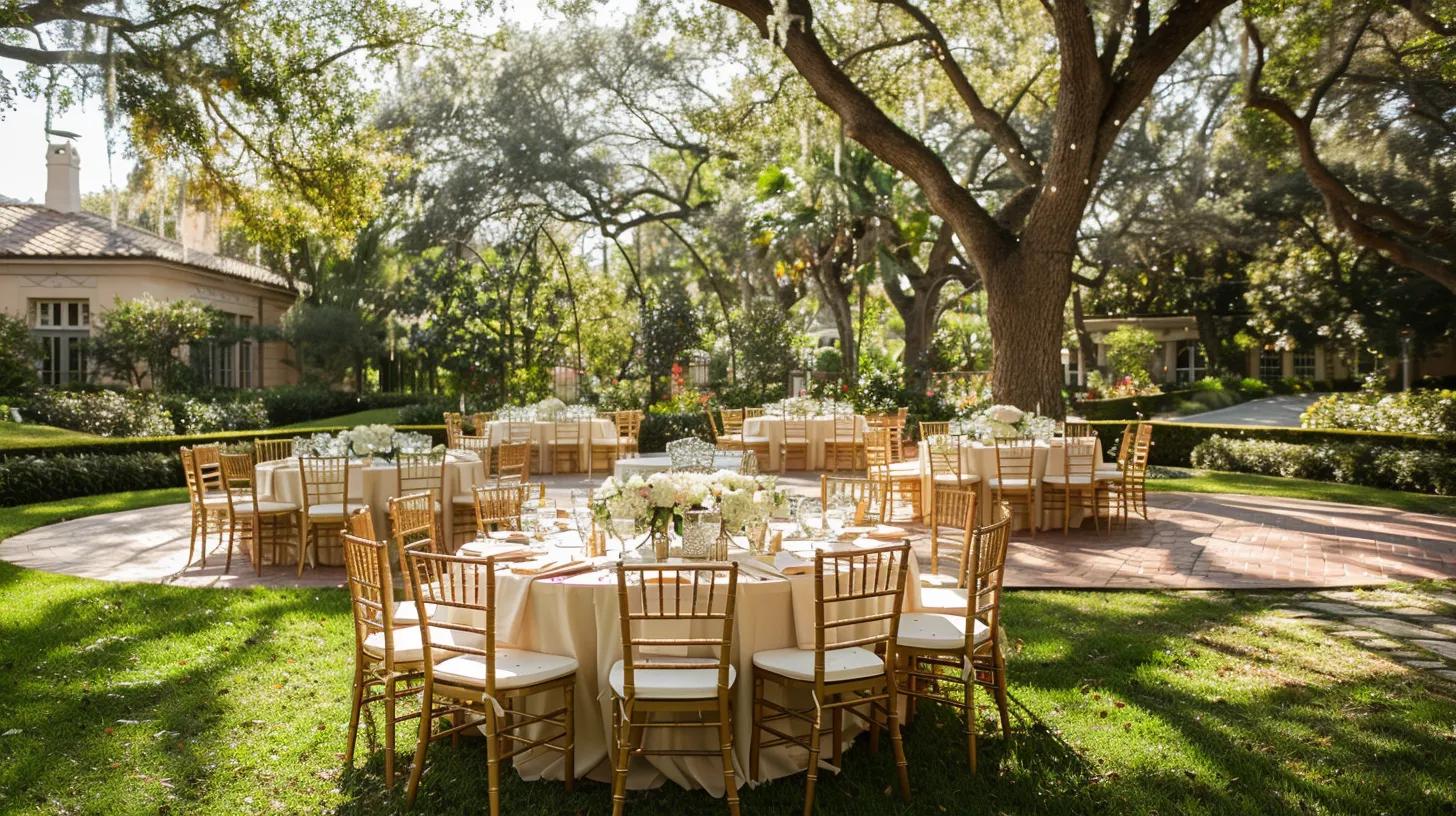
Garden and estate venues often work well with farm tables, round tables, or a thoughtful mix of both. These settings usually include greenery, lawns, florals, and outdoor dining spaces, so the table style should feel natural and elegant.
Farm tables can add warmth and texture to garden receptions. Round tables can create a more classic wedding layout. Banquet tables may work well for long estate-style dinners.
For outdoor garden settings, consider surface stability, shade, and how the table layout interacts with trees, pathways, patios, and landscaping.
Coastal and Beach-Adjacent Venues
Coastal and beach-adjacent venues usually benefit from lighter, more open layouts. The table plan should preserve views, support airflow, and avoid making the space feel crowded.
Round tables, simple banquet tables, cocktail tables, and clean-lined dining setups can all work well depending on the event style. The goal is to create a relaxed but polished layout that complements the surrounding scenery.
Table placement should also account for breezes, direct sun, and guest movement across outdoor surfaces.
Courtyard and Spanish-Style Venues
Santa Barbara’s courtyard and Spanish-style venues often include stone, tile, arches, warm architectural details, and enclosed outdoor spaces. Table rentals should complement these features rather than compete with them.
Farm tables, banquet tables, and formal round tables can all work depending on the tone of the event. Warm wood tones, structured layouts, and carefully placed display tables can enhance the character of the space.
Because courtyards can have defined boundaries, table spacing and service routes should be reviewed carefully.
Ballrooms and Indoor Reception Spaces
Ballrooms and indoor reception spaces can support more formal table layouts. Round tables are common for weddings, galas, and seated dinners, while banquet tables may work well for corporate events or family-style meals.
Indoor spaces typically provide more control over lighting, surface stability, and weather, but they still require careful spacing. Service pathways, guest walkways, dance floor placement, and stage visibility should be considered when finalizing table layout.
A polished indoor table plan should feel balanced and easy to navigate.
Private Homes and Backyard Events
Private homes and backyard events require practical table planning. Tables may be placed on patios, decks, lawns, driveways, pool areas, or mixed-surface spaces. Each surface can affect stability and layout.
Before choosing tables, review the available space, delivery access, shade, guest flow, and whether the event requires separate areas for dining, cocktails, food service, and dessert. Private homes may also need additional service tables, vendor tables, or compact layouts depending on the property.
The right table plan can make a private space feel event-ready without overcrowding it.
Outdoor Table Rental Considerations
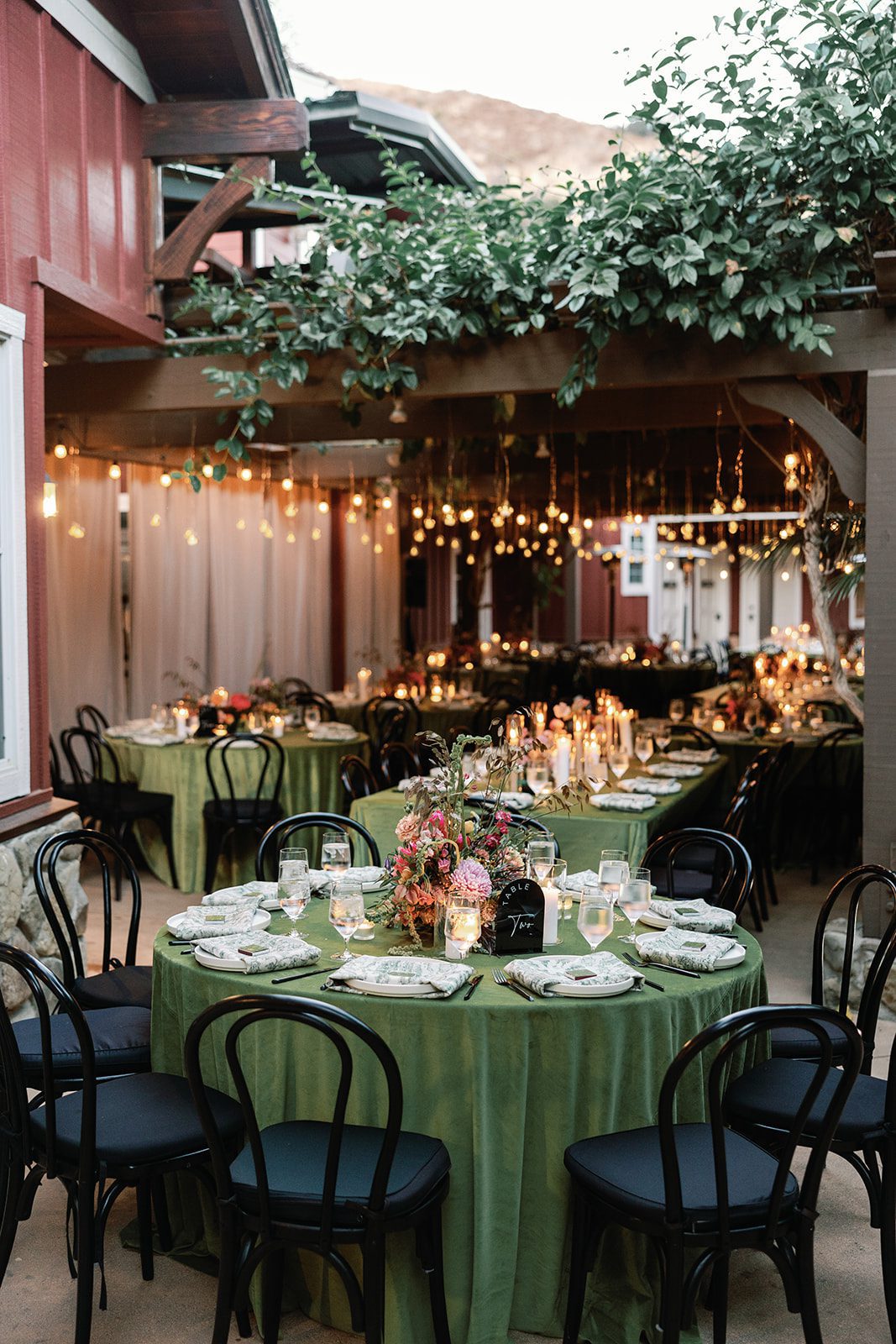
Outdoor table rentals require extra attention to surface, sun, wind, and setup logistics.
Surface Stability
Lawns, patios, gravel, decks, pavers, and uneven ground all affect table placement. Tables should sit level and stable so guests can dine comfortably and tabletop items stay secure.
If the event is on grass, check for soft areas, slopes, irrigation, and uneven ground. If the event is on pavers or patios, review transitions and edges. If the event is on a deck or elevated surface, confirm that the table layout fits the space safely.
Stable tables are essential for both guest comfort and food service.
Sun and Shade Placement
Table placement should account for sun exposure. Dining tables, buffet tables, dessert tables, and beverage stations should not be placed in direct sun for extended periods without shade planning.
Guest dining areas should feel comfortable throughout the meal. Food and dessert displays may also need shade or strategic placement to protect presentation and quality. Cocktail tables and welcome tables should be placed where guests can access them comfortably.
Shade planning can improve both the guest experience and the function of the event.
Wind-Aware Tabletop Planning
Outdoor events may need wind-aware table planning, especially in open or coastal locations. Menus, place cards, table numbers, napkins, florals, candles, and lightweight décor can shift if not secured.
Stable table placement, heavier tabletop items, weighted décor, and careful floral design can help maintain the look of the table. Consider how breezes may affect both guest dining tables and display tables.
A wind-aware setup helps prevent last-minute adjustments and keeps the event looking polished.
Access for Setup and Breakdown
Large table orders require clear delivery routes and enough setup time. Before the event, confirm how tables will be delivered, where they will be placed, and how the rental team will access the site.
Delivery details may include gates, driveways, stairs, elevators, loading zones, parking, lawns, patios, and venue restrictions. Large quantities of tables can take time to place correctly, especially when the layout includes multiple event zones.
Planning setup and breakdown in advance helps avoid delays.
Why Work With Ventura Rental for Table Rentals in Santa Barbara
Working with a rental partner can make table selection more efficient and accurate. The right tables should support the event format, venue, guest count, meal style, and overall design.
Table Options for Different Event Styles
Ventura Rental can support table rental needs for weddings, private parties, corporate events, nonprofit events, and outdoor gatherings. Each event type requires a different approach, from formal seated dinners to casual cocktail receptions and outdoor dining setups.
Having access to different table styles makes it easier to create a rental plan that fits both the function and the look of the event.
Guidance on Guest Count and Layout
Table quantities should be based on more than a simple guest count. The full layout should include dining tables, cocktail tables, buffet tables, display tables, welcome tables, vendor tables, and any specialty tables needed for the event.
Rental guidance can help determine which table sizes and shapes work best for the venue, meal style, and guest flow.
Coordination With Chairs, Linens, and Tabletop Rentals
Tables should be planned alongside chairs, linens, china, glassware, flatware, chargers, and serving pieces. Coordinating these rentals together helps avoid spacing issues and creates a more cohesive dining setup.
When tables are selected with the full guest-facing setup in mind, the final event feels more polished and functional.
Consultation and Quote Request
The best way to begin is by sharing the event date, venue, guest count, event format, meal style, and table preferences. With those details, Ventura Rental can help build a table rental plan that supports the layout, design, and guest experience.
Frequently Asked Questions
What type of tables should I rent for a wedding reception?
The best tables for a wedding reception depend on guest count, meal style, venue layout, and design direction. Round tables are a classic choice for seated receptions and conversation-focused dining. Banquet tables work well for family-style meals or long reception layouts. Farm tables are a strong option for garden, estate, or rustic-elegant weddings. A sweetheart table or head table may also be needed depending on the reception format.
How many tables do I need for my event?
The number of tables depends on your guest count, table shape, seating capacity, meal style, and specialty table needs. A seated dinner will require enough dining tables for all guests, while a cocktail-style event may need more high-top tables and fewer full dining tables. Be sure to include buffet tables, dessert tables, welcome tables, gift tables, escort card tables, bar-adjacent tables, and vendor tables in the count.
Are round or rectangular tables better for outdoor events?
Both round and rectangular tables can work well outdoors. Round tables are good for conversation and traditional reception layouts. Rectangular tables are efficient, flexible, and useful for family-style dining or long outdoor dinners. The best choice depends on the venue shape, guest count, service flow, and event design.
Do I need cocktail tables for my event?
Cocktail tables are useful if your event includes a cocktail hour, bar area, networking period, or casual mingling space. They give guests a place to set down drinks and small plates without requiring full seating. They are especially helpful near bars, patios, appetizer stations, and lounge areas.
What specialty tables should I include in my rental order?
Specialty tables may include cake tables, gift tables, welcome tables, escort card tables, guestbook tables, buffet tables, dessert tables, favor tables, auction tables, product display tables, vendor tables, and bar-back tables. These tables should be planned early so the full event layout feels complete and functional.
When should I reserve table rentals?
Table rentals should be reserved early, especially for large guest counts, popular event dates, specialty table styles, or matching table quantities. Early planning gives you more flexibility and helps ensure that the table sizes and styles you prefer are available for your event.
Conclusion
The right table rentals help create an event that feels comfortable, organized, and visually cohesive. From round tables and banquet tables to farm tables, cocktail tables, buffet tables, and specialty display tables, each choice should support the event format, guest count, venue, meal style, and layout.
Whether you are planning a wedding reception, private party, corporate event, nonprofit gala, or outdoor dinner in Santa Barbara, Ventura Rental can help you choose tables that fit the space and support the guest experience.
Contact Ventura Rental to request a quote or consultation for table rentals based on your event type, venue, guest count, meal style, and layout needs.