

A coastal California wedding is magical, but the shoreline brings its own logistics. Overlooked rental details can turn a perfect day into a scramble. This guide explores the most common event rental mistakes coastal California weddings face and gives clear, practical steps to prevent them. Read on for advice on weather-ready gear, when to book, and how to coordinate deliveries and setups so your day runs smoothly.
What Are the Most Common Rental Mistakes in Coastal California Weddings?
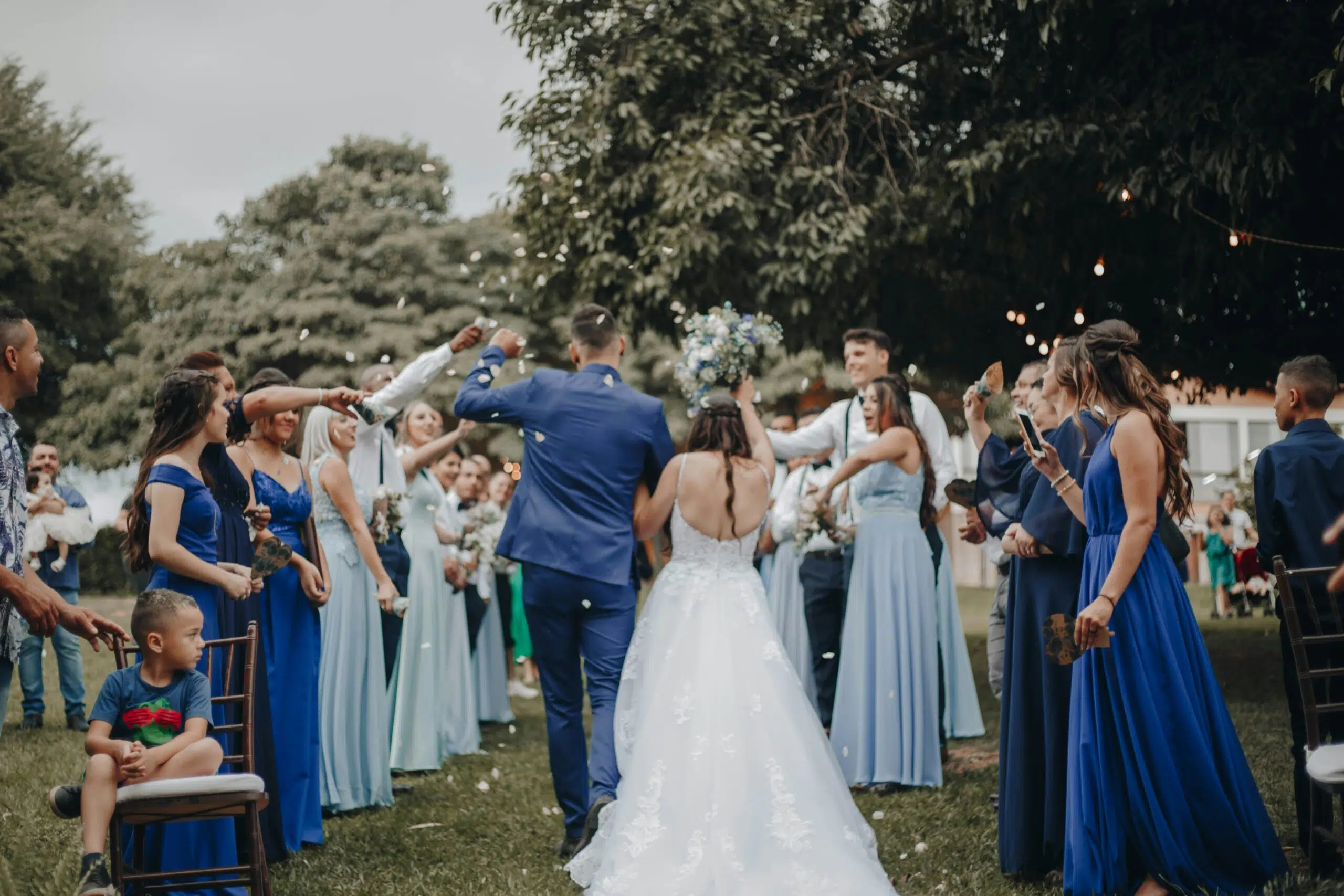
Coastal ceremonies look effortless on photos, but planners and couples face predictable pitfalls. The biggest missteps are not planning for local weather, waiting too long to reserve rentals, and choosing equipment that’s not suited for outdoor, sometimes sandy or windy, terrain. Spotting these problems early lets you make smarter choices and avoid last-minute compromises.
It’s also important to factor in local rules including considerations under the California Coastal Act when planning events in these areas. These regulations can affect where and how you set up your event, so understanding them early can save time and prevent costly adjustments. Working with vendors familiar with coastal restrictions can help ensure compliance and smooth execution.
How Does Ignoring Coastal Weather Impact Outdoor Wedding Rentals?
Weather on the coast can shift quickly. Fog, wind, and sudden showers are common. If your rentals aren’t built for those conditions, guests can be uncomfortable and items can get damaged. For example, non-waterproof furniture or a lightweight tent can fail in strong gusts. Choose weather-rated tents, anchored setups, and materials designed for salty air to avoid surprises on the day.
Planning for weather also means considering temperature fluctuations. Coastal areas can be cool in the evening even after warm days, so providing heaters or blankets might be necessary. Wind can also affect decorations and table settings, so selecting sturdy items and securing them properly is essential. Ignoring these factors can lead to discomfort and disruptions that detract from the celebration.
Why Is Late Rental Booking a Frequent Problem?
Waiting until the final months (or weeks) before your date narrows choices and drives up prices. Popular items like large tents, elegant chairs, and specialty lighting get reserved quickly especially during peak wedding season. Book essential rentals several months ahead so you get the look and service you want without costly last-minute compromises. For more detail, see our article The Complete Guide to Wedding Rentals in Santa Barbara CA.
Early booking also allows more time to customize your rental selections and coordinate with other vendors. It reduces stress by giving you a clear timeline and helps avoid the disappointment of unavailable items. Some rental companies offer discounts or better terms for early reservations, which can be a financial advantage as well.
How Can You Choose the Right Equipment for Coastal Outdoor Weddings?

The right equipment balances comfort, durability, and style. Beyond basics like tables and chairs, prioritize pieces that resist wind and moisture and that suit your ground type sand, grass, or paved surfaces. Inspect vendor photos and ask about maintenance so you can be confident items will perform and photograph well.
Consider the aesthetic impact as well. Coastal weddings often embrace natural, relaxed themes, so equipment that complements the environment enhances the overall experience. Renting from companies that offer a variety of styles and finishes can help you achieve the perfect look while ensuring functionality.
What Equipment Is Essential for Coastal Wedding Rentals?
When planning a coastal ceremony, make these items a priority:
- Coastal Wedding Tents: Durable, well-anchored tents protect guests from wind, sun, and rain and define your ceremony or reception space. Look for tents with sidewalls that can be added or removed depending on weather conditions.
- Outdoor Furniture Rentals: Comfortable, stable seating and tables, ideally weather-treated, improve guest comfort and reduce damage risk. Choose materials like treated wood, metal, or synthetic wicker that withstand coastal elements.
- Wedding Lighting Solutions: Thoughtful lighting extends festivities after sunset and keeps walkways and service areas safe. Opt for lighting that is rated for outdoor use and can handle moisture and wind.
Securing these essentials early ensures your venue is both beautiful and practical. It also allows time to test setups or request adjustments to meet your specific needs.
How Does Equipment Quality Affect Your Wedding Setup?
Quality shows up in durability and safety. Well-made tables and chairs stay level in wind, and dependable lighting prevents hazards when the sun goes down. Renting from experienced companies that maintain their gear reduces the chance of on-site failures and keeps the style consistent across your event.
High-quality equipment also contributes to guest satisfaction. Comfortable seating and reliable infrastructure make a noticeable difference in how attendees experience the event. Investing in quality rentals can prevent disruptions and create a polished, cohesive look that photographs beautifully.
What Are the Best Practices for Rental Delivery and Setup Coordination?
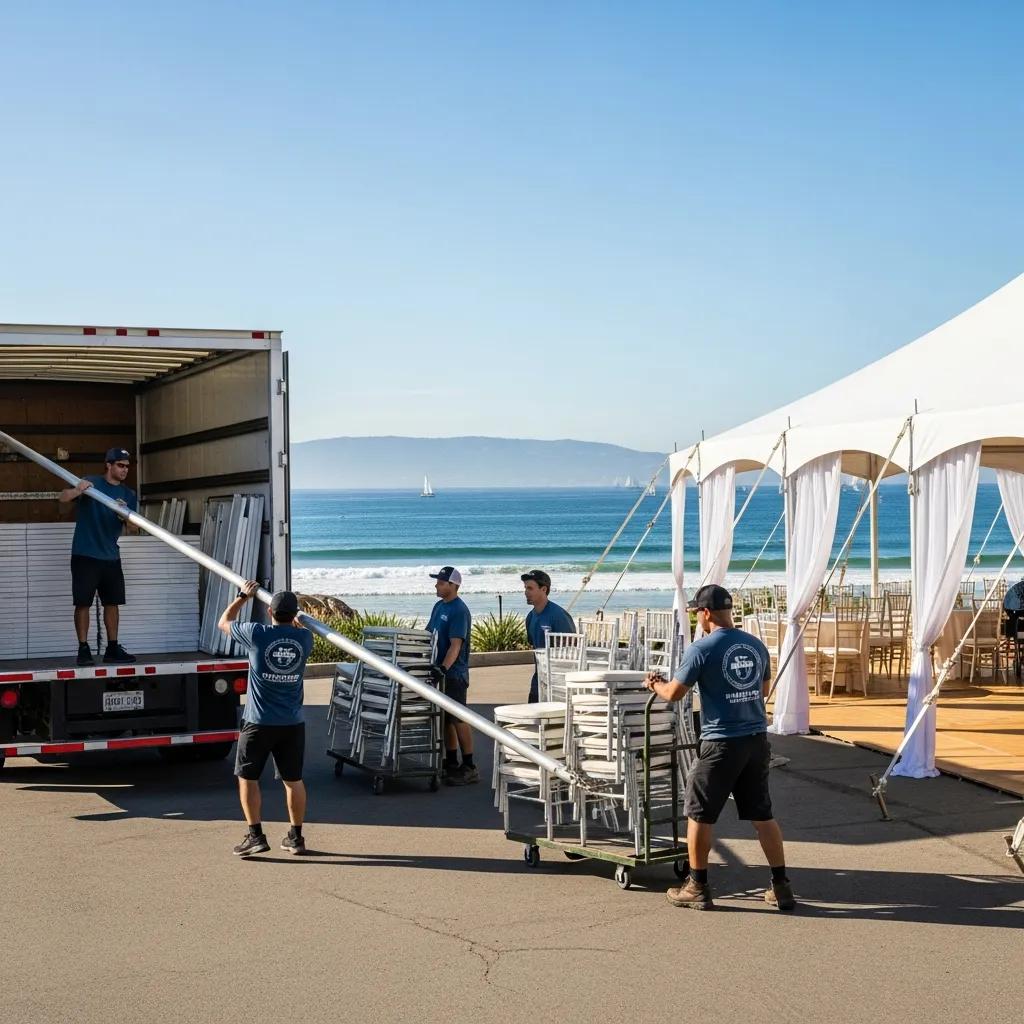
Smooth delivery and setup start with clear communication and a realistic timeline. Share venue access details, parking and staging spots, and any site restrictions with your rental team. Confirm setup windows and allow buffer time for unexpected challenges so everything’s in place before guests arrive.
It’s helpful to create a detailed site map or layout plan to share with your rental company and other vendors. This visual aid can clarify where items should be placed and help avoid confusion on the day. Coordinating arrival times with other vendors like caterers and florists ensures a seamless flow and prevents bottlenecks. We cover this further in Wedding Rental Mistakes Santa Barbara Couples Should Avoid.
How to Avoid Rental Delivery Delays for Coastal Weddings?
Prevent delivery delays with these steps:
- Clear Communication: Confirm delivery dates, times, and contact people early and follow up as the event approaches. Provide a direct phone number for last-minute coordination.
- Access Planning: Provide directions, loading zones, and any permit or gate codes the crew will need. Inform the team about any terrain challenges such as stairs, narrow paths, or soft sand.
- Early Setup: Schedule arrival earlier than strictly necessary so there’s time to address hiccups. This buffer can accommodate weather delays or unexpected site conditions.
These precautions cut stress and keep your timeline on track. Having a point person on-site to oversee deliveries and setup can also help resolve issues quickly.
Why Is Setup and Breakdown Timing Critical for Outdoor Events?
Accurate setup and breakdown windows protect your vendors, your contract, and your venue. On the setup side, it guarantees a polished look before guests arrive; during breakdown, it prevents extra fees and ensures the site is returned to its original condition. Work with vendors to confirm who does what and when so responsibilities are clear.
Timing also affects guest experience. A rushed setup can lead to incomplete arrangements or safety hazards, while delayed breakdown might interfere with venue policies or neighboring events. Clear scheduling and communication help maintain professionalism and respect for the venue and all parties involved.
How Should You Manage Your Rental Budget and Cancellation Policies?

A realistic budget accounts for more than the sticker price. Delivery, setup, insurance, and damage protections add up and cancellation terms can affect your final cost. Read contracts carefully and factor those line items into your overall event budget.
Budgeting also involves prioritizing which rentals are essential and where you might save. For example, investing in a high-quality tent might be more important than elaborate decor if weather is a concern. Understanding your budget limits early helps guide decisions and prevents overspending.
What Are Common Budgeting Mistakes in Wedding Rentals?
Watch for these common budgeting pitfalls:
- Underestimating Costs: Don’t forget delivery, setup, breakdown, overtime, and tip lines when totaling costs. These can add significant amounts to your initial quote.
- Ignoring Hidden Fees: Ask vendors to itemize charges so there are no unwelcome surprises. Some companies charge extra for cleaning, damage waivers, or last-minute changes.
- Failing to Compare Options: Get multiple quotes to understand market rates and spot value differences. Comparing services and equipment quality is as important as price.
A clear, itemized budget helps keep costs predictable and reduces stress later on. Keeping a contingency fund for unexpected expenses is also wise.
How to Navigate Rental Cancellation Policies Effectively?
Tackle cancellation policies by taking these steps:
- Read Terms Thoroughly: Know deadlines, refund schedules, and any non-refundable deposits. Understanding these details helps you make informed decisions if plans change.
- Ask Questions: Clarify scenarios like postponements, weather cancellations, or guest-capacity changes. Some vendors may offer flexible options or credits for future events.
- Consider Insurance: Event insurance can protect deposits and cover costs when plans change unexpectedly. It’s a worthwhile investment for peace of mind.
Understanding policies up front gives you options if your plans shift. Keeping all communications documented can also help resolve disputes if they arise.
What Lighting Considerations Are Important for Coastal Wedding Rentals?
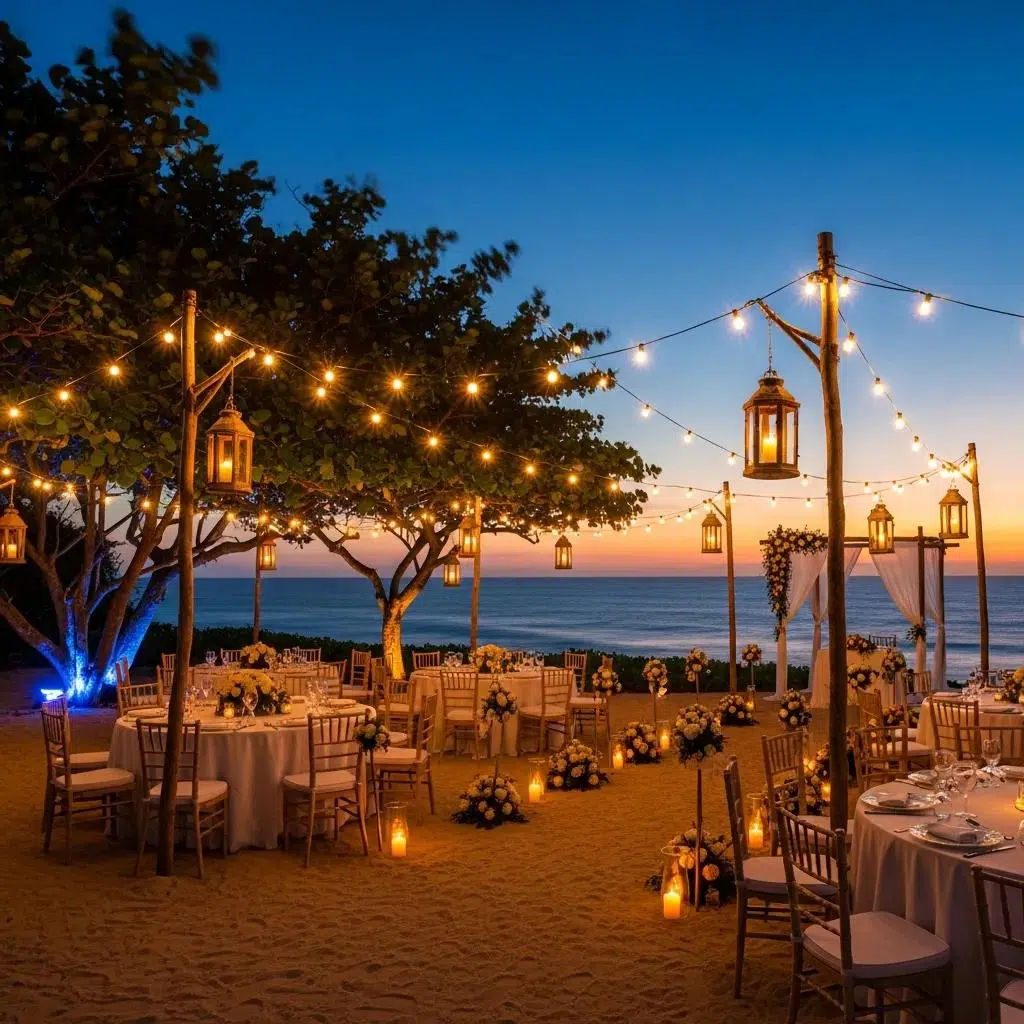
Lighting transforms an outdoor venue and keeps guests safe after dark. Think beyond aesthetics pick solutions rated for coastal conditions and that integrate with your power plan. The right lighting enhances photos and guides guests through the evening comfortably. You may also find Outdoor vs Indoor Weddings: Which Is Best for You helpful.
Consider layering different types of lighting to create ambiance and functionality. Pathway lights, uplighting on trees or structures, and soft table lighting all contribute to a warm and inviting atmosphere. Planning power sources and backup options is critical, especially in remote coastal locations where electricity access may be limited.
Why Is Proper Lighting Often Overlooked in Outdoor Weddings?
Couples often assume daylight will carry the event, then find themselves short as dusk falls. Inadequate lighting can create safety hazards and disrupt atmosphere. Plan lighting that covers pathways, dining areas, and key focal points so the party stays beautiful and functional from start to finish.
Lighting also affects photography and videography. Poor lighting can result in unflattering images or missed moments. Coordinating with your photographer about lighting plans ensures the best possible coverage and memories.
How to Select Weather-Resistant Lighting for Coastal Events?
Choose lighting with the coast in mind:
- Coastal Wedding Tents: Use LED fixtures and sealed connections that tolerate damp, salty air. These reduce maintenance and risk of electrical issues.
- String Lights: Look for outdoor-rated strands and secure mounting to prevent wind damage. Consider heavier gauge wiring and protective covers.
- Solar-Powered Options: Where appropriate, solar lights reduce cabling and offer eco-friendly backup illumination. They are especially useful in areas without easy access to power.
Weather-resistant lighting keeps your reception bright and worry-free. Testing lighting setups before the event can identify any issues and allow adjustments.
How Can You Plan for Contingencies to Avoid Rental Mistakes?

Contingency planning is the single best way to avoid rental day disasters. Anticipate likely issues and build clear fallback plans so you’re ready if the unexpected happens. For more detail, see our article Wedding Planning Checklist: Avoid 10 Event Rental Mistakes.
Having a contingency plan also reduces anxiety and helps everyone involved feel prepared. It’s important to communicate these plans clearly to your team and vendors so that responses are coordinated and efficient.
What Contingency Plans Should You Have for Coastal Wedding Rentals?
Key contingency measures include:
- Backup Equipment: Reserve extra tents or seating options in case of weather or last-minute guest changes. This flexibility can save the day if conditions worsen or attendance increases.
- Alternative Venues: Have an indoor backup or a flexible layout if conditions force a move. Knowing your options ahead of time prevents panic and rushed decisions.
- Vendor Coordination: Make sure vendors know the backup plan and how decisions will be made on the day. Assign a point person to manage changes and communicate updates.
These precautions preserve the experience you planned, even if conditions change. They also demonstrate professionalism and care to your guests and vendors.
How Does Vendor Coordination Support Contingency Planning?
Strong vendor coordination turns plans into action. To prepare:
- Communicate Clearly: Share contingency triggers and contact points with every vendor beforehand. This ensures everyone understands when and how to implement backup plans.
- Establish Roles: Define who makes weather calls, who reroutes deliveries, and who handles guest flow. Clear roles prevent confusion and delays.
- Conduct Rehearsals: If possible, run through contingency actions so teams are comfortable with quick changes. Practice builds confidence and smooths transitions.
When vendors know the plan, transitions are faster and less visible to guests. This helps maintain the event’s atmosphere and professionalism.
Frequently Asked Questions
What should I consider when choosing a wedding venue in coastal California?
Choose a venue with clear access, restroom capacity, parking, and vendor-friendly loading areas. Check local regulations and any coastal permits required, and evaluate how exposed the site is to wind, fog, or tide lines. Finally, confirm the venue’s backup options and whether it fits your guest count and aesthetic.
How can I ensure my wedding rentals are eco-friendly?
Opt for rental companies that prioritize reusable items and offer biodegradable or low-impact decor. Favor LED lighting and local vendors to cut transport emissions. After the event, plan to donate or recycle leftover materials to reduce waste.
What are the benefits of hiring a wedding planner for coastal weddings?
A local wedding planner brings venue knowledge, vendor relationships, and experience handling coastal variables like permitting and weather. They coordinate timelines, manage logistics, and free you to enjoy the day while handling last-minute decisions behind the scenes. See everything we rent for ceremonies and receptions on our wedding rentals page.
How can I effectively communicate with my rental company?
Start with a clear written brief: dates, times, site access, and a point of contact. Confirm delivery and pickup windows, ask for an itemized estimate, and schedule check-ins as the date approaches. Written confirmations reduce misunderstandings on event day.
What should I do if my wedding plans change unexpectedly?
Review vendor contracts to understand cancellation and rescheduling terms, then notify vendors immediately. If you have contingency plans or event insurance, activate them. A planner or designated point person can help manage communications and logistics during the change.
What are the advantages of using local rental companies for my wedding?
Local rental companies know the coastal environment and common venue constraints. They offer faster response times, on-the-ground experience, and items already suited to nearby venues. Supporting local businesses also helps the community and can simplify coordination. To check availability for your date, reach out to our rental team.
Conclusion
Avoiding common rental mistakes makes a big difference for coastal weddings. Book early, choose weather-ready equipment, coordinate delivery and vendor roles, and build contingency plans. Thoughtful planning keeps your event beautiful and stress-free and if you’d like, explore our recommended rental partners tailored for coastal celebrations to get started. You may also find Mistakes To Avoid When Renting Wedding Equipment Santa Barbara CA helpful.