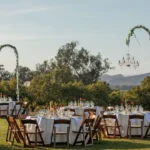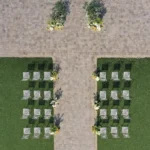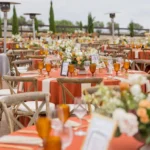

A tented wedding on a Montecito estate is rarely just an outdoor reception with a canopy overhead. The structure becomes part of the event environment, framing the dining area, shaping guest movement, supporting entertainment, and connecting the celebration to the gardens, terraces, and views surrounding it.
That makes wedding tent rentals in Montecito a site-planning decision as much as a design decision. Guest count matters, but so do the dimensions of the property, existing landscaping, reception layout, service requirements, and the way the celebration will move from afternoon into evening. When those elements are considered together, the tent can feel integrated into the estate rather than placed on top of it.
Why Tent Planning Is Different for Montecito Estate Weddings
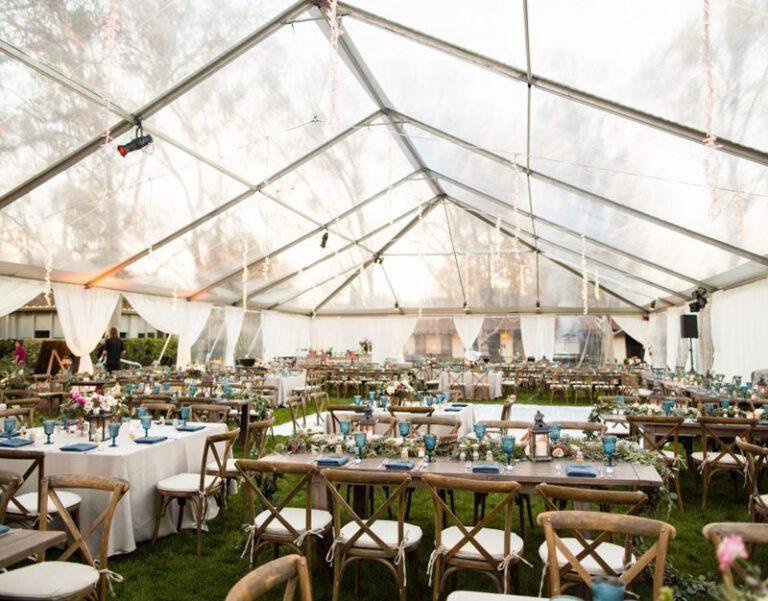
Private estates offer the freedom to create a wedding environment around the property, but that flexibility also means fewer decisions are predetermined. Unlike a ballroom with an established floor plan, an estate lawn or garden may need to accommodate dining, dancing, cocktails, catering, lighting, and guest circulation within a space that was not originally designed as an event venue.
The right tent plan begins with understanding the property before choosing the structure.
Working Around Gardens, Terraces, and Existing Landscaping
Estate weddings often take place around the features that make the property special. Mature trees may frame the ceremony, a terrace may become the cocktail-hour setting, and a pool, garden, or architectural feature may influence where guests naturally gather.
Those elements should inform the tent footprint rather than be treated as obstacles after the layout has been selected. A reception plan may need to preserve access between different areas of the property, leave room around landscaped features, or orient dining so guests remain connected to the surrounding garden.
Thinking through these relationships early helps prevent the tent from consuming more of the property than necessary. It also allows the structure to support the character of the estate rather than competing with it.
Preserving Garden, Mountain, and Coastal Sightlines
For a scenic property, orientation can matter nearly as much as tent size. An otherwise functional layout may feel disconnected from the setting if solid elements, service zones, or furniture placement interrupt the property’s strongest views.
Open sides, entrances, dining orientation, lounge placement, and entertainment areas can all be considered in relation to the surroundings. The goal is not simply to maximize the amount of furniture that fits beneath the structure. It is to give guests comfortable spaces to gather while allowing the property itself to remain part of the experience.
Planning for Property Access and Event Flow
Private estates also require careful movement behind the scenes. Guests need comfortable paths between the ceremony, cocktail hour, dinner, and dancing, while catering and event teams need routes that allow service to happen without repeatedly crossing the main gathering areas.
A thoughtful plan considers these movements together. The entrance to the tent, location of the bar, dining aisles, dance floor, catering access, and lounge zones should feel connected rather than assembled as separate pieces.
That broader view is especially useful when several outdoor areas are being used throughout the wedding.
Sailcloth or Clear-Span? Choosing a Tent for the Setting
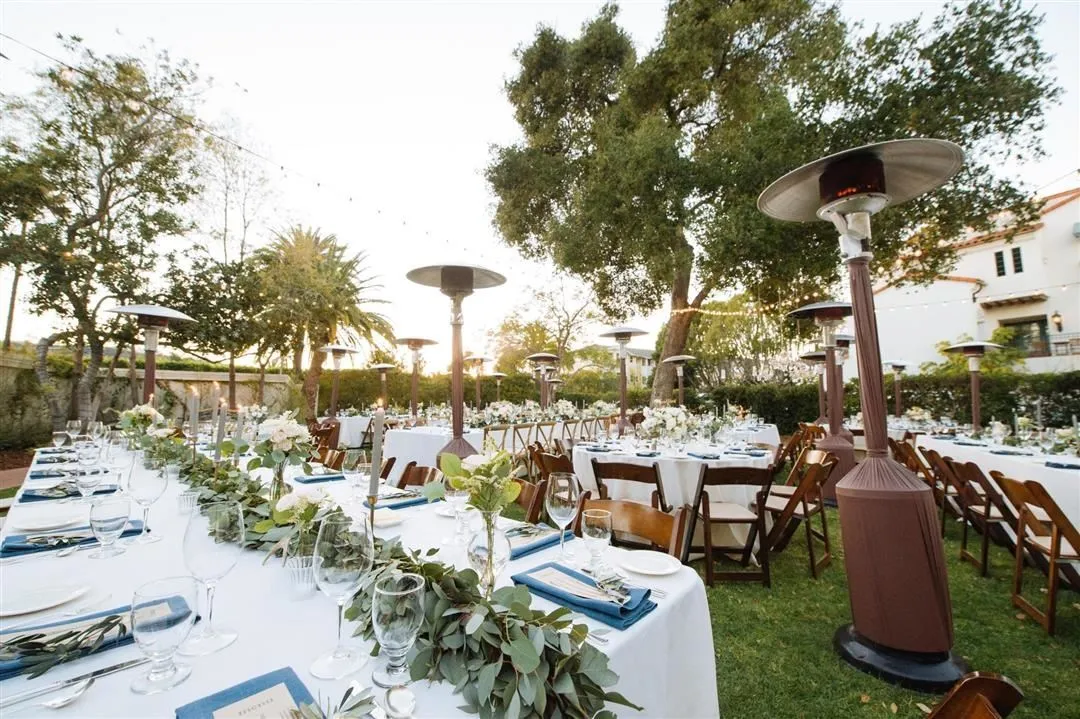
Tent style influences both the appearance and the interior experience of a reception. Ventura Rental’s existing tent guidance discusses sailcloth, frame, and clear-span options, with the appropriate choice depending on factors such as the event layout, site surface, guest count, and desired aesthetic.
For a Montecito estate wedding, the decision should begin with how the tent needs to interact with the property rather than with a single preferred style.
When Sailcloth Fits the Celebration
Sailcloth tents are often associated with garden weddings because their peaked silhouette and translucent canopy create a lighter visual presence. During the day, natural light can soften the interior, while evening lighting can give the structure a warm glow.
That character can work particularly well when the reception design is intended to remain connected to landscaping and other natural elements. Instead of becoming the visual centerpiece by itself, the tent can act as a frame for the dining environment around it.
When a Clear-Span Structure May Be the Better Fit
A clear-span structure offers a different type of flexibility. Because the interior does not rely on center poles, tables, entertainment areas, and circulation paths can be arranged within a more open footprint.
That can be useful when the reception requires a substantial dining layout, a prominent dance floor, staging, or several functional zones under one structure. The clean interior also gives the design team flexibility to establish focal points without working around center supports.
Let the Property and Event Design Guide the Decision
Neither option is automatically the right choice for every estate. The available footprint, installation surface, guest count, dining plan, entertainment needs, weather planning, and visual direction should all influence the final decision.
A tent that looks ideal in isolation may not be the best structure once tables, bars, lounges, catering areas, and guest movement are added to the plan. Reviewing the complete reception before committing to a tent style creates a stronger foundation for the rest of the rental order.
Plan the Tent Around the Entire Reception Layout
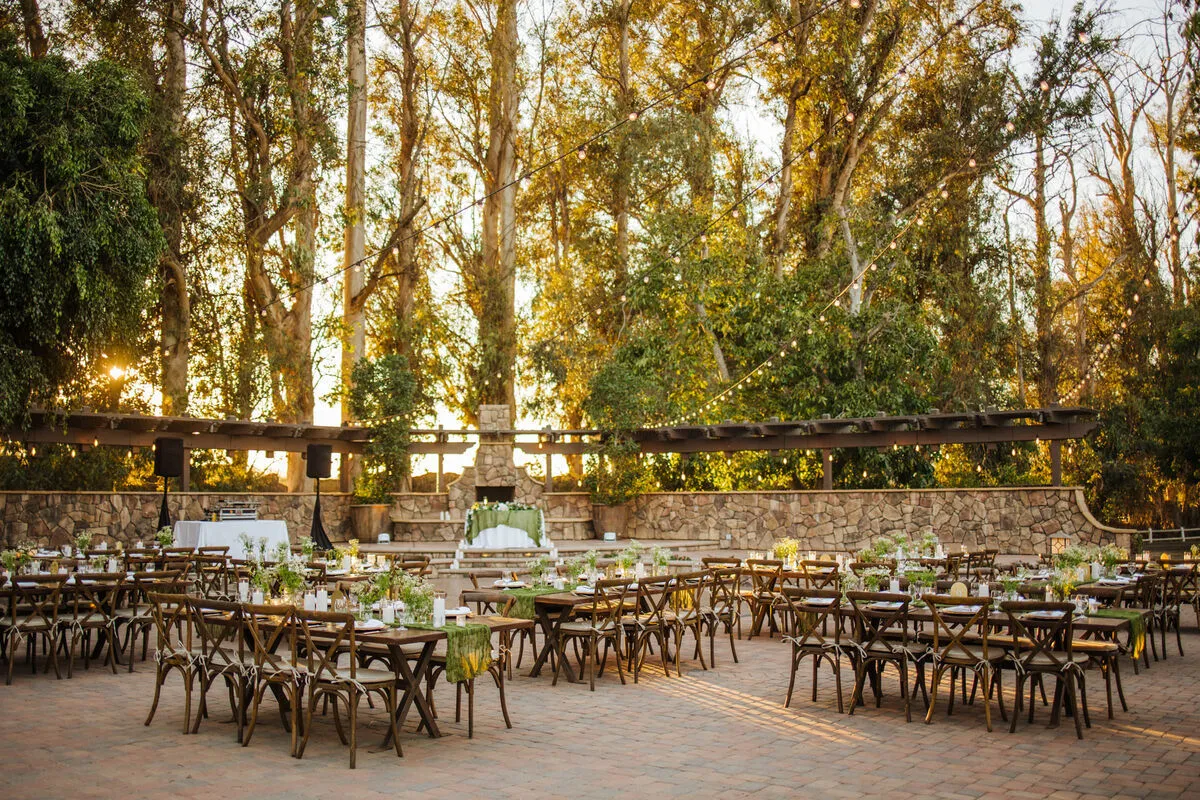
One of the easiest mistakes in tent planning is treating the guest count as the only sizing consideration. A reception for the same number of people can require very different footprints depending on whether it includes round tables or long dining tables, a large dance floor, several lounge groupings, multiple bars, or a substantial entertainment setup.
The tent should therefore be planned around how the event will function, not simply how many guests are attending.
Dining Tables and Seating
The dining layout usually occupies the largest portion of a seated reception. Table shape affects how much room is required, while chair placement, service aisles, and circulation between tables all influence the amount of usable space guests actually experience.
Long tables may reinforce the linear architecture of a courtyard or estate garden, while rounds can create smaller conversational groupings within a larger tent. Neither arrangement should be chosen only for appearance. Service style, guest movement, and the proportions of the available footprint should be considered at the same time.
Dance Floor, Bar, and Lounge Areas
The reception does not stop at the edge of the dining tables. A dance floor needs enough surrounding space for guests to enter and leave comfortably, while bars should be positioned where lines will not interrupt major circulation paths.
Lounge furniture creates another layer. A well-placed lounge area can give guests somewhere to gather away from the dance floor or transition naturally from cocktail hour into the reception. If it is added after the tent size has already been established, however, it can compete with dining or service space.
Planning these zones together creates a reception that feels intentional from dinner through the end of the evening.
Catering and Service Areas
Catering requirements also affect the footprint, even when much of the work happens outside guest view. Service tables, equipment, staging areas, and movement between preparation and dining spaces all need to be accounted for.
Ventura Rental’s broader inventory includes tenting, flooring, staging, catering equipment, furniture, linens, complete tabletop rentals, and décor, allowing these interconnected categories to be considered as part of one event plan rather than as unrelated orders.
Detailed tent-sizing calculations are best handled separately from the design discussion. Once the guest count and primary event zones have been established, the existing tent-size resources can help narrow the required footprint before the layout is finalized.
How to Protect the Estate Setting While Planning the Tent
A private property should still feel like itself after the event infrastructure arrives. The tent, flooring, furniture, and service areas need to support the wedding while respecting the surfaces, landscaping, and architecture that define the setting.
That begins with looking carefully at where the structure will actually sit.
Consider the Surface Before Choosing Placement
A lawn, patio, courtyard, or other hardscape presents different installation considerations. Rather than assuming a preferred tent can be placed anywhere, the site should be evaluated alongside the structure and approved installation approach.
The goal is to find a location that works operationally without sacrificing the strongest parts of the property. Sometimes the most visually obvious location is not the most practical once guest circulation and service access are considered.
Work Around Landscaping and Architectural Features
Gardens, trees, pools, pathways, walls, terraces, and existing structures can help organize the event. A hedge may naturally separate a service area from the reception, while a terrace can become an effective transition between cocktails and dinner.
Treating those elements as part of the floor plan can create a more site-responsive event. It also reduces the temptation to force every function beneath one oversized structure when different parts of the property could serve different purposes.
Build the Layout Around the Property, Not Against It
The most successful estate layouts often appear effortless because the infrastructure follows the logic of the property. Guests move along existing paths, gathering spaces take advantage of natural focal points, and the tent feels connected to the architecture or landscape.
That approach is particularly valuable for Montecito weddings, where the property itself is often one of the primary reasons the setting was chosen.
What Goes Into a Complete Tented Wedding Setup?
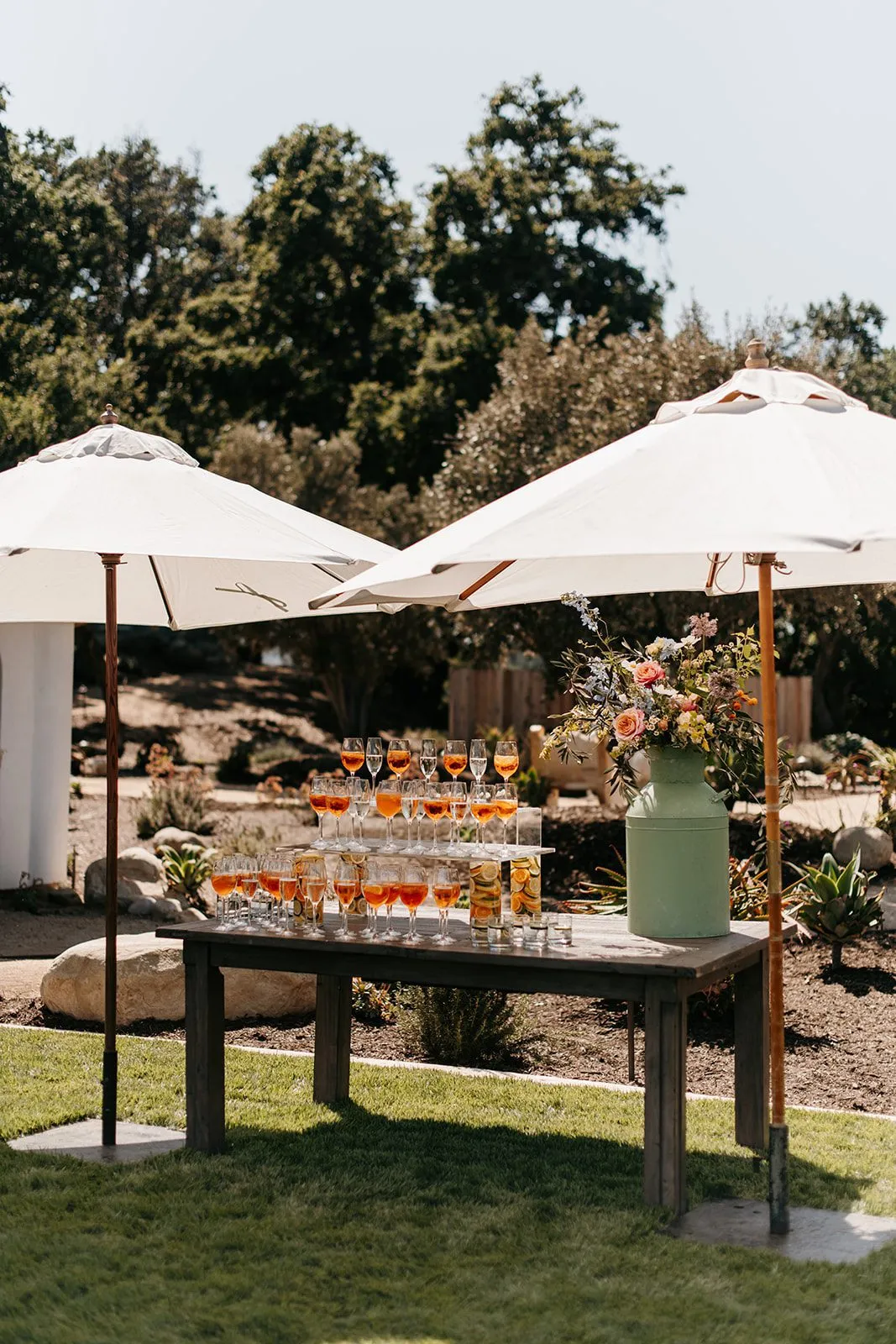
A tent establishes the envelope of the reception, but the environment inside it is created through the relationship between furniture, flooring, tabletop pieces, lighting, and social spaces.
Planning those categories together gives the reception a more cohesive rhythm and helps avoid layout conflicts later.
Tables and Chairs
Tables and seating determine the core dining plan. Beyond selecting a style, planners should consider proportions, placement, service access, and how the furniture relates visually to the tent and surrounding estate.
Furniture choices can also help establish whether the reception feels formal, relaxed, traditional, or more contemporary without relying on excessive decoration.
Flooring and Dance Floors
Flooring can help define the interior of a tent, while a separate dance floor creates an obvious destination once dinner ends. The two should be considered in relation to table placement and entertainment rather than treated as finishing touches.
A strong floor plan allows the reception to transition naturally from seated dining to dancing without requiring guests to navigate awkward bottlenecks.
Bars and Lounge Furniture
Bars and lounges create some of the most social areas of a wedding. Their placement can encourage guests to move through the event rather than clustering in a single congested location.
Lounge furniture can also soften a large tent and introduce more intimate areas around the perimeter. Used selectively, these zones give guests different ways to experience the reception while maintaining a consistent design language.
Linens, Tabletop, and Finishing Details
Once the primary layout is resolved, linens, china, glassware, flatware, and other tabletop pieces can build visual depth within the tent. These elements should relate to the furniture, lighting, and overall setting rather than being selected as independent decorative statements.
The result can feel polished without losing the relaxed quality that makes an outdoor estate reception distinctive.
Montecito Riviera Orchard: A Local Estate Example
Montecito Riviera Orchard illustrates how an outdoor wedding can use several rental categories without allowing any one element to overwhelm the setting. Ventura Rental’s venue page documents a celebration that incorporated farm tables, upholstered chairs, china, glassware, flatware, umbrellas, a bar, and a birch plank dance floor within the orchard and poolside environment.
The useful lesson is not that every Montecito wedding needs the same pieces. It is that the rental plan can respond to different areas of the property. Cocktail hour, dining, and dancing can each have their own functional setup while still feeling connected through material, scale, and placement.
For a tented celebration, that same principle applies. The tent should support the wider event environment instead of becoming a standalone room disconnected from everything happening around it.
Plan for Evening Comfort Without Losing the Outdoor Setting
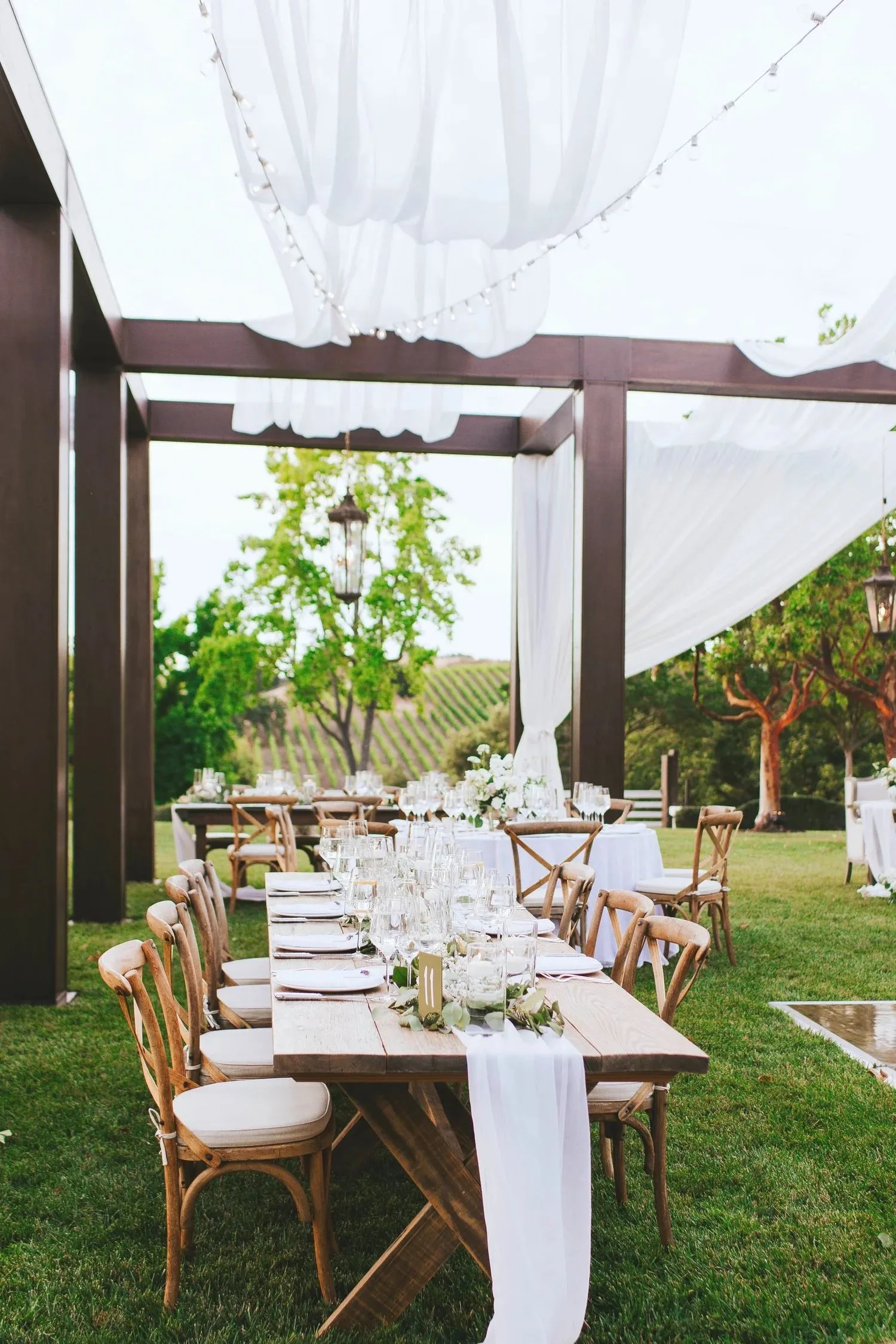
A reception that begins in daylight may feel very different several hours later. Temperature, lighting, and the way guests use the property can change as dinner moves into dancing and evening conversation.
Those shifts are easier to address when they are considered during the initial tent plan rather than added at the end.
Think Beyond Daytime Conditions
A comfortable ceremony or cocktail hour does not necessarily predict how the reception will feel later in the evening. The tent configuration, open sides, surrounding exposure, event schedule, and seasonal conditions should all be considered when discussing guest comfort.
The objective is not to isolate guests from the outdoor setting. Instead, the tent should provide enough structure for the celebration to continue comfortably while preserving the atmosphere of an estate event.
Consider Tent Configuration and Guest Comfort Early
Sidewalls, flooring, lighting, and other comfort measures can affect both the function and appearance of a tent. Because these elements interact with furniture and circulation, they are best discussed before the layout is finalized.
Planning them early also allows the design to remain cohesive. Weather preparation should feel integrated into the event rather than like equipment added visibly at the last minute.
Planning Your Montecito Tent Rental With Ventura Rental
A strong tent plan begins with a clear picture of the event and the property. Before individual rental pieces are selected, the major functional requirements should be established so the tent can support the complete celebration.
Ventura Rental has served Southern California events since 1978 and offers complimentary consultations alongside its broader event-rental inventory.
Start With the Property and Guest Count
Useful starting information includes the event location, date, expected guest count, ceremony and reception plans, available outdoor areas, and any known venue or property requirements.
Those details make it easier to determine which questions need to be resolved during the planning process and which rental categories should be considered together.
Review the Complete Event Layout
Rather than selecting the tent in isolation, review dining, dancing, bars, lounges, catering, and guest movement at the same time. Each zone changes the usable footprint and can affect how the reception feels once guests arrive.
A coordinated plan also makes it easier to identify where multiple event areas can share infrastructure and where they need to remain distinct.
Coordinate Rentals as One Event System
Tables influence flooring. Lounge areas influence bar placement. The tent footprint affects the dance floor, while catering requirements affect circulation behind the scenes. These relationships are why estate weddings benefit from coordinated rental planning rather than a series of separate product decisions.
The objective is not simply to fill the property with rentals. It is to create an environment where every piece has a clear role and the estate remains central to the experience.
FAQs About Wedding Tent Rentals in Montecito
What type of tent works best for a Montecito estate wedding?
The best option depends on the property, available footprint, guest count, installation surface, event layout, and desired aesthetic. Sailcloth tents can suit garden-focused celebrations, while clear-span structures can provide an open interior for more complex reception layouts. The site should be reviewed before the structure is finalized.
How is tent size determined for an estate reception?
Guest count is the starting point, but dining tables, chairs, dance floors, bars, lounge furniture, catering areas, entertainment, and circulation space also affect the required footprint. The complete reception layout should therefore be considered before choosing dimensions.
Can a wedding tent be installed on a lawn or patio?
Different tent styles and installation approaches can accommodate different surfaces, but the appropriate setup depends on the specific property and installation requirements. The surface and site conditions should be reviewed as part of the tent-planning process.
What rentals should be planned at the same time as the tent?
Major layout elements should be considered early, including tables, chairs, flooring, dance floors, bars, lounge furniture, catering areas, lighting, and tabletop requirements. Planning them together helps ensure that the tent footprint supports the full reception rather than only the dining area.
How early should couples reserve wedding tent rentals in Montecito?
Couples planning a private-estate wedding should begin the conversation early enough to evaluate the property, confirm the event layout, and coordinate the tent with the other major rental categories. Events with more complex outdoor layouts benefit especially from resolving these decisions well before final quantities and installation schedules are due.
Create a Tent Plan That Belongs on the Property
Successful wedding tent rentals in Montecito begin with more than selecting a structure from a catalog. The tent needs to respond to the estate itself, from its gardens and surfaces to its views, reception layout, service requirements, and guest experience.
When those factors are considered together, the structure can provide the practical framework the wedding needs without losing the sense of place that made an outdoor Montecito celebration appealing in the first place.
Couples and planners preparing a tented estate wedding can connect with Ventura Rental to review the property, guest count, event layout, and related rental needs before building the final reception plan.