
Choosing the right wedding venue shapes the entire event. It affects the guest experience, design possibilities, vendor logistics, weather planning, and overall budget. In Santa Barbara, couples often compare traditional indoor venues, such as hotels, banquet halls, and event spaces, with tented outdoor weddings at beaches, gardens, vineyards, estates, and private properties.
Both options can create a beautiful celebration. The better choice depends on your priorities. Traditional venues offer built-in infrastructure and predictable logistics, while wedding tents provide more flexibility, more control over the setting, and a highly personalized atmosphere.
This guide compares wedding tents and traditional venues across cost, flexibility, aesthetics, logistics, weather protection, permits, and rental needs so you can decide which option best fits your Santa Barbara wedding.
Wedding Tents vs. Traditional Venues: Quick Comparison
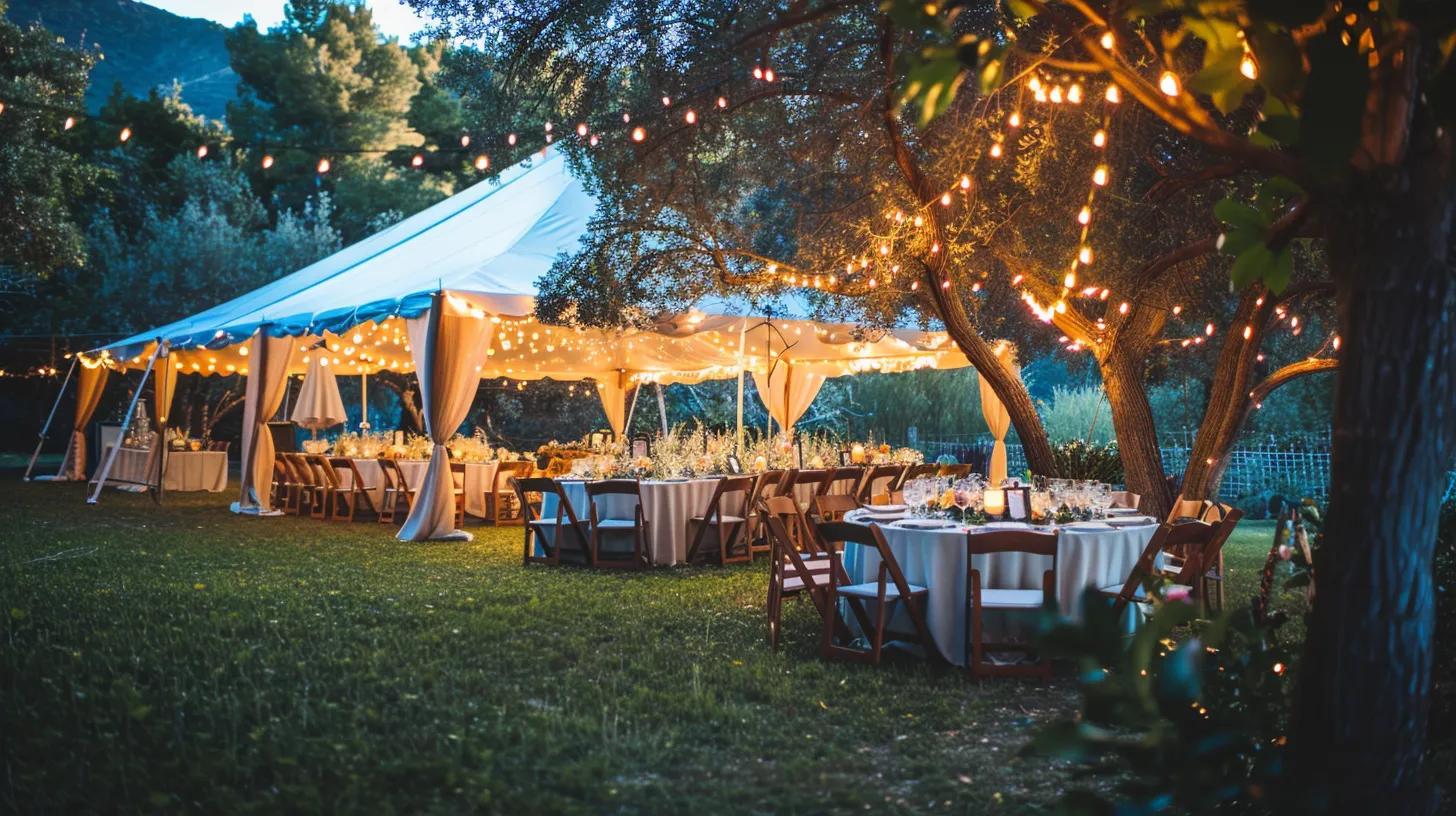
Traditional venues and wedding tents serve different planning needs. A traditional venue gives couples an established event space with fixed amenities, while a tented wedding allows couples to build the event environment around a specific location, layout, and design vision.
For couples who want a wedding that feels connected to Santa Barbara’s natural scenery, a tented event can be especially appealing. For couples who want built-in infrastructure and fewer site-related decisions, a traditional venue may be more convenient.
Which Option Is More Budget-Friendly?
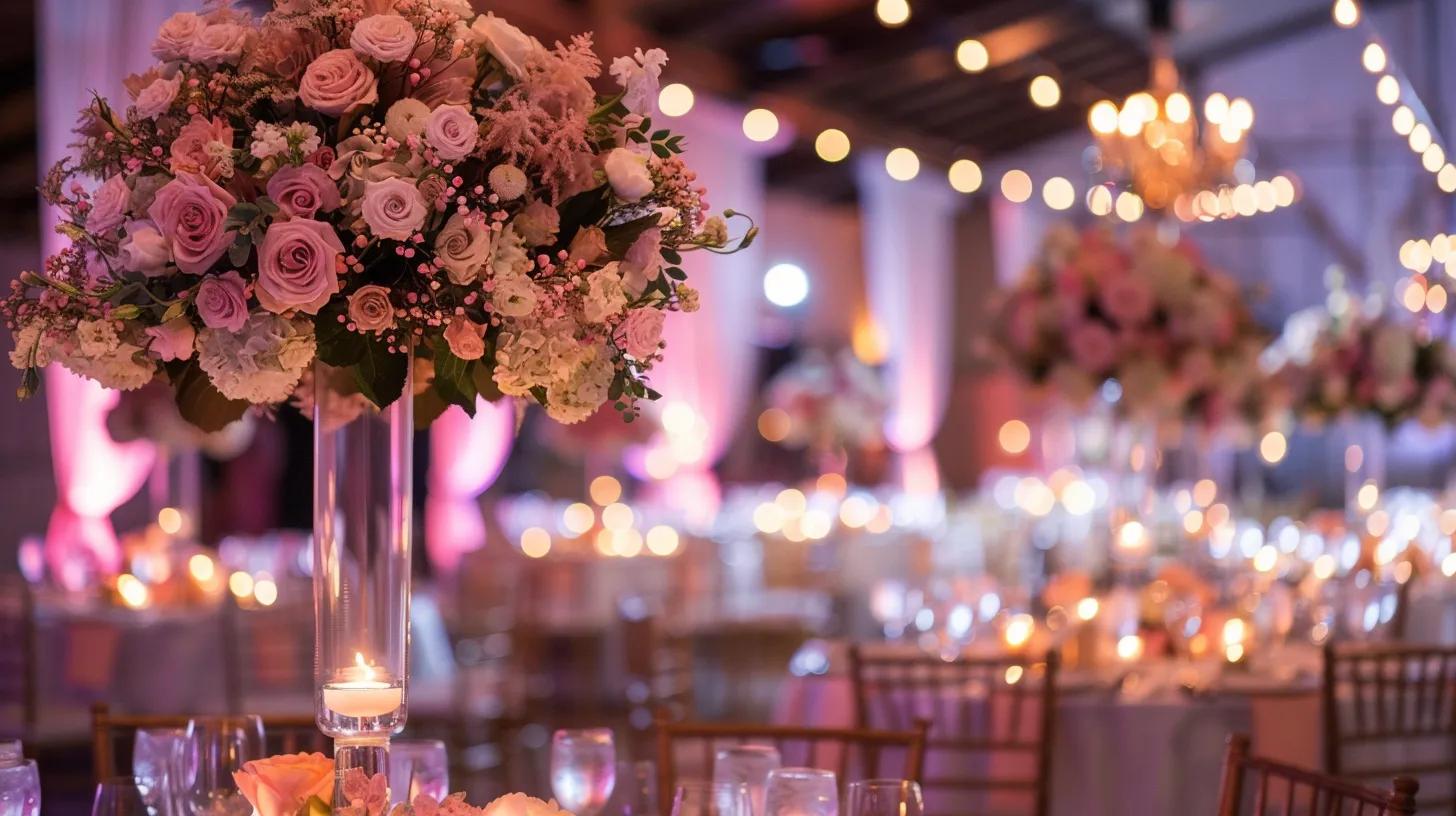
Cost is one of the biggest factors when comparing wedding tents and traditional venues. Traditional venues may appear more expensive at first because of their venue fees, food and beverage minimums, service charges, and required vendor policies. Wedding tents can offer more budget control, but they also require careful itemization because many infrastructure elements are added separately.
Traditional Venue Costs
Traditional venues often bundle several event necessities into one package. These may include restrooms, kitchen access, power, lighting, tables, chairs, staff, parking, and indoor climate control. This can simplify budgeting because many essentials are already available on-site.
However, traditional venues can also include costs such as:
- Venue rental fees
- Food and beverage minimums
- Service charges
- Required catering or bar packages
- Corkage or cake-cutting fees
- Overtime charges
- External vendor fees
- Valet or parking fees
The convenience of a traditional venue can be valuable, but couples should review the contract closely to understand what is included and what costs extra.
Wedding Tent Rental Costs
Wedding tent rentals are often more flexible because couples can choose the tent size, style, layout, flooring, lighting, furnishings, and décor that match their event. This allows couples to allocate budget toward the elements that matter most, such as catering, entertainment, floral design, or guest comfort.
Common tent-related costs include:
- Tent rental
- Delivery, setup, and breakdown labor
- Sidewalls
- Flooring
- Lighting
- Heating or cooling
- Tables and chairs
- Linens and tabletop rentals
- Staging or dance floors
- Generators and power distribution
- Restroom trailers
- Permits and inspections
Ventura Rental supports tented weddings with tent inventory, furniture, lighting, décor, flooring, and related rental services for Santa Barbara events.
Flexibility: Why Tents Offer More Site and Layout Options

Flexibility is one of the strongest advantages of wedding tents. Traditional venues give couples a defined space, while tents allow couples to create a custom environment almost from the ground up.
Site Selection
Wedding tents make it possible to host celebrations in locations that may not otherwise function as full wedding venues. In Santa Barbara, this can include:
- Private estates
- Ocean-view properties
- Gardens
- Vineyards
- Ranches
- Beaches
- Open lawns
- Outdoor event spaces
This flexibility is especially useful for couples who want the wedding location to feel personal or connected to the local landscape.
Layout Customization
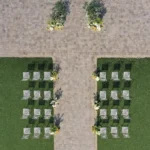
A tented wedding allows couples and planners to design the event flow around the guest experience. Tents can be configured for ceremonies, cocktail hours, seated dinners, lounge areas, dance floors, bars, catering zones, and after-party spaces.
A custom layout can include:
- Multiple entrances
- Covered walkways
- Separate cocktail and dining areas
- Lounge spaces
- Dance floor placement
- Bar and buffet zones
- Vendor prep areas
- Clear guest circulation paths
Traditional venues may offer some layout flexibility, but the structure of the room usually determines the flow.
Vendor Access and Setup Timing
Tented events often require earlier access for installation, vendor staging, lighting setup, furniture delivery, and final design work. This can be an advantage for complex events because the site can be built gradually and intentionally.
However, couples must also plan for access roads, delivery vehicles, terrain, parking, and load-in/load-out windows. Traditional venues typically manage many of these logistics internally, while tented events require more coordination among the rental provider, planner, caterer, florist, production team, and site owner.
Aesthetics: Custom Outdoor Design vs. Built-In Venue Style
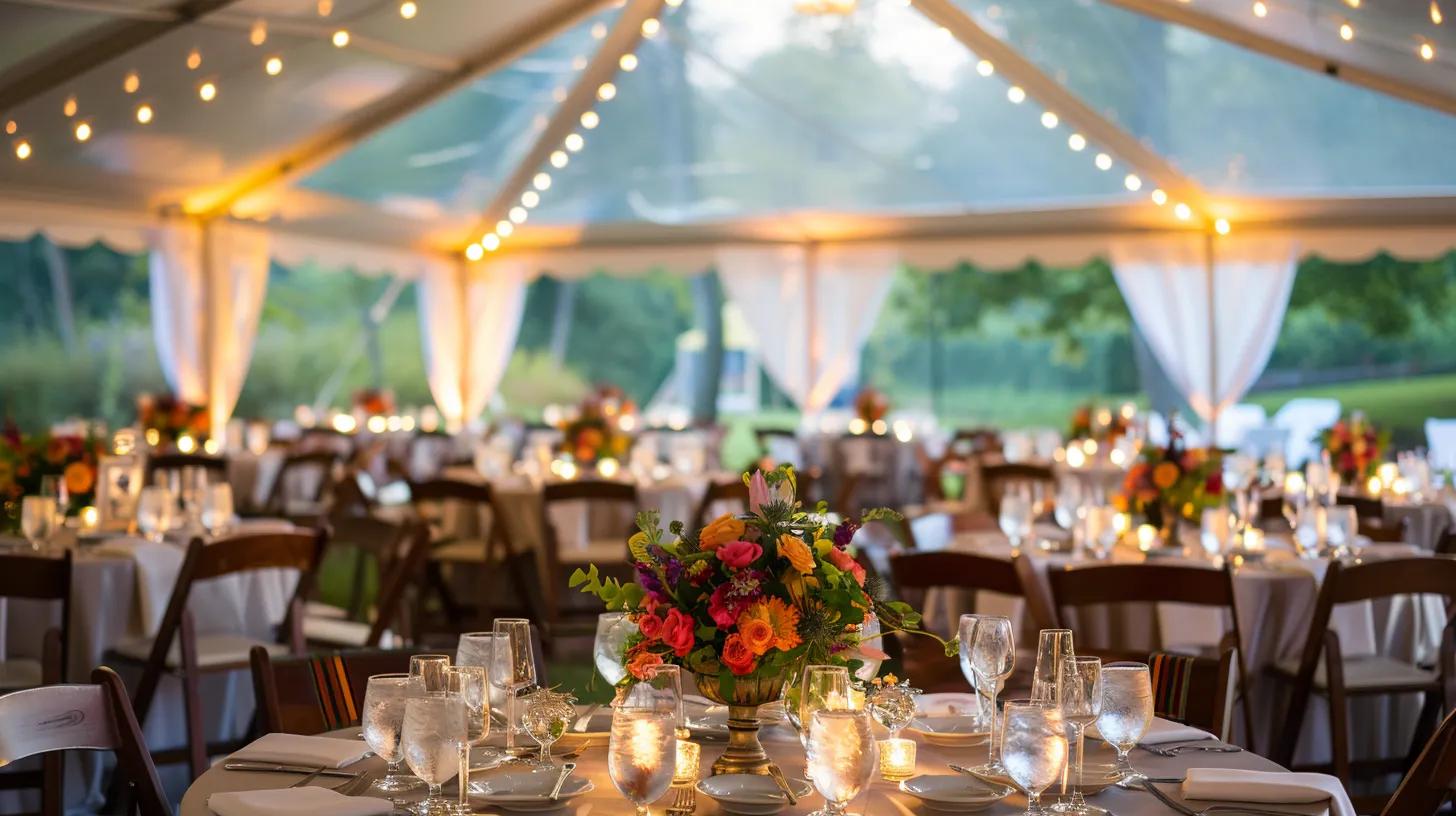
The visual experience of a wedding tent is highly customizable. A traditional venue may already have a specific style, architecture, carpet, lighting, artwork, or color palette. A tent gives couples a more neutral structure that can be transformed to match their wedding design.
Décor Control
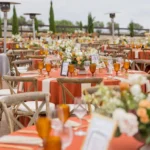
With a tent, couples can shape the entire atmosphere. Draping, linens, tableware, lighting, floral installations, lounge furniture, and flooring can all be selected to match the event style.
A tented wedding can feel:
- Classic and formal
- Coastal and relaxed
- Rustic and natural
- Romantic and garden-inspired
- Minimal and modern
- Elegant and estate-style
Couples who want a refined traditional look can use chandeliers, structured linens, formal table settings, and full flooring. Couples who want to highlight the outdoors can incorporate wood textures, greenery, clear sidewalls, natural fabrics, and open views.
Lighting Options
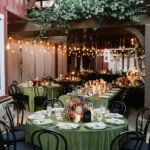
Lighting is one of the most important design elements in a wedding tent. Since tents are often neutral spaces, lighting helps define mood, movement, and focal points.
Popular options include:
- String lights
- Chandeliers
- Lanterns
- Uplighting
- Pin spotting
- Fairy lights
- Path lighting
- Dance floor lighting
- Illuminated signage
Lighting should be layered for each phase of the event. Dinner may need warm ambient lighting, while dancing may require stronger entertainment lighting. Pathways, restrooms, exits, and service areas should also be safely illuminated.
Clear-Top, Sailcloth, and Frame Tent Looks
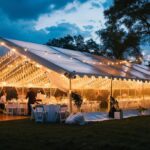
Different tent styles create different visual effects. A clear-top tent can showcase the sky, trees, or surrounding landscape. A sailcloth tent creates a softer, romantic look with graceful peaks and fabric movement. A frame tent offers a clean, versatile structure that works well on different surfaces and often provides unobstructed interior space. The tent style should support both the design vision and the practical site requirements.
Logistics: What Couples Need to Plan For
Tented weddings require more logistical planning than traditional venues because the event infrastructure is often temporary. This does not make tented weddings difficult, but it does make early planning essential.
Power and Utilities
Traditional venues usually have built-in electrical capacity, water access, restrooms, lighting, and catering support. Tented weddings may require temporary utilities.
Power planning may include:
- Generators
- Distribution boxes
- Extension runs
- Lighting power
- Catering power
- Band or DJ power
- Heating or cooling power
- Restroom trailer power
- Backup power options
Couples should coordinate power needs with the rental company, caterer, entertainment team, lighting provider, and planner so the event has sufficient capacity.
Restrooms and Guest Comfort
If the site does not have adequate permanent restrooms, restroom trailers or portable restroom units may be required. For upscale weddings, restroom trailers with lighting, sinks, mirrors, climate control, and attendants can provide a more comfortable guest experience. Restrooms should be placed close enough for convenience but far enough to remain discreet. Evening events should include lighting and signage to guide guests safely.
Flooring, Staging, and Site Access
Outdoor sites may have uneven ground, grass, sand, gravel, or damp surfaces. Flooring can create a stable, level, and polished event environment. Flooring options may support:
- Guest seating
- Dining tables
- Dance floors
- Staging
- Catering zones
- Walkways
- Weather protection
- Accessibility
Staging may also be needed for ceremonies, bands, DJs, speeches, or performances. Site access should be reviewed before the event to confirm that delivery trucks, catering vehicles, and installation crews can reach the setup area.
Load-In and Load-Out Timing
Wedding tents require time for installation and removal. The schedule should account for:
- Tent installation
- Flooring installation
- Lighting rigging
- Furniture delivery
- Décor setup
- Catering prep
- AV and entertainment setup
- Final inspections
- Breakdown
- Site restoration
A clear installation schedule reduces vendor conflicts and helps ensure the site is ready before guests arrive.
Weather Protection and Guest Comfort
Weather is a major consideration for outdoor weddings. A tent provides protection, but it must be planned properly for the season, site, and expected conditions.
Sidewalls and Climate Control
Sidewalls help protect guests from wind, rain, cool evening air, and bright sun. Couples can choose different sidewall styles depending on the event look and weather needs. Common options include:
- Clear vinyl sidewalls
- Solid fabric sidewalls
- Windowed sidewalls
- Insulated panels
- Removable sidewalls
Climate control may include heaters, fans, portable air conditioning, or ventilation equipment. Equipment placement should be planned so the temperature feels even throughout the tent.
Flooring for Uneven or Damp Surfaces
Flooring is useful for both appearance and comfort. It helps create a stable surface for tables, chairs, service staff, and guests in formal footwear. It also protects against damp ground and can make the tent feel more like a finished venue. For high-end weddings, flooring can be paired with carpet, dance floors, or decorative finishes.
Rain, Wind, and Backup Planning
Every tented wedding should include a weather contingency plan. This plan should define:
- When weather decisions will be made
- Who monitors forecasts
- Whether sidewalls will be added
- Whether flooring is required
- Wind thresholds and safety procedures
- Backup ceremony options
- Additional costs for last-minute changes
- Vendor responsibilities on event day
A single on-site point of contact should manage communication among vendors if weather adjustments are needed.
Wedding Tent Styles Available in Santa Barbara
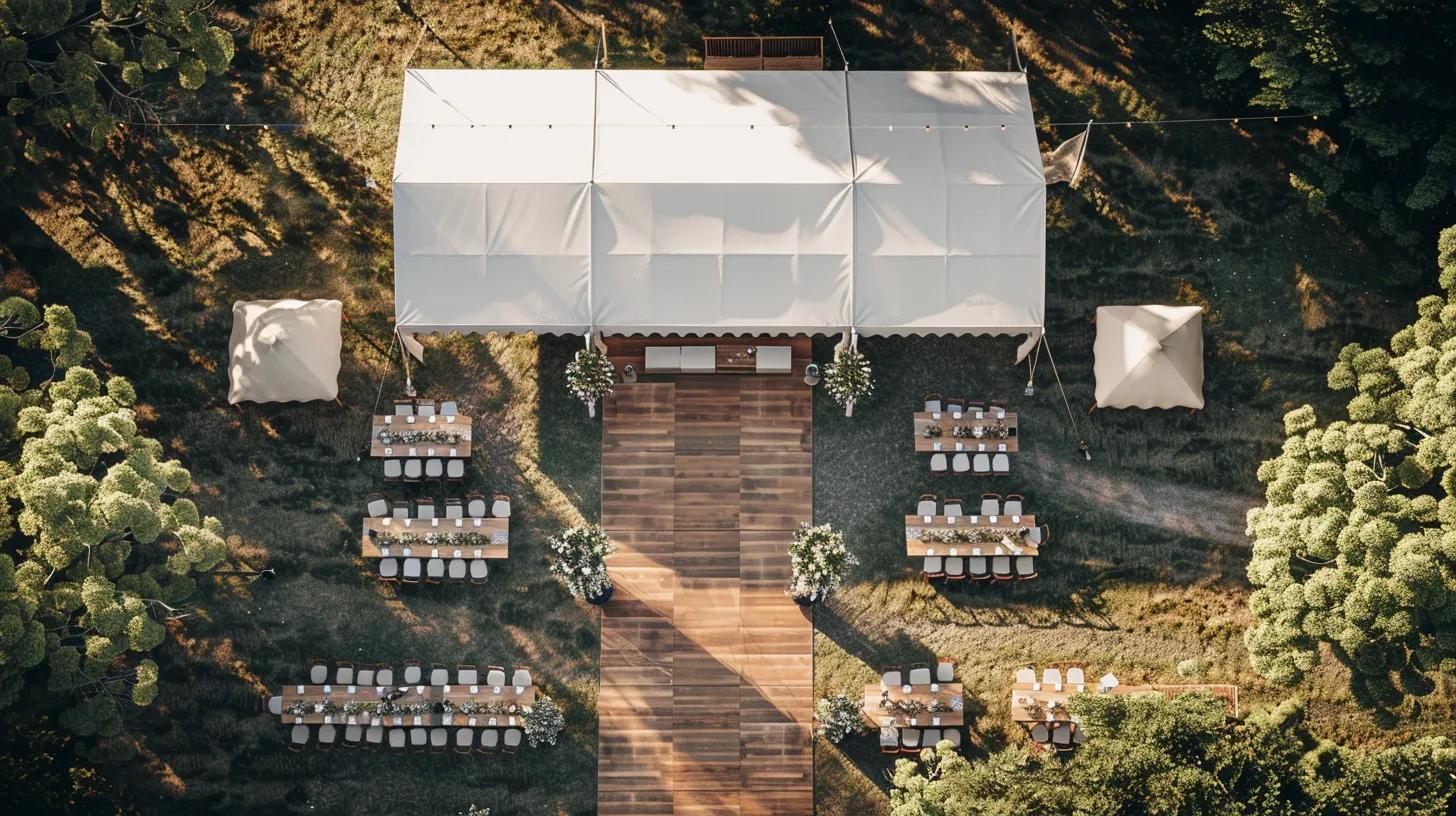
The right tent style depends on guest count, site conditions, design goals, and budget. Ventura Rental offers multiple tent types and rental options that can support different wedding formats.
Marquee Tents
Marquee tents are suitable for larger gatherings and can often be customized with sidewalls, flooring, lighting, and connected tent sections. They work well for weddings that need substantial coverage for dining, dancing, lounges, bars, and vendor areas.
Sailcloth Tents
Sailcloth tents are popular for elegant outdoor weddings because of their soft, romantic appearance. Their fabric, peaks, and natural movement create a refined look that works well in gardens, vineyards, estates, and coastal settings.
Frame Tents
Frame tents are versatile and can be installed on a range of surfaces. Because they do not rely on center poles in the same way as some other tent styles, they can provide open interior space and flexible layouts. This makes them useful for smaller weddings, complex layouts, or sites with surface limitations.
How to Choose the Right Wedding Tent Size
Tent size depends on more than guest count. Couples should also account for seating style, catering setup, dance floor, entertainment, bars, lounge furniture, ceremony needs, and service space.
Small Weddings: 50–100 Guests
For intimate weddings, a smaller tent may be enough for dining and limited dancing. A size around 20×30 feet may work for some small gatherings, depending on the layout and whether the dance floor, bar, or catering area is inside the tent.
Medium Weddings: 100–200 Guests
A medium wedding usually requires more space for seated dining, guest circulation, catering access, and entertainment. A tent around 30×60 feet may support dining and dancing for many mid-sized events, but the exact size should be confirmed with a floor plan.
Large Weddings: 200+ Guests
Large weddings often require expanded tent footprints, such as 40×100 feet or larger, especially when the event includes a dance floor, stage, multiple bars, lounge areas, or a large catering setup.
Space for Catering, Dancing, and Vendor Areas
Couples should not size the tent based on dining tables alone. Additional space may be needed for:
- Dance floor
- Band or DJ
- Bar
- Buffet or food stations
- Catering prep tent
- Gift table
- Escort card display
- Lounge furniture
- Coat check
- Restroom access paths
- Vendor storage
- Service aisles
A scaled floor plan helps prevent overcrowding and ensures guests, servers, and vendors can move comfortably.
Rentals That Complete a Tented Wedding Setup
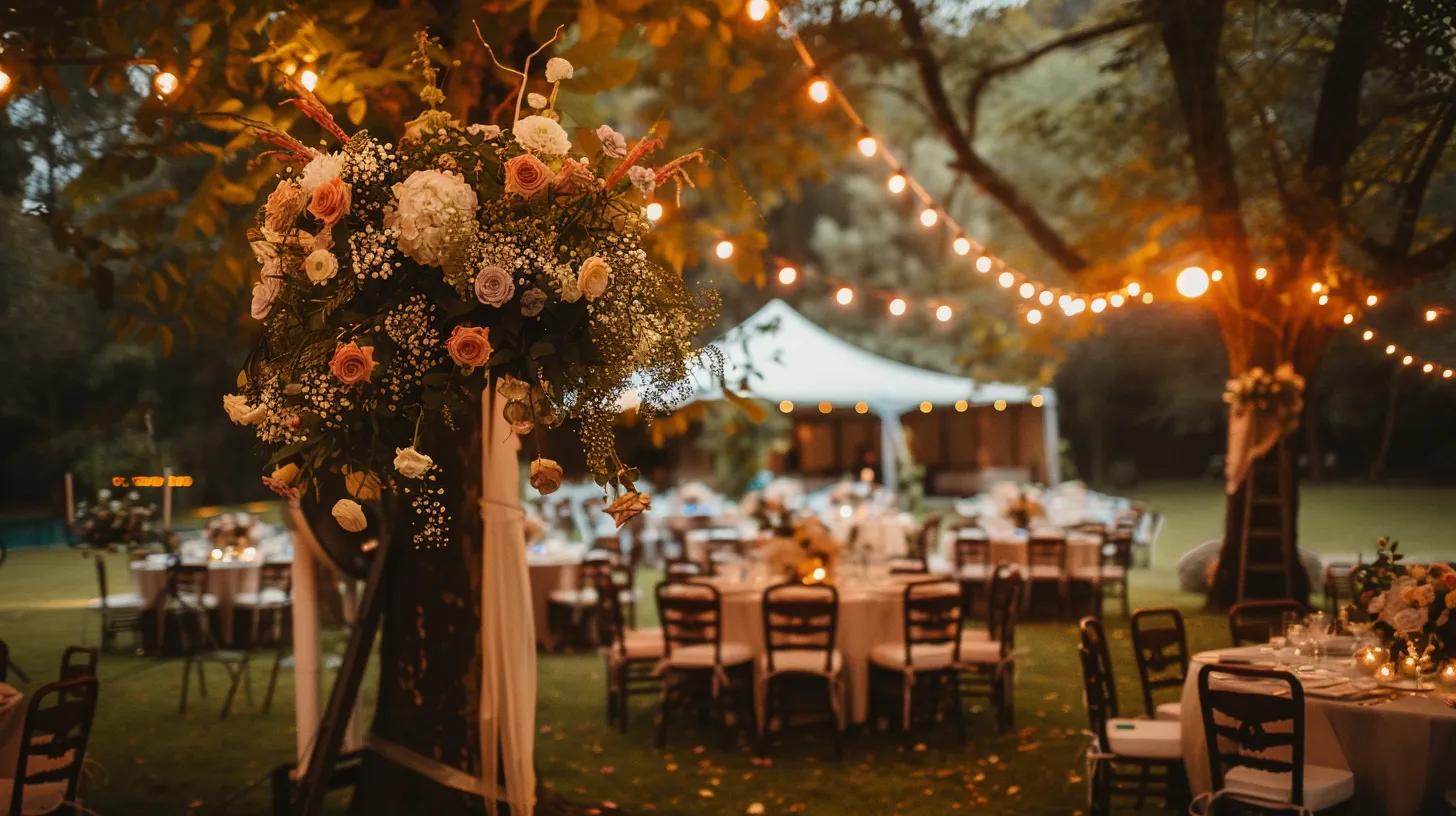
A wedding tent is only one part of an outdoor event. To create a complete guest experience, couples usually need furniture, tabletop items, lighting, flooring, décor, and support equipment.
Tables, Chairs, and Linens
Tables and chairs define the dining experience. Couples may choose round tables, rectangular banquet tables, cocktail tables, sweetheart tables, lounge seating, or a mix of formats. Chair styles can also affect the tone of the event. Chiavari chairs, cross-back chairs, folding chairs, and upholstered seating each create a different look. Linens should coordinate with the color palette, formality, and table design.
Tabletop Rentals
Tabletop rentals complete the place setting and dining presentation. These may include:
- Dinner plates
- Salad plates
- Chargers
- Flatware
- Glassware
- Napkins
- Serving pieces
- Centerpiece vessels
A cohesive tabletop design can make a tented wedding feel polished and intentional.
Lighting and Décor
Lighting and décor transform the tent from a temporary structure into a finished event space. Draping can soften the tent interior, while floral installations, chandeliers, lounge furniture, and accent lighting create focal points. Practical lighting should also be included for pathways, catering zones, restrooms, signage, and exits.
Staging and Dance Floors
Staging is useful for ceremonies, bands, DJs, speeches, or elevated focal areas. Dance floors provide a defined space for the reception and help protect grass or uneven ground. For events with live music or production equipment, staging and flooring should be planned with load ratings, power access, and safe cable routing in mind.
Permits and Local Requirements in Santa Barbara
Permits and regulations vary by event site, city, county, property type, guest count, tent size, and event scope. Couples should confirm requirements early with the property owner, local authorities, planner, and rental provider.
Temporary Structure Permits
Large tents may require temporary structure permits. Requirements can include tent diagrams, anchoring details, fire access plans, flame-retardant certifications, and installation specifications.
Event Permits
Some outdoor weddings may require event permits, especially if they take place on public land, involve large guest counts, require amplified sound, affect parking, or use temporary structures.
Electrical and Safety Inspections
Temporary power, generators, lighting, and AV equipment may require electrical planning or inspection. Safety considerations may include emergency exits, fire access, illuminated pathways, and secure cable routing.
Insurance Requirements
Some venues, private property owners, or public sites may require proof of liability insurance. They may also ask to be named as additional insured. Couples should confirm insurance requirements before booking the site or finalizing rental plans. Ventura Rental can help couples understand common permit-related planning needs and provide guidance for tented event logistics.
How Ventura Rental Helps with Wedding Tent Planning

A tented wedding requires coordination across rentals, logistics, site planning, and event design. Working with an experienced rental provider helps couples identify what they need before the event day.
Tent Selection and Site Planning
Ventura Rental can help couples select the tent size and style that fits the guest count, site conditions, and event layout. Site planning may include reviewing terrain, access points, anchoring options, surrounding trees, slope, underground utilities, and available setup space.
Delivery, Setup, and Breakdown
Professional delivery, setup, and breakdown help ensure the tent and rental items are installed safely and on schedule. A clear timeline also helps coordinate other vendors, including caterers, florists, lighting teams, musicians, and planners.
Furniture, Lighting, Flooring, and Décor Rentals
Ventura Rental offers event rental categories that can support a complete tented wedding setup, including tents, furniture, lighting, décor, flooring, staging, tables, chairs, linens, and tabletop items.
Using one rental provider for multiple categories can simplify communication and reduce coordination gaps.
Permit and Logistics Guidance
Tented weddings may involve permits, inspections, temporary utilities, weather planning, and site-specific requirements. Ventura Rental can help couples think through these needs early so the event plan is realistic, compliant, and organized.
Frequently Asked Questions
Are wedding tents cheaper than traditional venues?
Wedding tents can be more cost-effective than traditional venues, especially when the site already has restrooms, power, parking, and vendor access. However, tented weddings can become more expensive if the site requires flooring, generators, restroom trailers, extensive lighting, permits, climate control, and additional labor. The best approach is to compare itemized quotes for both options.
What size tent do I need for a wedding?
The right tent size depends on guest count, seating style, dance floor size, catering needs, entertainment, bars, lounge areas, and service space. A small wedding may need a tent around 20×30 feet, a medium wedding may need around 30×60 feet, and a large wedding may require 40×100 feet or more. A scaled floor plan is the most reliable way to confirm tent size.
Can wedding tents handle rain or wind?
Wedding tents can provide strong weather protection when properly installed and planned. Sidewalls, flooring, anchoring, drainage planning, and climate control can help protect guests from rain, wind, damp ground, and temperature changes. Severe weather should still be addressed through a clear contingency plan.
Do outdoor wedding tents require permits in Santa Barbara?
Some outdoor wedding tents may require permits depending on the tent size, event location, guest count, temporary power setup, food service, and local jurisdiction. Couples should confirm requirements with the site owner, local authorities, planner, and rental provider before finalizing the event plan.
Can a tented wedding look as formal as an indoor venue?
Yes. A tented wedding can look as formal as a traditional venue when finished with flooring, draping, chandeliers, refined linens, elegant tableware, professional lighting, and coordinated floral design. Tents can also offer a more personalized atmosphere because the interior design is not limited by an existing venue style.
What rentals are needed for a tented wedding?
Common rentals for a tented wedding include the tent, sidewalls, flooring, tables, chairs, linens, tabletop items, lighting, staging, dance floor, lounge furniture, generators, restroom trailers, catering tents, and décor. The exact rental list depends on the site and event design.
Conclusion
Wedding tents and traditional venues both have advantages. Traditional venues offer convenience, built-in infrastructure, and predictable indoor comfort. Wedding tents offer flexibility, outdoor atmosphere, custom layouts, and greater control over the event design.
For Santa Barbara couples who want a wedding shaped around a meaningful outdoor location, a tented setup can create a distinctive and highly personal celebration. The key is thorough planning: confirm site access, utilities, permits, weather protection, flooring, restrooms, lighting, vendor flow, and setup timing before the event.
Ventura Rental can support Santa Barbara weddings with tent rentals, furniture, lighting, flooring, décor, staging, and logistical guidance. With the right rental plan and experienced installation support, a tented wedding can combine the beauty of an outdoor setting with the comfort and structure of a well-planned venue.