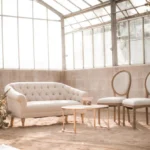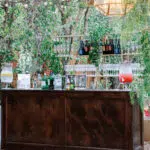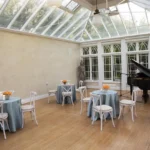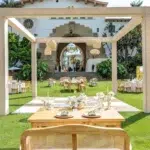

Selecting wedding rentals for a wine country event involves more than matching styles or themes. The choices you make directly influence layout, guest comfort, and how smoothly the event operates from setup through completion. For couples planning Santa Barbara Summer Wedding Rentals, especially at outdoor wine country venues where infrastructure is often limited, each rental decision carries practical implications for space planning, weather readiness, and vendor coordination.
Wine country settings introduce variables such as uneven terrain, changing light conditions, and restricted access for deliveries. These factors shape which rental options are suitable and how they should be installed. Approaching the process with clear criteria helps narrow choices and ensures that each item supports both the design and function of the event.
The tips in this guide focus on helping you evaluate rental options with confidence. Each section highlights key considerations that influence performance, cost, and overall execution, so you can select rentals that align with your venue conditions and event requirements.
Tips for Planning Outdoor Wine Country Weddings
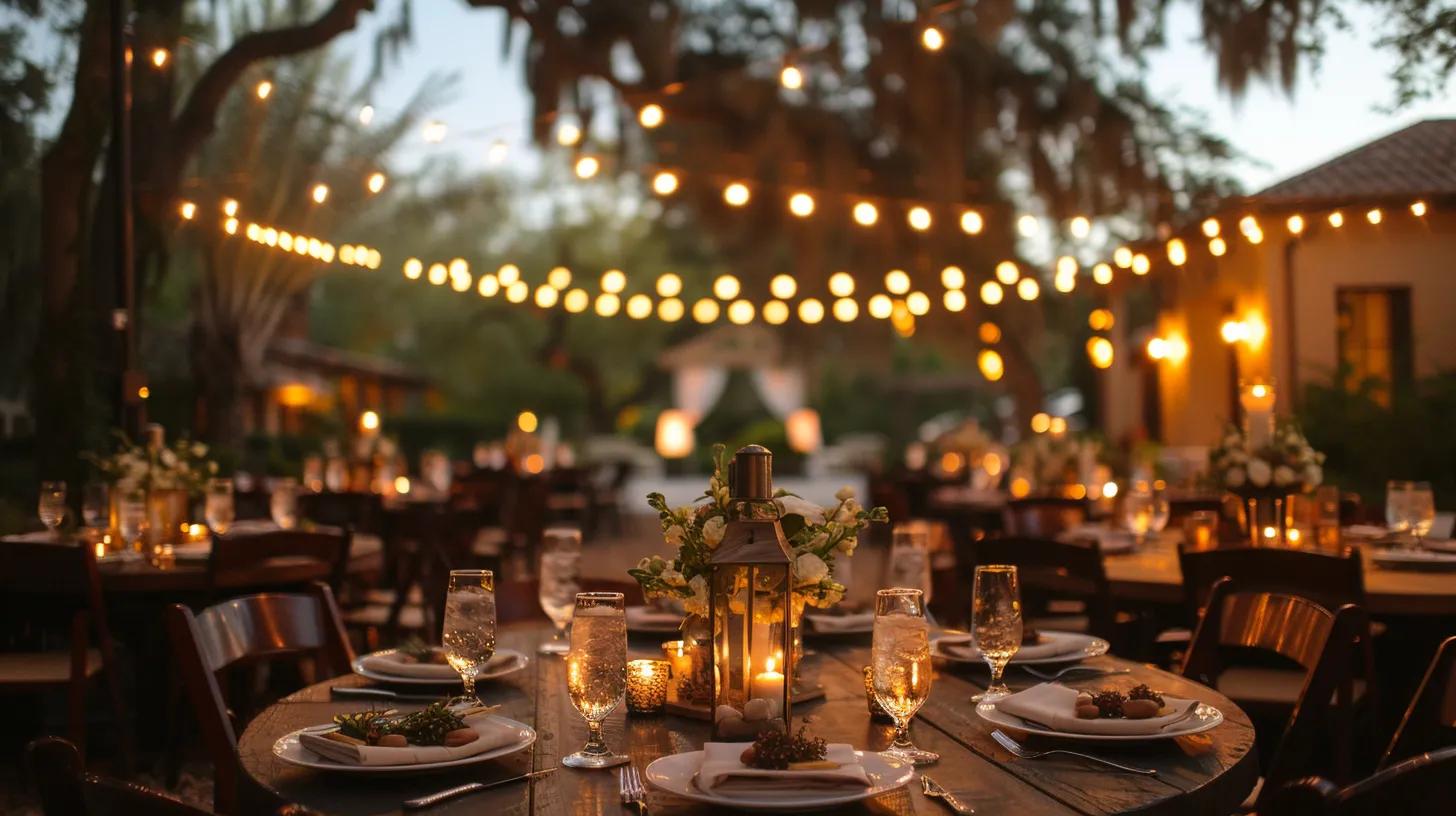
Planning an outdoor wedding in wine country demands attention to site-specific factors that affect both aesthetics and operations. The region’s landscape can elevate the event, yet it also introduces considerations for access, weather, and guest services. A systematic approach to venue selection, core rental needs, decor integration, logistical sequencing, guest comfort, and final preparations will produce a functional and memorable occasion. Here are tips on how you can plan a wedding in wine country Santa barbara using wedding rentals:
Start with a Detailed Site Assessment Before Choosing Rentals
A thorough site assessment provides the context needed to make informed rental decisions. Wine country venues vary widely in terrain, accessibility, and infrastructure, so evaluating the physical environment early helps prevent mismatches between equipment and site conditions. This step ensures that rental selections are practical, installable, and aligned with the event layout.
Assess Terrain and Ground Conditions to Guide Rental Choices
Ground conditions influence how tents, flooring, and furniture can be installed. Uneven surfaces, slopes, or soft soil may require additional support systems such as subflooring or reinforced anchoring. Observing drainage patterns and ground stability also helps determine whether certain areas are suitable for dining, staging, or high-traffic zones.
Evaluate Access Points for Delivery and Setup Efficiency
Access routes affect how quickly and safely equipment can be delivered and installed. Narrow roads, limited turning space, or distance from unloading areas can increase setup time and labor requirements. Identifying these constraints early allows rental providers to plan appropriate transport methods and staging areas.
Review Venue Restrictions That Affect Rental Options
Venue policies and local regulations often influence which rental elements can be used. Restrictions may apply to tent anchoring, open flames, sound levels, or installation timelines. Confirming these requirements in advance ensures that selected rentals comply with site rules and reduces the risk of last-minute adjustments.
Prioritize Rental Categories Based on Function and Event Needs
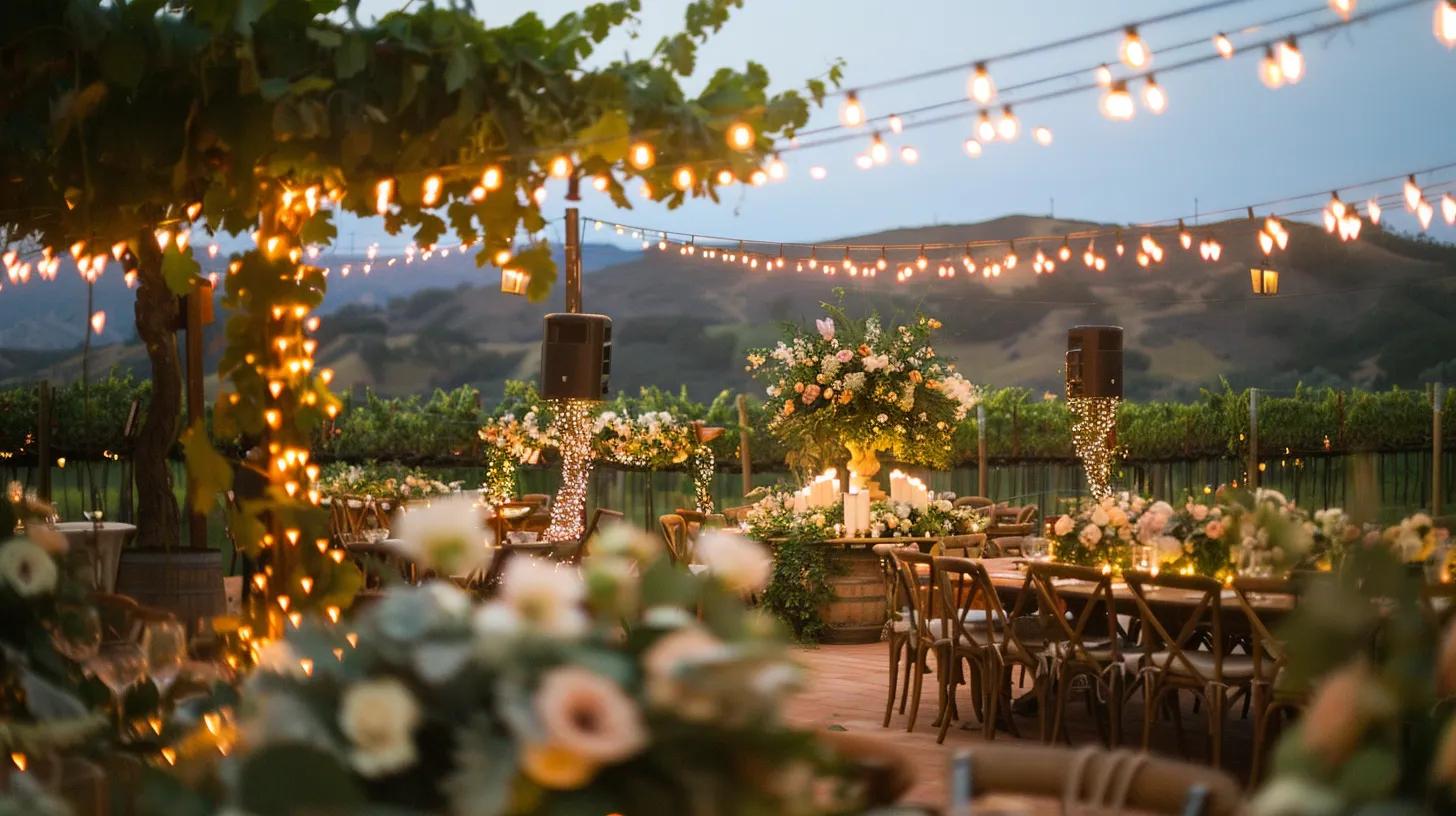
Organizing rental selections by function helps streamline decision-making and ensures that essential elements are secured before aesthetic additions. This approach keeps the planning process focused on operational requirements and supports a balanced allocation of budget and resources.
Identify Structural Rentals First, Including Tents and Flooring
Structural rentals form the foundation of the event space. Tents define coverage and layout boundaries, while flooring creates stable surfaces for seating and movement. Securing these elements early establishes the framework for all other rental decisions.
Select Functional Rentals That Support Guest Experience
Functional rentals include tables, chairs, bars, and service stations that directly affect how guests interact with the space. These items should be chosen based on layout efficiency, comfort, and the needs of catering and service teams.
Add Enhancement Rentals After Core Needs Are Covered
Once structural and functional requirements are addressed, enhancement rentals can be introduced to refine the environment. Lighting, lounge furniture, and decorative elements should complement the layout and integrate smoothly without interfering with movement or operations.
Choose the Right Tent Based on Site Conditions and Event Layout

Selecting the appropriate tent requires a clear understanding of how it will function within the space. The tent defines coverage, influences layout, and affects guest comfort throughout the event. Evaluating options based on site conditions and planned activities ensures that the structure supports both form and function.
Compare Tent Types Based on Terrain and Installation Requirements
Different tent styles perform better under specific conditions. Frame tents offer flexibility on uneven or restricted sites since they do not rely on center poles, while pole tents require open space and suitable anchoring points. Sailcloth and clear-top tents introduce visual variation but also come with specific installation and weather considerations. Matching the tent type to the site reduces installation challenges and improves overall stability.
Determine Tent Size Using Layout Requirements, Not Just Guest Count
Guest count provides a starting point, but layout determines actual space needs. Dining tables, dance floors, bars, and service areas all require dedicated space within the tent footprint. A layout-driven approach ensures adequate room for circulation and prevents overcrowding during peak moments of the event.
Evaluate Tent Materials for Weather Performance and Durability
Material selection influences how the tent responds to environmental conditions. Durable fabrics provide protection from sun and wind, while translucent materials allow natural light to filter through during daytime events. Considering weather exposure and time of day helps ensure that the tent maintains a comfortable environment throughout the event.
Select Tables and Chairs That Support Layout Efficiency and Guest Comfort
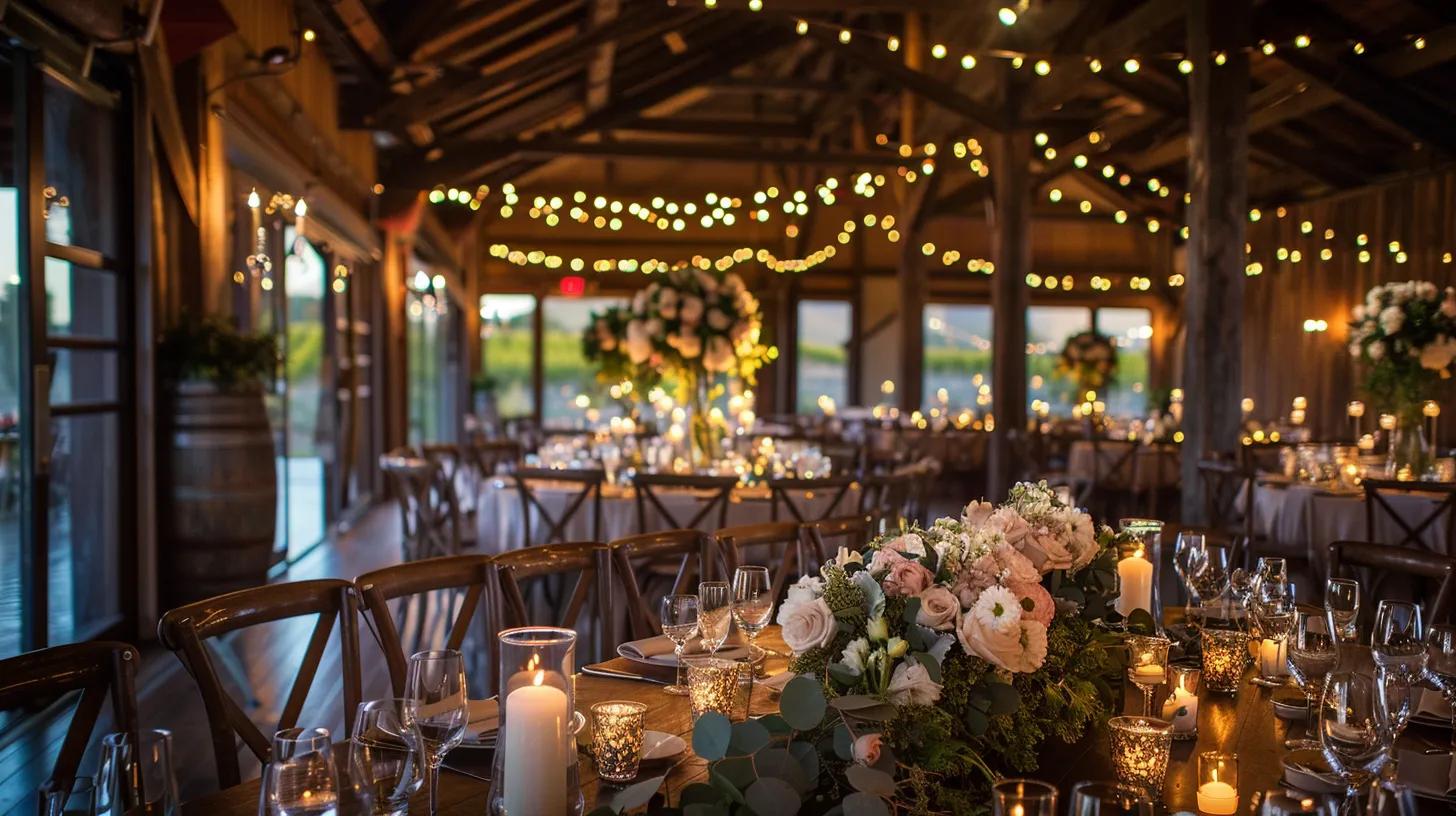
Furniture selection affects both the visual arrangement and the practical flow of the event. Choosing tables and chairs with layout and usability in mind helps maintain clear movement paths while ensuring a comfortable experience for guests.
Choose Table Shapes That Align with Your Layout Plan
Table configurations influence how space is used and how guests interact. Round tables encourage smaller group interaction, while rectangular tables can optimize capacity and create a more structured layout. Selecting shapes based on the overall plan helps maintain balance between density and openness.
Ensure Adequate Spacing for Movement and Service Access
Proper spacing between tables allows guests and service staff to move efficiently. Clear pathways reduce congestion and support smooth service during dining and transitions between event phases. Planning spacing early prevents adjustments that could disrupt the layout later.
Select Seating That Balances Comfort and Outdoor Durability
Chair selection should account for both comfort and environmental conditions. Materials that perform well outdoors help maintain usability throughout the event, while supportive seating improves the guest experience during longer ceremonies and meals. Aligning seating choices with both layout and conditions ensures consistency across the event space.
Use Rental Layout Planning to Improve Guest Flow and Overall Experience
A well-planned layout shapes how guests move through the event and interact with each space. Rental placement plays a central role in guiding that movement and maintaining a balanced environment from arrival through the end of the event.
Create Clear Transitions Between Ceremony, Dining, and Reception Areas
Each phase of the event should connect naturally without requiring guests to navigate long distances or unclear pathways. Positioning these areas in a logical sequence supports a steady flow and reduces confusion during transitions.
Position Key Rentals to Prevent Bottlenecks and Congestion
High-traffic areas such as bars, entrances, and pathways require careful placement. Allocating sufficient space around these elements allows guests to gather without blocking movement and ensures service staff can operate efficiently.
Use Furniture and Rentals to Define Functional Zones
Rental elements can be used to establish distinct areas within an open venue. Lounge seating, dining arrangements, and service stations help organize the space while maintaining visual cohesion. Defined zones encourage natural movement and create a more structured guest experience.
Select Lighting and Decor Rentals That Perform Well in Outdoor Conditions
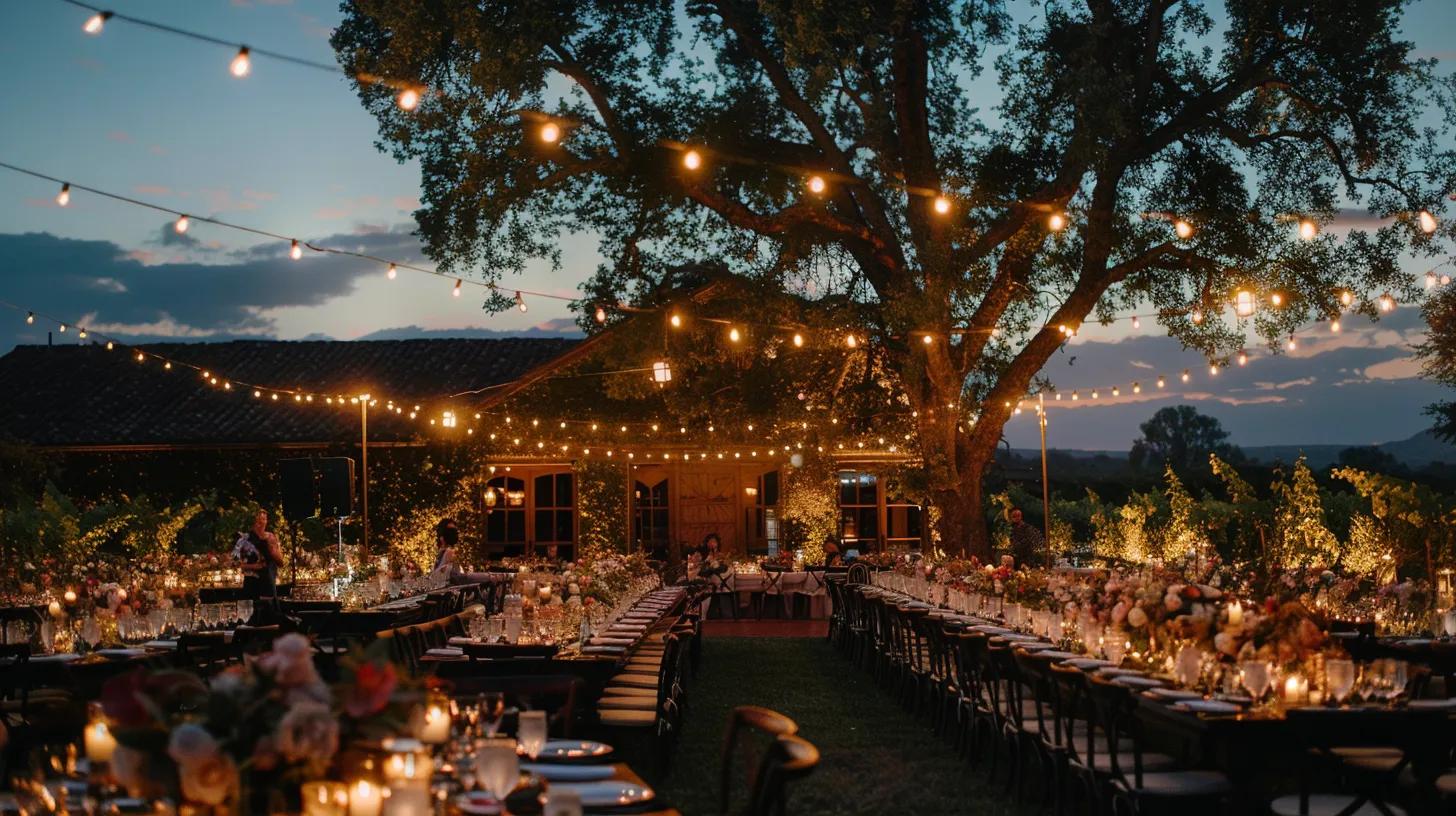
Lighting and decor selections should support both functionality and durability in an outdoor environment. Choosing elements that perform reliably under changing conditions ensures consistency throughout the event.
Plan Lighting for Visibility, Safety, and Evening Transitions
Lighting should provide adequate visibility across all areas as natural light fades. Pathways, dining spaces, and service zones require consistent illumination to maintain safety and usability. A layered approach allows each area to remain functional while supporting the overall atmosphere.
Choose Decor Materials That Withstand Outdoor Exposure
Outdoor conditions can affect the stability and appearance of decor elements. Selecting materials that resist wind, moisture, and temperature changes helps maintain presentation and reduces the need for adjustments during the event.
Layer Rental Elements to Maintain a Cohesive Setup
Combining structural elements, functional rentals, and finishing details creates a balanced environment. Coordinating these layers ensures that decor integrates smoothly with the layout without interfering with movement or operations.
Compare Wedding Rental Companies Using Clear Evaluation Criteria
Selecting a rental provider requires more than reviewing pricing. Differences in inventory quality, service scope, and operational reliability can significantly affect how the event is executed. Applying consistent evaluation criteria helps ensure you choose a provider that aligns with your requirements.
Request Itemized Quotes to Understand Full Costs
Itemized quotes provide visibility into equipment, labor, delivery, and additional fees. This level of detail allows for accurate comparisons between vendors and helps identify cost differences that may not be immediately apparent in bundled pricing.
Evaluate Inventory Quality and Availability
The condition and consistency of rental inventory influence both presentation and performance. Reviewing sample items or recent event setups helps confirm quality standards. Availability should also be verified early, particularly for high-demand items during peak seasons.
Assess Setup, Breakdown, and On-Site Support Services
Service scope varies between providers. Confirm whether setup and breakdown are included, along with any on-site support during the event. Clear understanding of these services ensures that responsibilities are defined and reduces the need for additional coordination.
Plan Delivery and Setup Logistics Early to Avoid Delays
Delivery and installation logistics play a central role in maintaining the event timeline. Early planning allows for better coordination between vendors and reduces the risk of congestion or scheduling conflicts during setup.
Schedule Staged Deliveries Based on Installation Priority
Large structural elements such as tents and flooring should be installed first, followed by furniture and finishing elements. Staggering deliveries in this sequence supports efficient setup and minimizes the need for repositioning equipment.
Coordinate Installation Responsibilities Across Vendors
Each vendor typically handles specific components of the setup. Clarifying these roles in advance ensures that no tasks are overlooked and prevents overlap that could slow down installation.
Use Site Plans to Align All Vendors and Reduce Miscommunication
A shared site plan provides a consistent reference for placement, access routes, and service areas. Distributing this document to all vendors helps maintain alignment and supports a smoother installation process.
Avoid Common Mistakes When Choosing Wedding Rentals

Common errors in rental selection can lead to layout issues, delays, and increased costs. Recognizing these risks early allows for more controlled planning and better outcomes.
Avoid Selecting Rentals Before Finalizing the Layout
Choosing equipment without a defined layout often leads to mismatches in size and quantity. Finalizing the layout first ensures that all rental items fit within the available space and support the intended flow.
Avoid Underestimating Space Requirements
Insufficient space allocation can create congestion and limit movement. Accounting for dining, service areas, and circulation ensures that the event remains comfortable and functional.
Access limitations can affect delivery timing and installation methods. Considering these factors during planning helps prevent delays and ensures that all equipment can be installed as required.
Avoid Ignoring Power and Utility Requirements
Many outdoor venues require additional power solutions. Failing to plan for generators, lighting distribution, and equipment needs can disrupt event operations. Early coordination ensures all utility requirements are addressed.
Budget Strategically for Wedding Rentals Without Compromising Execution
A structured approach to budgeting helps ensure that essential rental elements are secured without overspending on lower-impact items. Focusing on function and priority allows for better allocation of resources across categories.
Identify High-Impact Rental Categories First
Allocate budget to structural and functional rentals such as tents, flooring, tables, and chairs before considering enhancements. These elements directly affect comfort, safety, and layout, making them central to the event’s success.
Use Bundled Packages to Improve Cost Efficiency
Rental packages can combine key items into a single offering, often at a lower total cost. Reviewing package inclusions helps determine whether bundled options align with your layout and guest count while simplifying procurement.
Compare Vendors Using Consistent Specifications
Accurate comparisons require requesting quotes for the same items, quantities, and services. This approach highlights differences in pricing, service levels, and included support, allowing for more informed decisions.
Customize Rentals to Reflect Wine Country Style and Setting
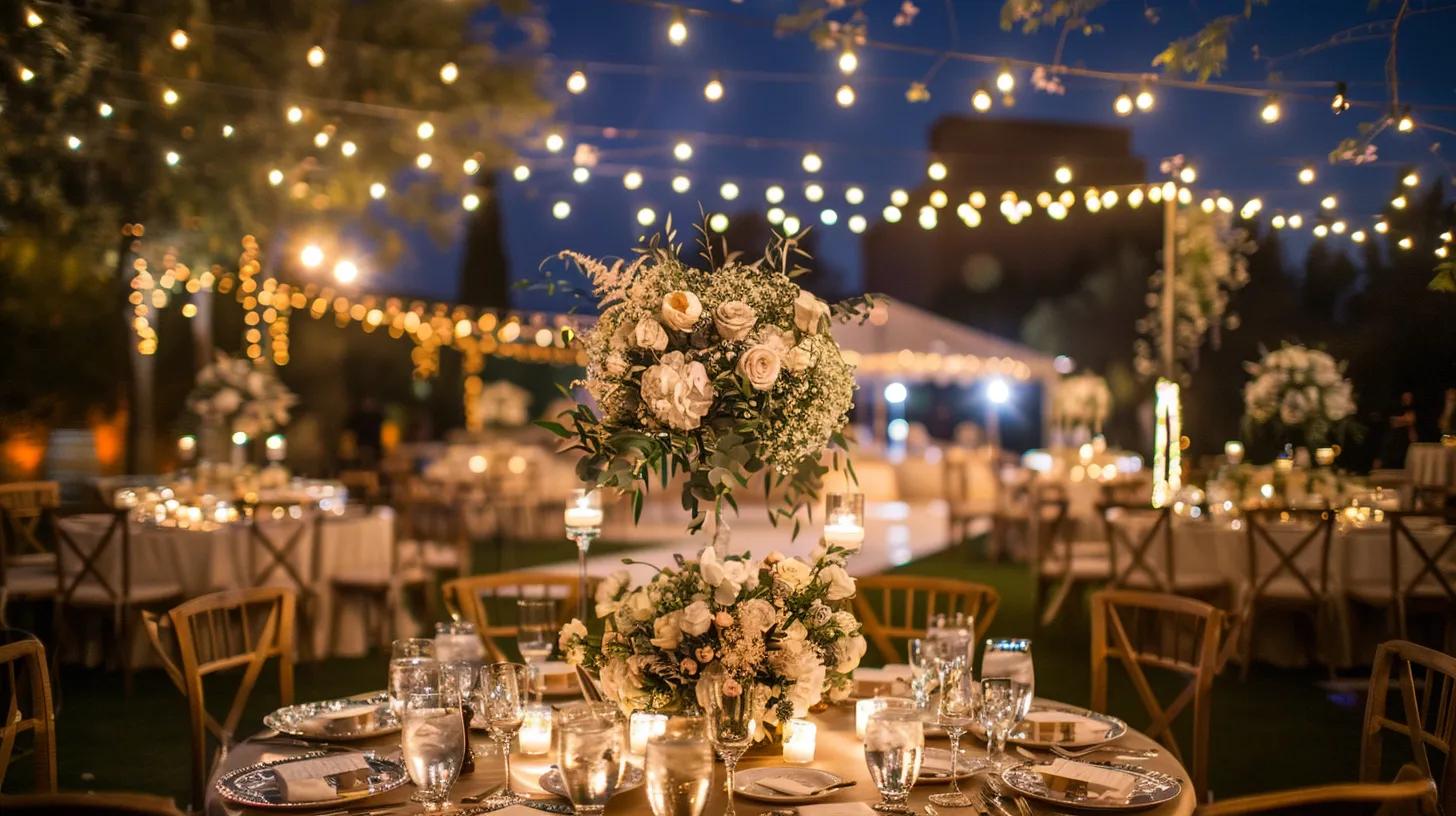
Customization allows rental selections to align with the surrounding environment while maintaining functionality. Thoughtful coordination of materials, colors, and layout elements creates a cohesive visual result.
Choose Materials That Complement the Natural Landscape
Wood, neutral fabrics, and understated finishes integrate well with vineyard and hillside settings. Selecting materials that reflect the environment helps maintain visual consistency across the event space.
Use Neutral Base Rentals with Layered Enhancements
Starting with neutral furniture and foundational pieces allows flexibility when adding decorative elements. Layering linens, lighting, and accents builds depth without overwhelming the layout.
Incorporate Sustainable Rental Options Where Possible
Reusable materials, energy-efficient lighting, and locally sourced elements can support sustainability goals. These choices also simplify logistics and reduce overall resource use.
Work with a Trusted Local Rental Partner for Wine Country Weddings
Choosing a rental provider with experience in wine country events helps streamline planning and reduce uncertainty during execution. Ventura Rentals Party & Events offers a wide range of event equipment designed to support outdoor weddings, including tents, flooring, tables, chairs, lighting, and climate control solutions. Their team understands the logistical demands of vineyard and rural venues and works closely with clients to align rental selections with site conditions and layout requirements.
With a focus on reliable delivery, professional installation, and coordinated setup, Ventura Rental supports each stage of the process from initial planning through event completion. Their local expertise and structured approach help ensure that all rental elements integrate smoothly, allowing the event to operate efficiently and according to plan.
Conclusion
Choosing the right wedding rentals in wine country requires careful evaluation of site conditions, layout requirements, and vendor capabilities. Each decision influences how the event is structured and how effectively it operates throughout the day.
Applying a structured, tip-based approach allows you to prioritize essential elements, compare options clearly, and coordinate logistics with greater confidence. With well-aligned rental selections and clear planning, an outdoor wine country venue can be transformed into a functional and well-organized event environment.
Frequently Asked Questions
How do I choose the right tent for a wine country wedding?
Evaluate site conditions, layout requirements, and expected weather. Select a tent type that fits the terrain and provides adequate coverage for dining, service areas, and guest movement.
What factors affect wedding rental pricing?
Pricing depends on equipment type, quantity, delivery complexity, labor, and setup requirements. Site access and event duration can also influence total costs.
When should I book wedding rentals?
Booking major rentals several months in advance helps ensure availability, especially during peak wedding seasons. Early booking also allows time for layout planning and coordination.
How can I ensure smooth delivery and setup?
Create a detailed timeline, confirm delivery windows, and share a site plan with all vendors. Clear communication and staged deliveries support efficient setup.
What should I look for when comparing rental companies?
Review itemized quotes, assess inventory quality, and confirm included services such as setup and breakdown. Consistent evaluation criteria help identify the most reliable provider.
How do rentals improve guest experience at outdoor weddings?
Well-planned rentals provide comfort, structure movement, and support service efficiency. Proper layout and equipment selection contribute to a smooth and enjoyable event for guests.