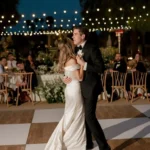

Outdoor events need a clear place for guests to gather, celebrate, and dance. Whether the event is a Santa Barbara wedding, a coastal reception, a private estate party, or a tented outdoor celebration, the dance floor often becomes the center of the evening. But before choosing the style or size of the floor, hosts and planners need to think about the surface underneath it.
Grass, gravel, sand, patios, and uneven outdoor areas can all affect dance floor placement, guest comfort, and the overall event layout. A dance floor that works beautifully on a flat lawn may need a different approach on gravel, while a beach-adjacent setup may require extra planning around access, stability, wind, and approved setup areas.
For outdoor events in Santa Barbara and surrounding Southern California communities, Ventura Rental helps hosts and planners choose dance floors and supporting rentals that work with the location, the guest count, and the event flow. From flooring and staging to tents, lighting, lounge furniture, tables, and chairs, the right rental plan can turn an open outdoor space into a polished celebration setting.
Why the Ground Surface Matters Before Choosing a Dance Floor

The best dance floor setup starts with the site. Outdoor events often take place in beautiful settings, but those settings can come with practical challenges. A garden lawn, gravel courtyard, sandy coastal area, private driveway, or estate property may each require a different rental approach.
Understanding the surface early helps the rental team recommend a dance floor location that supports guest movement, event design, and installation needs. It also helps prevent last-minute layout changes once the event space is being set.
Stability Affects the Guest Experience
A dance floor should feel comfortable and reliable for guests. During a wedding reception, private party, or outdoor celebration, guests may be moving between dining tables, the bar, lounge seating, entertainment, and the dance floor. If the dance area feels uneven or awkwardly placed, it can affect the flow of the event.
The goal is to create a defined space where guests feel invited to dance. A stable dance floor also helps the event look more intentional, especially in open-air settings where there are no walls or permanent venue features to frame the reception.
Surface Type Affects Floor Placement
The surface under the dance floor influences where it should be placed. Grass may work well for garden weddings and lawn receptions, but soft spots, slopes, or damp areas should be reviewed before setup. Gravel can create a beautiful estate or courtyard look, but it may require careful placement to avoid uneven movement. Sand can be the most challenging surface because it shifts more easily and may not support every type of setup.
Surface details should be shared before the final rental plan is confirmed. This allows the rental team to understand whether the dance floor will sit on grass, gravel, sand, patio, pavement, or another outdoor surface.
Outdoor Conditions Can Change the Setup Plan
Outdoor surfaces can change depending on weather, irrigation, coastal air, foot traffic, and the natural condition of the site. A lawn may be firm during the site visit but softer after watering. A beach-adjacent area may be affected by wind or access restrictions. A gravel space may have slight slopes or loose areas that are not obvious in photos.
These details do not need to make the planning process complicated. They simply need to be considered early so the dance floor, surrounding rentals, and event layout work together.
Dance Floor Rentals for Grass Surfaces
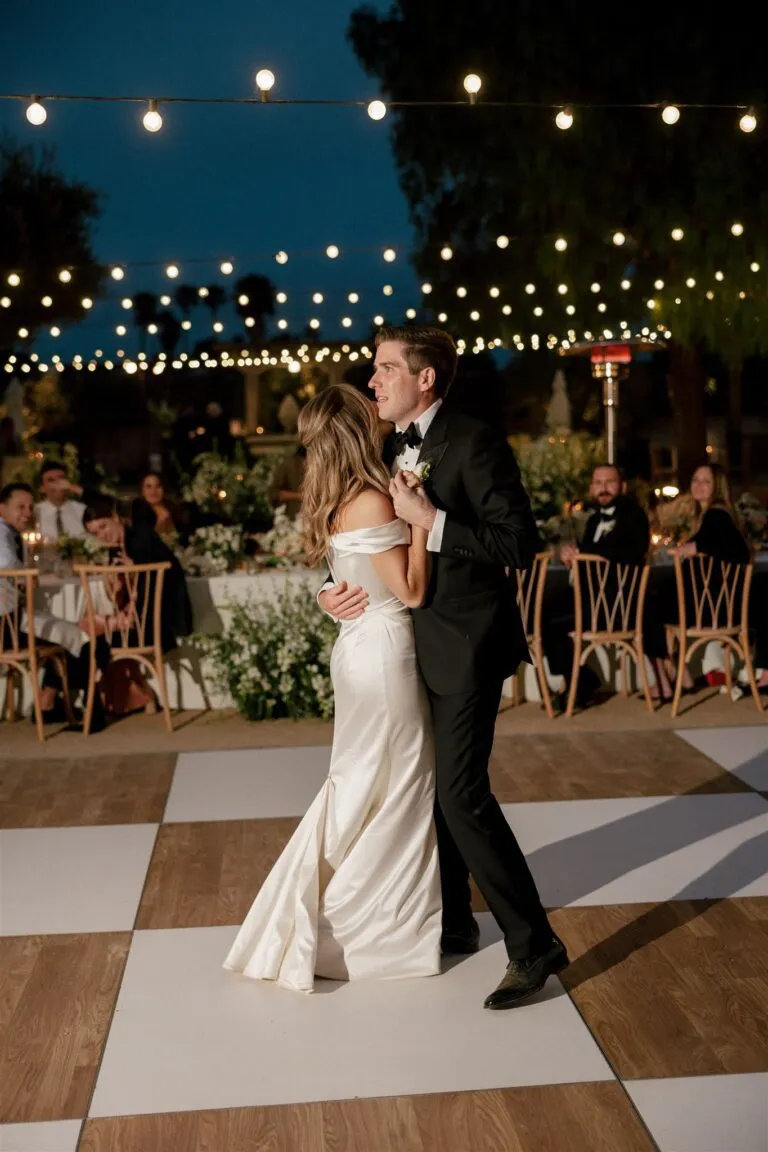
Grass is one of the most common surfaces for outdoor dance floor rentals. It is often used for garden weddings, estate receptions, backyard celebrations, vineyard-style events, tented parties, and private outdoor gatherings. A lawn can create a beautiful setting, but it should be reviewed carefully before the dance floor is placed.
The right dance floor setup on grass depends on the condition of the lawn, the event layout, and the expected use of the space. A flat, firm lawn may support a more straightforward setup, while softer or uneven areas may require a more thoughtful placement plan.
Best Event Settings for Grass Dance Floors
Grass dance floors work especially well for outdoor weddings, garden receptions, private estates, and tented events. They help define the reception area without taking away from the natural setting.
For a wedding, the dance floor may sit between dining tables and the entertainment area. For a private event, it may be placed near a bar, lounge area, or lighting feature to create a central party zone. In larger outdoor spaces, the dance floor helps anchor the layout so the celebration does not feel scattered across the property.
What to Confirm Before Installing on Grass
Before finalizing a dance floor on grass, hosts and planners should confirm whether the area is level, firm, and free from major dips or slopes. It is also helpful to know if the lawn will be watered close to the event date, whether there are soft spots, and how far the setup area is from parking or delivery access.
The surrounding layout matters as well. The dance floor should connect naturally to dining tables, the bar, lounge seating, entertainment, and lighting. If the floor is too far from the main event areas, guests may not use it as much. If it is placed too tightly between tables, movement can feel restricted.
When Additional Flooring Support May Be Needed
Some lawn areas may need additional support depending on the surface condition and the event setup. This is especially true if the grass is uneven, recently watered, sloped, or located in an area with heavy guest traffic.
Rather than assuming one solution works for every lawn, it is better to have the rental team review the site details. Photos, notes, and layout information can help determine the best placement and whether the dance floor needs additional planning support.
Dance Floor Rentals for Gravel or Courtyard Surfaces

Gravel and courtyard settings are common for Santa Barbara-area estates, private properties, wineries, garden venues, and outdoor receptions. These spaces can create a refined event atmosphere, but they may also have uneven areas, loose stones, or changes in elevation that affect how a dance floor should be placed.
A dance floor can make gravel or courtyard spaces more comfortable by giving guests a defined area for dancing. It can also help organize the reception layout, especially when the event is spread across a larger outdoor property.
Why Gravel Needs Careful Floor Placement
Gravel can shift underfoot, which makes placement important. A dance floor should be positioned where the surface is most level and where guests can access it easily from the dining area, bar, lounge, or entertainment space.
If the dance floor is placed in an area with uneven gravel or a slope, the setup may need to be reviewed more carefully. The rental team should understand the condition of the surface before the final layout is approved.
How a Dance Floor Defines the Reception Space
In a courtyard, driveway, or estate setting, a dance floor can help create a clear focal point. This is especially useful when the event does not have a permanent indoor ballroom or built-in dance area.
The floor gives guests a natural place to gather after dinner. It also creates a visual anchor for lighting, lounge furniture, staging, and entertainment. When paired with bistro lights or surrounding seating, the dance floor can turn an open outdoor space into a complete reception environment.
What the Rental Team Needs to Know
For gravel or courtyard setups, the rental team should know the surface condition, slope, access path, and nearby event zones. It is also helpful to share where dining tables, the bar, lounge seating, entertainment, and lighting will be placed.
If the dance floor is part of a larger outdoor layout, the rental team should understand how guests will move through the space. This helps keep the dance floor connected to the celebration rather than isolated from the rest of the event.
Dance Floor Rentals for Sand and Beach-Adjacent Events
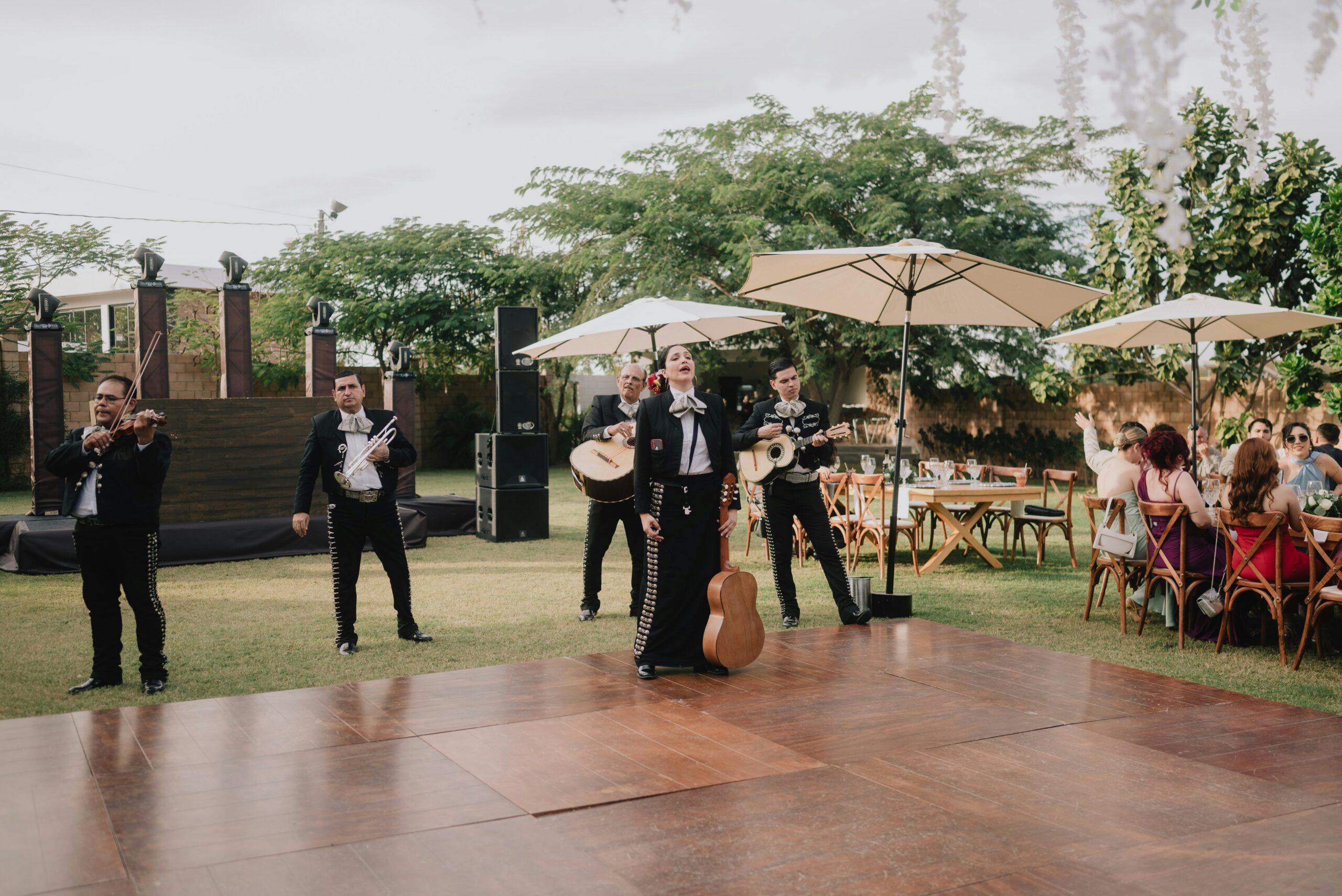
Sand requires the most careful planning because it can shift, sink, and make flooring more difficult to stabilize. For Santa Barbara beach events, coastal receptions, and beach-adjacent celebrations, the best approach is to review the exact setup area before choosing the dance floor location.
In some cases, a nearby patio, venue lawn, boardwalk-adjacent area, or hardscape section may be a better choice than placing a dance floor directly on loose sand. The goal is to preserve the beach atmosphere while still giving guests a comfortable and functional place to dance.
Why Sand Requires Extra Planning
Loose sand behaves differently than grass, gravel, or pavement. It can move under weight, change with foot traffic, and create challenges for stable rental placement. This does not mean a beach or coastal event cannot include a dance floor, but it does mean the setup needs to be planned carefully.
Hosts should avoid assuming that the dance floor can go anywhere on the beach. The approved event area, access path, surface condition, and local or venue rules all matter.
Beach-Adjacent Alternatives to Consider
For coastal events, the best dance floor location may be near the beach rather than directly on the sand. A venue patio, lawn, deck, paved area, tented section, or hardscape space may offer better support while still keeping the event connected to the oceanfront setting.
This approach can work well for beach-adjacent weddings, coastal receptions, and private events where guests enjoy the view but dance in a more stable area. It also allows the surrounding rentals, such as tables, bars, lighting, and lounge seating, to be arranged more comfortably.
What to Confirm for Coastal Events
Before finalizing a dance floor for a beach or coastal event, confirm the approved setup area, access route, surface type, wind exposure, event timeline, and pickup requirements. If permits, venue rules, or property guidelines apply, those details should be reviewed before rental placement is finalized.
Power access and lighting support should also be considered, especially if the event continues into the evening. A dance floor near the coast often works best when it is planned together with lighting, seating, and guest pathways.
How to Choose the Right Dance Floor Size and Placement
Once the surface is understood, the next step is choosing the size and placement of the dance floor. The right floor should feel inviting, not crowded or oversized. It should also sit naturally within the event layout so guests can move between dinner, drinks, lounge areas, entertainment, and dancing.
Dance floor planning is not only about square footage. It is about how the floor supports the rhythm of the event.
Match the Floor Size to the Guest Count and Event Style
A wedding reception, corporate celebration, private party, and family event may each need a different dance floor size. The guest count matters, but so does the expected energy of the event. A group that loves dancing may need more room than a dinner-focused gathering with only a few formal dances.
The floor should feel active once guests begin dancing. If it is too small, it may feel crowded. If it is too large, it may lose energy. The best size creates enough room for movement while keeping the dance area lively.
Place the Dance Floor Near Key Event Areas
The dance floor should be close to the areas guests already use. Placing it near dining tables, the bar, lounge seating, entertainment, or lighting helps it feel like part of the main event.
For outdoor receptions, the dance floor often works best when it is visually connected to dinner and drinks. Guests should be able to move naturally from their seats to the dance area without crossing through service zones or walking too far from the celebration.
Keep Pathways Clear Around the Dance Floor
Clear pathways around the dance floor help guests, servers, photographers, entertainment teams, and planners move through the event space. The area around the floor should not feel blocked by tables, chairs, bars, or décor.
Leaving enough room around the dance floor also makes the event feel more comfortable once guests begin gathering. People often stand near the edge of the floor before dancing, so the surrounding space matters almost as much as the floor itself.
Rentals That Support an Outdoor Dance Floor Setup
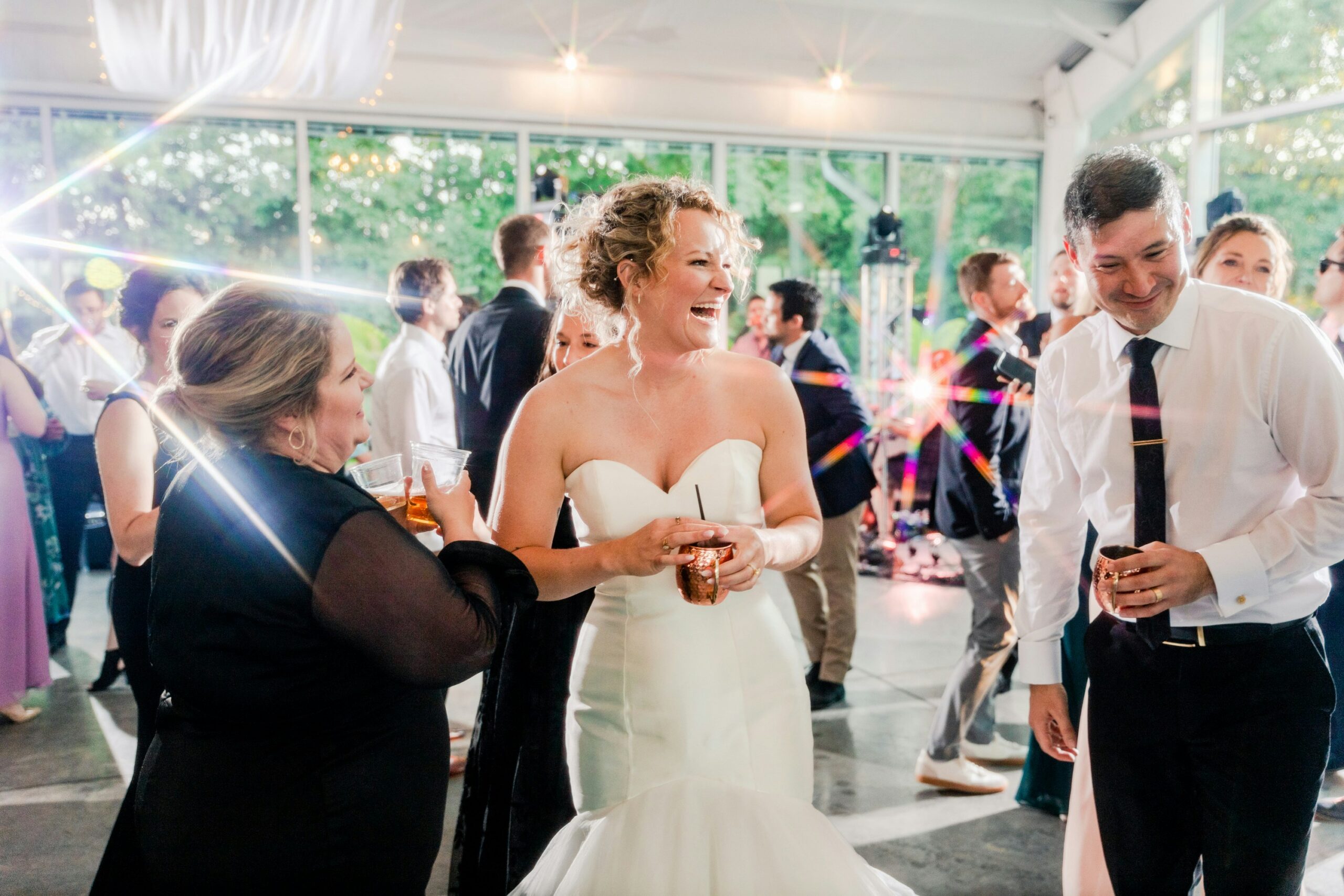
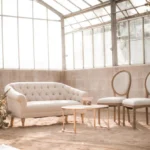
A dance floor works best when the surrounding rentals support the full event layout. Tents, lighting, staging, bars, lounge furniture, tables, and chairs can all help frame the dance area and make it more functional.
This does not mean every event needs every rental category. The best approach is to choose the pieces that directly improve comfort, flow, and visual structure around the dance floor.
Tents and Canopies
Tents and canopies can help define the dance floor area, especially for outdoor events that need shade, coverage, or a more structured layout. A tented dance floor can feel like the center of the celebration while still keeping the outdoor setting open and inviting.
Tenting can also support lighting and help connect the dance floor to nearby dining, lounge, or bar areas. For outdoor events, the tent and dance floor should be planned together so the layout feels balanced.
Lighting Around the Dance Floor
Lighting helps guests see where to gather and keeps the dance area inviting after sunset. Bistro lights, event lighting, and other outdoor lighting options can frame the dance floor and connect it to nearby event zones.
For Santa Barbara outdoor events, lighting is especially useful in garden, estate, courtyard, and coastal settings. It adds warmth while helping guests move comfortably between the dance floor, bar, tables, and lounge areas.
Staging, Bars, and Lounge Areas
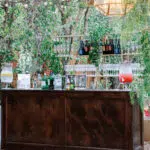
Staging may be needed for a DJ, band, speaker, or entertainment setup near the dance floor. A nearby bar can help keep guests close to the energy of the event, while lounge furniture gives guests a place to rest without leaving the celebration area.
These supporting rentals should be placed with the dance floor in mind. The goal is to create a layout where guests can dance, sit, gather, and move comfortably.
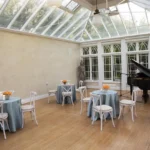
Tables and Chairs Near the Dance Area
Dining tables and chairs should be close enough to the dance floor to keep the event connected, but not so close that movement becomes difficult. Guests should be able to leave their seats, walk to the bar, or move toward the dance floor without interrupting service paths.
The best layouts create a smooth transition from dinner to dancing. Once the music starts, guests should feel like the dance floor is part of the natural flow of the evening.
Outdoor Dance Floor Planning Tips for Santa Barbara Events
Outdoor events in Santa Barbara often take place in coastal settings, gardens, courtyards, private estates, and other open-air venues. Because each setting has different surface and layout conditions, the dance floor should be planned alongside surrounding rentals such as tents, lighting, lounge furniture, tables, chairs, and flooring.
A coordinated rental plan helps the dance area fit naturally into the broader event space while supporting comfortable guest movement throughout the celebration.
Coastal and Beach-Adjacent Events
For coastal and beach-adjacent events, think carefully about surface conditions, wind, lighting, and guest comfort. The dance floor may need to be placed on a patio, lawn, deck, or hardscape area instead of directly on sand.
The surrounding rentals should also support the coastal setting. Lighting, lounge furniture, tables, and bars can help create a defined reception area while keeping the view and atmosphere intact.
Garden Weddings and Lawn Receptions
Garden weddings and lawn receptions often work well with outdoor dance floors because the lawn provides a natural event setting. The key is choosing a level, firm area that connects well with dining, entertainment, and lighting.
For these events, the dance floor can serve as the transition point between dinner and the evening celebration. When placed thoughtfully, it helps the event move from a seated reception into a more energetic party environment.
Estate, Vineyard, and Courtyard Events
Estate, vineyard, and courtyard events often include larger outdoor spaces, which makes layout planning important. The dance floor can help define the party area within the property and keep guests gathered in the right place.
In these settings, the dance floor often works best when paired with bistro lighting, a nearby bar, lounge furniture, and a clear entertainment area. These elements help turn a broad outdoor space into a cohesive reception layout.
What to Share With Ventura Rental Before Booking a Dance Floor
A strong rental plan starts with accurate site details. Before booking an outdoor dance floor, hosts and planners should share information that helps the rental team understand the surface, layout, and event flow.
The more specific the site information is, the easier it is to recommend a dance floor and supporting rentals that fit the event.
Event Location and Surface Type
Start by identifying where the dance floor will be placed. Is the area grass, gravel, sand, patio, pavement, deck, or another outdoor surface? Is it level or sloped? Is it firm or soft? Is the event area covered, tented, or fully open-air?
These details help the rental team understand what type of placement will work best.
Guest Count and Event Timeline
Share the guest count, event type, and expected timeline. A wedding with a ceremony, cocktail hour, dinner, and dancing may need a different floor plan than a private party or corporate gathering.
It is also helpful to know when dancing is expected to begin, whether the event continues after sunset, and how the dance floor connects to the rest of the layout.
Layout, Access, and Setup Details
The rental team should know how the setup area can be accessed. This includes parking, loading zones, stairs, slopes, gates, elevators, distance from the truck to the setup area, and any venue-specific access rules.
The event layout should also show nearby tables, chairs, bars, lounge furniture, entertainment, lighting, and tenting. These details help the dance floor feel integrated into the event instead of added at the last minute.
Photos or Site Notes
Photos of the surface and surrounding setup area can be very helpful. They give the rental team a clearer view of the space, especially if the event is at a private residence, estate, beach-adjacent location, or outdoor venue with unique access points.
Site notes can also help. Mention slopes, soft ground, narrow paths, gravel depth, nearby landscaping, irrigation, or any other detail that may affect the rental setup.
Conclusion
Outdoor dance floors help turn grass, gravel, sand, and other open-air event spaces into defined celebration areas. The best setup starts by understanding the surface, choosing the right placement, and planning the surrounding rentals so guests can move comfortably through the event.
For Santa Barbara weddings, coastal receptions, private parties, estate events, and outdoor celebrations, a well-planned dance floor can become the center of the evening. With the right rental guidance, layout planning, delivery, and setup support, Ventura Rental can help create a dance floor experience that works with the location and supports the full event flow.