
Santa Barbara’s wine country offers expansive views, vineyard landscapes, and venues designed to showcase the natural environment. These settings create a visually compelling backdrop, but they also require careful planning to function as complete event spaces.
Many wine country venues operate as open environments with limited built-in infrastructure. Essential elements such as shelter, lighting, power, and guest accommodations often need to be introduced through coordinated rental solutions. A well-structured rental plan allows the space to support both the visual design and the operational flow of the event.
This guide focuses on the practical side of planning. It outlines how to assess venue conditions, identify rental requirements, and coordinate logistics so the event runs smoothly from setup through completion.
Understanding Wine Country Venue Requirements

Wine country venues vary widely in layout, terrain, and available infrastructure, which directly influences how an event is planned and executed. A clear understanding of site conditions allows for accurate rental planning and helps ensure that all functional elements are accounted for well in advance.
Terrain, Access, and Site Conditions
Wine country venues frequently include vineyards, open fields, and rural estates where ground surfaces and layouts shift across the property. These conditions influence how equipment is installed and how vendors move throughout the space.
Ground stability plays a central role in tent installation and flooring placement, while slopes and elevation changes shape table layouts, ceremony positioning, and guest movement. Access routes determine how efficiently delivery vehicles can enter, unload, and exit the site, which affects setup timelines and coordination across vendors.
A detailed site review helps identify where additional support is required, including flooring systems, reinforced anchoring, and structured load-in planning.
Infrastructure Gaps and Utility Planning
Outdoor venues often lack the infrastructure required to support a full-scale event, making utility planning a key part of the process. Power distribution, lighting coverage, and service areas need to be established through external equipment and careful coordination.
Generator systems provide the foundation for lighting, catering operations, and audio equipment, while a well-planned power layout ensures consistent coverage across the site. Lighting design supports both visibility and atmosphere, with attention given to pathways, dining areas, and service zones.
Early planning in this area allows rental teams to size equipment accurately and align setup requirements with the overall event layout.
Weather Exposure and Environmental Factors
Wine country settings expose events to direct sunlight, temperature changes, and wind conditions throughout the day. These factors influence both guest comfort and equipment performance and should be considered early in the planning process.
Sun exposure affects ceremony timing and seating placement, while evening temperature shifts call for heating solutions that maintain comfort without disrupting the environment. Wind conditions guide tent selection, anchoring methods, and layout orientation to ensure stability and safety.
Weather-responsive rentals such as tents, sidewalls, heaters, and shading structures help maintain a consistent environment and support uninterrupted event flow.
Building a Rental Plan Before Finalizing Design
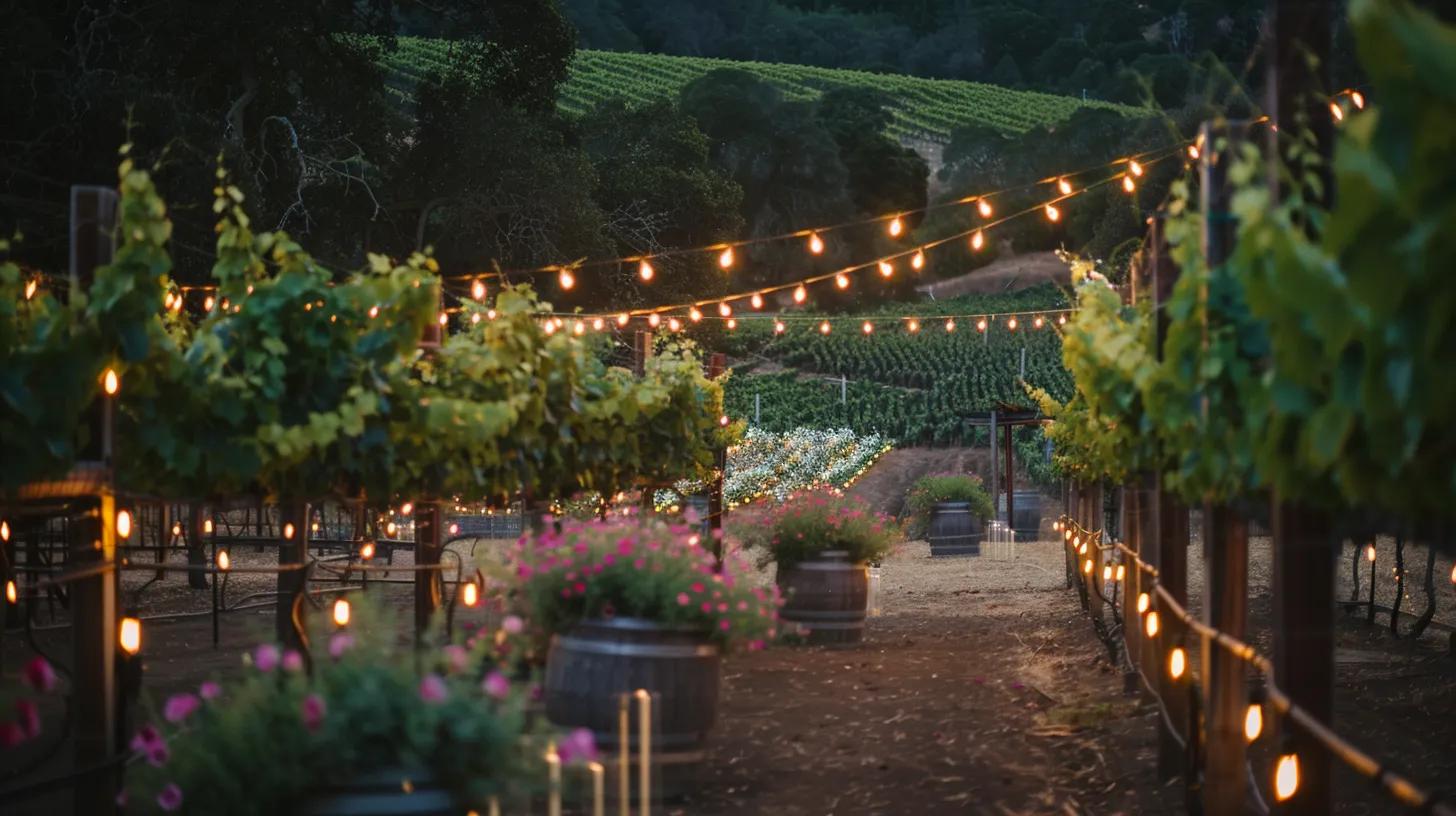
A well-defined rental plan establishes the foundation for layout, logistics, and vendor coordination. Early planning ensures that equipment selection aligns with site conditions and that all elements integrate smoothly on the event day. This approach reduces the risk of spatial conflicts, delays during setup, and last-minute adjustments that affect both budget and execution.
Why Rental Planning Should Start Early
Rental requirements influence nearly every aspect of the event, from layout configuration to vendor sequencing. Early planning allows for accurate inventory selection, availability confirmation, and alignment with the venue’s physical constraints.
Peak wedding seasons in wine country often limit availability for key items such as tents, flooring, and specialty seating. Securing these elements in advance ensures that the event can proceed according to plan without compromise. Early coordination also gives vendors the information they need to adapt their setups to the rental layout.
Site Mapping and Measurements
Accurate site measurements provide the basis for a functional and efficient layout. A detailed site map defines where each element will be placed and how guests and vendors will move throughout the space.
Measurements should account for tent dimensions, table spacing, service areas, and access routes. Fixed features such as trees, pathways, and elevation changes should be documented to avoid conflicts during installation. A clear layout supports smoother load-in, minimizes adjustments on-site, and helps maintain the intended design.
Aligning Rentals with Event Layout and Flow
Rental selection works in conjunction with the overall event layout. Each element should support both the visual design and the movement of guests and staff throughout the space.
Placement of ceremony seating, dining areas, bars, and service zones should follow a logical sequence that reduces congestion and simplifies transitions between event phases. Rental configurations can be adjusted to improve circulation, maintain clear sightlines, and create a cohesive flow from arrival through departure.
Close coordination between the rental provider and other vendors ensures that all elements fit within the planned layout and function as intended during the event.
Essential Wedding Rentals for Wine Country Events
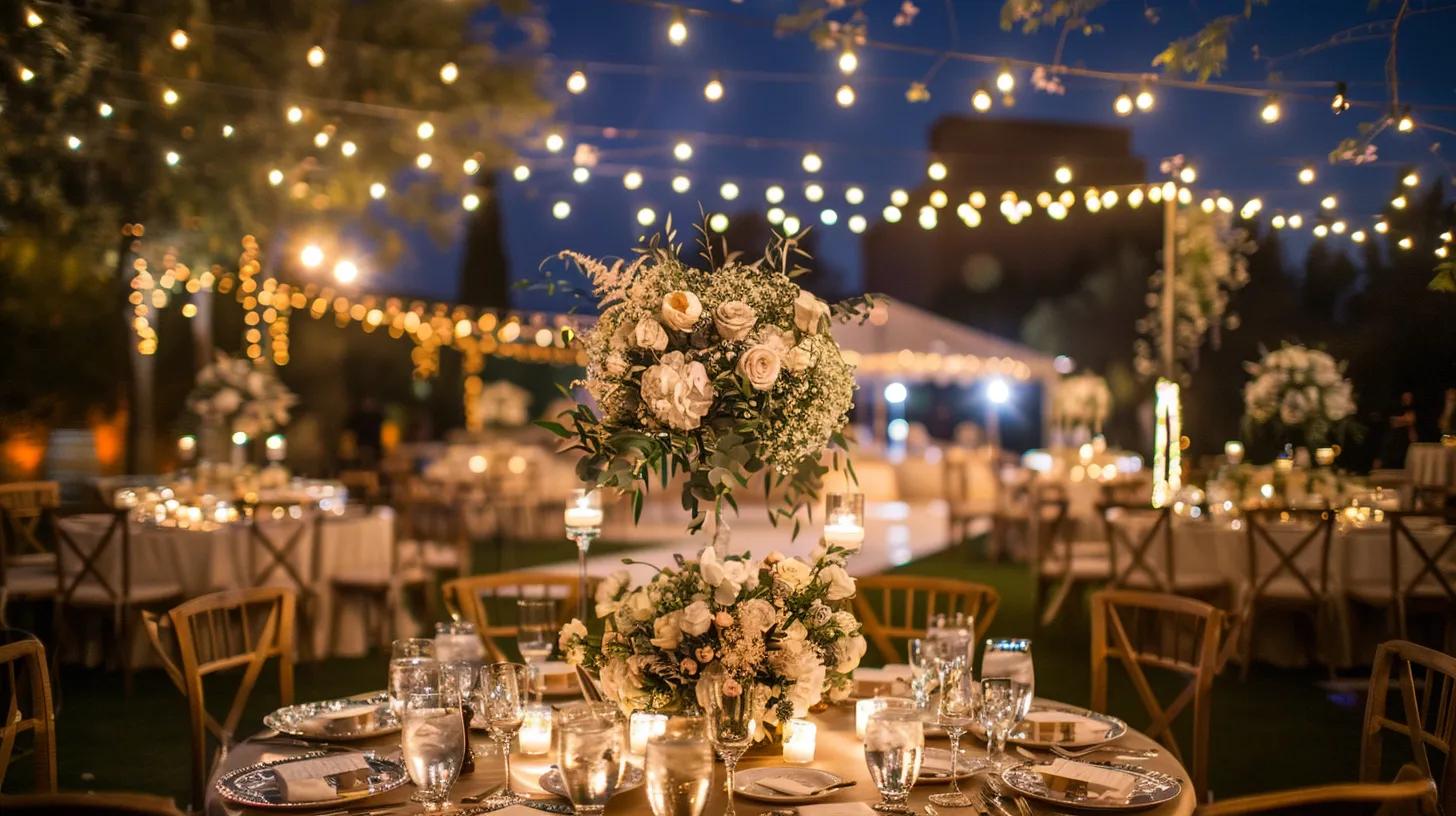
Outdoor venues in wine country require a comprehensive set of rentals to support both functionality and guest experience. Each category of equipment contributes to the overall structure of the event and must be selected based on site conditions, guest count, and layout design.
Tent Structures and Shelter Solutions
Tents provide the primary layer of coverage and define the usable event space. Selection depends on terrain, weather exposure, and the desired layout.
Frame tents offer flexibility in placement and work well on uneven surfaces, while pole tents create a more traditional aesthetic but require specific anchoring conditions. The size and configuration should account for dining areas, dance floors, and circulation space, ensuring adequate room for both guests and vendors.
Flooring and Ground Stabilization
Uneven or soft ground can affect both safety and comfort, particularly in vineyard or field settings. Flooring systems create a stable surface for seating, dining, and dancing.
Options range from basic leveling solutions to fully built subflooring with finished surfaces. Flooring also protects the venue landscape and supports heavy equipment, which helps maintain consistent setup conditions throughout the event.
Tables, Chairs, and Dining Layouts
Dining setups influence both guest comfort and overall flow. Table shapes and seating arrangements should align with the event layout and available space.
Round tables encourage conversation, while rectangular layouts can maximize capacity. Chair selection should balance comfort with durability, especially for outdoor conditions. Spacing between tables must allow for service access and unobstructed movement.
Lighting for Outdoor Transitions
Lighting plays a functional role as daylight fades and also contributes to the overall atmosphere. A well-planned lighting system ensures visibility across key areas while supporting the event’s visual design.
Installations typically include overhead lighting for dining spaces, pathway illumination for navigation, and focused lighting for service areas. Proper placement enhances safety and maintains a consistent environment as the event transitions into the evening.
Climate Control Equipment
Temperature conditions in wine country can shift throughout the day, particularly in open environments. Climate control rentals help maintain a comfortable setting for guests.
Heaters are often required for evening events, while fans or shading structures support daytime comfort. Equipment should be positioned strategically to provide coverage without interfering with layout or guest movement.
Designing the Event Layout for Guest Experience
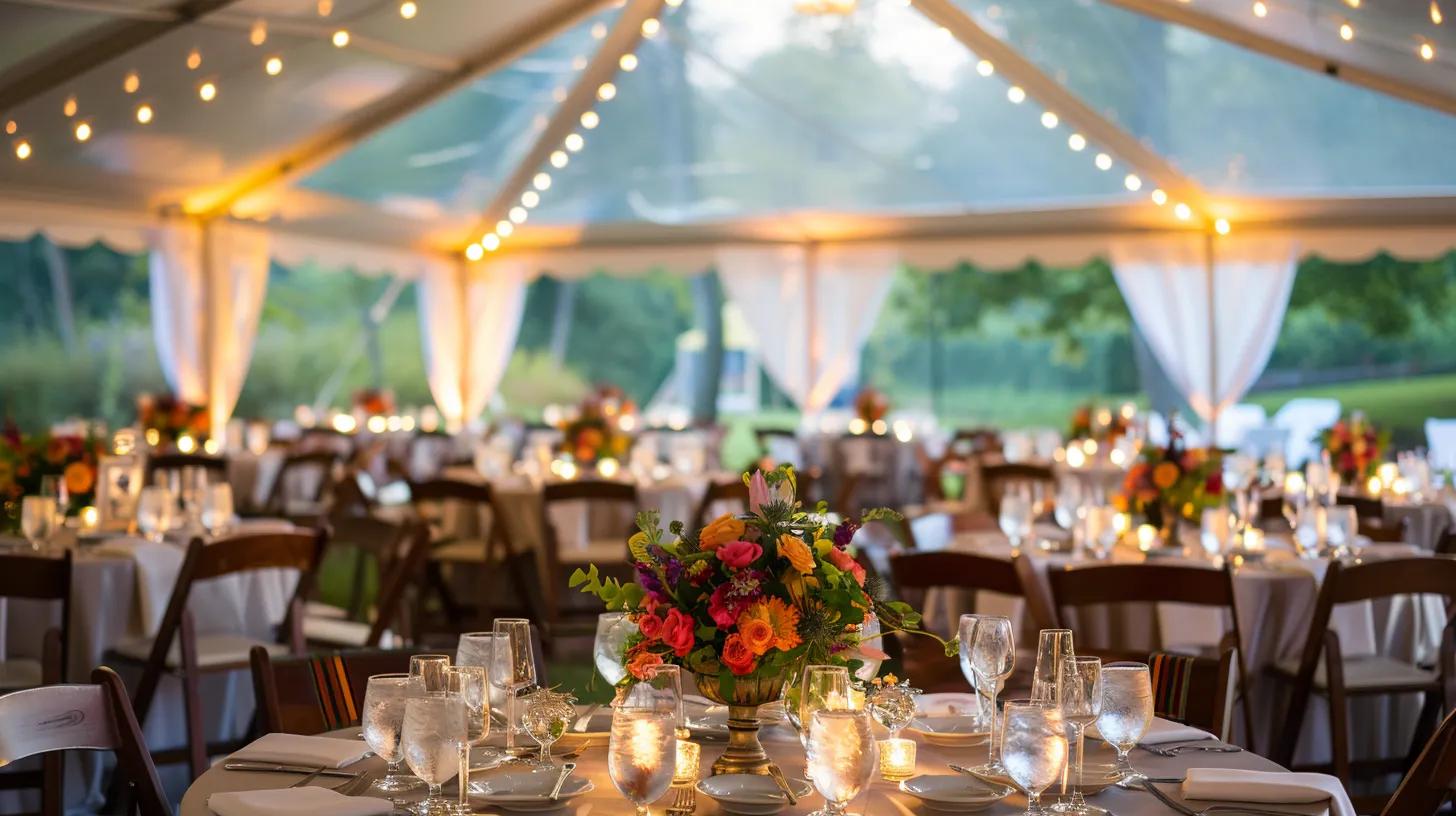
A well-structured layout supports both the visual design and the operational flow of the event. Thoughtful placement of each element allows guests to move naturally through the space while giving vendors the access they need to perform efficiently.
Ceremony, Cocktail, and Reception Flow
Each phase of the event should transition smoothly from one area to the next. Clear spatial organization reduces confusion and maintains a steady rhythm throughout the day.
Ceremony seating should be arranged for visibility and accessibility, followed by a nearby space for cocktail service. Reception areas should be positioned to accommodate dining, entertainment, and social interaction without requiring excessive movement between zones.
Service Area Planning
Service zones must be defined early to support catering, rentals, and vendor operations. These areas should remain accessible while staying separate from guest-facing spaces.
Catering staging, equipment storage, and waste collection points should be positioned to allow efficient workflow. Clear access routes for staff and equipment reduce congestion and help maintain a clean and organized environment during the event.
Bar, Lounge, and Social Zones
Dedicated areas for social interaction enhance the guest experience and encourage natural movement throughout the venue. These spaces can be created using rental elements that integrate with the overall layout.
Bar setups should be positioned for accessibility while avoiding bottlenecks. Lounge furniture can define relaxed gathering areas, while display tables and stations support additional service points. Placement should support both comfort and circulation across the event space.
Coordinating Rentals with Vendors
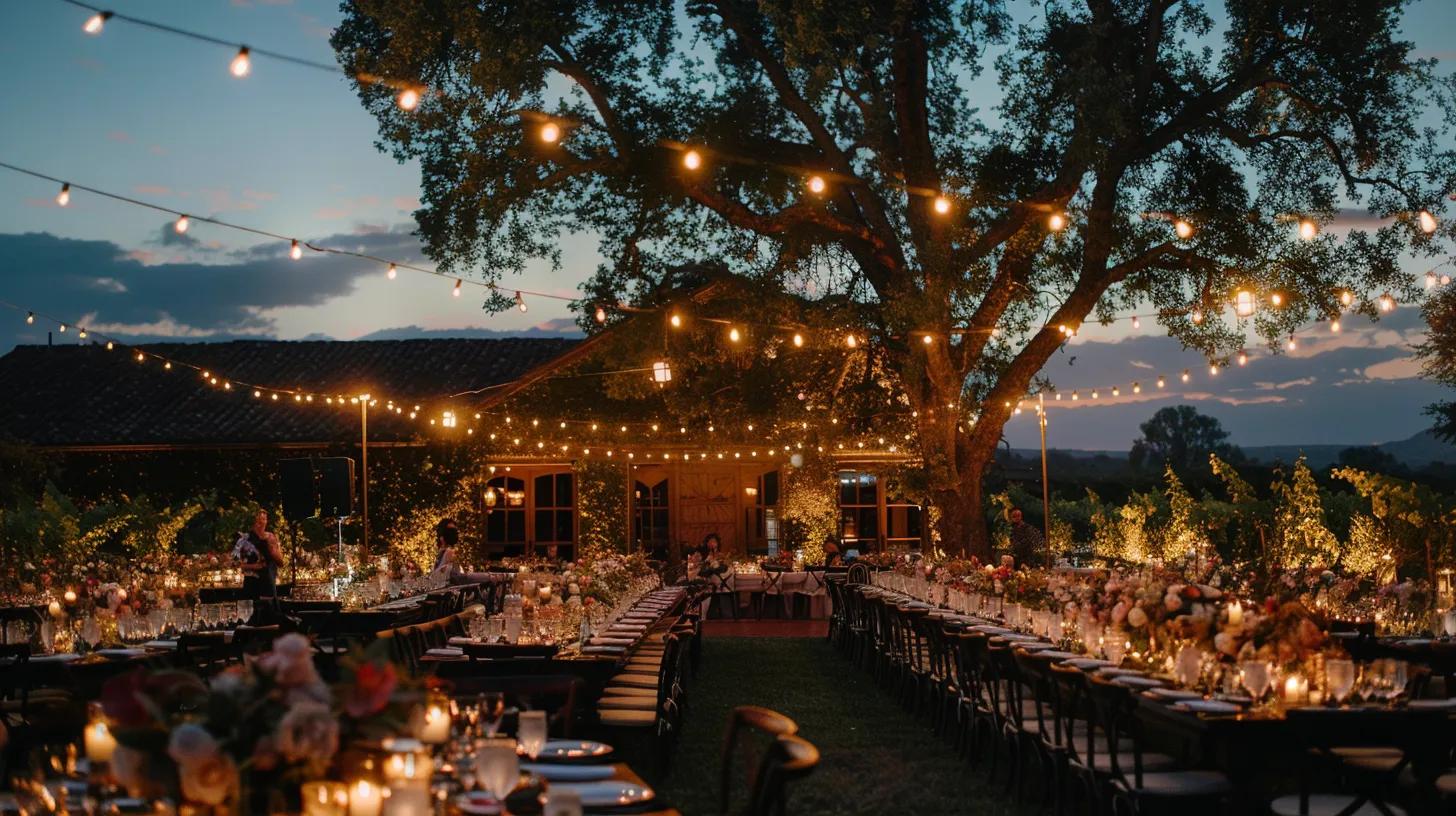
Effective coordination between rental providers and vendors ensures that all elements come together according to plan. Clear scheduling, defined responsibilities, and shared documentation help prevent delays and reduce on-site adjustments.
Load-In and Setup Scheduling
A structured setup sequence keeps installation organized and efficient. Each stage should follow a logical order based on dependencies between rental elements.
Tents are typically installed first, followed by flooring systems, then tables, chairs, and additional equipment. This sequence allows each component to be placed without obstruction and reduces the need for repositioning. Establishing clear delivery windows for each vendor helps maintain this order and supports a steady setup process.
Vendor Integration
Rental elements interact closely with other vendors, particularly catering teams, florists, and audio-visual providers. Coordination ensures that each vendor has the space and infrastructure required to complete their work.
Catering teams rely on access to staging areas and power sources, while lighting and audio setups depend on structural elements such as tents or rigging points. Aligning rental placement with vendor needs allows each team to operate without interference and supports a cohesive final setup.
Communication and Site Plans
Shared documentation keeps all parties aligned throughout the planning process. A detailed site plan provides a visual reference for placement, access routes, and service zones.
Distributing this plan to all vendors ensures consistency and reduces the need for clarification on the event day. A single point of contact for coordination helps streamline communication and allows updates to be implemented efficiently across all teams.
Weather Contingency and Risk Management
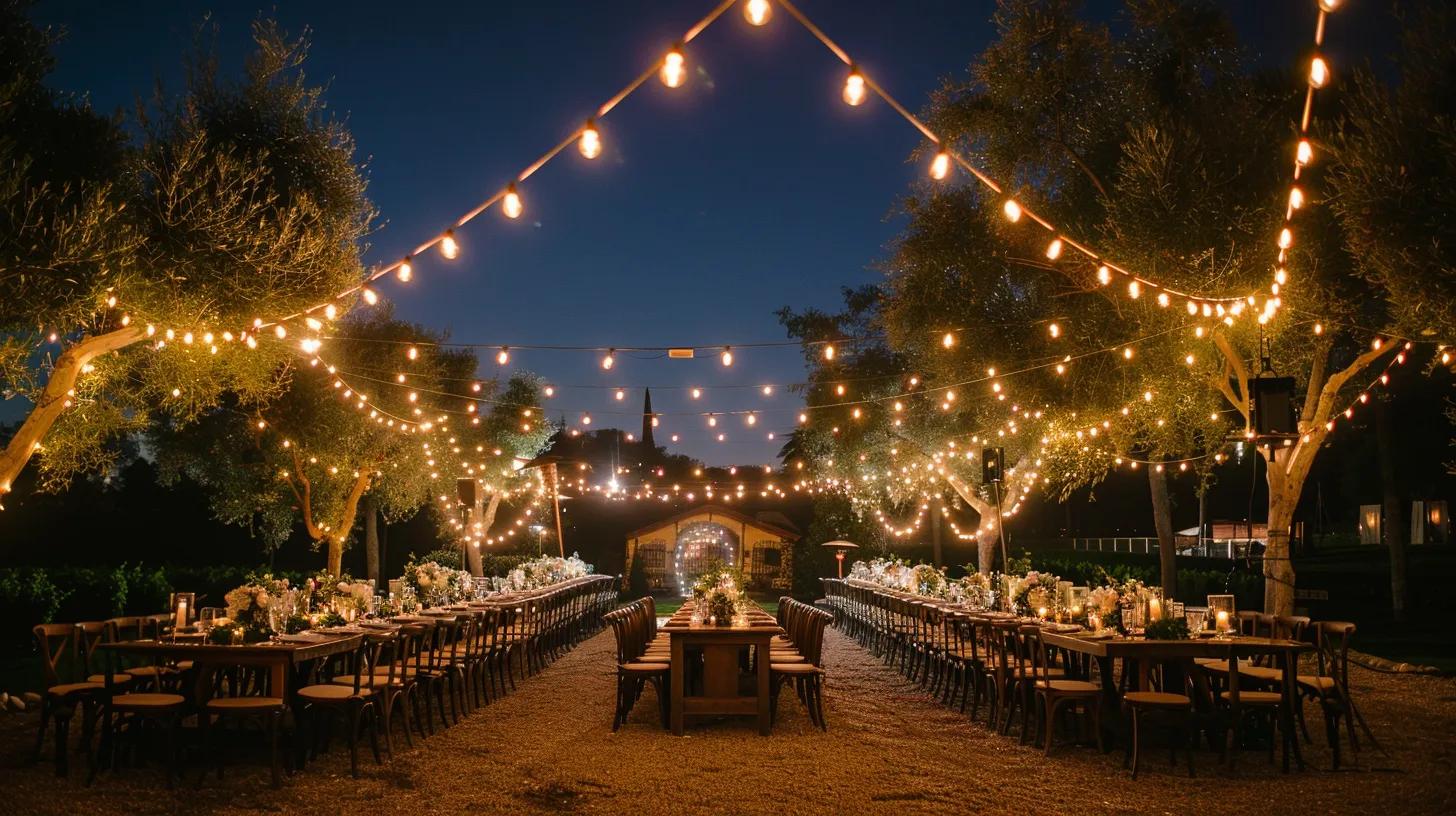
Outdoor events require proactive planning to address changing conditions. A clear contingency strategy supports continuity and allows the event to proceed without disruption.
Backup Plans for Outdoor Weddings
A defined backup plan provides flexibility in response to weather changes. Covered areas or alternative layouts should be identified early and incorporated into the overall plan.
These arrangements should account for guest capacity, equipment placement, and vendor operations. Confirming the feasibility of backup configurations ensures that adjustments can be made quickly if conditions shift.
Rental-Based Solutions for Changing Conditions
Rental equipment plays a central role in managing environmental factors. Selecting adaptable solutions allows the event setup to respond to weather without requiring major structural changes.
Sidewalls can be added to tents for wind or temperature control, while heaters and fans regulate comfort levels. Shading structures provide coverage during daytime events, and additional flooring helps manage damp or uneven ground conditions.
Planning for these elements in advance ensures that all necessary equipment is available and can be deployed efficiently when needed.
Choosing a Reliable Wedding Rental Partner
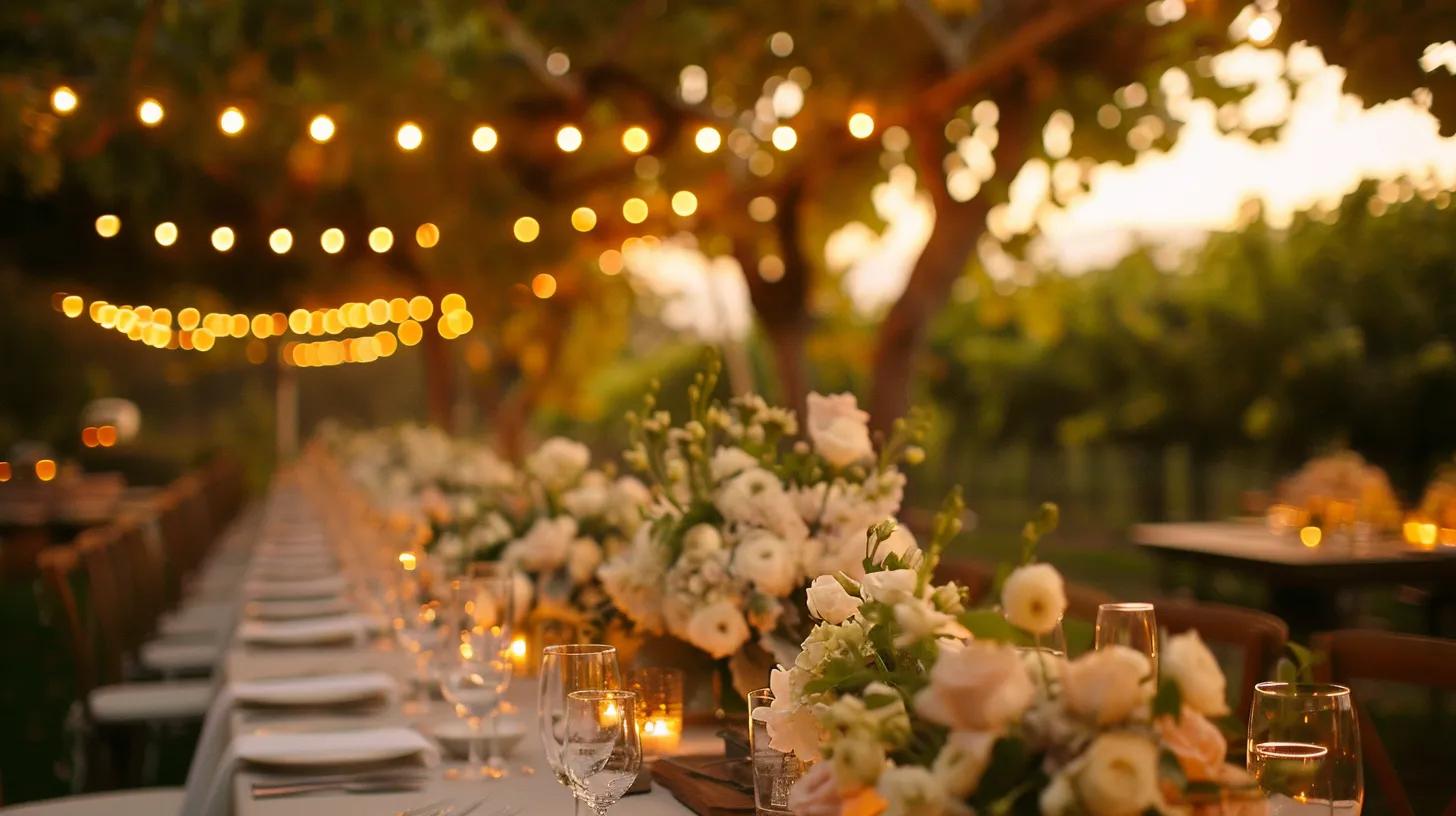
Selecting the right rental partner plays a critical role in how smoothly the event is executed. Experience with outdoor venues, depth of inventory, and the ability to manage complex setups all contribute to a dependable outcome.
What to Look For in a Rental Provider
A strong rental provider offers a broad inventory that supports both functional requirements and layout flexibility. Equipment quality, maintenance standards, and consistency across items all influence the final presentation and performance.
Experience with outdoor events is particularly important in wine country settings. Providers familiar with local terrain and venue conditions can anticipate challenges and recommend appropriate solutions during the planning stage.
Key Questions to Ask
Clear communication during the selection process helps define expectations and avoid gaps later. Ask about delivery schedules, setup procedures, and the level of on-site support provided during installation and breakdown.
It is also important to confirm equipment specifications, contingency options, and policies related to weather adjustments. Detailed answers allow for better alignment between the rental plan and the overall event requirements.
The Value of Local Expertise
Local providers bring practical knowledge of regional conditions, including terrain types, access limitations, and seasonal patterns. This familiarity allows for more accurate planning and smoother coordination with venues and other vendors.
A provider with established experience in wine country settings can streamline setup processes and reduce uncertainty during execution.
Rental Planning Timeline for Wine Country Weddings
A structured timeline keeps rental planning aligned with the broader event schedule. Sequencing decisions over time allows for accurate inventory selection and coordinated logistics.
Six to Twelve Months Before
This stage focuses on securing foundational rentals such as tents, flooring, and major structural elements. Early booking ensures availability and provides a clear framework for layout planning.
Initial site assessments and measurements should also be completed during this phase to support accurate equipment selection.
Three to Six Months Before
At this stage, the layout becomes more defined. Finalize table configurations, seating counts, lighting plans, and service areas based on guest numbers and vendor requirements.
Coordination with vendors should intensify during this period, ensuring that all parties are aligned with the site plan and rental specifications.
Final Weeks Before the Event
The final stage focuses on confirmation and execution readiness. Delivery schedules, setup timelines, and equipment lists should be reviewed and finalized with the rental provider.
Any last adjustments to layout or inventory should be incorporated into the site plan and communicated clearly to all vendors to ensure a smooth installation process.
Enhancing the Experience Through Rentals

Rental elements shape how guests interact with the space and move through the event. Thoughtful additions improve comfort, define social areas, and support a cohesive environment without disrupting the overall layout.
Lounge Areas for Guest Comfort
Lounge furniture introduces relaxed seating zones that complement dining and ceremony areas. These spaces give guests a place to gather between formal moments and help distribute activity across the venue.
Placement should support natural movement while maintaining clear pathways. Materials and configurations should align with the surrounding environment and overall design plan.
Bar and Beverage Service Setups
Bar areas require careful positioning to maintain accessibility without creating congestion. Multiple service points can improve efficiency and reduce wait times, particularly for larger guest counts.
Rental options may include full bar structures, back bars, and beverage stations that integrate with the layout. Adequate spacing for service staff and equipment ensures smooth operation throughout the event.
Lighting for Atmosphere and Function
Lighting supports both visibility and ambiance as the event transitions into the evening. Layered lighting design allows different areas of the venue to serve distinct purposes while maintaining visual consistency.
Overhead lighting defines dining spaces, while accent lighting highlights pathways and focal points. Balanced placement ensures that all areas remain functional without overpowering the natural setting.
Frequently Asked Questions
What rentals are essential for a wine country wedding in Santa Barbara?
Core rentals typically include tents, flooring, tables, chairs, and lighting systems. Additional items such as climate control equipment, bar setups, and service stations are often required depending on the venue and guest count. These elements establish the foundation needed to support both comfort and operational flow.
When should wedding rentals be booked for a wine country event?
Key rentals such as tents and flooring should be secured six to twelve months in advance, especially during peak wedding season. Early booking ensures availability and allows sufficient time for site planning, layout design, and coordination with vendors.
Do wine country venues provide power and lighting?
Many outdoor venues have limited or no built-in utilities. Generator systems and distributed power setups are commonly required to support lighting, catering equipment, and audio systems. Lighting installations are also necessary to maintain visibility and structure the event space after sunset.
How do rentals address uneven terrain at vineyard venues?
Flooring systems and subfloor structures create stable surfaces for seating, dining, and dancing. These solutions help manage slopes and soft ground conditions while improving safety and accessibility for guests and vendors.
What type of tent works best for wine country weddings?
Tent selection depends on site conditions and layout requirements. Frame tents provide flexibility on uneven terrain, while pole tents require specific anchoring conditions and open space. The choice should align with both the physical site and the planned event configuration.
How can rental planning improve guest flow during the event?
A well-designed layout uses rental elements to guide movement between ceremony, cocktail, and reception areas. Strategic placement of seating, bars, and service zones helps reduce congestion and supports a consistent flow throughout the event.
What should be included in a rental site plan?
A site plan should outline the placement of tents, tables, chairs, lighting, service areas, and access routes. It should also account for fixed site features such as trees, pathways, and elevation changes. This document helps coordinate vendors and ensures accurate setup.
How are weather conditions managed for outdoor weddings?
Weather-responsive rentals such as tents, sidewalls, heaters, fans, and shading structures help maintain a stable environment. These elements can be integrated into the setup in advance, allowing for quick adjustments based on conditions.
Why is it important to work with a local rental provider?
Local providers bring familiarity with terrain, venue requirements, and seasonal conditions in wine country settings. This knowledge supports more accurate planning and efficient execution, particularly for outdoor events with complex logistics.
How do rental companies support event setup and breakdown?
Rental providers typically manage delivery, installation, and breakdown according to a defined schedule. Coordinated setup ensures that each element is installed in the correct sequence and aligned with the overall layout, allowing vendors to operate efficiently during the event.
Conclusion
A wine country wedding requires careful coordination between site conditions, rental planning, and vendor execution. Each element must align with the physical environment to support both the visual design and the operational flow of the event.
A structured rental plan provides the framework for transforming an open venue into a fully functional event space. Clear layouts, appropriate equipment selection, and coordinated setup processes allow each phase of the event to proceed without disruption.
Working with an experienced rental provider helps ensure that all components are planned and executed with precision. With the right preparation and support, a wine country setting can be developed into a well-organized and memorable event environment.