
Selecting the right rentals is a foundational component of wedding planning and directly influences both the visual outcome and the guest experience. From seating and tableware to lighting and structural elements such as tents, rental decisions shape how the event functions and feels in practice, not just how it looks.
For couples planning Santa Barbara Summer Wedding Rentals, the process can quickly become complex. Couples often face a wide range of options, inconsistent vendor standards, and detailed logistical requirements. Without a structured approach, this can result in inefficiencies, budget overruns, or design inconsistencies.
A clear rental strategy helps reduce these risks. By using a detailed checklist, selecting vendors carefully, and planning logistics early, couples can align rental decisions with their overall vision, venue constraints, and budget. This guide provides a practical framework to evaluate options, prioritize effectively, and execute with confidence.
Creating a Comprehensive Wedding Rental Checklist

A well-structured rental checklist is the operational backbone of your planning process. It ensures that all required items are identified early, quantities are accurate, and no critical elements are overlooked. Without a centralized system, even small omissions can disrupt setup, service flow, or overall presentation.
Core Planning Foundations
Begin by establishing the key inputs that determine your rental needs.
- Confirm guest count: This drives quantities for seating, tableware, and spatial layout.
- Define essential categories: At minimum, include furniture, tableware, linens, and decor.
- Account for logistics: Incorporate delivery windows, setup requirements, and pickup timing into early planning decisions.
Checklist Management Best Practices
Use a single, centralized document to manage all rental data. A structured spreadsheet is typically the most effective format.
- Track item descriptions, quantities, and vendor details
- Include delivery and pickup schedules
- Maintain a contact list for vendors and on-site coordinators
- Add a simple damage and return log to streamline post-event reconciliation
This level of organization reduces ambiguity and improves coordination across vendors.
Estimating Quantities Accurately
Translate your guest count into practical rental quantities using baseline assumptions, then adjust for your event format.
- Round tables typically seat eight guests; rectangular tables seat six
- Add a contingency buffer of 5 to 10 percent for last-minute changes
- Validate estimates against your venue layout to ensure spatial feasibility
Treat these estimates as planning guidelines rather than fixed rules, and refine them as details such as seating style and floor plan are finalized.
Essential Wedding Rental Categories
Defining rental categories early helps structure decision-making and ensures that all functional and aesthetic requirements are covered. Each category contributes differently to guest experience, event flow, and visual cohesion, so omissions or imbalances can affect both logistics and presentation.
Furniture and Seating
Furniture establishes the physical framework of your event. It determines guest comfort, traffic flow, and how different areas are used.
- Core items: Dining tables, chairs, cocktail tables, lounge furniture
- Layout considerations: Seating density, spacing between tables, and accessibility
- Functional zones: Ceremony seating, dining areas, and social or lounge spaces
Select furniture that aligns with both your guest count and the spatial constraints of the venue.
Tableware and Dining Essentials
Tableware directly impacts the dining experience and must align with your catering format.
- Core items: Plates, glassware, cutlery, serving pieces
- Service style alignment: Plated, buffet, or family-style service affects quantity and type
- Consistency: Ensure uniformity in style, finish, and quality across all items
Coordinate closely with your caterer to confirm exact requirements and avoid duplication or shortages.
Decor and Styling Elements
Decor elements define the visual identity of the event and reinforce the chosen theme.
- Core items: Centerpieces, backdrops, signage, decorative accents
- Material and finish details: Wood tones, metals, fabrics, and color treatments
- Visual cohesion: All elements should align with the overall design concept
Be explicit in specifications to prevent mismatches. Small inconsistencies in finish or color can disrupt the overall aesthetic.
Linens and Fabric Elements
Linens act as a unifying layer across tables and surfaces.
- Core items: Tablecloths, runners, napkins, overlays
- Fabric selection: Texture and weight influence formality and appearance
- Color coordination: Must integrate with the broader palette and decor
Request samples or swatches where possible to validate choices before finalizing orders.
Lighting and Technical Enhancements
Lighting shapes atmosphere and enhances both functionality and design.
- Core types: Ambient, task, and accent lighting
- Applications: Highlighting focal areas, improving visibility, creating mood
- Technical requirements: Power supply, load capacity, and installation logistics
A layered lighting approach ensures both practicality and visual impact.
Choosing the Right Furniture and Style For Wedding
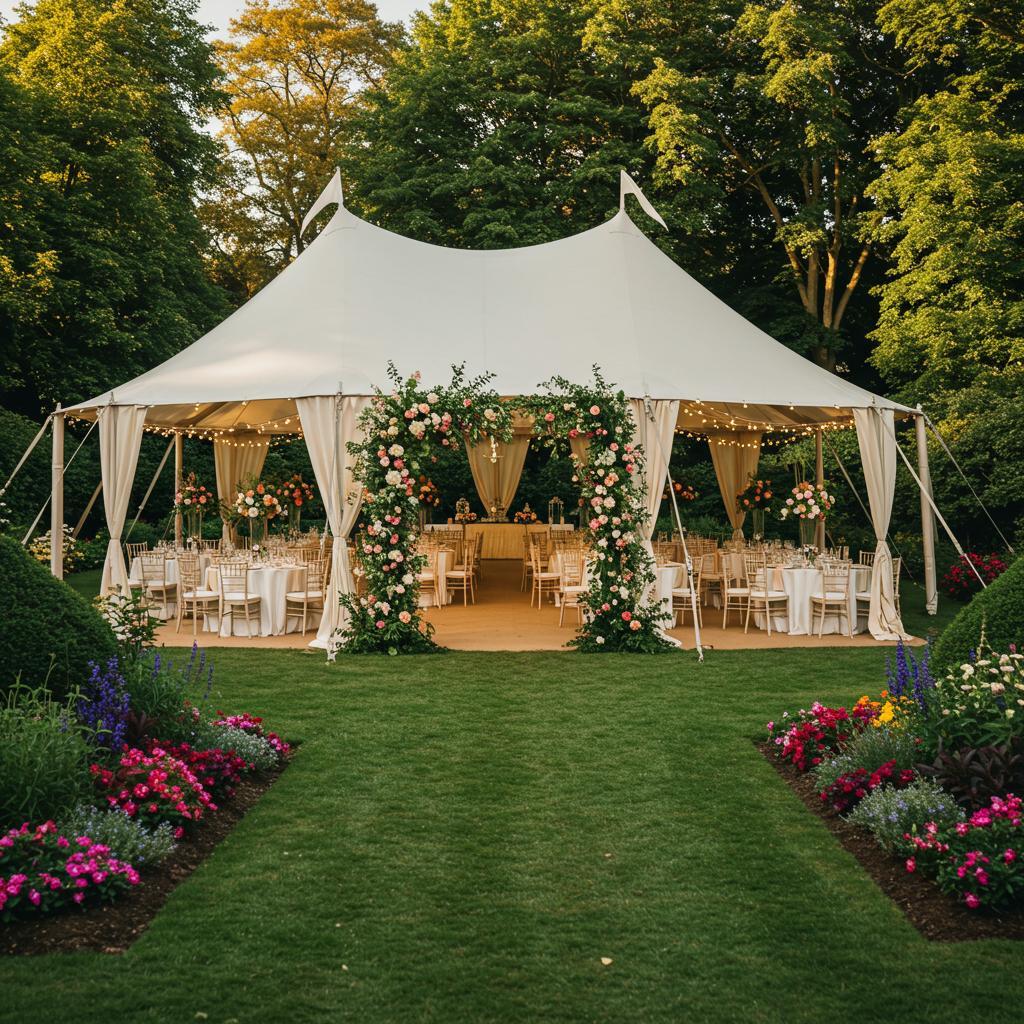
Furniture selection is not only a functional decision but also a primary driver of your event’s visual identity. The style, scale, and arrangement of furniture should align with your wedding theme while supporting guest comfort and efficient movement throughout the space.
Style-Based Furniture Selection
Different wedding styles call for distinct furniture profiles.
- Classic weddings: Neutral-toned linens, round tables, and traditional banquet chairs create a formal and timeless setting
- Rustic weddings: Farm tables, wooden textures, and mixed seating introduce a relaxed, organic feel
- Modern weddings: Clean lines, minimalist furniture, and monochromatic palettes support a contemporary aesthetic
Ensure consistency across all furniture elements to avoid visual fragmentation.
Testing Layouts and Mockups
Conceptual plans often differ from real-world execution, so validation is critical.
- Conduct a venue walkthrough with preliminary layout plans
- Set up a sample table arrangement including linens, chairs, and decor
- Evaluate sightlines, spacing, and guest flow
Early testing helps identify scale issues and prevents costly last-minute adjustments.
Tent Rentals for Outdoor Weddings

For outdoor events, tenting is a structural requirement rather than a decorative add-on. The correct tent specification ensures weather protection, maintains guest comfort, and supports the technical infrastructure needed for the event.
Types of Wedding Tents
Each tent type offers different structural and visual characteristics.
- Frame tents: Freestanding structures suitable for hard surfaces and flexible layouts
- Pole tents: Supported by central poles, creating a more traditional, peaked appearance
- Clear-top tents: Transparent roofing that allows natural light and enhances ambiance
Selection should be based on venue conditions, aesthetic goals, and installation constraints.
Weather Protection and Comfort
Tents must be configured to handle variable environmental conditions.
- Include sidewalls for wind and rain protection
- Ensure adequate ventilation for temperature control
- Plan for heating or cooling systems depending on climate
These elements are essential to maintain a stable and comfortable environment for guests.
Tent Accessories and Requirements
Beyond the structure itself, additional components are often necessary.
- Flooring and pathways to improve accessibility and stability
- Lighting systems to ensure visibility and ambiance
- Anchoring solutions such as stakes or weighted systems
Confirm venue regulations, permitting requirements, and installation responsibilities in advance to avoid compliance issues.
Aligning Rentals with Theme and Venue
Rental selections should reinforce your overall design concept while remaining compatible with the physical characteristics of the venue. Misalignment between rentals, theme, and space can create visual inconsistency or functional constraints.
Color and Style Coordination
Establish a cohesive visual language across all rental elements.
- Select colors that integrate with your defined palette
- Match finishes such as wood tones, metals, and fabrics
- Maintain consistency across furniture, linens, and decor
Document these decisions with reference images and brief specifications to reduce ambiguity during vendor execution.
Venue-Based Considerations
Every venue introduces spatial and operational constraints that influence rental choices.
- Assess room dimensions and layout before finalizing quantities
- Ensure rentals fit within access points and setup zones
- Adapt selections to complement existing architectural features
A venue-aware approach prevents overcrowding and supports efficient setup.
Enhancing Aesthetics with Linens, Decor, and Lighting

Linens, decor, and lighting collectively define the atmosphere of the event. These elements should be layered intentionally to create depth, cohesion, and a refined visual experience.
Linen Selection and Layering
Linens provide the base layer for table design and overall presentation.
- Choose fabrics that reflect the event style, such as lace for vintage or satin for formal settings
- Use layering techniques including runners, overlays, and napkins to add dimension
- Ensure all fabric elements align with the color palette
Request swatches or samples to confirm texture and color accuracy before finalizing orders.
Decor Integration
Decor elements should enhance the environment without overwhelming it.
- Coordinate centerpieces, backdrops, and accents with the overall theme
- Balance scale and proportion relative to table size and venue dimensions
- Ensure materials and finishes are consistent across all pieces
Thoughtful integration prevents visual clutter and strengthens design cohesion.
Lighting Design Strategy
Lighting is a critical factor in both functionality and ambiance.
- Combine ambient lighting for overall visibility
- Add accent lighting to highlight focal points
- Use task lighting where needed for dining or service areas
Confirm power availability and technical requirements early to support installation. A layered lighting plan creates a controlled and immersive atmosphere.
Budgeting for Wedding Rentals
A defined rental budget is essential to maintain financial control and prevent incremental overspending. Rental costs often extend beyond item pricing, so a comprehensive view of all associated expenses is required.
Key Cost Factors
Multiple variables influence total rental cost.
- Item quality and design: Premium materials and finishes increase pricing
- Rental duration: Extended use or multi-day setups may incur additional fees
- Service components: Delivery, setup, breakdown, and pickup charges
Understanding these drivers allows for more accurate cost forecasting.
Budget Allocation Strategy
Prioritize spending based on impact and necessity.
- Allocate budget first to essential items such as seating, tables, and tents
- Assign remaining funds to decorative enhancements
- Evaluate bundled packages where they offer measurable savings
This approach ensures critical needs are met before discretionary upgrades.
Cost Transparency and Comparison
Accurate comparisons require standardized data.
- Request itemized quotes separating unit costs, labor, and logistics
- Compare vendors using consistent criteria such as quantity and service scope
- Identify additional charges including taxes, deposits, and overtime fees
A structured comparison prevents underestimation of total cost.
Estimating and Optimizing Rental Costs

Detailed cost estimation improves decision-making and supports budget discipline. It also enables identification of opportunities to optimize value without compromising quality.
Category-Based Cost Estimation
Break down your budget by rental category.
- Research local pricing for furniture, tableware, linens, and decor
- Estimate quantities based on guest count and layout
- Build a category-level cost model to track spending
This granular approach increases accuracy and highlights cost concentration areas.
Comparing Vendor Pricing Models
Vendors may structure pricing differently, which affects overall value.
- Compare package pricing against itemized rentals
- Evaluate inclusions such as setup, delivery, or design services
- Assess flexibility for substitutions or adjustments
Do not assume packages are more economical without verifying contents.
Maximizing Value
Optimization focuses on eliminating inefficiencies and unnecessary spend.
- Negotiate terms where possible, especially for large orders
- Avoid duplicate rentals across vendors
- Prioritize upgrades that have visible impact on guest experience
A disciplined evaluation process ensures that each expense contributes meaningfully to the event outcome.
Booking Timeline and Scheduling
Rental availability and pricing are directly influenced by timing. A structured booking schedule ensures access to preferred items, reduces last-minute costs, and allows sufficient time for coordination and adjustments.
When to Book Rentals
Establish booking priorities based on item importance and demand.
- Secure high-demand essentials such as tents, tables, and seating first
- Aim to book most rentals 6 to 12 months in advance, especially for peak seasons
- For high-demand dates, consider confirming core items even earlier
Early booking increases choice and reduces the risk of substitutions.
Recommended Planning Timeline
Use phased milestones to manage progress.
- Initial phase: Begin rental research after confirming venue and date
- Midpoint (2–3 months prior): Finalize guest count and adjust quantities
- Final phase (1–2 weeks prior): Confirm all rental details, delivery schedules, and vendor responsibilities
A staged approach allows for controlled decision-making and minimizes last-minute changes.
Managing Deadlines and Milestones
Track all contractual and operational deadlines in a centralized system.
- Monitor deposit due dates and payment schedules
- Record final count deadlines required by vendors
- Set reminders for final confirmations and follow-ups
Maintaining a clear timeline ensures accountability and prevents missed obligations that could affect execution.
Logistics: Delivery, Setup, and Pickup
Effective logistics management ensures that all rental items arrive on time, are installed correctly, and are removed without issue. Poor coordination at this stage can disrupt the event timeline and create operational stress.
Creating a Logistics Plan
Develop a detailed schedule that outlines each stage of the rental process.
- Define delivery windows for each vendor
- Allocate time for setup and installation before the event begins
- Schedule post-event pickup to align with venue requirements
Include buffer time to accommodate delays or unforeseen issues.
Vendor Communication
Clear and consistent communication is critical for coordination.
- Confirm logistics details with vendors at least one week in advance
- Share venue access instructions and contact details
- Communicate any last-minute updates promptly
Consistent communication reduces the risk of misalignment on the event day.
On-Site Coordination
Assign responsibility for managing vendor activity during setup and breakdown.
- Designate a point of contact for all rental vendors
- Provide access to the master checklist and layout plan
- Conduct a final count and condition check before pickup
Structured oversight ensures accountability and prevents disputes.
Outdoor Wedding Rental Considerations
Outdoor events introduce additional variables that require proactive planning. Environmental conditions, terrain, and accessibility all influence rental selection and setup.
Venue Assessment and Planning
Evaluate the site to determine operational requirements.
- Assess terrain stability and space availability
- Plan guest movement paths between key areas
- Identify constraints that may affect installation or layout
A thorough assessment informs appropriate rental choices.
Weather Contingency Planning
Prepare for variable weather conditions to maintain event continuity.
- Secure backup options such as tents or indoor alternatives
- Plan for rain, wind, or temperature fluctuations
- Establish contingency roles and decision points
Preparedness reduces disruption and protects guest experience.
Outdoor Equipment Selection
Select rentals designed for durability and safety in outdoor environments.
- Use weather-resistant furniture and materials
- Ensure proper anchoring and stability for structures
- Verify that all equipment meets safety standards
Appropriate equipment selection minimizes risk and supports smooth execution.
Selecting Tents and Furniture for Outdoor Use

Outdoor environments require careful alignment between structural elements and environmental conditions. Tent and furniture choices must balance durability, capacity, and visual integration with the setting.
Choosing the Right Tent Size and Style
Accurate sizing ensures both comfort and functionality.
- Calculate capacity based on guest count and layout requirements
- Allow additional space for dance floors, catering areas, and circulation
- Select a tent style that aligns with both aesthetic goals and site conditions
Request detailed floor plans to validate spatial distribution before final confirmation.
Weather-Appropriate Features
Tents and furnishings must be configured to handle changing conditions.
- Include sidewalls for wind and rain protection
- Ensure ventilation systems for temperature control
- Consider climate adaptations such as heaters or fans
These features are essential to maintain a stable environment throughout the event.
Floor Planning and Safety
A structured layout improves both safety and operational flow.
- Define entry and exit points, including emergency access
- Ensure clear pathways for guests and service staff
- Position key zones to avoid congestion
Proper planning supports compliance with venue and safety requirements.
Guest Comfort and Safety Enhancements
Guest experience depends not only on aesthetics but also on comfort, accessibility, and safety. Supplemental rentals and infrastructure play a critical role in achieving this.
Climate Control Solutions
Temperature management is essential for outdoor events.
- Use fans or cooling systems in warm conditions
- Provide heaters in cooler environments
- Adjust solutions based on time of day and seasonal factors
Maintaining comfort improves guest engagement and overall satisfaction.
Accessibility and Facilities
Ensure the event is inclusive and easy to navigate.
- Provide stable walkways and pathways
- Include accessible seating and layouts
- Arrange for restroom facilities where required
Accessibility planning should be integrated from the outset rather than added later.
Technical Requirements
Support systems must be planned alongside rentals.
- Confirm power supply and load capacity
- Arrange generators if required
- Include backup lighting or emergency systems
Early coordination of technical needs prevents disruptions during setup and execution.
Frequently Asked Questions
How can I ensure that rental items are delivered on time?
Establish a confirmed delivery schedule with each vendor and reconfirm details one week before the event. Assign a dedicated on-site contact to manage arrivals and coordinate setup.
What should I do if a rental item is damaged during the event?
Document the damage with photographs and notify the vendor immediately. Refer to the contract to determine responsibility and applicable charges.
Which rental items are commonly overlooked?
Items such as cocktail tables, signage, climate-control equipment, and portable restrooms are frequently missed but can significantly impact guest experience.
Is it better to rent or purchase wedding items?
Renting is generally more cost-efficient and reduces logistical burden. It also provides access to a wider range of styles without long-term storage or disposal concerns.
How can I customize rentals to match my theme?
Select items that align with your color palette and design concept. Work with vendors to refine finishes, fabrics, and configurations that support your overall vision.
Conclusion
Selecting the right wedding rentals requires a structured approach that integrates design, logistics, and budgeting. By using detailed checklists, aligning rentals with your venue and theme, and working with reliable vendors, you can ensure both functional efficiency and visual cohesion.
Early planning, clear communication, and disciplined cost management are the primary drivers of a successful outcome. Apply these principles to reduce uncertainty, maintain control over your budget, and execute your event with precision.