

A wedding rental checklist helps couples organize every item needed to move smoothly from ceremony to cocktail hour to reception. Instead of making rental decisions one category at a time, a checklist creates a clear structure for tracking what needs to be booked, how many items are required, when they should arrive, and who is responsible for setup.
This is especially useful for weddings with multiple event areas, outdoor layouts, or several vendors involved. Chairs, tables, linens, lighting, sound equipment, bars, décor, restrooms, and weather-related rentals all need to work together. When these details are tracked in one place, couples can reduce last-minute issues and keep the event day more organized.
A strong checklist should function as both a planning guide and a day-of reference. It should include quantities, delivery windows, setup instructions, vendor contacts, venue rules, and pickup details. Working with Ventura Rental can also help couples review their checklist, identify missing items, and coordinate rentals that support the full wedding timeline.
How to Use This Wedding Rental Checklist
This checklist is designed to help couples organize wedding rentals by event phase and planning priority. Instead of only listing products, it helps identify what each part of the wedding needs to function properly. The goal is to make sure the ceremony, cocktail hour, reception, guest comfort areas, and vendor setup are all supported before the wedding day arrives.
Couples should treat the checklist as a living document. It can be updated as the guest count changes, the floor plan develops, the venue confirms its included amenities, and vendors finalize their needs. Keeping the checklist current helps prevent duplicate orders, missing essentials, and confusion during delivery or setup.
Start with Your Venue, Guest Count, and Event Timeline
The checklist should begin with three core details: the venue, estimated guest count, and event timeline. These factors determine how many chairs, tables, place settings, linens, lighting fixtures, lounge pieces, and service items may be needed.
The venue also affects what must be rented separately. Some venues provide basic tables, chairs, restrooms, or lighting, while others require couples to bring in nearly everything. The timeline matters because each event phase may need different rentals at different times, especially if the ceremony, cocktail hour, and reception take place in separate areas.
Separate Must-Have Rentals from Optional Upgrades
A useful rental checklist should distinguish between essential items and design upgrades. Must-have rentals include anything needed for seating, dining, safety, weather protection, lighting, accessibility, and vendor service. Optional upgrades may include specialty chairs, lounge furniture, custom bars, upgraded linens, decorative arches, or statement lighting.
Separating these categories helps couples protect the budget while keeping the event functional. Essentials should be confirmed first, then upgrades can be added based on available budget and design priorities.
Track Quantities, Delivery Windows, and Vendor Contacts
Each checklist item should include the quantity needed, the vendor responsible, delivery time, setup location, and pickup details. This prevents confusion when multiple companies are delivering items to the same venue.
For example, the checklist should specify how many ceremony chairs are needed, where they should be placed, when they should arrive, and who will inspect them. The same approach should be used for tables, linens, lighting, bars, sound equipment, restrooms, and décor.
Review the Checklist with Your Rental Provider Before Booking
Before finalizing the rental order, couples should review the checklist with their rental provider. This helps confirm that quantities are accurate, item sizes fit the venue layout, and delivery timing works with the event schedule.
A rental provider can also identify overlooked items, such as extra tables for vendors, lighting for walkways, backup microphones, trash bins, or weather-related equipment. Reviewing the checklist early helps create a more complete and reliable rental plan.
Ceremony Rental Checklist
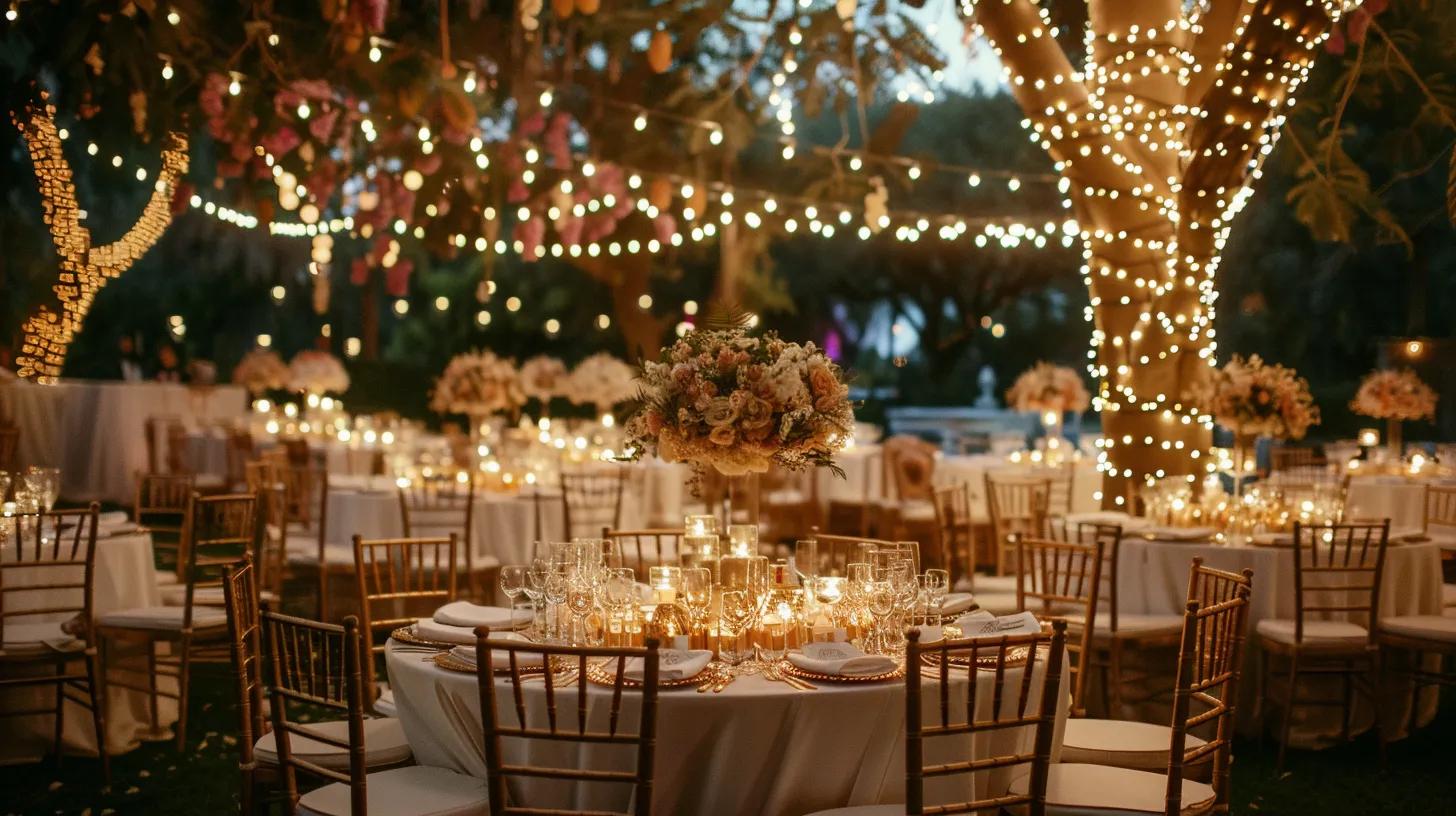
The ceremony is the first formal part of the wedding day, so the rental checklist should focus on comfort, visibility, sound, and presentation. Guests should be able to find their seats easily, hear the ceremony clearly, and move through the space without confusion.
This section of the checklist should be reviewed with the venue, planner, florist, and rental provider before the final order is confirmed. Ceremony rentals often need to be installed early, photographed before guests arrive, and sometimes moved or repurposed for the reception.
Guest Seating and Reserved Family Seating
Ceremony seating should be based on the final guest count, with a small buffer for last-minute additions. Couples should also reserve seats for immediate family, wedding party members, elderly guests, or anyone needing accessible seating.
Checklist items may include:
- Guest chairs
- Reserved seating signs
- Accessible seating spaces
- Aisle markers
- Extra chairs for late additions
- Chair cushions, if needed
Seating should be arranged with clear aisles and strong sightlines so guests can comfortably view the ceremony.
Ceremony Arch, Altar, or Backdrop
A ceremony arch, altar, or backdrop helps define the focal point of the ceremony. The selected piece should match the wedding style and work with the venue’s natural surroundings.
Checklist items may include:
- Wedding arch or arbor
- Floral stands
- Pedestals
- Ceremony backdrop
- Ground arrangements
- Weighted supports for outdoor setups
For outdoor weddings, the backdrop should be stable enough for wind and placed where lighting, views, and photography angles work well.
Aisle Décor, Signage, and Entry Markers
Aisle and entry rentals help guide guests into the ceremony space while adding visual polish. These details should be functional as well as decorative.
Checklist items may include:
- Welcome sign
- Directional signs
- Aisle runner
- Lanterns
- Floral aisle markers
- Reserved row signs
- Program display table
Signage should be easy to see from guest arrival areas, especially if the venue has multiple paths or event zones.
Sound System, Microphones, and Backup Audio
Clear audio is essential during the ceremony. Guests should be able to hear vows, readings, officiant remarks, and music without strain.
Checklist items may include:
- Speakers
- Wireless microphones
- Lapel microphone for officiant
- Handheld microphone for readings
- Music playback equipment
- Extension cords
- Backup batteries
- Backup microphone
Couples should confirm who is responsible for operating the sound system and testing it before the ceremony begins.
Shade, Fans, Heaters, or Weather Protection
Outdoor ceremonies may require additional comfort rentals depending on the season, time of day, and venue exposure. These items help protect guests from sun, heat, wind, or cooler temperatures.
Checklist items may include:
- Umbrellas
- Shade structures
- Fans
- Heaters
- Blankets
- Water station
- Tent or canopy coverage
- Weather backup seating plan
Weather-related rentals should be confirmed early, especially for outdoor weddings during peak season.
Cocktail Hour Rental Checklist
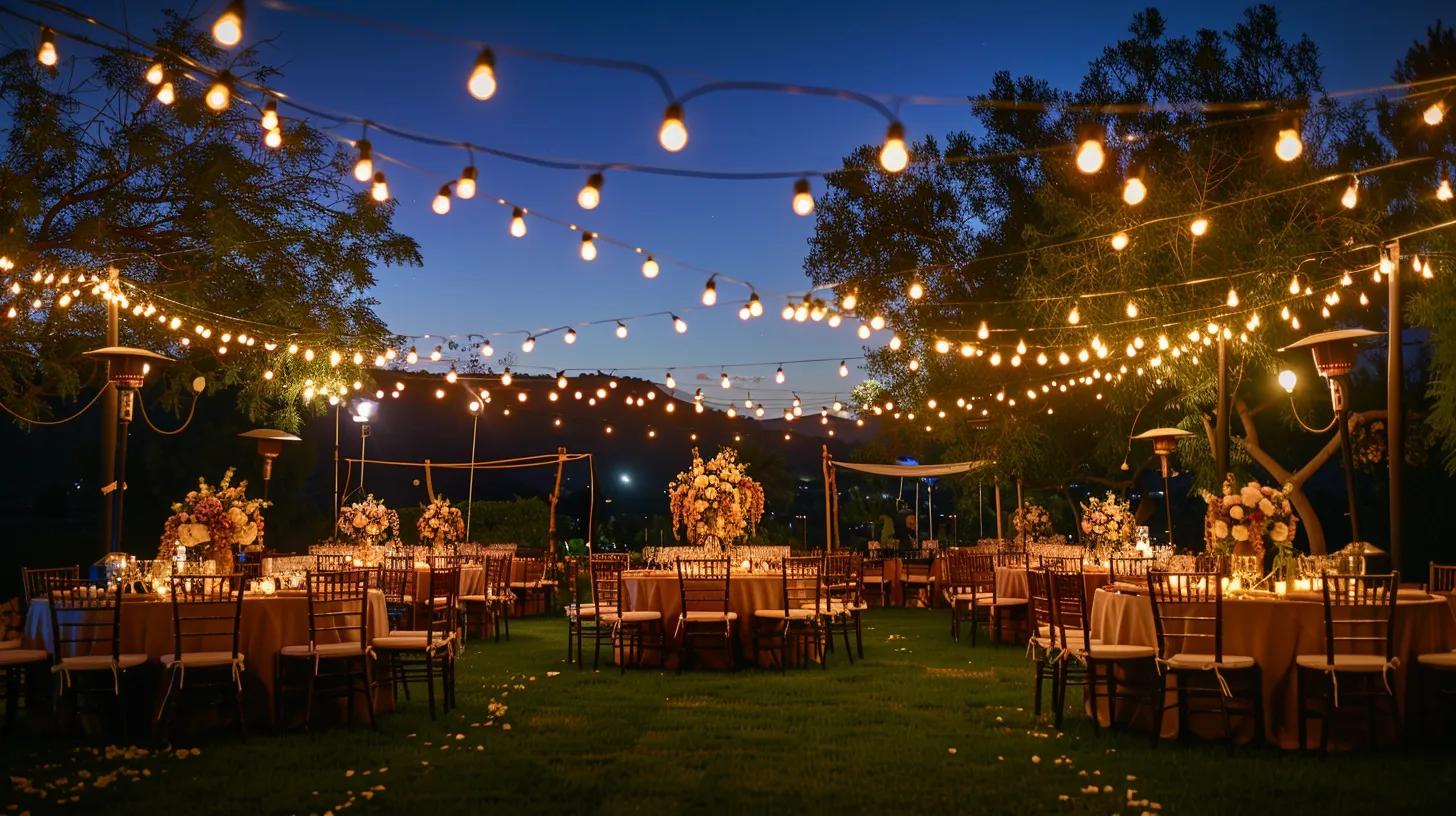
Cocktail hour acts as the transition between the ceremony and reception. The rental checklist for this part of the day should support movement, conversation, drink service, light food service, and guest comfort while the reception area is being prepared or finalized.
Because cocktail hour is often shorter than the reception, every rental should have a clear purpose. The layout should prevent lines at the bar, give guests places to set drinks, and create enough seating for those who need it without making the space feel crowded.
Cocktail Tables and Casual Seating
Cocktail tables give guests a convenient place to gather, place drinks, and enjoy appetizers. Casual seating can also help older guests, family members, or guests wearing formal shoes stay comfortable during the transition.
Checklist items may include:
- High-top cocktail tables
- Low cocktail tables
- Small round tables
- Lounge chairs
- Benches
- Ottomans
- Side tables
- Table linens or fitted covers
The number of tables should match the guest count and layout. A mix of standing tables and limited seating often works well for cocktail hour.
Bar Setup, Beverage Stations, and Back-Bar Equipment
Bar rentals should support efficient service and prevent long lines. The setup should include both guest-facing pieces and behind-the-bar equipment needed by bartenders.
Checklist items may include:
- Bar fronts
- Back bars
- Ice bins
- Beverage tubs
- Glassware
- Cocktail napkins
- Bar mats
- Speed rails
- Trash and recycling bins
- Water station
- Beverage dispensers
Couples should confirm power, ice storage, and service access if specialty drinks, refrigeration, or multiple bar stations are planned.
Appetizer Tables, Trays, and Service Pieces
If appetizers are served during cocktail hour, the checklist should include both display pieces and service equipment. The setup should allow guests to access food easily without crowding the bar.
Checklist items may include:
- Appetizer display tables
- Serving trays
- Risers
- Platters
- Small plates
- Cocktail forks
- Napkins
- Chafing dishes, if needed
- Menu or dietary signage
Food stations should be placed away from tight entry points so guests can circulate comfortably.
Lounge Furniture and Guest Gathering Areas
Lounge furniture can make cocktail hour feel more relaxed and inviting. It also creates comfortable spaces for conversation and photos.
Checklist items may include:
- Sofas
- Accent chairs
- Coffee tables
- Rugs
- Side tables
- Decorative pillows
- Small floral tables
- Outdoor lounge furniture
Lounge areas should be positioned where they support guest flow, not where they block bars, catering stations, or pathways.
Lighting, Signage, and Trash/Recycling Stations
Even if cocktail hour takes place before sunset, lighting and signage may still be needed for visibility, atmosphere, and organization. Waste stations should also be planned so the area stays clean.
Checklist items may include:
- String lights
- Lanterns
- Uplighting
- Pathway lighting
- Directional signage
- Bar menu signs
- Trash bins
- Recycling bins
- Compost bins, if needed
These details help make cocktail hour easier to navigate and more polished for guests.
Reception Rental Checklist
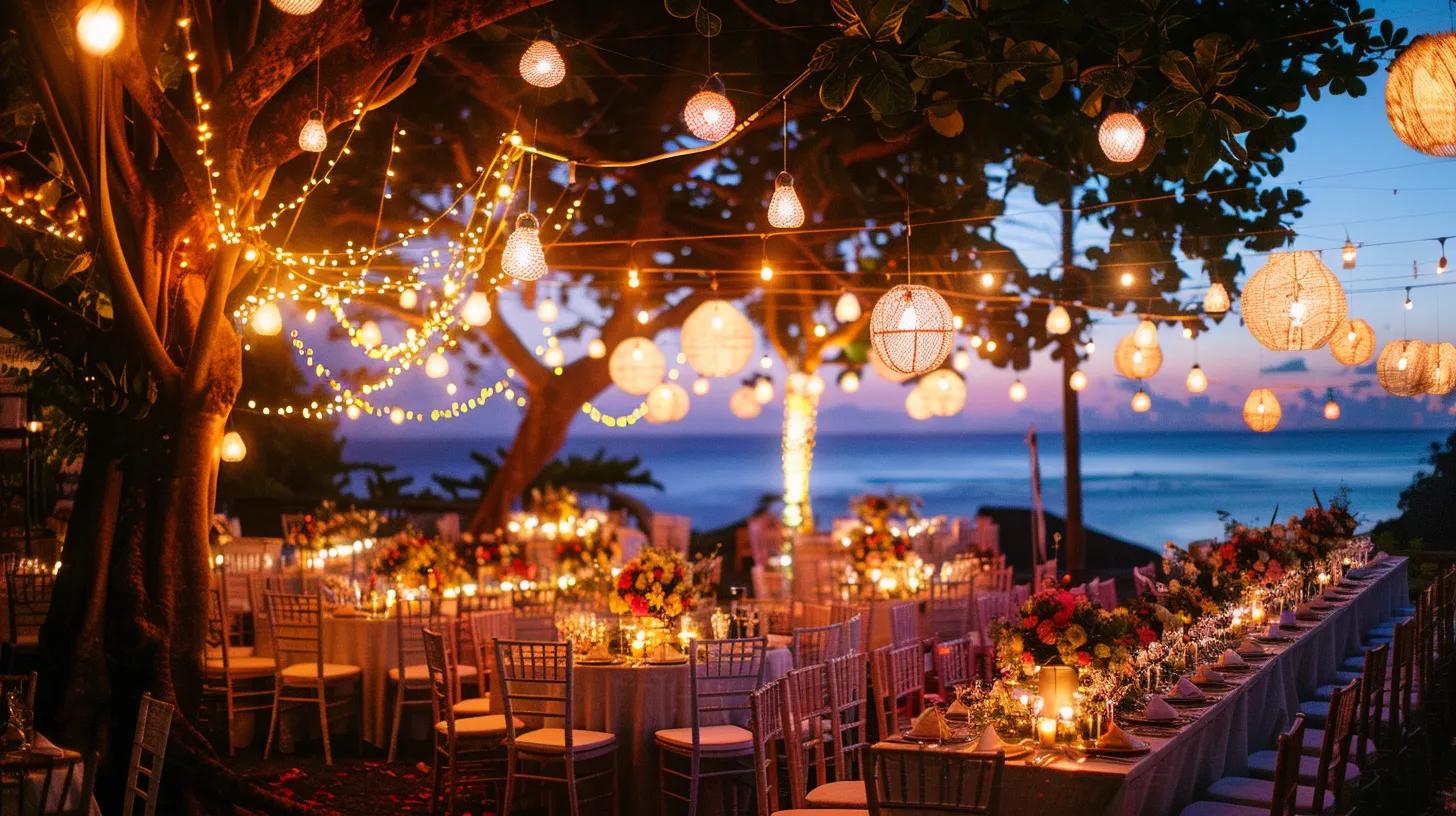
The reception usually requires the largest portion of the wedding rental order because it includes dining, entertainment, guest seating, décor, lighting, and service areas. This part of the checklist should be tied closely to the floor plan so every item has a specific location and purpose.
Before confirming reception rentals, couples should review the final guest count, meal style, entertainment plan, table layout, and vendor requirements. A complete reception checklist helps prevent missing items such as vendor tables, extra linens, service pieces, power support, or lighting for key areas.
Dining Tables, Guest Chairs, and Head Table Setup
Reception seating should support the guest count, meal service, and overall layout. Couples should decide whether they prefer round tables, banquet tables, farm tables, or a combination of table styles.
Checklist items may include:
- Guest dining tables
- Guest chairs
- Head table or sweetheart table
- Family tables
- Vendor meal tables
- Buffet or service tables
- Cake table
- Gift table
- Escort card or seating chart table
- Extra chairs and tables for last-minute needs
Table and chair placement should allow enough space for guests, servers, and accessibility routes.
Linens, Napkins, Tableware, and Glassware
Linens and tabletop rentals help complete the reception design while supporting meal service. These items should be confirmed after the table count, table size, and meal style are finalized.
Checklist items may include:
- Tablecloths
- Table runners
- Napkins
- Chargers
- Dinner plates
- Salad plates
- Dessert plates
- Flatware
- Water glasses
- Wine glasses
- Champagne flutes
- Coffee cups and saucers
Couples should confirm whether tabletop items are rented through the rental provider, caterer, or venue to avoid duplicate orders or missing pieces.
Centerpiece Stands, Candles, Menus, and Place Cards
Reception décor should be listed in the checklist with quantities and placement details. This helps the florist, planner, and rental provider understand where each item belongs.
Checklist items may include:
- Centerpiece stands
- Vases
- Candleholders
- LED candles or approved open-flame candles
- Table numbers
- Menus
- Place cards
- Escort cards
- Card box
- Guest book table décor
- Cake stand
- Dessert display pieces
Décor should be reviewed with the venue to confirm restrictions on candles, hanging elements, glass items, or setup methods.
Dance Floor, Stage, and Entertainment Setup
Entertainment rentals should support dancing, speeches, live music, DJ equipment, and guest visibility. These items should be planned with the entertainment vendor so the setup fits their technical needs.
Checklist items may include:
- Dance floor
- Stage or riser
- DJ table
- Band platform
- Speakers
- Microphones
- Projector or screen, if needed
- Extension cords
- Cable covers
- Power strips
- Lighting for the dance floor
The dance floor and stage should be placed where guests can gather easily without blocking dinner service or major walkways.
Reception Lighting and Power Support
Reception lighting affects both atmosphere and safety. It should cover dining areas, bars, walkways, restrooms, exits, dance floors, and any outdoor paths guests will use after sunset.
Checklist items may include:
- String lights
- Chandeliers
- Lanterns
- Uplighting
- Pin spotting
- Pathway lighting
- Bar lighting
- Dance floor lighting
- Generator, if needed
- Power distribution equipment
- Extension cords and cable covers
Power needs should be reviewed with the venue, rental provider, caterer, lighting team, and entertainment vendor before the final rental order is confirmed.
Outdoor Wedding Rental Checklist
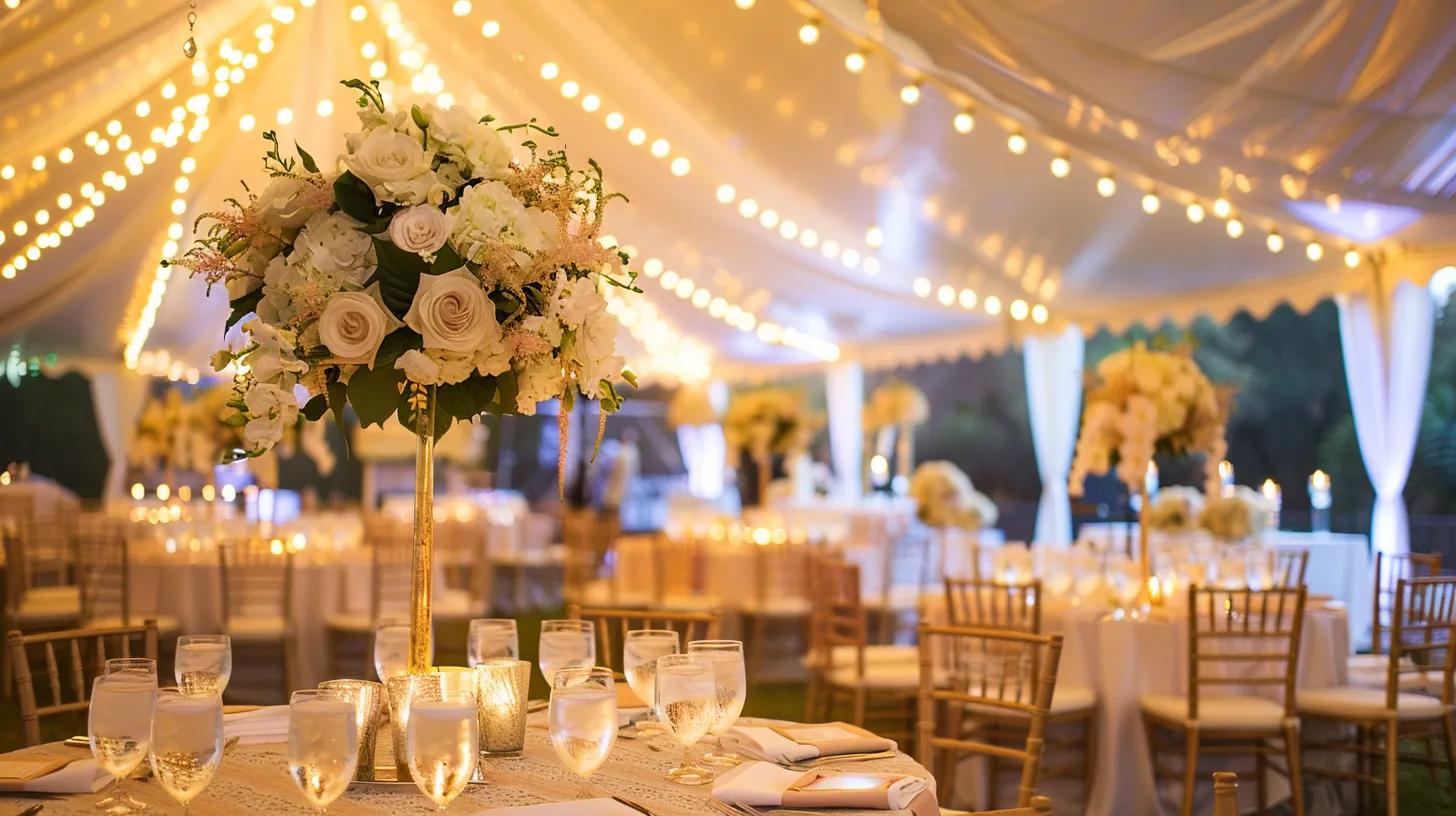
Outdoor weddings require additional rentals because the venue may not provide the same infrastructure as an indoor event space. This checklist should address weather protection, ground conditions, power, restrooms, lighting, and guest comfort.
For outdoor weddings, couples should review the venue layout with their rental provider before booking. Site conditions such as grass, gravel, sand, slopes, wind exposure, and limited power access can affect which rentals are needed and how they should be installed.
Tents, Canopies, or Shade Structures
Shelter and shade rentals help protect guests, vendors, food, décor, and equipment from sun, wind, or light rain. Even if the couple wants an open-air event, some form of coverage may be useful for dining areas, bars, musicians, or catering stations.
Checklist items may include:
- Reception tent
- Ceremony canopy
- Cocktail hour shade structure
- Umbrellas
- Sidewalls
- Clear panels
- Tent lighting
- Tent weights or anchoring equipment
- Covered vendor areas
Tent and canopy needs should be confirmed early because availability, permits, and installation requirements may affect the event schedule.
Flooring, Walkways, and Ground Protection
Outdoor surfaces can create challenges for guests, vendors, and rental setup. Flooring and ground protection help create stable, safe areas for dining, dancing, service, and guest movement.
Checklist items may include:
- Dance floor
- Dining flooring
- Temporary walkways
- Ground protection mats
- Carpet runners
- Stage flooring
- Ramp access
- Floor edging or transitions
Flooring is especially important for grass, gravel, sand, sloped areas, or venues where guests may be wearing formal shoes.
Heaters, Fans, Misting Systems, or Climate-Control Rentals
Outdoor temperatures can shift throughout the wedding day, especially between afternoon ceremonies and evening receptions. Climate-control rentals help keep guests comfortable in warm, cool, or breezy conditions.
Checklist items may include:
- Patio heaters
- Tent heaters
- Fans
- Misting systems
- Portable air movers
- Shade umbrellas
- Blankets
- Sidewalls for wind protection
These items should be matched to the season, venue exposure, event time, and guest count.
Portable Restrooms and Handwashing Stations
Some outdoor venues have limited restroom access or facilities located far from the main event area. Portable restrooms and handwashing stations may be needed to support guest comfort and event logistics.
Checklist items may include:
- Restroom trailers
- Standard portable restrooms
- ADA-accessible restroom units
- Handwashing stations
- Sanitation supplies
- Directional restroom signs
- Lighting near restroom areas
Restroom placement should be convenient for guests but discreet enough not to interfere with the event design.
Weather Backup Items and Contingency Rentals
A weather backup checklist helps couples respond quickly if outdoor conditions change. These items should be discussed before the wedding week, not after the forecast becomes uncertain.
Checklist items may include:
- Extra sidewalls
- Umbrellas
- Covered walkways
- Additional heaters or fans
- Backup tenting
- Extra towels or mats
- Protective covers for equipment
- Alternate seating plan
- Indoor or covered-space layout
A clear contingency rental plan helps protect the schedule, guest comfort, and vendor setup if weather conditions shift.
Wedding Rental Timeline Checklist

A wedding rental timeline helps couples know when to book, review, confirm, and inspect each rental item. Instead of waiting until the final weeks, the rental process should be divided into planning milestones so major items are secured early and final details are confirmed at the right time.
This timeline checklist should be adjusted based on the venue, guest count, wedding season, and rental complexity. Outdoor weddings, peak-season dates, specialty rentals, and large guest counts usually require earlier planning.
6–12 Months Before: Book Major Rentals
Major rentals should be reserved as soon as the venue and date are confirmed. These are the items most likely to affect the layout, budget, and availability.
Checklist items may include:
- Tent or canopy reservations
- Tables and chairs
- Dance floor
- Stage or riser
- Lounge furniture
- Lighting package
- Portable restrooms
- Generators or power equipment
- Climate-control rentals
- Initial delivery and pickup windows
Couples should also request an itemized quote during this stage so they understand rental costs, deposits, labor fees, and cancellation terms.
3–6 Months Before: Confirm Design and Layout Items
Once the general layout is developed, couples can confirm design-focused rentals and supporting details. This is also a good time to review the rental list with the planner, venue, caterer, florist, and entertainment team.
Checklist items may include:
- Linens and napkins
- Tableware and glassware
- Bar rentals
- Ceremony arch or backdrop
- Cocktail tables
- Signage displays
- Specialty décor pieces
- Table numbers and display items
- Lounge area details
- Floor plan updates
At this stage, the rental checklist should begin matching the actual event layout rather than a rough estimate.
1 Month Before: Finalize Guest Count and Quantities
The final guest count affects nearly every rental category. Couples should update quantities for seating, tables, linens, place settings, glassware, napkins, favors, programs, and service pieces.
Checklist items may include:
- Final chair count
- Final table count
- Final place setting count
- Extra seating buffer
- Vendor meal table needs
- Final linen sizes
- Final glassware and flatware quantities
- Updated floor plan
- Final rental order review
- Payment deadline confirmation
This is also the time to confirm whether any rental items need to be added, removed, or adjusted based on the final layout.
1 Week Before: Confirm Delivery Schedule and Contacts
The week before the wedding should focus on logistics confirmation. Couples should not be making major rental decisions at this stage unless absolutely necessary.
Checklist items may include:
- Delivery date and time
- Pickup date and time
- Rental company contact
- Venue access instructions
- Gate codes or loading details
- Onsite point person
- Setup location notes
- Final floor plan
- Vendor arrival schedule
- Emergency contact list
All vendors should receive the same final schedule and floor plan so setup is coordinated.
Wedding Day: Inspect Rentals and Check Setup
On the wedding day, the onsite point person should inspect rental deliveries and confirm that everything is placed according to the floor plan. Any issues should be reported immediately so they can be addressed before guests arrive.
Checklist items may include:
- Confirm item quantities
- Check item condition
- Verify table and chair placement
- Confirm linen and tabletop setup
- Test lighting and power
- Test microphones and sound equipment
- Check restroom placement and supplies
- Confirm weather backup items
- Review walkways and exits
- Document missing or damaged items
A quick inspection helps prevent small rental issues from becoming larger event problems.
Post-Event Rental Checklist
The rental process does not end when the reception is over. Post-event coordination is important for preventing missing-item charges, damage disputes, late pickup fees, or confusion between vendors. A post-event checklist helps ensure rentals are packed, returned, inspected, and documented correctly.
This section should be reviewed before the wedding day so the couple, planner, venue, and rental provider understand who is responsible for breakdown and pickup. Clear post-event planning is especially important for venues with strict cleanup deadlines or same-night removal requirements.
Confirm Pickup and Teardown Responsibilities
Couples should confirm who is responsible for breaking down each rental category. Some rental companies handle breakdown, while other items may need to be gathered, stacked, or packed by the planner, caterer, or venue staff.
Checklist items may include:
- Rental company pickup time
- Same-night or next-day removal
- Who stacks chairs
- Who folds tables
- Who gathers linens
- Who packs tabletop items
- Who removes décor
- Who handles trash and recycling
- Venue cleanup deadline
- Final walkthrough contact
Clear responsibility assignments help prevent delays and extra charges after the event.
Check for Missing, Damaged, or Unused Items
Before rentals leave the venue, someone should check whether items are missing, damaged, or unused. This protects the couple from unexpected fees and gives the rental provider a clear record of what happened.
Checklist items may include:
- Missing chair count
- Missing tableware count
- Damaged linens
- Broken glassware
- Damaged furniture
- Wet or soiled items
- Unused rentals
- Items left in vendor areas
- Photos of damage, if needed
- Notes for the rental provider
Any concerns should be documented before pickup whenever possible.
Review Final Invoices and Damage Waivers
After the wedding, couples should review the final invoice to confirm that charges match the rental agreement. This includes checking for damage fees, late fees, cleaning charges, labor adjustments, and overtime costs.
Checklist items may include:
- Final invoice
- Original rental quote
- Deposit records
- Damage waiver terms
- Cleaning fees
- Late pickup charges
- Missing item fees
- Labor adjustments
- Refunds or balance due
- Payment confirmation
Keeping all rental documents in one place makes invoice review easier.
Save Floor Plans, Contracts, and Vendor Notes
Couples should keep final rental records even after the wedding is complete. These documents can be useful for resolving billing questions, writing vendor reviews, or planning future events.
Checklist items may include:
- Final floor plan
- Rental contract
- Itemized quote
- Delivery schedule
- Pickup schedule
- Vendor contact sheet
- Final invoice
- Damage documentation
- Setup photos
- Notes from the planner or venue
Organized records provide a clear reference if any follow-up is needed.
Record Lessons for Future Event Planning
A short post-event review can help couples, planners, or families understand what worked well and what could have been improved. This is especially useful for anyone planning future celebrations or working with the same venue again.
Checklist items may include:
- Rentals that were most useful
- Items that were unnecessary
- Quantity adjustments for future events
- Setup issues
- Delivery timing notes
- Guest comfort feedback
- Vendor coordination notes
- Weather-related lessons
- Budget observations
- Recommended changes
This final review turns the rental checklist into a useful planning record rather than a one-time document.
Frequently Asked Questions
What Should Be Included in a Wedding Rental Checklist?
A wedding rental checklist should include every item needed for the ceremony, cocktail hour, reception, guest comfort, vendor setup, and post-event breakdown. Common categories include seating, tables, linens, tableware, glassware, lighting, sound equipment, bars, lounge furniture, signage, dance flooring, staging, restrooms, and weather-related rentals.
The checklist should also include logistics details, not just product names. Couples should track quantities, delivery windows, setup locations, pickup times, vendor contacts, and who is responsible for inspecting each rental when it arrives.
How Early Should Wedding Rentals Be Booked?
Major wedding rentals should be booked as soon as the venue and date are confirmed, especially for peak-season weddings or outdoor events. Tents, tables, chairs, lighting, lounge furniture, dance floors, staging, restrooms, and climate-control equipment should be reserved early because availability may become limited.
Design details such as linens, tabletop items, signage, and décor can usually be refined later, but they should still be confirmed before the final guest count deadline. Starting early gives couples more flexibility with inventory, pricing, layout revisions, and delivery scheduling.
How Many Extra Chairs or Place Settings Should Couples Rent?
Couples should usually include a small buffer for chairs, place settings, glassware, napkins, and other guest-count-based items. The exact number depends on the guest list, venue layout, and catering style, but a modest surplus helps account for last-minute additions, vendor needs, damaged items, or setup adjustments.
Extra rentals should still be intentional. Over-ordering can increase cost and create clutter, so couples should review the buffer with the planner, caterer, and rental provider before finalizing the order.
Who Should Inspect Rentals When They Arrive?
An onsite point person should inspect rentals when they arrive. This may be the wedding planner, venue manager, rental coordinator, or another trusted person who has access to the final rental order and floor plan.
The inspection should confirm item quantities, condition, placement, and setup accuracy. Any missing, damaged, or incorrect items should be documented immediately and reported to the rental provider before guests arrive.
What Rental Details Should Be Confirmed Before the Wedding Day?
Before the wedding day, couples should confirm the final itemized rental order, quantities, delivery time, pickup time, setup responsibilities, venue access instructions, and onsite contact information. They should also confirm whether any items require special installation, permits, power access, or weather backup planning.
The final checklist should be shared with the venue, planner, caterer, florist, entertainment team, and rental provider. Everyone involved in setup should work from the same floor plan and delivery schedule.
Conclusion
A wedding event rental checklist helps couples stay organized from the first planning stages through post-event pickup. By dividing rentals into ceremony, cocktail hour, reception, outdoor needs, guest comfort, logistics, and timeline categories, couples can see exactly what needs to be booked, confirmed, inspected, and returned.
For couples planning Santa Barbara Summer Wedding Rentals, the most effective checklist is more than a list of rental items. It should include quantities, setup locations, delivery windows, vendor contacts, venue rules, inspection notes, and pickup responsibilities. When this information is organized in one place, the wedding day becomes easier for vendors to execute and more comfortable for guests to experience.
Ventura Rental can help couples build and refine a complete rental checklist based on the venue, guest count, event style, and timeline. With professional support, couples can avoid missing essentials, reduce last-minute changes, and create a more seamless setup from ceremony through reception.