
Selecting the appropriate wedding tent is essential to a successful outdoor event. With multiple sizes and styles available, the choices can feel complex, especially for couples planning Santa Barbara Summer Wedding Rentals, where venue layout, guest count, weather exposure, and installation conditions all affect the final setup.
This guide presents essential information on tent dimensions, capacities, and selection criteria. It explains standard sizes, the factors that influence tent selection, how to use capacity charts effectively, and which layouts and complementary rentals can enhance the overall setup. After reviewing this material, couples will have the information needed to make informed decisions for their outdoor wedding.
What Are Standard Wedding Tent Sizes and Their Guest Capacities?

Understanding standard tent dimensions and their guest capacities is fundamental to planning. Tents are manufactured in specific sizes to comfortably accommodate defined guest counts. Familiarity with these dimensions ensures a smoothly running event and adequate space for attendees.
When assessing standard sizes, also verify the tent height and headroom: ceiling height affects lighting, hanging decor, and the visual sense of space. Consider the usable footprint (measure the length and width of the available area) and subtract areas occupied by fixed obstacles such as trees, patio furniture, or slopes. If the site requires walkways or service corridors, deduct those from the usable area before checking capacity charts.
How Do Tent Dimensions Correspond to Guest Counts?
Tent footprint determines guest capacity because event format dictates space per person. Seated dinners generally require 10–12 square feet per guest, while cocktail receptions commonly require 6–8 square feet. Therefore, a seated dinner for 100 guests requires approximately 1,000 square feet of tented area.
To calculate the needed area, multiply the planned tent length by its width to obtain square footage, then compare that value to the per-person guidance for your format. Always round up and add margin for furniture, staging, and circulation; practical planning typically adds 10–20% contingency space. If you plan multiple activity zones (dining, ceremony, cocktail, dance), estimate each zone separately and add the totals to determine the overall footprint.
What Are Common Tent Types and Their Size Variations?
Common tent types include frame tents, pole tents, and clear-span structures, each with distinct characteristics. Frame tents are adaptable to a variety of surfaces; pole tents provide a traditional high-peak aesthetic; clear-span tents offer unobstructed interiors suited to large assemblies. Assessing the benefits and limitations of each type will help select the most appropriate solution for the event.
Beyond appearance, tent type affects setup time, ground preparation, and accessory compatibility. Frame tents often require less invasive anchoring and work well on paved or delicate surfaces; pole tents depend on staking and present the classic peaked look but may need additional headroom; clear-span options require more logistics for larger footprints but eliminate interior support poles, simplifying layout planning. Discuss these differences with your provider to confirm which type suits the venue and planned activities.
How to Select the Appropriate Wedding Tent Size for Your Guest List
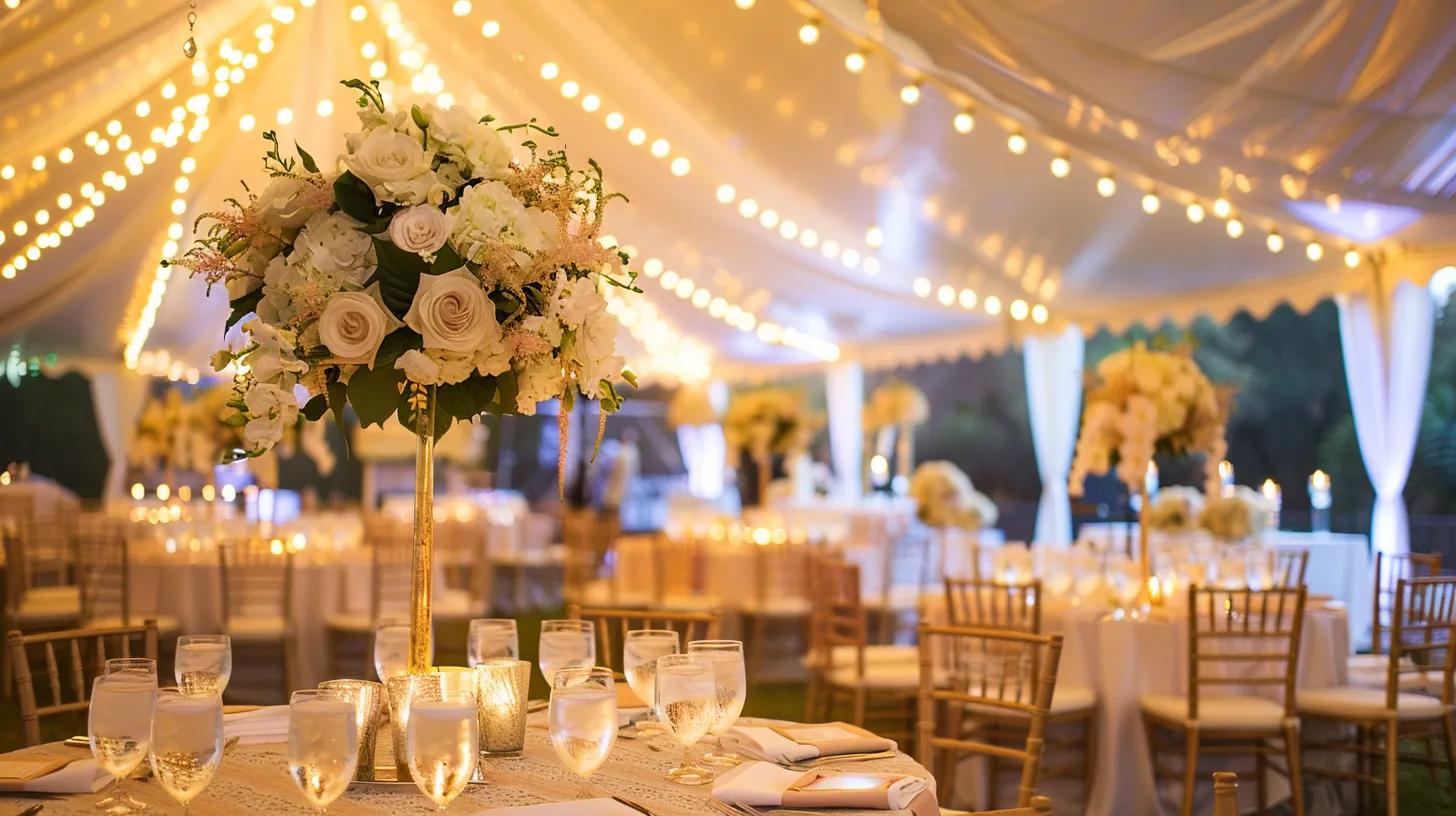
Determining the correct tent size begins with an accurate guest count, which is the primary sizing factor. Account for required layouts, dining tables, chairs, dance floor, buffets, and staging, and reserve additional space for circulation and service access to ensure guest comfort.
- Site checklist: verify vehicle access and loading zones, measure slope and drainage, identify overhead obstructions, confirm nearby utilities for lighting and sound, and check parking availability for vendors and guests.
- Operational considerations: plan space for caterer staging, refrigeration, waste collection, and a vendor path; ensure exits and emergency egress meet local safety expectations.
- Contingency planning: reserve room to add sidewalls, heating, or cooling equipment if weather or guest needs change.
What Factors Influence Tent Size Requirements?
Tent size requirements depend on event type, planned layout, and anticipated weather. Include dedicated areas such as dance floors or stages when calculating the required area. When weather uncertainty exists, selecting a larger tent provides contingency for guest comfort and operational flexibility.
Weather contingencies may require additional items that affect the footprint: sidewalls, entrances with covered walkways, heaters or fans, and drainage or flooring to protect the footing on wet ground. If the site is prone to wind or rain, discuss options for more robust anchoring, reinforced sidewalls, or raised platforms. Also consider access for emergency vehicles and service staff when mapping a larger tent footprint.
How to Use a Wedding Tent Capacity Chart Effectively?
A tent capacity chart provides a practical framework for selecting size based on dimensions and layout. When consulting a chart, round up the guest count to allow margin for furniture, service aisles, and circulation. Use the chart to compare options and validate layout decisions.
Practical tips for using charts: overlay a scaled floor plan on the chart to trial different seating configurations, mark fixed items (doors, trees, power pedestals) and simulate guest flow between zones. When in doubt, create two scenarios, “minimum” and “comfortable”, so you can compare costs and guest experience. Ask the rental provider to supply CAD files or scaled diagrams if you need precise visualisation for site approvals or venue managers.
What Are Optimal Tent Layouts and Seating Arrangements for Different Sizes?

An optimal tent layout supports guest comfort and efficient flow. Seating configurations, banquet, theater, cocktail, differ in space requirements; banquet setups require more area per guest, whereas theater-style seating accommodates higher densities. Select a configuration that balances capacity, comfort, and event activities.
Common layout options and considerations:
- Banquet seating: fosters conversation; requires wider aisles for service and guest movement, best when full table service is planned.
- Theater or ceremony seating: efficient for guest counts concentrated on a focal point; minimal table space needed but ensure clear sightlines and aisle spacing for safety.
- Cocktail or reception zones: combine standing areas with high-top tables to increase circulation; place bars and food stations to avoid bottlenecks near entrances.
- Hybrid layouts: mix banquet and lounge areas to create varied guest experiences; use rugs, planters, or low partitions to delineate zones without closing off sightlines.
How Do Seating Styles Affect Tent Space Planning?
Seating style dictates spatial planning. Banquet seating increases per-guest footprint compared with cocktail or theater arrangements. Factor seating geometry and aisle requirements into site plans to maintain unobstructed movement and compliance with safety standards.
When arranging tables, model service paths from kitchen to serving stations and allow clear access to exits and restrooms. For wheelchair accessibility and ADA compliance, allocate wider aisles and specific seating spaces adjacent to main circulation routes. Confirm minimum clearance dimensions with your rental provider to ensure furniture selections fit within the chosen tent size.
What Are Recommended Tent Layouts for Outdoor Weddings?
Recommend layouts that prioritize guest experience: locate the dance floor centrally to promote engagement and place food stations to minimize queues and circulation conflicts. Thoughtful placement of service and guest areas fosters a welcoming environment and reduces congestion.
For ceremonies under the tent, position the ceremony focal point to take advantage of sightlines and natural backdrops. If the event uses multiple tents (ceremony, dining, lounge), plan covered walkways or signage to guide guests and consider timing for transitions so traffic does not spike at one entrance.
Which Complementary Rentals Enhance Your Wedding Tent Setup?

Complementary rentals, tables, chairs, linens, and décor, substantially influence ambiance and functionality. Coordinate these elements with tent dimensions to achieve a cohesive layout and visual presentation.
Think beyond the basics: coordinate audio-visual placement so speakers and screens do not block sightlines, plan power distribution and cable routes to keep tripping hazards clear, and choose staging that matches tent scale and ceiling height. Discuss delivery windows and staging areas with the rental company so equipment is placed efficiently during setup and removed without disrupting the venue.
How Do Tables, Chairs, and Linens Integrate with Tent Sizes?
Table shape and sizing affect space utilisation: round tables typically consume more area than rectangular tables. Select table dimensions and linens that align with tent capacity and aesthetics to optimise seating and preserve the intended design.
When finalising furniture, ask for a scaled seating plan from the rental provider showing table sizes, chair spacing, and service aisles. Consider layering textures and heights, centerpieces, chargers, and napkins, to balance visual weight without overcrowding tabletops. If you plan specialty seating (lounges, cocktail furniture), allocate dedicated zones so these pieces do not reduce dining capacity unintentionally.
What Décor, Lighting, and Flooring Options Suit Various Tent Dimensions?
Décor, lighting, and flooring choices shape the tent atmosphere. String lighting creates a warm ambiance; premium flooring elevates formality. Select fixtures and finishes scaled to the tent dimensions so they complement the interior without impeding circulation.
Match lighting type to function: ambient fixtures for overall warmth, task lighting for food and service areas, and accent lighting to highlight architectural features or focal points. For flooring, coordinate transitions between tented and untented areas to avoid trip hazards and consider slip resistance for outdoor conditions. If you use chandeliers or suspended installations, confirm roof load limits and anchor points with the rigger or rental company.
How Does Expert Event Consultation Assist in Choosing Tent Sizes and Rentals?
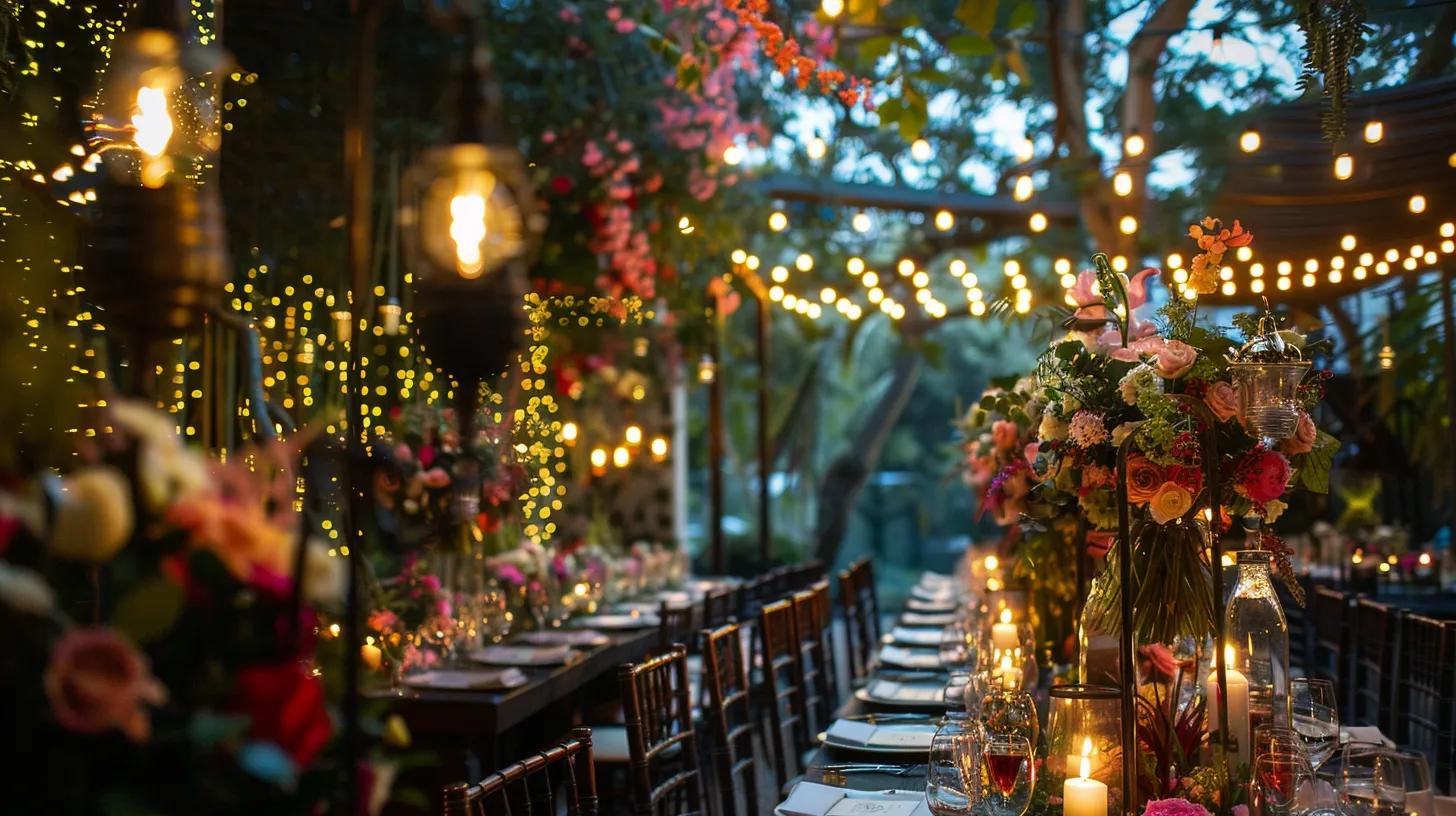
Expert event consultation provides tailored recommendations based on event objectives and site constraints. Experienced consultants streamline decisions on tent sizing, layouts, and ancillary rentals, reducing risk and ensuring operational efficiency.
During consultation you should expect a site survey, measurements, discussion of timelines and load-in logistics, a proposed floor plan with zoning, and a written quote listing inclusions. Consultants can also recommend tested vendor pairings (caterers, AV providers, decorators) to simplify coordination and produce a realistic schedule that factors setup, rehearsal, and teardown.
What Are the Benefits of Personalized Event Rental Consultation?
Personalized rental consultation delivers targeted guidance aligned to the client’s vision. Consultants identify site-specific constraints, recommend appropriate tent types and accessory packages, and clarify logistical considerations, resulting in a more predictable and less stressful planning process.
Consultations often reveal small but critical adjustments, changing table sizes, moving a bar location, or adding a service gate, that improve flow and reduce operational friction on the event day. A written site plan and vendor contact list from your consultant streamline communication among all parties and reduce the potential for last-minute changes.
How to Book a Consultation with Ventura Rental for Wedding Tent Needs?
To book a consultation with Ventura Rental, contact the team to discuss event requirements and schedule an appointment. During the session, expect professional advice on tent dimensions, layout strategies, and complementary rentals tailored to your outdoor wedding.
When arranging the appointment, provide the venue address, desired date and times, an initial guest estimate, and any venue constraints you already know (e.g., noise restrictions, curfew, or parking limits). Supplying photos or a site map ahead of the meeting speeds the assessment and helps the consultant prepare accurate options for review.
How to Interpret Wedding Tent Rental Pricing Based on Size and Features?
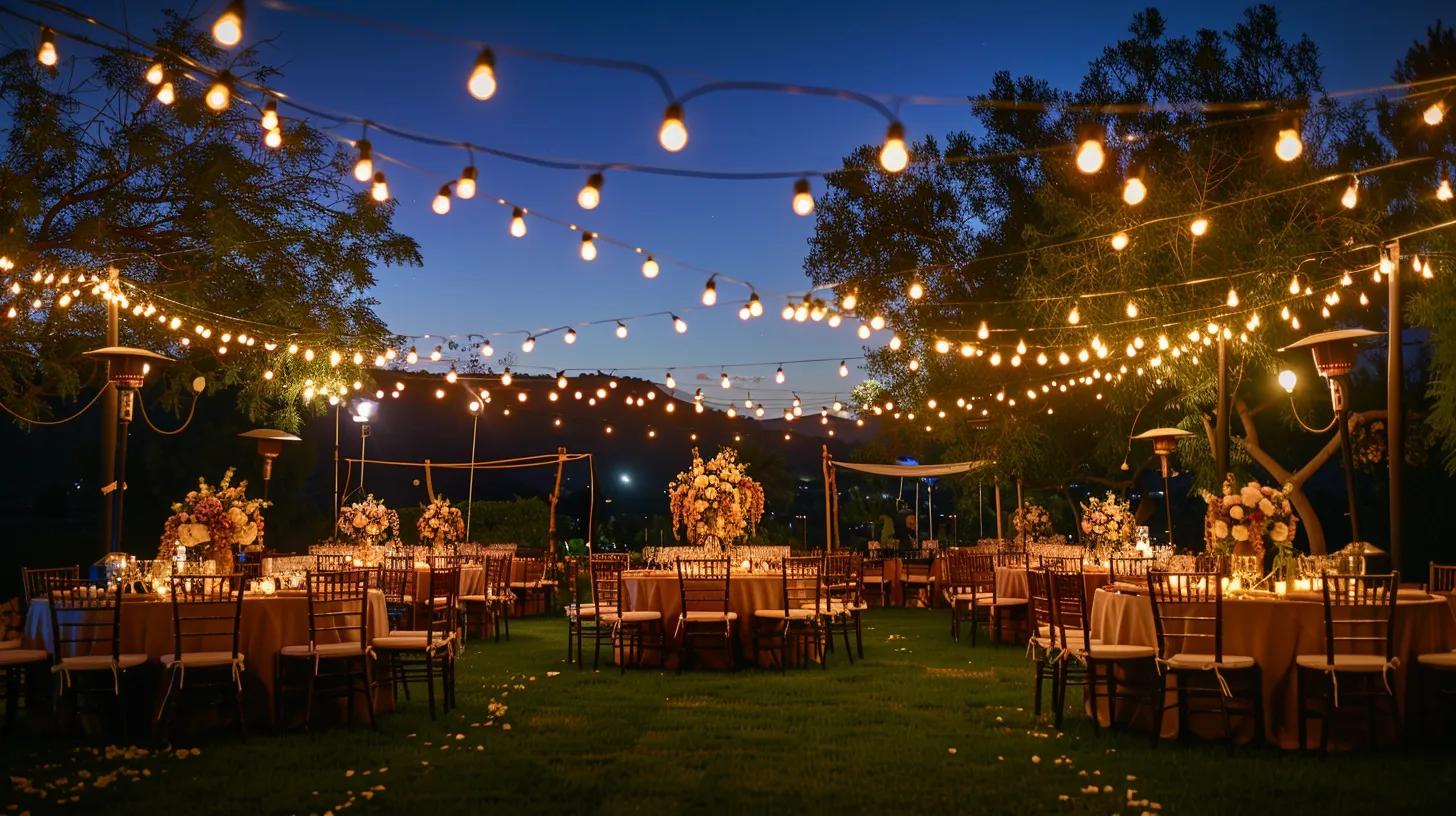
Interpreting tent rental pricing is essential for accurate budgeting. Costs vary by tent size, configuration, and included services. Understanding cost drivers enables informed trade-offs that align with the event budget.
Watch for line items that can affect the bottom line: delivery distance, site preparation, anchoring methods, overtime charges for extended install windows, and disposal fees. Confirm whether the quote includes setup and takedown, sidewalls, flooring, and permits; if these are excluded, add them into your budget early to avoid surprises. Ask vendors for tiered options so you can compare a basic package and a fully inclusive solution side by side.
What Factors Affect Rental Costs for Different Tent Sizes?
Rental costs depend on tent type, additional features, delivery and installation, and rental duration. Larger tents and add-ons such as sidewalls and flooring increase fees. Consider these factors when forecasting the event budget.
How to Compare Rental Packages for Value and Suitability?
When comparing packages, request itemized quotes that specify inclusions such as setup and takedown, delivery, and any ancillary services. Evaluate vendor reputation and service level to ensure the package meets quality and logistical requirements.
Beyond price, evaluate response time, insurance coverage, and backup plans for inclement weather. Request references and examples of similar-scale events the vendor has supported. The cheapest option may not be the best value if it lacks insurance, competent rigging, or a clear dispute resolution process.
Where Can You Find Reliable Wedding Tent Size Resources and Rental Services?

Reliable resources and rental services are available through specialist websites, industry guides, and vendor consultations. Use reputable tools to visualise tent sizes and layouts to support selection and site planning. Look for vendors that provide sample floor plans, photo galleries, and customer testimonials. If possible, visit a show site or an installed event to see tent types and accessories in context; this firsthand experience clarifies scale, fabric textures, and how lighting impacts the overall impression.
What Makes Ventura Rental a Trusted Provider for Wedding Tent Needs?
Ventura Rental is recognized for a comprehensive inventory and deep sector expertise. The team works with local venues to deliver solutions tailored to site conditions and client objectives. Customer testimonials underscore their commitment to quality, service reliability, and client satisfaction.
How to Access Tent Size Guides, Charts, and Tools Online?
Access tent size guides, charts, and interactive tools online to simplify planning. These resources help visualise dimensions, test seating configurations, and verify capacity against your guest list, facilitating confident selection.
Frequently Asked Questions
What is the best way to estimate my guest count for a wedding tent?
Accurate guest estimation is critical for tent selection. Begin with a comprehensive invite list including family, friends, and anticipated plus-ones. Use RSVP platforms to monitor responses and plan for a modest margin of additional attendees to account for late confirmations. Consider the event format, as seating and circulation requirements will affect capacity.
How can I ensure my wedding tent is secure in windy conditions?
To secure the tent in windy conditions, use appropriate anchoring such as stakes or weights provided by the rental company. Discuss weather contingencies with your provider; they can supply additional support like sidewalls or extra weights. Avoid siting the tent in areas exposed to strong gusts or beneath large trees that could present hazards.
What are the advantages of using a clear-top tent for my wedding?
Clear-top tents deliver unobstructed sky views, admitting natural light by day and creating a romantic night-time setting. They visually enlarge the interior and accommodate decorative treatments, lighting and drapery, while preserving a connection with the outdoor setting.
How do I choose the right flooring for my wedding tent?
Flooring selection depends on terrain, event style, and budget. Typical options include grass, carpet, and wood panels. On uneven ground, a solid floor provides stability and guest comfort. Select finishes that align with the event’s aesthetic, wood for formality, carpet for warmth, and consult your rental provider to determine the optimal solution.
What should I consider when planning for lighting in my wedding tent?
Lighting defines ambiance. Options, string lights, chandeliers, uplighting, produce distinct effects. For evening events, specify adequate illumination levels for safety and service. Map lighting to the layout to highlight focal areas such as the dance floor and dining tables, improving functionality and atmosphere.
Are any specific permits required to set up a wedding tent?
Permits may be required for tent installation, depending on jurisdiction and tent size. Many municipalities regulate temporary structures and require permits for larger installations or those on public property. Verify local regulations with the venue or the governing authority, and secure the necessary permits well in advance to ensure compliance.
How can I incorporate personal touches into my wedding tent decor?
Personal touches enhance the event’s character. Introduce custom signage, family photographs, or themed centerpieces, and select colors and fabrics that reflect your style. Consider meaningful elements such as a memory table or guest book area. Engage a professional decorator to integrate these features into a cohesive tent design.
Conclusion
Selecting the right wedding tent is critical to delivering a comfortable, memorable outdoor event. By understanding standard sizes, layouts, and complementary rentals, you can plan a cohesive experience that reflects your vision. Contact event specialists for personalized guidance aligned to your requirements. Review our range of tent options to advance your planning and realize your event objectives.
Effective planning combines clear requirements, a realistic site assessment, and collaboration with experienced rental partners. With careful attention to layout, circulation, and vendor logistics, your tented event can offer both the desired aesthetic and the practical support necessary for a smooth celebration.