
A complete wedding rental checklist for a Santa Barbara wedding includes the essential equipment and décor required to organize a comfortable and well-structured celebration. Most weddings require dining tables, ceremony and reception chairs, tents for outdoor coverage, linens, lighting, and decorative elements that support both the layout and the visual design of the event. These rentals allow couples to transform outdoor venues such as gardens, vineyards, and coastal properties into fully prepared ceremony and reception spaces.
Summer is one of the most popular seasons for weddings in Santa Barbara because of the region’s mild coastal climate and scenic outdoor venues. Seasonal conditions influence rental planning, particularly for outdoor celebrations that require tents for shade, lighting for evening receptions, and seating arrangements that remain comfortable during warmer temperatures.
This guide outlines the essential wedding rentals for a Santa Barbara wedding, explains how to estimate quantities based on guest count, and provides practical planning considerations to help organize the celebration efficiently.
What Are the Essential Wedding Tables to Rent in Santa Barbara?
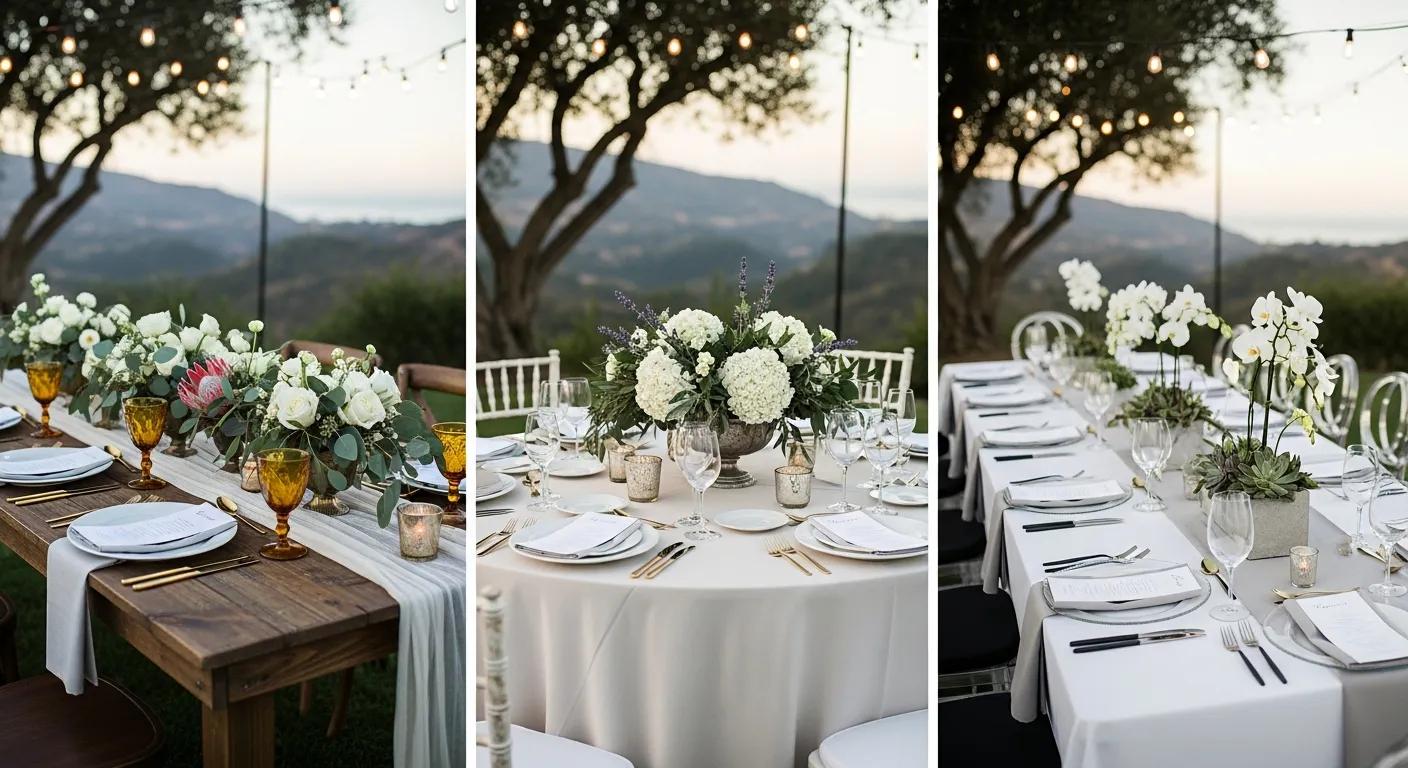
Selecting the right tables plays an important role in both the functionality and overall appearance of a wedding reception. Dining tables, cocktail tables, and specialty tables each support different parts of the event and help organize how guests move through the space. A thoughtful table layout allows guests to dine comfortably, gather for conversation, and access service areas without congestion.
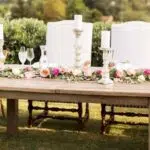
Banquet tables are commonly used for guest dining and buffet service. Cocktail tables create natural gathering points during the cocktail hour and encourage guests to mingle before the reception begins. Farm tables are often chosen for outdoor weddings because their natural wood finish complements garden and vineyard venues while adding visual warmth to the layout.
When planning table rentals, consider both guest experience and service logistics. Dining tables should allow adequate spacing for chairs and provide clear pathways for servers and guests. Cocktail tables typically work best near bars, lounge areas, or entrances where guests naturally gather. Coordinating table shapes with linens and décor also helps create a cohesive visual presentation throughout the reception area.
Table Styles and Sizes for Outdoor Weddings
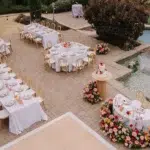
Table shape and size influence how guests interact and how efficiently the venue space is used. Round tables support conversation because all guests face one another, which makes them a popular choice for reception dining. Rectangular banquet tables provide flexibility in layout design and can be arranged in long rows or combined to form larger seating arrangements.
A common option for wedding receptions is the 60 inch round table, which typically seats eight to ten guests comfortably depending on the chair style and place settings used. Rectangular banquet tables generally accommodate six to eight guests. Cocktail tables are designed for standing guests and usually support two to four people at a time during the cocktail hour.
Outdoor environments introduce additional considerations when selecting table materials and finishes. Wood surfaces can add warmth to the setting and blend naturally with outdoor venues, while treated finishes and protective coverings simplify cleaning and maintenance during service. Reviewing available materials with the rental provider helps ensure the tables remain durable and presentable throughout the event.
How to Calculate the Number of Tables Needed for Your Guest Count
Determining the correct number of tables begins with the total guest count and the seating capacity of the selected table style. A simple calculation can help estimate how many tables are required for the reception layout.
Formula
Total Guest Count ÷ Guests per Table = Number of Tables Needed
For example, if a reception includes 100 guests and uses 60 inch round tables that seat eight to ten guests, the calculation helps determine whether the layout should prioritize comfort or space efficiency.
| Table Type | Guests per Table | Estimated Tables Needed |
|---|---|---|
| Round (60″) | 8–10 | 10–12 |
| Rectangular | 6–8 | 12–14 |
| Cocktail / High-top | 2–4 | 5–8 |
When calculating totals, remember to include additional tables used for other purposes. These may include a head table for the wedding party, tables for gifts and desserts, a cake display, or catering service stations. Including these elements in the initial plan prevents last-minute adjustments to the layout.
Creating a simple floor plan that labels each table with its type, linen choice, centerpiece design, and any electrical requirements can simplify communication with vendors and reduce the risk of setup errors on the day of the event.
What Are the Best Santa Barbara Wedding Chair Rental Options?

Chair selection plays an important role in guest comfort and overall event presentation. The style of chair used for the ceremony and reception influences the visual design of the event while also supporting practical seating needs. Common wedding chair rentals include folding chairs, Chiavari chairs, and crossback chairs, each offering a different balance of cost, style, and durability.
Folding chairs are widely used for outdoor ceremonies because they are lightweight, easy to transport, and simple to arrange in rows or curved seating layouts. Chiavari chairs are known for their refined appearance and are frequently selected for formal receptions and elegant venues. Crossback chairs feature a wooden frame and classic profile that pairs well with rustic, vineyard, or garden settings.
Venue access and setup logistics should also guide chair selection. Some outdoor venues include narrow walkways, uneven terrain, or limited delivery access. Lightweight and stackable chairs allow rental teams to transport and position seating efficiently while reducing setup time. Couples who prioritize guest comfort may also choose to include seat cushions or upholstered chair styles for longer ceremonies and dinners.
Chair Styles That Balance Comfort and Visual Design
Popular wedding chair styles influence how the ceremony and reception spaces appear in photographs and how comfortably guests remain seated throughout the event. Chiavari chairs remain a popular choice because their slim frame, decorative structure, and variety of finishes complement many wedding themes. Their light weight also makes them easy to reposition when transitioning from ceremony seating to reception layouts.
Crossback chairs provide a more traditional aesthetic and often appear at vineyard weddings, garden venues, and rustic themed receptions. Their wooden construction creates a warm and inviting atmosphere that works well with natural décor elements such as wooden tables, greenery, and floral centerpieces.
Seat cushions can improve comfort and support a cohesive design palette. Coordinating cushion fabrics with table linens and décor colours helps unify the visual presentation of the event. Reviewing cushion samples in advance allows couples to confirm colour consistency and fabric quality before finalizing rental selections.
How to Calculate the Number of Chairs Needed
Determining the correct number of chairs begins with the total guest count and the expected seating arrangement for each portion of the event. Most wedding planners recommend ordering slightly more chairs than the guest count to accommodate vendors, unexpected attendees, or last minute layout adjustments.
A common guideline is to add ten percent to the guest total when calculating chair rentals. This approach provides flexibility during setup and helps prevent seating shortages.
When planning chair quantities, consider how seating will be used throughout the event. Some weddings require separate ceremony seating that is rearranged later for the reception. Additional chairs may also be needed for cocktail areas, vendor meals, or reserved seating for family members and the wedding party.
Including chair placement within the event floor plan can simplify the setup process. Marking which chairs require cushions, signage, or decorative ties allows vendors to prepare the seating layout efficiently and helps ensure the event space is arranged exactly as planned.
Choosing the Right Wedding Tent Rentals

Selecting the right tent is an important part of planning an outdoor wedding. Tents provide structure for the reception layout and help protect guests, equipment, and décor from changing weather conditions. When reviewing tent options, consider guest count, venue layout, and the overall style of the event.
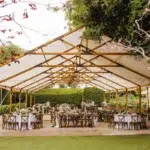
Clear-top tents allow natural light to filter through the structure and create an open atmosphere during daytime celebrations. Traditional white tents provide a classic appearance and can help diffuse sunlight during warmer parts of the day. The choice of tent style should support both the visual design of the wedding and the functional needs of the venue.
Tent Sizes and Layout Planning
Tent size depends on the number of guests and the activities planned within the reception space. A common guideline allocates approximately ten square feet per guest for seated dining. For example, a reception with one hundred guests typically requires at least one thousand square feet of tent space to accommodate tables and seating comfortably.
| Guest Count | Recommended Tent Space |
|---|---|
| 50 guests | 500 sq ft |
| 100 guests | 1,000 sq ft |
| 150 guests | 1,500 sq ft |
| 200 guests | 2,000 sq ft |
In addition to dining tables and chairs, the tent layout should account for other elements that occupy floor space. Dance floors, buffet stations, bar areas, staging for entertainment, and guest circulation paths all influence the final tent size. Including these elements in the initial layout plan helps prevent crowded seating arrangements and ensures the event flows smoothly throughout the evening.
Weather Considerations for Outdoor Tent Setups
Weather conditions should always be considered when selecting and installing a wedding tent. Coastal climates often experience shifting temperatures, evening winds, and occasional rain. A properly secured tent structure helps maintain guest comfort and protects event equipment throughout the celebration.
Anchoring systems play a key role in tent stability. Rental teams typically secure tents using stakes, weights, or engineered anchoring systems based on the surface and venue requirements. Confirming the appropriate anchoring method during the planning stage helps prevent installation delays on the event day.
Sidewalls provide additional protection when weather conditions change. Clear panels allow natural light to enter while shielding guests from wind. Solid sidewalls offer greater protection from rain and cooler evening temperatures. Windowed panels combine visibility with shelter and help maintain a bright atmosphere inside the tent.
Essential Wedding Décor Rentals
Décor rentals help define the atmosphere of a wedding and connect the different parts of the event space into a cohesive visual experience. Common décor rentals include table linens, centerpieces, decorative accents, and ceremony elements that support the chosen theme. Colour, texture, and material choices influence how the reception space appears both in person and in photographs. We cover this further in What to Include in Your Wedding Event Checklist.
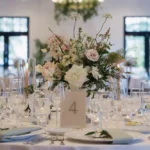
Table linens form the foundation of most décor layouts. They introduce colour and texture while also helping unify tables, chairs, and floral arrangements. Centerpieces provide visual interest at guest tables and can range from floral arrangements and candles to decorative objects that reflect the couple’s style or seasonal setting.
When organizing décor rentals, it helps to create a detailed inventory that lists each item and the location where it will be used. Ceremony aisle markers, welcome signage, directional signs, and decorative accents for lounge areas are often overlooked during early planning. Including these items in the décor plan ensures every part of the venue feels intentional and visually coordinated.
Lighting and Ambiance Rentals for Outdoor Weddings
Lighting plays an important role in shaping the mood of an outdoor wedding, particularly as the event transitions from daytime to evening. Thoughtful lighting design can highlight architectural features, define gathering areas, and create a welcoming atmosphere for guests.
String lights are commonly installed above dining or lounge areas and provide a warm glow that complements outdoor settings. Lanterns placed along pathways or tables add subtle illumination and help guide guests through the venue. Uplighting can accent trees, walls, or tent structures and introduces depth to the evening environment.
Candles or LED lighting elements incorporated into centerpieces also contribute to the overall ambience. Soft lighting at table level creates an intimate dining experience and enhances the visual impact of floral arrangements and décor details.
Practical lighting needs should be considered alongside aesthetic choices. Pathway lighting improves safety as guests move between ceremony and reception areas. Service areas such as catering stations or bars require adequate illumination for staff to work comfortably. Reviewing the lighting plan during venue visits helps ensure fixtures are positioned effectively for both guest comfort and photography.
Choosing Linens, Centerpieces, and Decorative Elements
Selecting linens, centerpieces, and decorative accents begins with establishing a clear design palette. Colours, fabrics, and materials should complement the venue environment and support the overall theme of the wedding.
Table linens are available in a wide range of fabrics and sizes. The fabric weight and length influence how the linens drape across the table and how they appear in photographs. Floor-length linens create a formal appearance, while shorter linens or textured fabrics may suit relaxed outdoor receptions.
Centerpieces help anchor each guest table visually. Seasonal flowers, candles, or decorative objects can be arranged to reflect the style of the event while maintaining comfortable sightlines for guests seated across from one another. Coordinating centerpiece materials with linens, chairs, and surrounding décor helps maintain visual consistency throughout the reception space.
Before finalizing décor selections, confirm fabric care requirements and handling guidelines with the rental provider. Some linen materials require special laundering or pressing to maintain their appearance. Reviewing these details in advance helps prevent unexpected costs and ensures the décor looks polished when the event begins.
Complete Wedding Rental Checklist

A complete wedding rental checklist helps organize all equipment and décor needed for the ceremony, reception, and guest experience. Grouping rental items by category makes it easier to confirm quantities, coordinate deliveries, and ensure every area of the venue is properly prepared. You may also find Event Rental Checklist for Your Santa Barbara Wedding helpful.
The checklist below outlines the most common rental items used for outdoor weddings. For more detail, see our article Ultimate Event Rental Checklist for Ventura & Santa Barbara Weddings.
Ceremony Rentals
These items support the ceremony setup and guest seating.
- Ceremony chairs for all guests
- Reserved seating signs for family rows
- Ceremony arch or arbor
- Aisle runner or decorative aisle markers
- Welcome signage or entrance display
- Small table for ceremony décor or programs
- Sound system and microphone for officiant
Reception Furniture Rentals
Reception furniture creates the dining layout and gathering areas for guests.
- Dining tables
- Cocktail or high-top tables
- Cake table
- Gift table
- Head table or sweetheart table
- Lounge seating or accent furniture
- Dance floor
Seating Rentals
Chairs are required for both the ceremony and reception.
- Ceremony chairs
- Reception dining chairs
- Bar or cocktail chairs
- Vendor seating for photographers, musicians, and planners
- Extra chairs for flexibility during setup
Tent and Structural Rentals
Outdoor weddings often require structural equipment for shelter and layout support.
- Event tent or canopy
- Tent sidewalls
- Tent flooring or subfloor
- Stage or performance platform
- Lighting rigging or support structures
Tabletop and Linen Rentals
These items contribute to both dining service and visual design.
- Table linens
- Napkins
- Table runners or overlays
- Charger plates
- Glassware
- Flatware and serving utensils
- Plates and dinnerware
Lighting and Ambience Rentals
Lighting helps create atmosphere while improving visibility as the event transitions into evening.
- String lights or café lights
- Lanterns
- Uplighting
- Candle holders or LED candles
- Pathway lighting
- Accent lighting for trees or architectural features
Service and Catering Equipment
Catering teams often require additional rental equipment to serve guests efficiently.
- Buffet tables or food service stations
- Bar setup and bar equipment
- Beverage dispensers
- Food warming equipment
- Trash and recycling stations
Additional Event Accessories
These smaller items often complete the guest experience and event layout.
- Directional signage
- Guest book table setup
- Card box
- Coat rack or umbrella stand for weather preparation
- Decorative props or themed elements
Final Planning Tip
After completing the checklist, review each category alongside the venue layout and guest count. This step helps confirm that the correct quantities have been reserved and that every part of the venue, including ceremony areas, dining spaces, and service zones, is properly equipped for the event.
Conclusion
A well-organized wedding rental checklist helps ensure that every part of the event is prepared in advance and that essential equipment is secured before the wedding day. Tables, chairs, tents, linens, lighting, and décor all contribute to creating a comfortable environment for guests while supporting the overall design of the celebration. Careful planning allows couples to estimate quantities accurately, coordinate delivery schedules, and confirm that the venue layout supports both ceremony and reception activities. You may also find Simplify Your Big Day with Our Wedding Planning Checklist helpful.
Reviewing rental needs alongside the guest count, venue layout, and event timeline helps prevent last-minute adjustments and simplifies communication with vendors. Clear planning documents such as floor plans, equipment lists, and delivery schedules allow rental teams, planners, and venue staff to work efficiently during setup.
By preparing a complete checklist and confirming details in advance, couples can focus on the experience of the celebration while ensuring that the event space is fully equipped for a smooth and enjoyable wedding day. Browse tents, dance floors, linens and more for your day on our wedding rentals in Ventura and Santa Barbara page.