
Planning an outdoor event in Santa Barbara offers a unique opportunity to combine scenic coastal views with an open-air guest experience. From beachfront weddings and private parties to corporate gatherings and community events, outdoor venues remain one of the region’s most popular event choices. However, successful execution depends heavily on selecting the right tent rental and preparing for the logistical challenges that come with outdoor environments.
Santa Barbara’s coastal climate creates conditions that require more than simply reserving a tent. Wind exposure, uneven terrain, sun management, guest circulation, permitting requirements, and installation access all influence the type and size of structure needed. A tent that works well for a backyard celebration may not be appropriate for a beachfront reception or a large formal event with catering, staging, and entertainment.
Understanding how tent styles, sizing, weather preparation, and setup logistics affect the overall event experience can help avoid costly issues and improve guest comfort. Working with an experienced local rental provider also simplifies planning by ensuring compliance with Santa Barbara venue requirements and outdoor event regulations.
Why Tent Planning Matters for Santa Barbara Events

Outdoor events in Santa Barbara require careful planning because venue conditions can vary significantly between beachfront properties, wineries, private estates, parks, and commercial event spaces. Tent selection influences not only the event’s appearance but also guest comfort, vendor operations, and overall event efficiency. Factors such as coastal wind exposure, terrain conditions, accessibility, and weather preparation all play a role in determining the right setup.
Investing time in proper tent planning helps reduce operational problems on event day and creates a more organized and comfortable environment for guests. Coordinating early with a professional tent rental provider also helps ensure compliance with local regulations, venue requirements, and safety standards for installation.
Coastal Weather, Wind, and Sun Exposure
Santa Barbara’s generally mild climate makes outdoor events attractive throughout much of the year, but coastal conditions can change quickly. Wind exposure near beaches and open hillside venues can affect tent stability, décor installation, lighting, and guest comfort. Afternoon heat and direct sun exposure may also create challenges for daytime events, particularly during peak summer months.
Selecting the correct tent structure and anchoring method helps reduce weather-related risks. Frame tents are often preferred for locations where staking options are limited, while sidewalls, flooring, and climate-control equipment can improve comfort during temperature fluctuations or windy evening conditions. Planning for weather contingencies early allows event teams to adapt without disrupting the guest experience.
Guest Comfort and Event Flow
Tent planning directly affects how guests move through the event space and how efficiently vendors can operate. A properly sized tent should accommodate seating layouts, catering stations, bars, entertainment areas, and walkways without creating congestion. Insufficient space can negatively impact both comfort and service efficiency, particularly during weddings and large receptions.
Event flow should also account for entrances, emergency exits, accessibility routes, and transitions between dining, dancing, and social areas. Coordinating the layout in advance with the rental provider and other vendors helps prevent operational issues during setup and throughout the event itself.
Why Local Rental Expertise Matters
Local tent rental companies provide valuable knowledge about Santa Barbara venues, permitting expectations, and common site limitations. Coastal venues, wineries, estates, and public event spaces often have different requirements related to access, anchoring, delivery timing, and noise restrictions.
An experienced local provider can recommend tent styles that suit the venue environment while helping coordinate logistics such as site inspections, installation sequencing, and weather preparation. This local familiarity helps reduce delays, improves communication with venues and vendors, and supports a smoother event setup process overall.
Best Tent Types for Outdoor Events
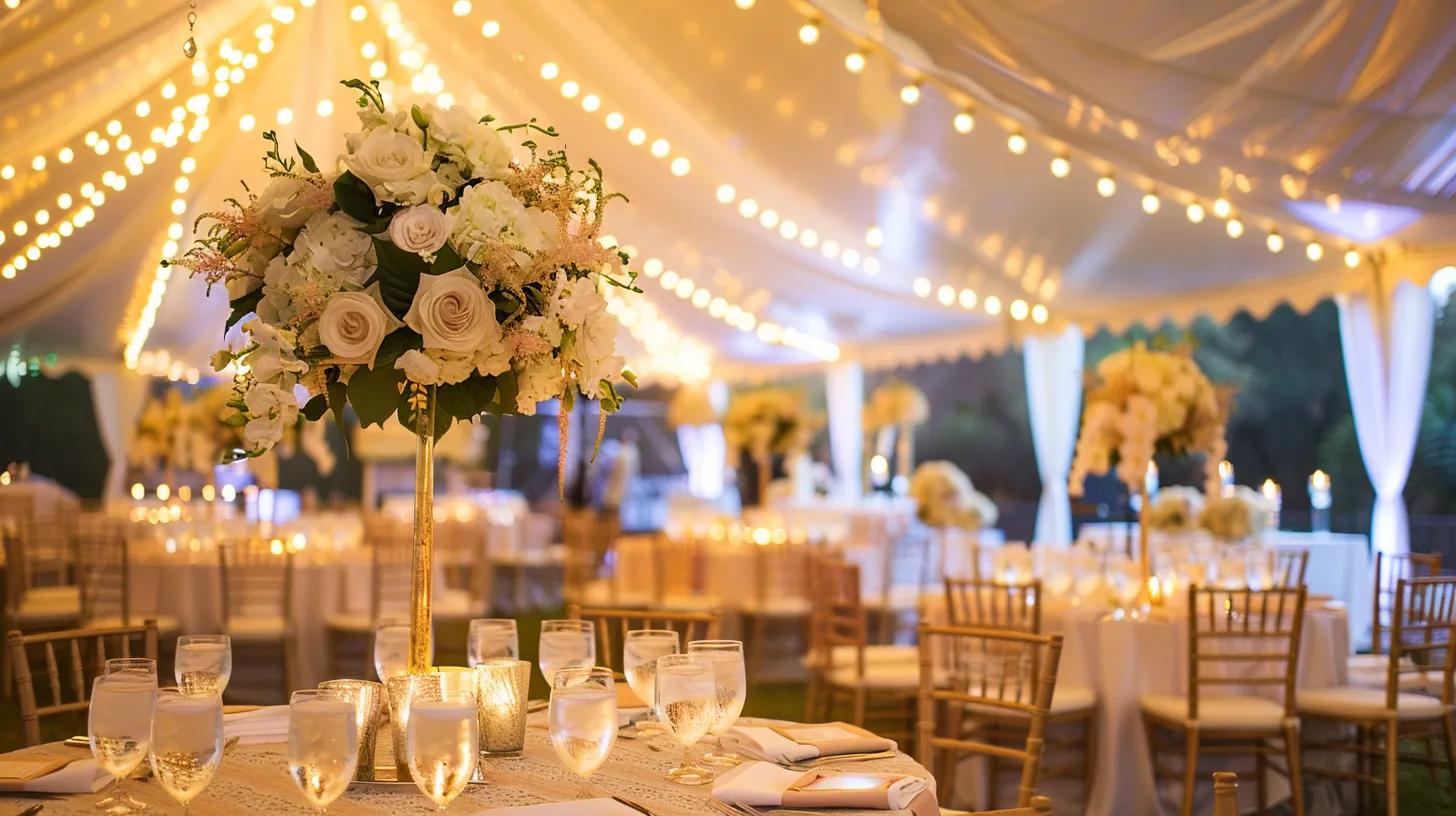
Choosing the right tent type is one of the most important decisions when planning an outdoor event in Santa Barbara. Different tent structures offer varying levels of flexibility, weather protection, visual appeal, and installation requirements. The ideal option depends on factors such as guest count, venue conditions, event style, and available setup space.
Some tent styles are better suited for formal weddings and upscale receptions, while others work well for casual gatherings, corporate events, or smaller private celebrations. Understanding the advantages and limitations of each structure helps event planners select a tent that balances both functionality and aesthetics.
Frame Tents
Frame tents are among the most versatile options for outdoor events because they do not rely on center poles for support. Their structure creates an open interior layout that allows flexible placement of tables, dance floors, stages, bars, and entertainment areas without obstructions.
These tents are especially useful for Santa Barbara venues where staking may be restricted, including paved surfaces, courtyards, wineries, and historic properties. Frame tents can also be installed using ballast systems when ground penetration is limited. Their clean and modern appearance makes them suitable for weddings, corporate functions, and large private events.
Pole Tents
Pole tents are known for their high peaks and elegant appearance, making them a popular choice for traditional outdoor weddings and formal events. The center poles create a dramatic visual profile that works particularly well in open lawn settings and large estate venues.
Because pole tents require staking and tensioning systems, they are best suited for grass or soft-ground installations with adequate surrounding space. While the center poles add visual character, they must also be considered when designing the interior layout to avoid obstructing seating or walkways.
Sailcloth Tents
Sailcloth tents combine the elegance of pole tents with a softer, more refined appearance. Their translucent fabric allows natural light to filter through during the day while creating a warm glow in the evening. These tents are especially popular for upscale coastal weddings and vineyard events throughout Santa Barbara.
The flowing lines and wood support poles create a more organic aesthetic compared to standard event tents. Sailcloth structures work particularly well in scenic outdoor environments where the tent itself becomes part of the event design.
Clear-Top Tents
Clear-top tents provide weather protection while preserving views of the surrounding landscape and sky. These structures are frequently used for evening receptions, luxury events, and venues with scenic ocean, mountain, or vineyard backdrops.
During daytime events, clear-top tents maximize natural light and create an open atmosphere. At night, they enhance lighting effects and allow guests to enjoy the outdoor setting while remaining protected from wind or cool temperatures. Because sunlight can increase heat buildup, additional climate-control planning may be necessary for daytime use.
Canopy Tents for Smaller Gatherings
Canopy tents are practical solutions for smaller events such as backyard parties, family celebrations, vendor booths, and casual outdoor gatherings. Their lightweight design allows for faster setup and more affordable rental pricing compared to larger event structures.
While canopy tents may not offer the same level of weather protection or customization as frame or sailcloth tents, they remain effective for simple layouts and shorter-duration events. They are often used for supplementary coverage areas such as lounges, catering stations, or outdoor bars.
How to Choose the Right Tent Size
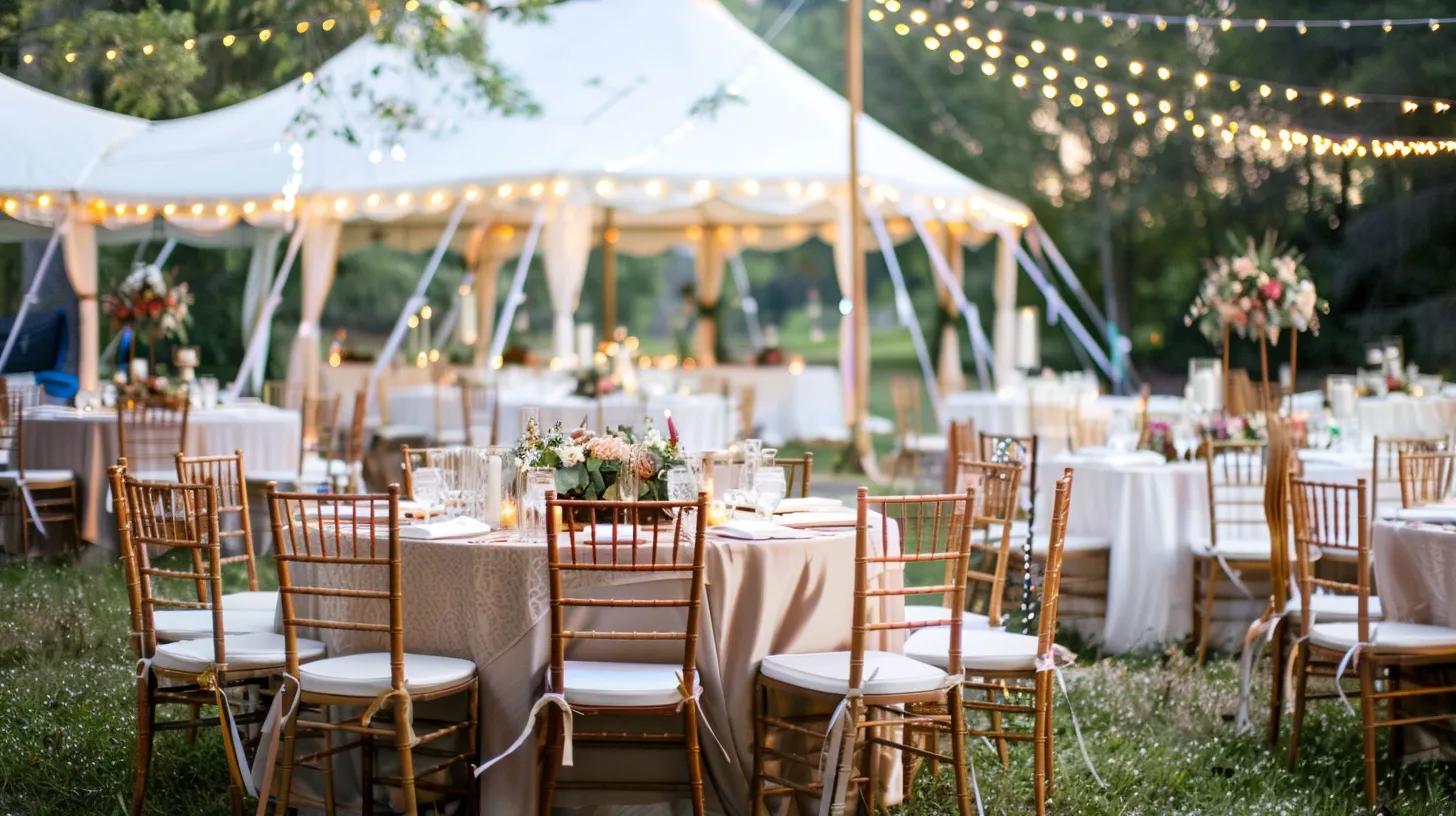
Tent sizing directly affects guest comfort, event flow, and operational efficiency. A tent that is too small can create overcrowding and service delays, while an oversized tent may increase costs unnecessarily and make the event feel less cohesive. Determining the right size requires more than estimating guest count alone.
Event planners should evaluate seating arrangements, catering areas, entertainment spaces, bars, staging, dance floors, and circulation paths when calculating the required footprint. Planning adequate spacing improves movement throughout the event and creates a more comfortable environment for both guests and vendors.
Estimate Space by Guest Count
Guest count serves as the starting point for determining tent size. A commonly used guideline is approximately 10 square feet per person for seated dining events and 5–6 square feet per person for standing cocktail-style receptions. However, these estimates should be adjusted based on the event format and layout complexity.
Formal weddings with plated service, large centerpieces, entertainment stages, and dance floors generally require additional space beyond standard capacity estimates. Building extra room into the layout also improves comfort and prevents congestion near entrances, bars, and service areas.
Account for Seating, Bars, Catering, and Dance Floors
Tent layouts should include all operational areas, not just guest seating. Catering prep stations, buffet lines, bars, DJ booths, stages, lounges, gift tables, and dance floors all require dedicated space within the tent footprint.
Ignoring these support areas can lead to overcrowding and inefficient service flow during the event. Working with the rental provider to review a scaled floorplan helps confirm whether the selected tent size will comfortably accommodate all planned activities.
Standard Tent Size Chart
Tent size charts provide a useful starting point when comparing guest counts with common tent dimensions. Smaller tents may work for intimate gatherings, while weddings and large receptions often require larger footprints or multiple connected structures.
For example, a 20×20 tent may accommodate a small seated gathering, while a 40×60 structure is typically more appropriate for weddings or large corporate events with dining and entertainment areas. Capacity estimates should always be adjusted based on layout complexity and vendor requirements.
When to Choose One Large Tent vs. Multiple Smaller Tents
Some events benefit from using multiple tents rather than a single large structure. Separating dining, dancing, catering, and lounge areas can improve traffic flow while creating distinct event spaces and reducing noise overlap.
Multiple tents may also provide advantages on uneven terrain or venues with limited installation space. However, using several structures can increase setup complexity and may require additional flooring, lighting, or weather protection between areas. Reviewing the site layout with the rental provider helps determine which configuration best supports the event design and logistics.
Site Planning and Setup Logistics
Site planning is essential for ensuring the tent can be delivered, installed, and used safely without disrupting the event schedule. Before confirming a tent rental, the venue should be evaluated for access points, ground conditions, staging areas, nearby structures, and vendor movement. These details help determine which tent type is practical for the location and how much time the installation will require.
In Santa Barbara, outdoor venues can vary widely, from beachfront spaces and private estates to wineries, parks, and paved courtyards. Each setting may require different anchoring methods, delivery arrangements, and coordination with venue managers. Addressing these logistics early helps prevent last-minute setup issues and keeps the event timeline on track.
Site Access and Delivery Routes
Delivery access should be confirmed before the rental date. Installers need clear routes for trucks, equipment, tent frames, fabric panels, flooring, and accessories. Narrow driveways, restricted loading zones, stairs, gates, or uneven pathways can slow installation and may require additional labor or equipment.
Event planners should identify where rental vehicles can park, unload, and stage materials before setup begins. If the venue has specific load-in windows or noise restrictions, those details should be shared with the rental provider in advance.
Ground Conditions and Anchoring Options
The installation surface directly affects tent selection and anchoring. Grass, sand, asphalt, concrete, and uneven terrain each require different setup methods. Traditional staking may work well on lawns, while paved or sensitive surfaces may require ballast weights or other non-invasive anchoring systems.
A site inspection helps determine the safest and most appropriate anchoring approach. It also allows the rental team to identify underground utilities, irrigation lines, slopes, drainage concerns, or restricted areas that could affect installation.
Power, Lighting, and Vendor Coordination
Tent planning should account for lighting, sound systems, catering equipment, climate control, and other power needs. Electrical access should be reviewed early, especially when the event includes heaters, fans, chandeliers, AV equipment, or food service stations.
Vendor coordination is also important. Caterers, florists, DJs, lighting crews, and furniture providers often need access to the tent before guests arrive. Creating a clear setup schedule helps prevent overlap, delays, and congestion during load-in.
Accessibility and Guest Circulation
The tent layout should support safe and comfortable movement for all guests. Walkways, entry points, exits, seating areas, bars, restrooms, and service zones should be arranged to avoid bottlenecks. Accessibility routes should also be considered, particularly for guests using wheelchairs, walkers, or strollers.
For larger events, planners should ensure that ramps, level flooring, and clear pathways are included where needed. Good circulation improves the guest experience while also supporting safety and compliance requirements.
Weather Planning for Santa Barbara Outdoor Events
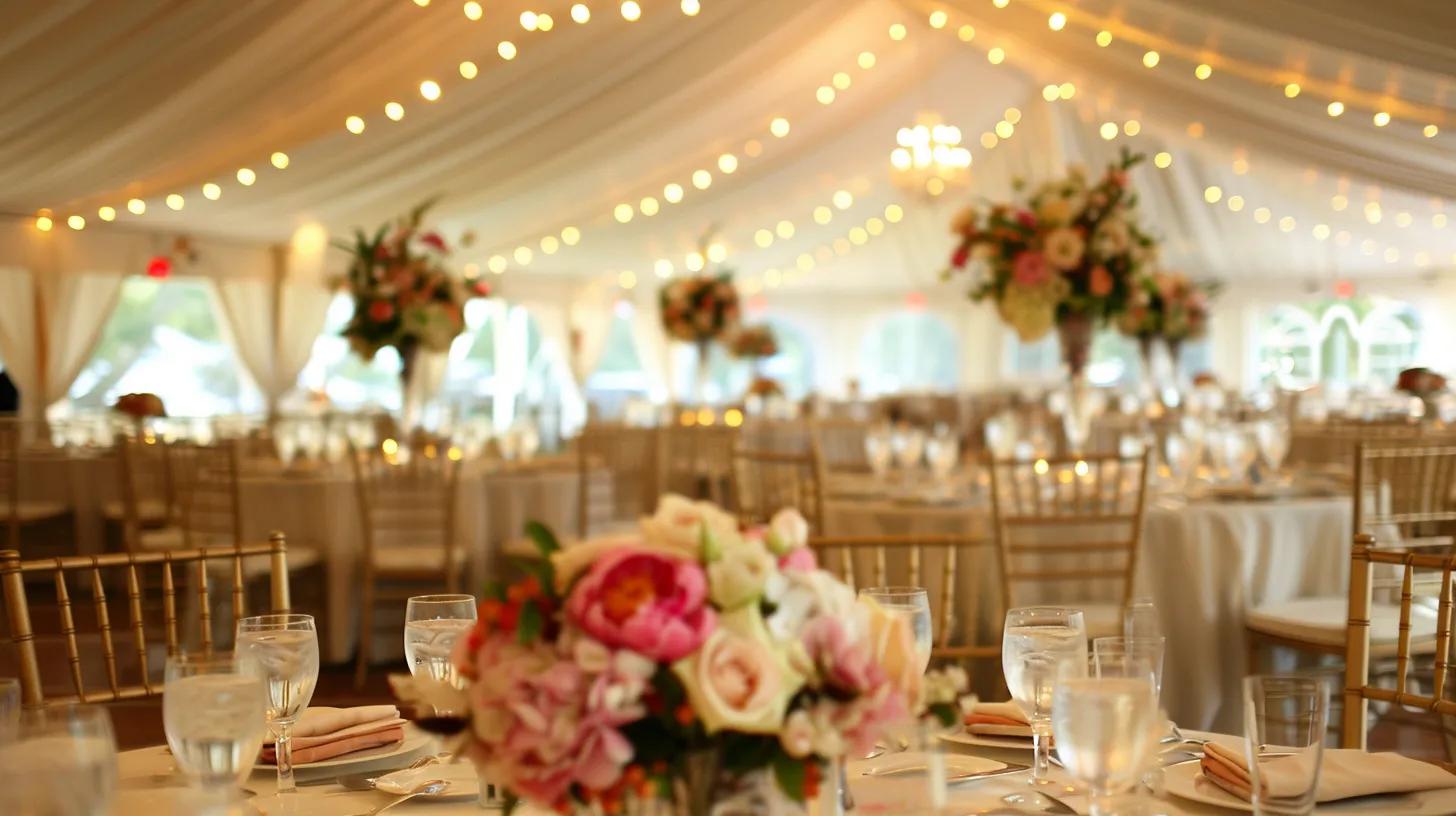
Weather planning is a critical part of any Santa Barbara tent rental strategy. While the region is known for its mild coastal climate, outdoor events can still be affected by wind, marine layer conditions, sun exposure, rain, and temperature changes between afternoon and evening. A tent should be selected and configured with these conditions in mind.
Planning ahead allows event teams to respond quickly if conditions shift. Sidewalls, flooring, heaters, fans, drainage solutions, and backup indoor options can all help protect the event experience. Weather preparation should be discussed with the rental provider before the event date so the right equipment is available if needed.
Wind and Coastal Exposure
Wind is one of the most important weather factors for Santa Barbara outdoor events, especially near beaches, bluffs, open fields, and hillside venues. Strong gusts can affect tent stability, signage, floral installations, lighting, linens, and guest comfort.
The rental provider should recommend a tent structure and anchoring system suited to the site’s exposure level. Sidewalls may help block wind, but they can also change how wind loads affect the structure, so they should be planned carefully with the installation team.
Rain Protection and Drainage
Even when rain is unlikely, contingency planning is important for outdoor events. Tent placement should account for drainage patterns, low spots, and areas where water may collect. Flooring, raised platforms, or temporary ground covering may be useful for events held during wetter seasons.
Sidewalls, gutters between connected tents, and covered walkways can also help protect guests and equipment. If the event includes catering, AV, or electrical components, additional precautions may be needed to keep those areas dry and functional.
Heating, Cooling, and Sidewalls
Temperature can shift noticeably between daytime and evening, particularly at coastal venues. Daytime events may require shade, ventilation, fans, or cooling equipment, while evening receptions may benefit from heaters and sidewalls.
Sidewalls are useful for wind, privacy, and temperature control, but they should be selected based on the event layout and expected conditions. Clear sidewalls can preserve views, while solid sidewalls may provide better privacy and protection.
Backup Plans for Severe Weather
Every outdoor event should have a severe-weather plan. This may include moving certain activities indoors, adding sidewalls, adjusting the floorplan, delaying setup, or modifying entertainment and catering arrangements.
Decision-making authority should be assigned before the event so weather-related changes can be made quickly. The rental provider, venue manager, planner, and key vendors should all understand the backup plan and communication process.
Permits and Safety Requirements
Permits and safety requirements should be reviewed early when planning tent rentals for Santa Barbara outdoor events. Requirements can vary based on the tent size, event location, guest count, electrical setup, heating equipment, and whether the event is held on public or private property. Confirming these details in advance helps prevent delays, added costs, or compliance issues close to the event date.
A professional tent rental provider can help identify which documents, site plans, and safety details may be needed before installation. While specific requirements should always be confirmed with the local permitting office or venue, planners should be prepared to address fire safety, exits, occupancy limits, anchoring, and temporary electrical systems.
When Tent Permits May Be Required
Tent permits may be required depending on the size of the structure, the event location, and how the tent will be used. Larger tents, public events, commercial venues, and installations involving electrical equipment or heating systems are more likely to require review or approval.
Event planners should contact the venue or local permitting authority early to confirm submission deadlines and required documentation. Waiting until the final weeks before the event can create avoidable scheduling problems, especially during peak event seasons.
Fire Safety, Exits, and Occupancy Limits
Fire safety planning is a key part of tented event compliance. Layouts should include clearly marked exits, safe egress paths, appropriate spacing between tables, and unobstructed access for guests and staff. Occupancy limits should also be considered when determining tent size and interior layout.
Depending on the event setup, fire extinguishers, exit signage, flame-resistant tent materials, and fire department inspection may be required. These details should be confirmed before installation so the final layout supports both safety and regulatory compliance.
Electrical and Heating Considerations
Temporary power, lighting, sound equipment, catering equipment, heaters, and fans can introduce additional safety requirements. Electrical cords should be properly routed, protected from foot traffic, and kept clear of wet areas. Generators and heating equipment should be positioned safely and operated according to venue and code requirements.
If the event requires significant electrical service, planners should coordinate with licensed professionals and the rental provider to ensure the tent layout supports safe installation. This is especially important when adding chandeliers, AV systems, food service stations, or climate-control equipment.
Why to Confirm Requirements Early
Early confirmation gives planners enough time to prepare site plans, insurance documents, vendor schedules, and any required permit applications. It also allows the rental provider to recommend the right tent structure, anchoring system, and safety accessories for the venue.
Confirming requirements early reduces the risk of last-minute changes to the layout or installation timeline. It also helps ensure that vendors, venue managers, and rental crews are working from the same approved plan.
Tent Rental Pricing and Package Options
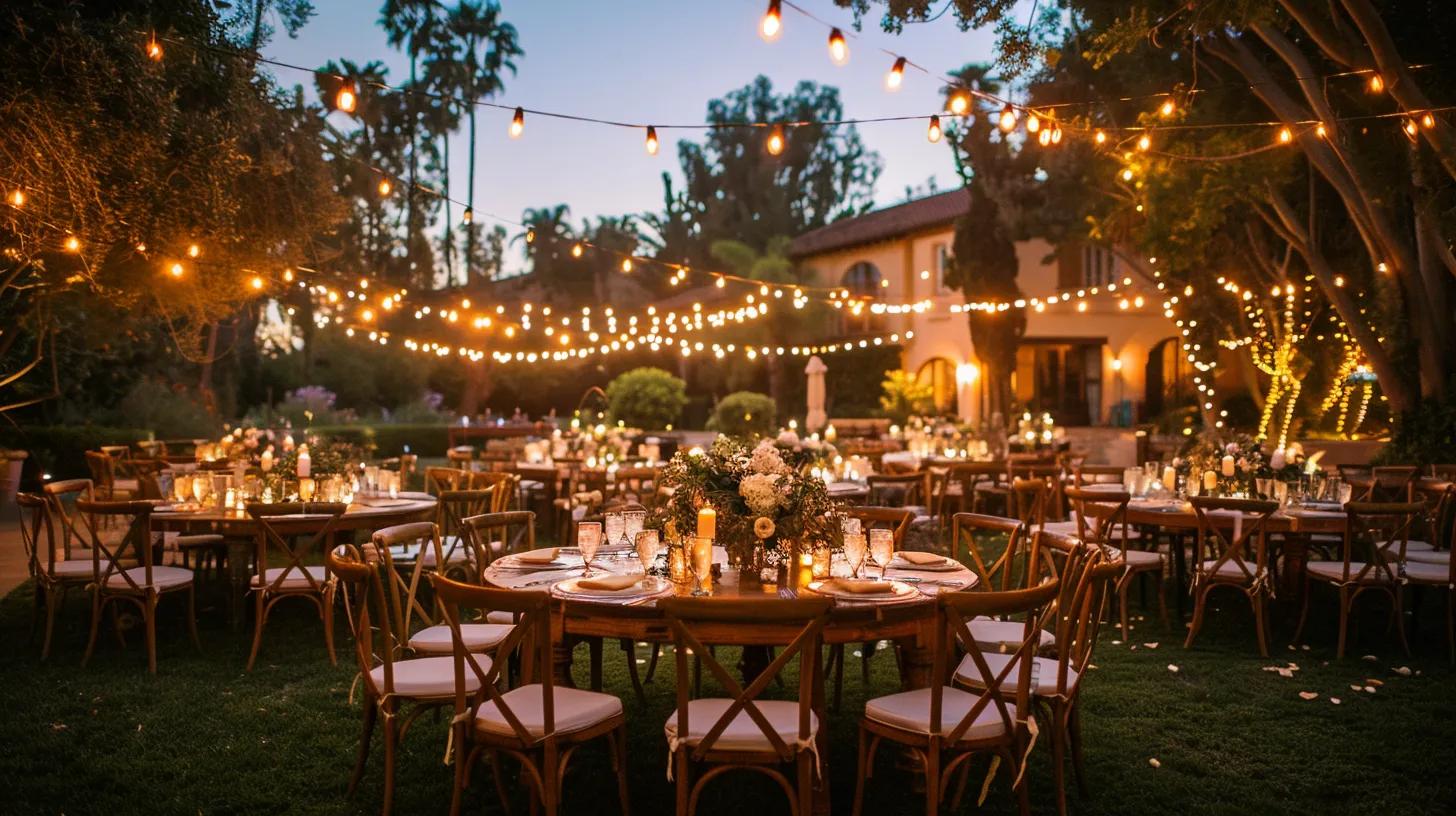
Tent rental pricing depends on several factors, including tent type, size, rental duration, installation complexity, delivery distance, and requested accessories. A basic canopy tent for a small gathering will generally cost less than a large frame, sailcloth, or clear-top tent with flooring, lighting, sidewalls, and climate-control equipment.
Understanding what is included in a quote is essential for comparing rental options accurately. Some companies provide bundled packages that include delivery, setup, and takedown, while others itemize labor, accessories, permits, and add-on services separately. Reviewing these details helps planners manage budget expectations and avoid unexpected costs.
What Affects Tent Rental Pricing
The largest pricing factors are usually tent size, tent style, installation surface, and event duration. Larger structures require more materials, labor, and installation time. Specialty tents, such as sailcloth or clear-top tents, may also cost more because of their design, visual appeal, and setup requirements.
Site conditions can also affect pricing. Difficult access, uneven ground, restricted installation windows, or the need for ballast anchoring may increase labor or equipment costs. Events that require complex layouts or multiple tents may also involve higher setup fees.
Delivery, Setup, and Takedown Costs
Delivery, setup, and takedown services are important parts of the total rental cost. Professional installation helps ensure the tent is assembled correctly, safely anchored, and ready before other vendors begin their work.
Planners should ask whether delivery and takedown are included in the quoted price or listed as separate charges. It is also useful to confirm timing, after-hours fees, weekend surcharges, and whether additional labor is required for difficult access points.
Furniture, Flooring, Lighting, and Décor Add-Ons
Many tent rentals can be customized with furniture, flooring, lighting, drapery, dance floors, staging, heaters, fans, and décor elements. These add-ons can significantly improve guest comfort and event presentation, but they should be included in the budget from the beginning.
Bundled packages may simplify planning by combining the tent with tables, chairs, lighting, and other essentials. However, planners should review each package carefully to ensure it includes the correct quantities, style preferences, and installation services.
How to Compare Quotes Accurately
The best way to compare tent rental quotes is to request itemized pricing. Each quote should clearly show the tent size, tent type, rental period, delivery fees, labor charges, accessories, taxes, damage waivers, and any permit-related costs.
A lower quote may not always represent the best value if it excludes important services or equipment. Planners should evaluate the full scope of each proposal, including installation quality, responsiveness, local experience, and support with site planning.
How Ventura Rental Supports Santa Barbara Events
Working with a local rental provider can simplify the tent planning process and reduce the risk of avoidable event-day issues. For clients planning Santa Barbara Summer Wedding Rentals, Ventura Rental supports events by helping evaluate tent styles, estimate space requirements, review site conditions, and coordinate essential rental equipment. This guidance is especially useful for outdoor venues where weather, access, permitting, and installation requirements can vary.
By partnering with a company familiar with the region, planners can make more informed decisions about tent structure, anchoring, layout, and add-ons. Local expertise also helps streamline communication between the venue, rental crew, and other event vendors.
Local Venue and Permitting Knowledge
Santa Barbara venues often have specific requirements for tent placement, delivery timing, anchoring, noise, and vendor access. A local rental provider can help identify these considerations early so planners are not forced to make last-minute adjustments.
Ventura Rental’s familiarity with regional venues and outdoor event conditions can support a more efficient planning process. Their team can assist with site evaluations, layout recommendations, and coordination details that help align the rental setup with venue expectations.
Tent Style and Equipment Selection
Selecting the right tent involves more than choosing a size. The tent style should match the event’s guest count, venue surface, weather exposure, and overall design goals. Ventura Rental can help clients compare options such as frame tents, sailcloth tents, clear-top tents, and canopy tents based on the event format.
In addition to tents, event planners may need tables, chairs, flooring, lighting, heaters, fans, staging, or décor. Coordinating these rentals through one provider can simplify logistics and create a more cohesive event environment.
Layout Planning and Vendor Coordination
A well-planned layout improves guest flow and helps vendors operate efficiently. Ventura Rental can assist with reviewing tent footprints, seating arrangements, service areas, entry points, and entertainment zones before installation begins.
This planning also helps coordinate with caterers, florists, DJs, lighting teams, and venue staff. When vendors understand the approved layout and setup schedule, load-in is more organized and the event space is easier to manage.
Professional Delivery, Setup, and Takedown
Professional installation is essential for safety, appearance, and schedule reliability. Ventura Rental can coordinate delivery, setup, and takedown services so the tent is properly installed and ready for the rest of the event buildout.
Clear setup and removal timelines help reduce conflicts with other vendors and venue operations. After the event, organized takedown ensures equipment is removed efficiently while minimizing disruption to the property.
Frequently Asked Questions
Frequently asked questions help address common concerns before clients request a quote or finalize their event rental plan. For Santa Barbara tent rentals, most questions involve timing, sizing, weather preparation, setup services, and related rental equipment. Providing clear answers helps planners understand what to expect and what details they should confirm early.
These answers can also help clients prepare more accurate information before contacting Ventura Rental, including guest count, event location, date, layout needs, and preferred tent style.
How Far in Advance Should I Book a Tent Rental?
It is best to book a tent rental as early as possible, especially for weddings, corporate events, and peak-season dates. A general planning window of 8 to 12 weeks is often recommended, though larger or more complex events may require additional lead time.
Booking early improves access to preferred tent sizes, styles, installation crews, and add-on equipment. It also allows time for site visits, layout planning, permit review, and coordination with other vendors.
What Size Tent Do I Need for 100 Guests?
The right tent size for 100 guests depends on the event format. A seated dinner generally requires more space than a standing reception. As a starting point, planners should estimate about 10 square feet per person for seated dining and 5 to 6 square feet per person for standing events.
Additional space should be added for bars, buffet tables, dance floors, stages, catering areas, and walkways. For a 100-guest wedding or formal reception, a larger tent may be needed to keep the layout comfortable and functional.
Do Tent Rentals Include Setup and Breakdown?
Many professional tent rentals include setup and breakdown, but the details should always be confirmed in the quote. Installation requirements can vary depending on tent size, site access, anchoring method, and event location.
Clients should ask whether delivery, labor, setup, takedown, and after-hours removal are included or billed separately. Clear confirmation prevents unexpected charges and helps the full event schedule run more smoothly.
What Happens If the Weather Changes?
Weather changes should be addressed through a contingency plan before the event date. Depending on the forecast, planners may add sidewalls, flooring, heaters, fans, drainage protection, or covered walkways.
For severe weather, the event team should know whether activities can move indoors or whether the layout needs to be modified. Ventura Rental can help identify weather-related rental options and recommend practical adjustments based on the venue and event setup.
What Equipment Should I Rent with My Tent?
Common tent rental add-ons include tables, chairs, linens, lighting, flooring, dance floors, staging, heaters, fans, generators, and décor elements. The right equipment depends on the event type, guest count, season, and venue amenities.
Planners should also consider practical needs such as power distribution, cable management, trash areas, catering access, and restroom proximity. Reviewing the full event plan with the rental provider helps ensure the tented space is complete, comfortable, and ready for guests.
Conclusion
Choosing the right tent rental is one of the most important steps in planning a successful outdoor event in Santa Barbara. The tent affects guest comfort, event flow, weather protection, vendor setup, and the overall appearance of the space. By considering the venue, guest count, layout, weather conditions, permits, and rental package options early, planners can avoid common issues and create a more reliable event experience.
Ventura Rental can help simplify this process by providing local guidance, tent recommendations, equipment options, and professional setup support. Whether the event is a wedding, private party, corporate gathering, or community celebration, careful planning ensures the tented space is functional, attractive, and ready for guests.