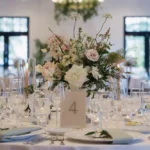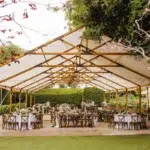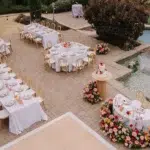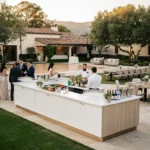

Planning a tented event for 50–200 guests in California means making clear choices about footprint, guest circulation, and rental accessories so everyone stays comfortable and service runs smoothly. This practical guide walks through tent sizes, seating templates, and site-specific notes for weddings, corporate events, festivals, and private parties across Southern California. You’ll learn which tent dimensions match common guest counts, how to arrange seating and key zones for clear sightlines and flow, which tent styles suit different event types, and two local case studies that show these principles in action. Ventura Rental Party & Events is mentioned here as a local partner for tenting, flooring, staging, lighting, and curated decor — we also offer complimentary consultations to fine-tune layouts for your site. The page moves from size guidance and a quick capacity chart to accessory checklists, style comparisons, and short case studies, with practical sizing phrases like tent layout ideas 50 to 200 guests and what size tent do I need for 100 guests used to guide action-oriented planning.
Good event planning—no matter the size—starts with the right program inclusions and smooth guest flow.
Optimizing Event Flow for Diverse Guest Counts
Whether you’re hosting thousands or a few dozen, the objective is the same: tailor the program and flow to the crowd. Recommended inclusions and circulation patterns change with scale, so plan accordingly.
The business of event planning: behind-the-scenes secrets of successful special events, 2010
What Tent Sizes Are Ideal for 50 to 200 Guests in California Events?
Pick a tent size by matching guest count to square footage, circulation needs, and accessory space. Correct sizing avoids cramped seating and undersized service zones. For seated dinners, budget roughly 10–12 square feet per guest and add separate space for a dance floor or buffet; cocktail receptions typically need 6–8 sq ft per person but more open circulation. Below is a short checklist of common setups to review before the detailed capacity table and layout options.
- Seated dinner (full service): Plan about 10–12 sq ft per guest to allow room for tables, aisles, and brief service stations.
- Cocktail or standing reception: Allow 6–8 sq ft per guest and add cluster seating for comfort.
- Seated with dance floor and stage: Allocate an extra 400–600 sq ft for a modest dance floor and performance area for bands or DJs.
The table below pairs common tent footprints with guest counts and layout notes so you can visualize how footprint choices translate on-site.
This quick capacity chart makes it easier to judge seat counts, dance-floor sizing, and catering lanes—and to decide whether a frame tent, sailcloth, or clear span will meet your needs. If you want hands-on sizing advice, Ventura Rental Party & Events offers tent options and sizing consultations to match footprint to guest count and site constraints.
Confirming a site’s suitability and matching tent capacity to guest numbers is a vital planning step.
Temporary Event Site Suitability and Tent Capacity
A framework was proposed to assess site suitability for temporary events, using data to recommend when multiple tents or larger footprint solutions are required for bigger gatherings.
Principles of Designing Temporary Event and Activity Sites in Egypt
How to Choose Tent Dimensions for 100 Guests in Southern California
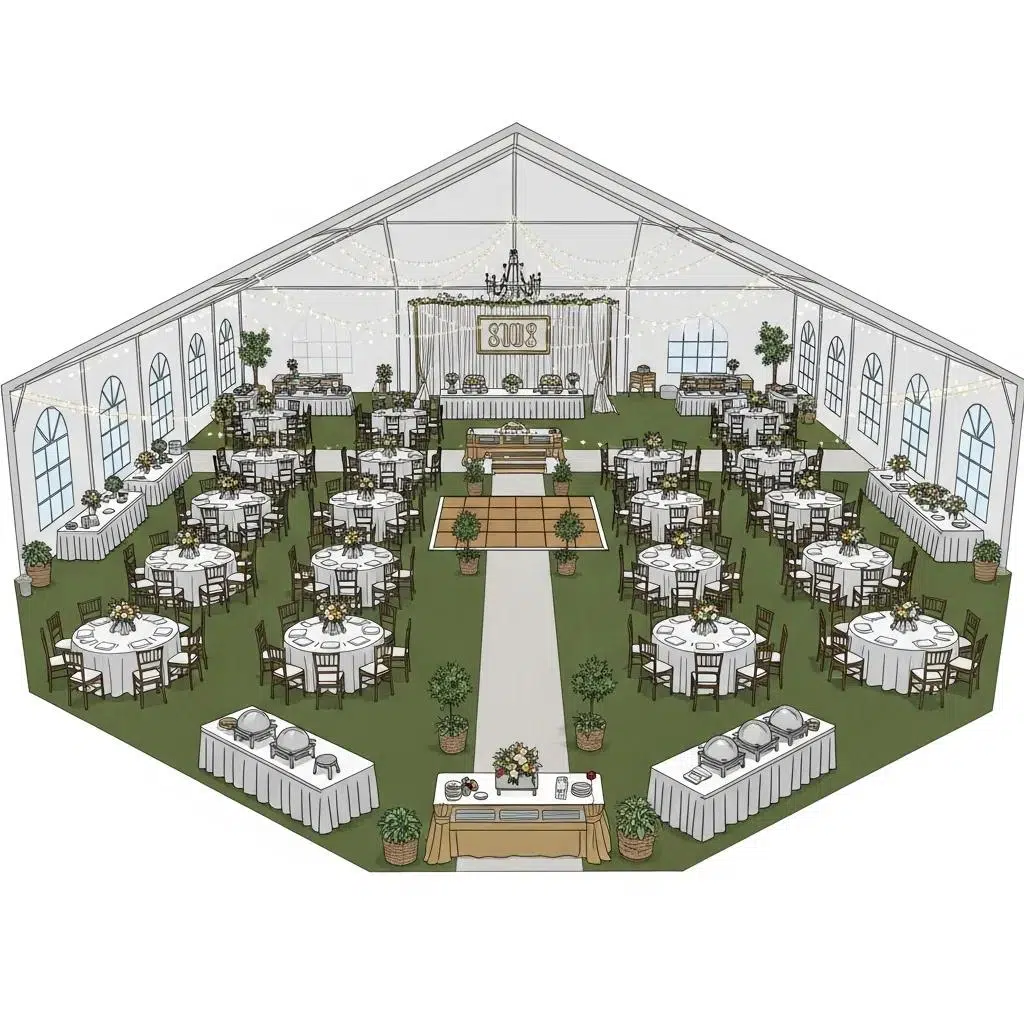
For 100 guests you’ll often start with a 40′ x 60′ frame tent (about 2,400 sq ft). That footprint typically holds ten 60″ rounds seating eight each, a central aisle, a 16′ x 20′ dance floor, and a narrow buffet or beverage station without crowding the dining area. Local factors—coastal breeze, sun angle, slope—may mean adding sidewalls, raised flooring, or extra headroom under a sailcloth peak to improve ventilation and shade for daytime events. We use these trade-offs to finalize exact table layouts and accessory placement so circulation stays smooth.
Recommended Tent Sizes for 150 and 200 Guest Events
At 150 guests, a 45′ x 84′ frame or clear span tent (≈3,780 sq ft) lets you run banquet seating, a larger dance floor, and a stage or AV platform without blocking service lanes. For 200 guests, consider a 45′ x 104′ sailcloth or a modular clear span system for roomy, unobstructed interiors that support multiple buffets, bigger staging, and lounge areas. Large events often require dedicated flooring sections and extra HVAC or ventilation to keep guests comfortable across California’s microclimates. These choices also guide accessory and logistics planning—power placement, vendor access, and local permitting for marquees. Read more in Tent Rentals in Ventura County: Local Guide to Sizes, Styles & Pricing.
Beyond pure square footage, the tent’s layout and comfort level determine how guests experience the event.
Enhancing Tent Functionality and Guest Comfort
Examining tent layouts helps improve both usability and the feeling of comfort inside the tent. Even modest changes to circulation and zoning can noticeably affect guest experience.
The factors affecting to the functionality and cosiness of the tent in Jyväskylä Festival, 2013
How Should You Arrange Seating and Key Areas Inside Event Tents?
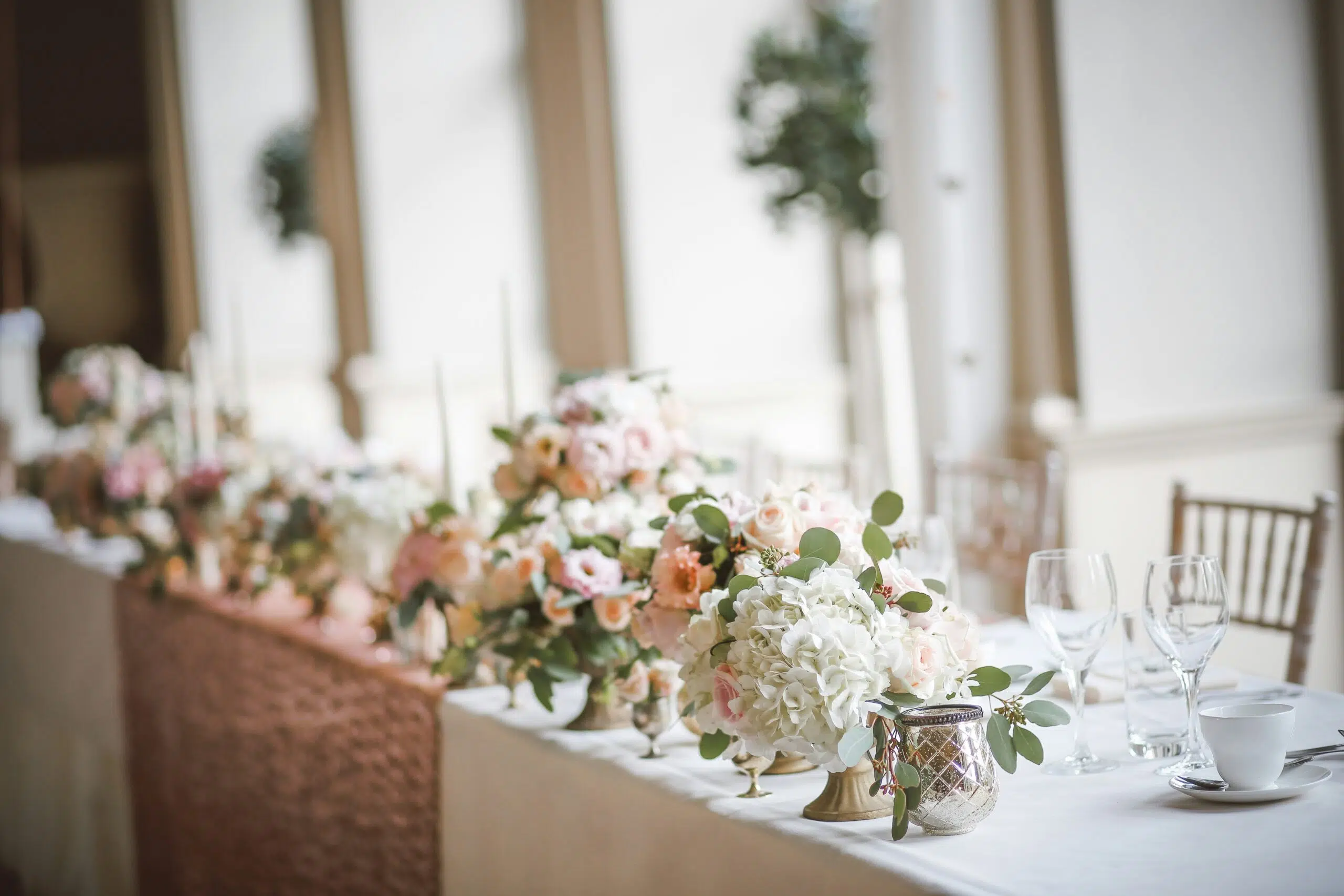
Start with sightlines, guest flow, and service efficiency. A successful layout keeps the focal area visible while preserving clear circulation for staff and guests. First define primary zones—dining, stage/dance, bar/service, and lounge—then map paths that avoid bottlenecks at entrances and service points. The checklist below summarizes placement rules that protect sightlines, speed service, and improve vendor access.
- Define the focal axis: Set the stage or head table opposite the main entrance so most guests have an unobstructed view.
- Protect service lanes: Leave at least 4–6 feet behind buffer tables for catering setup and vendor movement.
- Distribute bars and buffets: Keep bars off main aisles and add secondary beverage stations to reduce lines.
Accessories—flooring, staging platforms, and lighting grids—can change circulation and sightlines, so review them early. Ventura Rental Party & Events supplies flooring, staging, lighting, and furniture rentals and will coordinate placements during a complimentary consultation to ensure dance floors, stages, and bars fit the tent geometry and service flow.
What Are Effective Seating Arrangements for Wedding and Corporate Tents?
Seating should reflect the event’s goals. Round tables encourage conversation—ideal for weddings—while banquet or theatre rows maximize capacity for corporate presentations. For weddings, eight-person 60″ rounds create intimacy and typically use 10–12 sq ft per guest. For corporate events, banquet or theatre seating reduces per-guest area but requires stricter aisle planning for egress and AV sightlines. Aim for 4–6 feet for main aisles and 2.5–3 feet for secondary paths, and let seating choice guide where to place dance floors or projection screens.
How to Integrate Dance Floors, Stages, and Bar Areas in Tent Layouts
Use simple rules of thumb so entertainment and service don’t interfere with dining. Place the dance floor near—but not directly in front of—the stage so performers have space and speakers don’t block views. Position bars around the perimeter with 8–12 feet of queuing and flow-around space; for larger receptions add a satellite bar to split demand. Provide backstage or vendor access at one or both ends of the stage for smooth load-in and uninterrupted performances—these placement choices affect tent footprint and accessory rental needs. Read more in Perfect Tent Rentals in Ventura for Holiday Celebrations.
Which Tent Styles Best Suit Different California Event Types?
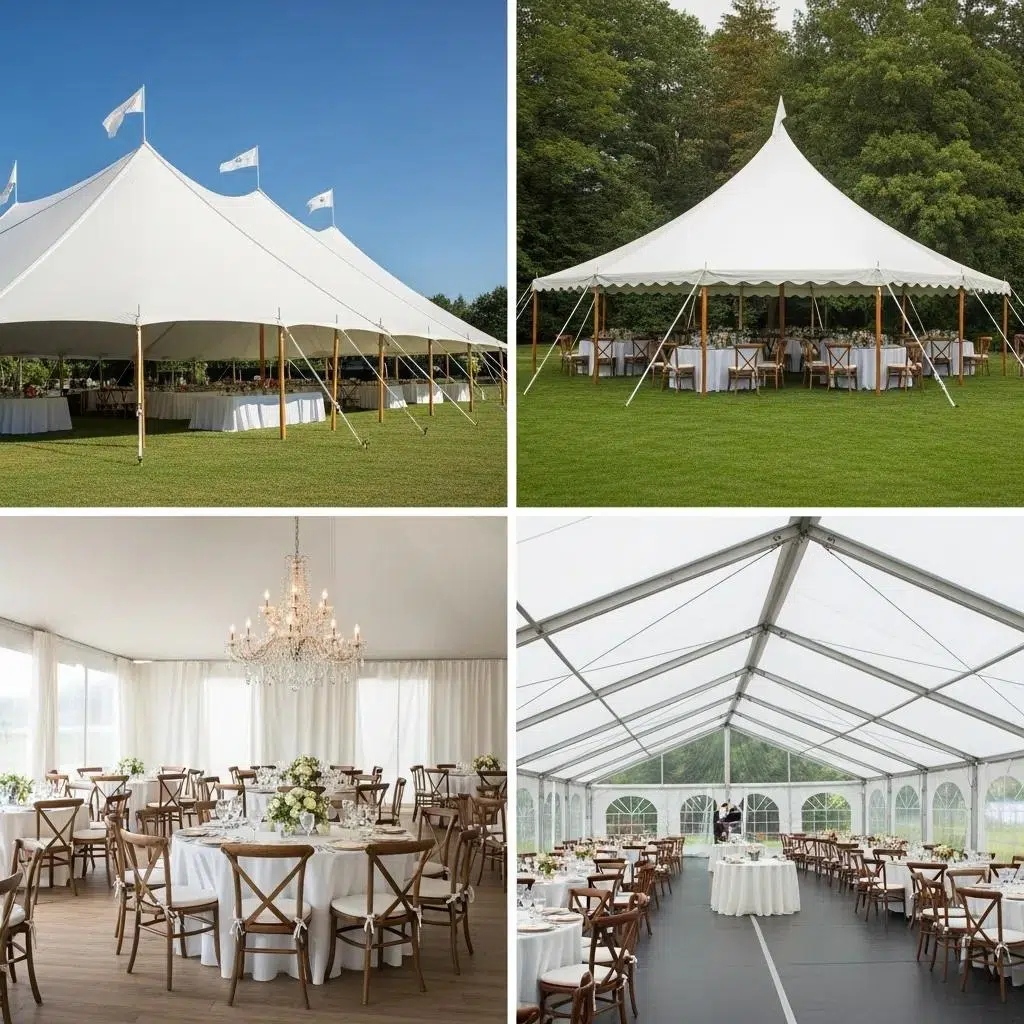
Choosing a tent style—sailcloth, frame, or clear span—affects aesthetics, interior obstructions, and installation requirements. Match site conditions and event goals: sailcloth brings classic peaks and natural light for scenic weddings; frame tents work well where stakes aren’t allowed or on tighter sites; clear span systems give large, unobstructed interiors for AV-heavy corporate events. Below are quick decision points to help match style to event intent. For more detail, see our article Outdoor Corporate Event Rentals in Ventura County: Shade, Tents & Layout Tips.
- Sailcloth Tent: Peaked, elegant look with soft daylight—perfect for weddings on scenic sites.
- Frame Tent: Flexible footprints and easier setup on paved or lawn surfaces; ideal for private parties and shorter rentals.
- Clear Span Tent: Wide clear interiors and high load capacity for rigging—best for corporate shows and festivals.
The brief comparison table below summarizes benefits and considerations for each style to help you apply the right choice to your event.
What Are the Benefits of Sailcloth, Frame, and Clear Span Tents?
Sailcloth tents create an airy, romantic envelope that flatters photos and daylight; frame tents are useful where ground penetration is restricted; clear span systems give the most usable interior volume for stages and exhibitions. Each style requires trade-offs: sailcloth needs proper anchoring and grading, frame tents offer flexible anchoring on hard surfaces, and clear span installations need heavier equipment but deliver unobstructed space. Weigh these trade-offs early so you can specify lighting grids, drapery, flooring, and HVAC for guest comfort.
How to Match Tent Styles to Weddings, Corporate Events, and Festivals
Match tent style to the event’s purpose: choose sailcloth for romantic weddings with scenic views; pick clear span for corporate events that demand AV load-in and open sightlines; select frame tents for neighborhood festivals or private parties on mixed surfaces. Pair each style with appropriate decor and rentals—sailcloth works well with suspended lighting and natural drapery, clear span needs professional rigging and stage planning, and frame tents benefit from quality linens to soften interiors. Planning these pairings early helps identify necessary accessories like flooring, power distribution, and climate control to keep guests comfortable and the design cohesive.
What Are Real California Event Examples Showcasing Tent Layouts for 50–200 Guests?

Local examples show how footprint, style, and accessories come together. The two short case notes below highlight setup choices, the reasoning behind them, and practical takeaways you can apply to similar properties or guest counts.
- Wedding in Ventura County (100 guests): A 40′ x 60′ frame tent hosted ten 60″ rounds, a 16′ x 20′ dance floor, and a peripheral lounge; sectional flooring defined circulation and a single buffet line reduced congestion.
- Corporate Event in Los Angeles (150 guests): A clear span 45′ x 84′ footprint supported theatre-style seating, a raised AV stage with side wings, and a separate catering prep area to preserve front-of-house flow.
Below are two concise case descriptions with practical lessons and an invitation for planners who want tailored support.
If you’d like a custom layout or a complimentary consultation to match tent style and accessories to your California site, Ventura Rental Party & Events offers hands-on planning and design expertise. We can prepare quotes and coordinate rentals for tents, flooring, staging, lighting, linens, furniture, and tabletop items to support your guest count and event goals. We cover this further in Crafting Your Tent Layout for Maximum Engagement.
Frequently Asked Questions
What factors should I consider when selecting a tent style for my event?
Think about the event’s purpose, the site, and the look you want. Sailcloth tents are great for weddings because of their peaks and natural light. Frame tents work where stakes or ground penetration aren’t possible. Clear span tents are best for large events that need rigging or unobstructed interiors. Also check wind exposure, ground stability, and any venue rules before you decide.
How can I ensure my tent layout accommodates all necessary services?
Start by mapping key zones—dining, service, entertainment—and reserve service lanes of at least 4–6 feet. Give bars and buffets clear flow-around space and locate vendor entrances to avoid crossing guest paths. A rental partner can help place flooring, power, and staging so service runs efficiently.
What are the best practices for lighting in tented events?
Combine ambient, task, and accent lighting. String lights or chandeliers create warm, inviting light; spotlights or uplighting highlight stages and tables. Make sure paths and exits are well lit for safety. A lighting specialist can tailor a plan that suits your tent style and event mood.
How do weather conditions affect tent planning in California?
California’s microclimates matter: coastal breezes, inland heat, and sudden gusts can all influence tent choice and accessories. For hot days, add ventilation, shade, or fans; in windy sites choose sturdier tent systems and proper anchoring. Always plan contingencies like extra heating or cooling to keep guests comfortable.
What are the advantages of using a rental service for tent events?
Rental companies provide a range of tent styles and sizes, expert consultations, and coordination of delivery, setup, and takedown—saving you time and stress. They also supply essentials like flooring, lighting, and furniture so your event looks cohesive and runs smoothly.
How can I create a comfortable atmosphere for guests in a tented event?
Give guests enough space to move, define zones with flooring, and use climate control suited to the season. Thoughtful decor, layered lighting, and accessible restrooms and refreshment stations all add to guest comfort. Small details—well-placed lounge seating, shaded drink stations—make a big difference. When your date and guest count are set, request a rental quote from our team.
Conclusion
Choosing the right tent layout for your California event improves guest comfort and service flow. With clear sizing guidance and practical layout tips for 50–200 guests, you can shape an event that looks great and functions well. For personalized help, reach out to Ventura Rental Party & Events for expert guidance, site planning, and complete rental coordination. Start planning today and let us help you turn these ideas into a confident, buildable plan. Browse frame, pole and clear-top options in our tent and canopy rental catalog.