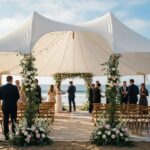

Winter in Los Angeles still requires planning. The right climate-control plan keeps guests comfortable, protects vendors and equipment, and keeps your timeline on track. This guide lays out practical climate-control strategies for LA winter events: why temperature control matters, how different heaters and cooling options perform in tents and open-air setups, fan and circulation tactics, and a simple step-by-step checklist for planning. You’ll see how heater types behave in enclosed versus open settings, when portable AC or dehumidifiers are useful, and which safety and permitting items take priority. Clear comparisons, easy-to-scan tables, and decision lists make matching equipment to tent size, guest count and power or fuel availability straightforward. If you want a partner to execute the plan, Ventura Rental Party and Events—serving planners since 1978 with full tenting, staging and event inventory—offers consultations, equipment quotes and layout support to make it happen.
Why Is Climate Control Essential for Los Angeles Winter Events?
Climate control for LA winter events means managing temperature, humidity and airflow so guests stay comfortable and operations remain predictable. Targeted heating or dehumidification reduces cold spots and condensation that can shorten an event or disrupt vendors. The immediate wins are happier guests, fewer food-safety headaches for caterers, and a lower chance of last-minute schedule changes. Below are the core benefits to prioritize during early planning.
Key benefits of event climate control in LA winter include:
- Better guest comfort — people stay longer and enjoy the experience more.
- Protection for food, AV, and décor from cold or damp conditions.
- More reliable timing — fewer weather-driven delays or changes.
- Improved vendor working conditions, which helps service quality.
- Reduced condensation and slip hazards for a safer event site.
These points underline why climate control belongs in your initial site and tenting conversations and lead naturally into how tent heating improves comfort and safety.
How Does Tent Heating Improve Guest Comfort and Safety?
Tent heating evens out interior temperatures by adding controlled warmth and encouraging air movement, which cuts down cold layers and localized chills. That reduces surface condensation and lowers the chance of slippery floors or moisture damage to linens and electronics. For safety, modern heaters offer oxygen-depletion sensors and auto shutoffs to minimize combustion risks; proper ventilation and placement are essential to prevent exhaust buildup. Planning for tent heating early ensures heaters integrate cleanly with flooring, staging and electrical plans so you avoid last-minute compromises.
Knowing these operational details helps planners balance heater types and safety features against tent size and enclosure style.
What Are the Key Benefits of Outdoor Event Climate Control in LA?
Outdoor climate control buys you more usable hours for ceremonies and receptions by offsetting evening chills and localized microclimates near the coast or in canyons. It helps keep guests on-site longer by maintaining thermal comfort, which improves perceived value and satisfaction. For caterers and vendors, steady temperature and humidity control supports food safety and protects sensitive equipment. Those operational benefits translate to smoother timelines and fewer weather-related contingencies.
These advantages set the stage for choosing the right equipment — covered next in the heater types and specifications section.
What Types of Event Heaters Are Available for Winter Rentals in Los Angeles?

Event heaters for winter rentals fall into a few practical groups defined by power source, output and use case. Heaters warm by convection, infrared radiation or forced air; the best choice depends on how tight the enclosure is, what power or fuel you can provide, and how close guests will be to the heat source. The table below helps you match heater types to tent sizes and typical uses, followed by safety guidance and sizing suggestions for common tents.
Common heater types and suitability:
- Propane patio heaters — ideal for open-air or partially open tents where fuel access is straightforward.
- Electric forced-air heaters — a good fit for enclosed tents with stable power and proper ventilation.
- Infrared tube heaters — provide silent, directed radiant heat for large tents, stages or ceremony aisles.
The table below compares typical heater types so you can choose by BTU/kW and tent layout.
This comparison highlights the trade-offs between fuel logistics and electrical requirements and leads into practical rental recommendations.
Which Heaters Are Best for Tent Heating Rental in LA?
For partially open tents and patio receptions, propane patio heaters are efficient — high BTU output without heavy electrical needs. For fully enclosed tents or venues with stricter indoor-safety rules, electric forced-air units are preferable when circuits are available because they avoid combustion and ventilation concerns. Infrared tube heaters are great where you want directed warmth with minimal air movement, such as ceremony aisles or vendor stations; they pair well with pedestal fans to improve distribution. Plan heater counts by square footage and guest density — a rough guideline is one unit per 200–400 sq ft depending on output and layout to achieve even warmth.
These recommendations feed directly into the safety feature and permitting choices discussed next.
How Do Safety Features Impact Heater Rental Choices?
Built-in safety features — tip-over shutoffs, auto pilot extinguishers, oxygen-depletion sensors and thermal cutoffs — determine where heaters can be placed inside tents and what clearances are required from fabrics, flooring and décor. They also influence whether an operator or dedicated monitoring is needed during the event. Local permits and inspections may require specific safety gear or certified operators for fuel-burning units in enclosed structures. Choosing heaters with modern safety interlocks reduces operational risk and simplifies compliance during setup and operation.
Understanding these requirements early helps you decide between propane and electric options and plan staffing and placement for event day.
How Can Portable Air Conditioning and Fans Enhance Outdoor Event Comfort in Los Angeles?
Cooling and airflow complement heating plans during transitional LA weather by controlling humidity and breaking up heat pockets caused by crowds or sunlight. Portable AC (spot coolers and packaged units) remove heat and moisture from enclosed tents while fans keep air moving to prevent stratification. The right mix depends on internal heat load, tent insulation and available power; the table below maps common cooling equipment to scenarios and power needs.
Intro to cooling equipment comparison:
Use this table to decide when dehumidification or active cooling is necessary for guest comfort and vendor needs.
When Is Portable AC Rental Recommended for Winter or Transitional Events?
Bring portable AC when internal heat sources — large crowds, kitchens, lighting or AV gear — push temperatures or humidity above comfort even with cool outdoor air. AC is also necessary where food-safety rules demand strict temperature control or where sensitive electronics need stable conditions. For well-insulated or fully enclosed tents, expect to include AC or dehumidification to prevent dampness and equipment issues during long events. Assess guest density, insulation and schedule timing to decide whether cooling is a practical addition.
Spot coolers and packaged units require different power planning; identifying triggers early helps budget and avoid surprises.
What Types of Event Fans Are Ideal for Air Circulation and Comfort?
Fans improve perceived comfort by increasing air movement and evening out temperatures without heavy power use. Pedestal fans provide localized relief, axial fans move large volumes for whole-tent turnover, and misting fans add evaporative cooling in dry areas. Place fans to create cross-flow (intake on one side, exhaust on the opposite) to reduce dead zones and condensation. Balance noise, power draw and appearance when choosing fans for ceremony spaces versus back-of-house zones.
Thoughtful circulation reduces load on heaters or AC and supports a safer, more comfortable event.
How Do You Plan Effective Climate-Control Solutions for Los Angeles Winter Events?

Effective planning follows a simple sequence: assess → select equipment → place units → test. Tie tent dimensions, guest counts and site infrastructure to operational outcomes before committing. Start with accurate tent dimensions and attendee profiles, then confirm power and fuel logistics before choosing heaters or AC. The planning table below links key factors to recommended actions so you can brief vendors and prepare permits with confidence.
Planning factors and recommended actions:
This checklist makes the link between planning choices and equipment selection clear and helps streamline on-site setup.
What Factors Should You Consider When Choosing Heating and Cooling Equipment?
Key considerations include tent geometry and ceiling height, insulation, guest profile, vendor heat loads, and available power or fuel logistics. Each affects capacity calculations: tall, poorly insulated tents need more output or radiant heat; dense guest lists increase circulation needs. Also factor in noise limits, visual impact and fuel or generator placement routes. Addressing these items up front avoids on-site improvisation and keeps systems safe and effective.
These considerations are why we recommend engaging a rental partner early to create detailed equipment plans and accurate quotes.
How Can Ventura Rental’s Expert Consultation Help Optimize Your Event Comfort?
Ventura Rental Party and Events provides experienced consultations that review tent layouts, match heating and cooling equipment to site constraints, and deliver a coordinated equipment plan and quote. Our teams advise on layout, specs, integration with tenting and flooring, and the permitting and safety steps you’ll need. Planners who request a consultation get a clear equipment plan that balances comfort, cost and compliance. To move from plan to execution, request a quote or schedule a complimentary layout consultation with Ventura Rental Party and Events to align inventory and logistics.
We turn the planning checklist into a practical on-site solution that lowers operational risk and improves guest experience.
Frequently Asked Questions
What are the common challenges faced during winter events in Los Angeles?
Common challenges include temperature swings between day and night, humidity that can affect food and gear, and unpredictable microclimates near the coast or in canyons. Cold evenings can make guests uncomfortable, while damp conditions can threaten AV and linens. Power availability for heating and cooling equipment also complicates logistics. Thoughtful climate-control planning addresses these issues up front.
How can I ensure the safety of heating equipment at my event?
Choose heaters with safety features like tip-over shutoffs, oxygen-depletion sensors and thermal cutoffs. Keep required clearances from fabrics and decorations, ensure proper ventilation, and follow local codes. Regular inspections and trained staff or an operator on-site help catch issues quickly. When in doubt, consult your rental partner for compliant placement and operation plans.
What factors influence the choice between propane and electric heaters?
Key factors are site type, power availability and permitting. Propane works well outdoors or in semi-open tents where refueling is simple; electric units are preferable in sealed, indoor-style tents if you have the circuits. Propane requires ventilation and monitoring for combustion concerns; electric heaters remove those concerns but need adequate electrical infrastructure.
How do I determine the right number of heaters for my event?
Consider tent size, ceiling height, guest count and activity. A general guideline is one heater per 200–400 sq ft depending on unit output and guest density. For precise needs, run a heat-load calculation that factors in insulation, occupancy and equipment to ensure even coverage.
What are the benefits of using fans in conjunction with heating equipment?
Fans distribute heat more evenly, preventing cold spots and reducing condensation. They improve perceived warmth through airflow so you don’t need to overheat the space. Fans also help control humidity and protect sensitive equipment by keeping air moving.
When should I consider using portable air conditioning for winter events?
Consider portable AC when internal heat sources (crowds, kitchens, lighting or AV) push temperatures or humidity above comfort, or when food-safety rules demand tight temperature control. Enclosed, well-insulated tents often need dehumidification or AC during long events to prevent dampness and equipment issues.
How can I effectively plan for climate control at my event?
Start with tent dimensions and a realistic guest profile, then check power capacity and fuel logistics. Choose equipment based on those factors, plan placement for circulation and safety, and run a test before guests arrive. Involving a rental partner early speeds up equipment selection, permit prep and on-site setup.
Conclusion
Good climate control makes winter events in Los Angeles more comfortable, safer and more predictable. With the right mix of heaters, fans and cooling equipment — and proper planning — you’ll protect guests, vendors and your timeline. If you want experienced help, Ventura Rental Party and Events can build the equipment plan, handle logistics and support permits. Request a consultation today to get a tailored quote and a site-ready layout.