
Large outdoor weddings can feel impressive, open, and visually beautiful, but they also need smaller spaces where guests can settle in and connect. When a wedding takes place across a lawn, courtyard, coastal property, garden venue, private estate, or tented reception area, the layout can feel expansive. Lounge furniture helps bring that scale down by creating comfortable gathering points throughout the event.
A well-placed lounge area gives guests a place to sit, talk, enjoy a drink, and take a break from the main reception flow. It can soften open spaces, make the event feel more personal, and create natural moments of connection between ceremony, cocktail hour, dinner, and dancing.
For couples and planners working on a large outdoor wedding, lounge furniture rentals can be one of the most effective ways to make the event feel warm, styled, and guest-friendly without overfilling the space. The key is choosing the right furniture mix, placing lounge areas where guests will use them, and making each setup feel connected to the full wedding design.
Why Large Weddings Need Smaller Lounge Moments
Large weddings often have multiple areas for guests to move through: ceremony seating, cocktail hour, dinner tables, the bar, the dance floor, photo areas, and open outdoor spaces. Without smaller gathering points, guests may feel like they are constantly standing, walking, or searching for a comfortable place to pause.
Lounge areas solve that problem by creating smaller destinations within the larger event. They help guests feel more at ease and give the wedding layout a more intentional rhythm. Instead of one large open reception area, the event begins to feel like a collection of well-designed spaces that serve different parts of the guest experience.
Lounge Areas Make Big Spaces Feel More Personal
Outdoor wedding venues often have generous footprints. A large lawn, estate property, or courtyard can be beautiful, but it may need furniture to make the space feel complete. Sofas, chairs, rugs, ottomans, and accent tables help create defined areas where guests can gather naturally.
These smaller lounge moments make the event feel more personal. They give guests a sense of place within the larger celebration and help the venue feel styled rather than empty. A lounge area can also add softness to open outdoor spaces that might otherwise feel too wide or undefined.
Lounges Give Guests a Place to Rest Between Event Moments
Weddings involve movement. Guests arrive, walk to the ceremony, stand during cocktail hour, sit for dinner, move toward the bar, and gather near the dance floor. A lounge area gives them a comfortable place to pause between those moments.
This is especially helpful for guests who may not want to stand for long periods or stay near the dance floor all night. Comfortable lounge seating allows them to remain part of the celebration while taking a break from the more active areas of the event.
Lounge Spaces Encourage Natural Conversation
Lounge furniture creates a different type of interaction than formal dining tables. Sofas, accent chairs, ottomans, and coffee tables invite guests to sit in smaller groups, turn toward one another, and talk more easily.
For large weddings, this matters. Guests may be reconnecting with family, meeting new people, or moving between friend groups. Lounge spaces give them a relaxed setting for conversation without pulling them away from the energy of the event.
Where to Place Lounge Areas at a Large Wedding
Lounge placement determines whether guests will actually use the furniture. A lounge should be visible, inviting, and easy to access, but it should not block dining tables, service paths, bar lines, or the dance area. The best placement feels natural within the flow of the event.
For large outdoor weddings, it is often better to create several smaller lounge areas instead of one oversized seating section. This gives guests more opportunities to use the spaces throughout the evening and keeps the full layout from feeling too concentrated in one area.
Near Cocktail Hour for Early Guest Gathering
Cocktail hour is one of the best places to introduce lounge seating. Guests are often standing, holding drinks, greeting one another, and waiting for the reception to begin. A lounge area gives them a comfortable place to sit without creating a formal dining environment too early.
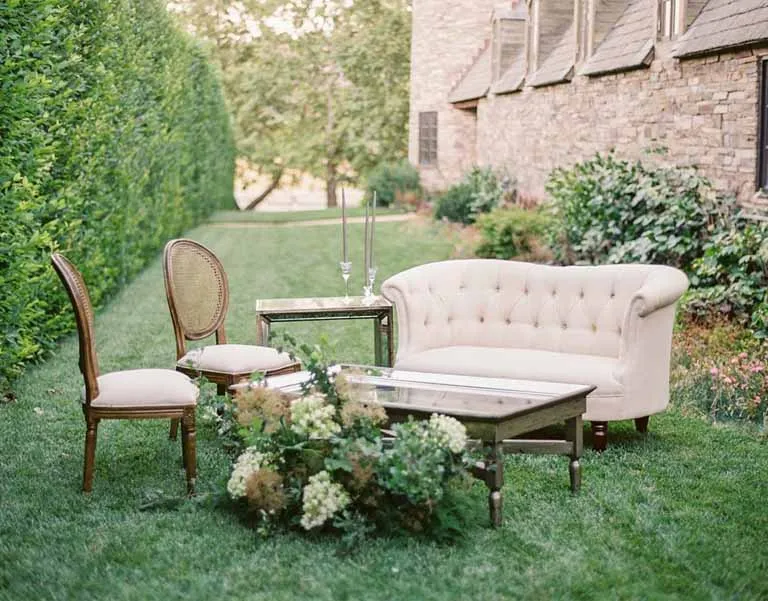
A cocktail-hour lounge may include a sofa, a few chairs, side tables, and a rug to define the space. It should be close enough to the bar and passed appetizers to feel convenient, but not so close that it becomes crowded by service traffic.
Beside the Dance Floor Without Crowding It
A lounge near the dance floor can be useful later in the evening. Guests who want to stay close to the music but take a break from dancing can sit nearby without leaving the reception area.
The key is to leave enough space around the dance floor so the lounge does not interfere with movement. The lounge should support the energy of the dance area, not compete with it. A few well-placed seating pieces can create a comfortable edge around the party without making the layout feel tight.
Near the Bar for a Social Seating Zone
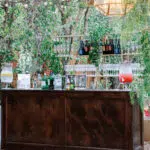
Guests naturally gather near the bar, so a nearby lounge can work well when the layout allows it. This creates a social zone where guests can get a drink, sit for a few minutes, and continue talking without drifting away from the event.
Bar-adjacent lounges are especially helpful at larger weddings where the reception area is spread across multiple zones. They keep guests engaged and prevent the bar area from feeling like a standing-only space.
In Quiet Corners for Conversation
Not every lounge needs to sit near the busiest part of the wedding. A quieter lounge area can be valuable for older guests, family members, or anyone who wants a conversation-friendly place away from music and foot traffic.
These quieter corners should still feel connected to the celebration. A lounge that is too hidden may go unused, but a lounge placed slightly away from the main activity can create a welcome retreat while still feeling part of the wedding.
Choose Lounge Furniture That Fits the Wedding Setting
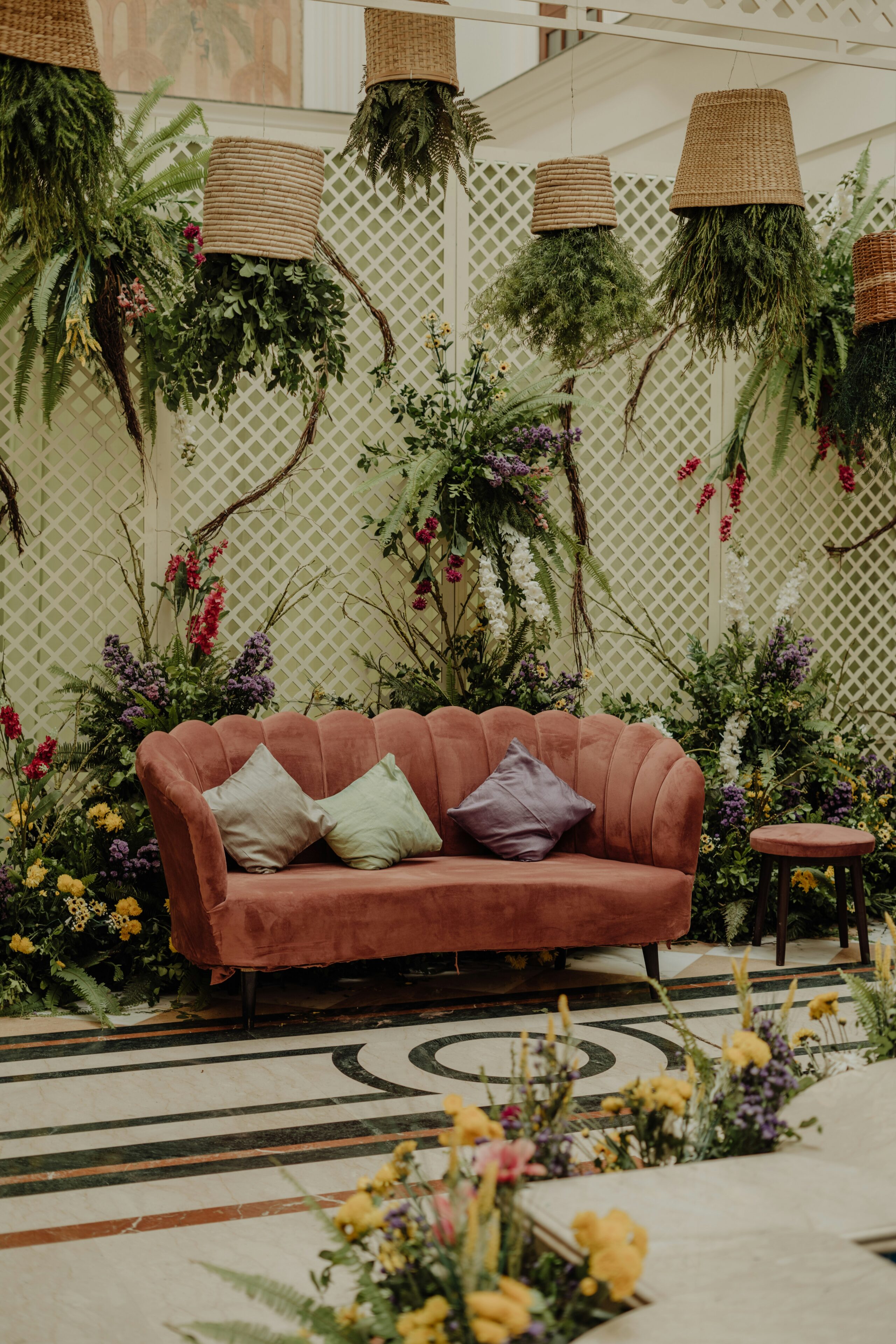
The right lounge furniture should feel natural in the venue. A coastal wedding may call for a lighter, more relaxed look. A garden wedding may benefit from softer textures and romantic details. A private estate or vineyard-inspired celebration may work well with warmer tones, wood accents, and layered seating.
The goal is not to fill every empty space with furniture. The goal is to create lounge areas that feel purposeful, comfortable, and visually aligned with the wedding design.
Sofas and Chairs for Comfortable Seating Groups
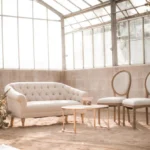
Sofas and chairs form the foundation of the lounge. A sofa can anchor the setup, while accent chairs create balance and make the arrangement feel conversational. For larger weddings, multiple seating groups can be used throughout the venue to create smaller guest experiences.
A strong lounge grouping usually gives guests a clear place to sit without making the area feel too formal. The furniture should be arranged so guests can face one another, set down drinks, and move in and out of the space easily.
Coffee Tables and End Tables for Function
Coffee tables and end tables are essential for lounge usability. They give guests a place to set drinks, small plates, phones, programs, or personal items. Without tables, a lounge may look attractive but feel incomplete once guests begin using it.
These tables also help define the center of the lounge. A coffee table between sofas and chairs creates a natural focal point, while end tables add convenience at the edges of the seating group.
Rugs and Pillows to Define the Lounge
Rugs and pillows help a lounge area feel finished. A rug can visually separate the lounge from the surrounding lawn, patio, tent, or courtyard, making the furniture feel like a complete zone rather than separate pieces placed outdoors.
Pillows add comfort, color, and texture. They can also help tie the lounge area into the wedding palette without overwhelming the overall design. When used thoughtfully, soft goods make the space feel more inviting and intentional.
Accent Pieces That Match the Wedding Style
Accent pieces can give a lounge more character. Depending on the wedding design, this may include decorative tables, shelving, small display pieces, floral accents, or a nearby bar element that complements the seating area.
The best accent pieces support the lounge rather than clutter it. Each item should have a purpose, whether it adds function, completes the visual style, or helps connect the lounge to the broader wedding design.
Create Lounge Clusters Instead of One Large Seating Area
For large outdoor weddings, one oversized lounge can feel less effective than several smaller clusters. Multiple lounges give guests more choices and help distribute comfort throughout the event space. They also make a large venue feel more layered and usable.
Lounge clusters can support different moments of the wedding. One area may serve cocktail hour, another may sit near the dance floor, and another may offer a quieter space for conversation. This approach makes the overall layout feel more thoughtful.
Use Multiple Lounge Zones for Larger Guest Counts
A wedding with a larger guest count may need more than one lounge area. If all the lounge furniture is grouped in one place, guests on the opposite side of the event may never use it. Smaller zones placed strategically throughout the venue can serve more guests and make the event feel more balanced.
These zones do not need to match exactly. They should feel related, but each one can have a slightly different purpose based on its location within the event.
Mix Seating Types for a More Natural Feel
A lounge feels more inviting when it includes a mix of seating. Sofas, armchairs, ottomans, benches, and side tables can create a layered look that feels collected rather than rigid.
Mixing seating types also gives guests options. Some may prefer a sofa, while others may choose a chair or ottoman for a shorter conversation. This variety helps the lounge feel relaxed and useful throughout the wedding.
Keep Each Lounge Group Easy to Enter and Exit
A lounge should be easy to approach. Guests should not have to squeeze between furniture, move chairs, or step around décor to sit down. The arrangement should create an open entry point and enough space for movement around the seating.
This is especially important outdoors, where guests may be walking on grass, gravel, patio surfaces, or under a tent. The lounge should feel comfortable from the moment guests walk toward it.
Avoid Overfilling the Space
More furniture does not always create a better lounge. Overfilled spaces can feel crowded, especially when guests are holding drinks, wearing formal attire, or moving between event zones.
A better approach is to choose fewer pieces and arrange them well. A balanced lounge should have enough seating to feel useful, enough table space to function, and enough open area to feel relaxed.
Planning Lounge Areas for a Summer Wedding
For couples and planners working on a large outdoor wedding, lounge areas can help break an expansive venue into smaller, more inviting spaces. They give guests comfortable places to talk, relax between activities, and enjoy the celebration away from the main dining or dance areas.
For couples planning summer weddings in Santa Barbara, coordinating lounge furniture with tents, lighting, tables, flooring, and other rentals can help every guest area feel connected.
Match Lounge Areas to the Flow of the Wedding Day
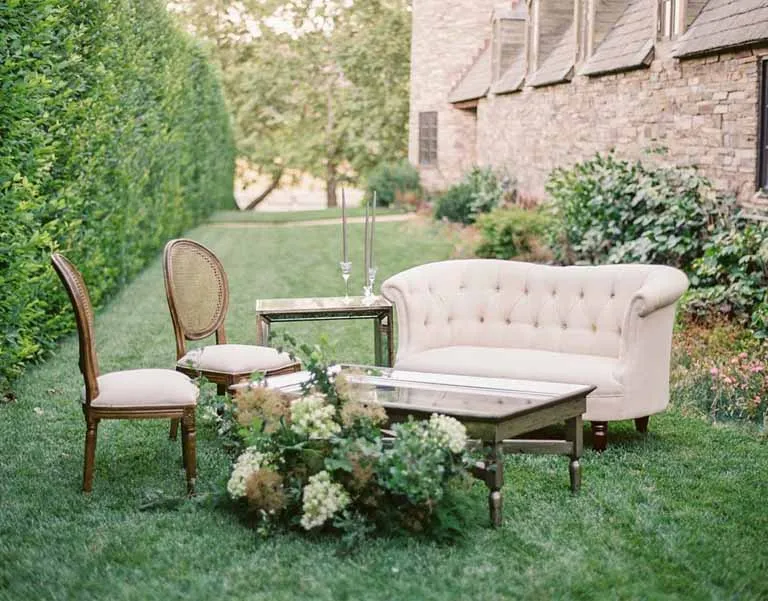
A lounge area may serve different purposes throughout the wedding. During cocktail hour, it may give guests a place to sit while they mingle. During dinner, it may be a quiet place for guests to step away briefly. Later in the evening, it may become a rest area near the dance floor or bar.
Thinking through the wedding timeline helps determine where lounge furniture should go and how each setup should be arranged.
Lounge Seating During Cocktail Hour
Cocktail hour often includes standing, walking, and conversation. Lounge seating gives guests a place to settle without making the event feel too formal. This is useful for guests who prefer not to stand the entire time and for groups who want a more relaxed place to gather before dinner.
A cocktail-hour lounge should be close enough to the action to feel social. If it is placed too far from the bar or appetizer service, guests may not use it as naturally.
Lounge Areas During Dinner and Toasts
During dinner, lounge areas should remain available without pulling attention away from the seated meal. They may be used by guests who step away briefly, parents with children, or guests who need a quieter seat between courses.
The lounge should not interfere with service paths or block views of important moments. Its role during dinner is supportive, giving guests an additional place to pause without disrupting the reception flow.
Lounge Spaces During Dancing and Late Evening
Later in the evening, lounge spaces often become more active. Guests use them to rest between dances, gather near the bar, or stay close to the celebration without standing the entire time.
A lounge near the dance area can help keep guests engaged. Instead of leaving the reception space when they want a break, guests can sit nearby and remain part of the energy.
Style Lounge Spaces for Outdoor Wedding Settings
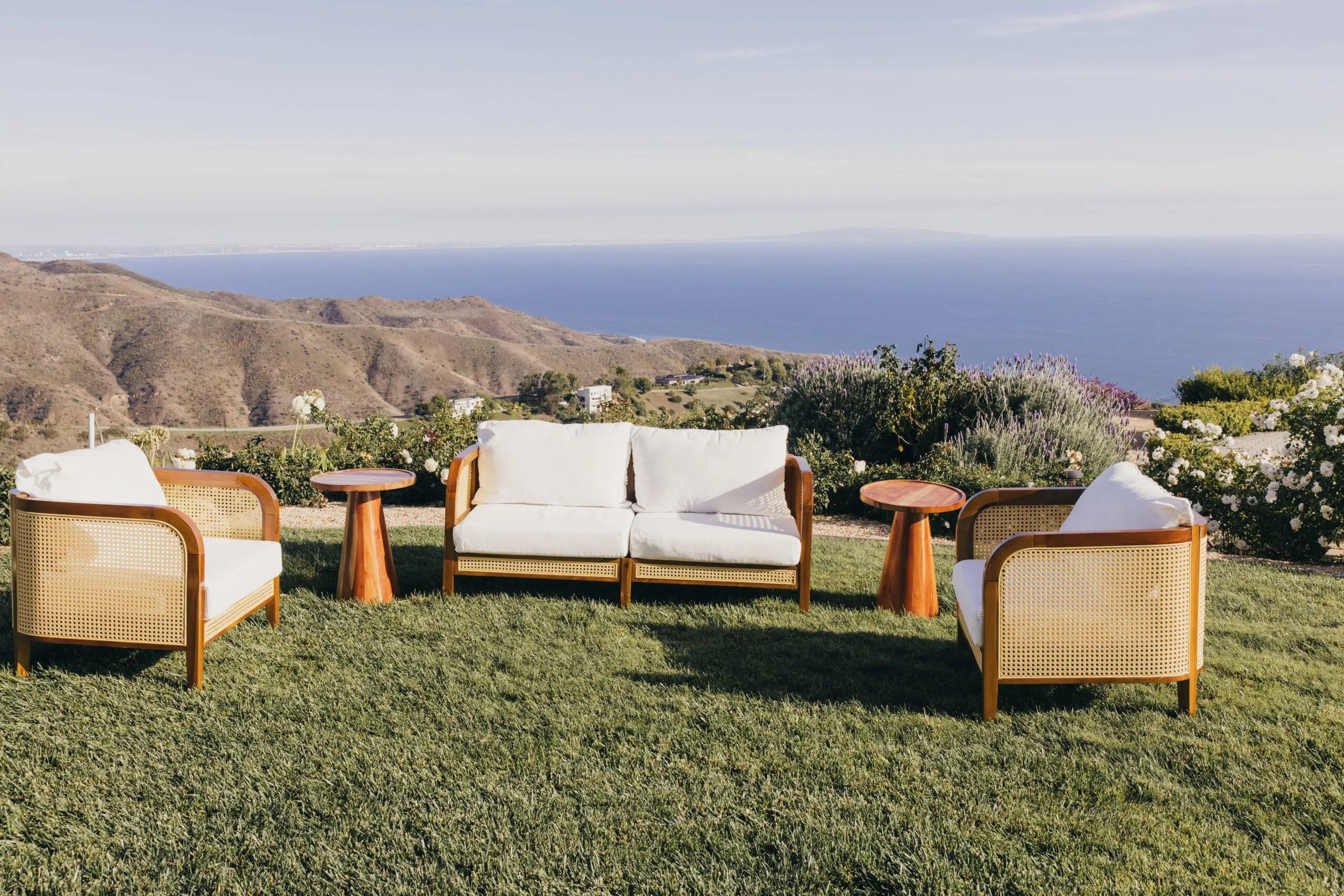
Outdoor weddings have strong visual settings, so lounge furniture should complement the environment. The furniture should feel connected to the venue rather than placed on top of it. Coastal spaces, garden venues, private estates, vineyards, courtyards, and tented receptions each call for a slightly different approach.
The best lounge design works with the setting’s natural strengths. It should add comfort and style without overwhelming the landscape or competing with the wedding’s main design elements.
Coastal Wedding Lounges
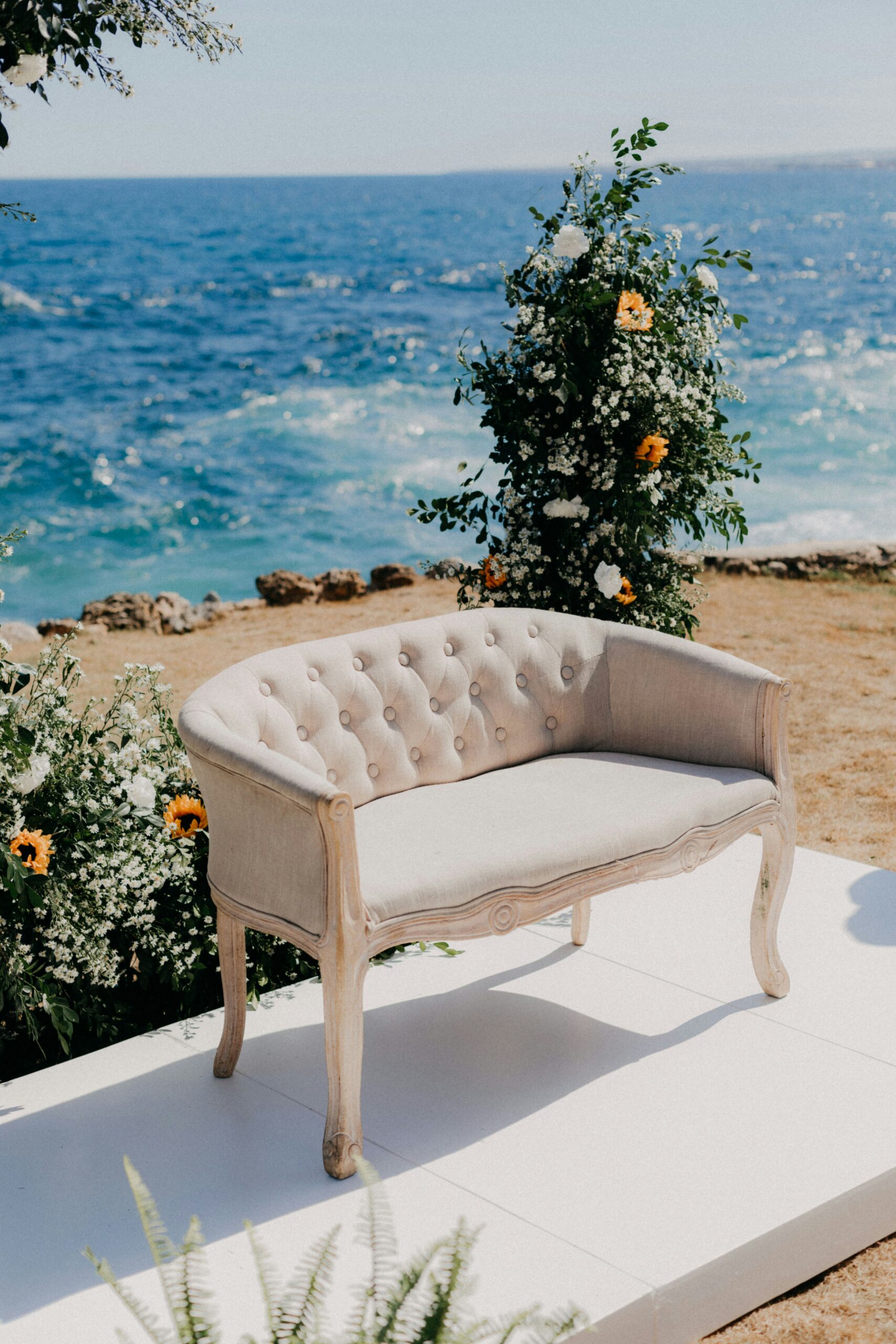
For coastal and beach-adjacent weddings, lounge areas often work best when they feel light, relaxed, and open. Softer textures, airy layouts, and comfortable seating can complement the oceanfront atmosphere without making the setup feel too heavy.
Placement matters in coastal settings. A lounge can frame a view, support cocktail hour, or create a comfortable place for guests to gather as the event moves from daylight into evening.
Garden and Estate Wedding Lounges
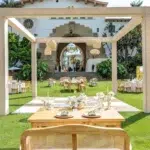
Garden and estate weddings often have open lawns, courtyards, pathways, and architectural details that can be enhanced with lounge furniture. A lounge can soften a broad lawn, create a conversation area near the reception, or add comfort to a courtyard setting.
In these spaces, rugs, pillows, coffee tables, and accent chairs can help make the lounge feel like an outdoor room. The furniture should work with the existing landscape and help guests feel settled within the larger property.
Vineyard-Inspired Wedding Lounges
Vineyard-inspired weddings often benefit from warm textures, natural tones, and relaxed seating arrangements. A lounge area can add comfort to the reception while supporting the easy, open feel of a wine-country setting.
Wood accents, soft seating, and low tables can help create a welcoming atmosphere. The lounge should feel polished but not overly formal, giving guests a comfortable space to enjoy the setting.
Tented Outdoor Wedding Lounges
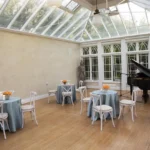
A tented wedding already has a defined structure, which makes lounge placement especially important. Lounge furniture can create a welcome area, a bar-adjacent seating zone, or a soft edge near the dance floor.
The lounge should work within the tent layout rather than crowding dining tables or main pathways. It should feel like part of the reception plan, not an afterthought squeezed into unused space.
Use Lounge Décor Without Overcrowding the Setup
Décor can make a lounge feel complete, but it should not interfere with how guests use the space. The best lounge décor is functional, proportional, and aligned with the wedding design.
Instead of adding too many decorative elements, focus on details that support comfort and visual cohesion. Pillows, rugs, low tables, florals, and soft lighting can help the lounge feel finished while still keeping it usable.
Pillows, Rugs, and Throws for Texture
Soft goods add warmth to a lounge area. Pillows can bring in color, texture, or pattern, while rugs help define the seating zone. Throws may be useful as a styling detail in cooler evening settings, depending on the event design and guest needs.
These pieces should support the overall palette rather than compete with it. A lounge can feel styled and comfortable without becoming overly busy.
Low Tables for Drinks and Small Plates
Low tables are one of the most practical parts of a lounge setup. Guests need surfaces for drinks, small plates, and personal items. Coffee tables and side tables also help anchor the furniture arrangement.
The number of tables should match the size of the lounge. Too few surfaces can make the space inconvenient, while too many can make it feel cluttered.
Florals and Décor That Fit the Scale of the Lounge
Florals and décor should be scaled to the lounge furniture. A small side table may only need a minimal accent, while a larger coffee table can support a more substantial arrangement.
The goal is to add polish without taking away usable surface space. Guests should still be able to place a drink or plate comfortably.
Lighting as a Supporting Detail
Lighting near lounge spaces should make the area feel warm and usable after dark. Soft lighting can help guests find the lounge and make the space feel more inviting in the evening.
This does not need to become a complex lighting design. The key is to make sure the lounge does not disappear once the sun goes down and that guests can move through the area comfortably.
Conclusion
Large outdoor weddings feel more inviting when guests have smaller places to gather throughout the event. Lounge furniture rentals help create those intimate moments by adding comfort, structure, and style to open wedding spaces.
With the right placement, furniture mix, décor details, and layout guidance, lounge areas can support every part of the celebration, from cocktail hour to late-night dancing. Ventura Rental can help couples and planners create wedding lounge spaces that feel comfortable, cohesive, and true to the overall event design.