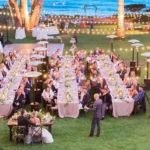

Planning a Santa Barbara wedding means designing for both beauty and environment. Whether the celebration takes place at an oceanfront venue, private estate, garden setting, or elegant reception space, linens play a major role in shaping the overall look and feel of the event. Tablecloths, runners, napkins, overlays, and specialty fabrics help define the color palette, add texture, and create a polished foundation for the full tabletop design.
Wedding linens are also practical. The right fabric can improve guest comfort, conceal table variations, support the event’s formality, and hold up better in outdoor conditions. For coastal weddings, details such as wind, sun exposure, evening temperature shifts, and venue layout should influence linen selection just as much as color and style.
By understanding fabric types, color strategies, layering techniques, and rental logistics, couples can make confident linen choices that support their wedding vision. Working with Ventura Rental also helps simplify the process through sample review, coordinated rentals, and professional guidance tailored to Santa Barbara events.
Why Wedding Linens Matter for Santa Barbara Events
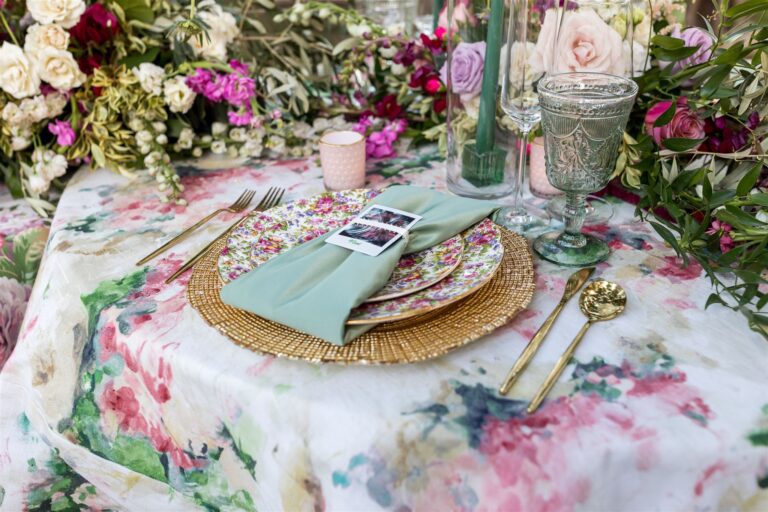
Wedding linens do more than cover tables. They create the visual base for the reception design and influence how every other tabletop element appears, from florals and candles to chargers, glassware, and place settings. A carefully chosen linen can make a simple table feel refined, while the wrong fabric or color can clash with the venue, décor, or lighting.
For Santa Barbara weddings, linen planning is especially important because many events take place in outdoor or semi-outdoor settings. Coastal light, ocean breezes, garden surroundings, and open-air reception layouts can all affect how fabrics look and perform. Choosing linens with these conditions in mind helps create a setting that feels cohesive, comfortable, and event-ready.
How Linens Shape the Overall Wedding Design
Linens are one of the largest visible surfaces in a wedding reception, which means they have a strong impact on the event’s design direction. A neutral tablecloth can create a clean and timeless foundation, while a textured runner, satin napkin, or patterned overlay can introduce personality and visual depth.
Because linens interact with florals, chairs, tableware, lighting, and venue finishes, they should be selected as part of the full design plan rather than as an isolated rental item. Reviewing linen swatches alongside floral samples, charger options, and table settings helps ensure the finished look feels intentional.
Balancing Beauty, Comfort, and Practicality
The best wedding linens balance appearance with performance. A fabric may look elegant in a showroom but behave differently outdoors, under direct sun, or in a breezy reception area. Breathable fabrics can support guest comfort during warm-weather weddings, while heavier materials may provide better structure for formal evening events.
Practical details such as wrinkle resistance, stain visibility, table fit, and ease of setup should also guide the decision. Polyester may be useful for high-traffic receptions, cotton blends can feel softer and more relaxed, and pure linen may work well when a natural, elevated texture is part of the design.
Why Coastal Venues Require Thoughtful Linen Choices
Santa Barbara’s coastal setting adds unique considerations to wedding linen planning. Beachfront and open-air venues may experience wind, salt air, bright sunlight, and cooler evening temperatures, all of which can affect linen presentation and guest comfort.
For outdoor receptions, couples may need weighted clips, secure table settings, wrinkle-conscious fabrics, or layered designs that stay in place throughout the event. Choosing colors that complement the surrounding landscape, such as soft neutrals, muted greens, dusty pinks, warm terracotta, or ocean-inspired tones, can also help the table design feel connected to the venue.
Best Wedding Linen Fabrics and When to Use Them
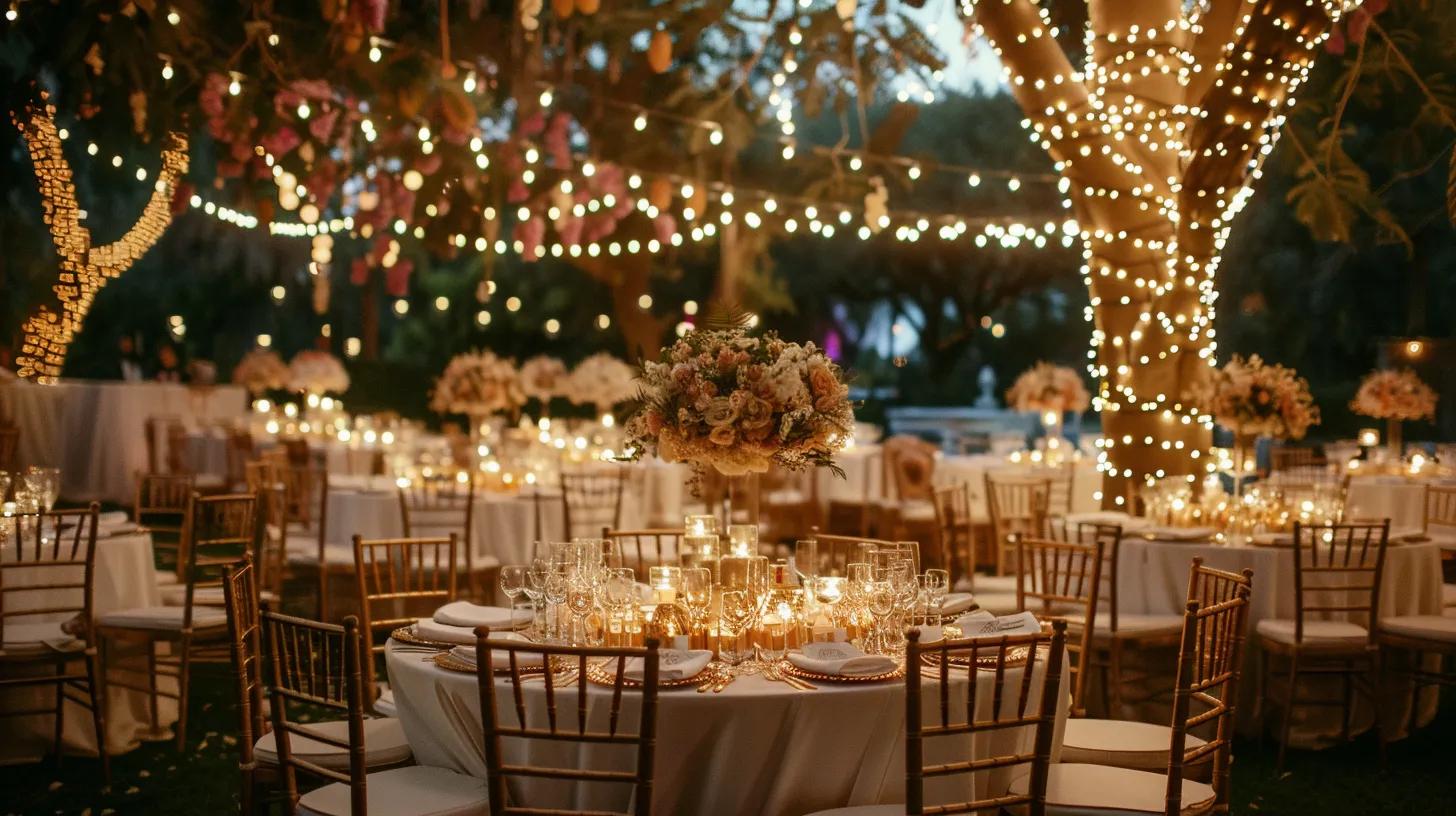
The fabric you choose affects the appearance, texture, comfort, and durability of the wedding tablescape. Some materials are better suited for formal ballroom-style receptions, while others work well for relaxed outdoor celebrations, garden weddings, or coastal venues. The right choice depends on the event style, season, guest experience, and how much structure or softness you want in the overall design.
For Santa Barbara weddings, fabric performance matters as much as aesthetics. Linens may need to withstand the breeze, sunlight, frequent service, and long reception timelines. Comparing fabric options early helps couples select materials that support both the visual design and the practical demands of the venue.
Polyester Linens for Durability and Value
Polyester linens are a practical option for weddings that require durability, easy maintenance, and cost control. They resist wrinkles better than many natural fabrics and are generally well suited for high-traffic reception tables, buffet stations, cocktail tables, and outdoor dining setups.
This fabric is especially useful when couples need a clean, uniform look across a large number of tables. Polyester may not have the same natural texture as pure linen, but it offers reliable performance and a polished appearance for many wedding styles.
Cotton Blends for Comfort and Breathability
Cotton blend linens offer a softer, more breathable feel than standard polyester. They work well for weddings with a relaxed, romantic, or garden-inspired design, especially when the goal is to create a welcoming and comfortable dining experience.
Because cotton blends combine comfort with improved durability, they can be a strong choice for Santa Barbara weddings held in warm or semi-outdoor settings. They provide a natural-looking finish without requiring the same level of maintenance as pure linen.
Pure Linen for Natural Elegance
Pure linen provides a refined, organic texture that works beautifully for upscale coastal weddings, private estate receptions, vineyard-style settings, and intimate dinners. Its natural weave gives the table a soft, elevated appearance that pairs well with florals, candles, wood chairs, and neutral color palettes.
The main consideration with pure linen is wrinkling. Some couples embrace this relaxed texture as part of the design, while others may prefer a more structured fabric. Pure linen is best used when the overall wedding style allows for a natural, slightly imperfect finish.
Satin for Formal, Polished Table Settings
Satin linens add shine, smoothness, and formality to a wedding tablescape. Their reflective surface works well for evening receptions, black-tie events, ballroom-style designs, and tables that use dramatic lighting or metallic accents.
Because satin catches light easily, it should be used thoughtfully. It can elevate sweetheart tables, cake tables, or accent areas without overwhelming the entire reception. For outdoor events, couples should consider how direct sunlight and wind may affect the appearance of high-sheen fabrics.
Chiffon for Soft Overlays and Romantic Accents
Chiffon is lightweight, sheer, and ideal for layering. It is commonly used for runners, overlays, chair accents, ceremony details, and soft decorative treatments rather than full table coverage.
This fabric works especially well for romantic, garden-inspired, or coastal weddings where movement and softness are part of the design. Because chiffon is delicate and can shift in the breeze, it should be secured carefully for outdoor receptions.
How to Choose Linen Colors for Your Wedding
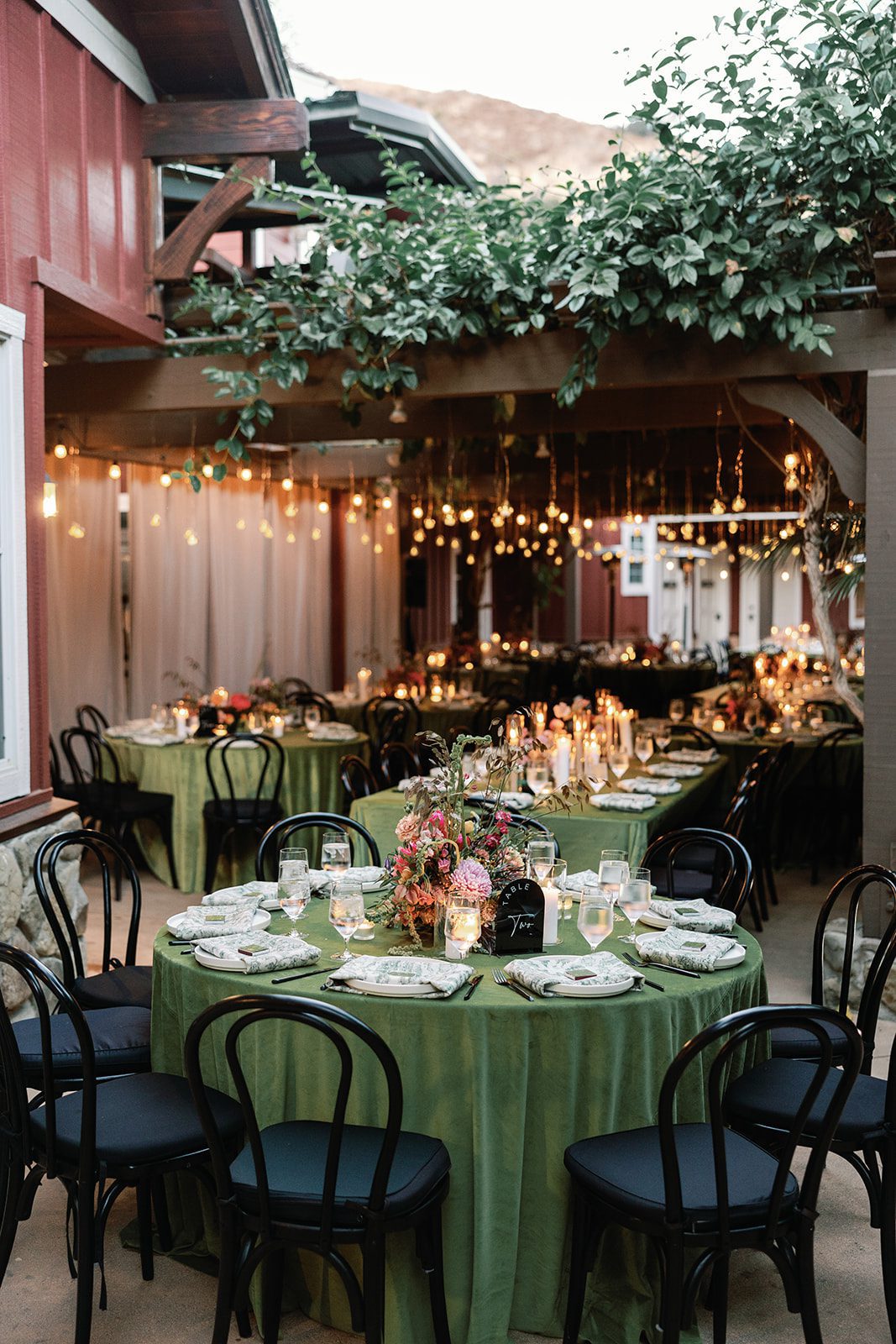
Linen color has a major influence on the overall mood of a wedding, shaping whether the reception feels soft and romantic, bold and dramatic, coastal and relaxed, or formal and refined. Because linens cover such a large portion of the visual field, the selected colors should work closely with the venue, florals, lighting, tableware, and season.
For couples planning with Santa Barbara Summer Wedding Rentals, color choices often look best when they feel connected to the surrounding environment. Ocean views, garden landscapes, Spanish-style architecture, vineyards, and estate settings can all help guide the palette. Reviewing swatches in natural light and alongside décor samples also helps prevent color mismatches on the event day.
Matching Linens to the Venue and Season
The venue should be one of the first references when choosing linen colors. A beachfront wedding may call for soft blues, sandy neutrals, ivory, or muted greens, while an estate or garden venue may support warmer tones, floral-inspired shades, or deeper accent colors.
Season also plays an important role. Spring weddings often pair well with pastels and fresh neutrals, summer events may benefit from lighter breathable palettes, fall weddings can incorporate terracotta, copper, or earth tones, and winter receptions may lean into richer jewel tones or elegant monochromatic designs.
Soft Palettes for Romantic Weddings
Soft color palettes are popular for romantic wedding designs because they create a light, graceful, and timeless atmosphere. Shades such as ivory, blush, champagne, dusty rose, sage, pale blue, and warm beige work well with floral arrangements, candlelight, and natural outdoor settings.
These colors are especially effective when paired with textured fabrics or layered table designs. A neutral tablecloth with a soft runner or colored napkin can add dimension without making the table feel busy.
Bold Colors for Dramatic Reception Designs
Bold linen colors can create a strong design statement when used intentionally. Deep navy, emerald, burgundy, copper, black, plum, or terracotta can add depth and contrast to the reception space, particularly for evening weddings or venues with simple architectural backdrops.
When using bold colors, balance is important. Couples may choose dramatic linens for accent tables, sweetheart tables, cocktail areas, or napkins while keeping the main dining tables more neutral. This approach adds visual interest without overwhelming the full room or outdoor setting.
2026 Color Trends for Santa Barbara Weddings
For 2026 Santa Barbara weddings, color palettes are expected to favor natural, romantic, and landscape-inspired combinations. Sage green with dusty rose creates a soft garden feel, navy with copper offers a more formal coastal look, and terracotta with cream reflects the warmth of local architecture and outdoor scenery.
These palettes can be adapted across different linen elements. For example, couples might use cream tablecloths with terracotta napkins, sage runners with ivory settings, or navy accent linens with copper-toned chargers and candleholders.
Styling Techniques for Elegant Table Settings
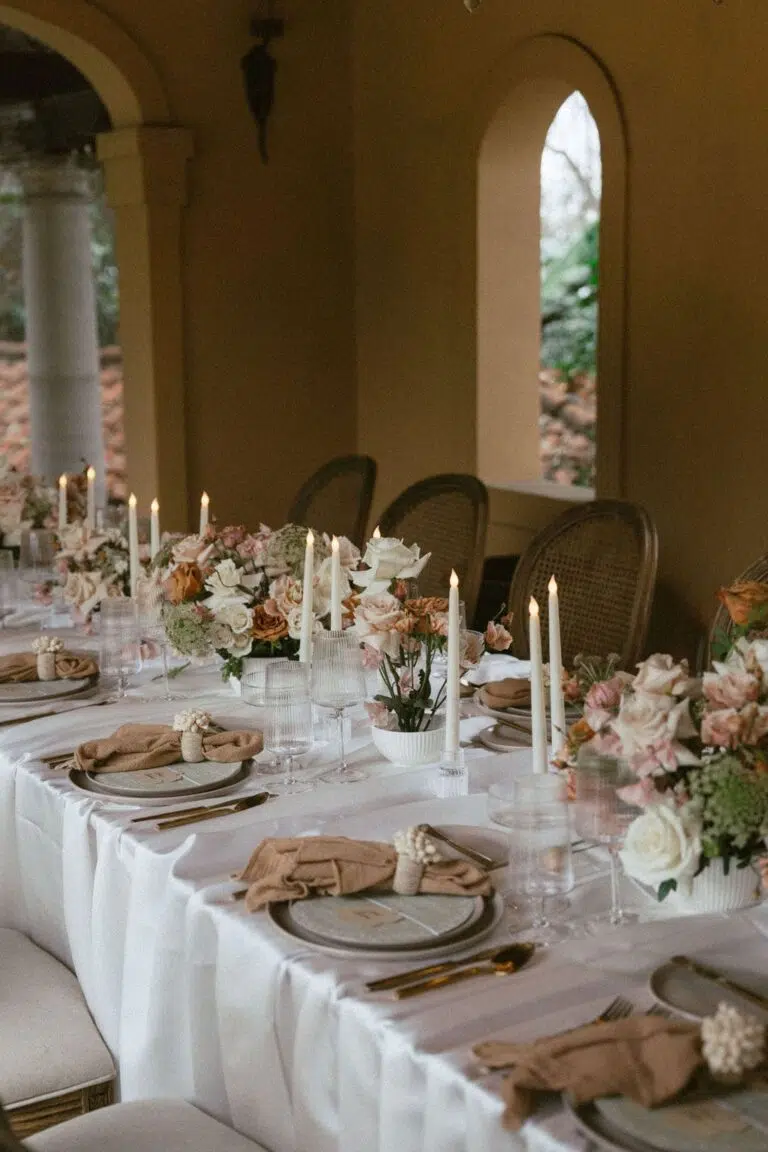
Styling wedding linens is about creating depth, balance, and cohesion across the full table design. Once the base fabric and color palette are selected, details such as runners, overlays, napkins, chargers, centerpieces, and candle arrangements help complete the look. These elements should work together rather than compete for attention.
For Santa Barbara weddings, linen styling often works best when it complements the setting. Coastal venues may call for lighter textures and softer colors, while estate, garden, or evening receptions can support richer layers, formal fabrics, and more dramatic accents.
Layering Tablecloths, Runners, and Overlays
Layering is one of the easiest ways to make a wedding table feel more intentional. A full tablecloth creates the foundation, while a runner or overlay adds contrast, texture, or color. This approach can make simple tables look more refined without requiring an entirely custom setup.
For example, couples may use a neutral tablecloth with a chiffon runner for a soft romantic look, or pair a textured overlay with a solid base linen for added dimension. Layering is also useful for highlighting sweetheart tables, cake tables, gift tables, and head tables.
Mixing Textures Without Overwhelming the Table
Texture adds visual interest, but it should be used carefully. Combining too many textures can make the table feel busy, especially when florals, glassware, chargers, candles, and printed menus are also part of the design.
A balanced approach might include one primary texture and one accent texture. For example, a cotton blend tablecloth can be paired with satin napkins, or a pure linen base can be paired with a soft chiffon runner. The goal is to create contrast while keeping the full design cohesive.
Coordinating Napkins, Chargers, and Centerpieces
Napkins, chargers, and centerpieces should be selected alongside the linens because they sit directly within the same visual field. A bold napkin color can add personality to a neutral table, while a metallic charger can elevate a simple linen choice.
Centerpieces should also be considered when choosing linen color and texture. Large floral arrangements may pair better with understated linens, while minimal centerpieces can allow textured or colored linens to become the focal point.
Using Linens to Enhance Photography and Lighting
Linens affect how the reception appears in photos. Colors, textures, and fabric sheen can look different under natural light, candlelight, string lights, or flash photography. High-sheen fabrics such as satin may reflect light more strongly, while matte fabrics can create a softer, more natural look.
Couples should review samples under lighting conditions similar to the wedding venue whenever possible. This helps ensure that the final table design looks consistent in person and in photography.
Linen Choices for Outdoor and Coastal Weddings

Outdoor and coastal weddings require linens that look beautiful while performing well in changing conditions. Wind, direct sun, marine air, uneven surfaces, and temperature shifts can all affect how linens sit, move, and photograph throughout the event. Choosing fabrics and styling details with these conditions in mind helps keep the reception polished from setup through the final course.
Santa Barbara weddings often take place in naturally scenic settings, so linens should enhance the environment rather than compete with it. Practical details such as fabric weight, secure placement, wrinkle resistance, and color selection can make a significant difference in both appearance and comfort.
Fabrics That Perform Well in Outdoor Settings
For outdoor weddings, durable and breathable fabrics are often the most practical choice. Polyester works well for larger receptions because it resists wrinkles and handles frequent service. Cotton blends offer a softer feel while maintaining enough structure for open-air dining.
Pure linen can also work beautifully outdoors when a relaxed, natural texture is desired. However, couples should understand that linen wrinkles more easily, especially in breezy or humid conditions. Chiffon is best used as an accent fabric because its lightweight quality can shift in the wind.
Managing Wind, Wrinkles, and Sun Exposure
Wind is one of the most important considerations for coastal wedding linens. Lightweight runners, napkins, and overlays should be secured so they do not move during dinner service. Heavier fabrics, tablecloth clips, weighted décor, and thoughtful place-setting arrangements can help keep tables intact.
Sun exposure should also guide fabric and color choices. Very dark linens may absorb heat during daytime events, while certain high-sheen fabrics can reflect strong light. Wrinkle-conscious fabrics are useful when the setup begins hours before guests arrive.
Beach Wedding Linen Considerations
Beach weddings often benefit from soft, natural colors that reflect the surrounding landscape. Ivory, sand, pale blue, sage, driftwood gray, and muted blush can create a relaxed coastal palette without feeling overly themed.
Fabric selection should prioritize movement control and guest comfort. Lightweight fabrics can look beautiful in a beach setting, but they need to be secured properly. For receptions near sand or open water, linens should also be coordinated with sturdy table settings and lower-profile centerpieces.
Comfort-Focused Choices for Warm-Weather Events
For warm-weather weddings, breathable fabrics and lighter colors can help create a more comfortable guest experience. Cotton blends, soft neutrals, and airy accent fabrics are strong options for daytime or summer receptions.
Evening temperature shifts should also be considered. If the reception continues after sunset, layered table styling, nearby heaters, and coordinated tent or lounge rentals can help maintain comfort without compromising the design.
Frequently Asked Questions
How Far in Advance Should Couples Reserve Wedding Linens?
Couples should reserve wedding linens as early as possible, especially for peak wedding season, popular colors, specialty fabrics, or large guest counts. A general planning window of several months is recommended so there is enough time to review samples, confirm quantities, and coordinate delivery.
Early booking also improves access to preferred fabric types and color options. If the wedding requires custom styling or specialty linens, additional lead time may be needed.
Can Wedding Linens Be Customized by Theme or Color?
Many linen rental plans can be customized by fabric, color, texture, and table type. Couples may choose different linens for guest tables, sweetheart tables, cocktail tables, buffet stations, and accent areas to match the overall wedding theme.
Custom selections should be confirmed early so samples can be reviewed and availability can be checked. This is especially important when trying to match a specific floral palette, bridesmaid dress color, or venue design.
Is It Better to Rent or Buy Wedding Linens?
Renting is often the better choice for weddings because it provides access to professional-quality linens without requiring couples to purchase, clean, store, or transport them. Rental companies also offer more variety in sizes, fabrics, and colors.
Buying may only make sense for very specific custom designs or if the linens will be reused for future events. For most couples, renting is more practical and cost-effective.
How Do I Keep Linens Secure During an Outdoor Wedding?
Outdoor linens can be secured with heavier fabrics, tablecloth clips, weighted décor, proper place settings, and careful layout planning. Lightweight runners or chiffon overlays may need extra attention in breezy coastal settings.
Couples should discuss wind exposure with the rental provider before finalizing fabrics. The rental team can recommend materials and setup methods that help keep the tables polished throughout the event.
What Linen Add-Ons Should I Consider?
Useful linen add-ons include napkins, runners, overlays, chair sashes, table skirts, specialty sweetheart table linens, cocktail table linens, and accent fabrics for cake or gift tables. These details can add depth and polish to the overall reception design.
Couples should prioritize the areas guests will notice most, such as dining tables, the sweetheart table, and photo-facing spaces. This approach helps create visual impact while keeping the rental plan focused.
Conclusion
Selecting the right wedding linens can significantly influence the overall atmosphere, comfort, and visual cohesion of a Santa Barbara wedding. From fabric choice and color palette to layering techniques and rental coordination, every linen detail contributes to how the reception looks and feels for guests. Thoughtful selections help create a polished event design that complements the venue, supports the wedding theme, and performs well in outdoor coastal conditions.
By planning early and reviewing fabrics, colors, and layout details in advance, couples can avoid common design and logistical issues. Ventura Rental helps simplify this process through professional guidance, sample coordination, delivery support, and access to a wide range of wedding linen styles suited for Santa Barbara events.