

An outdoor dance floor gives your event a dependable, attractive place to dance while keeping guests off soft or shifting ground and protecting turf, sand, or uneven terrain. This guide explains why the surface matters for safety and appearance, then walks through practical rental solutions for grass, beach, and irregular sites that event planners can put into action quickly.
Read on to learn how to prepare a lawn for a temporary floor, which materials stand up best on the beach, how to stabilize slopes or soft spots, and how to size and schedule a rental for weddings, concerts, or corporate gatherings. We focus on portable dance floors, subfloor systems, and ground-protection strategies so you can choose options that balance durability, speed of install, and preserving the lawn or shoreline. Keywords like outdoor dance floor options grass sand, dance floor on grass, beach dance floor rental, and subfloor for outdoor dance floor are used throughout to help you find the right solutions fast. You’ll also find practical checklists, comparison tables, and simple planning formulas to turn planning into safe, executable steps.
What Are the Best Outdoor Dance Floor Solutions for Grass Surfaces?
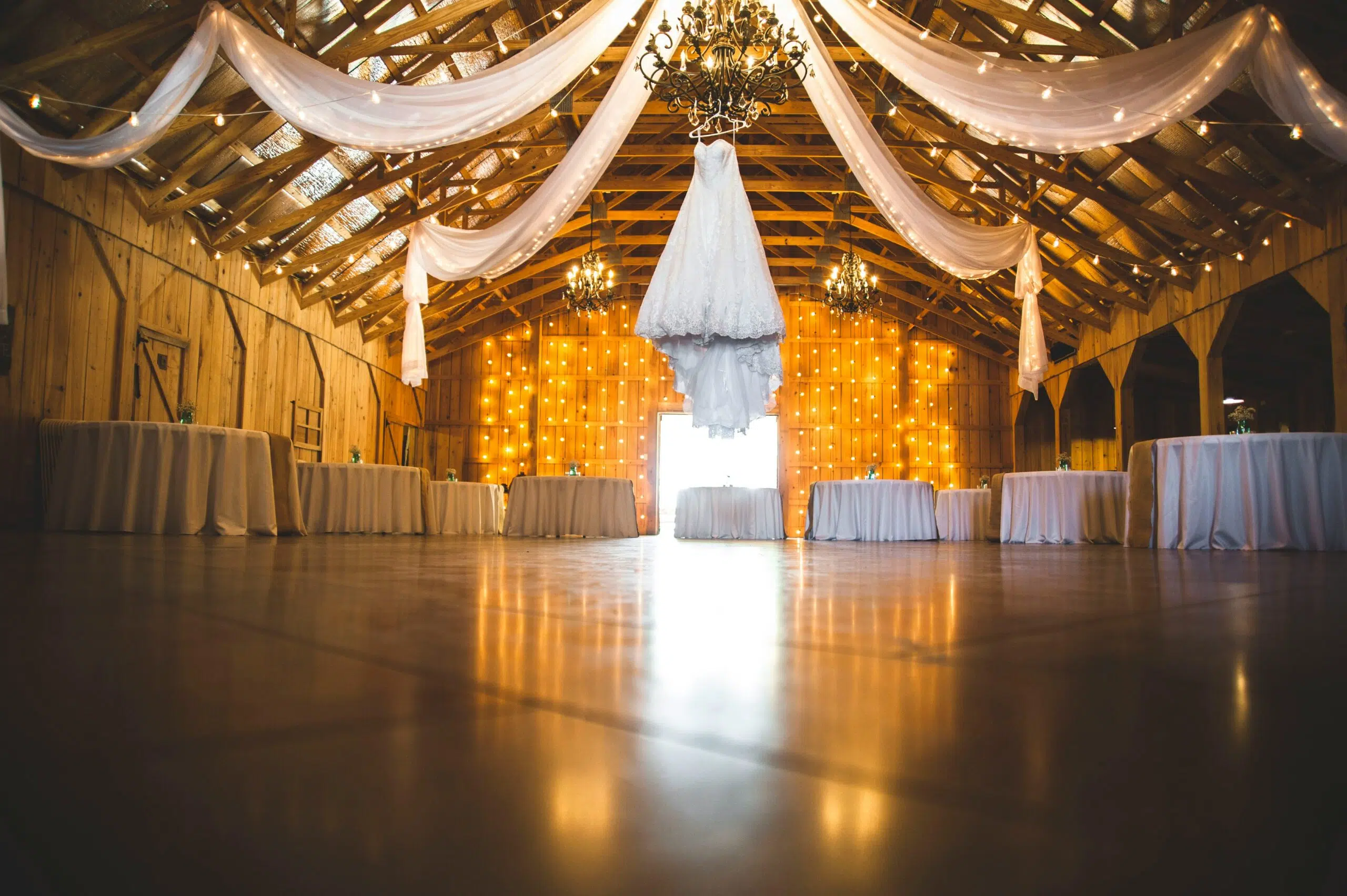
A dance floor on grass is a temporary system designed to spread loads, prevent sinking, and protect turf while creating a stable, slip-resistant surface for dancing. The approach is straightforward: a protective sublayer or mats distribute weight, and interlocking tiles or parquet panels form the finished wear surface — producing an even plane that cuts down on trip hazards and mud. Main benefits are lawn protection, consistent footing for guests, and a polished look that complements your event décor. Choosing the right system depends on soil firmness, slope, and expected loads from guests, band gear, or a tent, so a site assessment is the first essential step.
How to Protect and Level Grass for a Stable Dance Floor
Preparing a lawn starts with a site survey to spot slopes, soft patches, irrigation lines, and drainage concerns, and ends with a protective layer that leaves roots intact. Basic leveling steps include mowing and clearing debris, marking the footprint, filling shallow depressions with screened topsoil or sand and tamping, and using ground-protection mats or plywood where soils are soft. Check slopes with a long level or laser — anything over about one inch across ten feet needs attention — and redirect runoff away from the dance area. Small slope fixes use compacted fill; larger variances usually require a subfloor. These steps cut post-event turf damage and give a reliable base for modular tiles or parquet panels.
Site-prep checklist and tools to have on hand before installation:
- Mark the dance area with a site marker and measure with tape to establish a level datum line.
- Mow the lawn and remove stones, branches, sprinkler heads, or other debris from the footprint.
- Fill shallow depressions with compacted sand or screened soil and tamp before laying protective mats.
- Bring plywood sheets or composite panels to use as a temporary subfloor where soil is soft or saturated.
Why this matters: preparing and protecting the grass minimizes settlement and prevents mud, keeping guests safe and cutting restoration work afterward.
Which Dance Floor Materials Work Best on Grass?
Picking materials for a grass installation is a balance of durability, moisture resistance, installation speed, and subfloor needs to protect turf and maintain a level surface. Modular vinyl and interlocking plastic tiles give waterproof wear surfaces and quick installs but still benefit from a protective subfloor on very soft ground. Wood parquet delivers a classic look but typically needs a solid subfloor and moisture barrier to avoid warping and turf damage. Composite mats can serve as both protective subfloor and a limited wear surface where a full floor isn’t necessary — handy on delicate lawns or temporary walkways. The table below summarizes typical options so you can match material to site conditions and event style.
Material comparison overview: durability, water resistance, installation complexity, and whether a subfloor is recommended.
In short: vinyl tiles are quick and resilient, parquet is ideal for formal looks when paired with a subfloor, and composite mats are a practical protective layer under almost any wear surface.
At Ventura Rental Party & Events we stock flooring options that match these grass-install strategies and can advise on modular tile systems, subfloor panels, and protective mats for Southern California sites. Our team offers complimentary consultations to match flooring to site conditions and event style, helping planners pick the least invasive solution for turf protection. If you want layout guidance or a quote for a specific lawn or vineyard, we’re ready to help.
How to Choose and Install Dance Floors on Sand and Beach Locations?
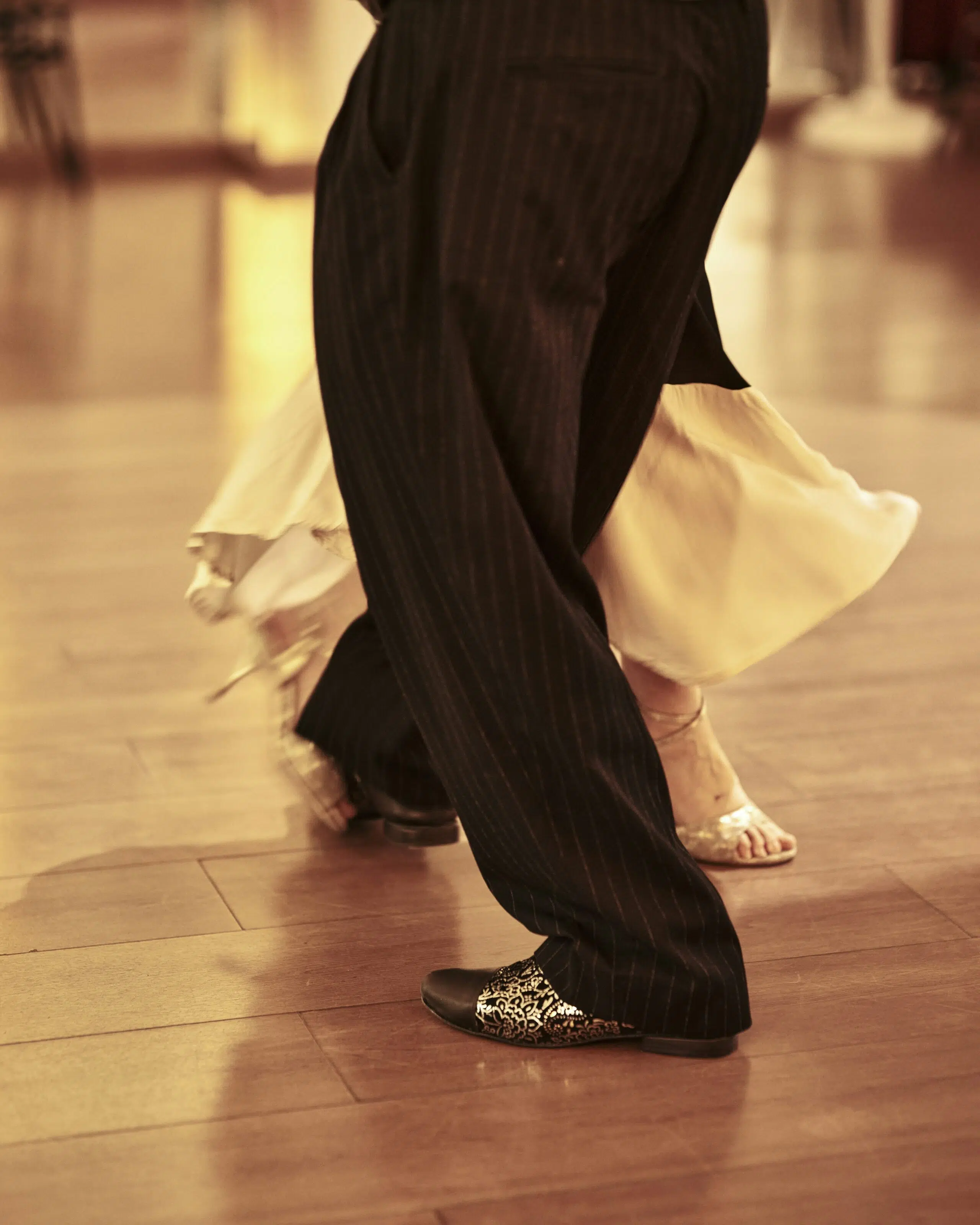
Beach dance floors must resist point-load sinking, shifting underfoot, and tidal or wind effects by spreading loads across a wide base and securing the platform. Effective approaches include composite base mats, large-area interlocking panels, and raised platforms that keep the wear surface above shifting sand and allow drainage. Benefits include stable footing for guests, protection for equipment, and a cleaner dancing area that reduces sand tracked into tents or reception spaces. Plan for access, wind loads, and cleanup early to ensure a smooth beach installation.
What Are the Challenges of Installing Dance Floors on Sand?
Sand installations are tricky because sand compacts unevenly, shifts under load, and can let panels sink or ripple if the base doesn’t spread weight evenly. Tides and wind add risk, so timing and anchoring must account for local beach conditions and permit rules; vehicles may need access mats or ramps. Common problems are panel misalignment, excessive bounce, and sand migration onto the dance surface — all avoidable with a wider base and sturdy perimeter edging. Planning access logistics and cleanup ahead of time reduces last-minute delays and helps preserve the shoreline after teardown.
Key mitigation steps for sand installations:
- Use large-area composite base mats to spread loads and prevent sinking.
- Anchor perimeter and ramps to resist wind uplift and lateral movement.
- Plan vehicle access and cleanup to minimize beach disturbance and meet permit requirements.
Following these measures lowers the risk of sinking and keeps the dance surface secure for guests throughout the event.
Which Portable Dance Floor Types Are Ideal for Beach Weddings?
For beach weddings, beach-specific parquet, interlocking composite panels, and elevated platforms each offer trade-offs between look, install time, and stability. Beach parquet gives a refined wood appearance but needs a solid sub-base or mats to prevent moisture damage and sinking. Interlocking composite panels install quickly, distribute loads well, and are easier to clean sand from. Raised platforms are best on very soft or sloped sand because adjustable supports create a level surface above shifting material — though they require more setup time and equipment.
What Are the Best Practices for Outdoor Dance Floors on Uneven Ground?
On uneven ground, the top priority is removing trip hazards and producing a continuous, level plane. Achieve that by measuring, shimming, and, when needed, installing a full subfloor or modular staging platforms. Assess slope, locate soft spots, and plan for load concentrations from bands or furniture. Solutions like screw-adjustable supports, shimming under joists, or full composite panel systems can turn an irregular footprint into a safe, ADA-friendly dance area. If slope or variance goes beyond practical limits, raised staging with perimeter ramps provides safety and code compliance.
How to Level and Stabilize Uneven Surfaces for Safe Dancing
Begin leveling with a survey using a level or laser to map highs and lows, then choose shimming, compacted fill, or a subfloor based on variance and soil firmness. Small differences can be fixed with shims and compacted soil or sand; moderate irregularities usually benefit from subfloor panels on adjustable supports; major slopes call for modular stage units. Must-have tools include a long level, laser level, tamper, and shims — and allow time to recheck level as panels go down to avoid cumulative slope. Careful planning removes trip hazards and lowers liability while delivering a stable surface for guests.
Leveling techniques to consider:
- Use a laser level to mark consistent datum lines across the full footprint.
- Use screw-adjustable pedestals under panels where precise leveling is required.
- Reinforce soft spots with composite mats before installing a subfloor.
A methodical approach to leveling creates safer events and reduces post-event restoration.
When and Why Is a Subfloor Necessary for Uneven Terrain?
Install a subfloor when ground variance or softness exceeds what shims and compaction can safely fix, or when heavy loads from staging and guests will concentrate stress on soft soils. A practical rule: if variance is greater than about one inch over ten feet or soils feel spongy underfoot, use a subfloor to distribute loads and protect turf. Common subfloor options include plywood systems, composite mats, and ground-protection mats — each offering different speeds and protection levels. The table below compares them by leveling ability, grass protection, load capacity, and typical installation time to help you choose.
Subfloor comparison overview to match the right system with site severity and schedule.
This comparison helps planners choose a subfloor that fits site conditions and deployment timing, balancing protection and speed.
How to Plan Your Outdoor Dance Floor Rental for Successful Events?

Planning a rental begins with sizing, site access, installation windows, weather contingency, and post-event restoration — turning technical needs into a clear checklist for you and the rental team. Sizing depends on guest count and expected peak dancers, logistics hinge on delivery paths and crew time, and protection needs determine whether a subfloor or mats are required. Allow time for a site visit, vendor lead time, and confirm installation and teardown windows well before the event. The compact sizing formula and checklist below make it easy to translate guest numbers into square footage and layout choices.
How to Size Your Dance Floor Based on Guest Count and Event Type
Estimate peak dancers at roughly 30–40% of guests, then allow about 9–12 sq ft per dancer for comfortable movement; this gives a practical floor area for most receptions and parties. For example, a 150-guest wedding with 35% dancing equals about 52 peak dancers — at 10 sq ft per dancer that recommends a 520 sq ft floor (about 22′ × 24′). The table below maps guest ranges to suggested floor sizes and layout notes to simplify quote requests from rental providers.
Sizing table and quick formula for planning.
This sizing guide turns guest estimates into actionable floor footprints and makes the rental conversation easier.
Ventura Rental Party & Events offers complimentary consultations and professional installation services to turn these sizing and site-prep recommendations into a rental package for Southern California events. Our inventory includes modular tiles, subfloor panels, protective mats, and trained crews for installation — a turnkey option for planners who want less on-site coordination. Book a consultation early to secure delivery windows and access planning for coastal or vineyard locations.
What Are the Key Installation and Maintenance Tips for Outdoor Dance Floors?
Good installation starts with a pre-install walkthrough to confirm dimensions, slope, and access. Then secure edges, fit ramps, and verify level before the floor opens to guests. During multi-day events, inspect panel joints, edge trims, and any moisture accumulation daily and fix loose panels or pooling immediately. Teardown should focus on gentle removal to protect grass or sand, followed by basic site restoration like raking or aerating high-traffic zones. The checklist below highlights essential checks to prevent damage and reduce liability.
Installation checklist highlights:
- Confirm level and secure all joints before guest access to eliminate trip hazards.
- Install edge ramps and trim for accessibility and to keep panels in place.
- Perform daily inspections for moisture, loose connections, or shifting panels.
Following a disciplined installation and maintenance routine reduces incident risk and preserves the event surface.
Our Ventura Rental Party & Events crews have local experience across Ventura, Santa Barbara, and Los Angeles Counties and coordinate logistics, delivery, and teardown with a design-focused approach. We can provide a rental quote and layout plan tailored to beach, lawn, or uneven sites and advise on the right subfloor and cleanup practices. Requesting an on-site consultation early helps lock in installation timing and material choices.
Ventura Rental Party & Events brings local knowledge and a wide inventory to Southern California outdoor events, offering dance floor rentals with professional installation. We’ll help assess your site, recommend subfloor or mat options, and deliver a tailored quote. Contact us to schedule a consultation or request an estimate for grass, sand, or uneven terrain installations.
Frequently Asked Questions
What factors should I consider when choosing an outdoor dance floor for my event?
Start with the surface type (grass, sand, or uneven ground), expected guest count, and event style. Inspect ground firmness and slope to decide if a subfloor is required. Also consider the floor’s look, install time, and whether you need moisture resistance or portability. Finally, plan for weather contingencies and access for setup and teardown to avoid surprises.
How can I ensure my outdoor dance floor remains stable during the event?
Begin with a thorough site assessment to find soft spots or slopes. Use ground-protection mats or a subfloor to spread weight evenly, anchor perimeter edges, and make sure drainage is handled. Inspect the floor during the event for any shifting or loose panels and address issues right away. These steps help keep the surface safe and enjoyable for guests.
What are the best practices for post-event restoration of the dance floor area?
Remove the floor gently to avoid tearing turf or disturbing sand. Rake or aerate high-traffic areas to encourage recovery and restore the site’s appearance. If patches need it, follow up with topsoil or seed. Taking photos before and after the event helps document condition and guides any necessary repairs.
How do I handle unexpected weather conditions during an outdoor event?
Have a contingency plan that includes options for covering the floor or relocating if necessary. Choose weather-resistant flooring and plan for drainage to prevent pooling. Monitor forecasts closely before the event and keep communication open with your rental provider for adjustments. A clear backup plan keeps guests safe and the event running smoothly.
Can I customize the design of my outdoor dance floor?
Yes — many rental companies, including us, offer customizable floors. You can mix materials, colors, and patterns to suit your event theme. Some providers create custom layouts or branded designs. Share your vision with your rental partner to explore options and ensure the finished floor matches your look.
What are the typical costs associated with renting an outdoor dance floor?
Costs vary by size, material, and installation complexity. Expect a typical range of $2 to $5 per square foot, plus potential charges for subflooring, delivery, and setup. Ask for detailed quotes from several providers and confirm what’s included. Budget for extras like insurance or cleanup so you’re not caught off guard.
How far in advance should I book my outdoor dance floor rental?
We recommend booking at least 4 to 6 weeks in advance, especially during busy seasons. That gives time for site visits, customization, and scheduling. For peak dates or weekends, consider booking even earlier to guarantee availability and avoid last-minute changes.
Conclusion
Picking the right outdoor dance floor rental makes your event safer and more enjoyable — whether you’re on grass, sand, or uneven terrain. Understand each surface’s needs, plan site prep and sizing carefully, and work with a rental partner who can advise on subfloors and protection. For tailored recommendations and installation help, contact our team — we’ll help you create a memorable event with the right dance floor setup.