
Secure tent installations are vital for guest safety and event success in event rentals. Improper setup can lead to hazards during extreme weather or emergencies. This guide provides a step‐by‐step approach to the safety checks that event planners must conduct before, during, and after tent installations. It covers hazards, anchoring systems, and local regulations to help avoid disasters such as structural collapse or fire. By following these tips, organizers can protect both people and property, ensuring compliance and smooth setups.
Key Takeaways
- Secure tent installations are critical during severe weather and emergencies.
- Pre-installation assessments include site evaluation, ground preparation, and code compliance.
- Appropriate anchoring systems and regular inspections ensure long-term stability and safety.
- Fire safety and emergency procedures help mitigate risks.
- Different tent types and weather conditions require tailored safety measures.
Why Are Safety Checks Crucial for Tent Installations?
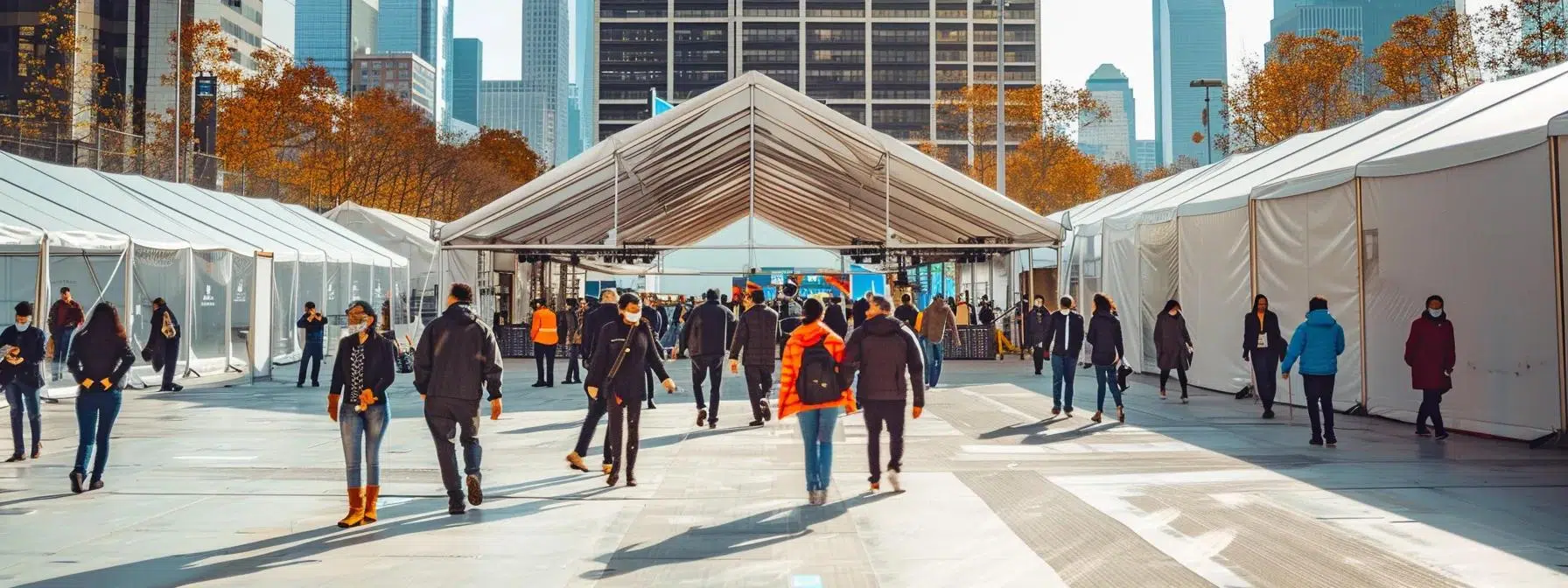
Safety checks prevent hazardous situations before, during, and after an event. Regular inspections and maintenance help avoid collapses, anchoring failures, or fire incidents by identifying weak points early.
What Common Hazards Threaten Tent Stability?
Common hazards include improper anchoring, unstable ground conditions, sudden strong winds or heavy rain, and fire risks from nearby heat sources. These factors can compromise tent stability, leading to injury or damage.
How Do Safety Checks Prevent Tent Failures?
By ensuring all structural components are secure, safety checks reduce the risk of collapse during extreme weather. Routine inspections verify that anchors, support poles, and ground reinforcements remain in place, minimizing potential emergencies.
Which Events Require Extra Tent Safety Precautions?
Outdoor events with large crowds, public gatherings, concerts, and festivals demand extra precautions. Events in areas prone to severe weather or near high-traffic locations also require enhanced safety measures and clear emergency evacuation routes.
How to Conduct Effective Pre-Installation Safety Checks?
Effective pre-installation checks are essential for identifying potential hazards and ensuring a compliant setup. This process includes a detailed inspection of the site, verification of ground stability, and ensuring that all equipment meets safety standards.
What Does a Comprehensive Site Assessment Include?
A comprehensive site assessment involves checking ground conditions, verifying the absence of underground utilities, identifying nearby hazards, and confirming emergency access. It also means measuring the available space relative to the tent size and ensuring the area remains unobstructed.
How Should Ground Preparation Be Done for Tent Stability?
Ground preparation starts by clearing debris and smoothing uneven surfaces. The soil must be tested for compaction and moisture content to support heavy structures. In some cases, temporary reinforcement like wooden planks or metal mats may be needed.
Which Local Regulations and Codes Must Be Considered?
Event coordinators must consult local building and fire safety codes. Permits and inspections may be required based on event type and occupancy. Compliance with zoning laws, health guidelines, and emergency access rules is essential to avoid legal issues and ensure safety.
What Are the Best Anchoring Systems for Secure Tent Installations?
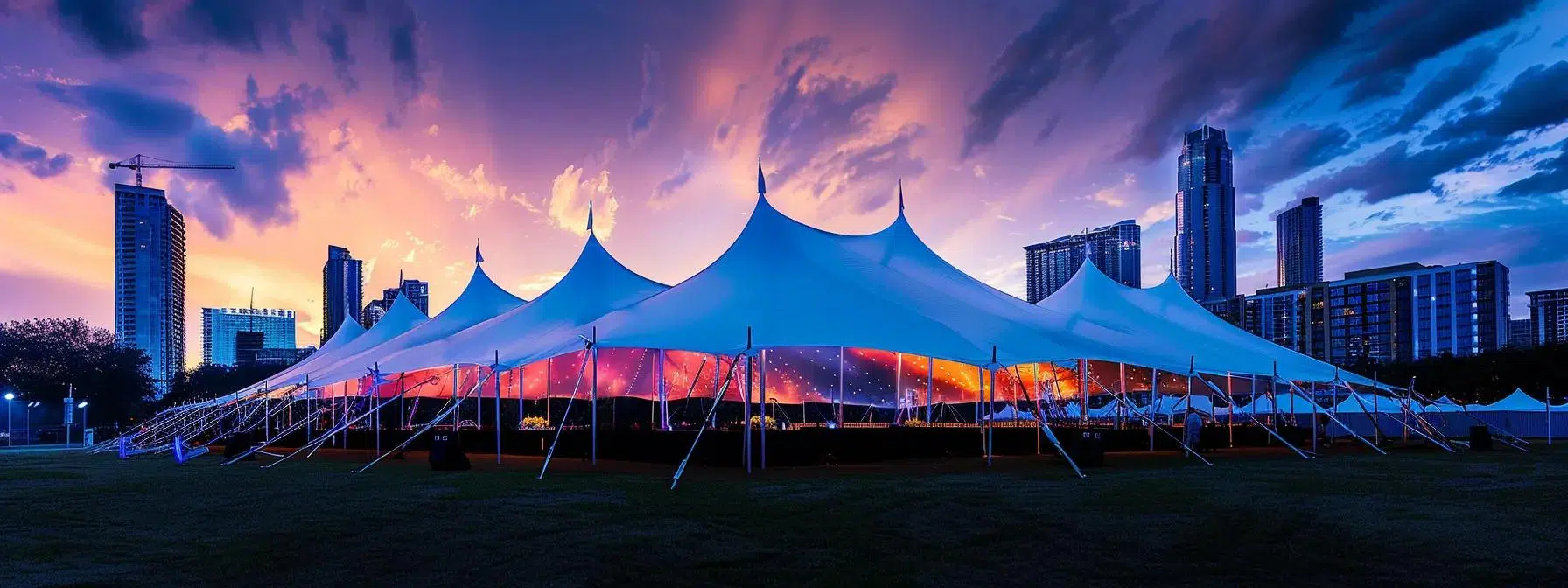
Choosing the right anchoring systems is crucial to keeping tents stable during adverse weather. Anchors secure the structure against wind loads and other pressures, with the choice depending on the tent type and ground conditions.
How to Choose the Right Anchoring Method for Different Tent Types?
Frame tents typically use metal stakes and weight bags, while pole or marquee tents may require screw anchors or ground screws. The chosen method must match the tent design and expected external loads to prevent tipping or collapse.
How Do Wind Load Calculations Affect Anchoring Choices?
Wind load calculations determine the force of high winds on the tent. Factors such as tent size, shape, and local weather data guide the selection of appropriate anchor types and quantities, ensuring the system withstands maximum wind forces. For more detail, see our article Tent Rentals in Ventura County: Local Guide to Sizes, Styles & Pricing.
What Are Best Practices for Anchoring in High Wind Conditions?
In high wind conditions, use additional anchorage—extra stakes, sandbags, or water weights—and ensure even distribution. Regularly recheck and secure the frame, following manufacturer guidelines on wind speeds to maintain tent stability.
How to Perform Post-Installation Safety Inspections and Maintenance?
Post-installation inspections ensure that the tent remains secure throughout the event. These checks detect issues early, allowing for prompt corrections, and help extend the tent’s life with regular maintenance.
What Should a Post-Installation Inspection Checklist Include?
The checklist should cover all anchoring systems, cable tensions, fabric condition, and frame integrity. It must also confirm that emergency exits are clear and that safety equipment like fire extinguishers and first aid kits is accessible.
How Often Should Tent Inspections Be Conducted?
Inspections should occur before and after the event and daily during multi-day events. Regular checks help quickly address changing conditions and emerging issues.
What Are Key Maintenance Tips to Ensure Long-Term Tent Safety?
Proper maintenance involves cleaning, drying, and repairing the tent after each use. Check anchors and tension lines for wear or corrosion, store the tent in a dry area, and have periodic professional inspections. Documenting maintenance helps track recurring issues. We cover this further in Navigate Tent Dimensions for Your Perfect Event Setup.
What Are the Fire Safety Requirements and Other Regulatory Compliance for Tents?
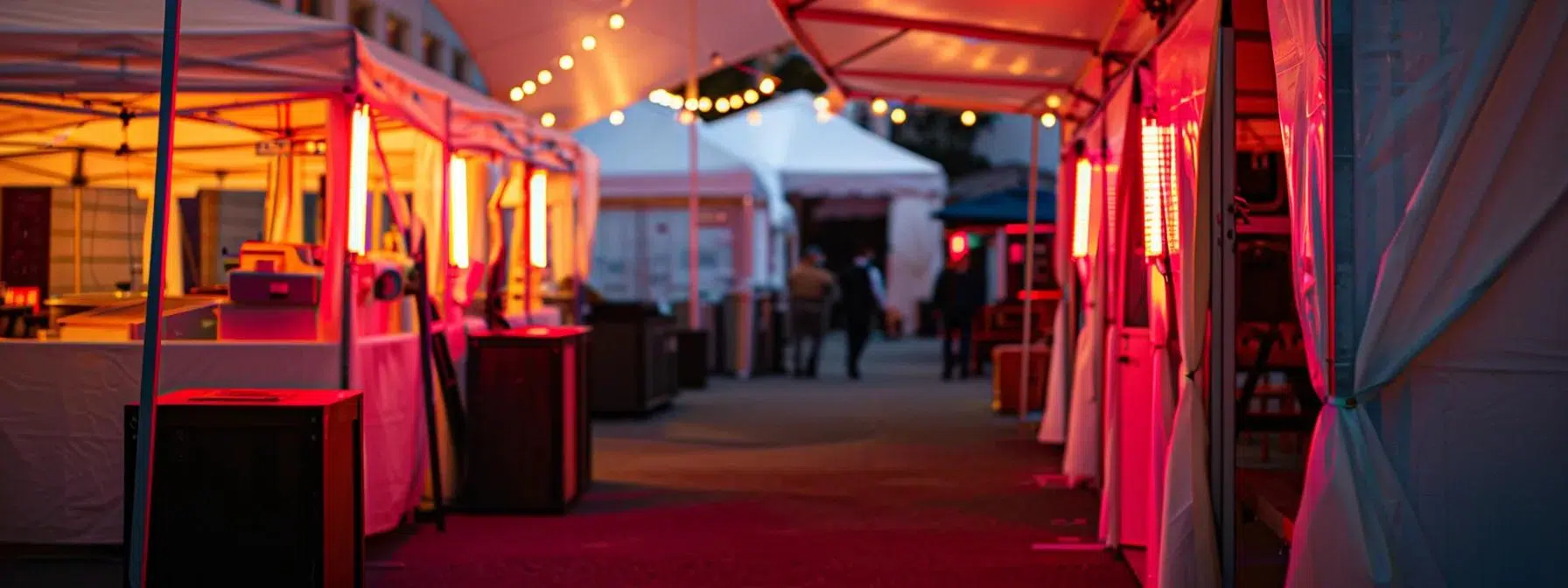
Fire safety is a major concern. Adhering to fire safety standards and regulations minimizes the risk of fire and smoke inhalation, ensuring the event stays safe for guests.
How Do Local Fire Safety Codes Impact Tent Installations?
Local codes define maximum occupancy, spacing between tents, and materials that resist fire. Organizers must install fire extinguishers, emergency exit signage, and clear evacuation routes to comply with these codes.
What Are Common Regulatory Pitfalls to Avoid?
Avoid pitfalls such as outdated permits, skipped inspections, and poor documentation of safety measures. Staying updated on local legislation is crucial to avoid fines or shutdowns.
Where Can You Find Official Tent Safety Guidelines and Resources?
Official guidelines are available on local government websites and through industry associations like the International Association of Venue Managers (IAVM). Certified installers and manufacturers also offer safety resources.
How Do Different Tent Types Affect Safety Checks and Installation Procedures?
Different tent types require specific safety protocols. Their installation method, design, and materials dictate the safety checks necessary to ensure structural integrity and guest protection. You may also find Optimizing Tent Space for Dining, Dancing, and Entertainment helpful.
What Are Safety Considerations for Frame Tent Installations?
Frame tents need careful evaluation of support structures and joints. It is essential to adjust tension in the frame and verify that fasteners and anchors are secure.
How Does Pole Tent Installation Differ in Safety Requirements?
Pole tents require checking the alignment and secure planting of center poles and perimeter anchors. Adequate spacing between poles and the use of additional guy ropes are key to preventing stress on the structure.
What Special Safety Measures Are Needed for Marquee Tents?
Marquee tents, being larger and temporary, demand extra precautions. Uniform load distribution, robust anchoring systems, fire retardant materials, and clear emergency exit routes are vital for maintaining safety under varying conditions.
How Can You Prepare for Weather-Related Risks in Tent Installations?
Preparation for weather-related risks is critical to maintain tent stability under unexpected conditions. Protocols to manage heavy rain, hail, wind, and lightning help minimize risks and prioritize guest safety.
What Are the Effects of Wind, Rain, and Snow on Tent Safety?
Wind can impose lateral forces, while rain and snow add weight that may destabilize the tent. Hail and lightning can cause sudden damage. Each weather condition necessitates specific preventive measures to maintain stability and prevent hazards.
How to Adjust Safety Checks Based on Weather Forecasts?
Adapt safety checks according to weather reports. On days with extreme forecasts, add extra weight bags, guy ropes, or temporary brackets. Continuous monitoring and adjustments are essential to keep the structure secure.
What Emergency Procedures Should Be in Place for Severe Weather?
Emergency procedures must include marked evacuation routes, early warning signals, and rapid response plans. Staff should be trained to implement protocols quickly, and equipment like first aid kits and fire extinguishers should be readily available.
Table: Tent Safety Components Comparison
Below is a table detailing key safety components, their functions, and benefits:
Final Thoughts
The safety of tent installations is paramount for successful event management. Thorough pre-installation assessments, the right anchoring systems, adherence to local regulations, and regular inspections all significantly reduce risk. These practices secure the tent against natural elements like wind and rain, ensure compliance with fire codes, and create a safe environment for guests.
Frequently Asked Questions
Q: Why are regular tent safety checks important?
A: They help identify hazards early, ensuring that the tent remains stable and safe throughout the event while preventing emergencies.
Q: What factors should be considered during a site assessment?
A: Consider ground conditions, access for emergency services, nearby hazards, and the event layout to ensure optimal tent stability. Browse frame, pole and clear-top options in our tent and canopy rental catalog.
Q: How can proper anchoring improve tent safety?
A: Proper anchoring secures the structure against wind and weather forces, preventing unwanted movement and collapse through correct anchor selection and wind load calculations.
Q: What role does weather monitoring play in tent installation safety?
A: It enables timely adjustments in safety measures, such as tightening anchors or adding supports, which reduces the risk of damage during severe weather.
Q: Where can event planners find reliable tent safety guidelines?
A: Guidelines are available on local government websites, industry association resources, and manufacturer documentation for certified installation systems. Ready to price it out? Contact Ventura Rental Party & Events for a custom quote.