
Choosing a wedding venue is one of the first major planning decisions, but it should not be treated separately from decor and rental planning. The venue determines the framework of the event: how guests arrive, where they gather, what infrastructure is available, and what design choices will work within the space. Decor and rentals then complete that framework by shaping the atmosphere, improving comfort, and making the celebration function smoothly.
For outdoor weddings, private estates, coastal venues, backyards, ballrooms, and destination-style celebrations, the right rental plan can make the difference between a beautiful idea and a well-executed event. Tents, tables, chairs, linens, lighting, flooring, staging, lounge furniture, and tabletop pieces all influence how the wedding looks, feels, and operates.
This guide explains how to balance venue selection with decor and rental decisions so your wedding feels cohesive, comfortable, and intentional. Whether you are planning in Ventura, Santa Barbara, Los Angeles, or the surrounding areas, Ventura Rental can help you translate your venue, guest count, and design vision into a practical rental plan.
Why Venue and Decor Decisions Should Be Planned Together
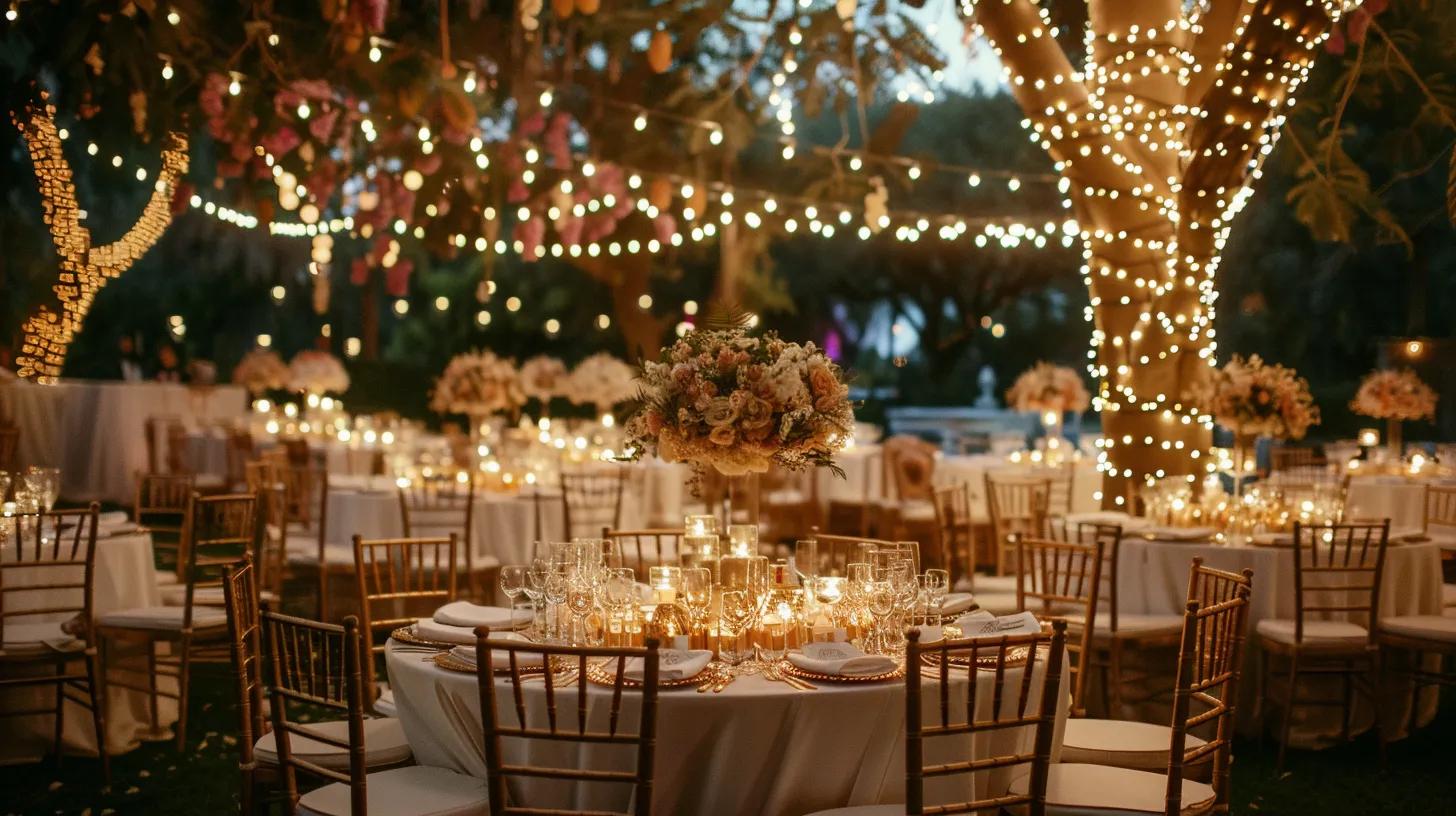
A wedding venue provides the setting, but decor and rentals determine how that setting is experienced. These decisions are connected from the beginning because every venue has its own opportunities, limitations, and logistical requirements. A space with ocean views may need minimal decorative treatment but stronger wind-conscious rentals. A backyard may offer personal charm but require tents, lighting, restrooms, flooring, and power planning. A ballroom may include basic infrastructure but still need upgraded linens, tabletop pieces, chairs, and lighting to match the couple’s style. Planning the venue and decor together helps avoid mismatched choices, unnecessary rental costs, and last-minute adjustments. It also ensures that the event is designed around both appearance and function. The goal is not only to make the space look beautiful, but to make it comfortable, accessible, and easy for guests and vendors to navigate.
Your Venue Sets the Foundation
Before selecting decor or rentals, evaluate what the venue already provides and what it requires. Key considerations include:
Understanding these details early allows you to build a rental plan that supports the venue instead of working against it.
Decor and Rentals Complete the Guest Experience
Once the venue’s structure and limitations are clear, rentals bring the celebration to life. Tables, chairs, linens, lighting, tabletop items, tents, dance floors, staging, and lounge furniture all contribute to the event’s visual identity and comfort level.
For example, a tent can create a defined reception space at an outdoor venue. Lighting can transform a simple patio into an intimate dinner setting. Linens and tabletop pieces can elevate a neutral space, while flooring can make a lawn more comfortable and accessible for guests. These elements are decorative, but they are also functional.
The strongest wedding designs happen when the venue and rental plan work together. Instead of choosing decor in isolation, use the venue’s layout, architecture, natural surroundings, and infrastructure as the starting point. Then select rentals that enhance the setting, solve practical needs, and create a cohesive guest experience from arrival through the final send-off.
Choose the Venue First, Then Build the Rental Plan Around It
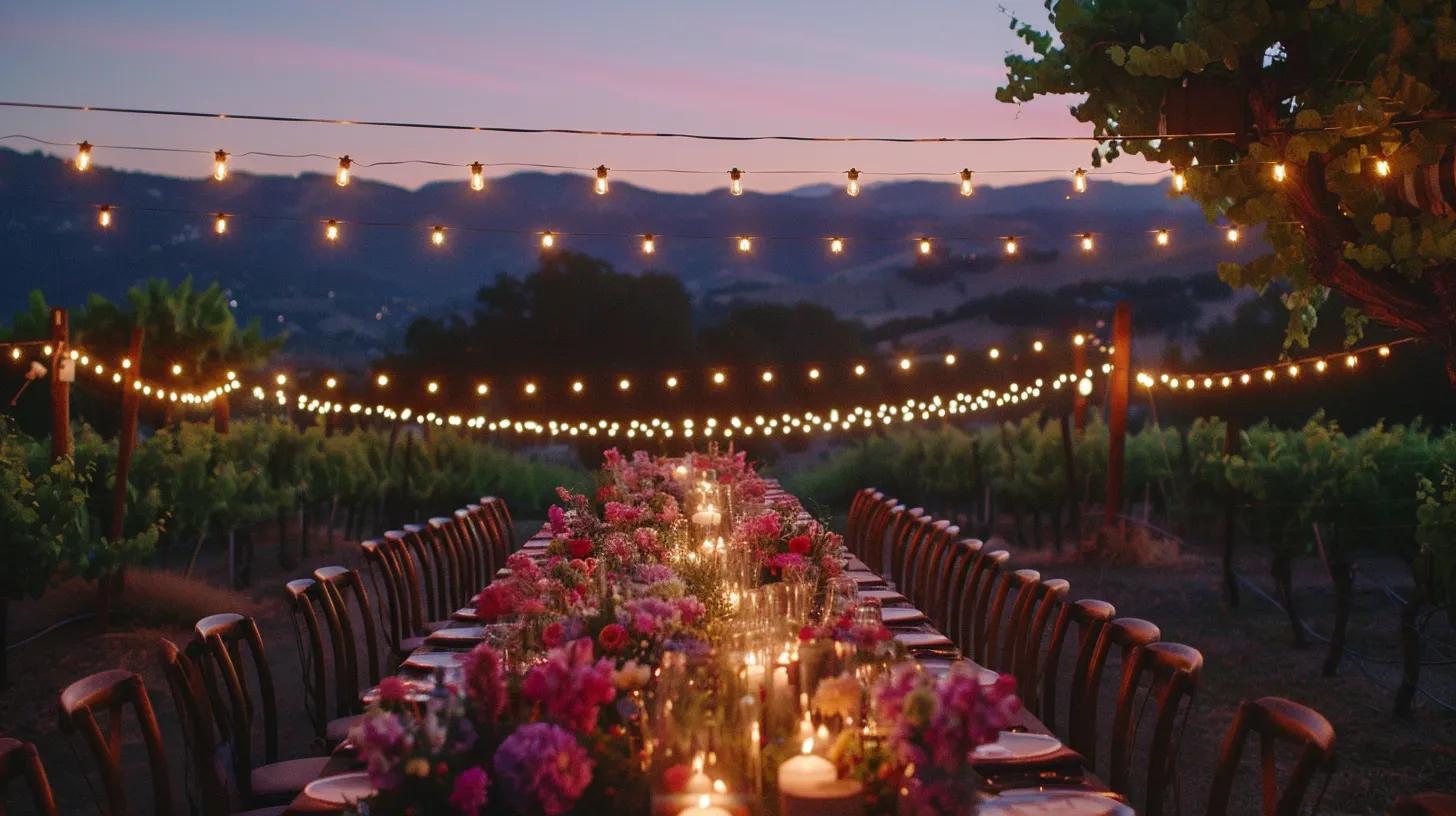
Once the venue is selected, the rental plan should be built around the site’s layout, infrastructure, rules, and existing visual character. This approach keeps the design cohesive and prevents the rental order from becoming a disconnected list of items.
A strong venue-rental plan answers two questions at the same time: what does the space need to function well, and what does it need to feel complete? For some venues, that may mean a full outdoor setup with tents, flooring, lighting, tables, chairs, restrooms, and power support. For others, it may mean using specialty linens, upgraded tabletop pieces, lounge furniture, or lighting to elevate a space that already has core infrastructure in place.
Match the Venue’s Style
Every venue has a built-in design direction. Rather than covering it up, use the venue’s existing features as the starting point for rental and decor decisions.
The goal is not to force a theme onto the venue. The goal is to select rentals that make the venue feel intentional, polished, and comfortable.
Walk the Guest Flow Before Choosing Rentals
Before finalizing tables, chairs, tents, staging, or decor, walk through the event from the guest’s perspective. This helps identify where rentals are needed and where the layout may need adjustment.
Consider each major transition:
- Arrival and parking
- Welcome area
- Ceremony seating
- Cocktail hour
- Bar and food service
- Dinner layout
- Dance floor
- Restrooms
- Lounge or photo areas
- Final exit
This walk-through often reveals practical needs that are easy to miss on a simple rental checklist. For example, a beautiful lawn may still need flooring for dinner tables or dancing. A scenic ceremony site may need shade, directional signage, or additional seating. A reception area may need lighting not only for ambiance, but also for safe guest movement after sunset.
Identify Venue Restrictions Early
Venue rules can significantly affect rental and decor choices. Before committing to a design plan, confirm what is allowed and what requires approval.
Common restrictions include:
Confirming these details early helps avoid redesigning the event after rentals have already been selected. It also gives the rental team enough time to recommend practical alternatives that still support the intended look and guest experience.
Build the Rental Plan in Priority Order
After reviewing the venue, organize rentals by importance. Start with the elements required for safety, comfort, and event flow, then move into the details that define the visual style.
A practical order is:
- Shelter and weather protection: tents, canopies, sidewalls, heaters, fans, or shade structures.
- Guest seating and dining: tables, chairs, linens, tabletop rentals, and serving needs.
- Infrastructure: power, restrooms, flooring, staging, lighting, and vendor access.
- Atmosphere: lounge furniture, decorative lighting, bars, specialty pieces, and focal-point decor.
- Finishing details: signage, centerpieces, accent linens, candles, and personal touches.
This sequence keeps the wedding grounded in function before style. Once the essentials are covered, decorative choices become more focused and easier to coordinate.
Essential Wedding Rentals That Shape the Look and Function of Your Venue
Once the venue is confirmed, the next step is identifying which rentals will have the greatest impact on both the appearance and functionality of the wedding. The best rental plans do more than decorate the space. They define the layout, guide guest movement, support vendor operations, and create a comfortable environment from ceremony through reception.
The specific rental mix will depend on the venue, guest count, season, and event format, but most weddings rely on a core group of elements: tents, tables, chairs, linens, tabletop rentals, lighting, flooring, staging, and lounge furniture.
Tents and Canopies
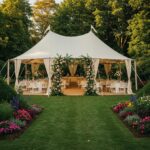
For outdoor weddings, tents and canopies are often the most important rental decision after the venue itself. A tent provides shelter, creates a defined event space, and gives the celebration a sense of structure. It can also support lighting, draping, chandeliers, sidewalls, entry treatments, and other design elements that help transform an open outdoor area into a polished reception environment.
Tent planning should begin with function. Consider the guest count, table layout, bar placement, dance floor, catering access, and any space needed for a band, DJ, or lounge area. A tent that is too small can make the reception feel crowded, while a tent that is too large may require additional lighting, decor, or layout planning to feel warm and intentional.
For outdoor venues, also account for weather exposure. Sidewalls, heaters, fans, flooring, and proper anchoring may be needed depending on the site and season. These details are not just backup measures; they directly affect guest comfort and event continuity.
Tables and Chairs
Tables and chairs are foundational to the guest experience. They determine the reception layout, influence conversation flow, and contribute significantly to the visual style of the event.
Round tables can create a classic reception layout and encourage group conversation. Banquet tables can feel more communal and structured. Farm tables often work well for rustic, garden, or estate-style weddings where the table itself becomes part of the decor. Chair selection also matters. A simple chair may suit a casual outdoor setting, while a more refined chair style can elevate a formal venue or tented reception.
When choosing tables and chairs, consider:
The goal is to create a layout that looks balanced and allows guests, servers, and vendors to move comfortably through the space.
Linens and Tabletop Rentals
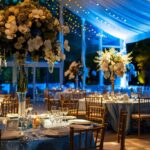
Linens and tabletop pieces are some of the most effective ways to connect the rental plan to the wedding’s color palette and style. Tablecloths, napkins, runners, chargers, china, glassware, and flatware all contribute to the overall presentation of the reception.
Linens should be selected with the venue’s existing colors, lighting, and materials in mind. A bright outdoor venue may call for matte fabrics that reduce glare, while an evening reception may benefit from richer textures that read well under soft lighting. Neutral linens can create a clean foundation, while specialty fabrics or colored napkins can add depth without overwhelming the design.
Tabletop rentals should also match the tone of the event. Formal venues may call for refined china, polished flatware, and elegant glassware. Outdoor or coastal weddings may benefit from simpler, durable pieces that still feel elevated. The best selections support the meal service while reinforcing the visual identity of the wedding.
Lighting
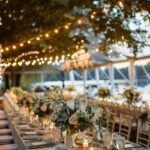
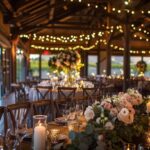
Lighting has one of the strongest effects on how a wedding venue feels. It can soften a large space, highlight architectural details, define important zones, and create a natural transition from ceremony to dinner to dancing. Common wedding lighting options include:
Lighting should be planned by zone. Arrival areas, ceremony spaces, dining areas, bars, restrooms, dance floors, and exits may all require different lighting solutions. This ensures the event feels cohesive while also supporting safety and visibility.
Flooring and Staging
Flooring and staging are especially important for outdoor weddings, tented receptions, and venues with uneven surfaces. Flooring creates a stable surface for dining, dancing, and guest circulation, while staging defines areas for ceremonies, speeches, entertainment, and performances.
A dance floor can anchor the reception and encourage guests to gather. Temporary flooring can make a lawn or outdoor surface more comfortable and accessible. Staging can improve sightlines for ceremonies, toasts, bands, and DJs. When planning flooring and staging, consider:
- Surface conditions
- Guest mobility
- Dance floor placement
- Band or DJ requirements
- Ceremony sightlines
- Weather exposure
- Transitions between surfaces
- Accessibility for strollers, wheelchairs, and older guests
These elements may not always be the most decorative rentals, but they often make the biggest difference in how smoothly the event functions.
Lounge Furniture and Decorative Rentals
Lounge furniture and decorative pieces help personalize the venue and create comfortable gathering areas outside the formal dining layout. Sofas, accent chairs, coffee tables, rugs, bars, backdrops, and display pieces can define cocktail hour spaces, photo areas, welcome zones, or quiet seating areas for guests. These rentals are most effective when they serve a clear purpose. A lounge near the bar can encourage conversation during cocktail hour. A styled seating area can create a photo moment. A decorative bar can become a focal point for the reception. Used strategically, these pieces make the event feel more layered and intentional without overcrowding the venue.
Outdoor Wedding Planning: What to Confirm Before Booking Rentals

Outdoor weddings offer flexibility and natural beauty, but they also require more infrastructure planning than traditional indoor venues. Before finalizing the rental order, confirm the practical details that will affect setup, guest comfort, and vendor operations. These decisions should be made early enough for the rental team to recommend the right equipment and layout.
Weather Backup
Weather planning should be part of the original design, not an afterthought. Even in mild climates, outdoor weddings can be affected by sun exposure, wind, evening temperature drops, coastal moisture, or unexpected rain. A strong weather plan may include:
The backup plan should still feel like part of the wedding design. When tents, sidewalls, lighting, and flooring are planned in advance, they can support the aesthetic rather than feel like emergency additions.
Power and Lighting Needs
Power is one of the most commonly underestimated outdoor wedding requirements. Lighting, catering equipment, music, restrooms, heaters, fans, bars, and food service stations may all require reliable power access.
Before booking rentals, confirm:
- Where power is available on-site
- Whether generators are needed
- Which vendors require dedicated circuits
- Where lighting will be installed
- Whether restroom trailers need power
- Whether catering equipment requires electricity
- How cords will be covered or routed safely
This is especially important for private estates, ranches, beaches, gardens, and backyard weddings, where built-in infrastructure may be limited. A clear power plan helps avoid overloaded circuits, unsafe cord placement, and last-minute setup delays.
Restrooms and Guest Comfort
Restroom access has a direct impact on guest experience. Some venues have sufficient restrooms on-site, while others require supplemental restroom trailers or portable facilities. This should be confirmed before the rental plan is finalized, especially for outdoor or private-property weddings.
Guest comfort also includes shade, heating, seating, accessibility, clear walkways, and proximity to key areas such as dining, bars, and transportation. If guests need to walk long distances between the ceremony and reception, consider pathway lighting, signage, and stable ground surfaces.
Comfort-focused planning should account for:
- Restroom quantity and location
- Handwashing or sanitation needs
- Accessibility
- Shade and temperature control
- Seating for cocktail hour
- Walkway stability
- Distance between event zones
- Clear directional signage
These details may not be the most visible part of the wedding design, but they are often what guests remember when they are missing.
Delivery, Setup, and Vendor Coordination
Rental logistics can significantly affect the wedding day timeline. Before confirming the order, review how and when each rental item will arrive, where it will be placed, and who will be responsible for final layout decisions on-site.
Important setup details include:
For larger weddings, a simple site map and timeline can prevent confusion. The site map should show the ceremony location, tent placement, dining layout, dance floor, bars, catering area, restrooms, power sources, lounge areas, and vendor access points.
Permits, Venue Rules, and Site Protection
Some outdoor locations require permits for tents, amplified sound, generators, alcohol service, or large gatherings. Private venues may also have rules about lawn protection, tent staking, delivery hours, open flames, and noise limits.
Before booking rentals, confirm:
- Whether tent permits are required
- Whether staking is allowed
- Whether weighted tenting is necessary
- Whether flooring or ground protection is required
- Whether amplified sound has time limits
- Whether generators are allowed
- Whether open flames are permitted
- Whether rentals must be removed the same night
These details can change the rental plan, so they should be addressed before finalizing the order. Early confirmation gives the rental team time to recommend compliant alternatives that still support the design and guest experience.
How to Prioritize Your Wedding Rental Budget
A wedding rental budget should be organized around impact. The most important rentals are not always the most decorative ones. They are the pieces that make the event comfortable, functional, and visually cohesive.
Start by separating rentals into three categories: essential infrastructure, guest-facing rentals, and decorative enhancements. Essential infrastructure keeps the event operating smoothly. Guest-facing rentals shape comfort and flow. Decorative enhancements add personality once the core needs are covered.
Start With the Essentials
Before choosing specialty decor, confirm the rentals required to make the venue usable for the full event. This is especially important for outdoor venues, private estates, beaches, gardens, and backyard weddings where infrastructure may be limited.
Priority rentals often include:
This order keeps the planning process practical. Once the functional needs are covered, it becomes easier to decide where decorative upgrades will have the greatest effect.
Spend More Where Guests Feel the Difference
The best rental investments are usually the ones guests interact with directly. Comfortable chairs, properly spaced tables, good lighting, stable flooring, accessible walkways, and adequate shade or heating often matter more than elaborate decorative details.
For example, upgraded chairs may have more impact than adding another small decor installation, because every guest sees and uses them. A well-sized tent with lighting can improve the entire reception environment. A dance floor can transform the energy of the evening. High-quality linens and tabletop rentals can make dinner feel polished without requiring excessive centerpieces.
Consider prioritizing:
- Comfortable seating for the ceremony and reception
- A tent or canopy plan that accounts for weather and sun exposure
- Lighting that makes the space feel warm and usable after sunset
- Flooring where guests will dine, walk, or dance
- Tabletop pieces that elevate the meal service
- Lounge areas that give guests places to gather between formal moments
These rentals support both appearance and experience, which makes them strong budget candidates.
Save on Lower-Impact Details
Not every decor idea needs to be included. Once the venue and core rentals create a strong foundation, smaller details should be selected carefully.
Areas where couples may be able to simplify include:
A disciplined rental budget does not mean a plain event. It means choosing the pieces that deliver the most value visually, operationally, and experientially.
Use the Venue to Guide Budget Decisions
The venue should influence where the rental budget goes. A fully equipped ballroom may require fewer infrastructure rentals and more investment in tabletop, linens, lighting, and lounge furniture. A private estate may need more budget allocated to tents, restrooms, power, flooring, and delivery logistics. A coastal venue may need wind-conscious decor, stable flooring, and weather protection.
Before finalizing the rental order, ask:
- What does the venue already provide?
- What does the venue lack?
- What will guests physically use?
- What will vendors need to operate efficiently?
- What will improve comfort, safety, and flow?
- Which rentals will be most visible in photos?
- Which upgrades support the overall design instead of adding clutter?
These questions help keep the budget aligned with the actual needs of the event.
How Ventura Rental Helps Couples Plan Venue and Decor Rentals
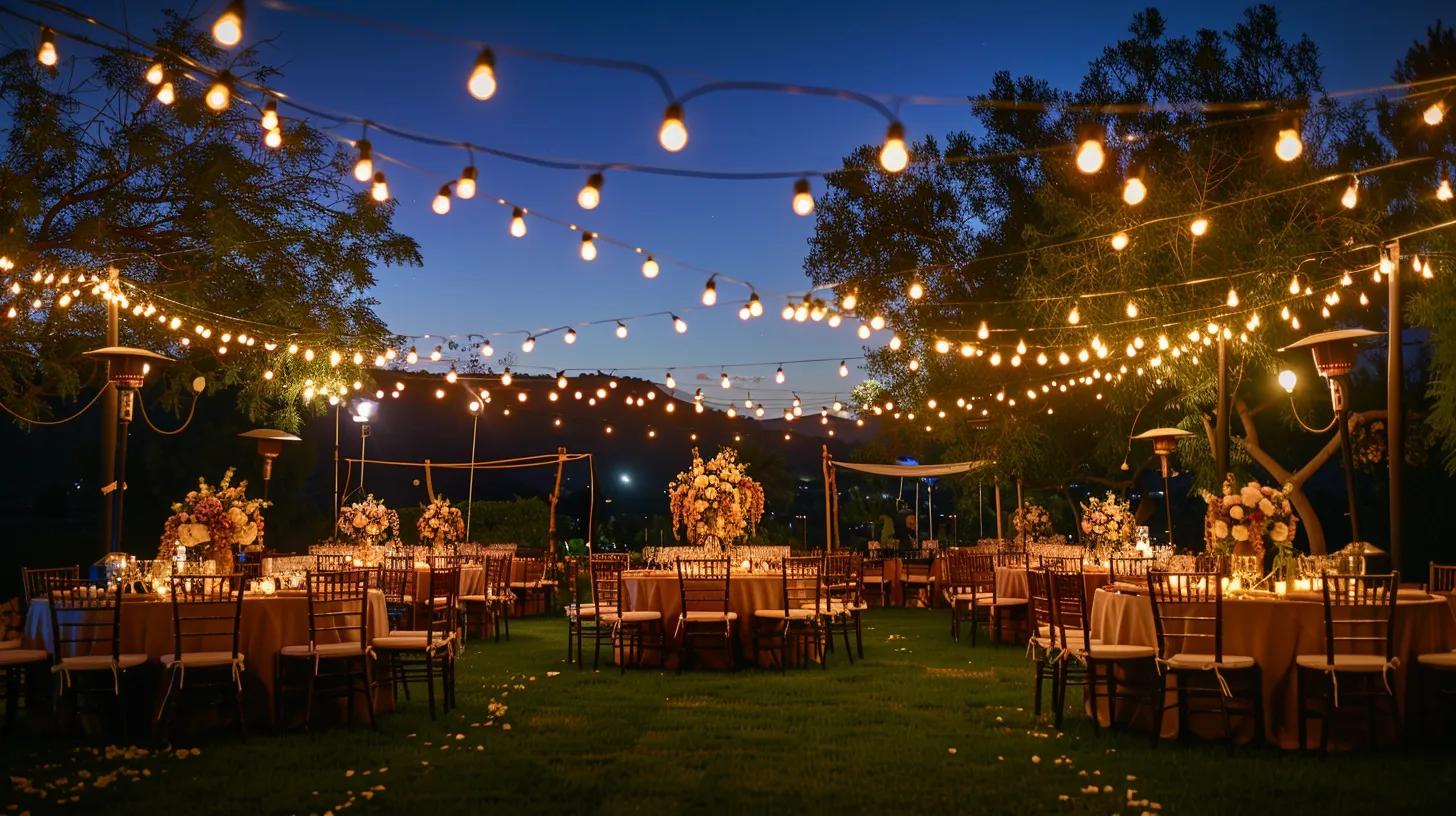
Planning wedding rentals involves more than choosing individual items from a catalog. Each rental decision affects the layout, guest experience, vendor workflow, and overall design of the event. Ventura Rental helps couples connect these pieces into a practical plan that fits the venue, guest count, budget, and wedding style. Whether the event is held at a private estate, backyard, beachside location, garden, ballroom, ranch, or traditional venue, the rental plan should support both the visual direction and the operational needs of the celebration.
Full-Service Wedding Rental Inventory
Ventura Rental offers a broad inventory for weddings and events, making it easier to coordinate multiple rental categories through one provider. This is especially useful when planning a tented wedding or outdoor event where many elements need to work together.
Rental categories may include:
Working with a full-service rental company helps reduce the complexity of coordinating separate vendors for every category.
Layout and Design Guidance
A rental plan should be based on how the event will actually function. Ventura Rental can help couples think through layout questions that affect comfort, flow, and visual balance.
Key planning questions include:
- Where should the ceremony be placed?
- How many guests need seating?
- What table layout works best for the reception?
- Where should the bar, buffet, or catering area go?
- How much space is needed for dancing?
- Does the venue need a tent, flooring, sidewalls, or staging?
- Where will guests move after dark?
- Which rentals will complement the venue’s existing style?
This type of planning helps avoid overcrowded layouts, awkward transitions, undersized tents, and decor choices that do not match the venue.
Support for Outdoor and Tented Weddings
Outdoor weddings often require more planning than indoor events because many essential features need to be brought onto the site. Ventura Rental can help identify which infrastructure pieces are needed for the venue and season.
For outdoor celebrations, this may include:
- Tent sizing and placement
- Canopies for ceremony, dining, catering, or lounge areas
- Sidewalls for weather protection
- Flooring or dance floors
- Lighting for dining, pathways, and reception areas
- Tables and chairs for multiple event zones
- Restroom and power planning
- Heating or cooling considerations
- Vendor access and delivery logistics
By addressing these needs early, couples can create an outdoor wedding that feels intentional rather than improvised.
Showroom Appointments and Rental Consultations
A showroom appointment or rental consultation allows couples to compare materials, colors, finishes, and table settings before making final decisions. Seeing linens, chairs, tabletop pieces, and decor options together can make it easier to build a cohesive look.
Couples should come prepared with:
- Wedding date
- Venue name and location
- Estimated guest count
- Floor plan or site map, if available
- Inspiration photos
- Color palette
- Rental wish list
- Budget range
- Notes about venue restrictions or delivery requirements
A consultation can also help identify missing items, simplify the rental list, and prioritize upgrades based on budget and guest impact.
Local Experience Across Ventura, Santa Barbara, and Los Angeles Areas
Local rental experience matters because every region and venue type has different planning considerations. Coastal venues may require wind-conscious layouts and stable decor. Private estates may need more infrastructure. Historic venues may have strict setup rules. Outdoor locations may require careful delivery planning and weather protection.
Ventura Rental’s experience with weddings and events throughout Ventura, Santa Barbara, Los Angeles, and surrounding areas helps couples plan with those practical details in mind. The result is a rental plan that fits the location, supports the design, and helps the wedding day run more smoothly.
A More Coordinated Planning Experience
When the venue, rentals, and decor are planned together, the event feels more cohesive. Ventura Rental helps couples move from a general vision to a detailed rental plan by connecting design choices with practical requirements.
That may mean selecting the right tent size, choosing linens that work with the venue palette, building a table layout that supports service, adding lighting for evening ambiance, or identifying where flooring is needed for comfort and accessibility. Each decision contributes to the same goal: a wedding that looks beautiful, feels comfortable, and functions well from start to finish.
Frequently Asked Questions
Should I choose my wedding venue or rentals first?
Choose the venue first, then build the rental plan around the space. The venue determines the guest capacity, layout, power access, weather exposure, delivery logistics, and design direction. Once those details are clear, you can select tents, tables, chairs, linens, lighting, flooring, staging, and decor that fit the site instead of working against it.
Do I need a tent for an outdoor wedding?
A tent is strongly recommended for most outdoor weddings, especially if the ceremony or reception will be exposed to sun, wind, rain, or cooler evening temperatures. Beyond weather protection, a tent also defines the event space and creates a polished setting for dining, dancing, lighting, and decor.
What rentals are most important for guest comfort?
The most important comfort-focused rentals are seating, shade or shelter, lighting, flooring, restrooms, and clear walkways. Guests may notice beautiful decor, but they will feel the impact of comfortable chairs, stable surfaces, good lighting, convenient restrooms, and protection from weather throughout the event.
How do I match linens and tableware to my venue?
Start with the venue’s existing colors, materials, architecture, and lighting. A coastal venue may pair well with lighter linens and simple tabletop pieces, while a formal ballroom may call for specialty linens, refined china, polished flatware, and elegant glassware. The goal is to complement the venue rather than compete with it.
What should I consider when planning rentals for a backyard wedding?
Backyard weddings often require more infrastructure than couples expect. Confirm whether the property has enough space, power, restrooms, parking, lighting, and level ground for the event. You may need tents, tables, chairs, flooring, restroom trailers, generators, pathway lighting, trash solutions, and vendor staging areas to make the space function like a proper event venue.
How far in advance should I book wedding rentals?
Book core rentals as early as possible once the venue, date, and estimated guest count are confirmed. Tents, tables, chairs, linens, dance floors, staging, lighting, and specialty pieces can become limited during peak wedding season. Early booking also gives the rental team more time to review the venue layout, delivery requirements, and weather backup needs.
Can Ventura Rental help with wedding layout planning?
Yes. Ventura Rental can help couples think through rental selections, layout, tent placement, guest flow, table arrangements, lighting needs, and outdoor event logistics. This is especially useful for private estates, backyard weddings, tented receptions, and venues that require additional infrastructure.
What should I bring to a rental consultation?
Bring your wedding date, venue name, estimated guest count, inspiration photos, color palette, floor plan or site map if available, and a list of rentals you already know you need. It is also helpful to bring notes about venue restrictions, delivery windows, power access, parking, and weather concerns.
Conclusion
Your wedding venue sets the stage, but the right rentals determine how the celebration looks, feels, and functions. A beautiful location still needs thoughtful planning around guest comfort, weather protection, seating, lighting, dining, dancing, vendor access, and overall flow.
By planning venue details and rental decisions together, couples can avoid mismatched decor, overlooked infrastructure needs, and last-minute logistical problems. Tents, tables, chairs, linens, tabletop rentals, flooring, staging, lighting, lounge furniture, and decorative accents all work best when they are selected with the venue’s layout and limitations in mind.
Ventura Rental helps couples turn a venue and design vision into a complete event plan. Whether you are planning a wedding in Ventura, Santa Barbara, Los Angeles, or the surrounding areas, their team can help you choose rentals that support the setting, fit the guest count, and create a wedding experience that feels cohesive from the first arrival to the final send-off.