

Running a corporate event in California is rewarding and often complicated. Equipment rentals are a frequent pain point: small oversights can become costly delays or compliance headaches. This guide walks through the rental mistakes planners commonly make in California and gives practical, action-oriented tips to avoid them. We cover how state and local rules affect outdoor events, best practices for budgeting and vendor coordination, and how simple checklists protect your timeline and bottom line. Use these recommendations to reduce risk and deliver smoother events.
What Are the Most Frequent Rental Equipment Mistakes in California Corporate Events?

Planners routinely stumble over the same rental issues: poor timing, wrong equipment for the venue, overlooked permits, and underbudgeting for fees. These errors create operational problems and extra costs that ripple across the event. Spotting these traps early is the first step to preventing them.
How Do Delivery and Setup Delays Impact Outdoor Corporate Events?
Late deliveries and slow setups knock event schedules off balance and force rushed, error-prone installs. When AV, staging, or tents arrive late, teams scramble, tech checks are skipped, and attendee programming can be delayed. The result is stressed staff, unhappy presenters, and a weaker guest experience. Prioritize confirmed delivery windows, build setup buffers into your timeline, and insist on clear vendor SLAs to keep things on track.
Which Rental Equipment Selection Errors Should Planners Avoid?
Poor equipment choices usually come from assumptions about the space or the attendee count. Common mistakes: ordering too few chairs, failing to size AV rentals for outdoor ambient noise, choosing indoor lighting for an open-air venue, or skipping weather-resistant options. Start with a site visit or detailed floorplan, confirm exact headcount and activities, then match equipment specs to those realities to avoid last-minute swaps.
How Do California Outdoor Event Rental Regulations Affect Corporate Event Planning?
California cities and counties set distinct rules for outdoor events, and those local differences matter. From permitting to noise limits and park-use restrictions, regulatory requirements influence timelines, costs, and which equipment you can use. Early research and local outreach keep you compliant and prevent surprises that could force changes or fines.
What Permits Are Required for Outdoor Corporate Events in California?
Required permits depend on location and scale. Typical permits include special-event permits, noise permits, and authorization to use public spaces or disrupt traffic. Some jurisdictions require separate permits for tents, food service, or amplified sound. Check city and county websites early, and allow time for application processing; missing a permit can lead to fines or even shutdowns.
How Does Insurance Coverage Protect Rental Equipment and Liability?
The right insurance reduces financial exposure if equipment is damaged or someone is injured. General liability covers bodily injury and property damage, while equipment or rental insurance covers loss or damage to leased items. Require certificates of insurance from vendors and confirm policy limits with your broker so responsibilities are clear before load-in.
What Are the Best Practices for Budgeting and Vendor Coordination in Corporate Event Rentals?
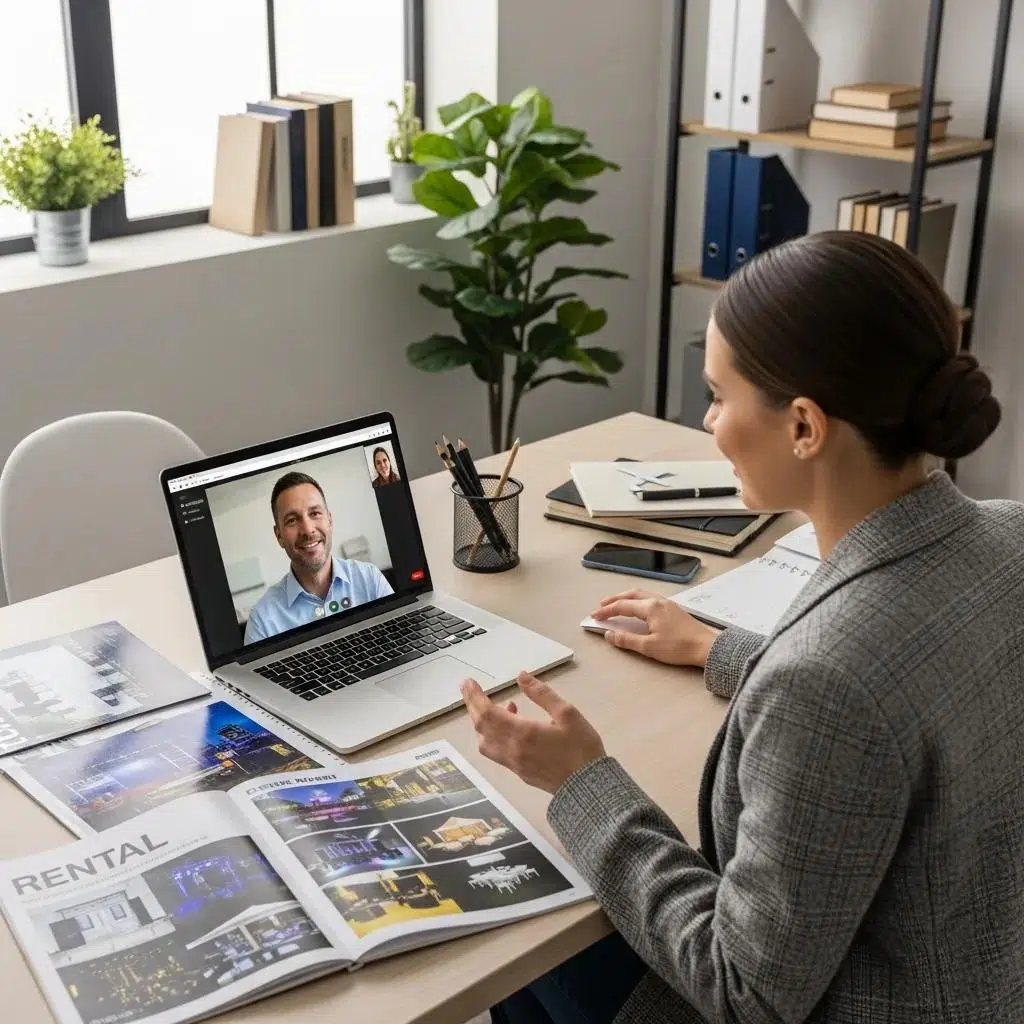
Budgeting and vendor management are where many events win or lose. Clear scopes, transparent pricing, and proactive coordination prevent cost creep and misaligned expectations. Treat vendors as partners: the better your communication, the smoother the delivery and setup.
How Can Planners Optimize Rental Budgets to Avoid Common Pitfalls?
Build a budget that includes line items for delivery, setup, insurance, permits, power, and contingency. Ask vendors for itemized quotes so you can compare apples to apples, and flag any potential add-ons early. Prioritize must-haves versus nice-to-haves and hold a contingency (typically 5–10%) for unexpected charges.
What Strategies Improve Coordination with Rental Vendors and Suppliers?
Set clear expectations: confirm delivery windows, setup crew size, power needs, and point-of-contact details in writing. Schedule regular check-ins leading up to the event and a final walkthrough or tech run-through. Maintain a single shared document with timelines, site maps, and contact info so everyone references the same plan.
Which Checklist Items Ensure Successful Corporate Event Equipment Rentals in California?
A checklist translates planning into execution. The right list reduces overlooked items and gives you confidence on event day. Make it actionable and share it with your team and vendors.
What Are the Essential Steps for Booking and Managing Rental Equipment?
When booking: confirm availability, obtain an itemized contract that lists delivery, pickup, damage policy, and cancellation terms, and lock in setup times. Track all vendor communications and invoice details. Before load-in, verify access routes, power capacity, and onsite contacts to prevent surprises.
How Can Planners Use Checklists to Prevent Rental Mistakes?
Create a checklist that covers equipment, permits, insurance, delivery/pickup windows, setup crew, power, and contingency plans. Review it at key milestones, contract signed, two weeks out, 48 hours out, and day-of, and assign each task to an owner so nothing slips through the cracks.
Why Choose Ventura Rental for Reliable Corporate Event Equipment in California?
Finding a dependable rental partner simplifies planning and reduces risk. Ventura Rental brings regional experience, consistent equipment standards, and customer-focused service to help you execute with confidence.
What Unique Support and Flexible Terms Does Ventura Rental Offer?
Ventura Rental provides hands-on guidance to match equipment to your site and program, flexible rental durations, and transparent pricing to fit a range of budgets. Their team helps plan logistics, advises on permits and power needs, and adjusts terms for scale so you get the right gear without rigid constraints.
How Do Ventura Rental’s Services Help Avoid Common Rental Mistakes?
Ventura Rental’s staff supports equipment selection, confirms delivery and setup details, and helps troubleshoot onsite so you avoid late surprises. Their experience with California venues and local regulations helps reduce common missteps and enables you to deliver reliable, professional events.
Frequently Asked Questions
What should planners consider when choosing a venue for their corporate event?
Choose a venue that fits your capacity, accessibility needs, and technical requirements. Check on power availability, Wi‑Fi reliability, load-in access, staging and rigging restrictions, and parking or transit options. Make sure the venue’s atmosphere supports your event objectives and provides space for the equipment and layout you need.
How can planners ensure compliance with local regulations for corporate events?
Start by contacting the city or county where you’ll host the event and reviewing permitting requirements for your specific site. Work with venue staff and, if needed, a local permitting consultant. Build permit deadlines into your timeline and keep copies of approvals on hand for load-in day.
What are the benefits of using technology in corporate event planning?
Technology streamlines logistics and improves engagement. Event software supports registration, budgeting, and vendor communication; AV and streaming tools enable hybrid participation; and apps or polling tools boost attendee engagement. Use technology to save time and elevate the guest experience.
How can planners effectively manage last-minute changes to their event plans?
Stay flexible and prepared: have backup vendors and equipment options, keep an up-to-date site map and timeline, and assign team members to rapid-response roles. Communicate changes clearly to staff, vendors, and attendees, and use contingency funds to cover unavoidable costs.
What role does feedback play in improving future corporate events?
Feedback closes the loop. Collect input from attendees, vendors, and team members to identify what worked and what didn’t. Use surveys and debriefs to capture actionable insights, then incorporate those learnings into future checklists and vendor evaluations.
How can planners ensure a seamless experience for attendees during the event?
Plan with the attendee experience in mind: provide clear signage and staffing, test all equipment before doors open, and keep a visible help point for questions. Stick to your run-of-show, communicate schedule updates promptly, and ensure technical redundancies for key elements like microphones and streaming links.
Conclusion
Avoiding common rental mistakes, from timing and equipment mismatches to permit and insurance oversights, makes a measurable difference in event quality and cost control. With disciplined budgeting, strong vendor coordination, and reliable partners like Ventura Rental, corporate events in California run smoothly and deliver better outcomes. Start tightening your process today by applying these practical tips and leveraging experienced rental support.