
Planning an outdoor event along the Malibu or Santa Barbara coast delivers incredible views—and a few added logistics, with wind usually at the top of the list. The right tent does more than look good: it helps keep guests comfortable, protects key areas like dining and bar service, and supports a secure setup when coastal conditions shift.
In this guide, we’ll cover the most wind-resistant tent styles for beachside events, anchoring approaches that match sand and uneven ground, and practical planning considerations like permits, access, and setup timing. You’ll also learn how Ventura Rental Party & Events tailors coastal wedding and event solutions—balancing safety, aesthetics, and guest comfort—so you can enjoy the day with confidence.
Top Wind-Resistant Tent Styles for Coastal Events

Coastal venues are beautiful, but they come with one consistent challenge: wind, especially for larger-scale events outlined in our gala rental guide. Even on calm days, sea breezes can shift quickly, and gusts tend to hit harder in open areas near water. That means your tent choice should prioritize structural rigidity, dependable anchoring options, and materials that won’t degrade under moisture and salt air.
Frame tents, clear-span structures, and sailcloth tents are all strong performers in blustery conditions. Each style manages wind differently, and the “best” choice often depends on your site surface (sand, grass, concrete), the event layout, and how open you want the interior space to feel. When matched to the location and installed by experienced crews, these designs can deliver both wind stability and guest comfort without sacrificing style.
Why Frame Tents and Clear-Span Tents Work Well on the Coast
Frame tents are a go-to option for windy coastal sites because their stability comes from a rigid aluminum frame rather than relying heavily on center poles and tension alone. The frame creates a sturdy skeleton that helps the tent stay square and resist twisting during gusts. They’re also flexible on tricky terrain—useful for coastal lawns, uneven ground, or spaces where traditional staking isn’t ideal.
Clear-span tents are often the most robust choice when you need maximum strength and an unobstructed interior. They’re engineered with a stronger, continuous structure designed to distribute loads more evenly—especially across the roofline—so wind forces are handled more predictably when the tent is anchored correctly. The absence of interior poles also makes them easier to plan around: better sight lines, smoother guest flow, and fewer constraints for dance floors, staging, bars, or large seating layouts.
Both frame and clear-span tents tend to be dependable coastal options because they support stronger anchoring methods and hold their shape well in changing conditions—especially when installed by crews who know how to evaluate wind exposure and set the tent to spec.
Materials That Boost Wind Performance
Tent stability isn’t just about the frame—it’s also about the fabric and build quality. In coastal environments, vinyl and heavy-duty polyethylene are common choices because they’re designed to resist tearing and hold up against moisture, salt air, and repeated exposure.
For wind performance, focus on construction details that reduce weak points and failure risks:
- Reinforced seams and stress points to prevent tearing where wind pressure concentrates
- High-quality tensioning systems that keep fabric taut (less flapping = less strain)
- Robust zippers, buckles, and webbing that won’t pop under gusts
- Corrosion-resistant hardware (especially important near salt air)
- Thicker fabric weights that maintain structure better than lighter materials in persistent breezes
In windy coastal settings, these “small” material choices add up. A tent can look identical from a distance, but stronger fabric, reinforced construction, and better hardware are often what separate a tent that stays quiet and comfortable from one that constantly fights the wind.
How to Secure Tents for Windy Beaches and Shoreline Venues
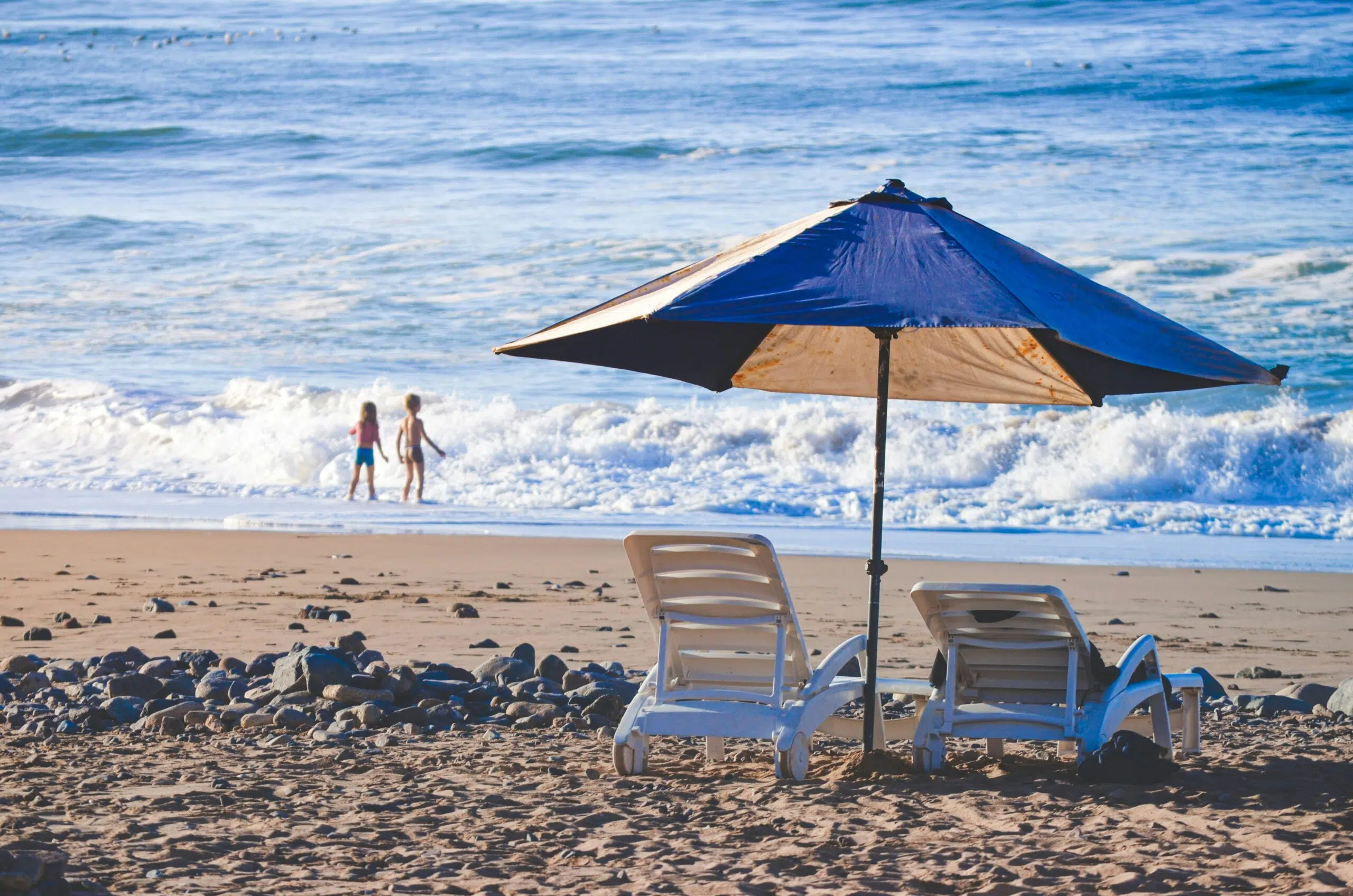
Anchoring and expert setup are the difference between a stable tent and a hazard. Use the right gear for the surface and follow best practices during installation.
Anchoring Solutions for Sand and Uneven Ground
Anchoring needs change depending on what’s underneath the tent. What works in compact soil can fail on loose sand, and what works on grass can be impossible on concrete.
- On sand: Auger-style anchors are often preferred because they bite deeper and resist pull-out better than standard stakes. Sandbags can help, but they work best as part of a larger anchoring strategy—especially when wind exposure is high.
- On firmer ground: Heavy-duty stakes can be highly effective when driven to the correct depth and angle.
- On hard surfaces (concrete/asphalt): Concrete weights or ballast systems are typically used, sometimes combined with approved attachment points depending on local rules and the venue’s restrictions.
No matter the method, anchoring should be treated as a system—not a set of individual tie-downs:
- Set anchors deep and secure (shallow installs are the fastest way to lose stability)
- Space anchors evenly to prevent one side from taking the brunt of the load
- Use gear rated for expected wind loads (not just “what’s available”)
- Inspect and re-check tension after initial setup—fabric and lines can settle
Professional installers earn their value here: they know how to read soil conditions, avoid weak zones, choose appropriate hardware, and comply with venue rules and local regulations—especially in coastal areas where restrictions and wind planning are common.
Sidewalls, Ventilation, and Guest Comfort
Sidewalls can make a coastal tent feel dramatically more comfortable by reducing wind chill and blocking gusts, especially when designing relaxed lounge areas like those featured in our casual seating guide. But there’s an important tradeoff: the more you enclose a tent, the more wind pressure it captures. In strong wind, fully enclosed walls can act like a sail, increasing stress on the frame and anchoring points.
A smarter approach is usually controlled wind reduction rather than total enclosure:
- Partial sidewalls where you need shielding most (like the windward side)
- Mesh panels to reduce gust impact while still allowing airflow
- Strategic openings for entry points and cross-ventilation so pressure doesn’t build inside the tent
Ventilation also matters for guest comfort—especially when you add climate control:
- Heaters can keep the tent cozy, but you still want airflow so it doesn’t feel stuffy
- Fans help circulate air on warm days without turning the tent into a wind tunnel
- Planned airflow paths keep temperatures comfortable while reducing the chance of sidewalls “ballooning” during gusts
The goal is a tent that feels protected and comfortable without trapping wind. Done right, sidewalls and ventilation improve the experience and support structural stability instead of fighting it.
What to Think About When Renting Tents in Malibu and Santa Barbara
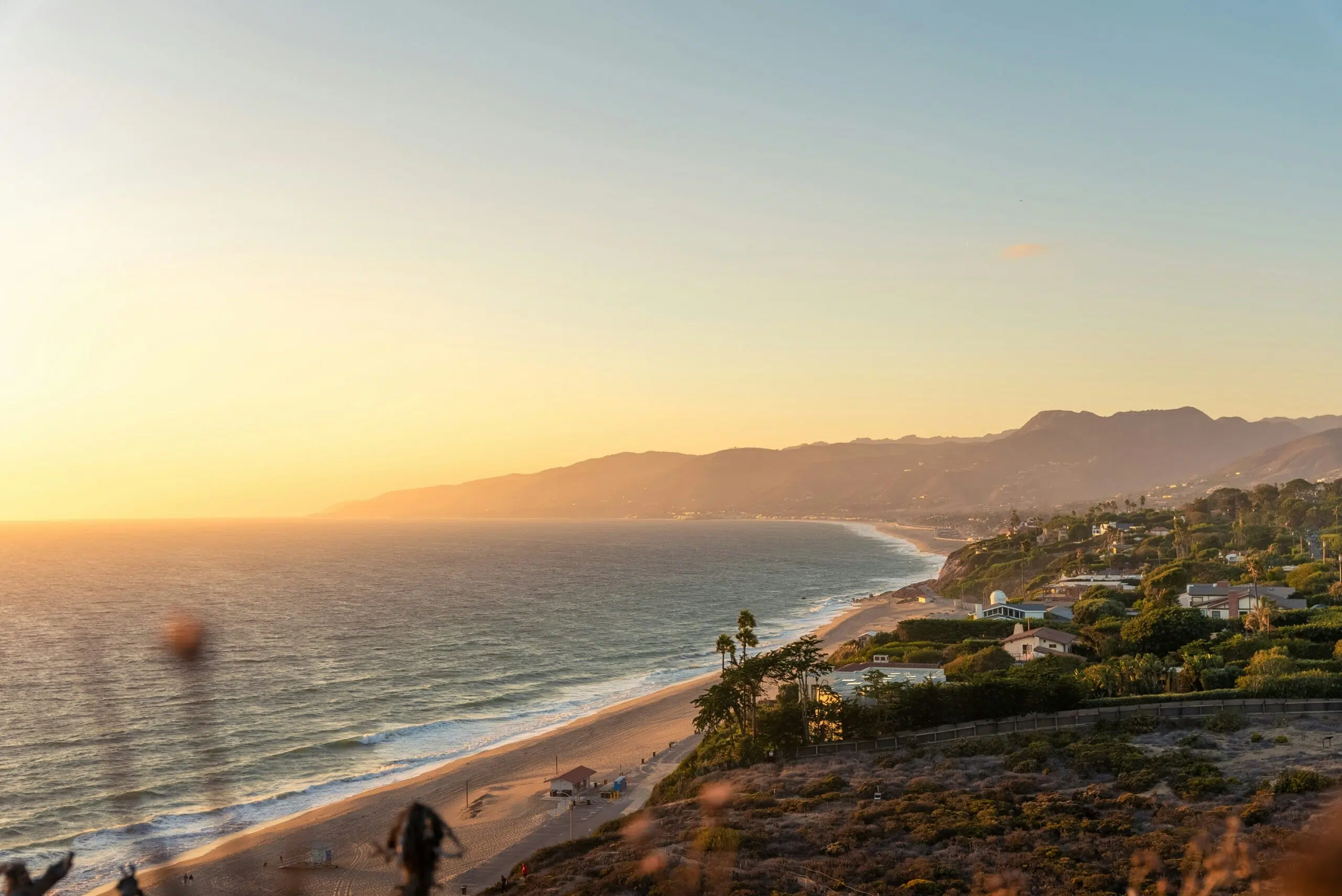
Coastal events come with more moving parts than most venues. Between wind exposure, limited access points, protected areas, and tighter install windows, the planning side matters just as much as the tent itself. A clear plan—paired with an experienced rental partner—keeps the timeline realistic, reduces surprises on install day, and helps ensure the setup meets both safety requirements and venue expectations.
When your rental team understands coastal conditions, you’re not just renting equipment—you’re getting a site-ready strategy: the right tent style, the right anchoring approach, and a workflow that fits the realities of beach and waterfront logistics.
Permits and Logistics for Coastal Tent Installations
Permits can be the make-or-break factor for coastal events, especially on beaches, waterfront parks, or protected public areas. Requirements can vary by city, beach authority, or county rules, and they may depend on factors like tent size, event duration, location access, and whether the space is considered environmentally sensitive.
To avoid last-minute complications, handle these early:
- Check local regulations upfront (public beaches and protected areas often have added steps)
- Confirm what triggers a permit (tent size, occupancy, staking method, ground disturbance, electrical needs)
- Coordinate access and timing (delivery routes, load-in zones, allowed setup/takedown windows)
- Plan for site constraints (soft sand, uneven ground, limited vehicle access, tide lines, and surf zones)
- Build in extra buffer time for coastal traffic, parking restrictions, and longer site prep—especially if equipment has to be moved farther by hand
Coastal installs tend to take longer than inland setups because crews often have to adapt to surface conditions, wind exposure, and access limitations. Getting the schedule right—especially for setup and teardown windows—reduces stress and helps the entire event flow smoothly.
Why Ventura Rental’s Coastal Tent Solutions Are a Smart Choice
Ventura Rental Party & Events specializes in coastal setups, so you’re not left guessing your way through wind planning, anchoring decisions, or permitting considerations. Their team brings hands-on experience with wind-resistant tent options, coastal anchoring strategies, and local logistics—so the setup is designed for the site, not just the event checklist.
Instead of treating the beach like a standard venue, Ventura Rental plans around the details that matter most for waterfront events, including:
- Matching tent styles to wind exposure and layout needs
- Choosing anchoring methods that fit the surface and local rules
- Planning for access, setup timing, and site-specific constraints
- Offering configurations that balance safety, aesthetics, and guest comfort
Frequently Asked Questions
What should I consider when picking a tent for a windy coastal event?
Look at tent style (frame, clear‑span, sailcloth), fabric quality, and approved anchoring options for the site. Prefer durable materials like vinyl or heavy polyethylene and confirm the anchoring plan works for sand or uneven ground.
How can I be sure my tent is installed for maximum wind resistance?
Use anchors rated for the surface, set them deep and evenly, and ensure the fabric is properly tensioned. Hiring a professional crew experienced with coastal installations is the best way to secure stability and safety.
What are the best ways to keep guests comfortable inside a tent during windy weather?
Use partial sidewalls or mesh panels to balance protection with airflow, and add heaters or fans as needed. Proper ventilation prevents stuffiness and keeps the environment pleasant without compromising tent safety.
Do I need permits to set up a tent in Malibu or Santa Barbara?
Permit rules vary by location. Public beaches and certain parks often require permits and may have size or placement restrictions. Start permit conversations early and let your rental team help navigate local requirements.
What if strong winds are forecast on my event day?
Have a contingency plan: consider upgrading to a more wind‑rated tent, moving to a sheltered spot, or rescheduling if necessary. Your rental company should review weather plans with you and advise on safe options.
How do I evaluate the quality of a tent rental company?
Check reviews and testimonials for experience with coastal events, ask about the brands and specs of tents and anchors, and confirm they handle permits and on‑site logistics. A reliable company offers clear communication and experienced installers.
Conclusion
Coastal events in Malibu and Santa Barbara are stunning—and they require thoughtful tent choices to handle wind and site challenges. By understanding tent types, materials, and anchoring options—and by partnering with Ventura Rental Party & Events—you’ll get a setup that looks great and performs safely in coastal conditions. Contact us to explore tents and create a plan that fits your vision and the shoreline.