
Coastal events bring beautiful views — and unpredictable conditions. Wind, fog, salt air and changing temperatures all affect guest comfort and event logistics. This guide breaks down the practical differences between open-air and enclosed tents, the aesthetic trade-offs, and simple, weather-driven rules to help you plan beach ceremonies, vineyard receptions, or seaside corporate gatherings. You’ll learn when open-air tents preserve the scenery and airflow, when enclosed tents make climate control and privacy possible, which tent styles fit common coastal venues, and how to protect rentals from wind, salt and humidity. Use the quick comparisons and checklists here to match tent type to venue, guest count and season. At the end, we’ll summarize Ventura Rental Party & Events’ tent options and how to get a quote or a free consultation.
Key Differences Between Open-Air And Enclosed Event Tents
Open-air tents have open sides or removable walls to maximize views, natural ventilation and a relaxed feel. Enclosed tents use sidewalls and a full envelope to control climate, privacy and noise. Practically speaking, open-air tents give you unobstructed sightlines and breeze; enclosed tents create a predictable interior where HVAC, lighting and décor perform reliably. On the coast the main decision is often ambiance versus control: keep the view and air, or lock in comfort when conditions are uncertain. Below are the main pros and cons to help you decide.
At a glance — how open-air and enclosed tents differ:
- Open-air benefits: Keeps views and airflow, reads as casual and airy, and can feel less costly.
- Enclosed benefits: Lets you add heating/cooling, blocks wind and rain, and supports formal lighting and sound.
- Main trade-off: Scenery and atmosphere versus predictable comfort — choose open-air for the view, enclosed for control.
Next we’ll look at how open-air tents work well on the coast and when enclosure makes more sense.
How Open-Air Tents Work For Coastal Events
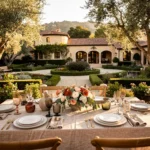
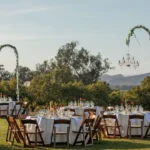
Open-air tents highlight the landscape and let natural air circulation keep guests comfortable when the weather is mild. Open sides reduce trapped heat and allow cooling breezes — a great choice for daytime beach ceremonies, backyard receptions, or venues where the view is central. Visually, open-air tents have a lighter footprint and let the surroundings do much of the decorating. Practically, plan for shade, quick cover from spray or sun, and anchor systems that handle coastal gusts; we cover those details next.
Many open-air setups benefit from targeted mitigation — anchored shade sails or partial walls can preserve openness while improving stability, which leads naturally to considering enclosed options when the forecast looks unsettled.
Which Tent Types Suit Coastal Weddings And Events?
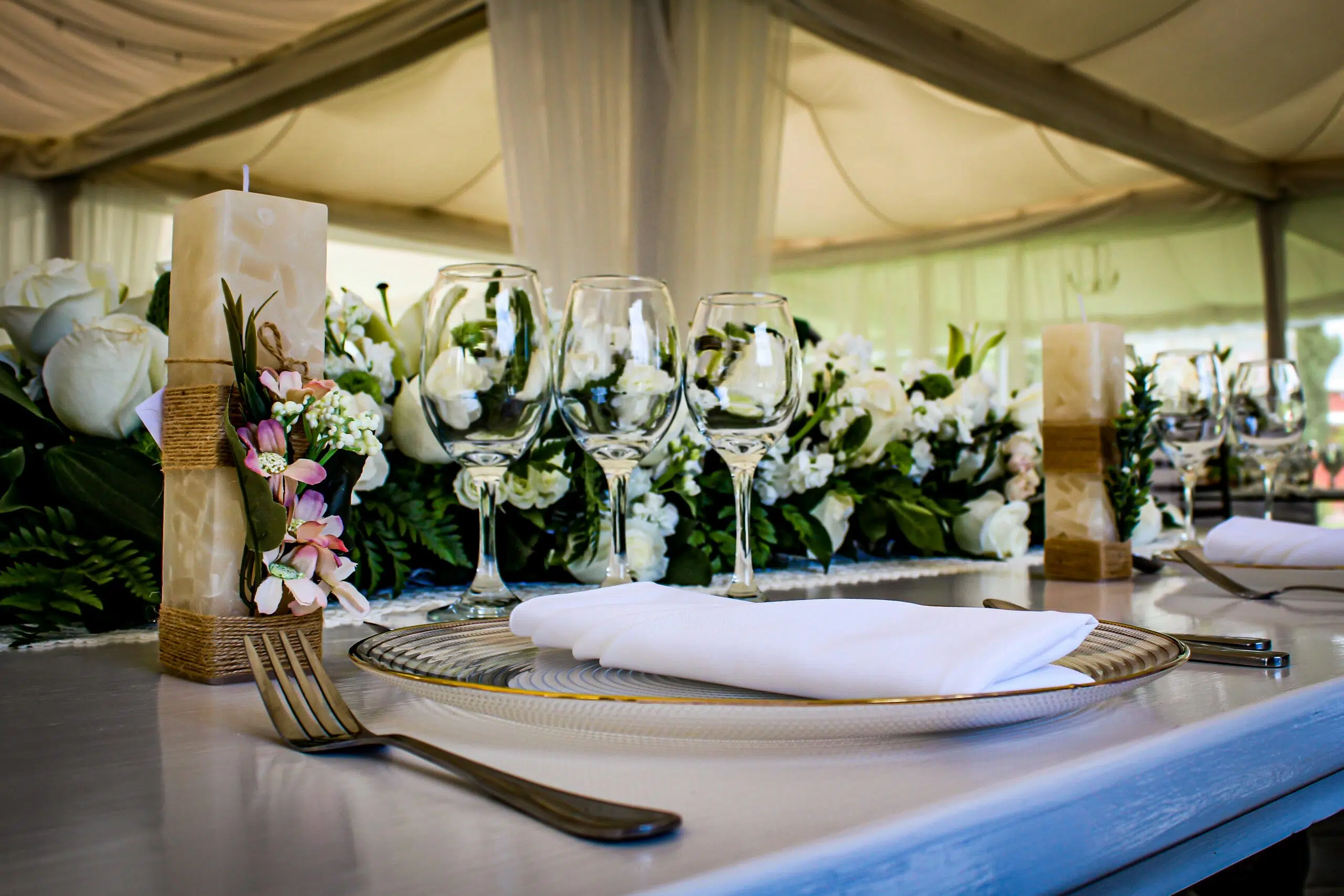
Your choice depends on venue, guest count and the look you want. Common options include sailcloth, frame, pole and clear-span tents — each with distinct structure and coastal suitability. The table below summarizes typical uses and capacities so you can compare quickly before you dig into styling and logistics.
With tent types matched to typical coastal venues, below are popular open-air styles and styling tips that work well by the water.
Popular Open-Air Tent Styles For Beach And Garden Weddings
Sailcloth and canopy-style open-air tents are favorites for beach and garden weddings. They combine soft, translucent fabric with organic lines that highlight the setting. Sailcloth peaks diffuse light for a romantic look; canopy setups keep sightlines open for ceremonies and casual receptions. On the coast, specify wind-rated anchoring, weighted footings for sand, and orient the tent to reduce cross-breezes during key moments. Those adjustments keep the open feel while addressing coastal exposures. Read more in Open-Air vs. Intimate Events: Selecting the Perfect Tent Style.
Those styling choices make it easy to compare frame and pole enclosed tents when you need a more finished, weatherproof interior.
Frame Vs. Pole Enclosed Tents For Formal Events
Frame tents use modular aluminum frames to create a flat, unobstructed interior — ideal for rigid flooring, HVAC and hanging decor. Pole tents rely on center poles and tensioned fabric for a traditional peak silhouette but typically need open grass and stronger anchoring. For formal dinners and corporate installs where flooring, lighting and climate control matter, frame tents are usually the practical choice. Pole tents give a classic look but can limit interior finishes and are more vulnerable in strong gusts without heavy anchoring. You may also find Transform Open Spaces into Elegant Event Venues with Tents helpful.
With tent types and styles covered, the next critical factor is coastal weather and how it changes your tent plan. For more detail, see our article Tent Rentals in Ventura County: Local Guide to Sizes, Styles & Pricing.
How Coastal Weather Affects Tent Selection
Wind, fog and humidity, sun exposure and occasional rain all change how a tent performs and what accessories you’ll need. In short: weather dictates required features. Windy sites need reinforced anchoring and sidewalls; fog and humidity call for moisture-resistant flooring and HVAC; sunny sites benefit from UV-stable fabrics and shade strategies. Proper ventilation and temperature control are especially important for guest comfort and protecting decor and equipment.
Managing tent temperatures and ventilation
Research and field reports show tents can trap heat and moisture when airflow is limited — making interiors noticeably warmer than ambient conditions and uncomfortable for guests. Good ventilation, shade and access to airflow reduce internal temperatures, while HVAC and dehumidification help in foggy or very humid conditions. These strategies also protect belongings and décor from dampness during heavy rain events.
The table below maps each weather factor to its likely impact and the practical steps you can take so you can apply clear rules when choosing open-air or enclosed setups.
Use these guidelines to decide when to favor an enclosed tent or when to add protection to an open-air plan.
Common Weather Challenges For Open-Air Tents Near The Coast
Open-air tents must handle gusty sea breezes, salt spray that can speed up corrosion on hardware, and quick temperature shifts between sun and shade. Specify anchoring systems for sand or turf, choose corrosion-resistant components when you’re close to salt air, and schedule ceremonies or key moments during calmer times of day when possible. Portable shade, partial walls and wind sails can keep the open look while reducing exposure to gusts.
How Enclosed Tents Protect Against Wind, Fog And Rain
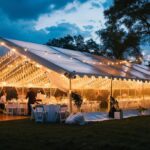
An enclosed tent creates a controlled interior where sidewalls, rated frames and HVAC keep guests and equipment protected. Clear sidewalls block wind while preserving views; solid walls improve privacy and thermal control. Reinforced anchoring and wind-rated frames increase structural resilience, and HVAC reduces humidity and stabilizes temperatures during cool, foggy mornings or chilly evenings. When weather risk exceeds what a partially open setup can handle, an enclosed tent converts your outdoor site into a reliable, comfortable space.
Ventura Rental Tent Solutions For Coastal California Events

Ventura Rental Party & Events serves Ventura, Santa Barbara and Los Angeles counties with a full line of tents, related rentals and complimentary design consultations. We help match tent choice to site conditions and your event goals — whether you want an open-air, scenic setup or a fully enclosed, climate-controlled space. The table below outlines core tent categories and features so you can quickly see which options fit your needs before requesting a quote or filling out a tenting questionnaire. For more detail, see our article Open-Air vs. Enclosed Tents: Which Is Best for Your Event.
This snapshot shows Ventura Rental’s practical inventory and consultative approach. Below we summarize the specific tent and accessory choices we commonly recommend.
Available Open-Air And Enclosed Tent Options
We typically stock sailcloth, frame, pole, clear-span and pop-up canopy solutions to suit a range of guest counts and site types. Sailcloth tents work beautifully for scenic ceremonies; frame and clear-span tents are recommended for receptions that need flooring or climate control; pop-up canopies cover small gatherings or vendor areas. As you select from inventory, consider guest capacity, interior finish and exposure so we can advise whether sidewalls, HVAC or flooring will be needed. Our complimentary consultation helps match tent type to your coastal site.
These tents pair with accessories that make outdoor events comfortable and reliable.
Available Open-Air And Enclosed Tent Options
Clear or solid sidewalls, tent flooring, heating and cooling units, and lighting rigs turn basic structures into polished, weather-ready venues. Clear walls preserve views while blocking wind; solid walls increase privacy and thermal control; flooring lifts guests above damp ground for a finished interior. Heating and cooling units let you dial in the temperature; staging and lighting improve flow and atmosphere. To move forward, browse our catalog, fill out the tenting questionnaire, or request a quote and schedule a free consultation — call (805) 644-4496 to get started. Our planners can help you size everything for your site, so get in touch for a quote.
Frequently Asked Questions
What should I consider when choosing a tent for a coastal event?
Start with venue type, guest count and the season’s typical weather. Check the tent’s wind rating and whether it supports sidewalls, flooring and HVAC. Then decide on the feel you want — open and scenic or enclosed and controlled — and plan accessories accordingly.
How can I secure an open-air tent against coastal winds?
Use anchoring systems made for sand or turf, add weighted footings or sandbags, and choose wind-rated frames. Orient the tent to reduce exposure to prevailing winds and consider temporary protections like partial walls or wind sails to keep the open look while improving stability.
What are the benefits of clear-span tents for large events?
Clear-span tents offer unobstructed interiors, flexible layouts and strong wind performance — ideal for large weddings and corporate events. They can be fully enclosed for weather protection while still feeling spacious, which makes them a versatile choice on the coast.
How do I prepare for unexpected weather changes during my event?
Have a contingency plan that includes options for both open-air and enclosed setups. Watch forecasts leading up to the day and have accessories on standby — sidewalls, heaters or fans. Work with your rental partner to ensure they can make quick adjustments and keep guests informed.
What types of flooring are available for tent rentals?
Common options include wooden platforms, carpet and synthetic flooring. Wooden platforms give a stable, elevated surface for formal events; carpet adds warmth and polish; synthetic floors are moisture-resistant and practical outdoors. Choose flooring based on the look you want and the site’s conditions.
Can I customize the layout and design of my tent rental?
Yes. We offer design help so you can customize seating, staging and décor. You can also choose lighting, sidewalls and flooring to match your event’s theme and functional needs. Our consultations make it easier to visualize the final layout on your site.
What should I do if severe weather threatens my event?
Safety first: follow local guidance and prioritize guest well-being. If you have an enclosed tent, ensure it’s properly secured and systems are working. If conditions worsen, consider postponing or relocating. Stay in touch with your rental provider for help and communicate changes to guests promptly.
Conclusion
Picking the right tent for a coastal California event is about balancing the view and atmosphere with guest comfort and safety. Open-air tents keep the scenery front and center; enclosed tents give you control when conditions demand it. If you’d like help choosing the best option for your site and guest list, reach out to Ventura Rental Party & Events — we’ll walk the site with you and build a plan that fits the coast and your vision.