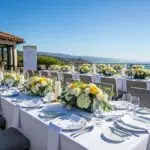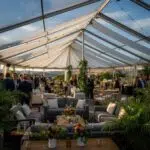
Indoor venues hold more potential than most people realize — when lighting and drapery work together they define zones, set mood, and solve real-world problems. This guide explains how lighting and drapery rentals operate as a coordinated system: what each element does, why their interaction matters, and the measurable benefits for weddings, corporate events, and community gatherings. You’ll learn which fixtures make the biggest visual impact, how fabrics and pipe‑and‑drape systems influence sightlines and acoustics, and practical package ideas that pair lights with drapery to meet specific event goals. We also cover Southern California considerations and give planners simple checklists to use during consultations. By focusing on fixture selection, fabric choice, placement, and integrated design, planners and venue managers can turn ordinary ballrooms and banquet halls into distinct, camera‑ready event spaces.
The sections that follow cover top indoor lighting rentals, drapery service options, wedding package ideas, and corporate lighting solutions — all with clear examples and decision tools to simplify planning.
What Are the Best Indoor Event Lighting Rentals to Enhance Venue Ambiance?
Indoor lighting rentals are purpose‑built fixtures and control systems that change color, contrast, and focal emphasis to create an intentional atmosphere. Adjusting color temperature, intensity, and beam direction can make a room feel larger or cozier, improve photo results, and guide guest attention. The right lighting improves visibility where it’s needed, hides unsightly infrastructure, and highlights architectural or décor focal points — all while using efficient LED and wireless options. The next section breaks down the highest‑impact fixture types and shows how uplighting pairs with drapery to add depth and color harmony.
Which Lighting Types Create the Most Impact in Indoor Venues?
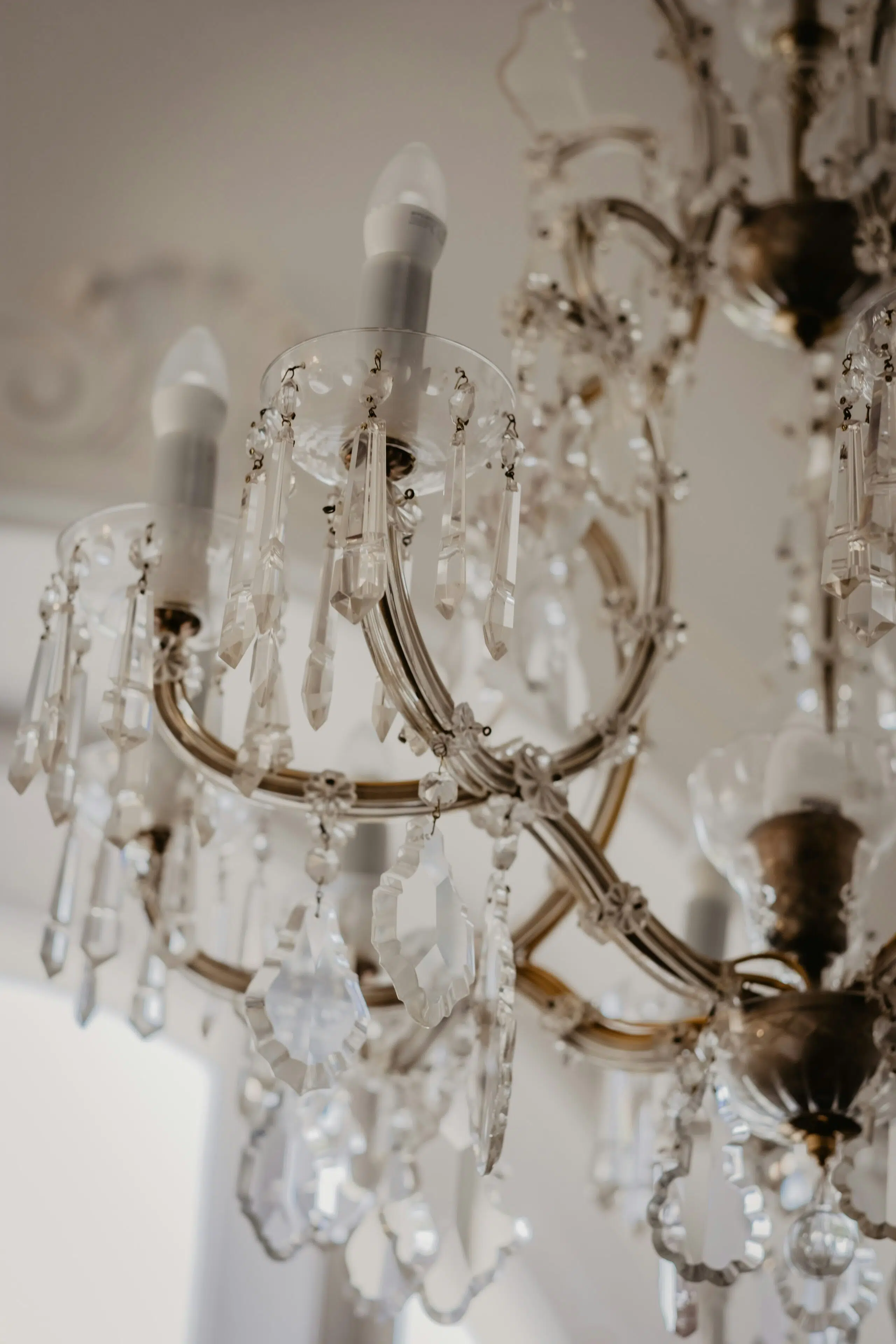
The lighting tools that deliver the biggest payoff indoors include LED uplights, string/bistro lights, gobo projectors, and decorative chandeliers — each serves a clear visual and practical purpose. LED uplights wash walls and drapery in rich color to set an overall mood; string lights add intimate texture above dining and lounge areas; gobo projectors throw logos or patterns onto walls and dance floors; and chandeliers provide an anchored, upscale focal point for ceremonies. Choosing the right fixture depends on the desired effect — ambient wash, twinkle, branded projection, or a decorative centerpiece — and on practical constraints like ceiling height and power availability.
When planners match fixture categories to event goals, it becomes straightforward to decide which pieces to rent. That understanding also shows why uplighting and fabric are such powerful partners.
Quick selection guide — lighting fixtures that typically deliver the most impact:
- LED uplighting: full‑color washes that unify or change a room’s palette.
- String/bistro lights: textured, intimate overhead lighting for dining and mingling.
- Gobo projectors: branded images or patterns to personalize walls, stages, or floors.
Use this shortlist to prioritize rentals before drilling into equipment details and layout planning.
Key fixture attributes at a glance:
Want help selecting equipment? Browse our catalog or request a quote — we’ll match fixtures to your venue and goals and provide a clear rental plan.
How Can Event Drapery Services in Southern California Transform Your Indoor Venue?
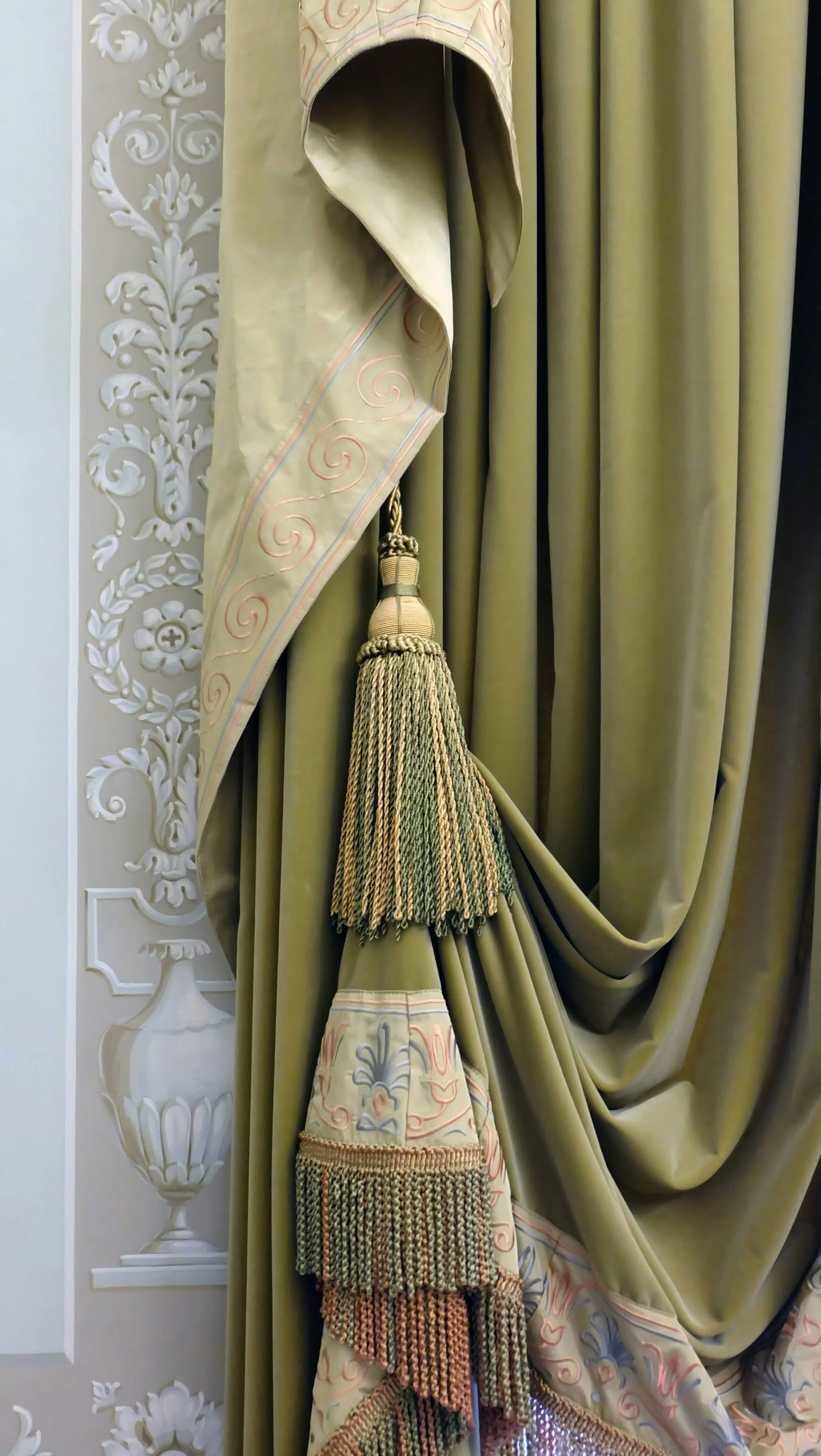
Drapery services combine fabric, hardware, and installation know‑how to define zones, hide unsightly elements, and improve acoustics — giving venues visual cohesion and practical benefits. Whether installed as pipe‑and‑drape, ceiling swags, or layered backdrops, drapery controls sightlines and softens ambient noise while creating a surface for lighting to reveal texture. In Southern California, fabrics should be chosen for colorfastness under strong lights and coordinated with venue rigging limits, since fabric opacity and finish interact directly with illumination. The following subsections cover common drapery options and the practical advantages of pipe‑and‑drape and ceiling draping installations.
What Are the Key Drapery Options for Elegant Venue Definition?
Common fabrics — velour, sheer, and satin — each deliver different visual and acoustic results. Velour is dense and sound‑absorbing, ideal for stages and partitions. Sheer fabrics diffuse light and create soft, romantic layers for ceremony backdrops. Satin adds a subtle sheen for upscale receptions and reflects uplighting differently than matte textiles, giving more depth. Layering combines these strengths — for example, a sheer front layer with a velour back lets you control translucency across daytime and evening events.
These fabric traits guide the right selection for each event function, which leads into installation methods that bring those choices to life.
Practical drapery selection tips:
- Choose velour when acoustic control and concealment are priorities.
- Use sheer layers for soft, light‑diffusing ceremony backdrops.
- Select satin for a reflective, elegant finish under uplighting.
How Do Pipe and Drape Systems and Ceiling Draping Enhance Event Spaces?
Pipe‑and‑drape and ceiling draping are modular, fast installation methods that reshape a room without permanent changes. They use poles, bases, and tracks to create partitions, backdrops, and overhead swags. Good installation accounts for ceiling height, anchor points, and fire/safety codes and makes sure seams and pleats hang evenly to avoid visual distractions. Ceiling draping adds volume and can visually lower a cavernous room for intimacy; pipe‑and‑drape creates flexible zones for breakouts or stages. We recommend an on‑site consultation so planners can confirm rigging needs and sightlines before booking.
The short comparison below helps planners decide which system fits their layout and load plans.
To view our drapery inventory or schedule a complimentary design discussion, request a quote with Ventura Rental Party & Events. We’ll walk through samples, rigging requirements, and installation timing so your plan is ready for load‑in.
What Wedding Lighting and Draping Packages Best Maximize Indoor Venues?
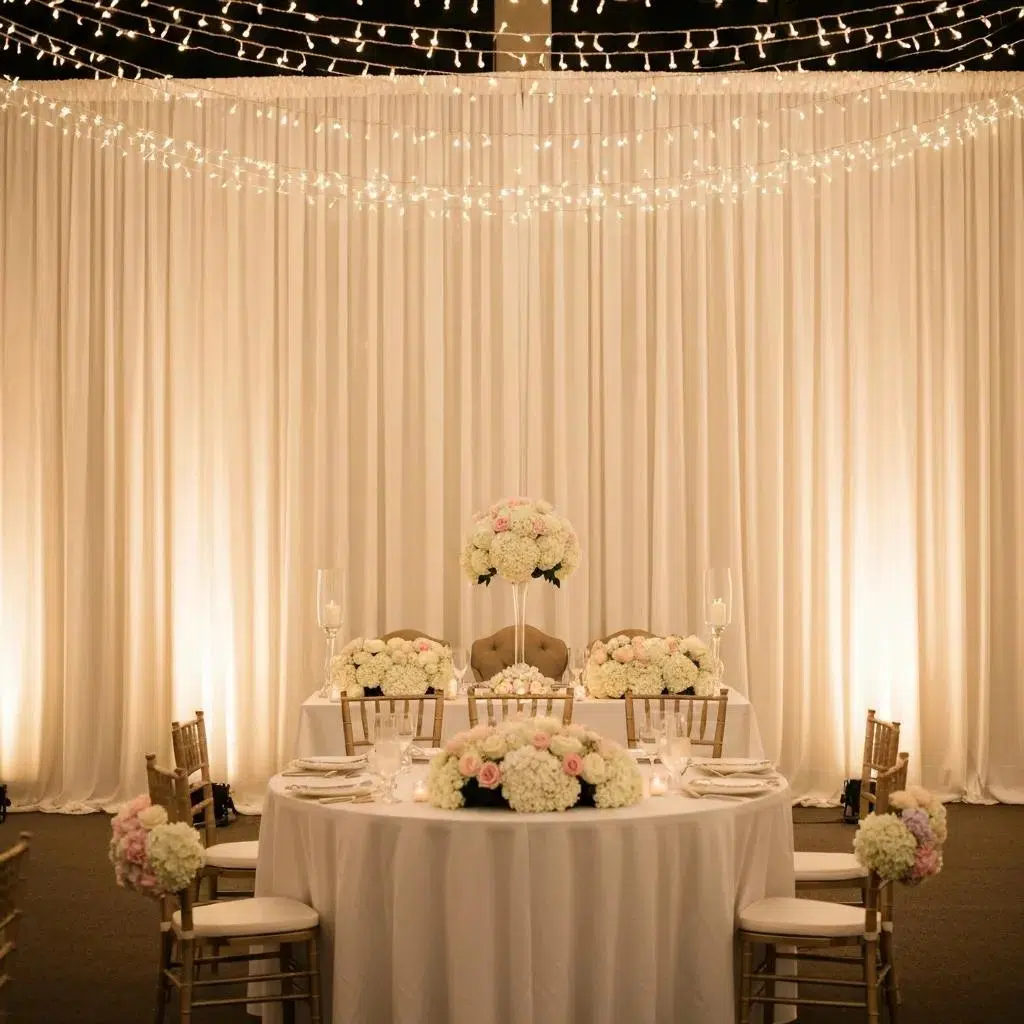
Wedding packages pair lighting and drapery to create ceremony focus, romantic reception warmth, or an energized dance environment through curated fixture‑fabric combinations. Typical packages balance room‑wide uplighting, string lights over dining areas, soft sheer ceremony backdrops, and accent gobos for monograms — each component serves a specific visual role. Sample packages below show common combinations and typical uses to help planners choose the right mix for guest experience and photography. After you review options, a design consult will finalize placements and quantities.
How Do Lighting and Drapery Combine to Create Romantic Wedding Ambiance?
A romantic wedding look often uses warm LED uplighting with soft sheer draping and delicate string lights to build layered depth and flattering portraits. Warm color temperatures (about 2700–3000K) complement ivory or blush fabrics, while string lights add sparkle above guest tables without competing with the ceremony focal point. Placement focuses on the altar and sweetheart table; uplights are angled to reveal fabric texture and avoid hotspots. Coordinating light intensity and fabric translucency makes sure the couple and décor are highlighted while guests remain comfortable.
Those principles translate directly into packaged selections that simplify planning and ordering for wedding teams.
Common wedding package concepts:
- Romantic Ceremony Package: sheer backdrop, 8 warm uplights, altar accent.
- Classic Reception Package: room‑wide uplighting, chandeliers or hanging fixtures, satin head table drape.
- Dancefloor Focus Package: patterned gobo, intensified uplighting, minimal perimeter draping.
What Are Popular Drapery Fabrics and Lighting Styles for Weddings?
Velour, satin, and sheer fabrics each pair predictably with lighting styles: velour absorbs light for dramatic contrast; satin reflects highlights for a glamorous look; sheer transmits color for ethereal washes. Common lighting choices include warm LED uplighting for mood, string lights for intimate glow, and gobos for personalized elements like monograms. Practical notes: pre‑press fabrics, confirm color choices under sample lighting, and schedule rigging before floral installs. These simple steps cut surprises on load‑in and deliver consistent photos.
LED technology’s compatibility with fabric has also opened creative doors — from subtle backlit drapes to dynamic, color‑shifting effects that add surprise and energy.
Sample wedding package compositions for planners to review:
If you’d like a tailored wedding package or a wedding quote, browse our package options and schedule a design consultation. We’ll help you lock down the right mix of lighting and drapery for your venue and timeline.
Which Corporate Event Lighting Solutions Optimize Indoor Venue Design?

Corporate event lighting prioritizes visibility, branding, and camera‑friendly presentation while keeping a professional atmosphere that supports networking and presentations. Smart solutions include neutral uplighting for consistent color rendering on speakers, subtle gobos for logo placement, and balanced downlighting to avoid glare on projection screens and cameras. For hybrid events, even front lighting and controlled backlight improve video quality and reduce shadows. The final subsection outlines drapery styles and a checklist to align corporate aesthetics with technical needs.
How Does Strategic Lighting Support Professional and Engaging Corporate Events?
Strategic lighting enhances speaker visibility, improves on‑camera presence for livestreams, and guides audience attention between stages and breakout areas. Key considerations: choose fixtures with a high color rendering index (CRI) for true skin tones, use soft fill lighting to reduce harsh shadows, and rely on DMX control for fast scene changes between sessions. For hybrid setups, consistent front light plus controlled backlight preserves recording quality. These priorities keep presentations clear and professional for both in‑room and remote audiences.
Next, choose drapery that creates a neutral, branded backdrop that supports these lighting goals.
Corporate drapery recommendations:
- Use neutral velour to conceal logistics and absorb sound in conference rooms.
- Add brand‑color accents sparingly with satin panels or gobo‑backed fabric.
- Choose modular pipe‑and‑drape systems to reconfigure rooms quickly between sessions.
What Drapery Styles Are Ideal for Corporate Event Spaces?
Neutral, low‑sheen fabrics like velour and matte satin make reliable, professional backdrops that reduce glare and improve acoustics for presentations and recordings. Introduce brand colors as vertical accents or behind podiums to reinforce identity without overpowering the room. Modular drape walls let you divide spaces rapidly for breakout sessions. Don’t forget fire‑retardant certification and confirm rigging plans with venue operations to avoid schedule conflicts. These choices balance a clean, corporate look with practical needs.
For corporate planners wanting inventory options and quotes, Ventura Rental Party & Events can outline package alternatives and arrange on‑site assessments to confirm technical constraints and timing. We’ll help you build a lighting and drapery plan that supports both your message and your production requirements.
Frequently Asked Questions
What are the benefits of using LED lighting in indoor events?
LED lighting offers clear benefits for indoor events: energy efficiency, broad color options, and flexible control. LEDs use less power than incandescent options, lowering energy costs and heat load. They’re easy to dim and change color temperature, so you can fine‑tune ambiance quickly. Long lifespans and low maintenance make LEDs cost‑effective over time. In short, LEDs give you creative control while keeping setups efficient and reliable.
How can drapery improve the acoustics of an event space?
Drapery helps acoustics by absorbing sound and reducing echo. Dense fabrics like velour are particularly good at dampening noise, making speech clearer and music cleaner in large rooms. Thoughtful drape placement — behind stages, along perimeter walls, or as provisional partitions — creates a more intimate listening environment and reduces distracting reverberation.
What factors should be considered when selecting drapery fabrics for events?
When picking drapery fabrics, consider opacity, texture, and colorfastness. Opacity affects how much light passes through and whether you want silhouettes or full concealment. Texture changes how fabric interacts with light and camera flash. Colorfastness ensures the fabric keeps its hue under bright fixtures. Also factor in installation ease, flame‑retardant certification, and how the fabric fits your event’s style and function.
How do lighting and drapery work together to create a cohesive event design?
Lighting and drapery create cohesion by working as a single visual system: drapery provides a surface and silhouette, lighting sculpts that surface into color, depth, and focus. Uplighting washes fabric with color; gobos add texture or branding; string lights create overhead intimacy. When planned together, they guide attention to ceremony stages, head tables, or dance floors while softening harsh lines and improving photos.
What are some common mistakes to avoid when planning lighting and drapery for events?
Common mistakes include skipping a site visit, not testing fabrics under the final lighting, and underestimating rigging needs. Poorly planned installation can cause safety issues or visible seams and hotspots. Avoid overloading the space with conflicting elements — keep a clear focal strategy and coordinate timing so draping, lighting, and florals integrate smoothly on load‑in day.
How can I ensure my lighting and drapery choices align with my event’s theme?
Start with a clear vision: define the mood, color palette, and focal points. Then choose fabrics and fixtures that support that vision — warm tones and sheers for romance, crisp neutrals and subtle branding for corporate events, bolder colors for festive parties. Work with a design consultant to test samples and lighting scenes so every element reads consistently in photos and in person.
Conclusion
Strategic lighting and drapery rentals unlock the full potential of indoor venues — enhancing atmosphere, improving acoustics, and elevating photos and video. When fixtures and fabrics are chosen and placed with intention, planners can create memorable, functional spaces for any occasion. Explore our rental options, request a quote, or contact Ventura Rental Party & Events to discuss your vision and turn it into a seamless plan.